Inspiration
In my final year of undergraduate studies in mechatronic systems engineering, I collaborated with in a team of four to complete this project. Our inspiration stemmed from our shared passion for cycling, driving us to create a more streamlined transportation option. Notably, our research revealed that during the pandemic, indoor stationary resistance bicycles gained remarkable popularity, indicating a sustained interest in cycling for exercise. As the pandemic came to an end, individuals are returning to conventional bicycles. However, they struggle to achieve consistent resistance settings similar to what they experienced with stationary bikes.
What it does
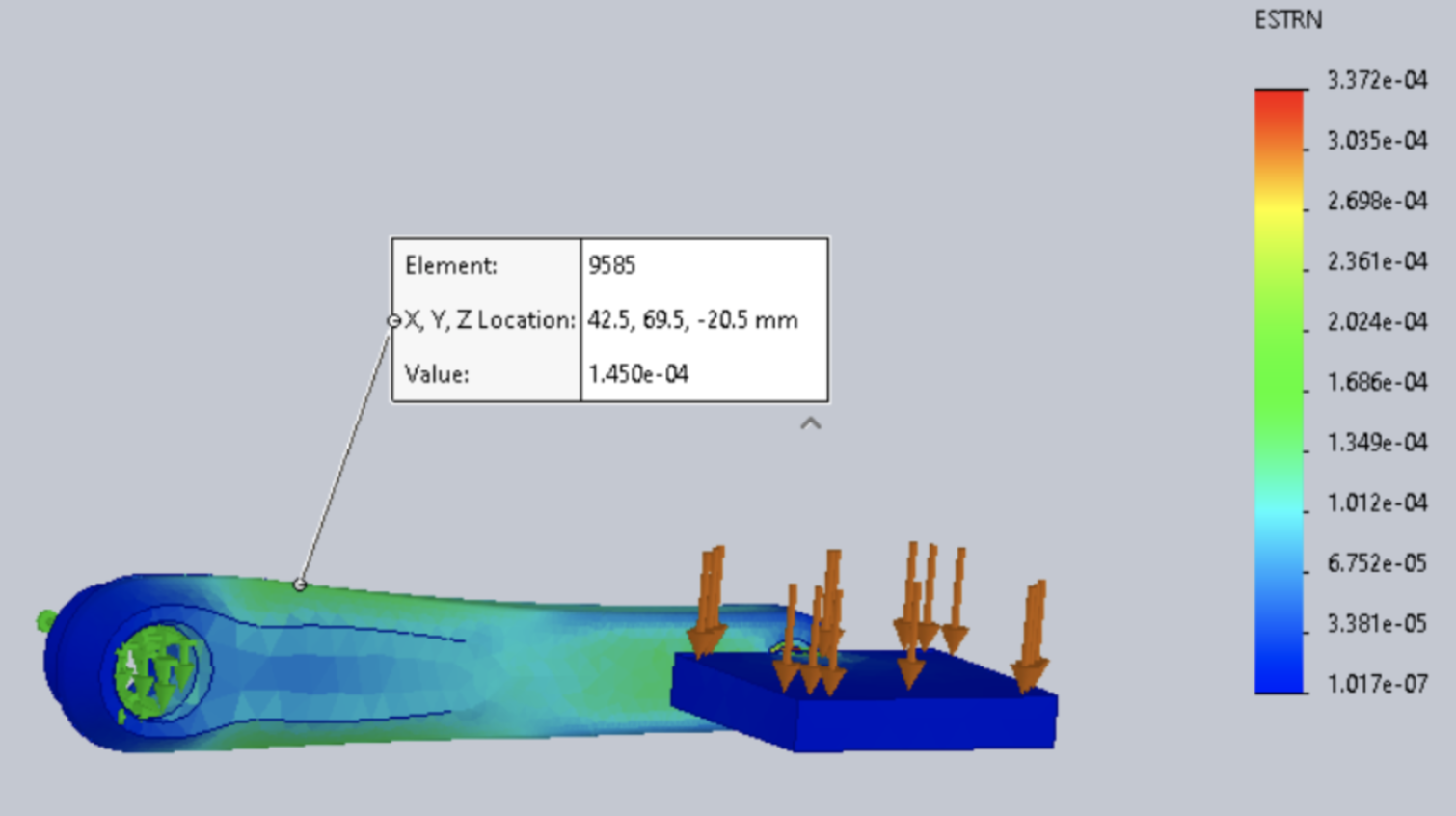
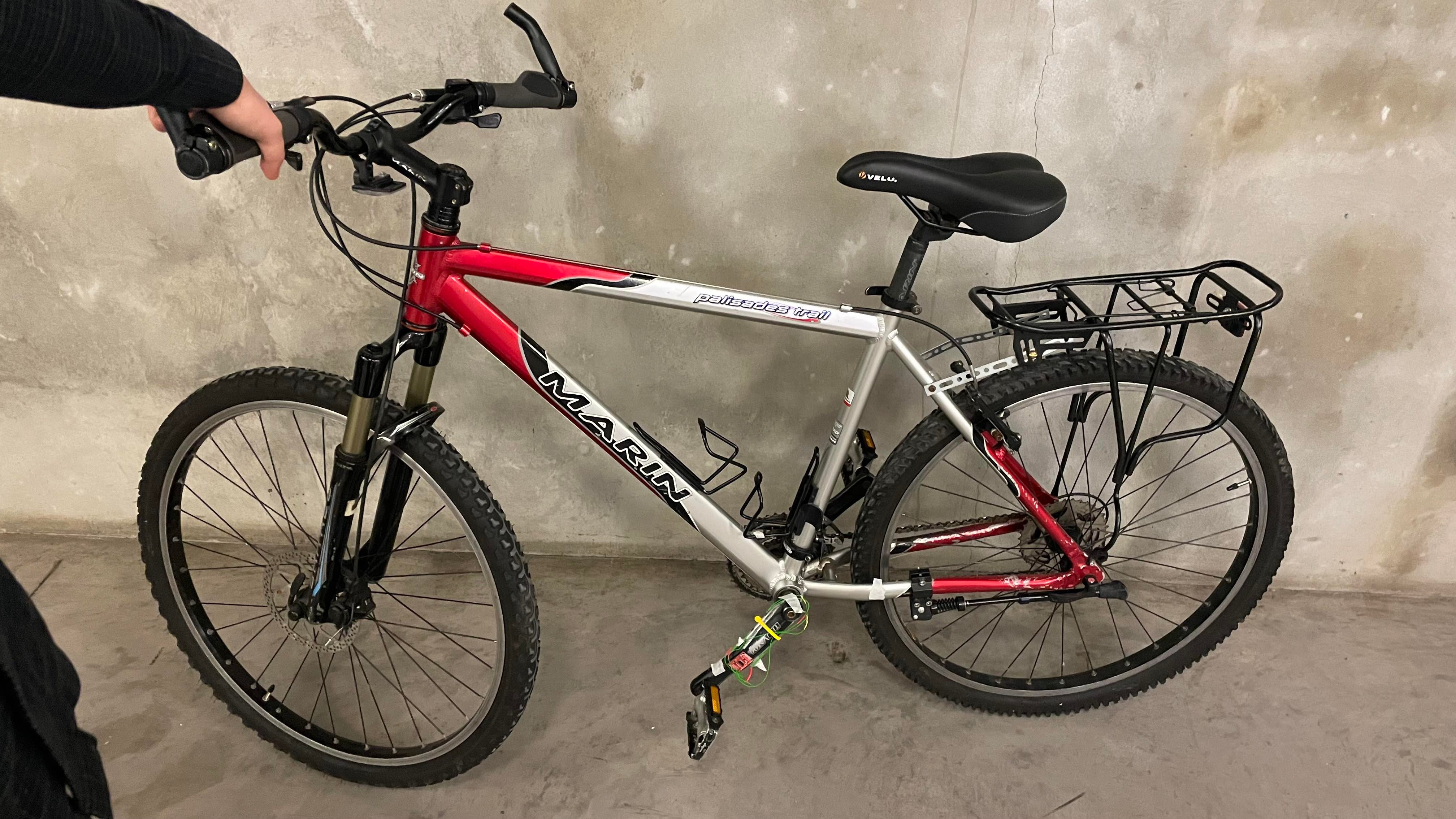
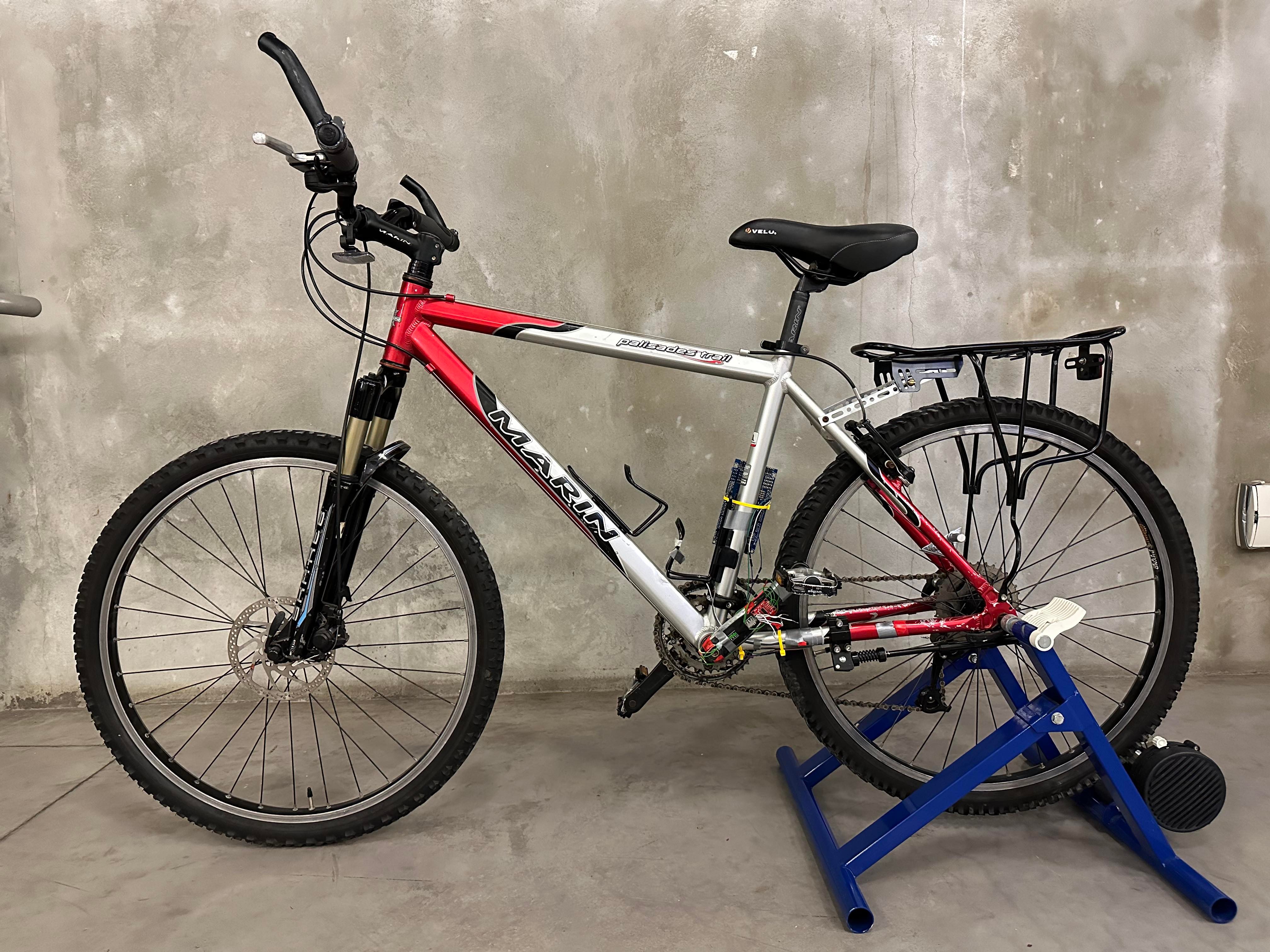
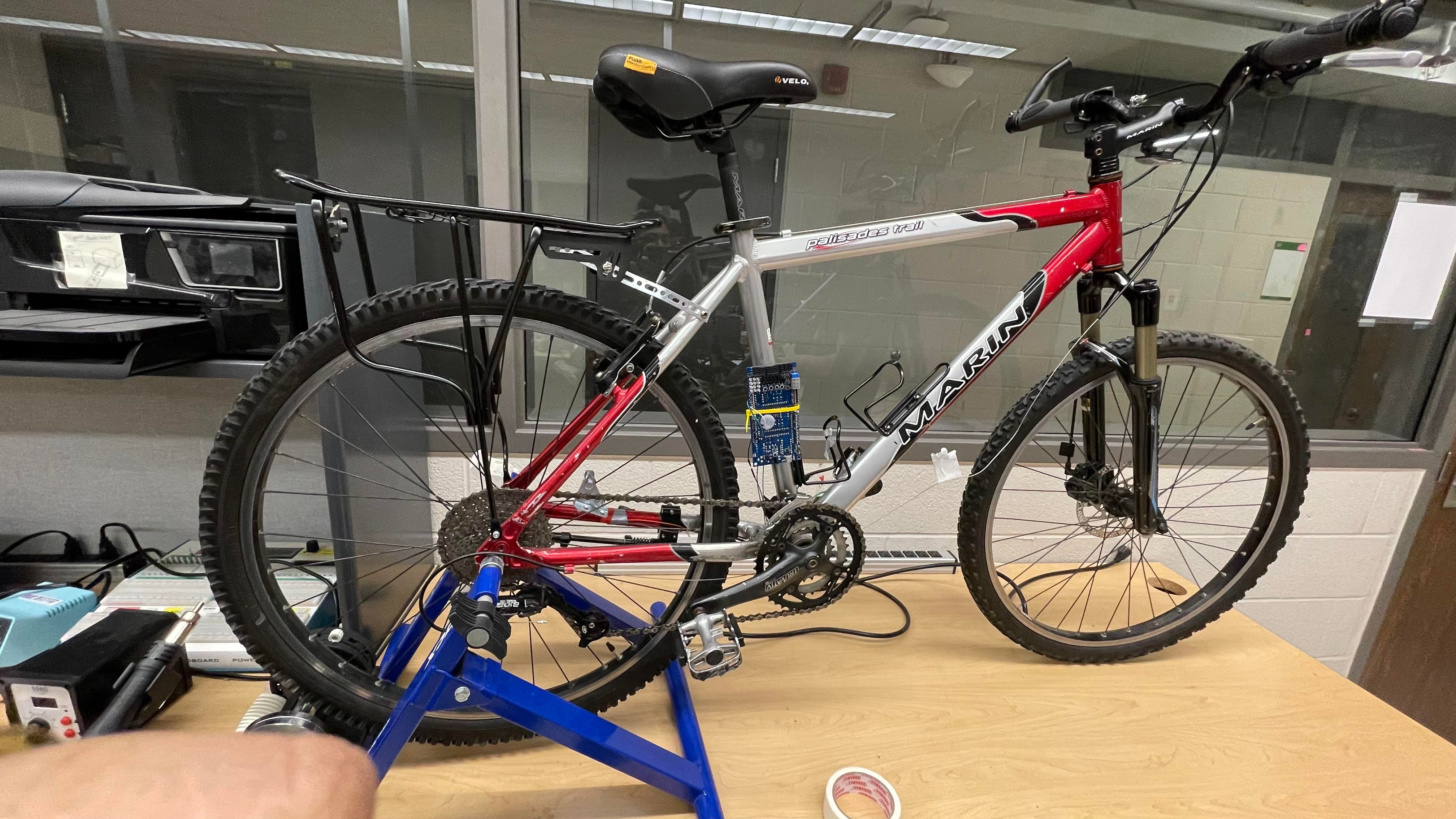
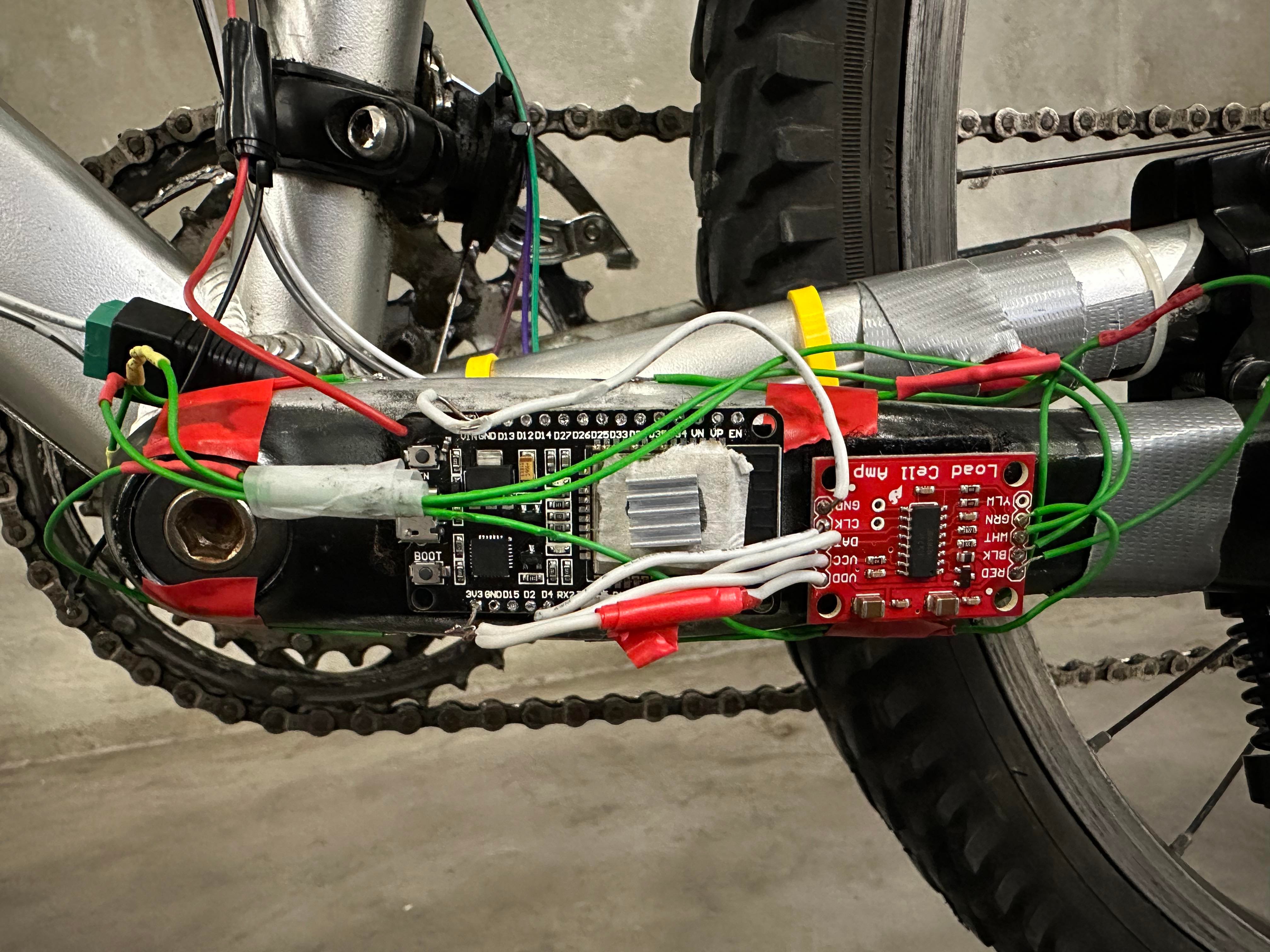
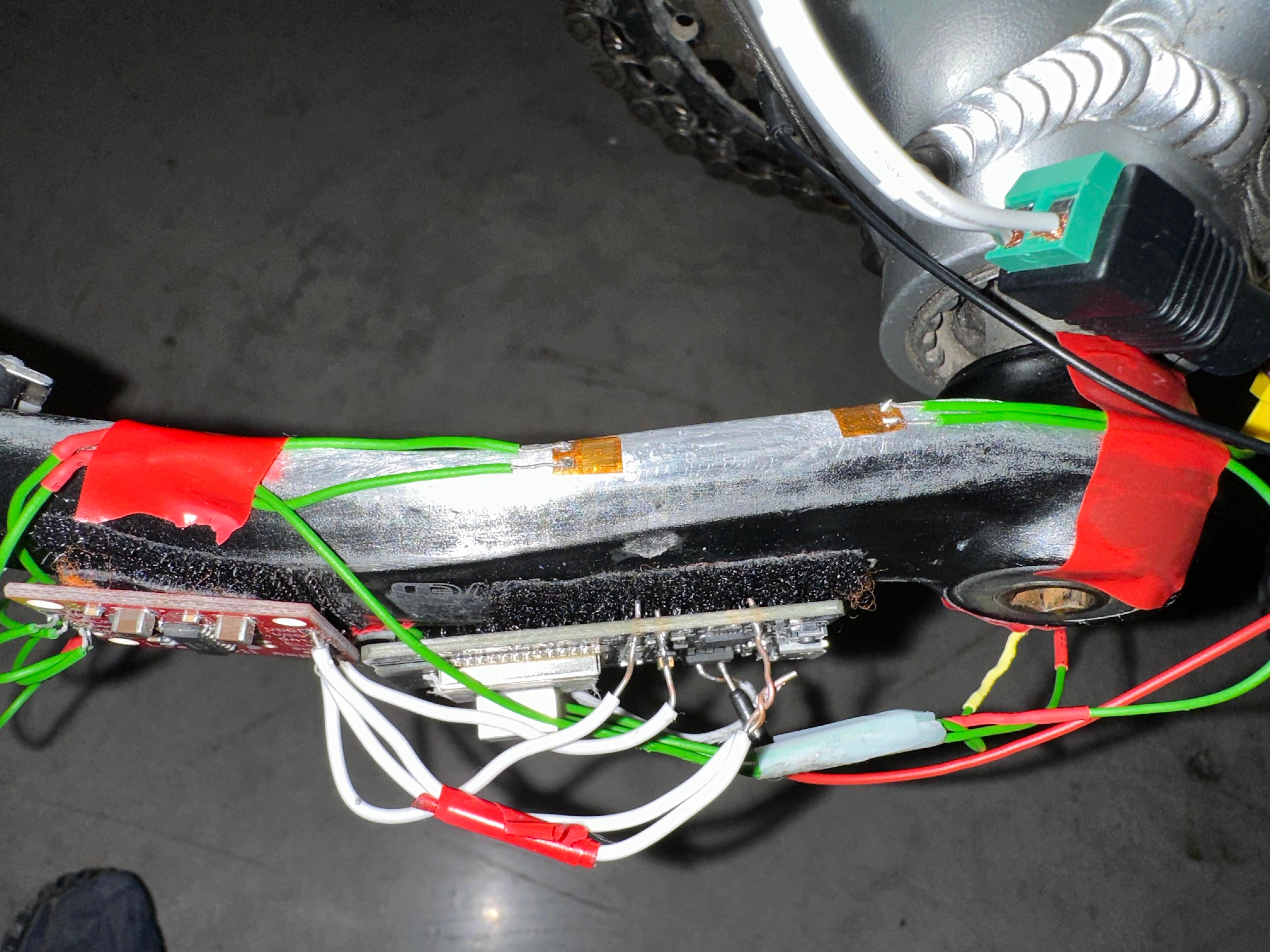
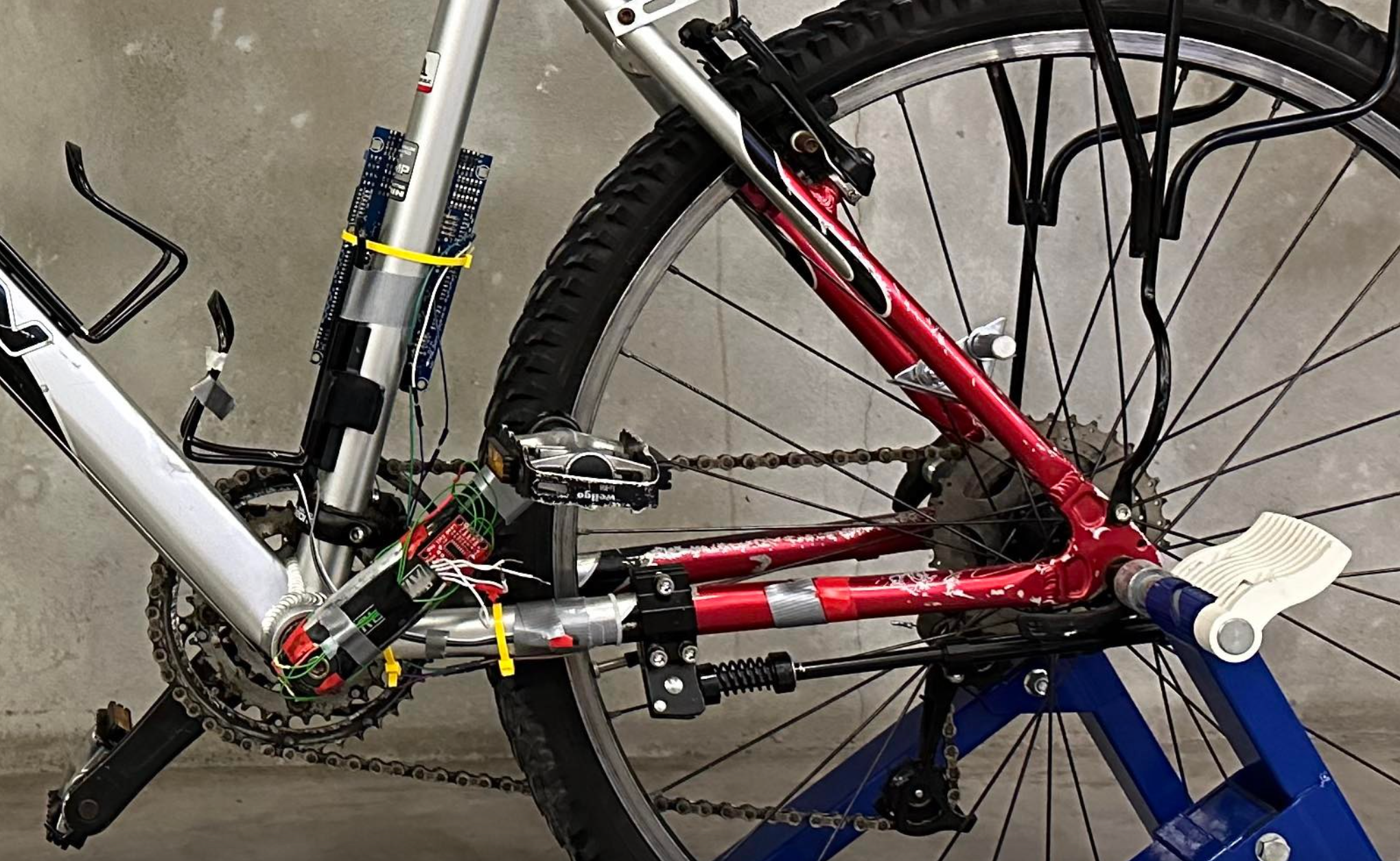
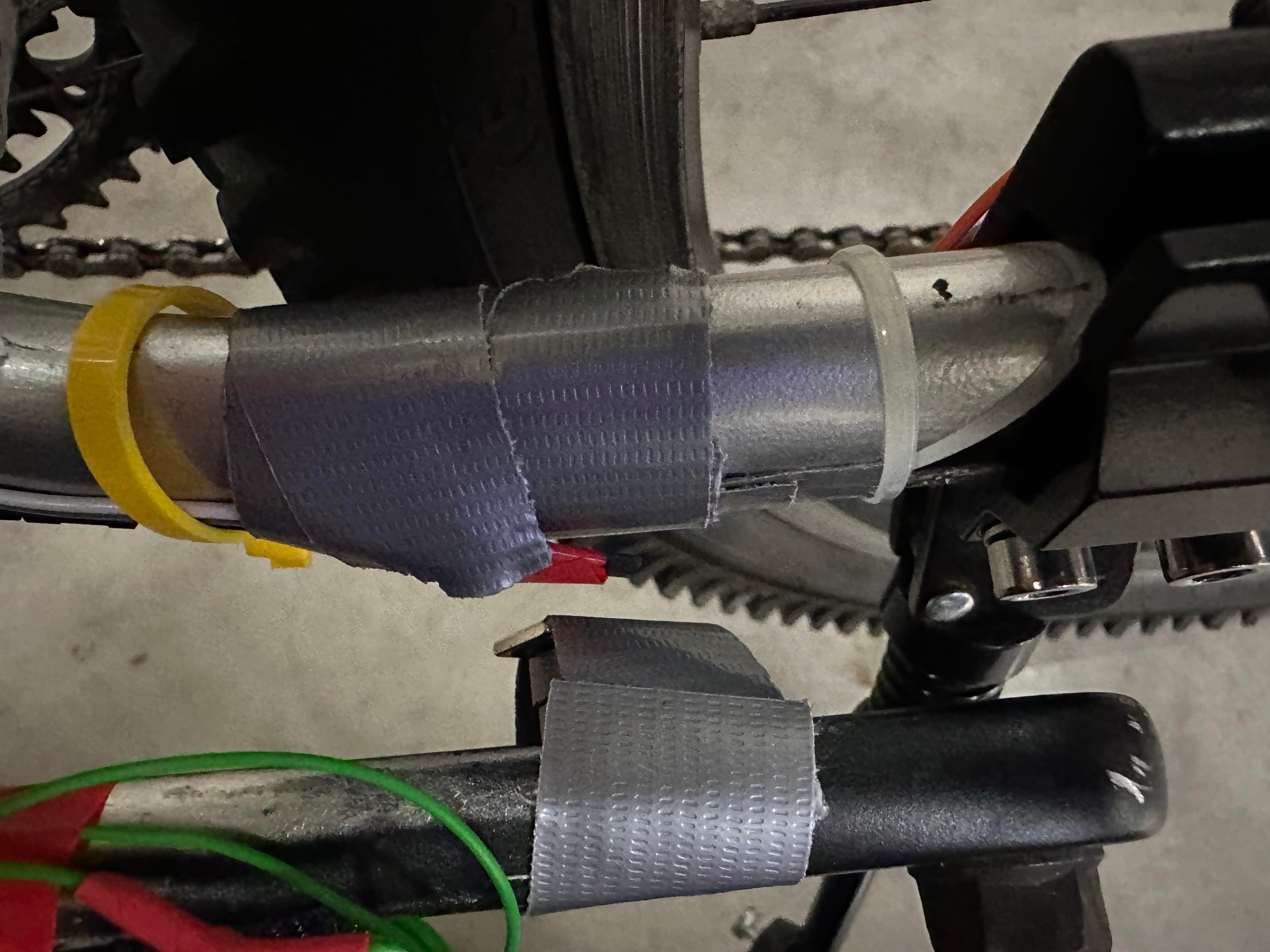
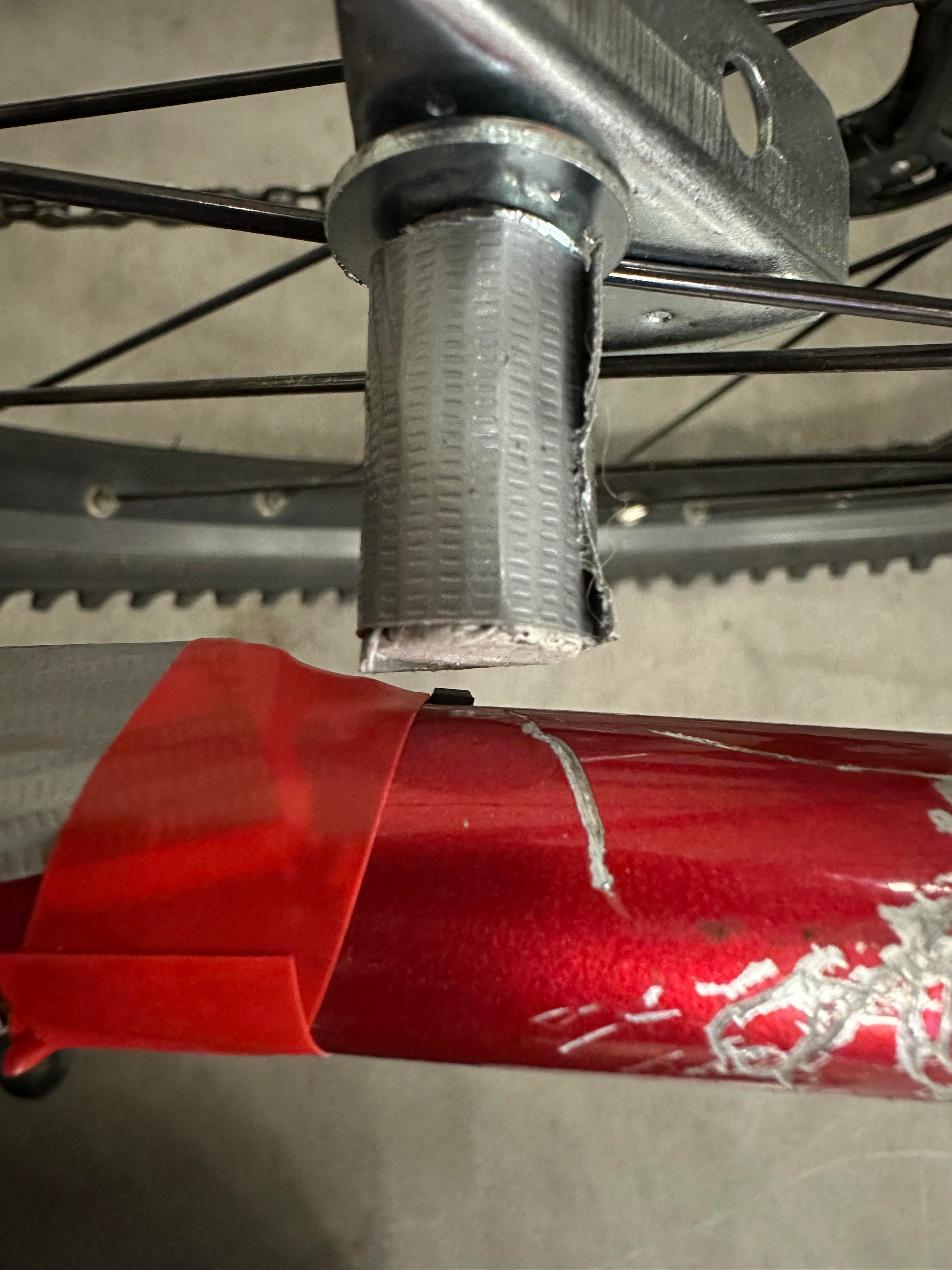
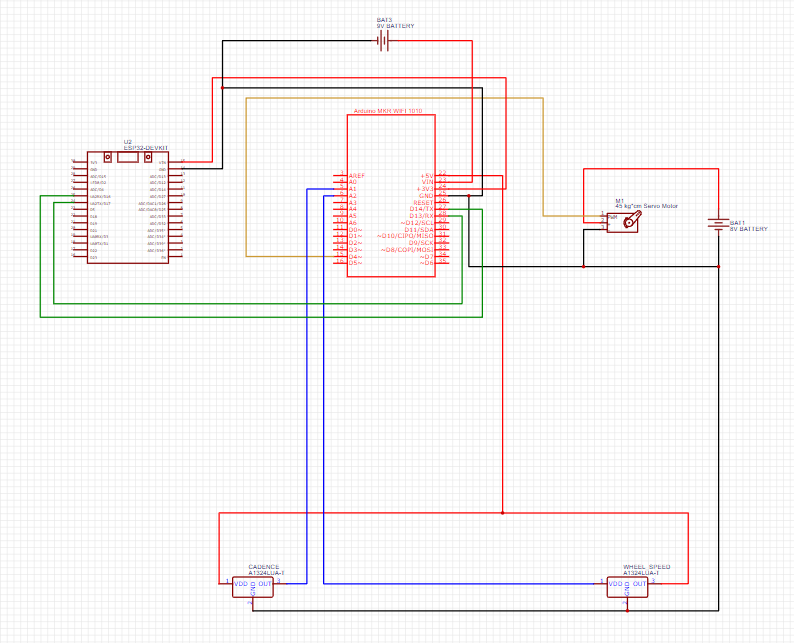
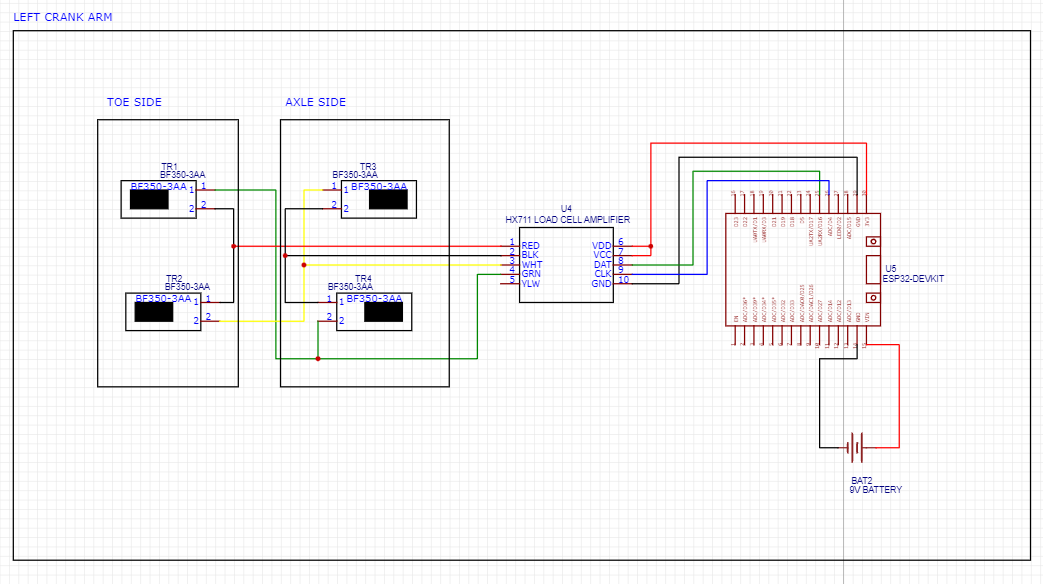
Introducing SmartShift: An Effort-Based Drivetrain Control System for Bicycles. This innovative system comprises multiple interconnected subsystems, with its primary components being the power meter. We constructed this meter using strain gauges in a wheatstone bridge configuration. Complementing this, we integrated a set of Hall effect sensors on both the pedal and the rear wheel. These sensors determine the cyclist's cadence and speed, respectively.
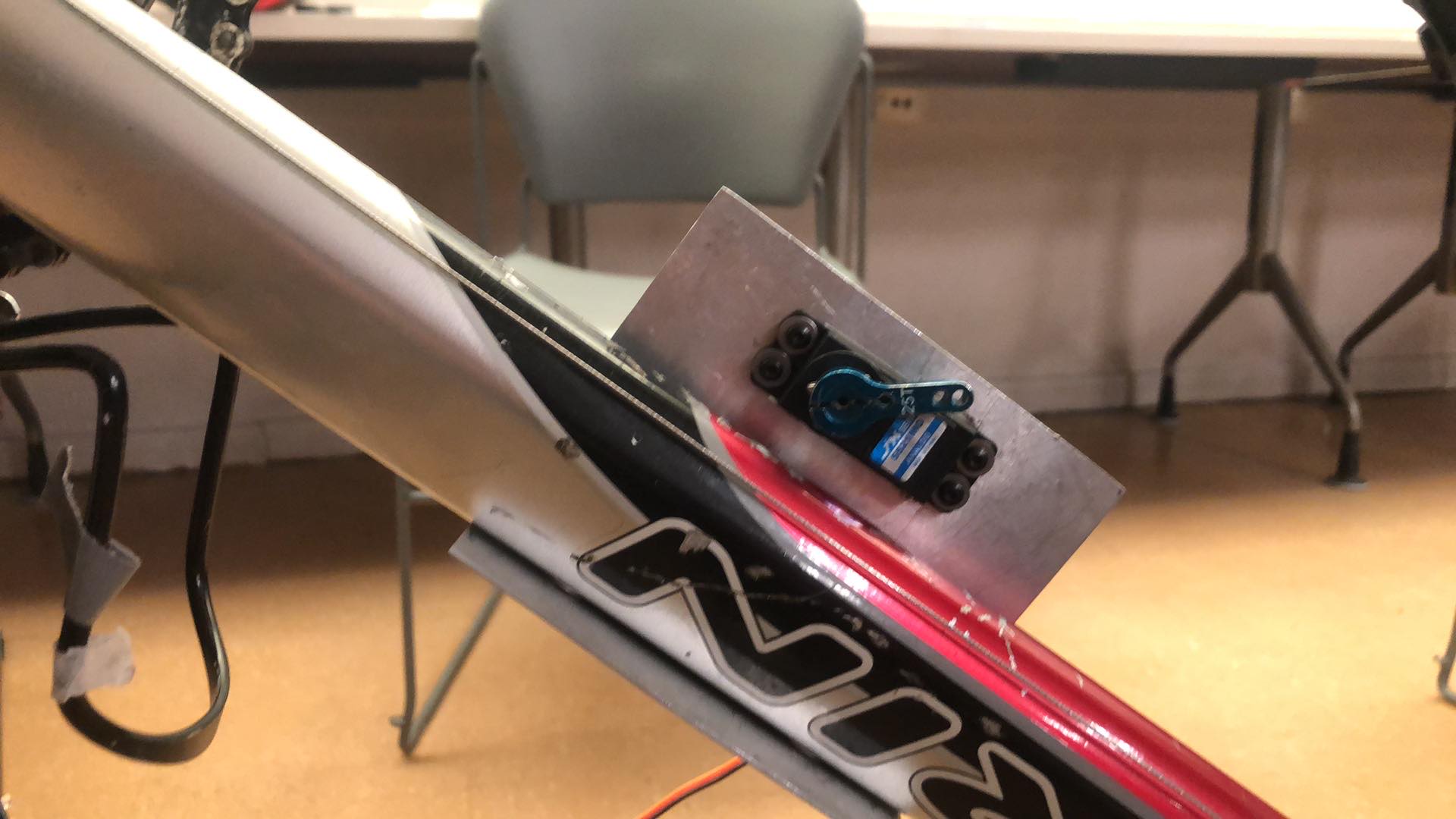
To seamlessly facilitate data transmission throughout the system, we harnessed the capabilities of the Arduino MKR 1010 board and various Bluetooth communication modules. However, the system's centrepiece lies in its motor, which has the task of translating sensor-derived data into actual gear adjustments on the bicycle. This approach involves analyzing user-generated power, cyclist cadence, and travel speed to optimize gear shifts.
Enhancing user experience, our accompanying smartphone application allows cyclists to engage different modes, tailoring their ride to either resistance-focused workouts or the most effective gear ratios for efficient commuting. For a more comprehensive understanding, the technical intricacies are detailed in the team's technical report, accessible through the "Try it out" link provided.
How we built it
The project evolved through the construction of multiple subcomponents, which were subsequently integrated to form a cohesive whole. A comprehensive insight into this process is detailed in the linked technical report below.
Challenges we ran into
Throughout the year-long journey of research, development, and construction, we encountered a series of challenges that tested our perseverance. Among these hurdles, a prominent issue emerged: ensuring consistent and reliable data transfer from the power meter to the Arduino MKR 1010 board. This challenge was particularly daunting due to the dynamic nature of a bicycle's movement and the power meter's placement on one of the crank arms. The critical question arose: How can electrical connections be maintained between a stationary component and a rotating one, without risking disconnection?
In pursuit of a solution, we looked into the realm of similar systems that have encountered comparable obstacles. Our exploration led us to the concept of electrical slip rings—devices designed to allow electrical connections between stationary and rotating components. However, upon deeper investigation, we concluded that while slip rings excel in preserving electrical connections, their compatibility with data transfer, especially digital data, presented a significant hurdle. The nature of digital data would render the data vulnerable to corruption and noise interference when transmitted through a slip ring, thus, compromising its usefulness and accuracy.
We looked on an alternative avenue: integrating an additional Bluetooth module directly onto the rotating component. This innovative approach held promise, allowing wireless data transmission to the central Arduino MKR 1010 board. While this solution proved viable, it required a substantial investment of time and effort to fine-tune its functionality and efficiency.
The full exploration, experimentation, and resolution can be found within the technical report.
Accomplishments that I'm proud of
I am pleased and satisfied with the successful outcome of the power meter. In our initial research phase, we recognized the necessity for a sensor to measure the cyclist's generated power. However, commercially available sensors with data transfer capabilities proved extremely expensive, exceeding our project budget.
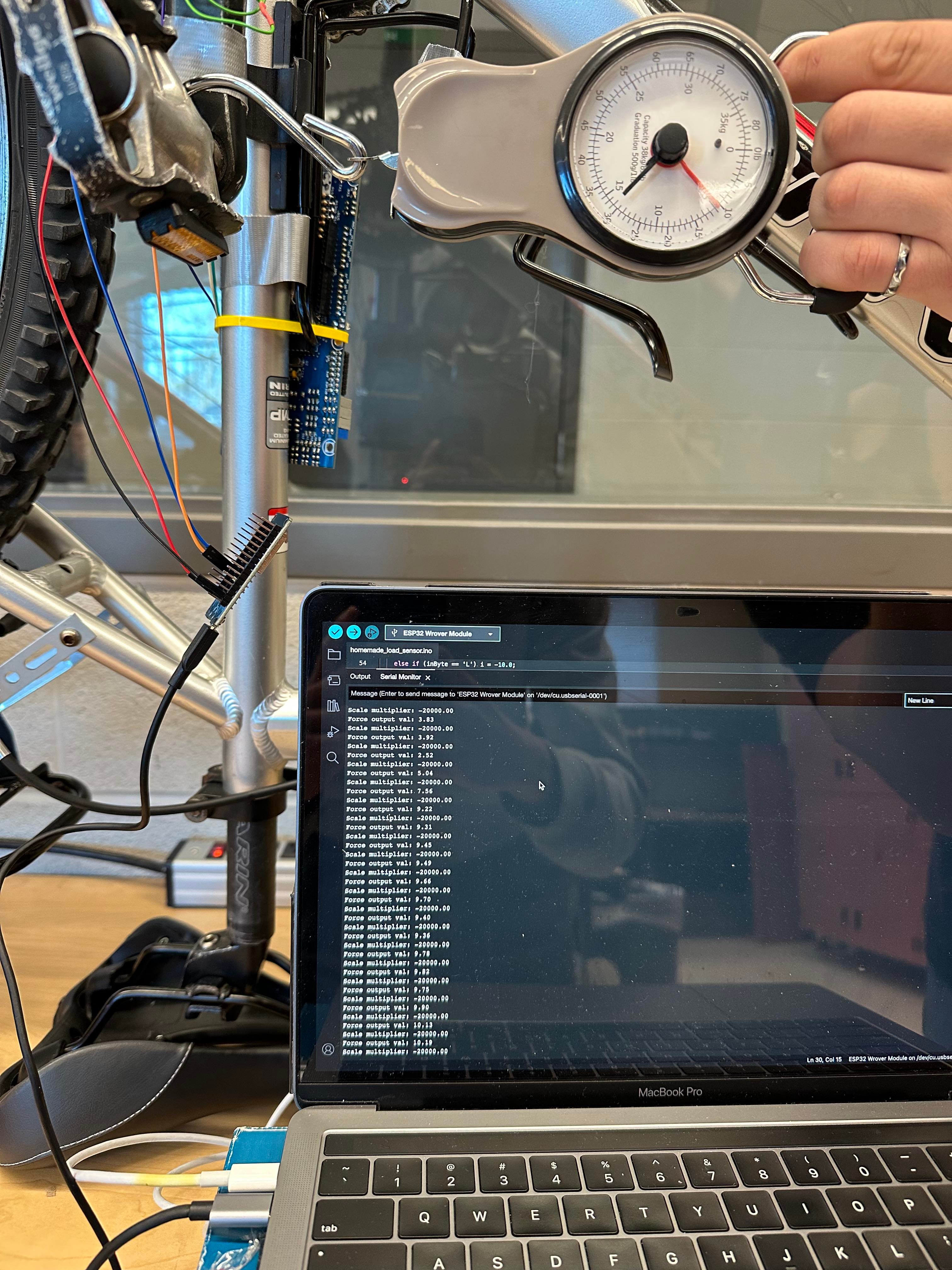
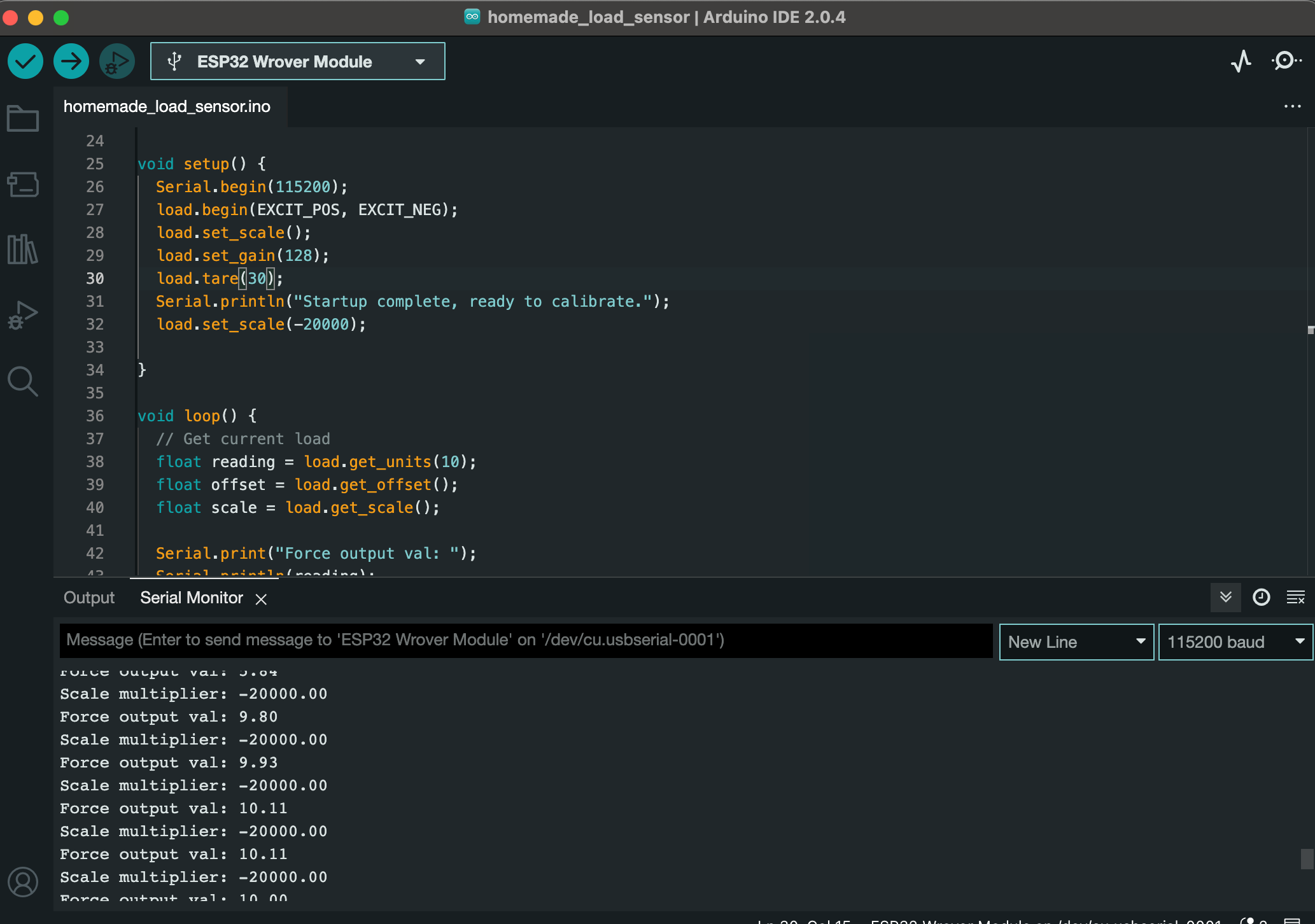
This prompted us to explore the possibility of constructing a power meter from the ground up. Our investigation led us to consider using strain gauges in conjunction with a load cell amplifier to quantify the user's power output. Through diligent effort, we developed and tested this solution, and were pleasantly surprised by the accuracy of the results—bearing in mind that calibration and fine-tuning were necessary to achieve this level of precision.
What I learned
Integration Nightmare: In our four-person team, we strategically divided into pairs to optimize productivity and leverage individual strengths. This approach allowed each duo to focus on specific project aspects, leading to enhanced efficiency. However, the process of compiling of our distinct components into a coherent system presented unforeseen challenges during the integration phase.
While each separate component showed promising performance on it's own, within a unified system introduced novel issues that were absent during initial testing. A substantial amount of time was dedicated to refining the system, particularly its automatic gear-shifting functionality. Despite our dedicated efforts, the automatic transition was not achieved
Nevertheless, the manual mode proved functional. By utilizing the smartphone application, we successfully allowed gear changes through motor activation, as visually evidenced in the provided video. I realized that combining multiple components at once can be really tough and time-consuming. If I were to face this situation again, I would either set aside more time for this integration step or make sure to check how well the components work together as we create them, instead of dealing with everything all at once.
What's next for Engineering Capstone: SmartShift
This marks the conclusion of SmartShift's journey, this project has equipped us with invaluable tools that will undoubtedly shape our future pursuits.
Built With
- arduino
- lightblue
- matlab
- mit-app-inventor
- simulink
- solidworks

Log in or sign up for Devpost to join the conversation.