
Inspiration
The global renewable energy market was valued at USD 1.21 trillion in 2023 and is projected to grow at a compound annual growth rate (CAGR) of 17.2% from 2024 to 2030.
This growth is reflected in the Renewable Energy Certificate (REC) market, valued at USD 12.72 billion in 2023, which is expected to reach USD 136.35 billion by 2033 with a CAGR of 26.71%. RECs are tradable certificates that certify electricity was generated from renewable energy sources and represent the associated carbon offsets.
For businesses, REC trading presents several advantages. Governments are implementing Renewable Portfolio Standards (RPS) that mandate a portion of electricity must come from renewable sources. RECs allow companies to meet these requirements without the need for compliance payments or costly energy infrastructure changes. In addition, many states provide tax incentives for renewable energy adoption, such as the upcoming Clean Electricity Investment Tax Credit, which businesses can leverage through REC purchases. By acquiring RECs, companies can also offset their remaining greenhouse gas (GHG) emissions, boosting their sustainability credentials—a key factor for consumers, investors, and stakeholders.
Households benefit from REC trading as well. A 6-kilowatt residential solar system can generate approximately seven RECs annually, providing an additional revenue stream from renewable energy production.
As more participants enter the REC market, it creates financial incentives for the development of new renewable energy projects, driving the market toward greener energy production. However, the REC market faces challenges, including the lack of standardized rules and practices across trading platforms. This fragmentation makes trading RECs across regions difficult and hinders market efficiency. Furthermore, limited transparency around REC pricing and availability reduces market confidence, making it harder for businesses to assess the value of their REC investments. Households also face difficulties accessing the market due to the need for brokers, which leads to high middleman fees that reduce profitability. Overcoming these issues is crucial to unlocking the full potential of the REC market and advancing global renewable energy efforts.
What it does
TradeREC revolutionizes the REC trading marketplace with three essential features:
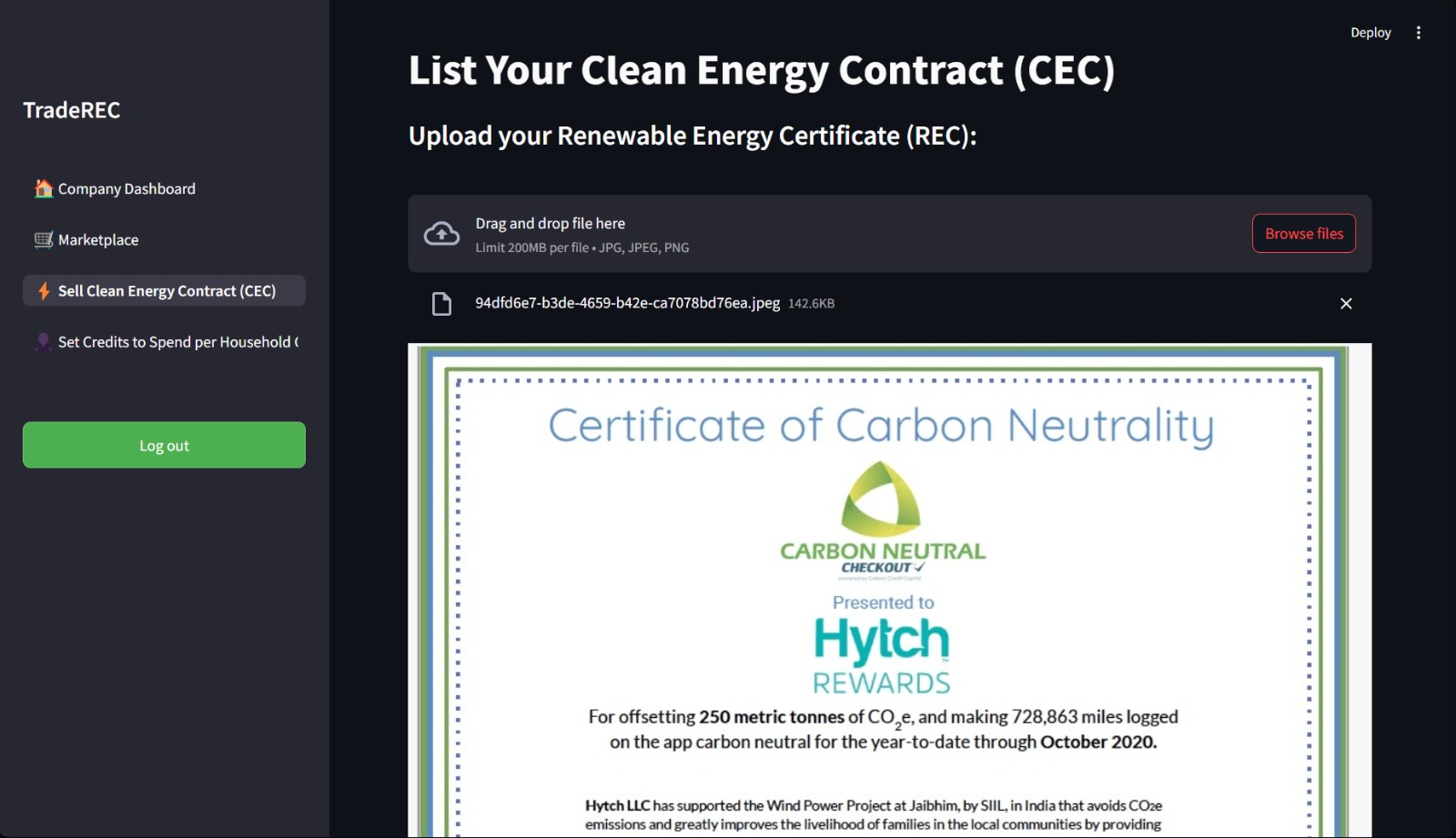
Automated Verification with OCR and NLP: By leveraging OCR and NLP, TradeREC automates the extraction and verification of key data from RECs, ensuring faster, more accurate processing. This creates a standardized, reliable certification process across platforms, streamlining REC trading globally.
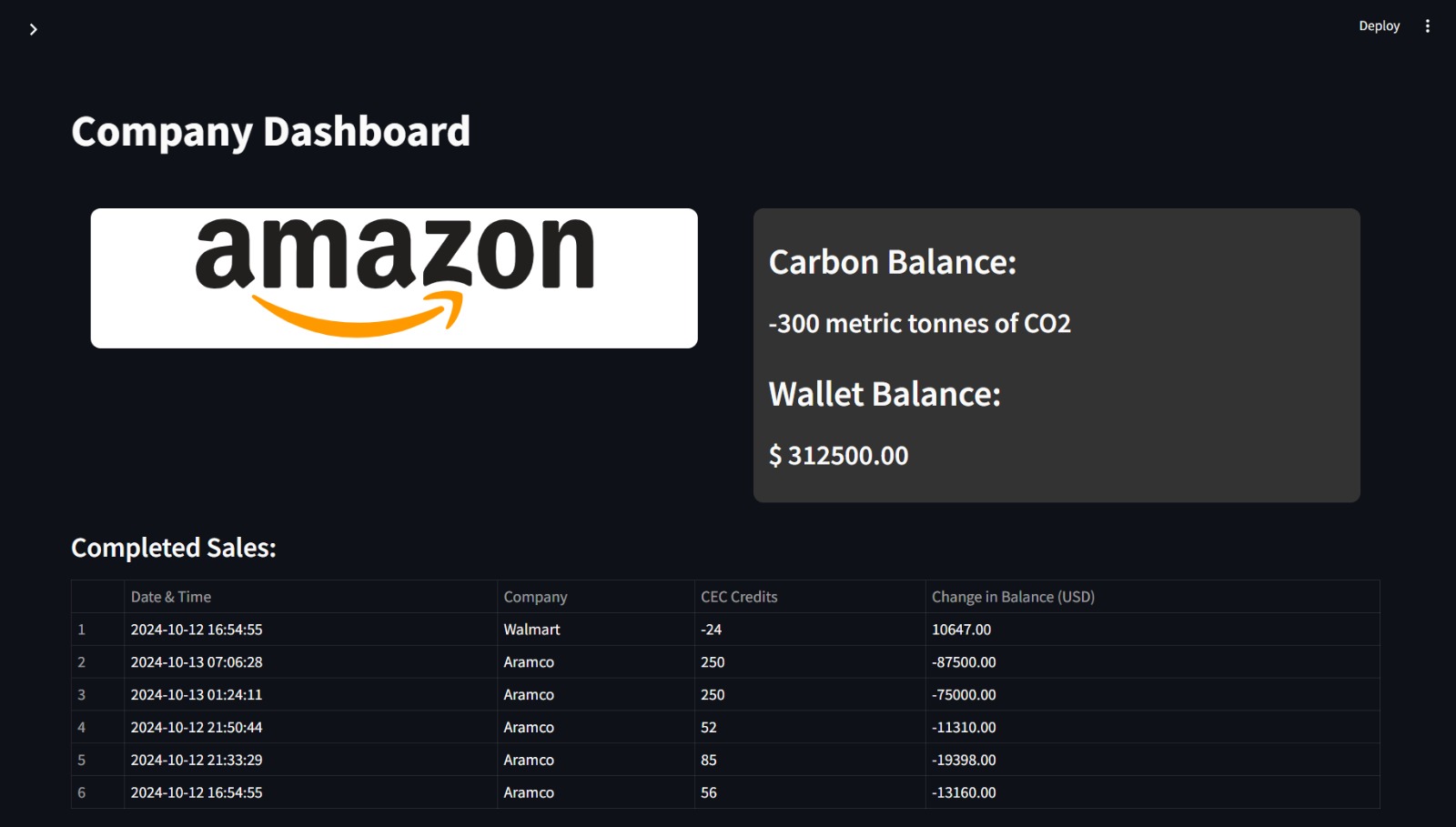
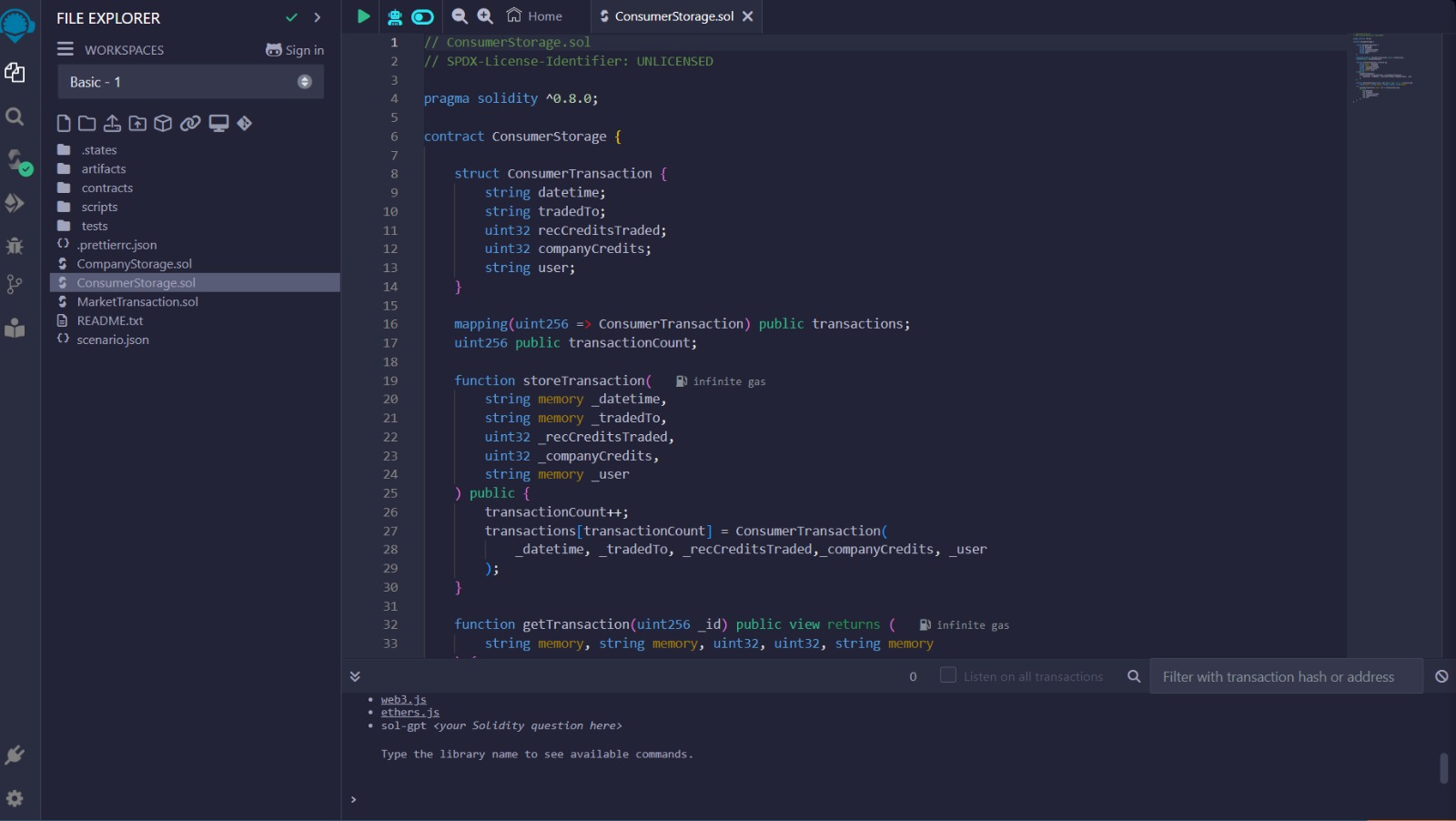
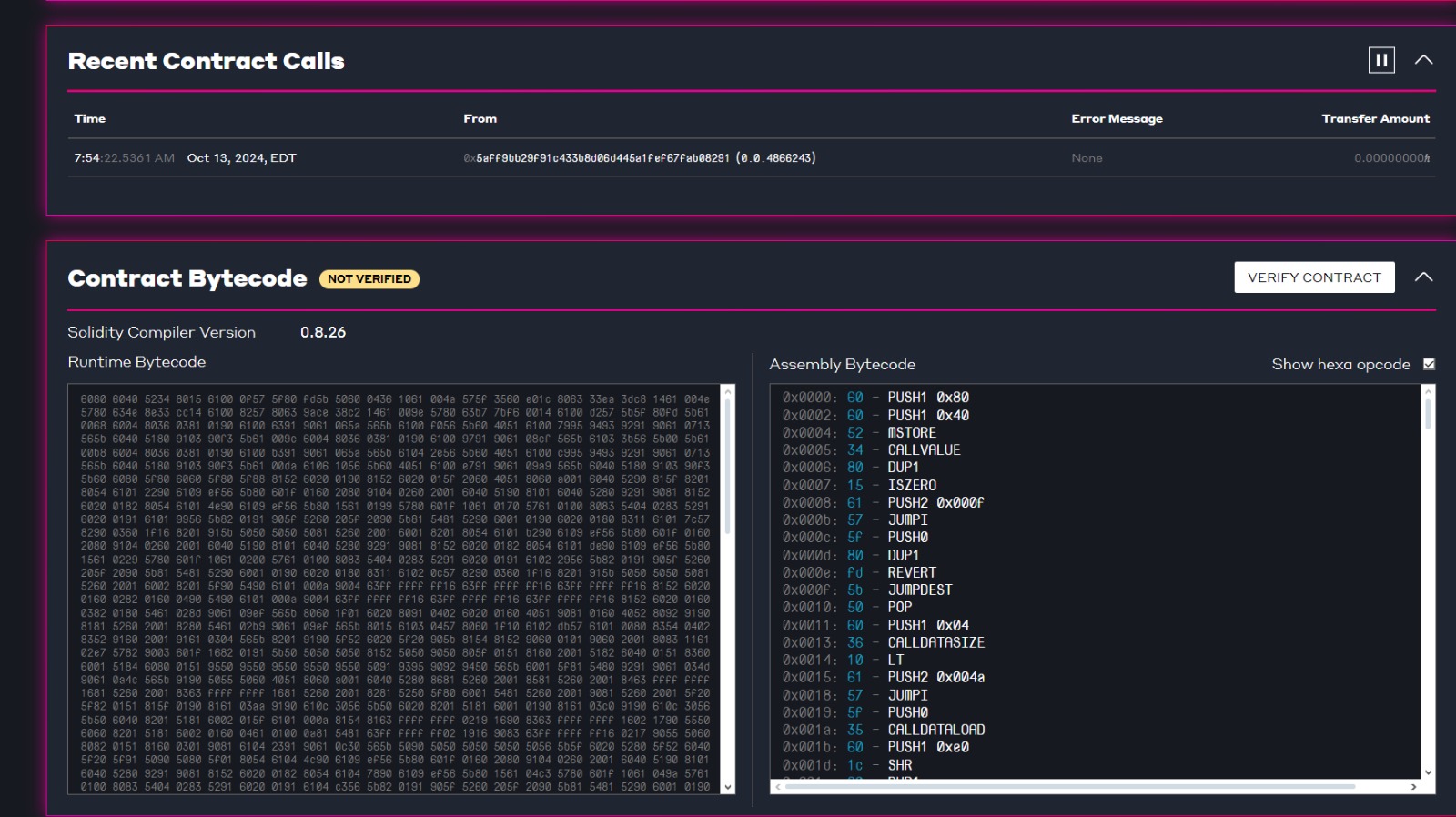
Blockchain for Transparency: TradeREC uses Hedera and Midnight blockchain technology to provide secure, transparent records of every transaction. Immutable logs ensure visibility into REC ownership, pricing, and authenticity, giving participants full confidence in their trades.
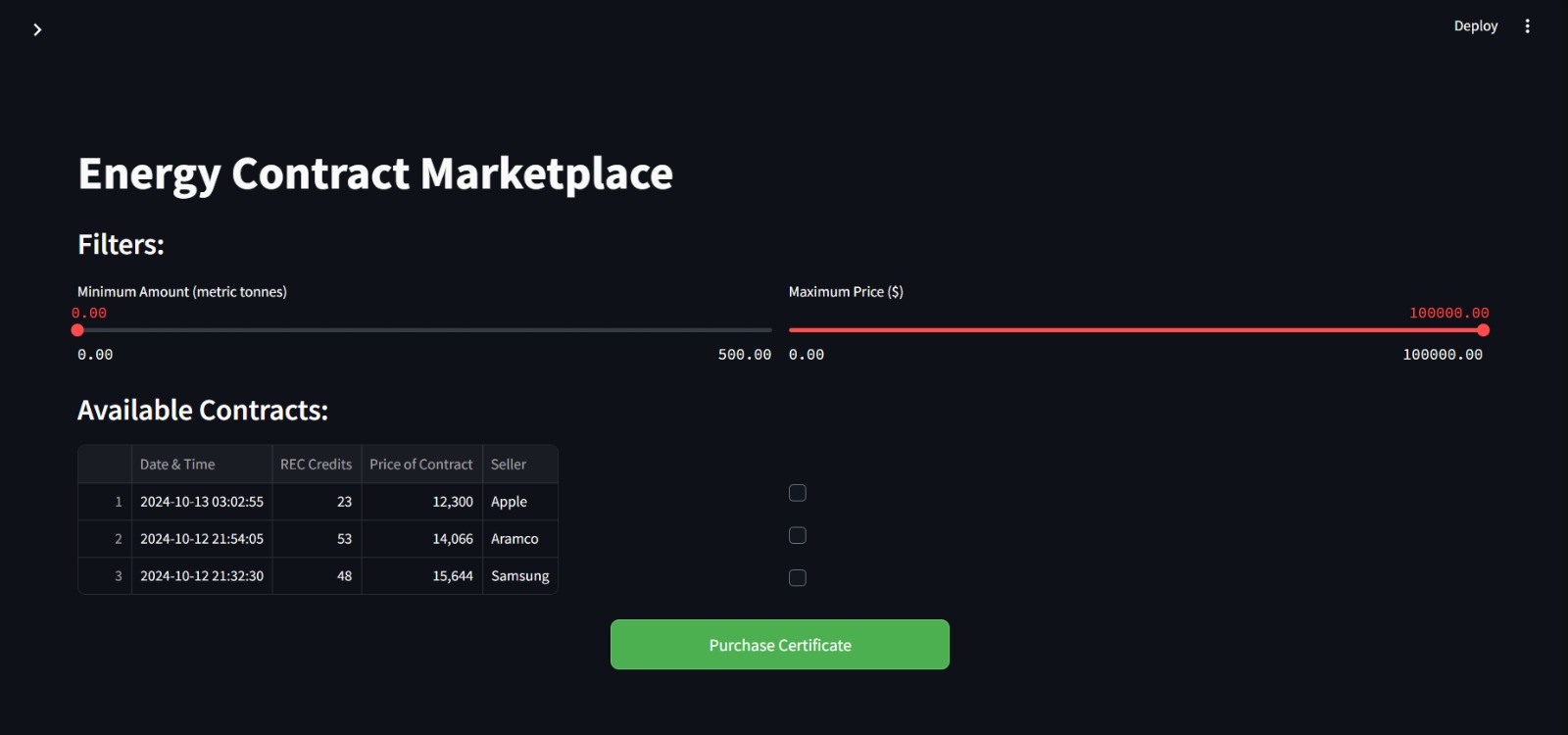
Peer-to-Peer Trading via Blockchain: The platform enables direct, peer-to-peer REC transactions, bypassing intermediaries. This reduces fees, making REC trading more accessible and cost-effective for both businesses and households.
How we built it
The frontend of our platform is built using Streamlit and Python, providing a user-friendly interface for seamless interaction. On the backend, we utilize a combination of MongoDB, Hedera, and Midnight using Hedera for data storage, Midnight for encryption, and MongoDB for development to leverage blockchain technology for secure and transparent data management. Additionally, our OCR and NLP (powered by the OpenAI API) processes are designed to automate accurate verification of Renewable Energy Certificates (RECs) for streamlined trading.
Challenges we ran into
Throughout the development of this project, we encountered numerous technical and conceptual challenges, each providing valuable learning experiences. Early on, we dedicated significant time to researching carbon caps and RECs, working to understand how these components of energy trading fit together. Our goal was to design an ecosystem that balanced ease of use with robust functionality for the end user. During backend development, we faced compatibility issues between various blockchain platforms and our development stack. As a result, we opted to integrate MongoDB as a backup to blockchain for our database needs. Ultimately, we successfully implemented the Hydera and Midnight blockchain to secure clean energy trades, while MongoDB proved invaluable for testing and debugging throughout the process.
Accomplishments that we're proud of
We are proud to have achieved our goal of creating a secure, blockchain-powered platform specifically designed for the Renewable Energy Credit (REC) trading market. By integrating blockchain technology, we ensure transparency and trust in every transaction, allowing users to track REC ownership, pricing, and authenticity with confidence. Our platform connects diverse groups—businesses, households, and renewable energy producers—enabling seamless, peer-to-peer REC trading without the need for intermediaries, reducing costs and simplifying the process. Additionally, our use of OCR and NLP automates the verification of certificates, ensuring accuracy and speed in validating critical REC data. This combination of blockchain and automated verification not only enhances security and reliability but also delivers a streamlined, customized experience that maximizes functionality while minimizing complexity for all users.
What we learned
Throughout this project, we gained valuable insights into both the technical and regulatory aspects of the Renewable Energy Credit (REC) market. We deepened our understanding of government regulations surrounding carbon emissions and the incentives promoting clean energy adoption. Technically, we developed a robust blockchain framework to guarantee secure and transparent data storage and trading, while integrating OCR and NLP to automate the verification process of RECs. This project was both exciting and challenging, greatly expanding our technological expertise and enhancing our understanding of the complexities within the energy market.
What's Next for TradeREC
The conventional blockchain structure faces scalability and privacy issues, such as growing ledger size and potential data exposure through transaction analysis. To address this, we're exploring a Directed Acyclic Graph (DAG)-based blockchain for our REC trading platform. DAG offers improved scalability and enhanced privacy, making it a promising alternative. Moving forward, we will focus on refining our OCR and NLP algorithms for efficient REC verification while exploring DAG technology to optimize performance and security. We will also collaborate with governments to standardize REC verification, ensuring consistency and compliance with evolving carbon regulations.


Log in or sign up for Devpost to join the conversation.