








Inspiration
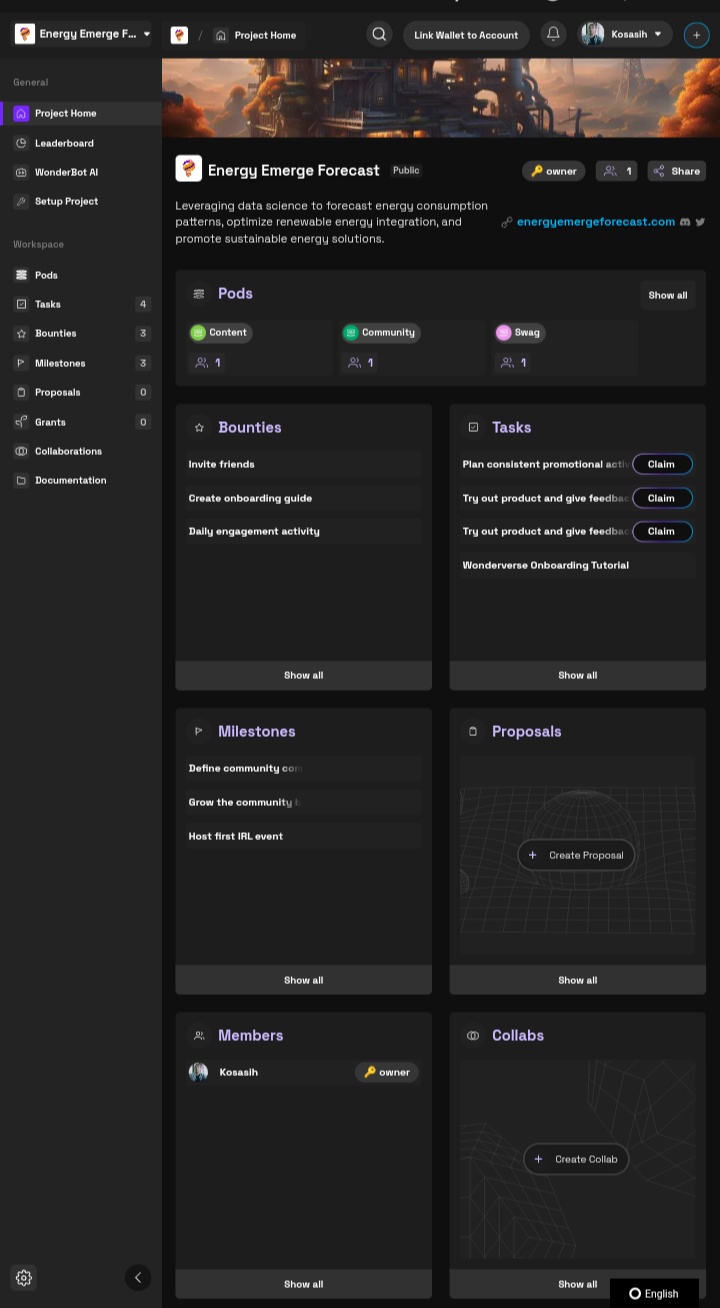
The inspiration behind the creation of the "Energy Emerge Forecast" project lies in harnessing the power of data science to predict energy consumption patterns. The goal is to optimize the integration of renewable energy sources and advance sustainable energy solutions, contributing to a greener and more efficient energy landscape.
What it does
The "Energy Emerge Forecast" project utilizes data science techniques to analyze and predict energy consumption patterns. It aims to optimize the integration of renewable energy sources into the energy grid and promote sustainable solutions. Essentially, it helps in making informed decisions to enhance energy efficiency and reduce environmental impact.
How we built it
The "Energy Emerge Forecast" project was built through a collaborative effort involving data scientists, engineers, and domain experts. The process involved:
Data Collection: Gathering diverse datasets related to energy consumption, weather patterns, and renewable energy production.
Data Preprocessing: Cleaning and preparing the data for analysis, addressing missing values, and ensuring data quality.
Algorithm Selection: Choosing appropriate data science algorithms, such as machine learning models, for forecasting energy consumption patterns.
Model Training: Training the selected models using historical data to enable accurate predictions.
Validation: Assessing the models' performance using validation datasets to ensure reliability.
Integration: Implementing the models into a cohesive system that can process real-time data and generate forecasts.
User Interface: Developing a user-friendly interface for stakeholders to access and interpret the forecasted energy consumption information.
Testing: Rigorous testing to identify and resolve any potential issues in the system.
Deployment: Launching the project for practical use, allowing stakeholders to leverage the insights generated by the forecasting system.
Throughout the process, continuous feedback loops and updates may be implemented to refine the models and improve the accuracy of energy consumption predictions.
Challenges we ran into
Several challenges may have been encountered during the development of the "Energy Emerge Forecast" project:
Data Quality: Ensuring the accuracy and reliability of the collected data, dealing with missing or incomplete information.
Model Complexity: Striking a balance between model complexity and interpretability to create a solution that is both accurate and understandable.
Computational Resources: Managing the computational resources required for training and deploying sophisticated data science models.
Real-Time Processing: Addressing the need for timely predictions, especially when dealing with rapidly changing energy consumption patterns.
Integration with Existing Systems: Ensuring seamless integration with existing energy infrastructure and technologies.
User Adoption: Encouraging stakeholders to adopt and trust the forecasted energy consumption patterns, requiring effective communication and education.
Data Security: Implementing robust measures to protect sensitive energy-related data from unauthorized access or potential breaches.
Model Generalization: Ensuring the model performs well across different regions and scenarios, considering the variability in energy consumption patterns.
Regulatory Compliance: Adhering to regulations and standards in the energy sector, which may vary across jurisdictions.
Addressing these challenges would have required a multidisciplinary approach, collaboration among experts, and ongoing optimization of the system based on real-world feedback and changing conditions.
Accomplishments that we're proud of
The "Energy Emerge Forecast" project has achieved several noteworthy accomplishments, of which we take pride:
Accurate Predictions: Successfully developing and implementing data science models that provide highly accurate predictions of energy consumption patterns.
Renewable Energy Optimization: Contributing to the optimization of renewable energy integration into the grid, fostering a more sustainable and environmentally friendly energy ecosystem.
Efficiency Improvements: Facilitating informed decision-making to enhance energy efficiency, leading to reduced waste and increased overall system performance.
Real-Time Insights: Providing stakeholders with real-time insights into energy consumption, enabling timely responses to dynamic changes in demand and supply.
User-Friendly Interface: Designing an intuitive and user-friendly interface that allows stakeholders to easily access and interpret forecasted energy data.
Positive Environmental Impact: Contributing to the promotion of sustainable energy solutions, thereby reducing carbon footprints and environmental impact.
Cross-Functional Collaboration: Establishing effective collaboration among data scientists, engineers, and domain experts to create a holistic and impactful solution.
Adaptability: Developing a system that can adapt to varying conditions and regions, ensuring the applicability of the forecasting models across diverse scenarios.
Recognition: Receiving recognition and positive feedback from stakeholders, industry experts, or relevant authorities for the project's innovation and positive contributions to the energy sector.
These accomplishments reflect the project's success in addressing challenges and fulfilling its objectives, ultimately making a meaningful impact on the field of energy forecasting and sustainability.
What we learned
Through the development of the "Energy Emerge Forecast" project, we gained valuable insights and lessons:
Data Complexity: Understanding the intricacies of energy-related data and the importance of comprehensive data preprocessing for accurate model training.
Interdisciplinary Collaboration: Recognizing the significance of collaboration among data scientists, engineers, and domain experts to create a well-rounded solution.
Model Tuning: Learning the importance of continuous model tuning and optimization to adapt to changing conditions and improve forecasting accuracy.
User-Centric Design: Prioritizing user experience and designing a user-friendly interface to ensure stakeholders can easily interpret and act upon the forecasted energy data.
Adaptability: Recognizing the need for models and systems that can adapt to different regions, regulatory environments, and evolving energy landscapes.
Real-Time Challenges: Addressing the challenges associated with providing real-time insights, including the need for efficient processing and quick response times.
Ethical Considerations: Understanding the importance of ethical data handling, especially when dealing with sensitive energy-related information.
Environmental Impact: Acknowledging the project's role in promoting sustainable energy solutions and contributing to positive environmental outcomes.
Continuous Improvement: Embracing a mindset of continuous improvement, incorporating feedback loops, and staying abreast of advancements in data science and energy technologies.
Communication Skills: Enhancing communication skills to effectively convey complex data science concepts to non-technical stakeholders and gain their trust.
These lessons provide a foundation for ongoing refinement and innovation in the energy forecasting domain, ensuring the project remains relevant and impactful in the ever-evolving energy sector.
What's next for Energy Emerge Forecast
The future for "Energy Emerge Forecast" involves several exciting directions:
Advanced Model Enhancements: Continuously refining and enhancing the data science models to improve prediction accuracy and adaptability to emerging energy consumption patterns.
Incorporating AI Advances: Exploring and integrating advancements in artificial intelligence, such as deep learning techniques, to further elevate the forecasting capabilities.
Expanded Regional Coverage: Extending the project's reach to cover additional regions and markets, considering diverse energy infrastructures and regulatory environments.
Dynamic Integration with Smart Grids: Collaborating with smart grid technologies to create a more dynamic and responsive energy ecosystem that can quickly adapt to changing demands.
Predictive Analytics for Policy Making: Leveraging the insights generated to influence and shape energy policies, contributing to more informed decision-making at both regional and global levels.
Community Engagement: Enhancing engagement with local communities to raise awareness about sustainable energy practices and promote active participation in energy conservation efforts.
Carbon Footprint Reduction Strategies: Developing strategies and tools to help organizations and individuals actively reduce their carbon footprints based on the forecasted energy consumption patterns.
Partnerships and Collaborations: Establishing partnerships with industry stakeholders, research institutions, and governmental bodies to foster innovation and align with broader sustainability initiatives.
Continuous User Education: Providing ongoing education and training to stakeholders to ensure effective utilization of the forecasting system and understanding of its impact.
Integration with Emerging Technologies: Exploring synergies with emerging technologies such as blockchain, Internet of Things (IoT), and edge computing to enhance data security, efficiency, and real-time capabilities.
By embracing these future directions, "Energy Emerge Forecast" aims to stay at the forefront of sustainable energy solutions, contribute to environmental stewardship, and play a pivotal role in shaping the future of the energy landscape.

Log in or sign up for Devpost to join the conversation.