

Inspiration
Being students in biology, we were introduced to the body’s cellular mechanisms, as well as the cycles of pregnancy and post-pregnancy experiences. We were shocked to learn that many women experience significant pain after pregnancy, yet their concerns are often dismissed as “regular period pain.” In reality, many are dealing with serious, underdiagnosed health conditions. This opened our eyes to a larger issue: women’s health is underrepresented, under-researched, and underserved. One condition that stood out to us was endometriosis, which affects millions but still lacks accessible, effective solutions.
What it does
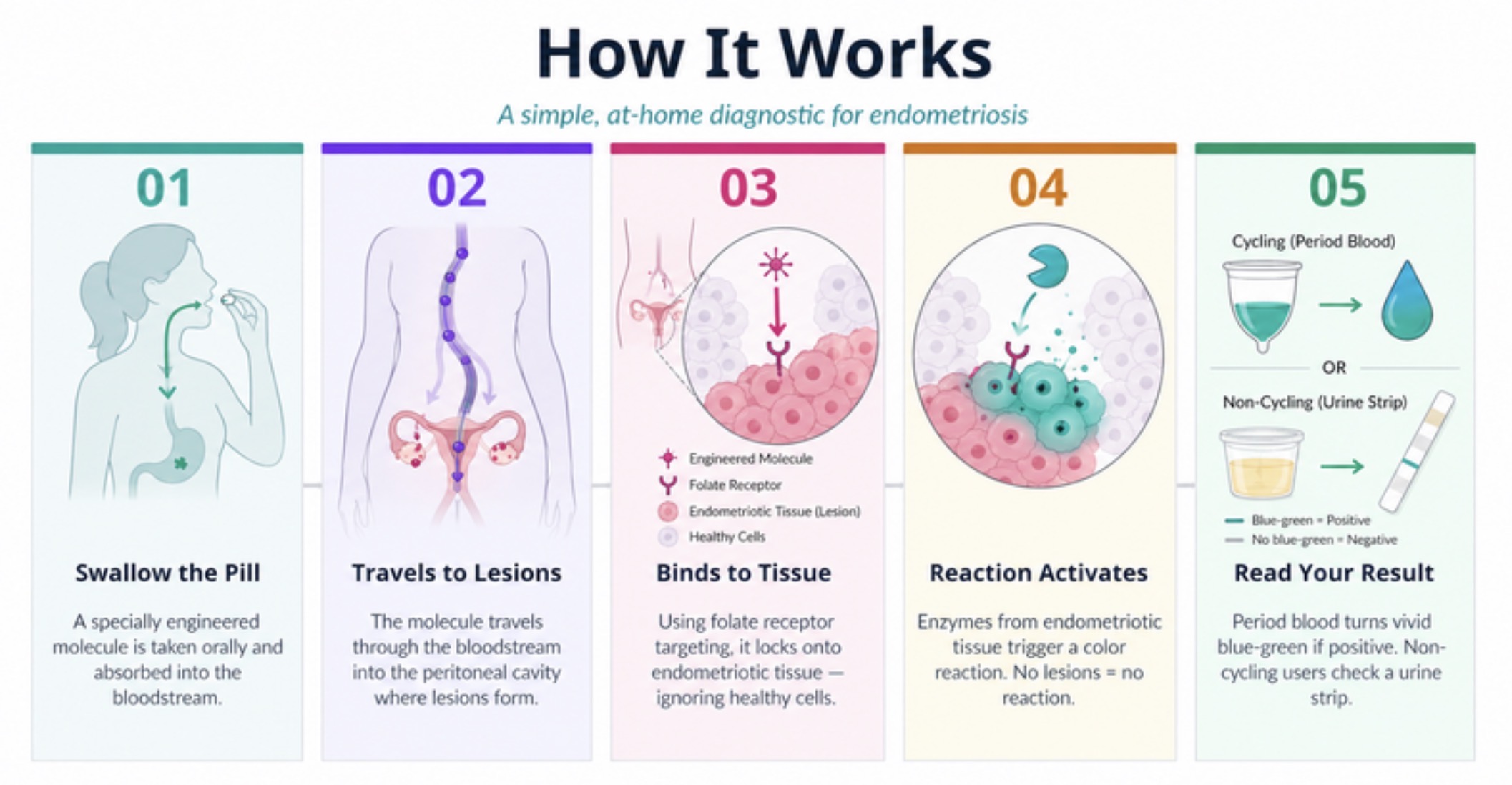
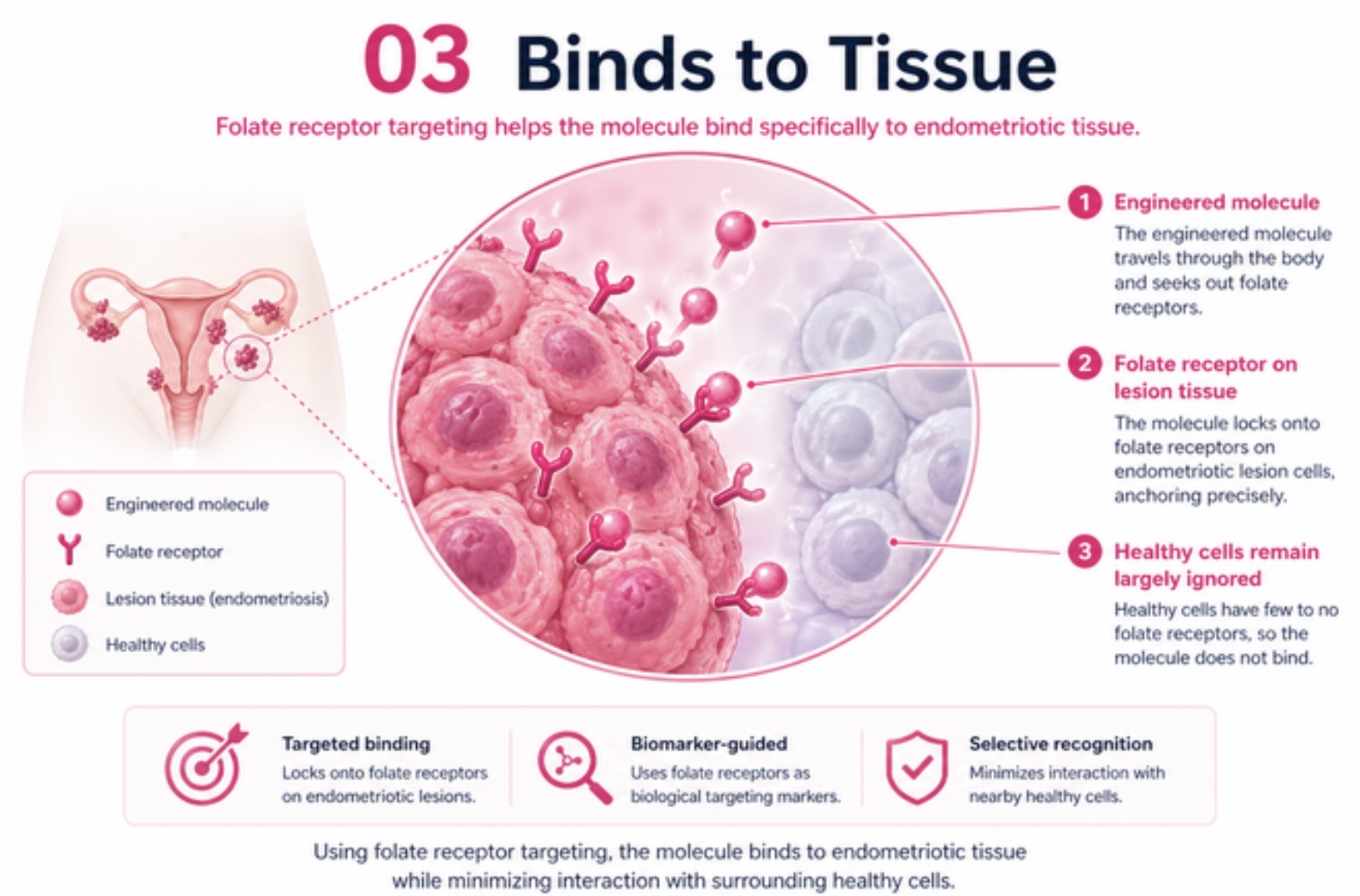
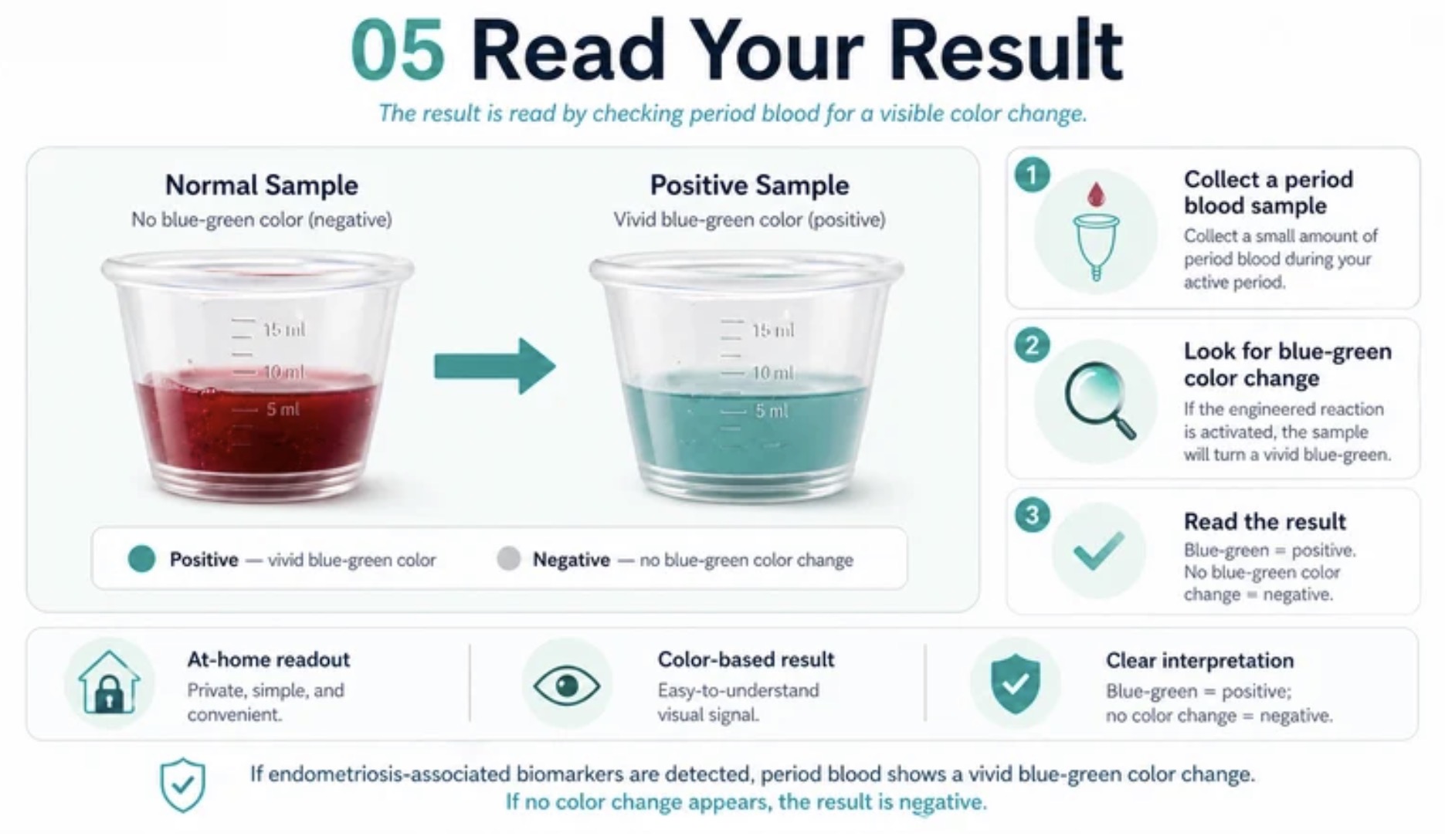
EndoXX is a solution designed to improve early detection of endometriosis. It combines biosensor technology with convenient, over-the-counter tablets to identify potential biomarkers associated with the condition. The goal is to provide an accessible, non-invasive, and user-friendly way for individuals to monitor signs of endometriosis without relying solely on complex medical procedures.
How we built it
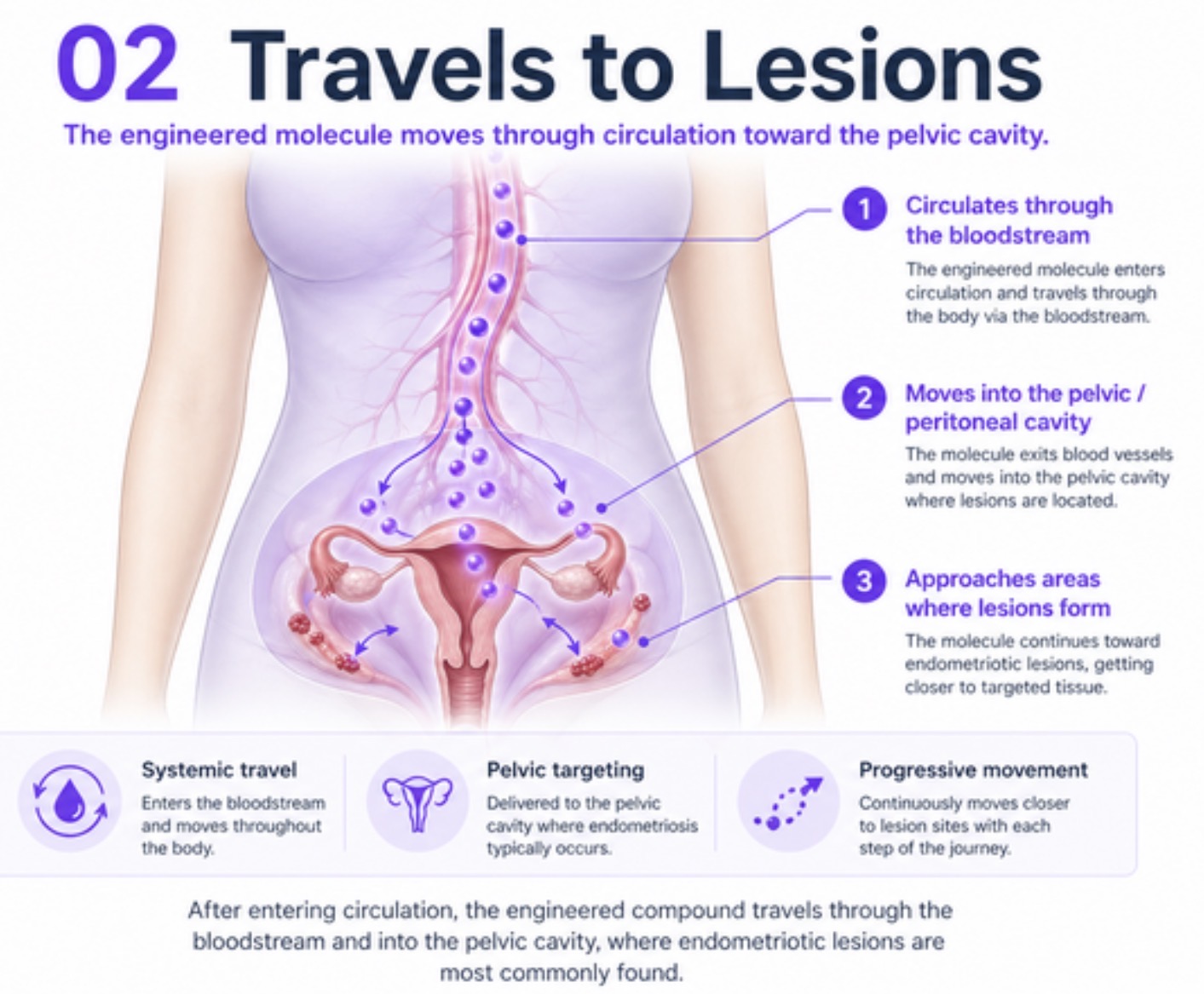
We began by researching current advancements in endometriosis detection and treatment. Through this, we identified a gap: many existing methods are either external and less accurate or require clinical intervention. Using this insight, we designed a concept that integrates biosensors into an easy-to-use tablet format, allowing for internal detection of biomarkers in a more practical and accessible way.
Challenges we ran into
One of the biggest challenges we faced was the lack of research on endometriosis, which made it difficult to find clear, reliable data to guide our design. We also discovered that there is currently no way to prevent endometriosis, only methods to detect and manage it. Another major obstacle was figuring out how to safely and effectively transport the biosensor to the uterus to detect biomarkers. This required multiple rounds of brainstorming and trial-and-error before we reached a viable concept.
Accomplishments that we're proud of
We are proud of identifying a real and impactful gap in women’s health and creating a solution that prioritizes accessibility and early detection. Despite limited research and technical challenges, we developed a unique concept that combines innovation with practicality. Arriving at a clear and purposeful design for EndoXX was a major achievement for our team.
What we learned
Through this process, we learned how significant the gap is in women’s health research and how it directly affects diagnosis and treatment. We also gained experience in problem-solving under uncertainty, especially when working with limited data. Additionally, we learned the importance of designing solutions that are not only innovative but also accessible and user-centered.
What's next for EndoXX
Moving forward, we hope to refine the technology behind EndoXX by conducting deeper research into biomarkers and improving the accuracy of detection. We would also explore safer and more effective delivery methods for the biosensor. Ultimately, our goal is to develop a functional prototype, collaborate with medical professionals, and contribute to making endometriosis detection more accessible and widely available.


Log in or sign up for Devpost to join the conversation.