-
visual Assistent
Empowering Independence Through Understanding: Context-Aware Assistive Technology
What Inspired Us:
Our inspiration stemmed from a deep-seated desire to bridge the gap between technology and true accessibility. We observed that while numerous assistive tools exist, many operate in a static manner, requiring manual adjustments or lacking the intuitive understanding of a user's dynamic environment. We envisioned a future where technology could proactively adapt to individual needs, fostering greater independence and seamless interaction with the world. The stories of individuals facing daily challenges due to limitations in current assistive technologies fueled our passion to create something truly intelligent and responsive. We believed that by leveraging the power of contextual awareness, we could unlock new levels of support and empowerment.
What We Learned:
This project was a significant learning journey that spanned several key areas:
- The Nuances of Accessibility: We gained a much deeper appreciation for the diverse needs and challenges faced by individuals with various disabilities. This involved researching different conditions and understanding the limitations of existing assistive solutions from their perspective.
- Sensor Fusion and Data Interpretation: We learned the complexities of integrating data from multiple sensors (simulated for this hackathon, but with real-world applications in mind). Understanding how to synchronize, filter, and interpret this diverse data to derive meaningful context was a core technical challenge.
- Machine Learning for Contextual Prediction: We explored basic machine learning concepts for predicting user needs or environmental changes based on the gathered context. This involved understanding the data pipelines, model selection (even if simplified for the timeframe), and evaluation metrics.
- User-Centered Design for Accessibility: We emphasized the importance of designing with the end-user in mind. This involved considering intuitive interfaces, clear feedback mechanisms, and the potential for customization to individual preferences.
- Rapid Prototyping and Iteration: The hackathon environment demanded rapid development and adaptation. We learned to prioritize core functionalities, iterate quickly based on our findings, and manage our time effectively under pressure.
How We Built Our Project:
Given the time constraints of the hackathon, we focused on building a proof-of-concept that demonstrated the core principles of context-aware assistance. Our approach involved:
- Simulating Contextual Data: We created simulated data streams representing different environmental cues (e.g., changes in ambient sound, simulated object recognition labels, virtual location changes).
- Developing a Central Contextual Engine: This component was designed to receive and process the simulated sensor data. It implemented basic logic and (if time allowed) simple machine learning models to infer the current context.
- Implementing Adaptive Assistive Features: We focused on demonstrating one or two core assistive features that would dynamically adapt based on the output of the contextual engine. For example:
- Context-Aware Audio Filtering: In a simulated noisy environment, the system might filter out background noise and amplify a specific voice detected through simulated audio analysis.
- Dynamic Interface Adjustment: Based on simulated hand gestures or object proximity, a user interface might simplify or highlight relevant elements.
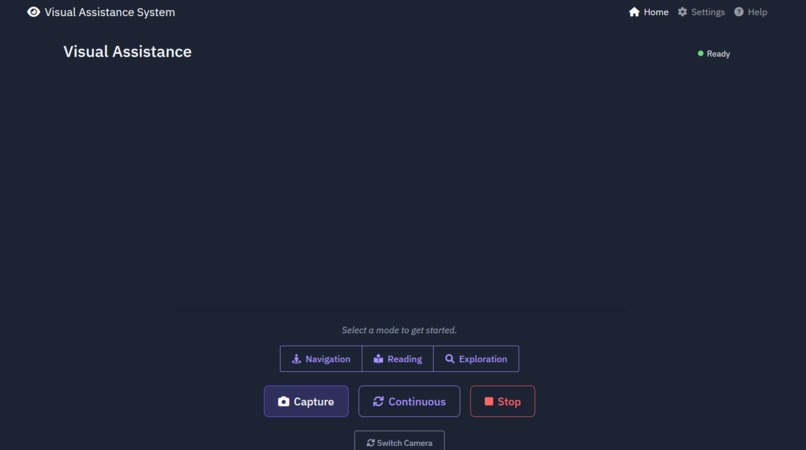
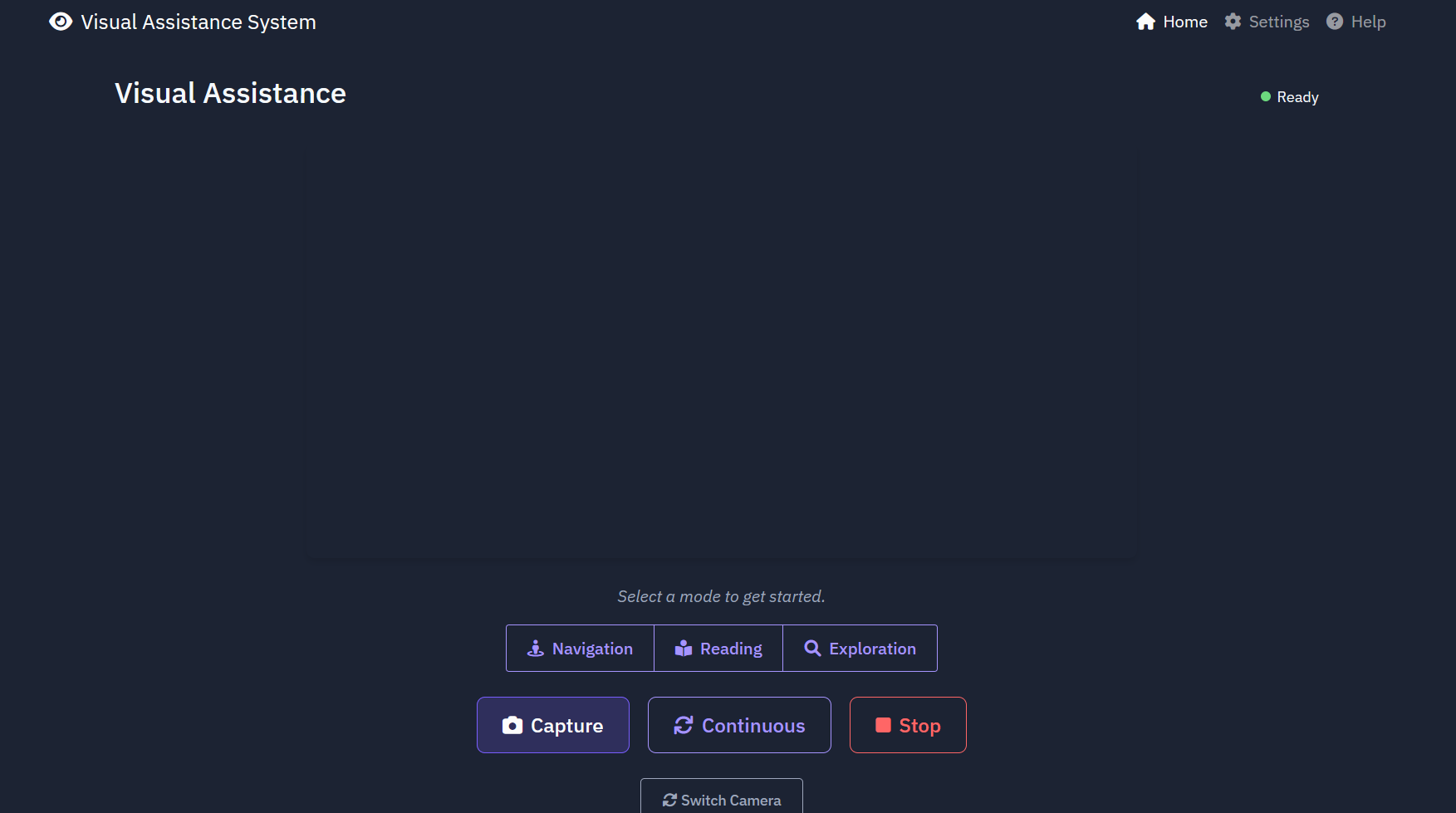
- User Interface (Simplified): We created a basic visual interface to demonstrate the system's output and the adaptation of assistive features in response to changing context. This allowed the judges to understand the real-time impact of our contextual analysis.
- Technology Stack (Conceptual for the Hackathon): While the actual implementation might have been simplified, our conceptual stack included:
- Python: For data processing, logic implementation, and potentially basic machine learning.
- Libraries: Libraries for data manipulation and potentially basic machine learning tasks (e.g., NumPy, Pandas, scikit-learn).
- A simple UI framework (e.g., Tkinter or a web-based framework like Flask/Streamlit): For the basic demonstration interface.
Challenges We Faced:
We encountered several challenges during the development process:
- Simulating Real-World Complexity: Accurately simulating the nuances of real-world sensory data and the complexities of human interaction within a short timeframe was a significant hurdle.
- Developing Robust Contextual Inference: Building a truly reliable and accurate contextual engine requires sophisticated algorithms and extensive training data, which were beyond the scope of the hackathon. Our focus was on demonstrating the concept of contextual adaptation.
- Integrating Multiple Data Streams: Even with simulated data, managing and synchronizing different data streams and ensuring they were processed efficiently presented technical challenges.
- Balancing Functionality and Scope: We had to constantly prioritize features and scope down our initial ideas to ensure we had a functional prototype within the limited time.
- Effective Communication and Collaboration: Working effectively as a team under pressure, ensuring clear communication and task delegation, was crucial to overcoming the technical challenges.
Despite these challenges, we are proud of the progress we made in demonstrating the potential of context-aware assistive technology. We believe this project provides a solid foundation for future exploration and development in this vital area.


Log in or sign up for Devpost to join the conversation.