-
-
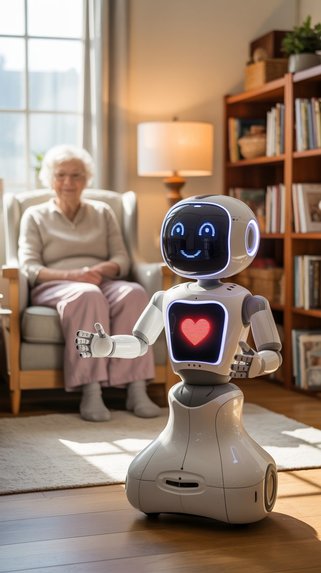
Empathy Bot
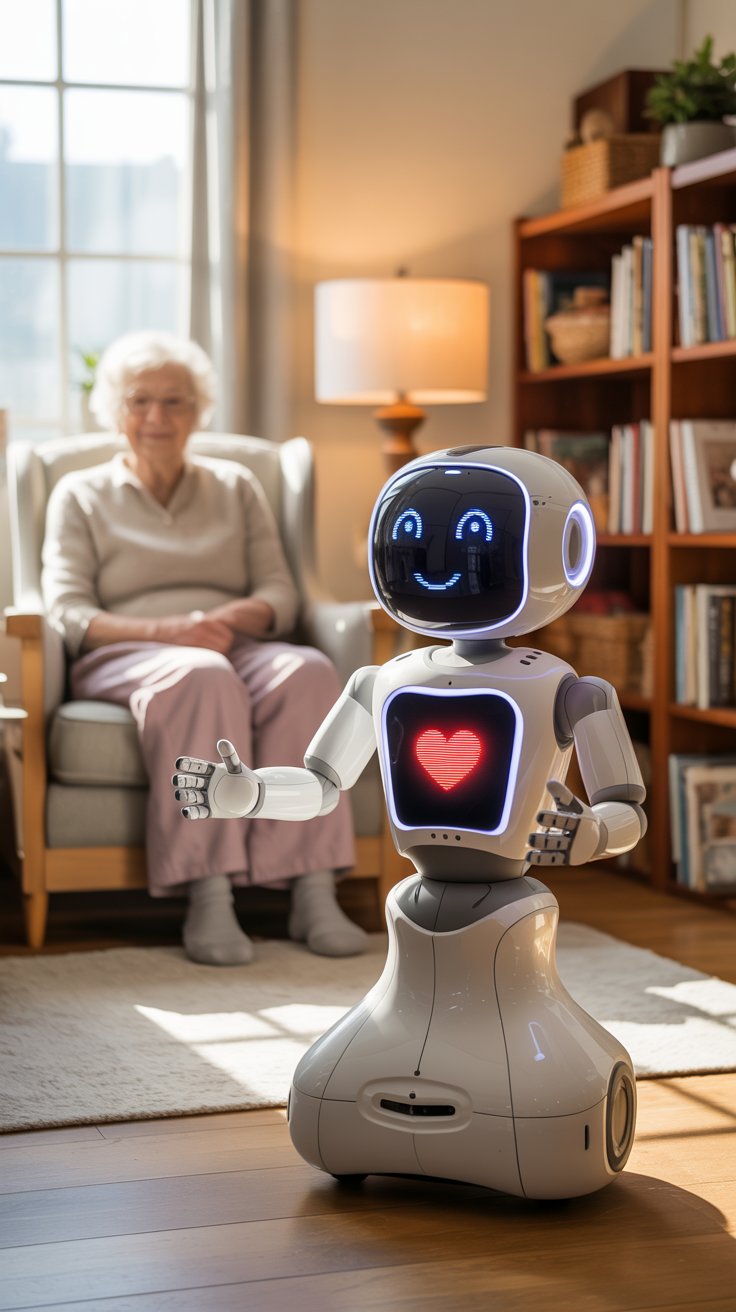
About the Project:-
Empathy Bot
Inspiration
The idea for Empathy Bot arose from witnessing the isolation many seniors and neurodiverse individuals experience, especially during times of physical distancing. Human connection is vital for mental health, yet not always available. I wondered: What if a robot could sense your mood and respond with heartfelt understanding?
What I Learned
Throughout the development of Empathy Bot, I discovered that true therapeutic support requires more than scripted replies. It means listening between the lines, adapting responses, and recognizing subtle cues—like vocal tone or posture. Building emotional intelligence in a machine taught me that empathy is as much about silence and presence as it is about words.
How I Built It
Core Technology:-
- Used open-source gpt-oss models for natural language understanding and generative conversation.
- Integrated real-time voice analysis (pitch, tempo, intensity) and basic computer vision (posture, facial micro-expressions) using standard webcams and microphones.
- Developed a modular toolkit for emotion recognition, enhanced through continual learning from user interactions.
Personality & Adaptation:-
- Empathy Bot's responses are shaped by ongoing interactions, storing “memories” that adjust tone and content.
- Implemented a story-sharing module, reminders, and even singing abilities, all customizable by the user.
Physical Build :-
- Created a friendly robot shell using accessible hardware (Raspberry Pi, simple motors, display for “face”).
- Ensured the build was approachable and safe for a range of physical environments.
Challenges Faced:-
Emotion Detection Accuracy:- Interpreting nuanced emotional states from voice and micro-expressions proved challenging, with occasional misreads. Overcoming this required iterative refinement and user feedback.
Privacy & Local Processing:- Guaranteeing user privacy meant prioritizing local processing of conversations and emotional data, utilizing gpt-oss’s ability to run offline—no internet required.
Meaningful Empathy:- Programming authentic empathy—not just sympathy—required careful scenario testing and incorporating feedback from real users.
Equation for EmpathyBot’s Adaptive Response
The robot’s level of empathetic engagement, E , is computed as:
E = w_1 V + w_2 P + w_3 M
Where: -
V = voice emotional score
P = posture/micro-expression score
M = memory/contextual relevance
w_1, w_2, w_3 = adaptive weights based on user history
Final Thoughts:- Empathy Bot isn’t just a machine—it’s a bridge to meaningful connection for those who need it most. Building it showed me that with creativity and thoughtful engineering, technology can become deeply human.


Log in or sign up for Devpost to join the conversation.