-
-
Logo
-
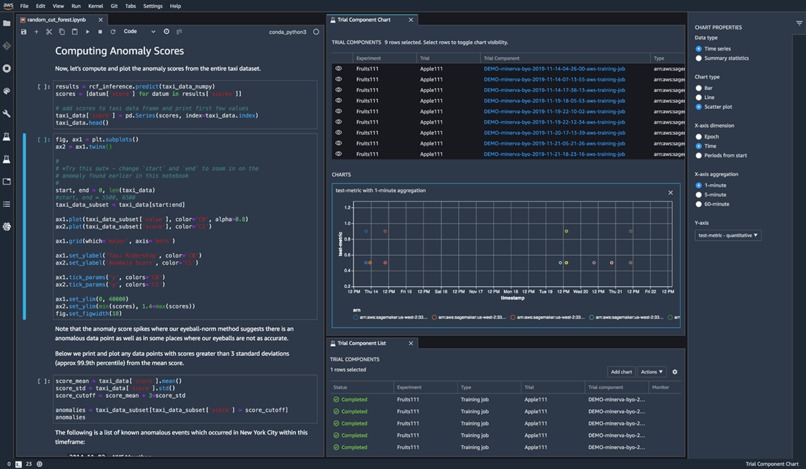
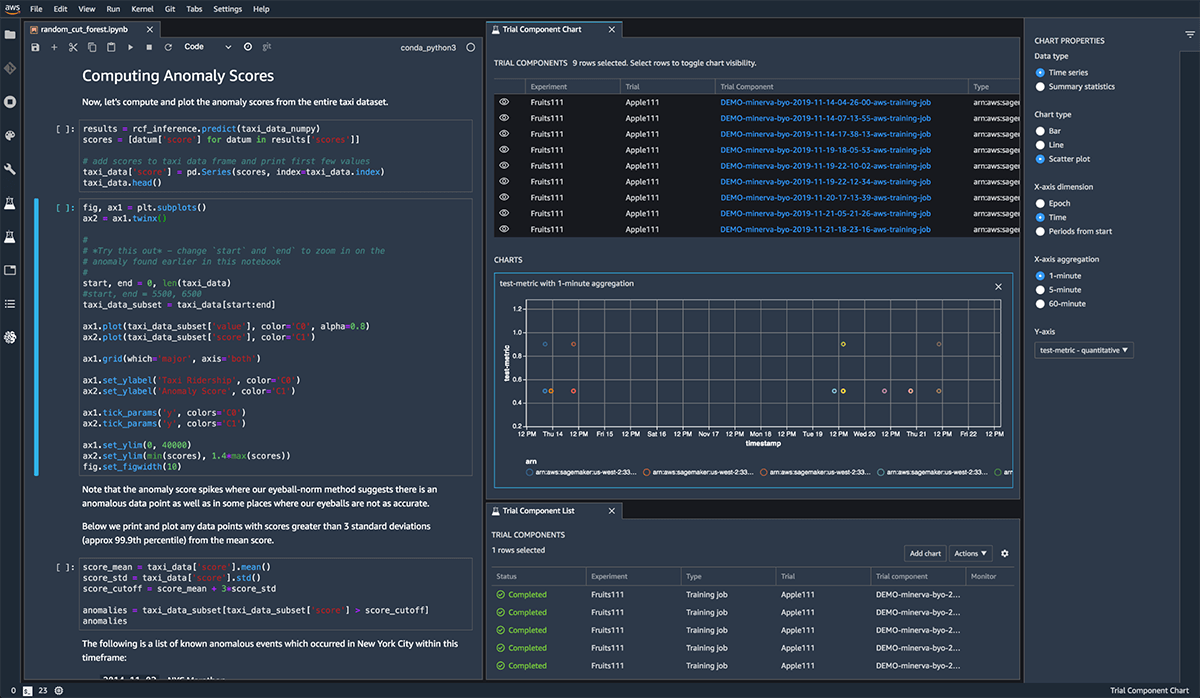
Using SageMaker alongside Colab
-
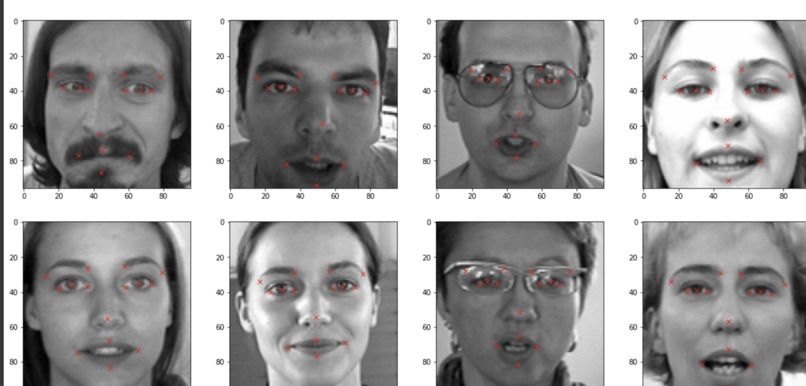
Data After Transformation
-
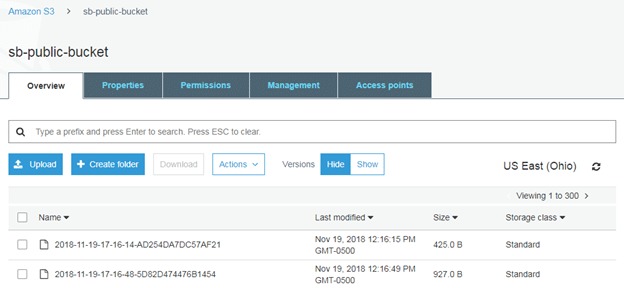
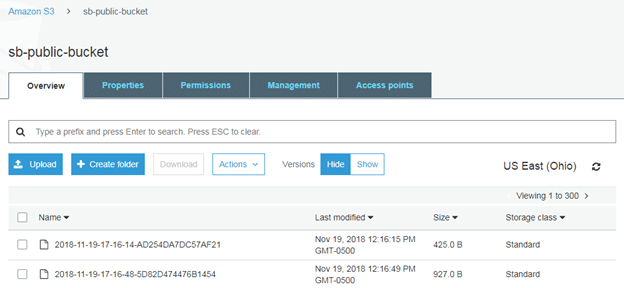
Images uploaded into AWS S3 for further testing
-
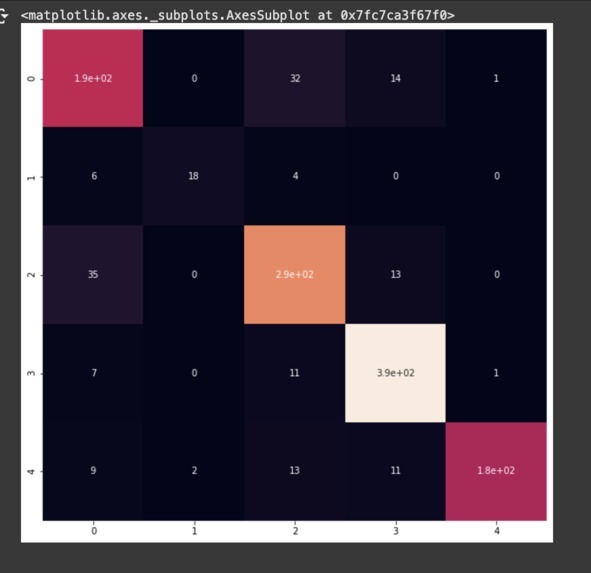
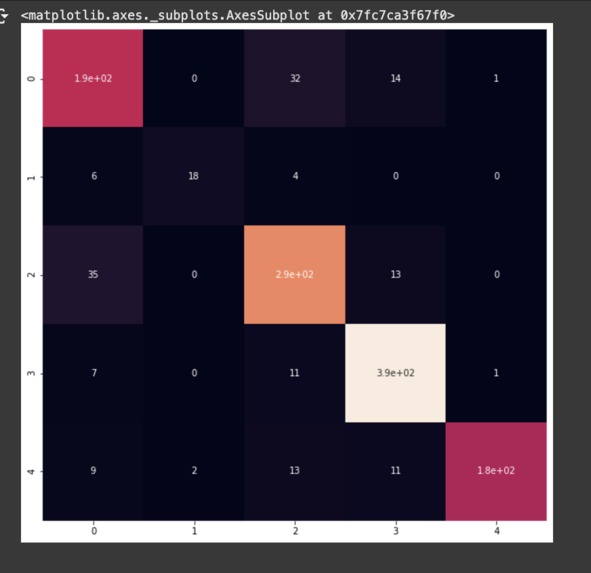
Heatmap with Accuracy across emotions
-
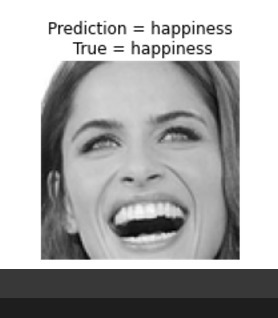
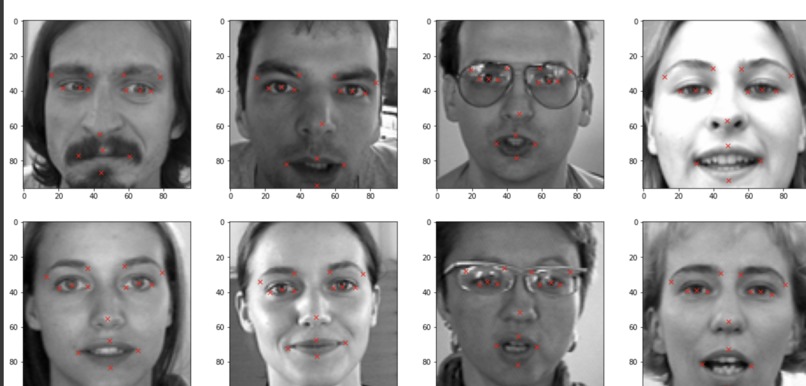
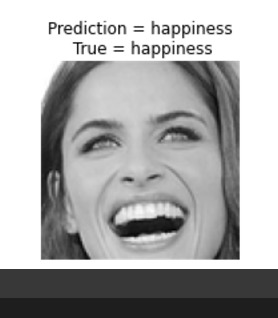
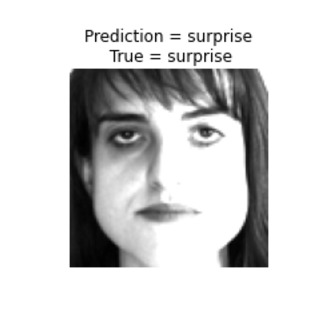
Correct Test Case #1
-

EC2 instance
-
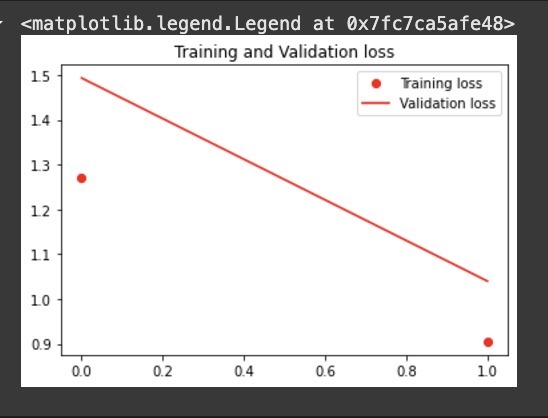
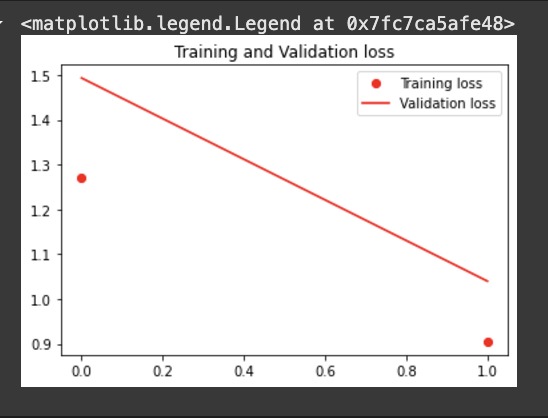
Diagram of Loss in Model
-
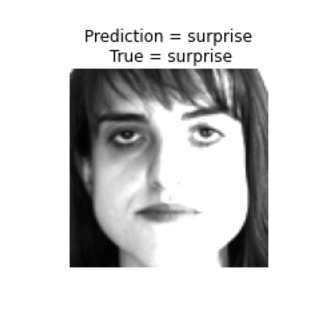
Correct Test Case #2
-
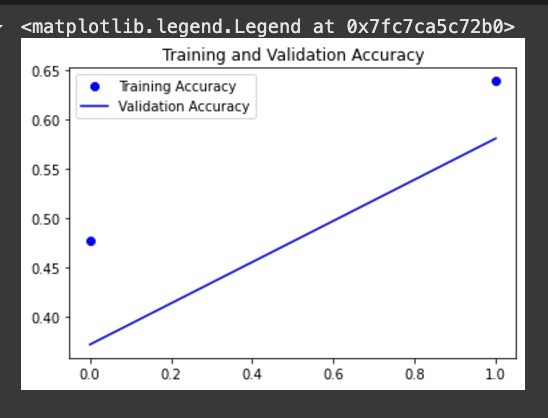
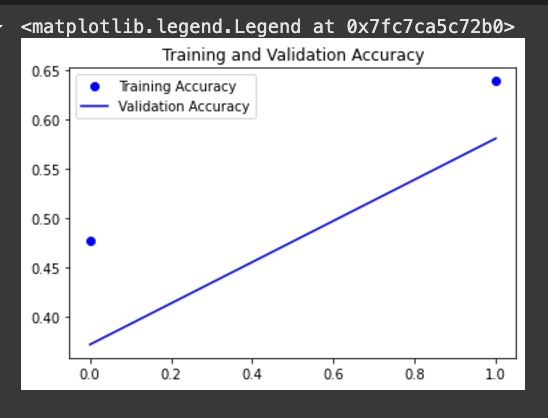
Diagram of Accuracy of Model

Sustainable Goal: Good Health and Well Being
Inspiration
Watching the film, "The Wild Robot" in which the main robot learns to comprehend emotions, learn how to speak the language of animals, and help raise a goose has inspired me to create an AI app just like the wild robot and can detect emotions.
What it does
Empathis is an AI project focused on facial keypoint detection and analysis, and using this can detect emotions when given photos of a person -- These can then be used to make further decisions such as counseling & therapy.
Problem Statement:
Facial expressions can reveal subtle hints related to mental health conditions like depression, but accurately detecting these hints across diverse populations and image conditions remains a major challenge.
Solution Overview:
I built a deep learning model using residual networks to detect facial keypoints with high accuracy, leveraging AWS services like SageMaker and Glue for scalable training, data cleaning, and deployment. The system was designed to perform reliably across varying lighting, angles, and incomplete data.
Potential Societal Impact:
This solution has the potential to power early screening tools for depression and other mental health conditions by enabling non-invasive, real-time facial analysis—particularly in telehealth, schools, and remote care settings—contributing to earlier intervention and improved mental well-being across communities.
How we built it
Pandas and NumPy for data manipulation TensorFlow and Keras for deep learning model development OpenCV (cv2) for image processing Matplotlib and Seaborn for data visualization Slideshow explaining process / Calculations on the Empathis AI.ipynb ** link **-- For Slideshow
Challenges we ran into
Accurately detecting facial keypoints across diverse images with varying lighting, angles, and facial expressions, Handling missing or incomplete data in the dataset, Creation of the residual network/shaping and metrics of it Optimizing model performance and accuracy while maintaining computational efficiency.
Accomplishments that we're proud of
I successfully implemented a facial keypoint detection system using advanced deep-learning techniques, and its high accuracy rate makes me even happier. Images of Successful compilation provided below
What we learned
Working with image data and computer vision techniques Implementing and fine-tuning deep learning models for facial analysis Data preprocessing and handling large datasets Collaborative development using Jupyter notebooks and version control
What's next for Empathis
Developing a user-friendly interface or API for easy integration into other applications Exploring real-time facial keypoint detection for video streams Add a user-friendly UI for interaction
Built With
- amazon-web-services
- ec3
- keras
- numpy
- pandas
- python
- s3
- sagemaker
- scikit-learn
- tensorflow


Log in or sign up for Devpost to join the conversation.