After my JEE Advanced exam, I hit what felt like rock bottom. The weight of expectations, both from myself and those around me, became overwhelming. I had worked so hard, yet the outcome didn’t align with what I had envisioned. It wasn’t just the disappointment of not achieving my goal; it was a deep sense of failure that gnawed at me. My mental health began to deteriorate, and I knew I needed help. I started thinking about therapy but was terrified of what it would mean for my image. I feared that reaching out for support would make me appear weak, vulnerable, or even incapable in front of others.
The idea of sitting across from a therapist and opening up about my struggles was daunting. What if they judged me? What if people around me found out and thought I couldn’t handle pressure? These questions ran through my mind constantly, keeping me from seeking the help I desperately needed. I realized that there were likely many others like me—people struggling internally but afraid to show it on the outside, fearing societal judgment or the pressure of appearing strong.
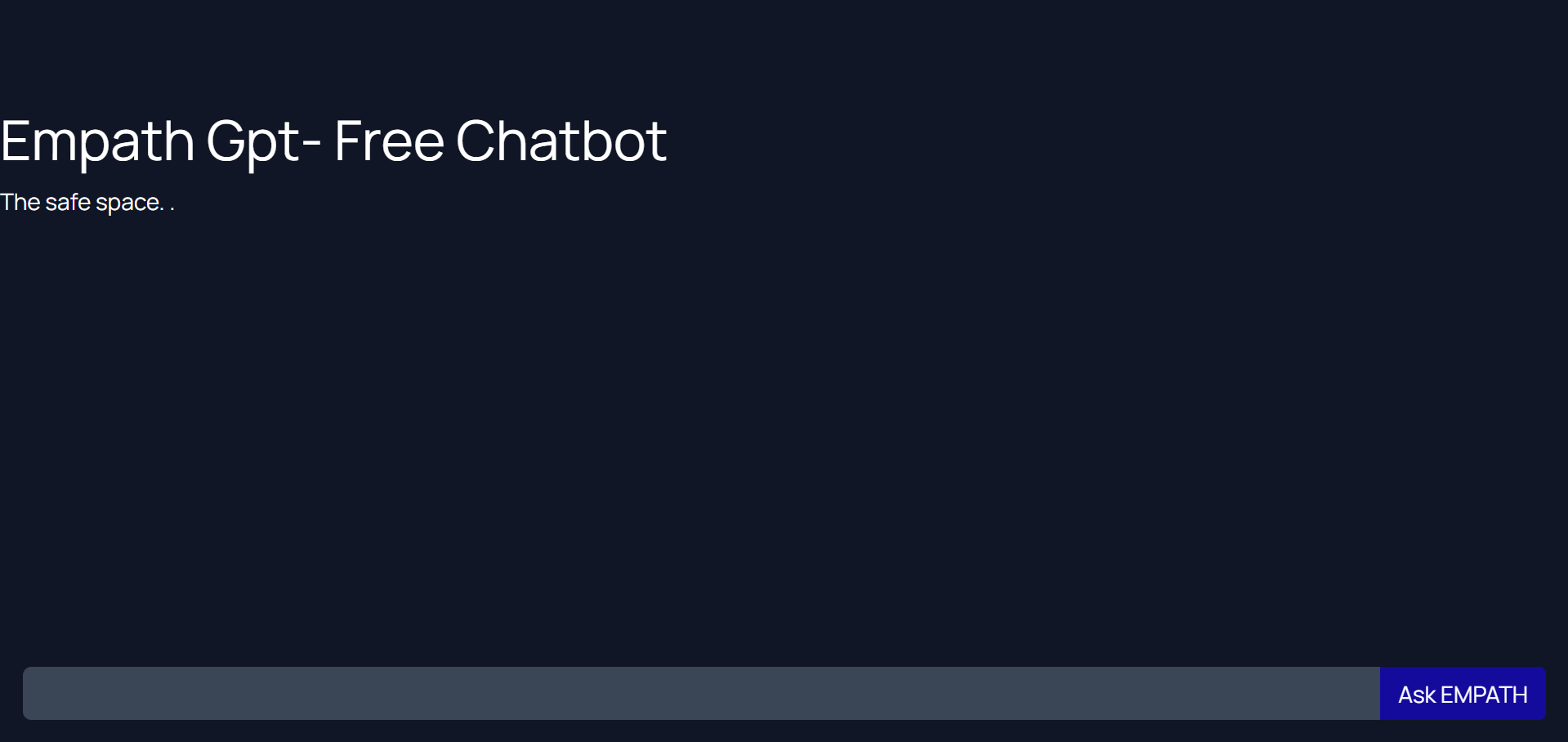
It was this internal conflict that sparked the idea for Empath GPT. I wanted to create something that could provide the kind of support people need without the barriers that often prevent them from seeking it. Empath GPT was born out of the need for a safe, non-judgmental space where people could express themselves freely, without the fear of being seen as weak or vulnerable.
Empath GPT is more than just an AI chatbot—it’s a tool designed to mimic the compassion and understanding of human interaction, without the perceived judgment or societal pressure. It allows individuals to talk through their challenges at any time, offering empathetic, tailored responses based on their unique situation. Whether someone is struggling with anxiety, self-doubt, or feelings of isolation, Empath GPT provides a listening ear and thoughtful guidance.
What sets Empath GPT apart is the emotional intelligence it brings to conversations. It’s not about giving generic advice but about understanding the nuances of human emotions. Through advanced AI and Natural Language Processing (NLP), Empath GPT can recognize tone, sentiment, and emotional cues, making its responses feel more human and supportive.
For me, developing Empath GPT was a personal journey of turning pain into purpose. I didn’t want anyone else to go through what I did—feeling trapped in their own mind, unable to ask for help. Empath GPT bridges that gap by being available 24/7, providing support when someone needs it most, without judgment or the fear of stigma.
My vision for Empath GPT is to change the way people approach mental health, making therapy and emotional support more accessible and stigma-free. It’s a tool that empowers people to take control of their mental well-being, offering them the space to heal on their own terms, without the fear of being judged or misunderstood. Empath GPT has the potential to reshape how we view therapy—no longer as something to be feared or hidden, but as an integral part of self-care and emotional growth.


Log in or sign up for Devpost to join the conversation.