-
-
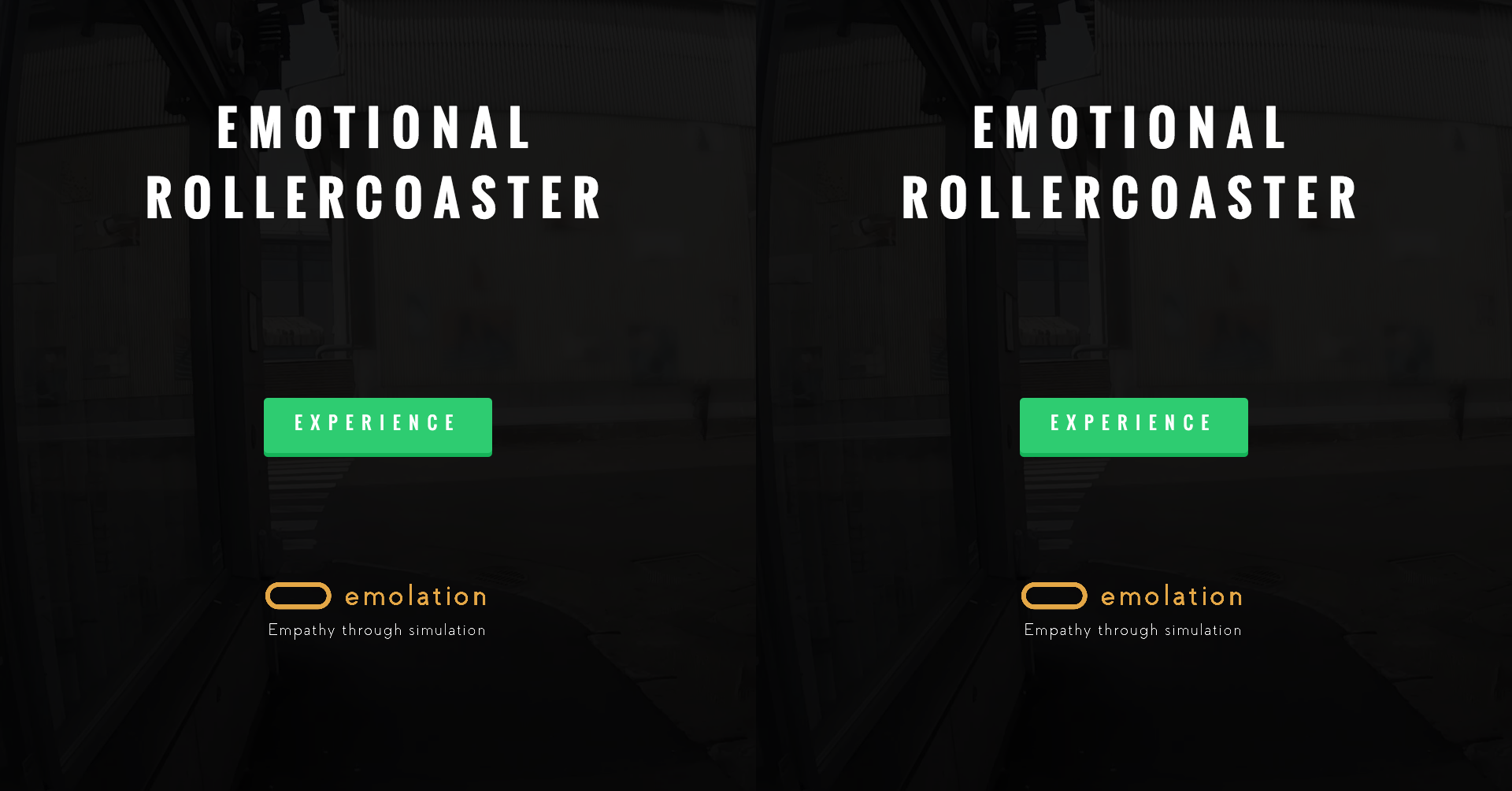
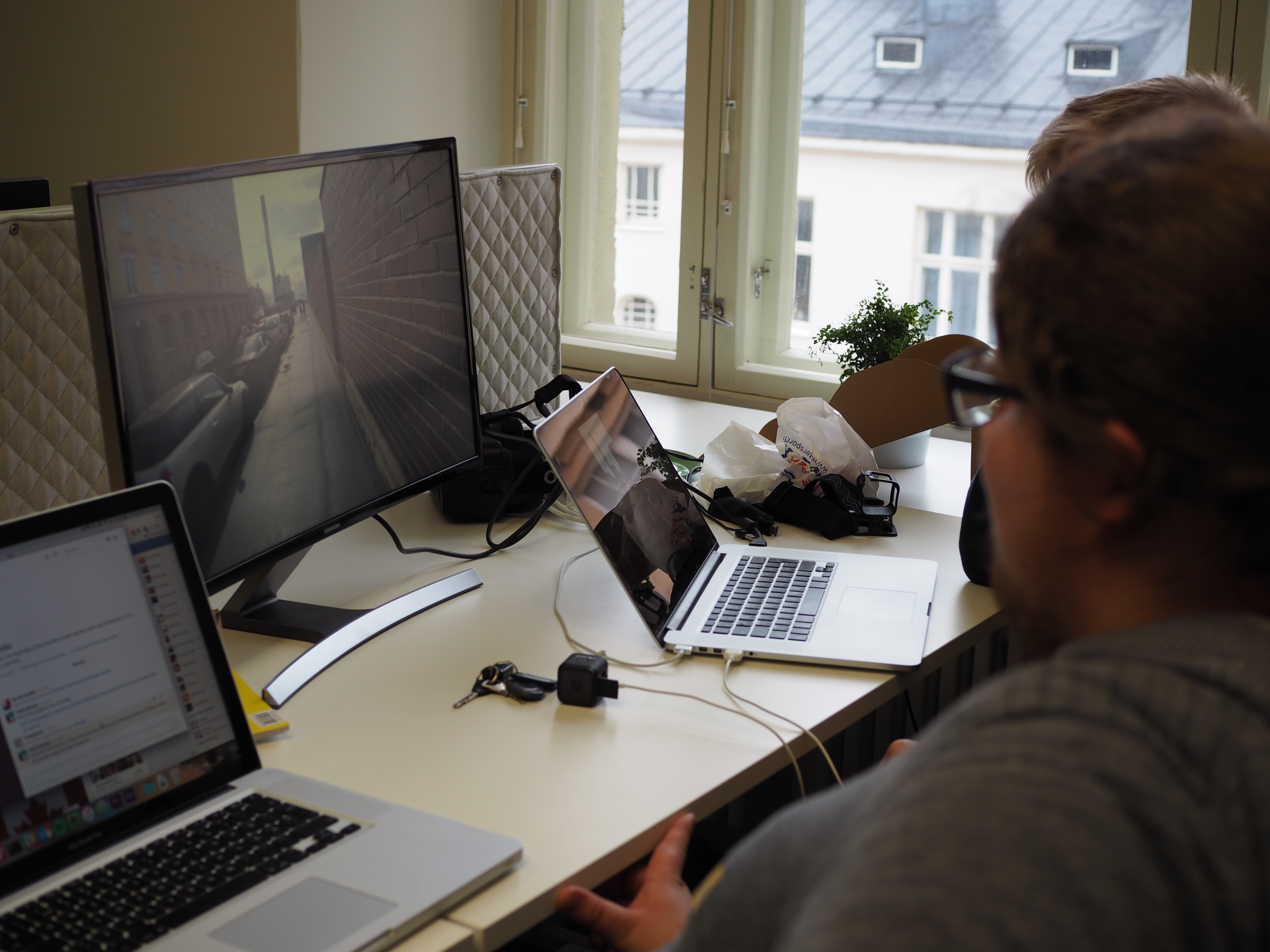
What it looks when starting the experience
-
-
-

-
-
-
-
-
-
-
-

-
-
-
-
-
-
-
-
-
-
-
-




Inspiration
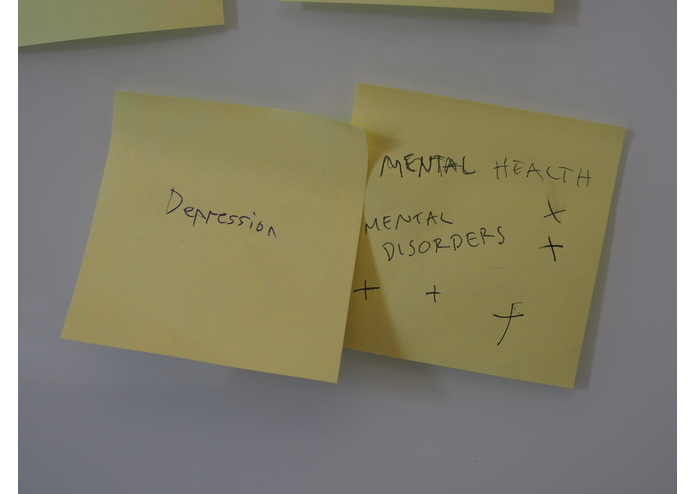
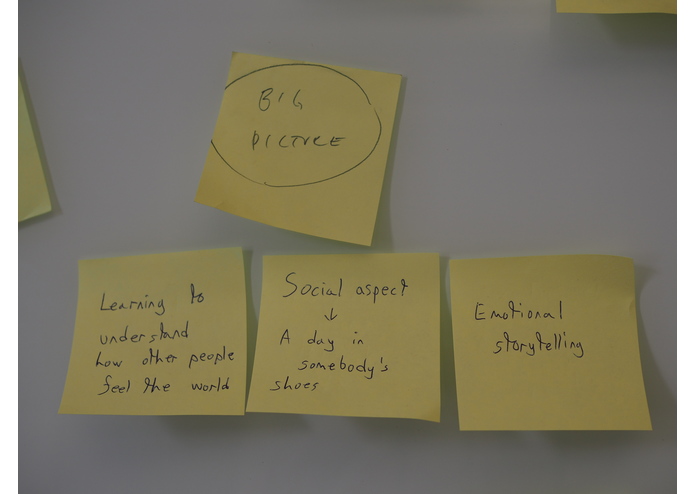
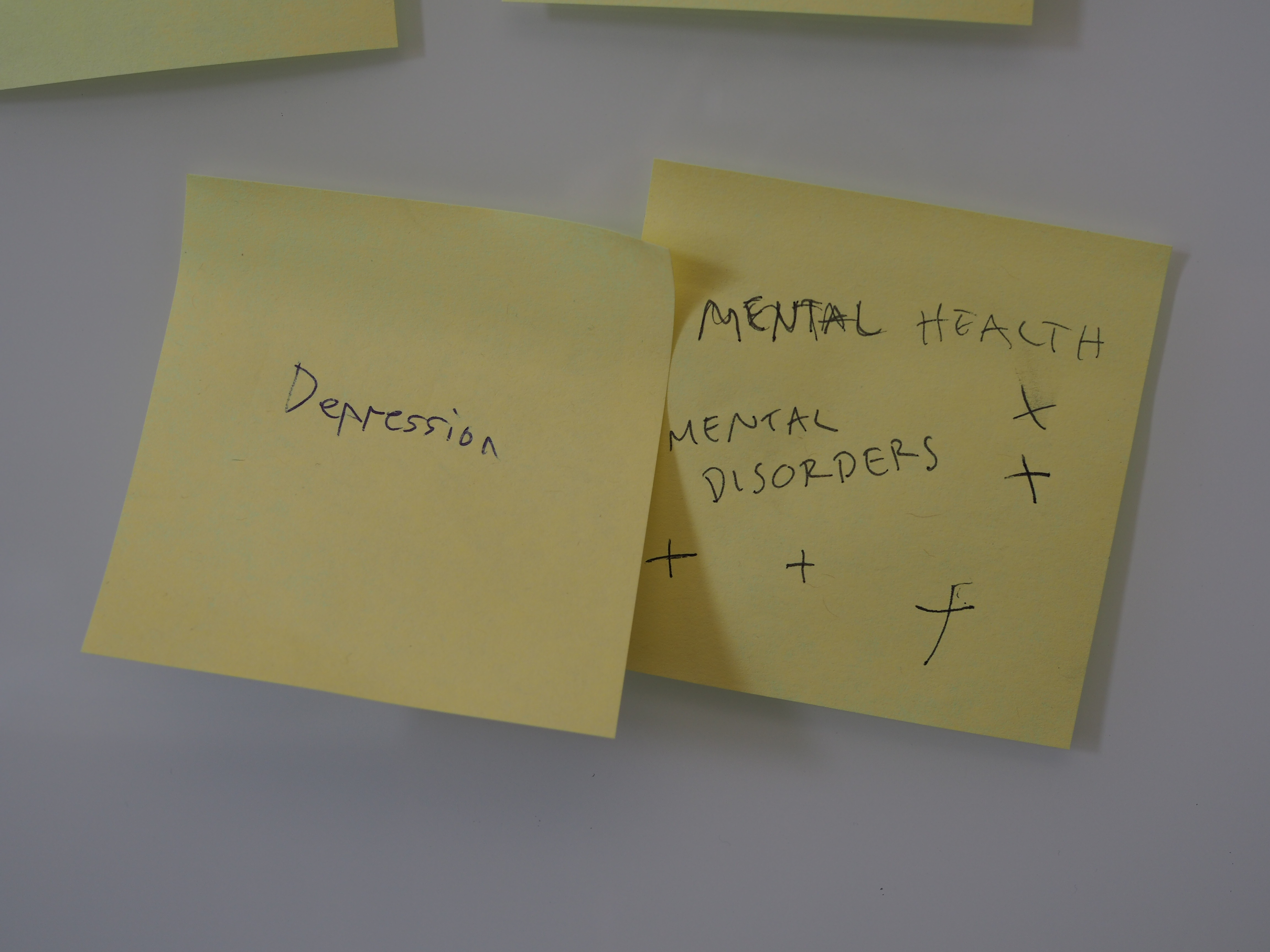
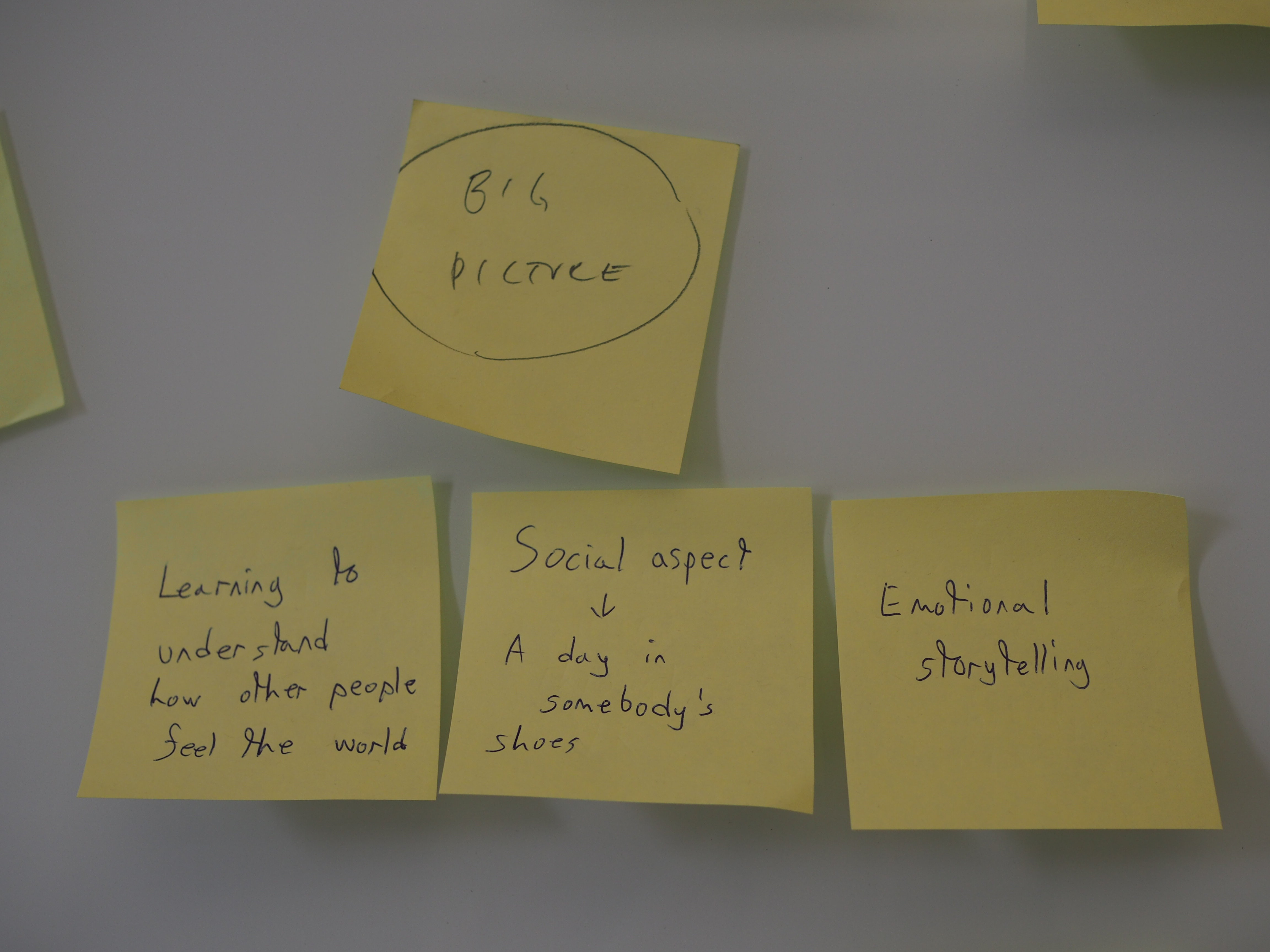
Our inspiration arose from the question how could we immerse ourselves more into someone else's life, for example when we want to understand the life of people who have for example severe depression, have recently immigrated, or are experiencing a strong feeling of love. We can experience it through our senses such as hearing and vision, but that does not necessarily mean that we experience it same way. To achieve this, one has to inject emotion into the mix.
What it does
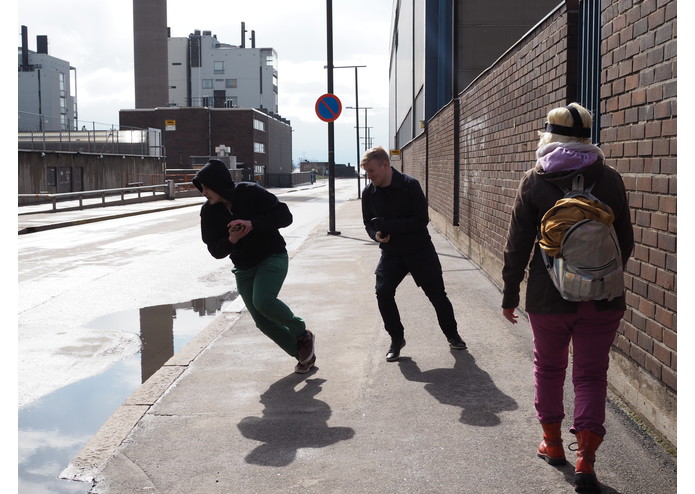
By using Oculus Rift, we project a story that takes places in someone else's life. By editing a video with the correct video effects we can create an emotionally rich experience, which also describes how a someone might experience that story.
How we built it
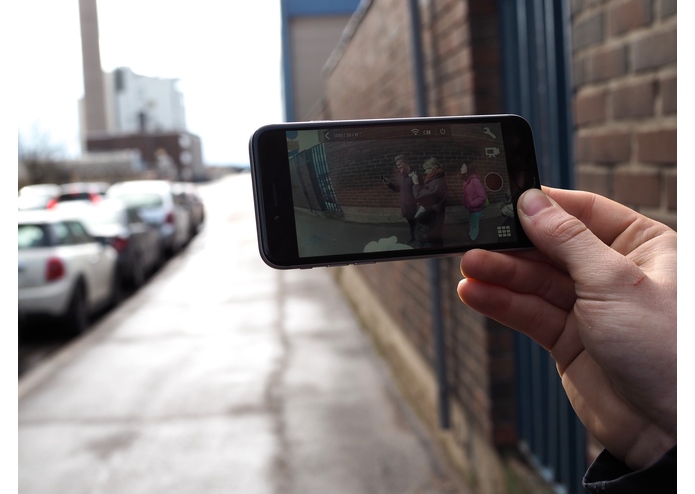
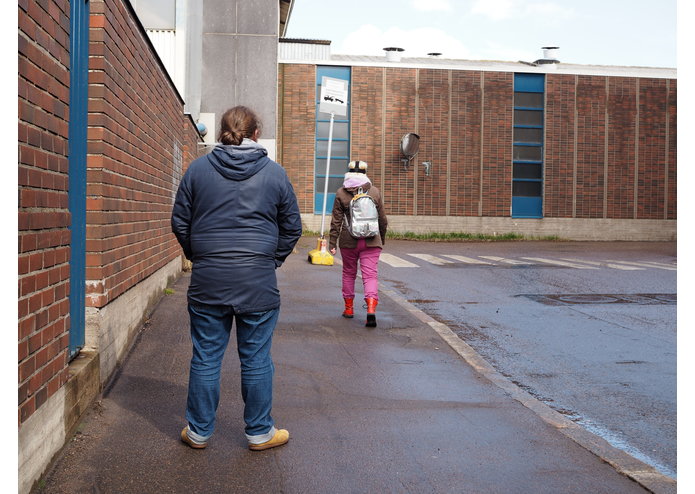
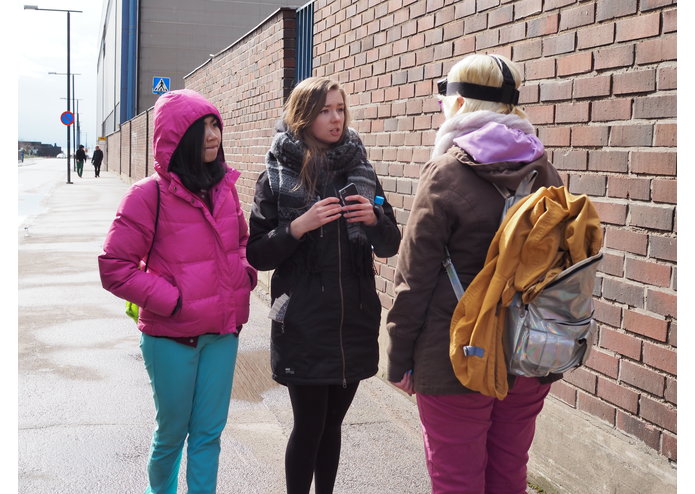
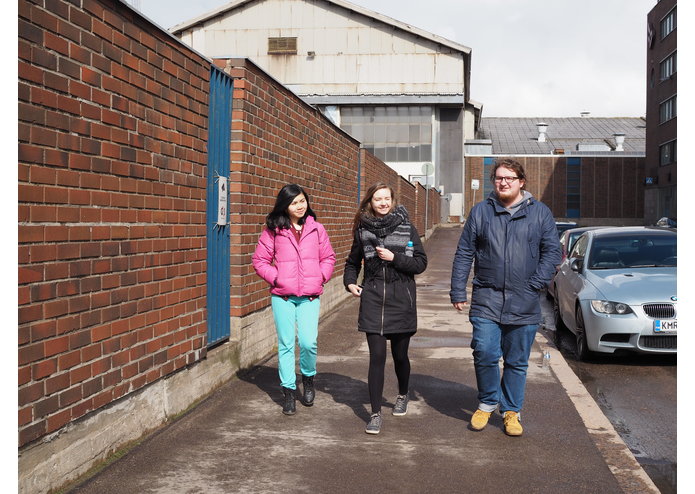
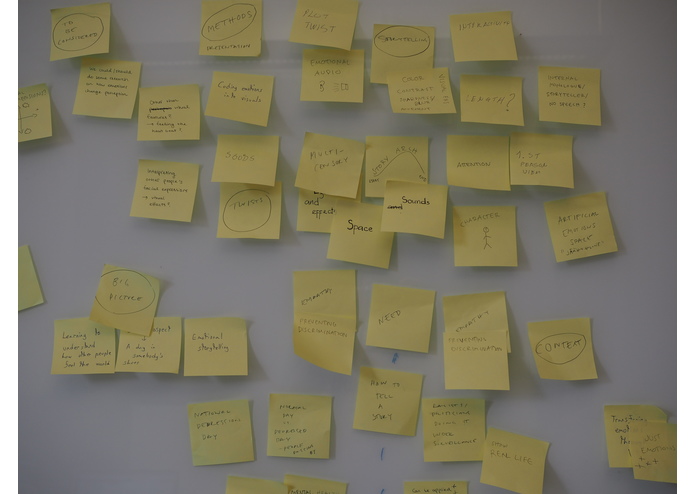
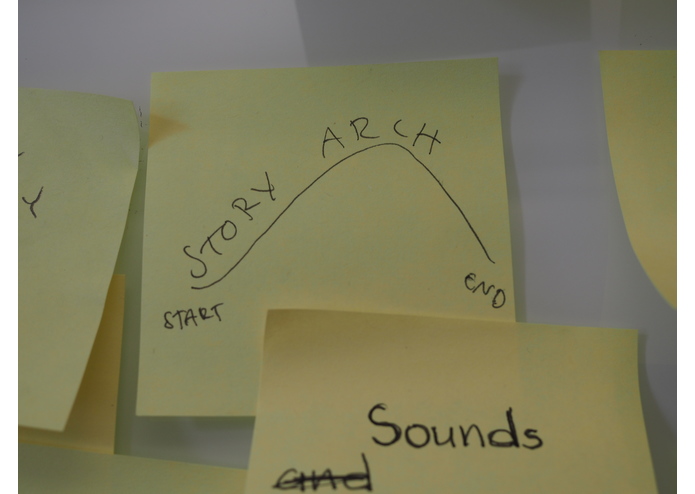
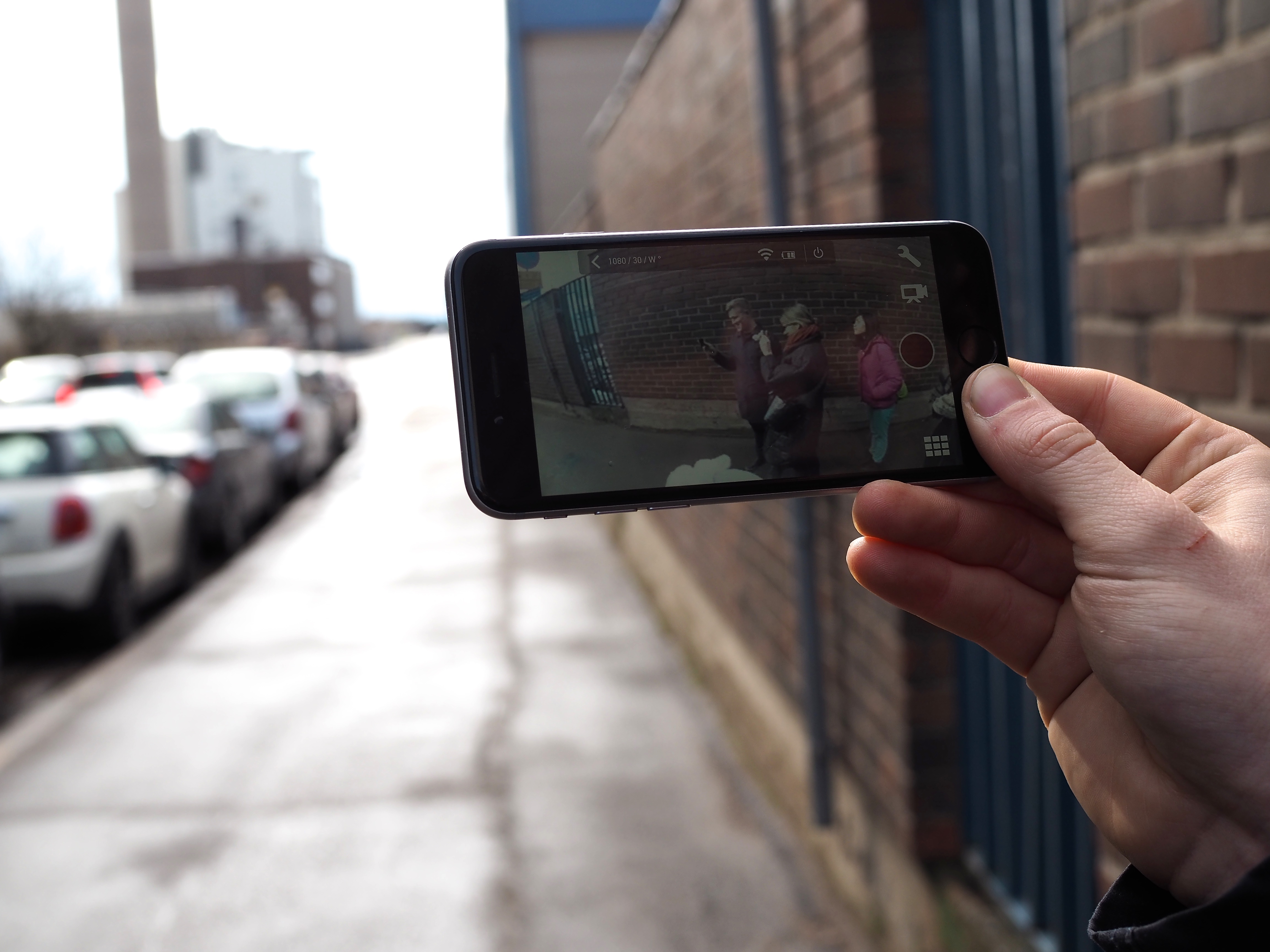
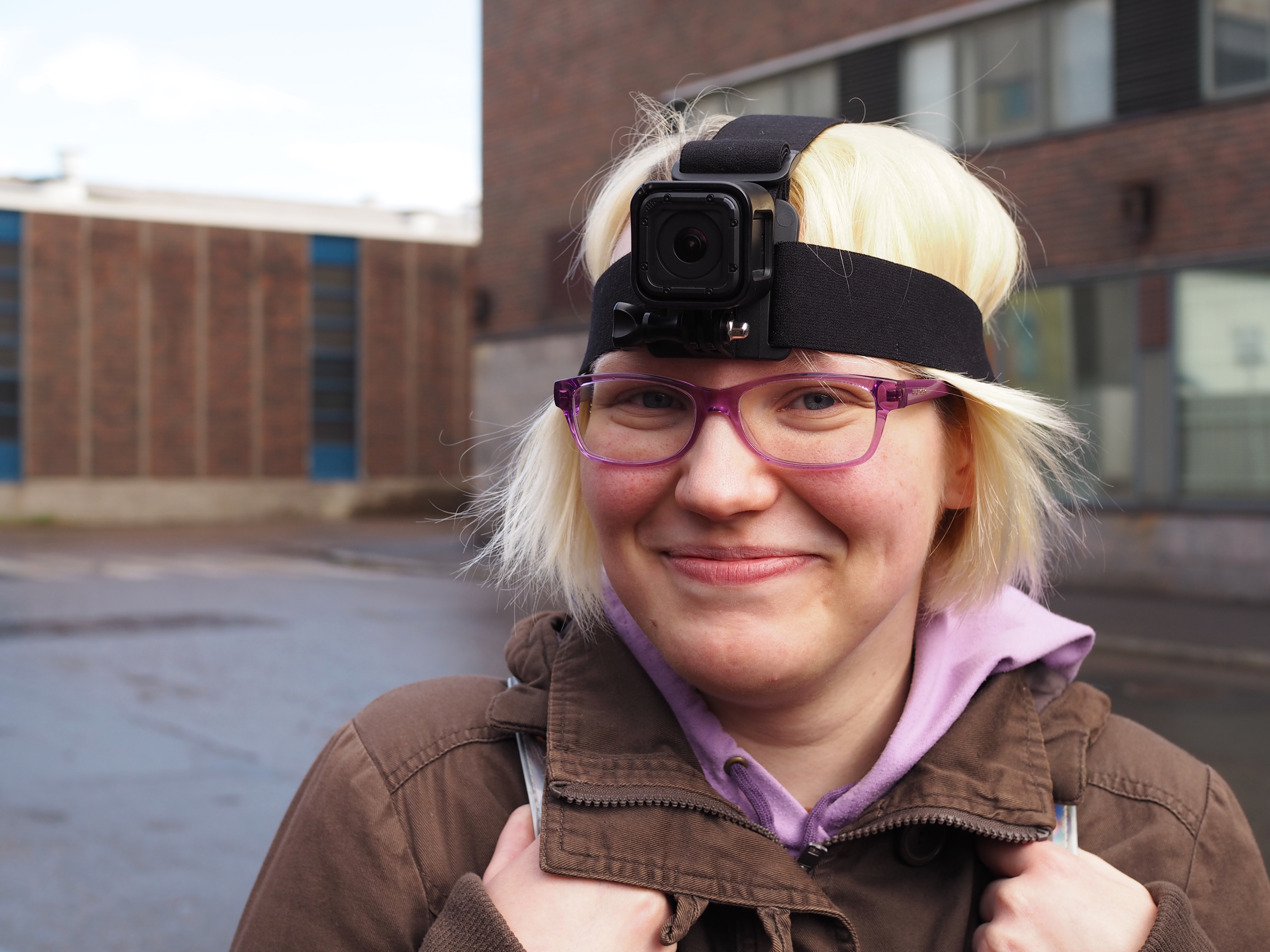
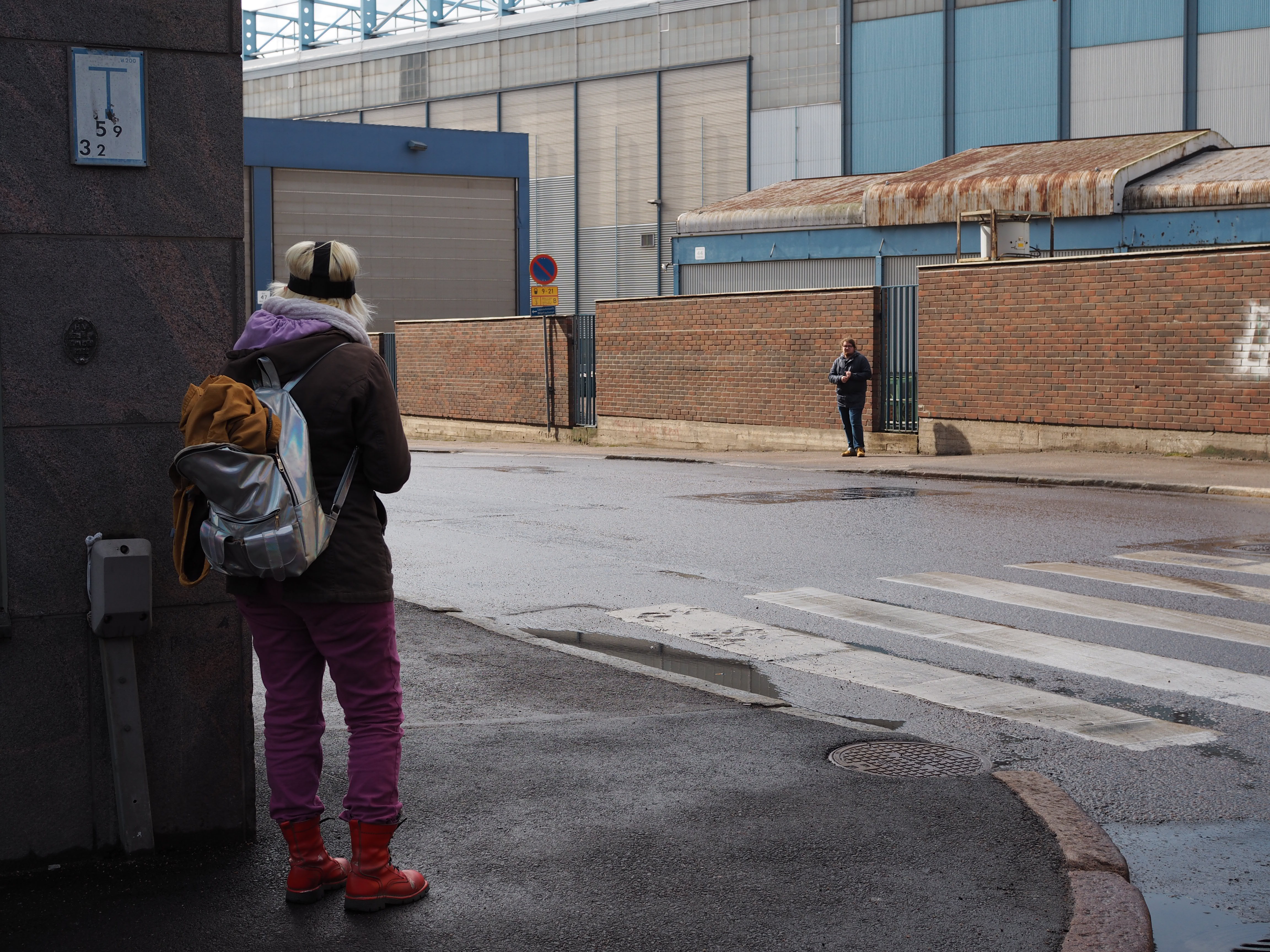
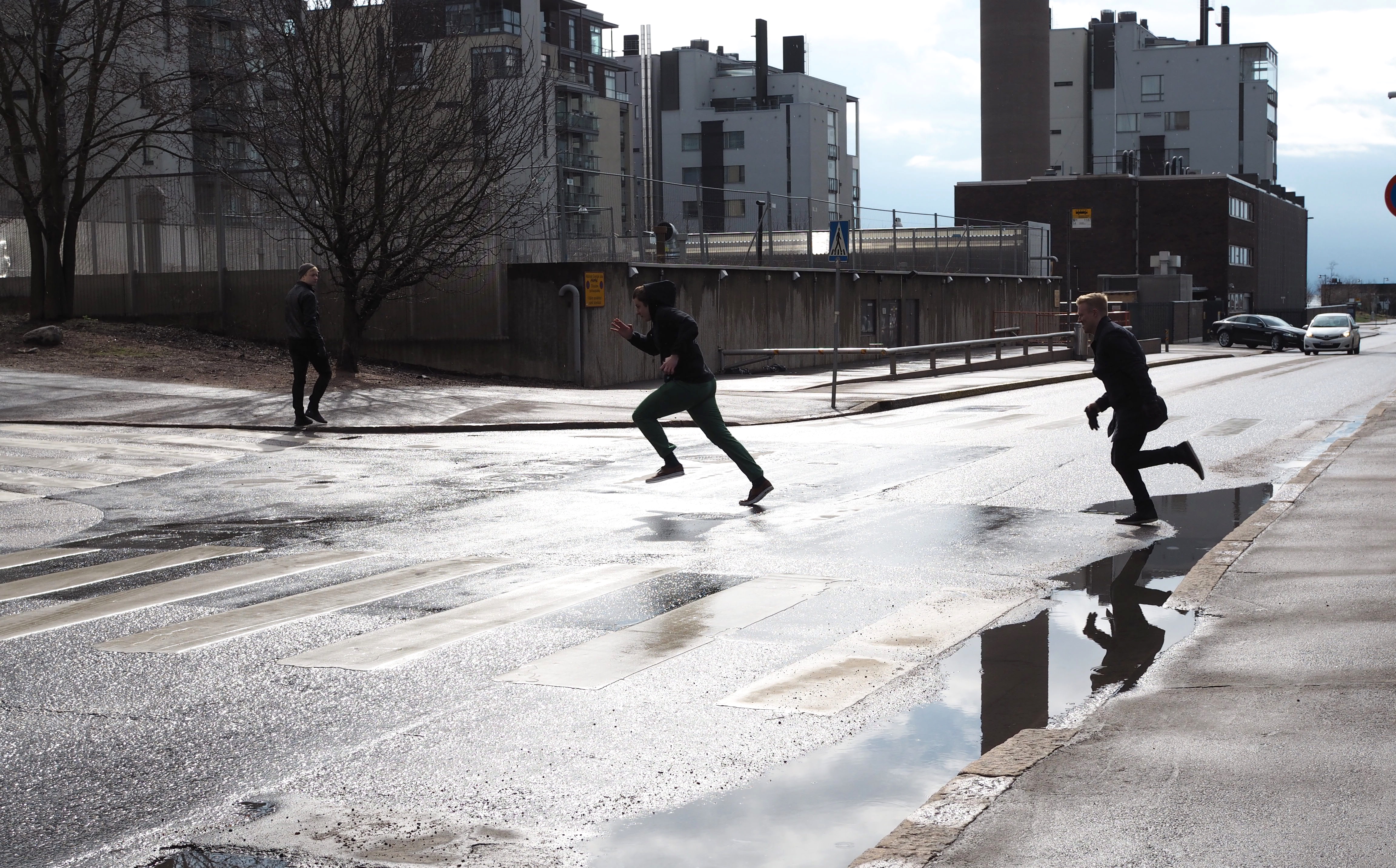
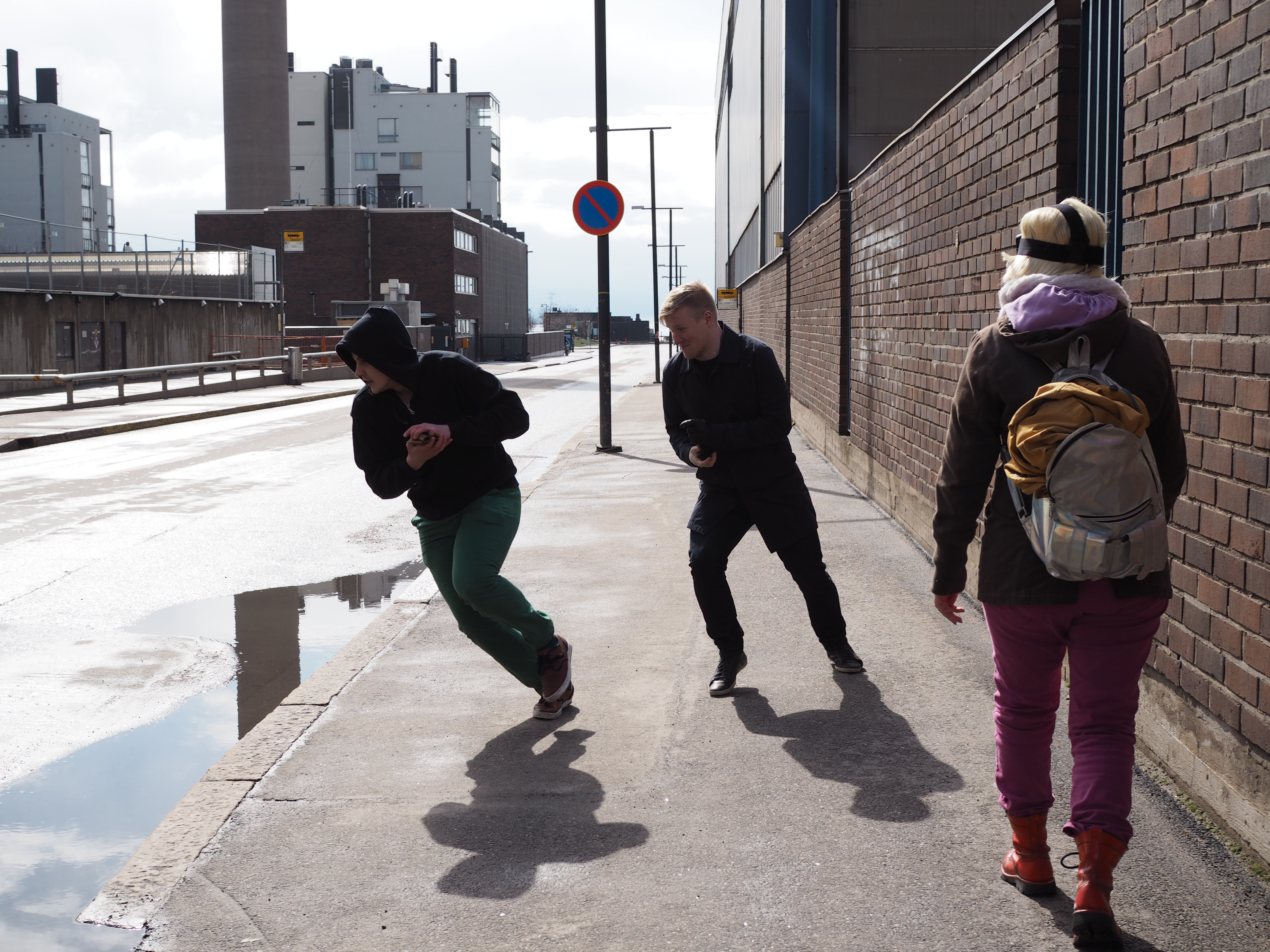
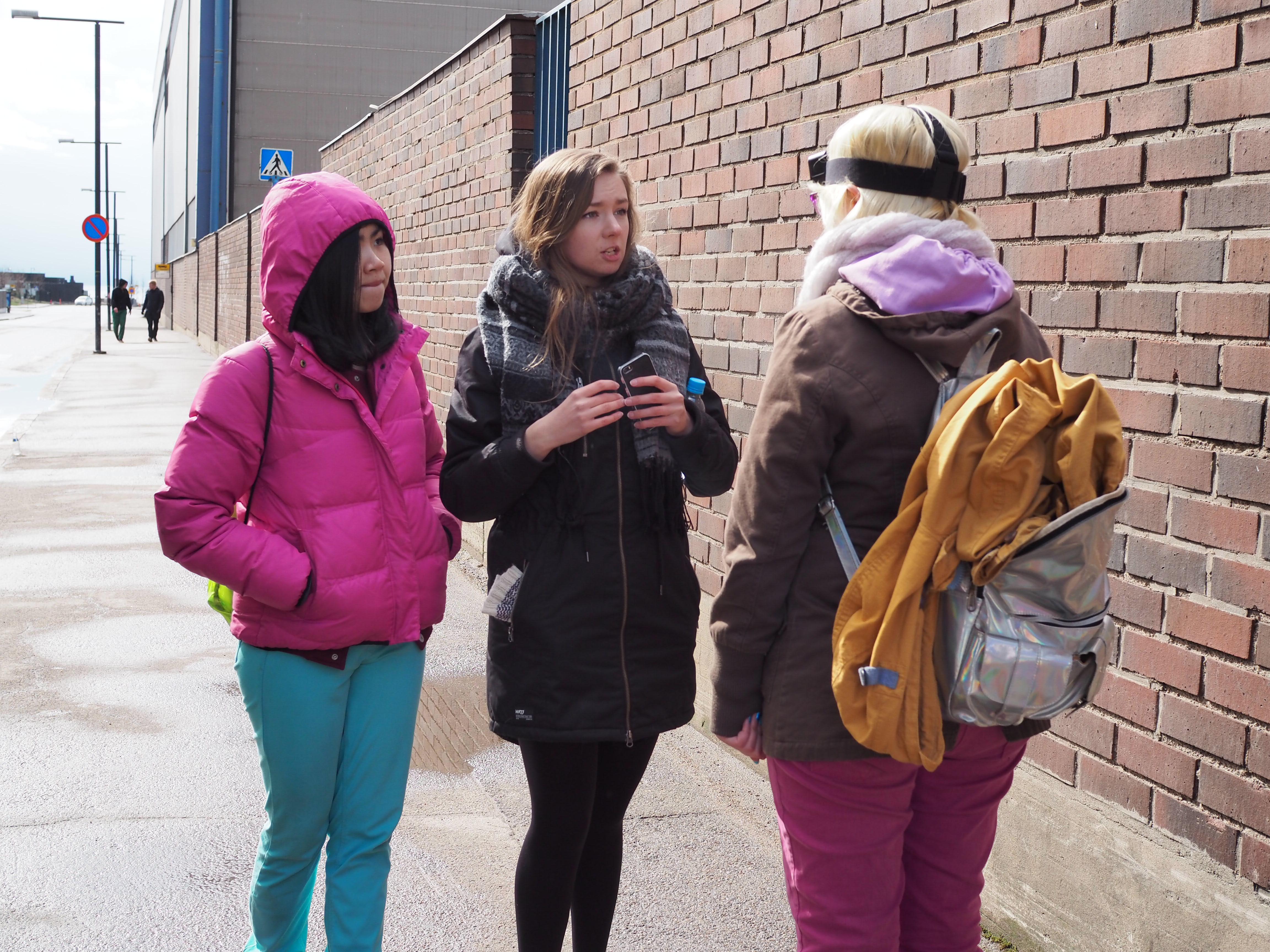
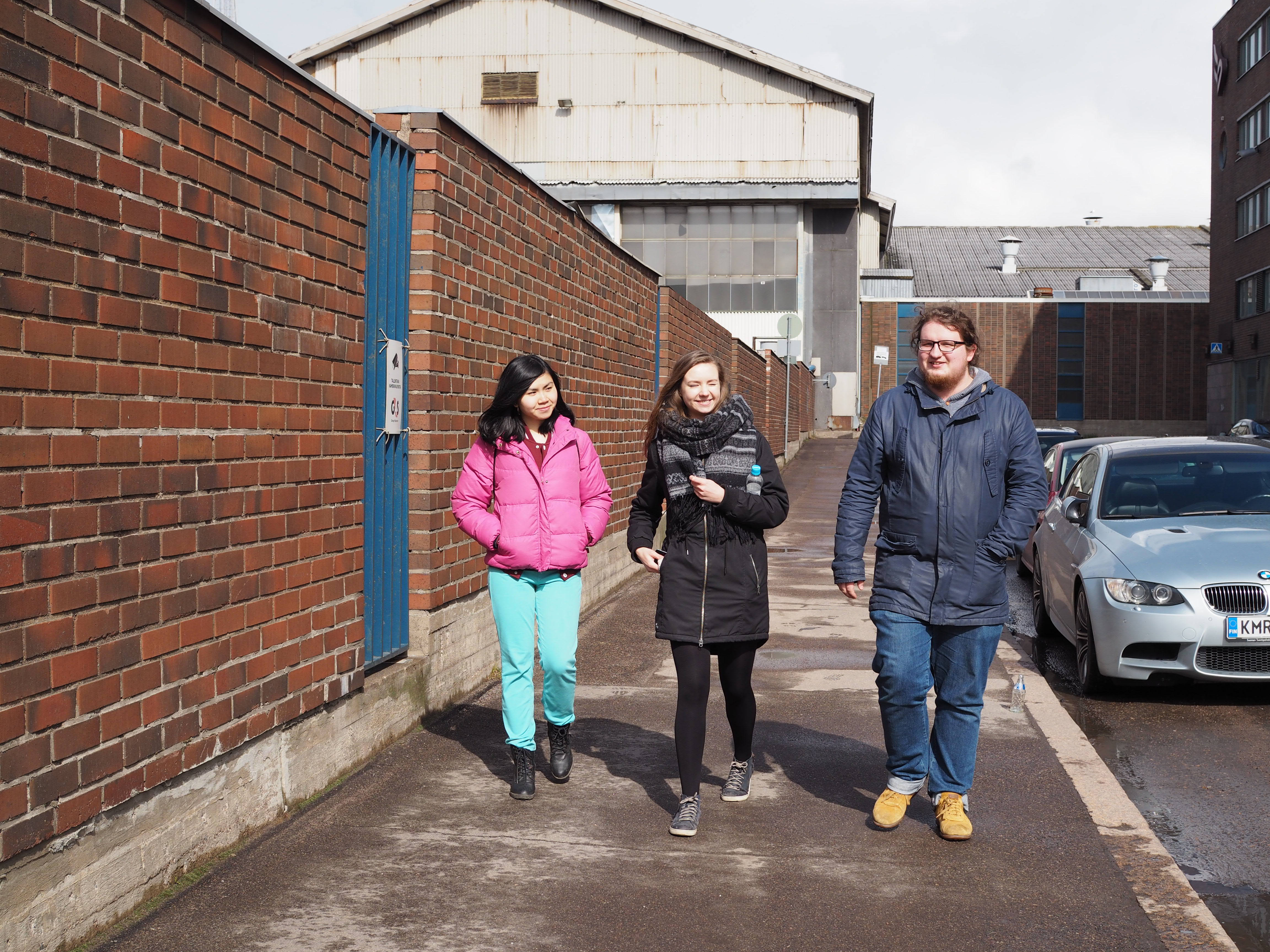
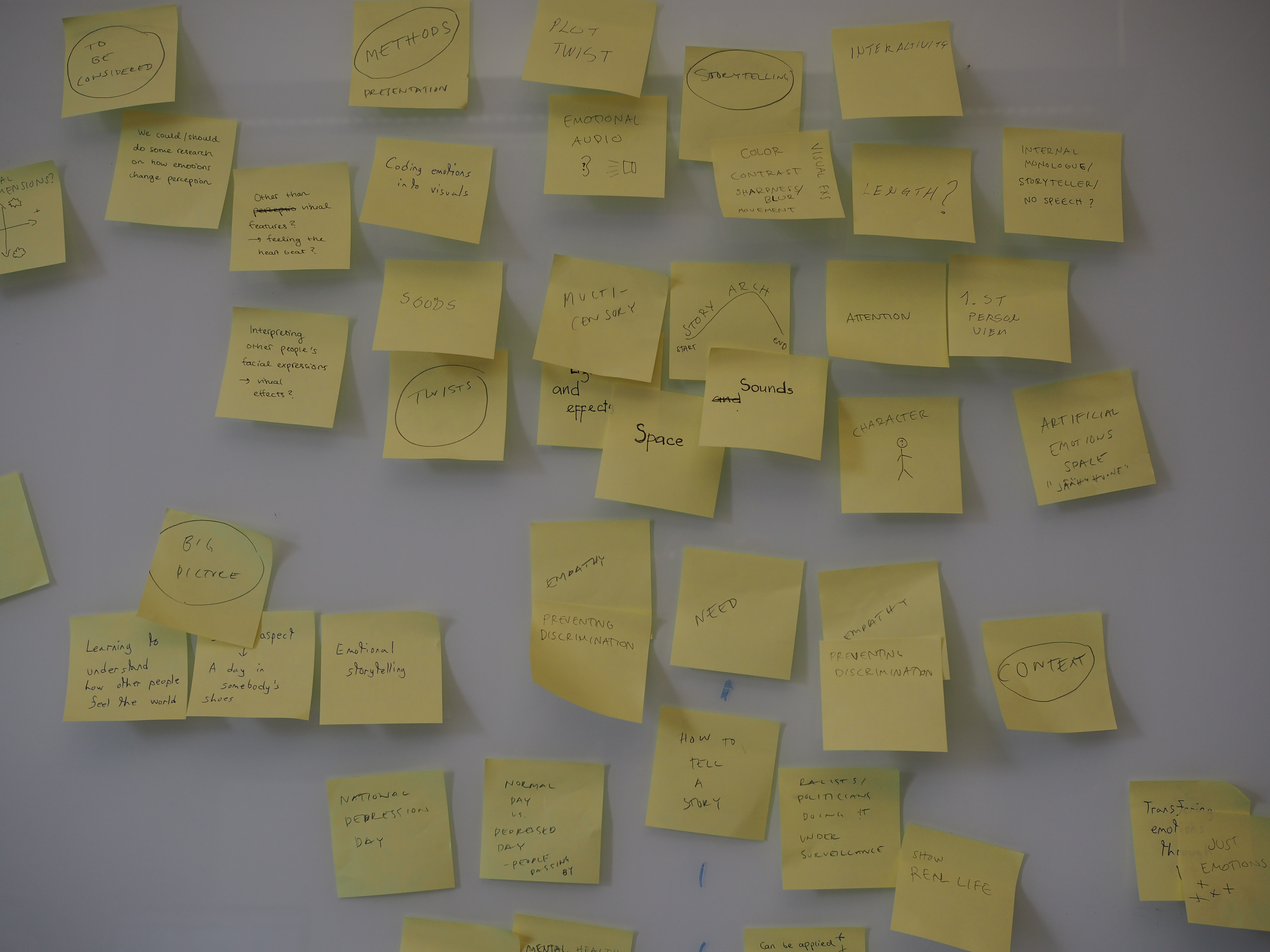
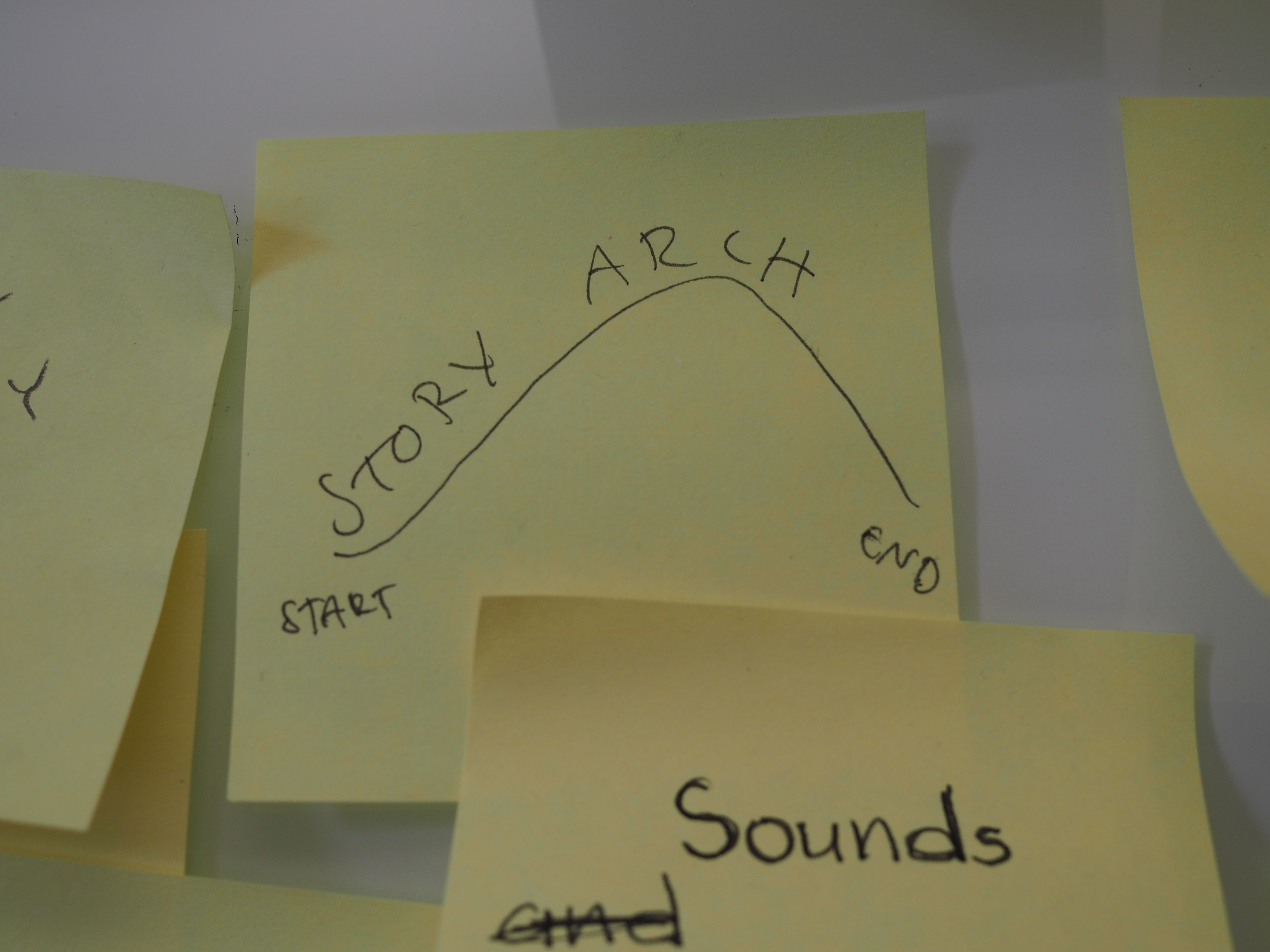
We started by outlining a short storyline, which would contain person having a minor interaction in the surrounding world, for example when walking down a street and maybe having a short conversation with someone, witnessing something unexpected. After this we did heavy research and brainstorming on how we could illustrate different emotions and how they affect your perception. We settled on focusing some emotions and effects a depressed person might go through. Visually this translated for example turning the contrast down, blurring some of the surroundings, and making alterations to the surrounding sounds.
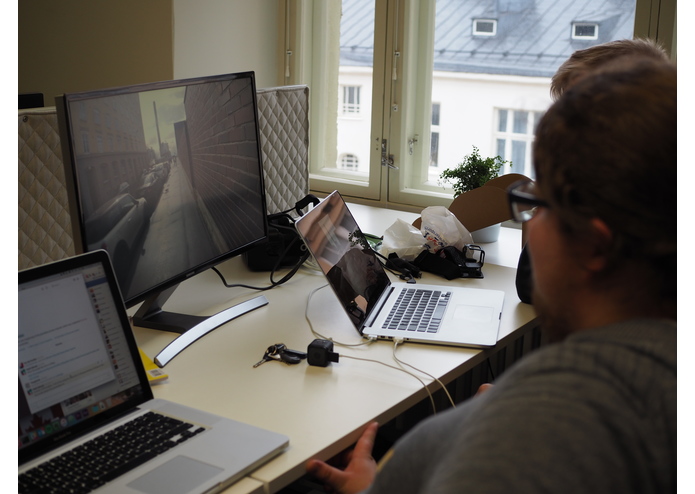
After storylining, we built a website for displaying Oculus Rift compatible videos. This required some basic javascript, html and css wizardry. A little bit of time when into getting the Rift working without video, in manner that does not induce nausea.
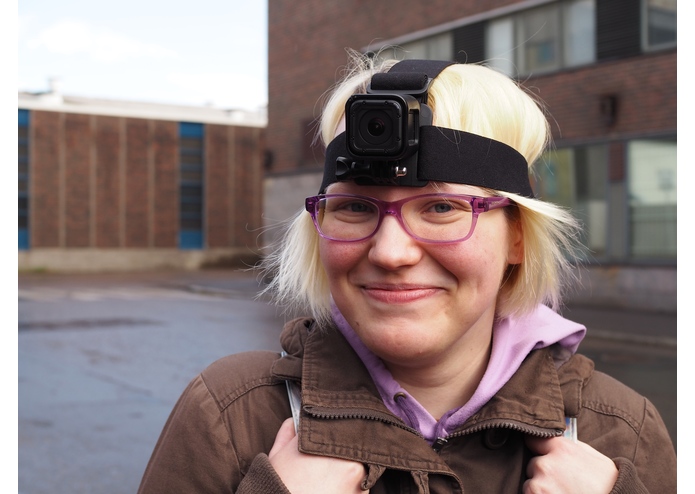
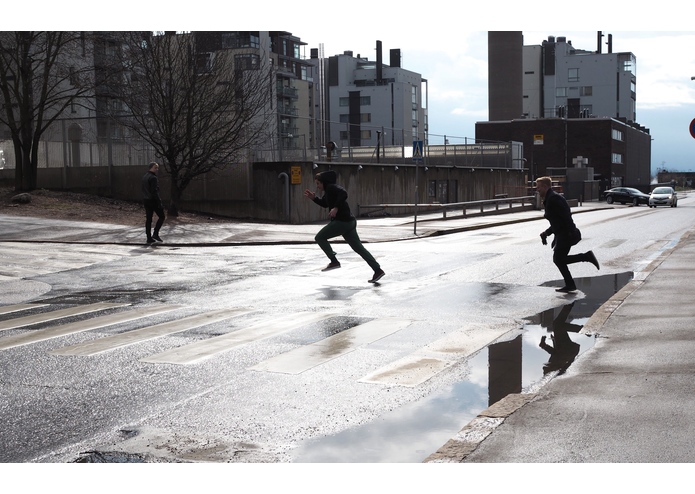
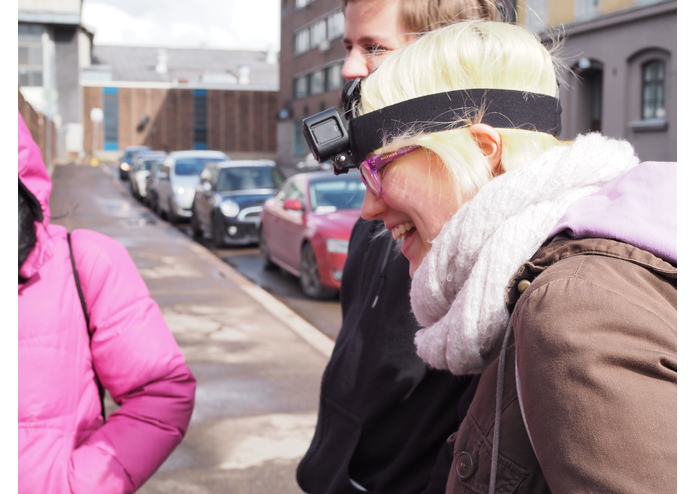
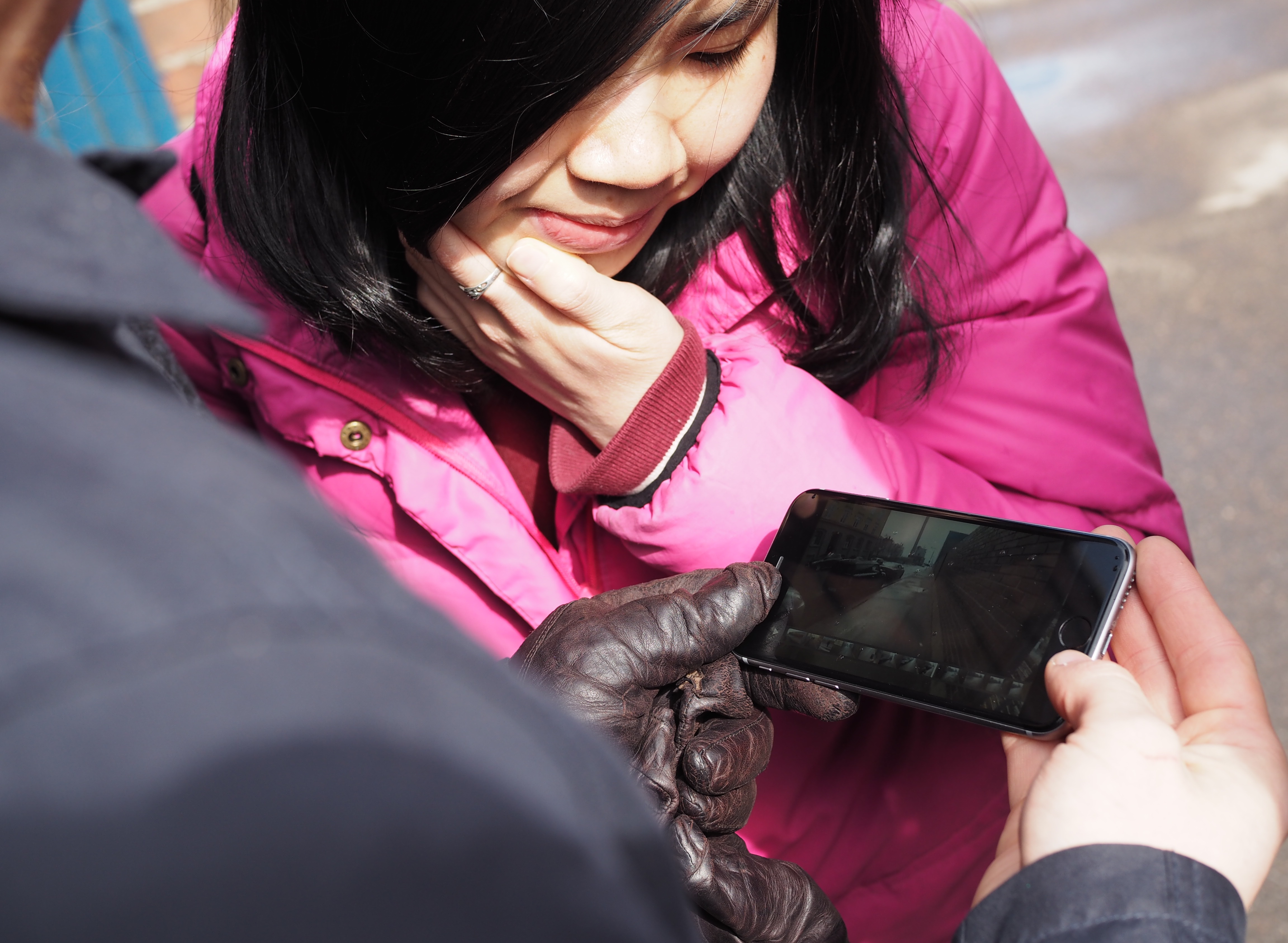
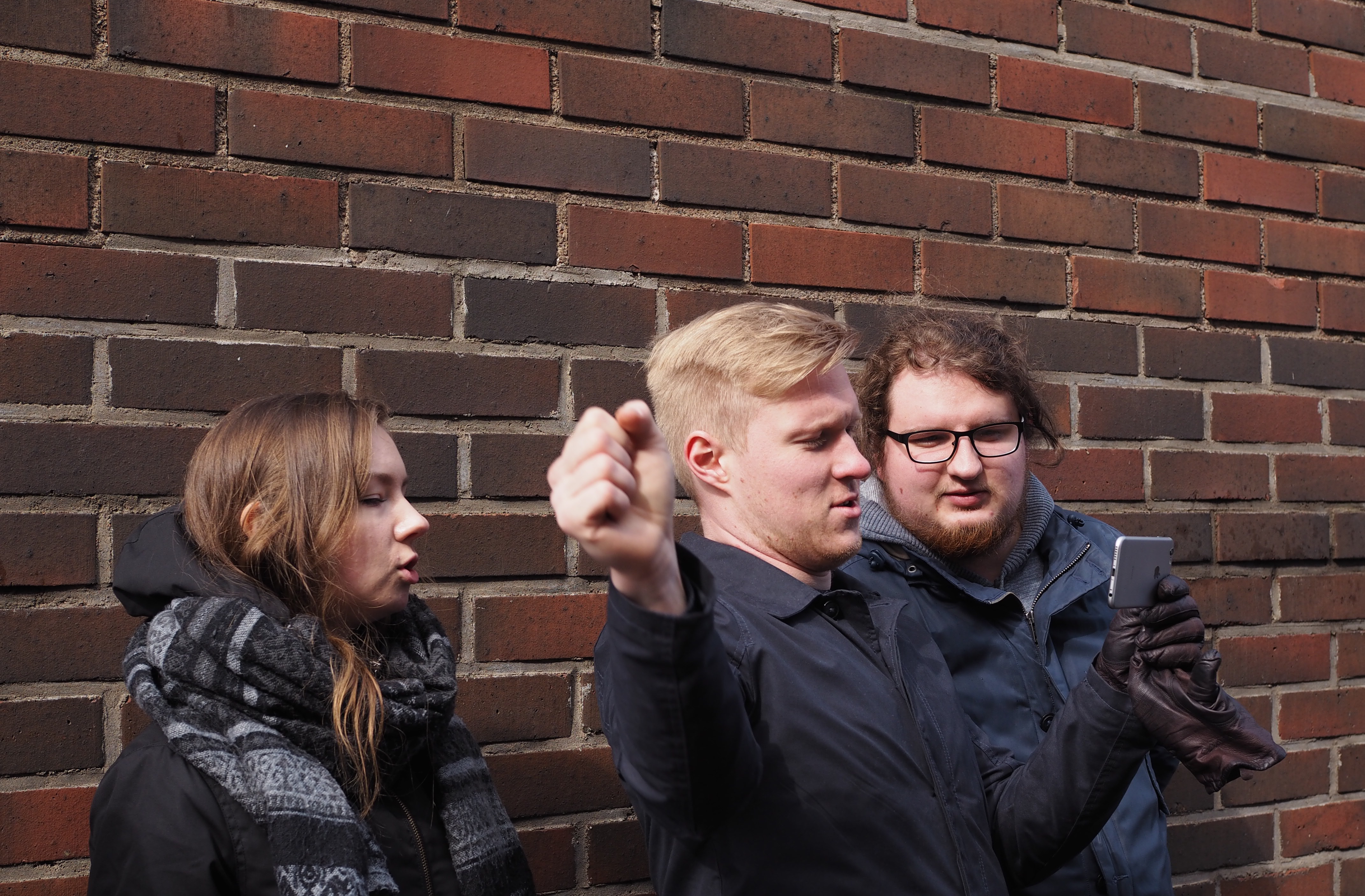
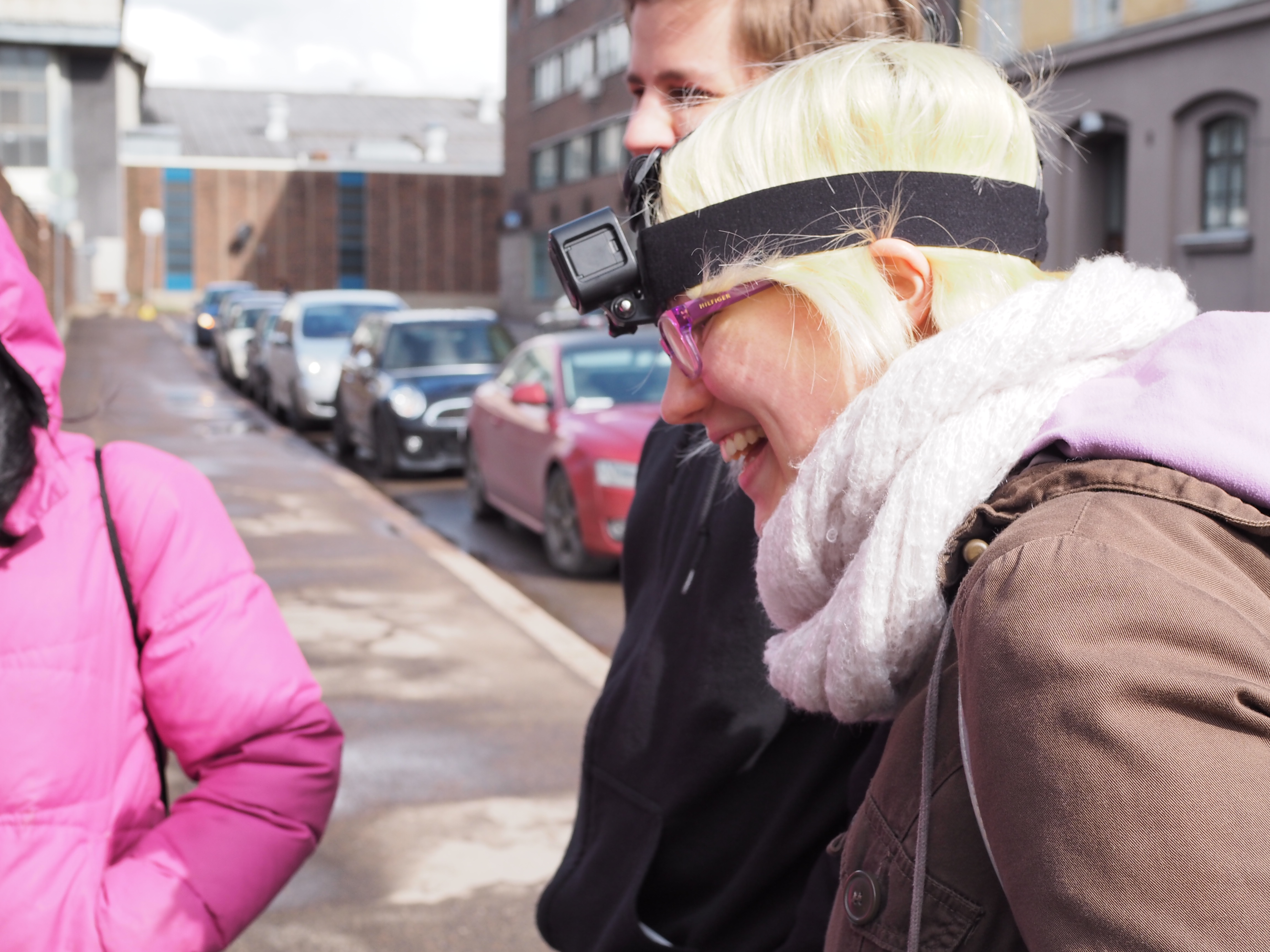
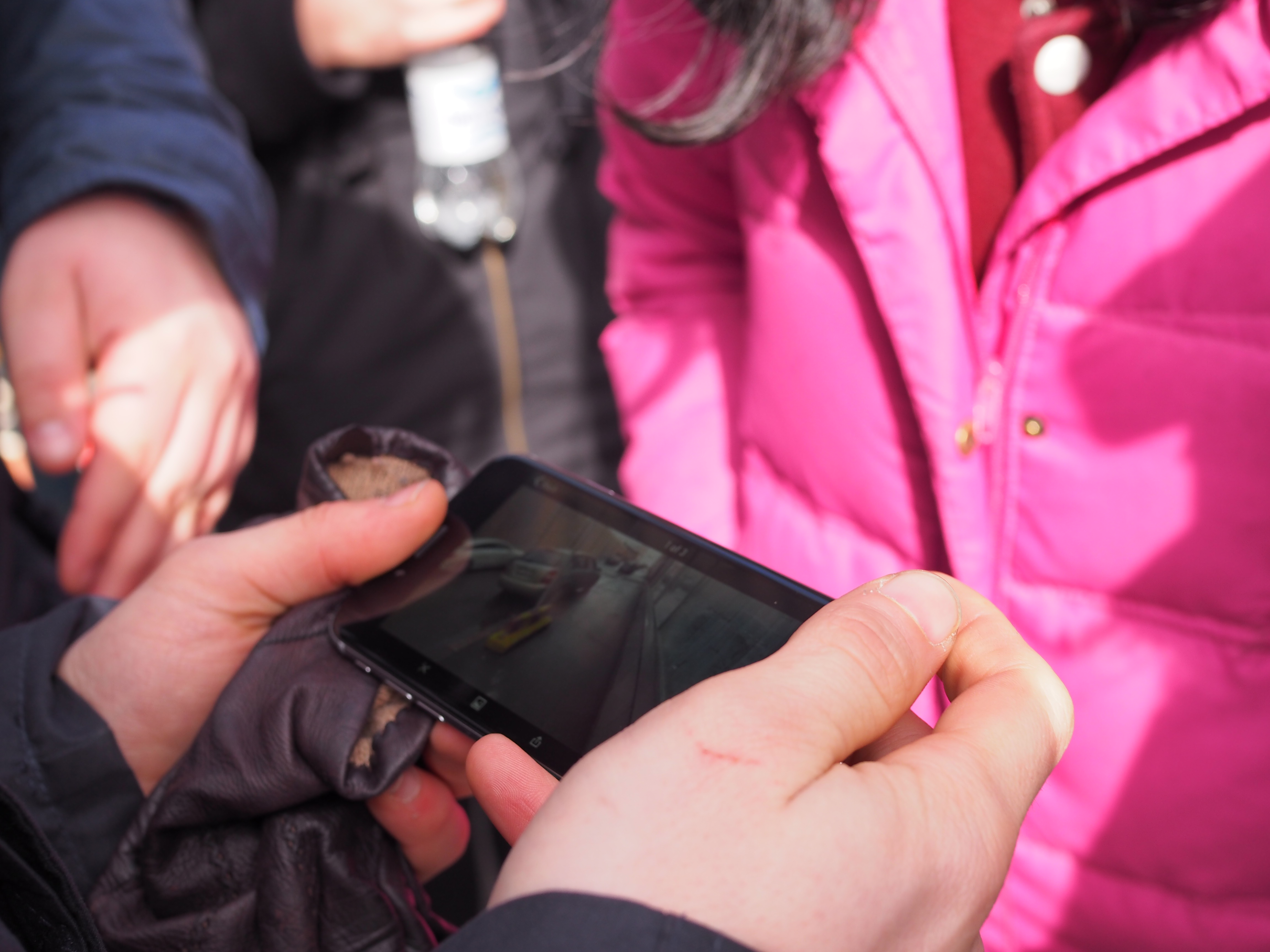
Most of the work consisted of screenwriting a compelling story, shooting the movie and editing it with desired effects and we spent almost 6 hours on that alone.
Challenges I ran into
We had three major challenges:
- Getting the perceptional effects of feeling emotions right. It would have easy to just make layman assumptions of how emotions affect perception. However due to having several cognitive scientists in the team, this was out off the question. So instead we did our homework and all the video effects are based on actual scientific results, although they might a little bit too strong in some parts.
- Writing the script, directing and shooting it. The emotional effects had to be taken into consideration from the beginning, which required well though plan on how to do everything.
Accomplishments that we're proud of
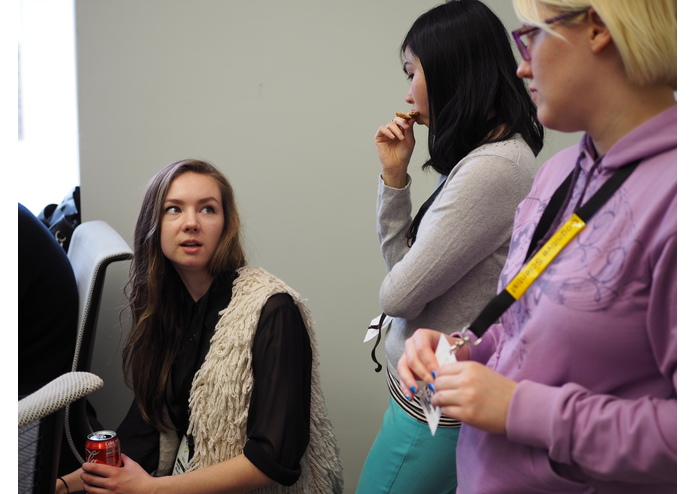
We had a diverse and multidisciplinary team and we all had our strengths that we could use. We utilized completely new technology that none of us had used before. Our project combined several different capabilities to create more than just a simple hack - a new way of being in someone else's shoes.
What we learned
"How to grab the craziest ideas and make them work with people who have different backgrounds!"
"I learned the importance and greatness of being able to work with the people who have deeper knowledge on the team."
What's next for Emotional Rollercoaster
To create a truly immersive experience, we should gather more data on how different emotions affect your perception and translate these into video effects. We could also use additional devices to create even more immersive and impressive experience by using for example a vest that applies pressure in some parts of your body, to create the feeling of anxiety. Or we could use sound to simulate heartbeat. The possibilities in enhancing emotions in 3D experiences are endless.
In the future the experience could also be made interactive by using 3D graphics and game enviroments.
Built With
- gopro
- javascript
- oculus


Log in or sign up for Devpost to join the conversation.