-
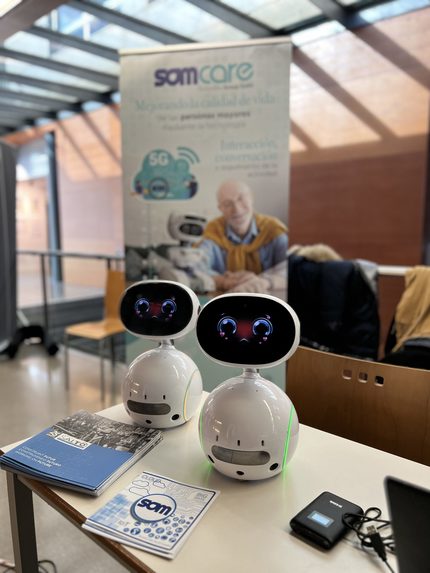
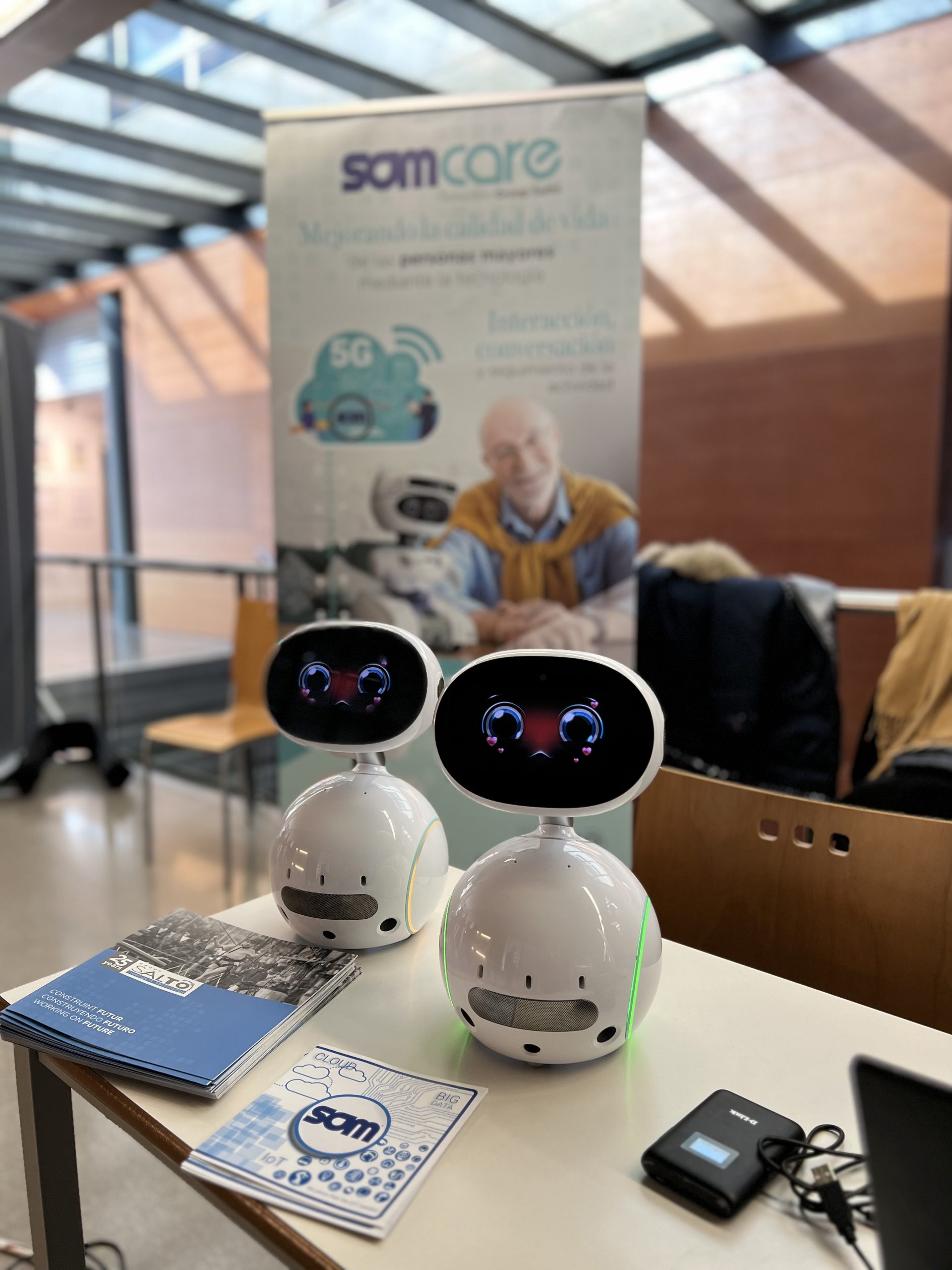
Saltó robots equipped with our real-time emotion recognition system
Inspiration
Our team is deeply passionate about artificial intelligence and its potential to create meaningful impact in real-world applications. This hackathon presented a unique opportunity to challenge ourselves, pushing the boundaries of our knowledge while working on a project with tangible societal benefits. We chose to develop an emotion recognition system integrated into robotic assistants, aimed at enhancing care for the elderly and supporting educational environments for children.
Project Description
The core of our project is an Android-based application designed for integration with the Saltó robot. Utilizing the robot’s camera, our application identifies human faces and accurately detects their emotional states in real time. This capability is crucial for robots designed to assist in healthcare and educational settings, where understanding and responding to human emotions can significantly improve the quality of interaction and care provided.
Development Process
Our development journey involved leveraging a robust set of technologies, including PyTorch, Keras, and TensorFlow for model training, and Flask for API development. The application was built on the Android platform, ensuring seamless integration with the Saltó robot’s SDK. Throughout the project, we focused on creating an efficient and scalable solution, capable of processing real-time data while maintaining high accuracy in emotion detection.
Challenges Overcome
The development process was not without its hurdles. One of the initial challenges was identifying and curating an appropriate dataset to train our emotion recognition model. Ensuring the model’s efficiency without sacrificing accuracy was another significant obstacle, particularly given the constraints of real-time processing. Additionally, integrating the emotion recognition system with the robot’s existing API presented technical challenges that required creative problem-solving and persistence.
Achievements and Milestones
Despite the challenges, we successfully completed the project, delivering a functional and effective emotion recognition system. This accomplishment is a testament to our team’s determination and technical prowess. We are particularly proud of how we overcame moments of doubt and adversity, staying focused on our goal and delivering a project that has the potential to make a real difference in the fields of healthcare and education.
Future Directions
Looking ahead, we plan to enhance the performance of our emotion recognition system further. Our focus will be on optimizing the model for even greater accuracy and efficiency, and exploring additional applications within the broader context of assistive robotics. We envision this technology playing a pivotal role in creating more empathetic and responsive robotic assistants, ultimately improving the lives of those they are designed to support.

Log in or sign up for Devpost to join the conversation.