-
-
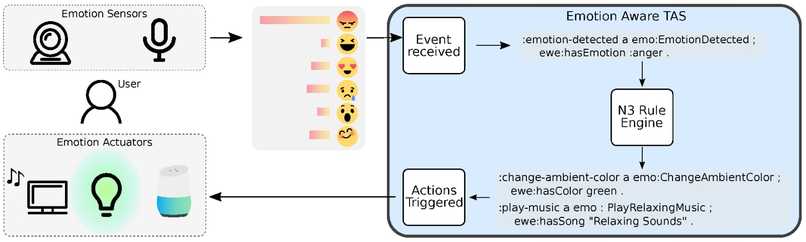
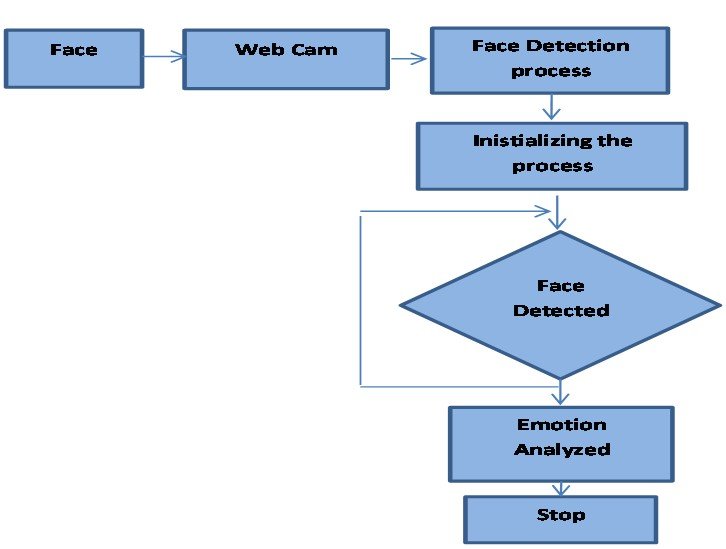
this is the workflow for our project
-
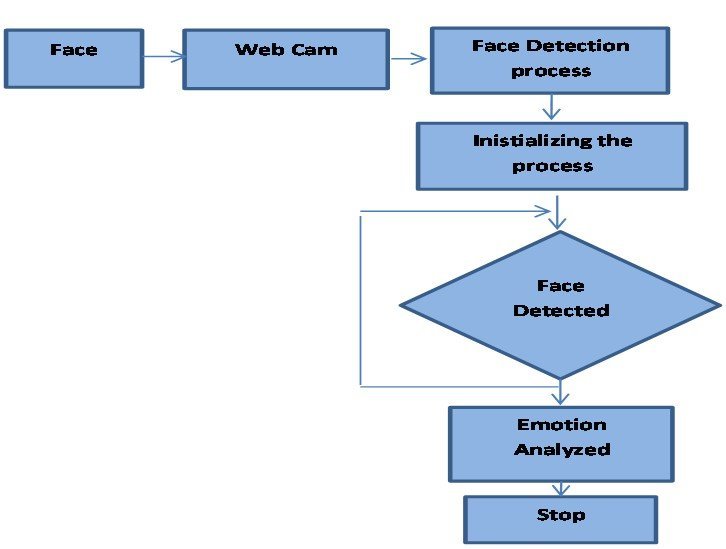
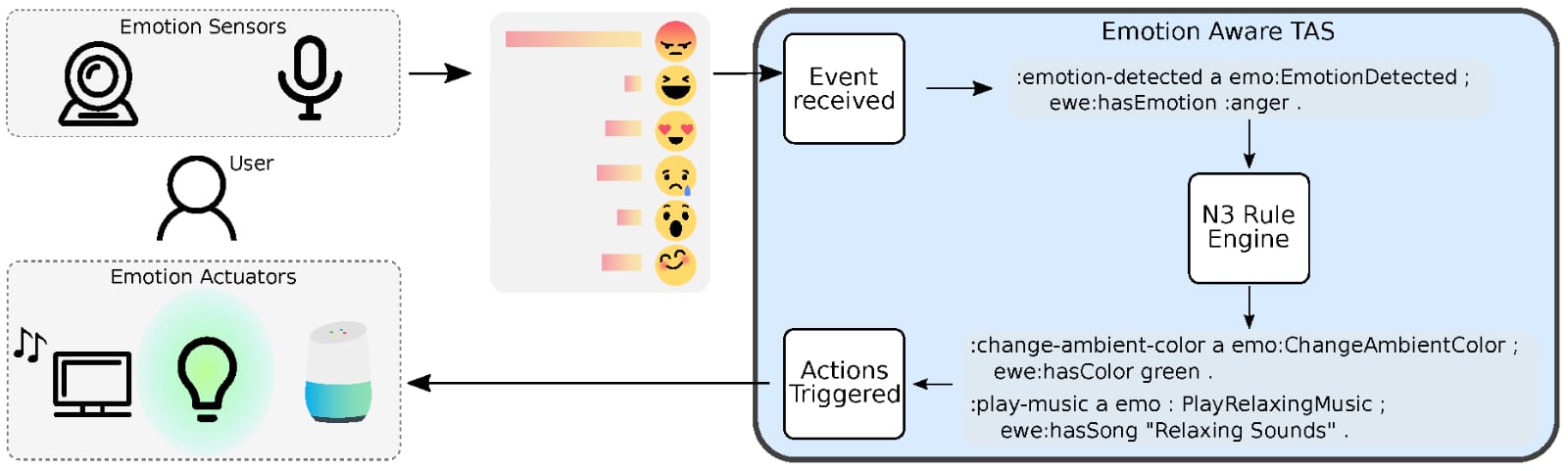
this is the architecture
-

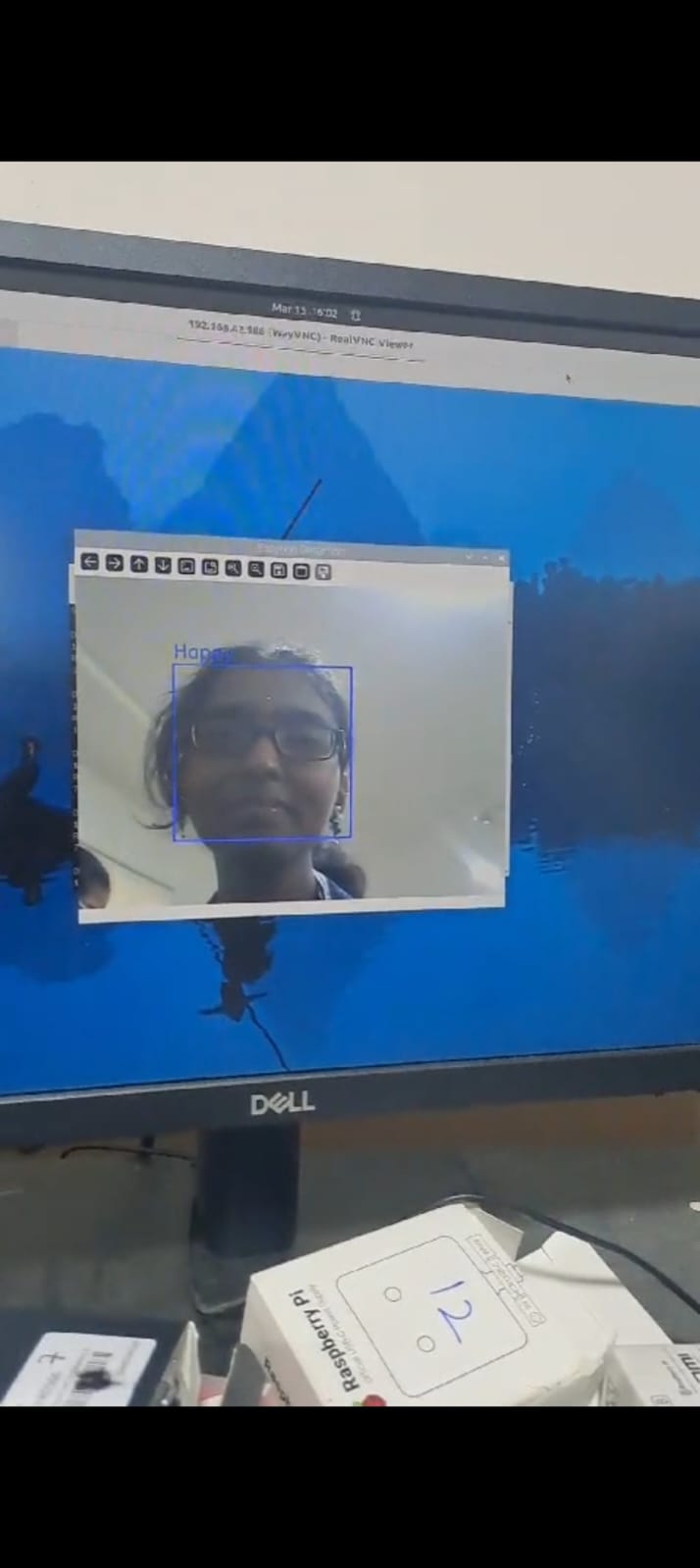
emotion detection
-
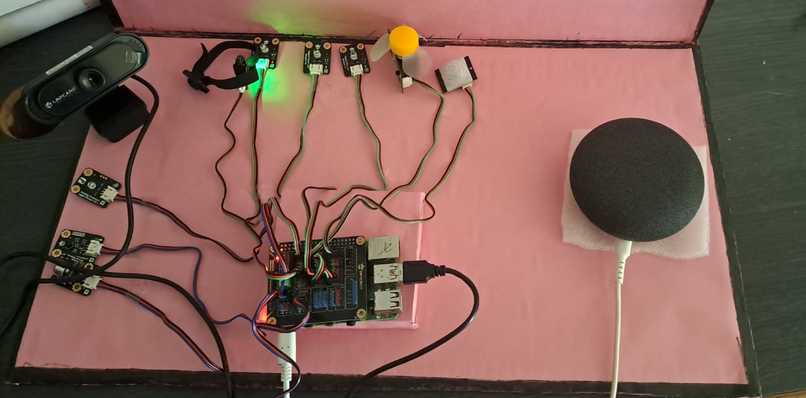
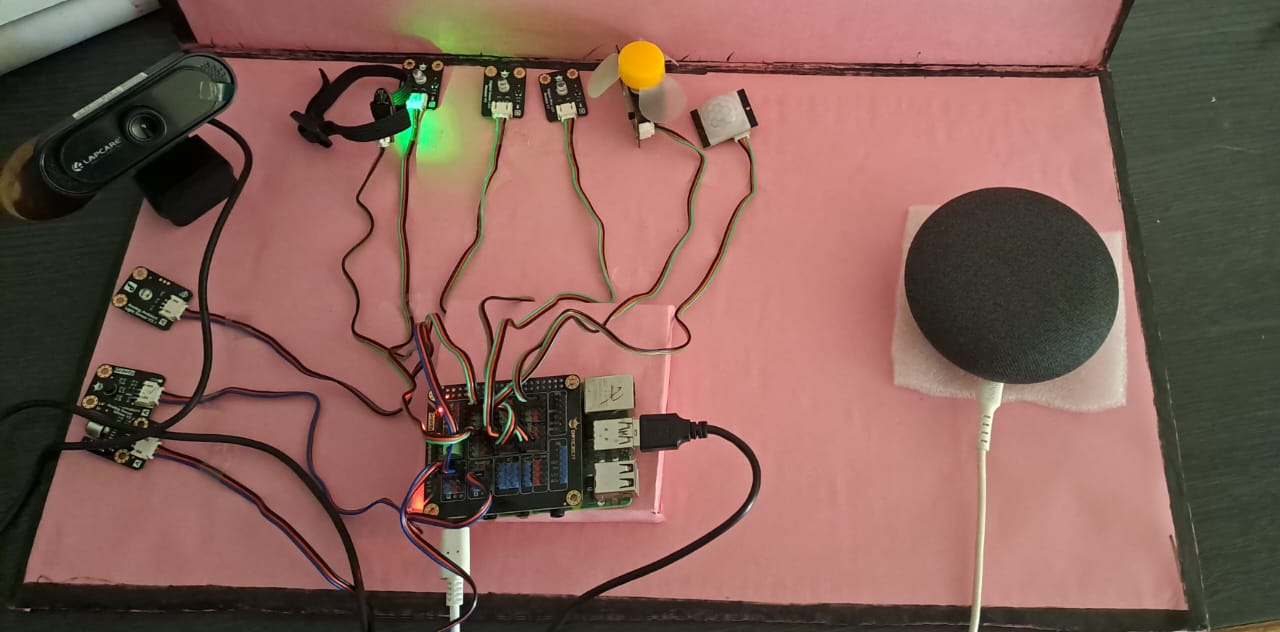
components we have used are tempeature, red green blue sensors, heartrate, motion, fan, sound, google home etc
-

this is for readings of temperature, heart rate, emotion detection adn adjust lights, fan speed, motion sensor used if user is detected
-
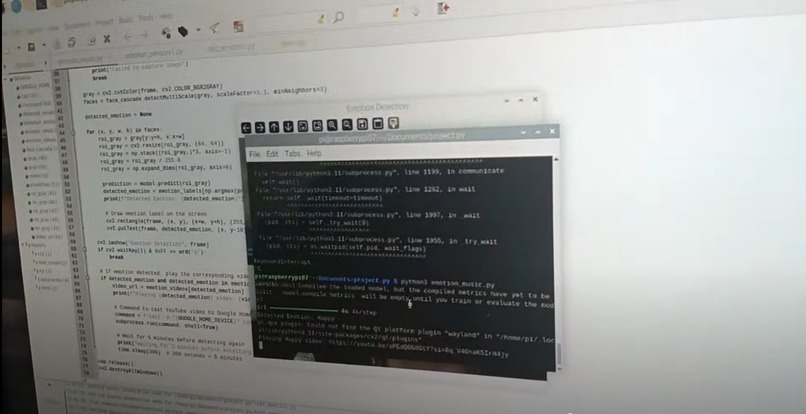
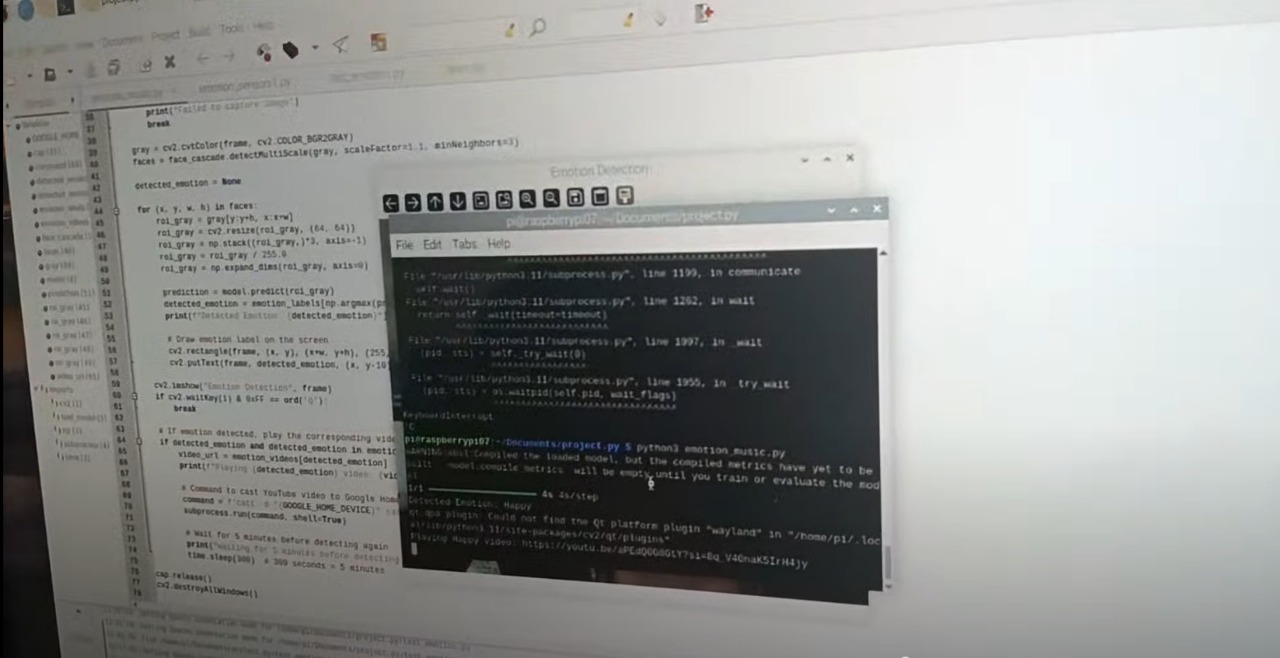
this is for playing music based on user emotion

Inspiration
Most smart homes today can control lights, fans, or music with a command — but they don’t really understand the user. After a stressful day, you still need to give voice commands or tap an app. We wanted to change that by creating a space that automatically adapts to your emotions, making technology feel more human-centered.
What it does
Detects emotions from facial expressions using a Raspberry Pi camera and AI model.
Plays music that matches your emotional state through Google Home.
Adjusts lighting, air quality, and ambiance to improve mood.
Provides a personalized smart environment that evolves with how you feel.
How we built it
Hardware: Raspberry Pi, camera module, IoT sensors (light, motion).
AI: Trained emotion detection model using computer vision techniques.
Software: Python for integration, automation, and device communication.
Smart Integration: Google Home to play emotion-based music.
Challenges we ran into
Running real-time emotion detection on limited Raspberry Pi hardware.
Ensuring smooth communication between IoT devices and AI modules.
Automating music playback through Google Home.
Maintaining low latency for a seamless experience.
Accomplishments that we're proud of
Successfully building an end-to-end pipeline: emotion recognition → smart space response.
Integrating hardware, AI, and IoT into a single working system.
Demonstrating how smart spaces can go beyond efficiency and actually support emotional well-being.
Presenting a real-world solution that feels futuristic but practical.
What we learned
How to combine IoT hardware with AI-based emotion detection.
Optimizing AI models to run effectively on edge devices like Raspberry Pi.
Team collaboration across hardware and software development.
Designing systems that consider human emotions — not just commands.
What's next for Emotion Aware Smart Space
Voice-controlled emotional assistant that suggests relaxation or productivity activities.
Advanced emotion detection using biometric sensors like heart rate and skin response.
Multi-room support for a fully connected emotion-aware home.
Expanding to offices, classrooms, or hospitals to improve well-being in shared environments.
Built With
- googlehomeapi
- iot
- opencv
- python
- raspberry-pi
- sensors
- tensorflow

Log in or sign up for Devpost to join the conversation.