Inspiration
We wanted to create an altruistic software that would minimize the gap in the quality of diagnostic care and treatments given to marginalized patients. Our initial idea was to work with diagnosing heart attacks in women. According to the Journal of Midwifery & Women's Health, Cardiovascular disease (CVD) is the number one cause of death and disability of women in the United States, disproportionately affecting more African American women than any other ethnic group. More than 459,000 women die of CVD annually. The goal is to create a solution to this disparity.
What it Does
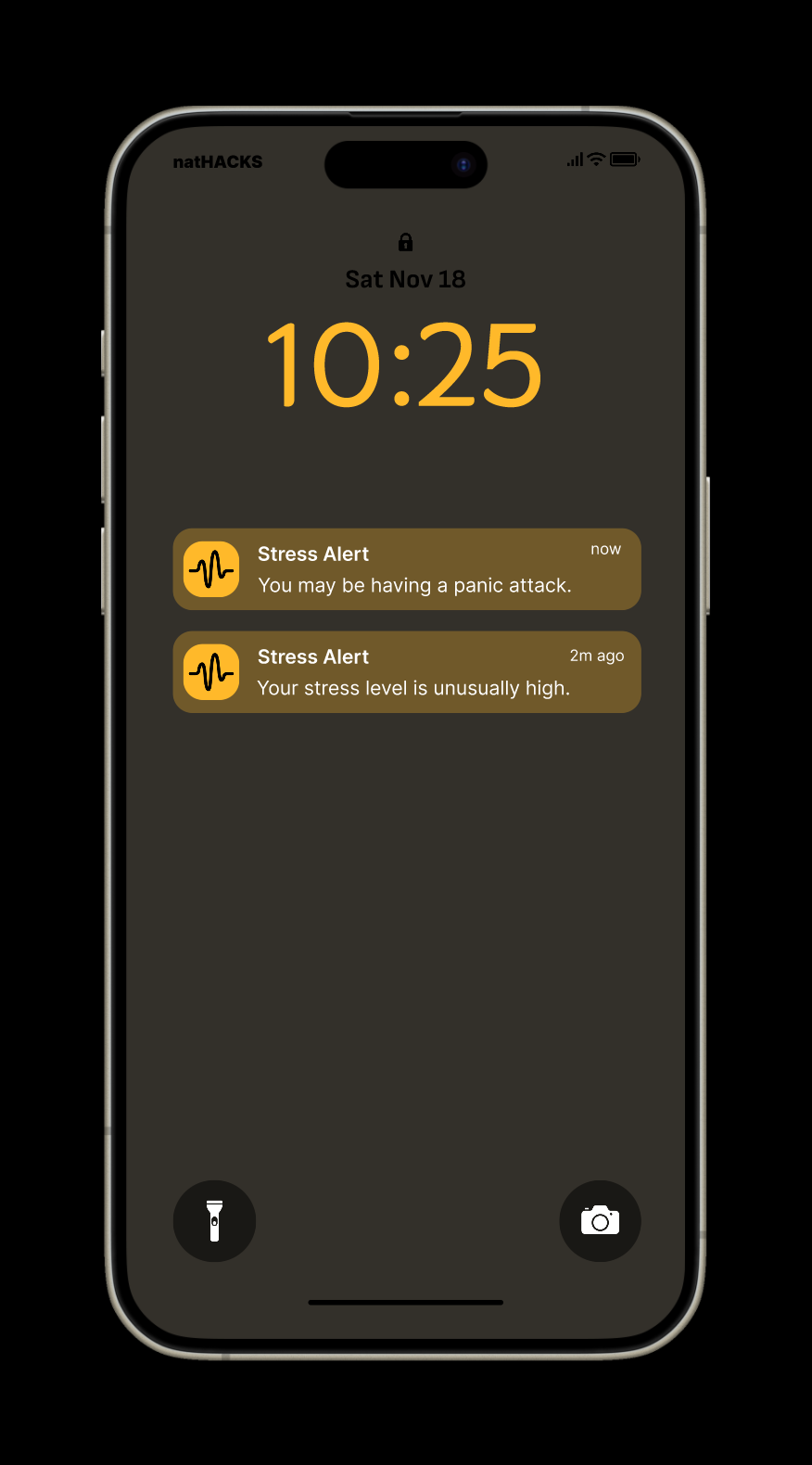
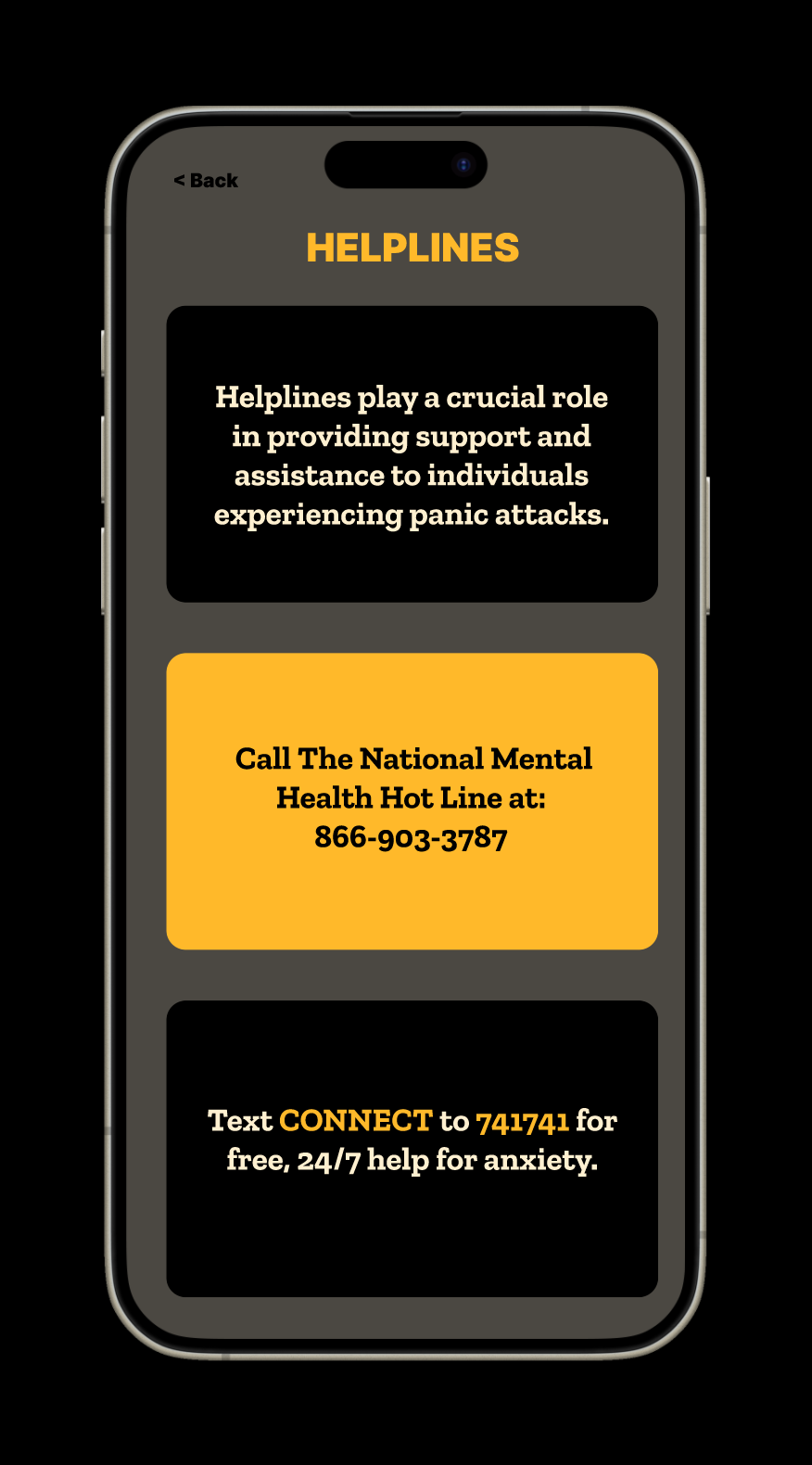
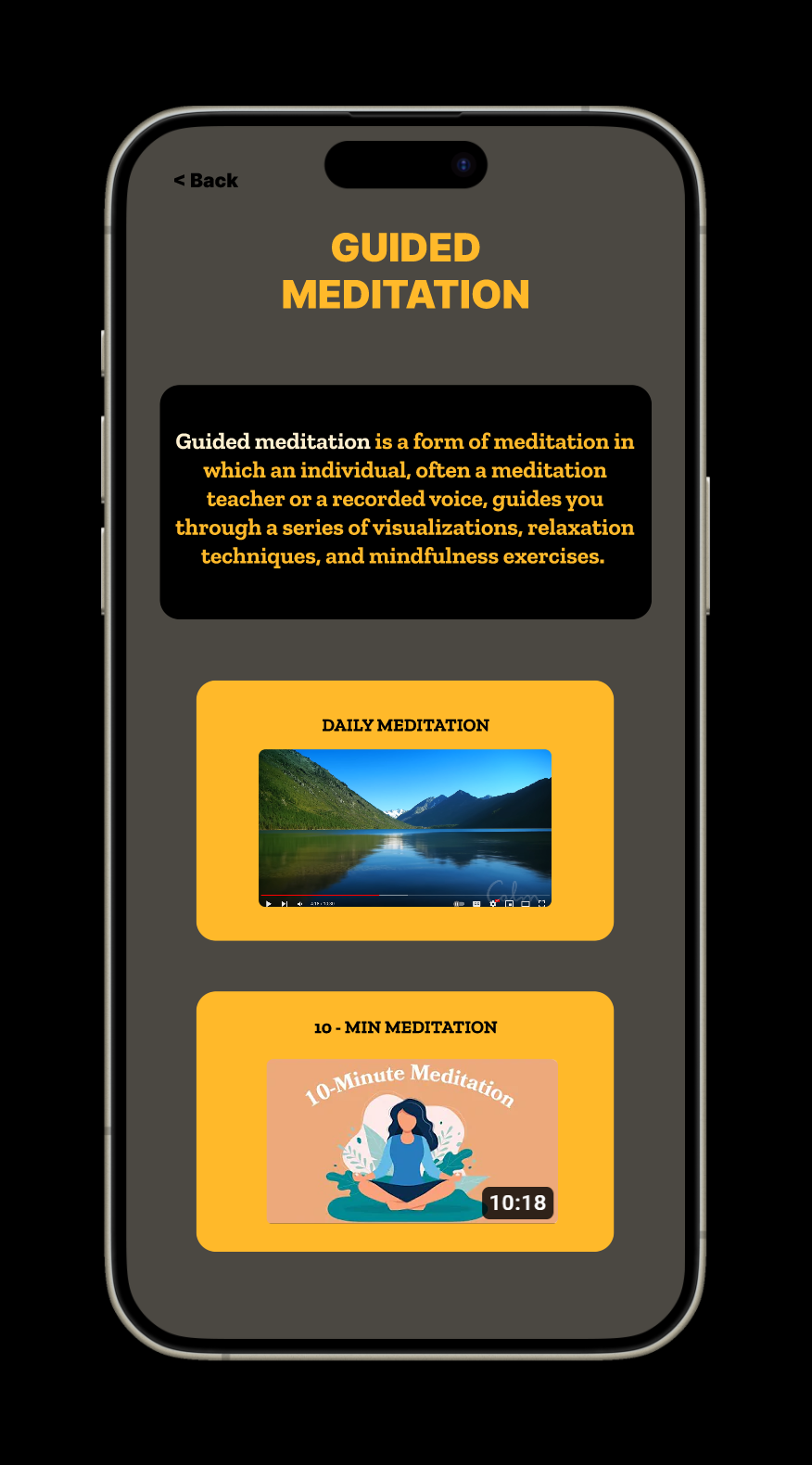
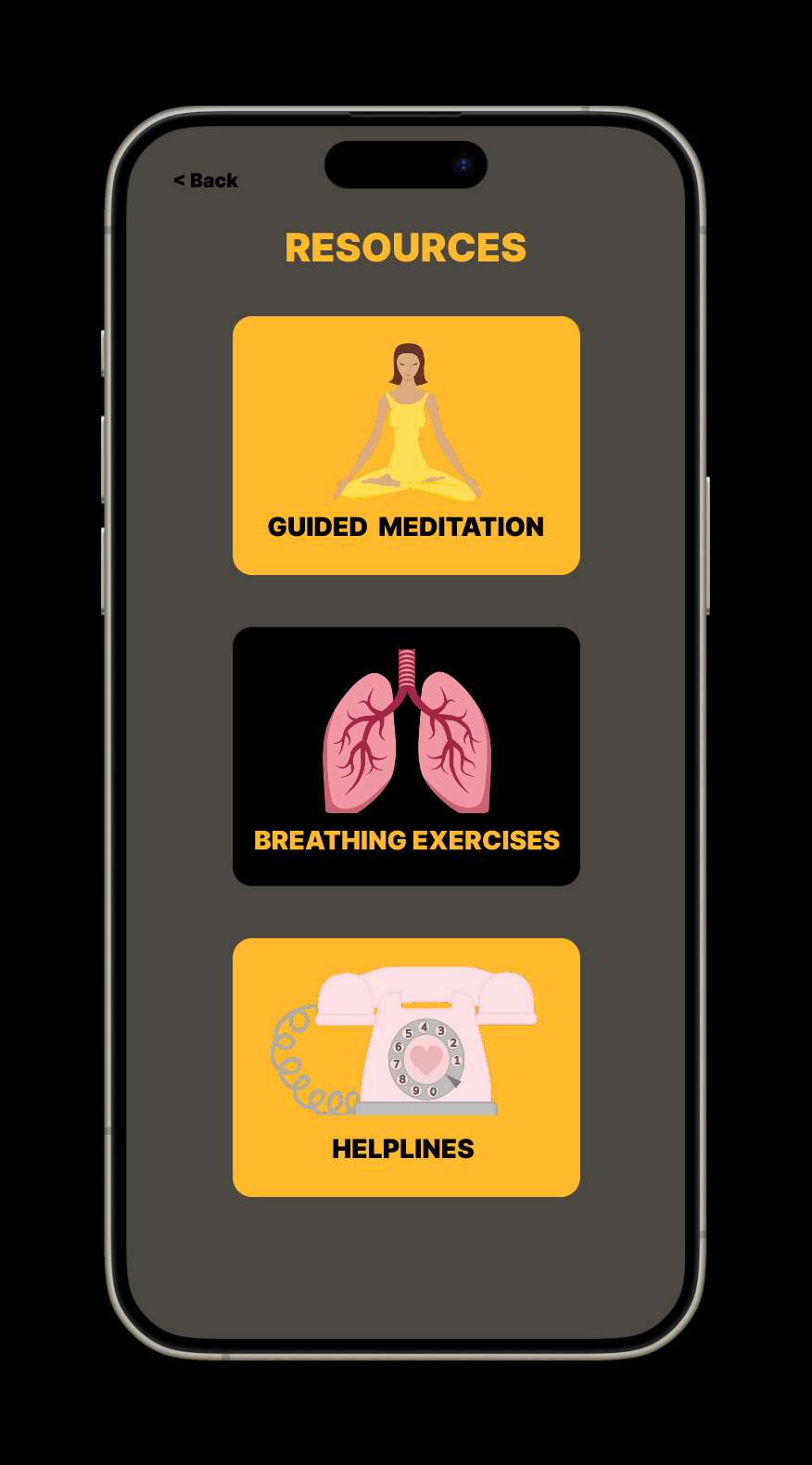
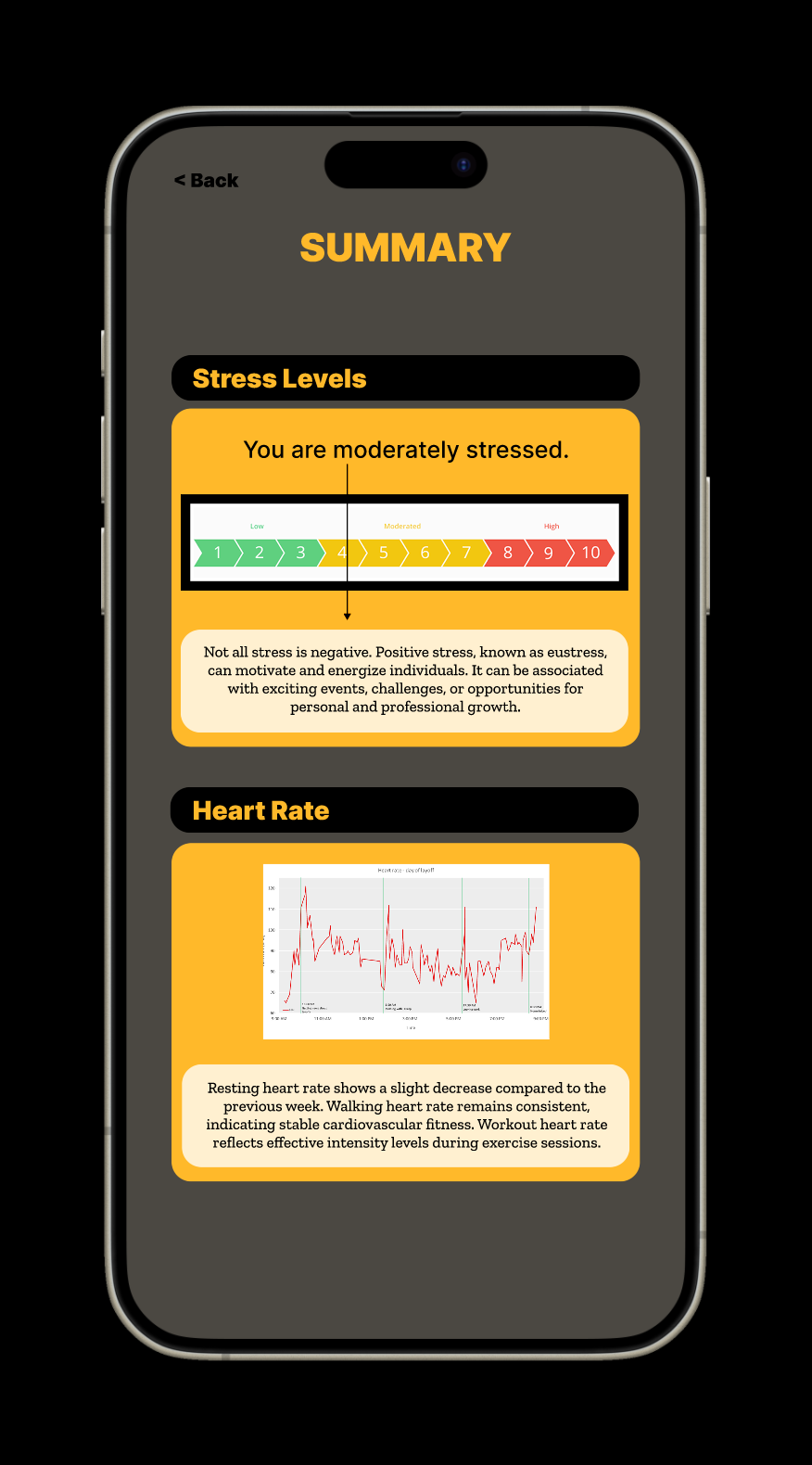
With an advanced feature extraction algorithm, the web app can anticipate panic attacks by analyzing changes in heart rate and brain EEG levels detected by the MUSE 2. This predictive capability allows users to proactively address stressors before they escalate by alerting the Wearable Stress Induced Buzzer (WSIB). The web app not only monitors stress levels in real-time but also provides actionable insights and resources to manage stress effectively. Through intuitive visualizations on the MUSE, users gain immediate access to their stress data, fostering self-awareness and facilitating informed decision-making. Additionally, the app offers a wealth of resources, including guided meditation sessions, breathing exercises, and emergency helplines, all seamlessly accessible on the web app.
How we built it
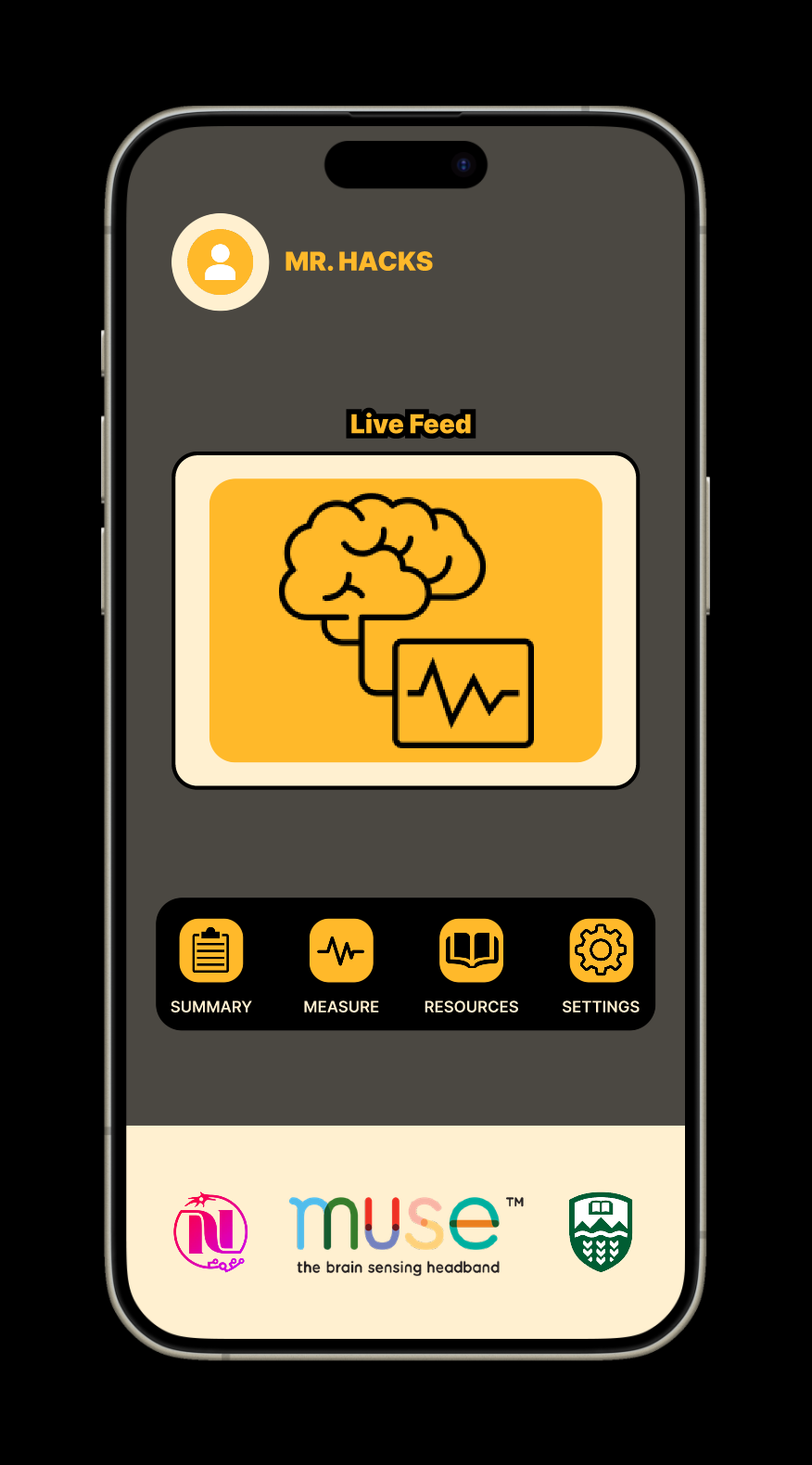
We started by designing a simple experiment to detect stress levels. Firstly, participants’ basal levels were recorded by exposing them to white noise to serve as a control to compare stress data. Afterwards, participants were introduced to a stress inducing video and their EEG data was recorded. The data collected was then put into a feature extraction algorithm which filtered out background noise and irrelevant spikes in the data. The live EEG feed is also displayed on our web app that we built, alongside resources for managing stress and general information on stress and panic attacks. To alert users when their stress levels are unusually high, we also built a wearable stress induced buzzer (WSIB) using the ESP32 Feather V2 MCU programmed in C++ to control a haptic motor board (DRV2605L) which powers the vibrational disk motor. The WSIB is driven by connecting to the web server via IP address and receiving HTTP JSON signals that are triggered by our Django web app framework when stress levels are detected to be elevated.
Challenges we ran into
The major challenge we ran into was to create our initial app specific to heart attacks, due to inability to gather live data. To navigate through this issue, we changed our initial model to detect stress more generally. With more resources, we could develop our initial idea fully. We also struggled with feature extraction. Our initial data recordings from the MUSE were not consistent with what we were expecting, so we had to find/design a new algorithm to extract the usable data. We attempted to send specific high stress induced signals from the web app and receive given signals from the mcu but we weren’t proficient enough in django to successfully complete that portion.
Accomplishments that we're proud of
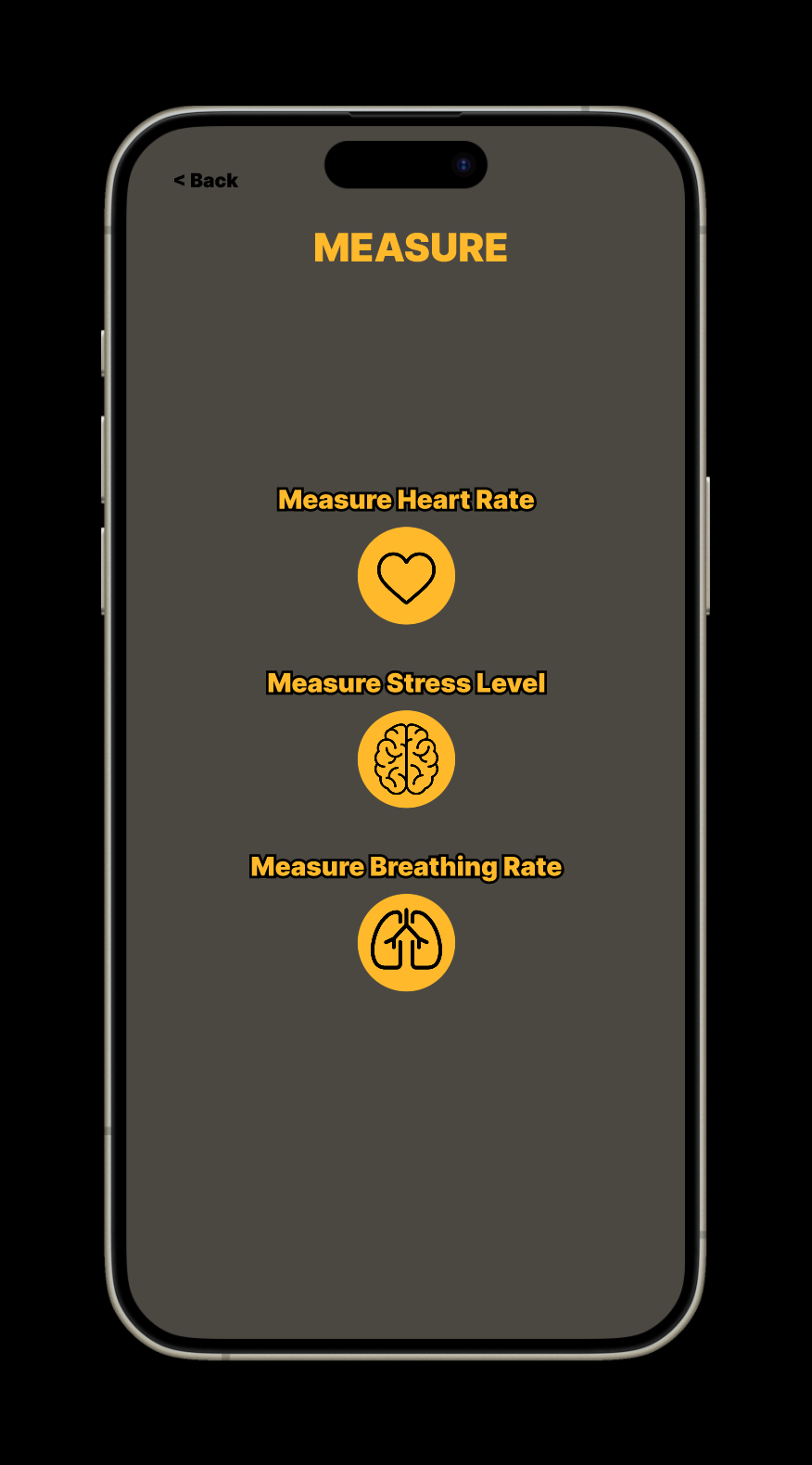
We were able to successfully program a esp32 feather using C++ to produce a buzz from the vibrational motor disk using a haptic motor. We were also able to secure a connection between the web app and mcu through a wifi hotspot by making HTTP requests and sending back JSON string signals. We were able to create a mock up of the potential app using figma as well as a web app with an alert system.
What we learned
We learned how to use a SVM model to classify data. We also learned that using a classification model to classify data is more difficult than it seems. More generally, we realized the potential of biometric data such as EEG and heart rate in being able to predict health conditions.
What's next for Emotion Alert
By leveraging the rich data provided by WSIB and Muse, our app holds the potential to serve as a proactive health companion, assisting in the early detection of conditions like heart attacks and sleep apnea. By continuously monitoring vital signs such as heart rate and breathing patterns. Emotion Alert’s advanced algorithms can identify irregularities and patterns indicative of potential health issues.


Log in or sign up for Devpost to join the conversation.