-
-
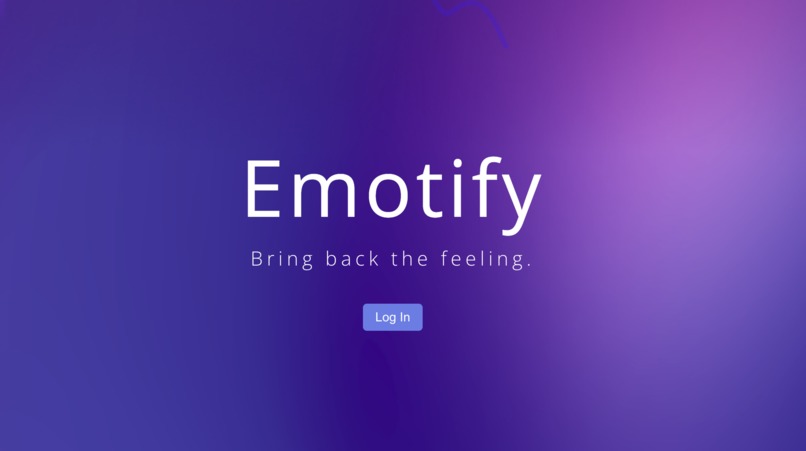
login page
-
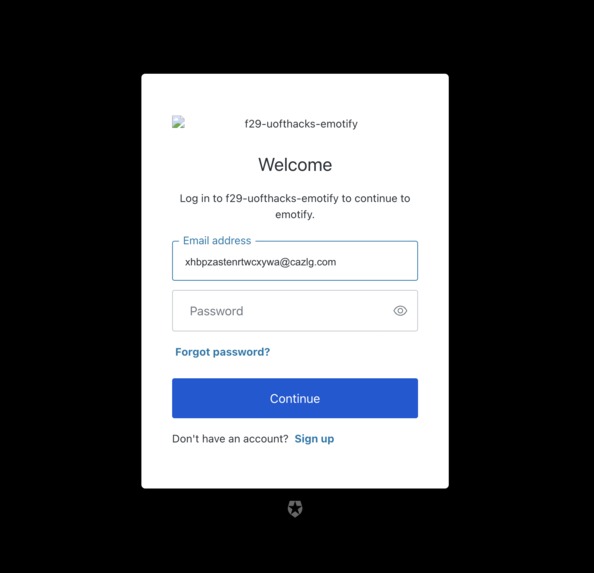
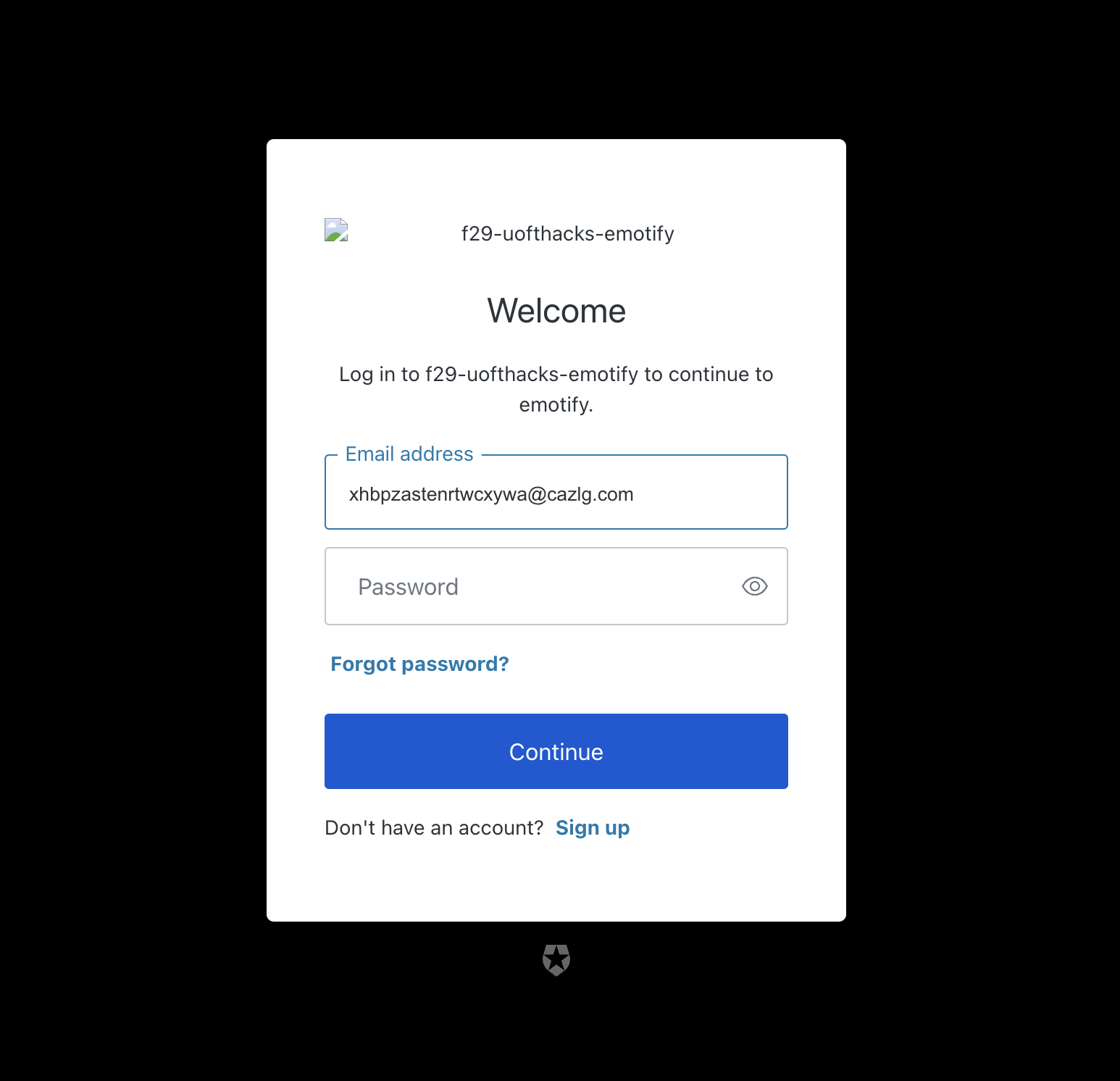
login using Auth0
-
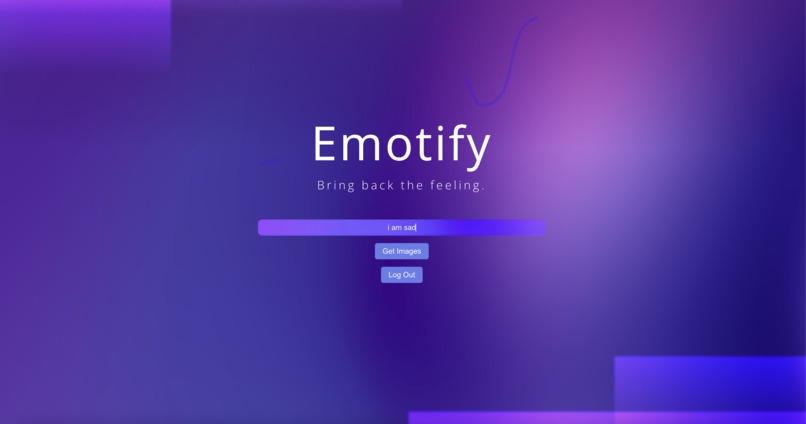
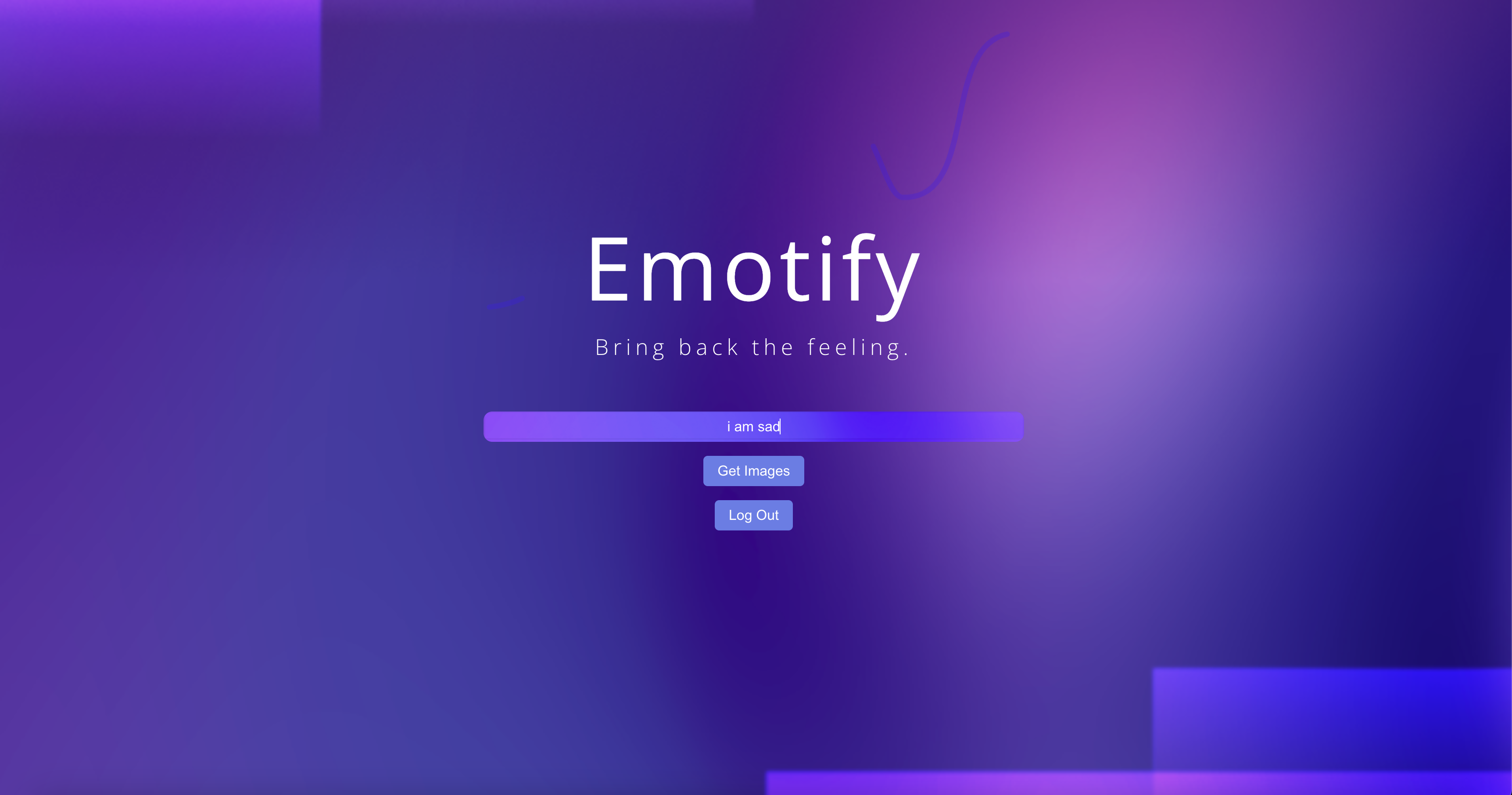
Enter chat prompt
-
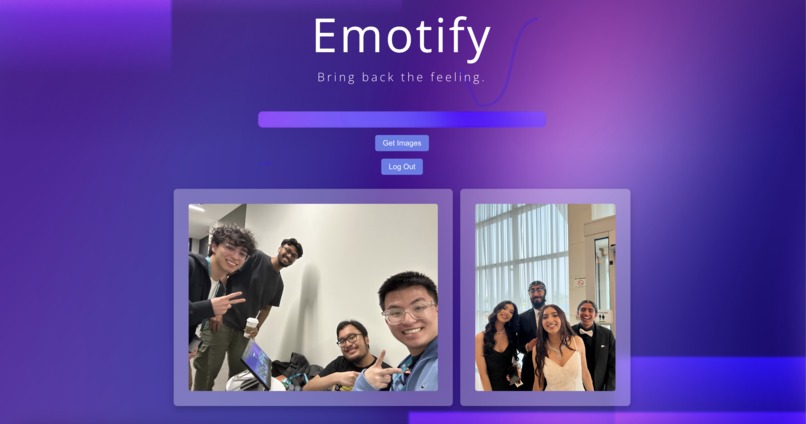
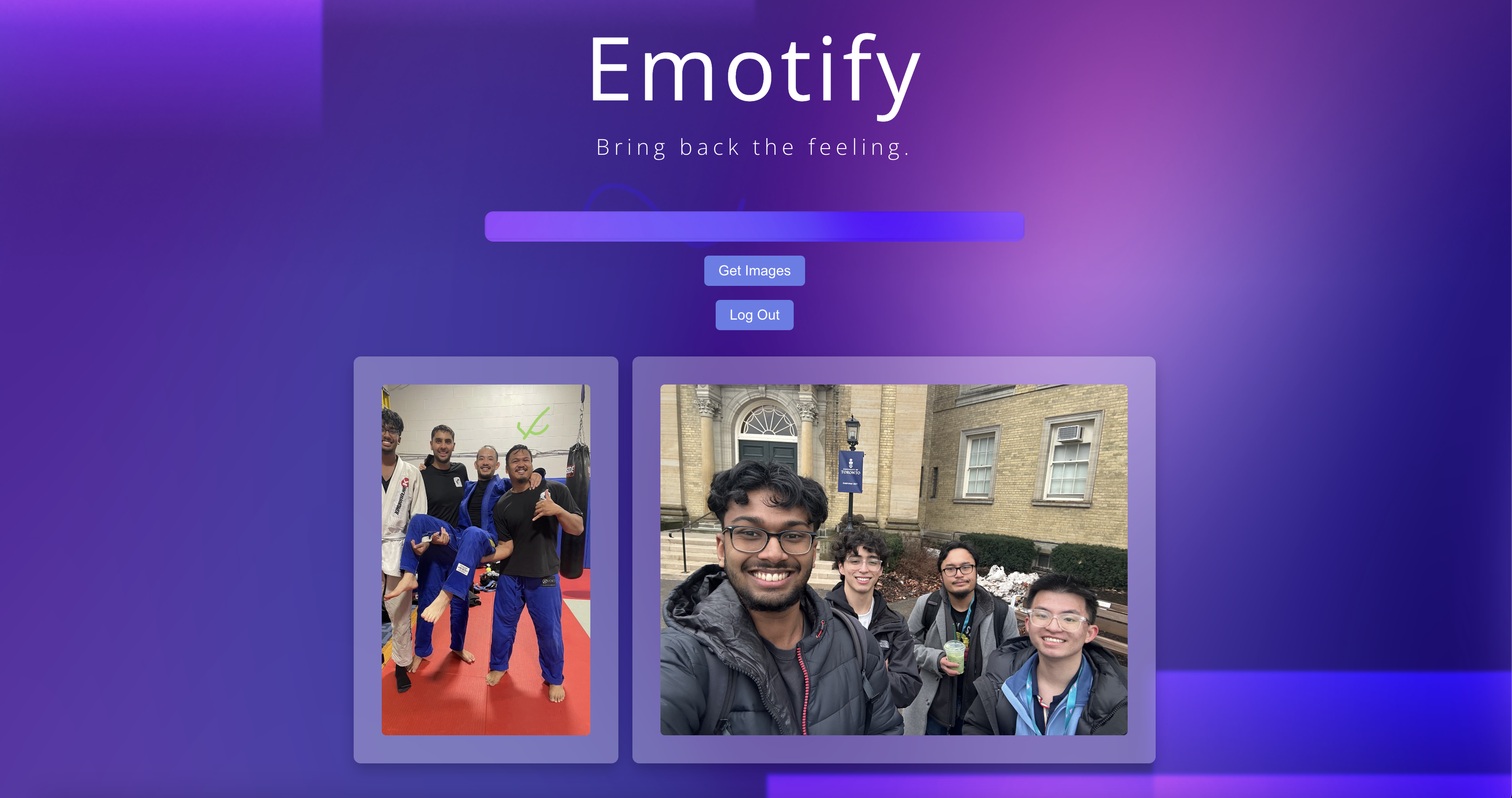
i miss my friends
-
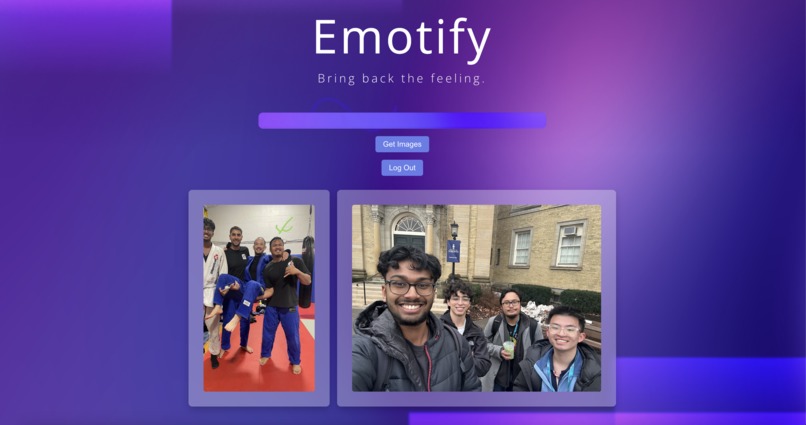
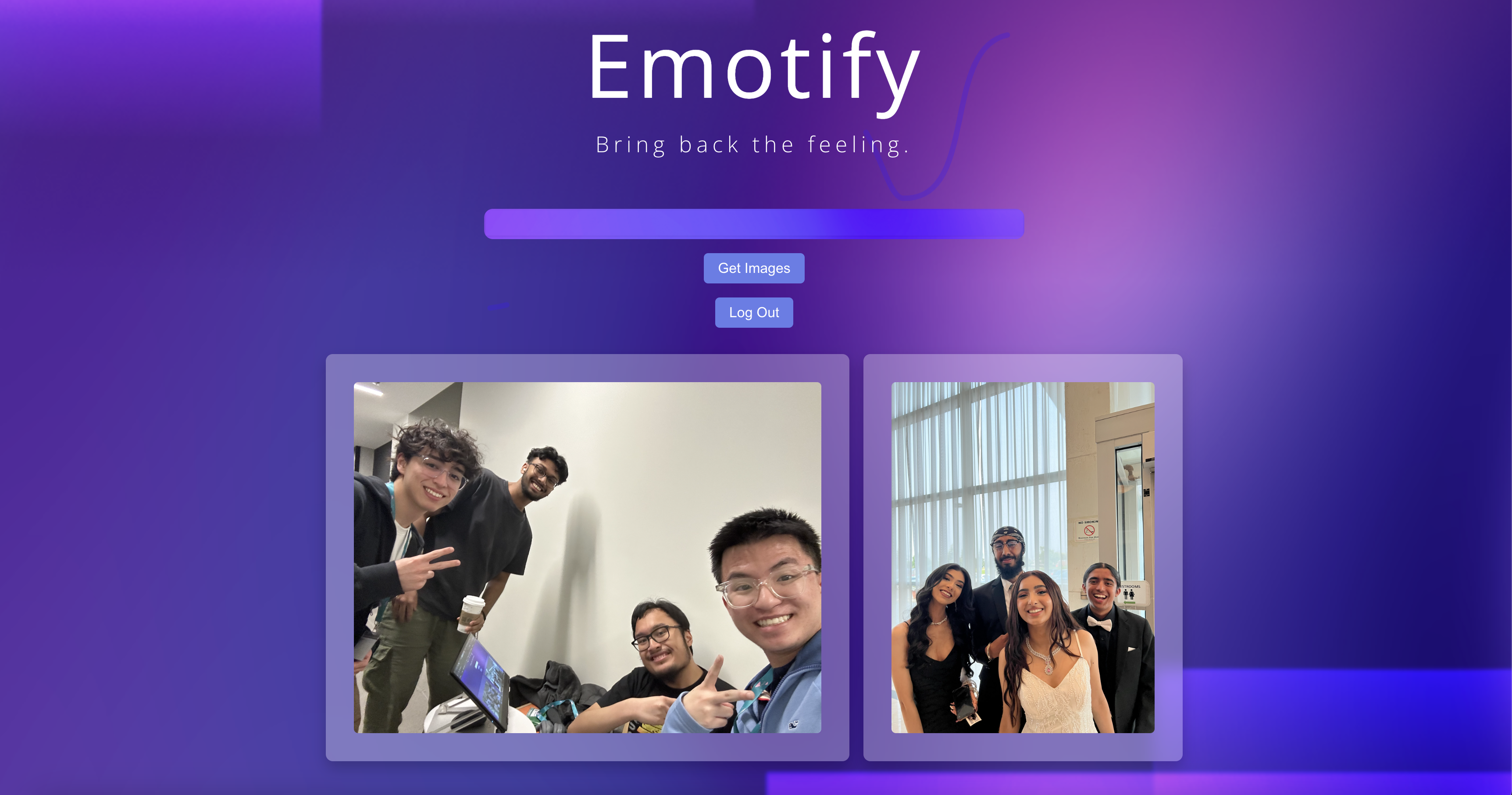
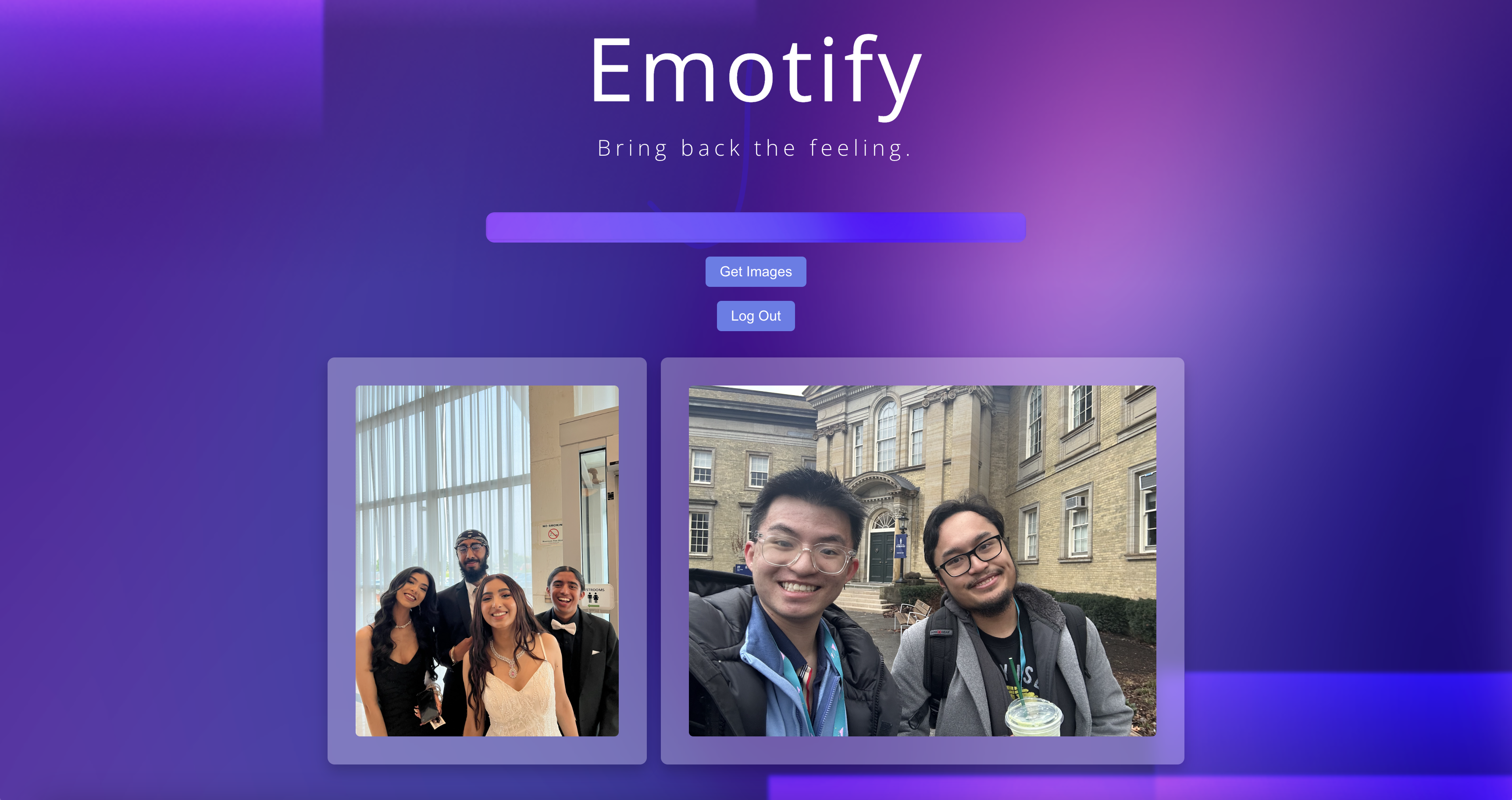
my friends having a good time
-
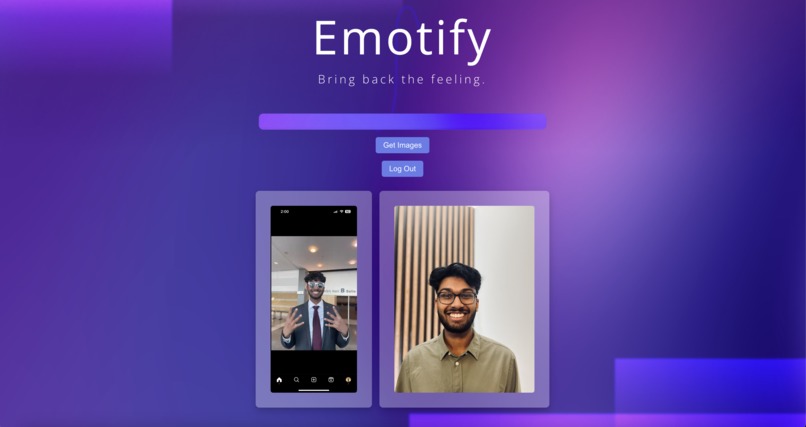
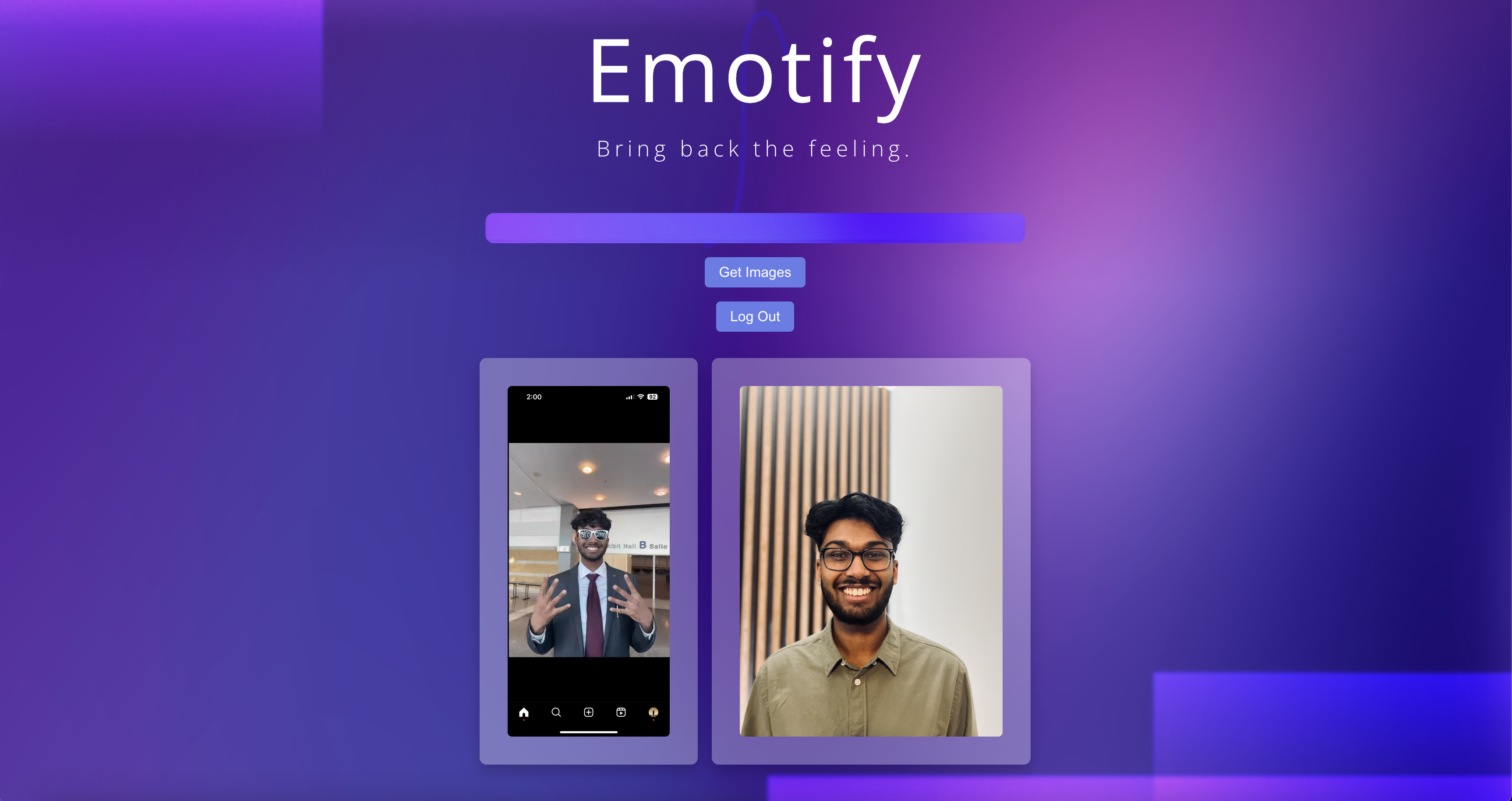
selfie of me being happy
-
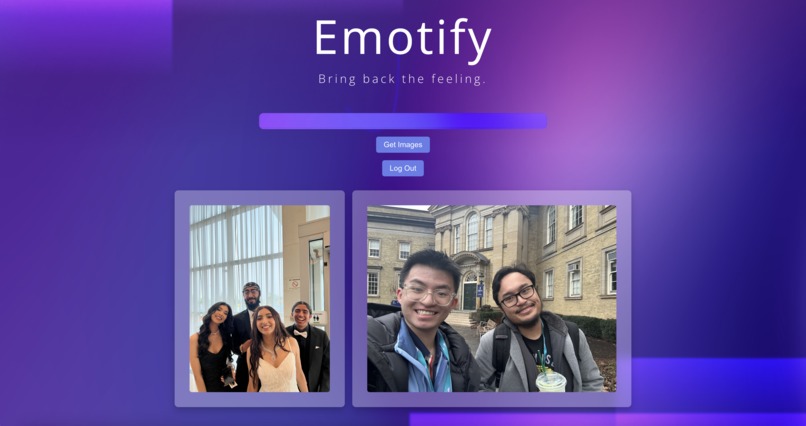
remind me of good times
-
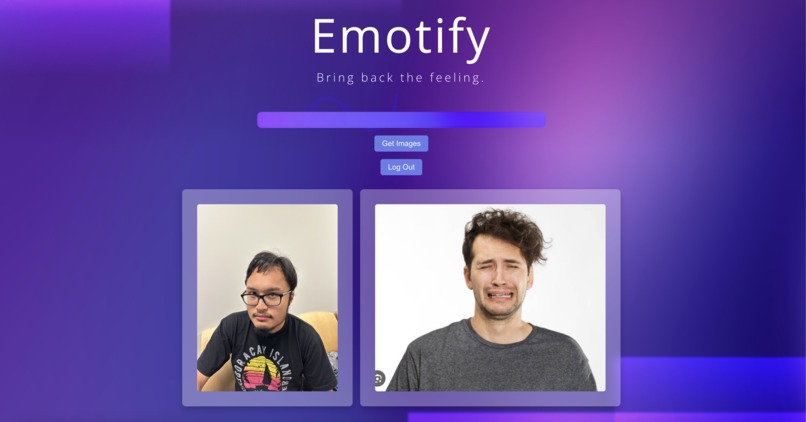
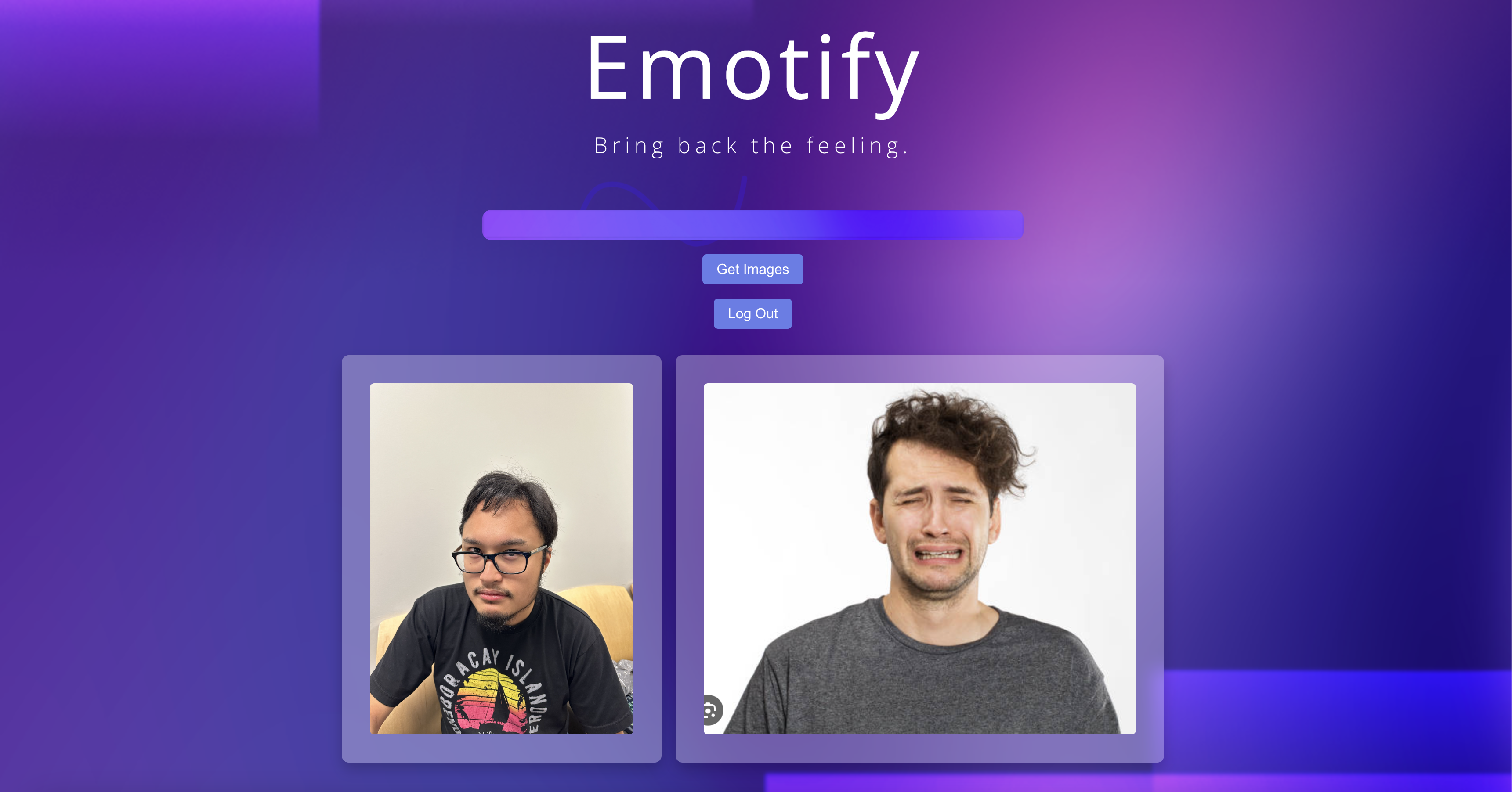
remind me of times when im sad
Emotify
Inspiration
We all cared deeply about mental health and we wanted to help those in need. 280 million people have depression in this world. However, we found out that people play a big role in treating depression - some teammates have experienced this first hand! So, we created Emotify, which brings back the memories of nostalgia and happy moments with friends.
What it does
The application utilizes an image classification program to classify photos locally stored on one's device. The application then "brings back memories and feelings of nostalgia" by displaying photos which either match a person's mood (if positive) or inverts a person's mood (if negative). Input mood is determined by Cohere's NLP API; negatively associated moods (such as "sad") are associated with happy photos to cheer people up. The program can also be used to find images, being able to distinguish between request of individual and group photos, as well as the mood portrayed within the photo.
How we built it
We used DeepFace api to effective predict facial emotions that sort into different emotions which are happy, sad, angry, afraid, surprise, and disgust. Each of these emotions will be token to generate the picture intelligently thanks to Cohere. Their brilliant NLP helped us to build a model that guesses what token we should feed our sorted picture generator to bring happiness and take them a trip down the memory lane to remind them of the amazing moments that they been through with their closed ones or times where they were proud of themselves. Take a step back and look back the journey they been through by using React frame work to display images that highlight their fun times. We only do two at a time for our generator because we want people to really enjoy these photos and remind what happened in these two photos (especially happy ones). Thanks to implementing a streamline pipeline, we managed to turn these pictures into objects that can return file folders that feed into the front end through getting their static images folder using the Flask api. We ask the users for their inputs, then run it through our amazing NLP that backed by Cohere to generate meaning token that produce quality photos. We trained the model in advance since it is very time consuming for the DeepFace api to go through all the photos. Of course, we have privacy in mind which thanks to Auth0, we could implement the user base system to securely protect their data and have their own privacy using the system.
Challenges we ran into
One major challenge includes front end development. We were split on the frameworks to use (Flask? Django? React?). how the application was to be designed, the user experience workflow, and any changes we had to make to implement third party integrations (such as Auth0) and make the application look visually appealing.
Accomplishments that we're proud of
We are very satisfied with the work that we were able to do at UofT hacks, and extremely proud of the project we created. Many of the features of this project are things that we did not have knowledge on prior to the event. So, to have been able to successfully complete everything we set out to do and more, while meeting the criteria for four of the challenges, has been very encouraging to say the least.
What we learned
The most experienced among us has been to 2 hackathons, while it was the first for the rest of us. For that reason this learning experience has been overwhelming. Having the opportunity to work with new technologies while creating a project we are proud of within 36 hours has forced us to fill in many of the gaps in our skillset, especially with ai/ml and full stack programming.
What's next for Emotify
We plan to further develop this application during our free time, such that we 'polish it' to our standards, and to ensure it meets our intended purpose. The developers definitely would enjoy using such an app in our daily lives to keep us going with more positive energy. Of course, winning UofTHacks is an asset.


Log in or sign up for Devpost to join the conversation.