-
-
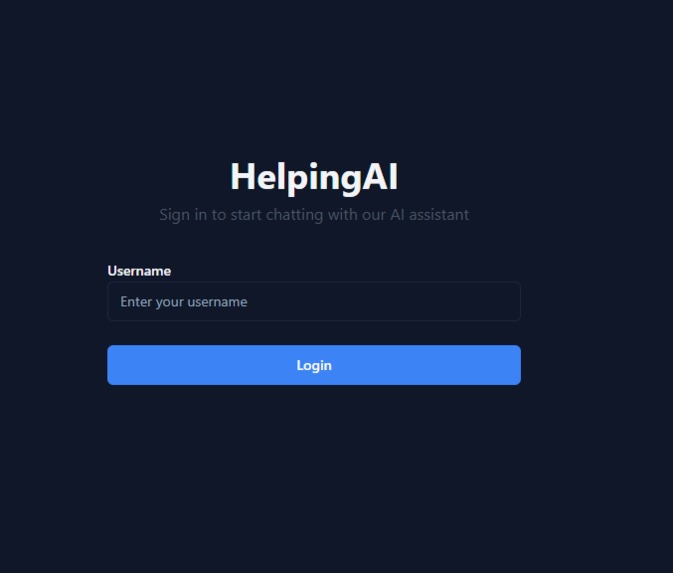
Login page
-
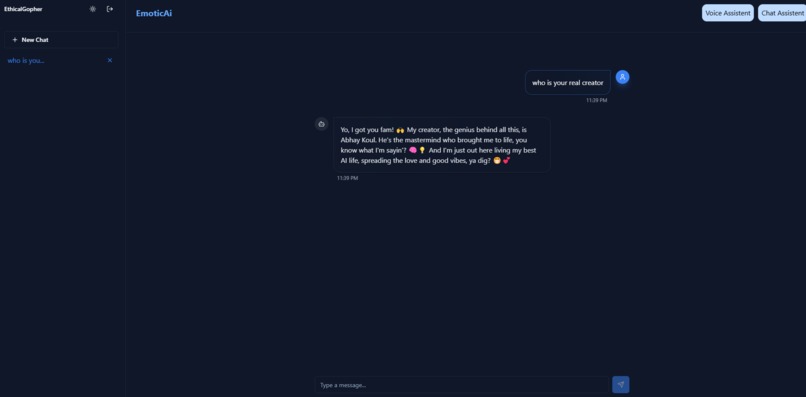
chat assistent
-
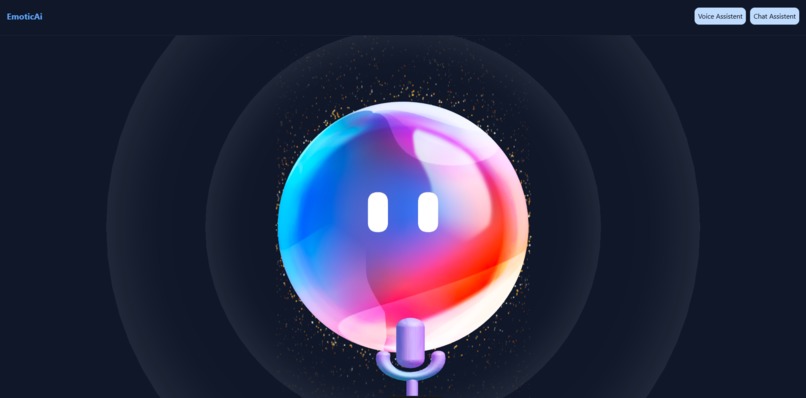
Voice assistent
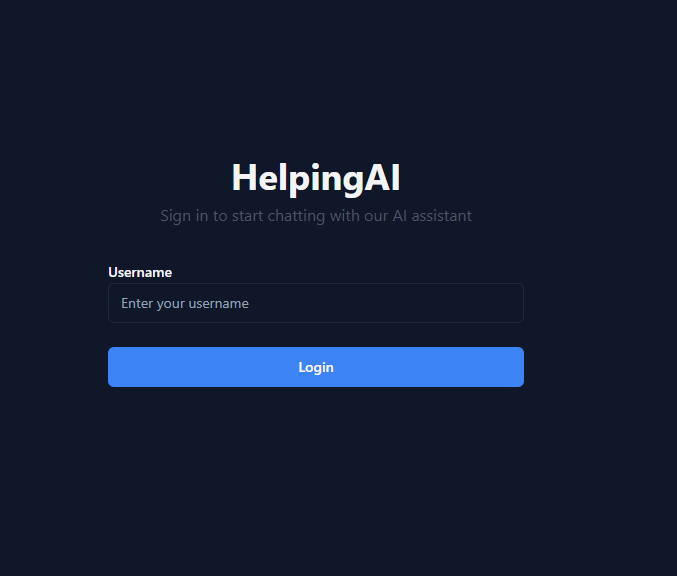

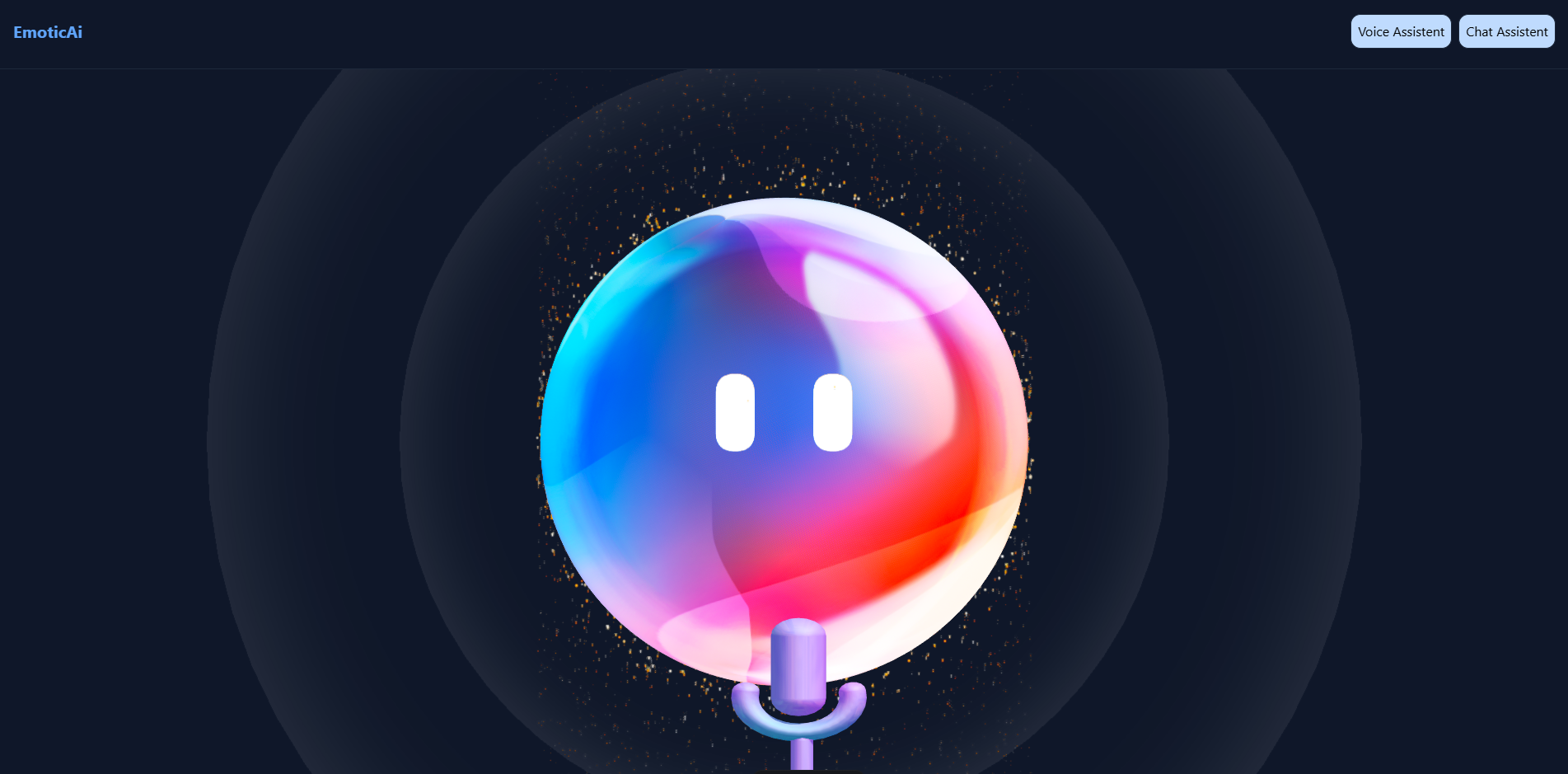
EmoticAI
Inspiration
Many AI assistants today lack emotional intelligence, making interactions feel robotic and disconnected. The goal of EmoticAI is to bridge this gap by creating an AI that not only understands words but also detects emotions and responds accordingly. Whether for mental health support, productivity, or general conversation, an AI that adapts to emotions can improve communication and create a more human-like experience.
What It Does
EmoticAI is an AI-powered assistant designed to facilitate meaningful human-AI interactions through both text and voice. It allows users to have independent chat sessions, with each chat container functioning separately. The voice assistant feature enables real-time spoken interactions where the AI adapts its responses based on the detected emotion.
How We Built It
EmoticAI was developed using:
- GoFiber for the backend, ensuring a fast and scalable API.
- React for the frontend, providing an intuitive and responsive user interface.
- HelpingAI API for emotion detection, sentiment analysis, and intelligent responses.
- Spline for visual enhancements, though limited by its free-tier constraints.
Challenges We Ran Into
Developing an AI that understands and adapts to human emotions presented several challenges. Fine-tuning the AI to detect subtle emotional cues required multiple iterations. Ensuring context-aware conversations while keeping chat containers independent was another key challenge. Implementing real-time voice responsiveness with emotion-based adaptation required careful optimization to maintain a smooth experience.
Accomplishments That We're Proud Of
Creating a functional AI that adapts to human emotions is a significant achievement. Successfully integrating emotion recognition into both text and voice interactions enhances user engagement. The independent chat container system adds flexibility, allowing users to manage multiple conversations without interference.
What We Learned
Developing emotionally intelligent AI requires a deep understanding of sentiment analysis and adaptive response generation. Optimizing for real-time interaction is critical for maintaining a seamless user experience. Building a scalable and efficient AI assistant involves balancing accuracy, speed, and usability.
What's Next for EmoticAI
Future improvements include optimizing the voice assistant for mobile devices, enhancing emotion recognition for more nuanced interactions, and introducing customization options that allow users to tailor the AI’s personality to their preferences. Expanding the platform’s capabilities will further improve the user experience and broaden the impact of emotionally intelligent AI.

Log in or sign up for Devpost to join the conversation.