-
-
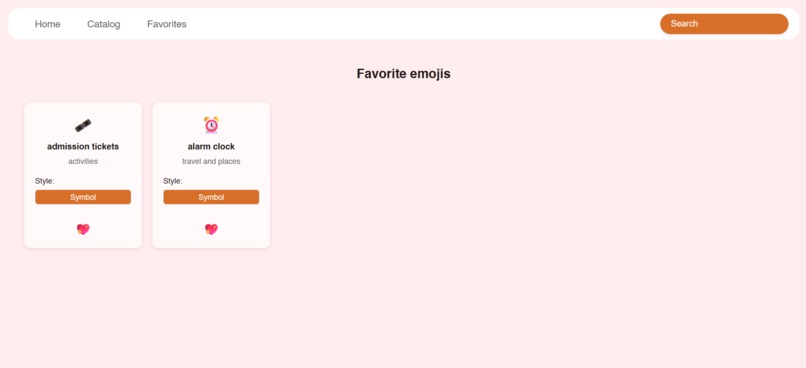
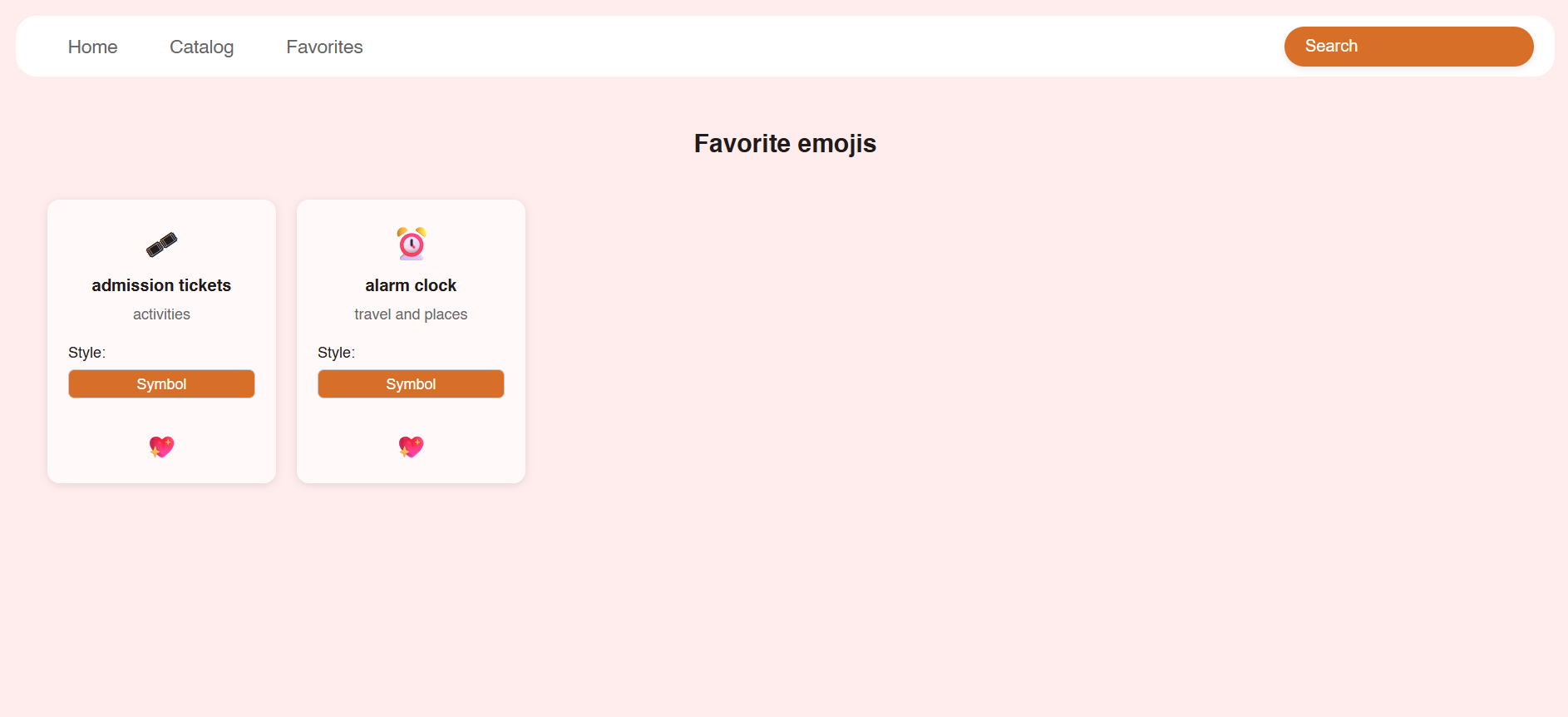
Favorite emojis
-
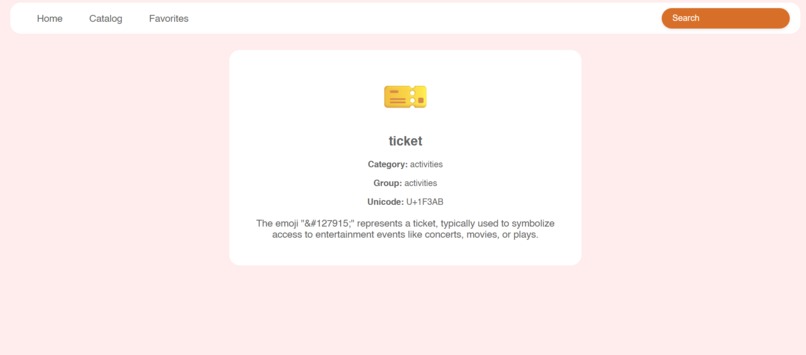
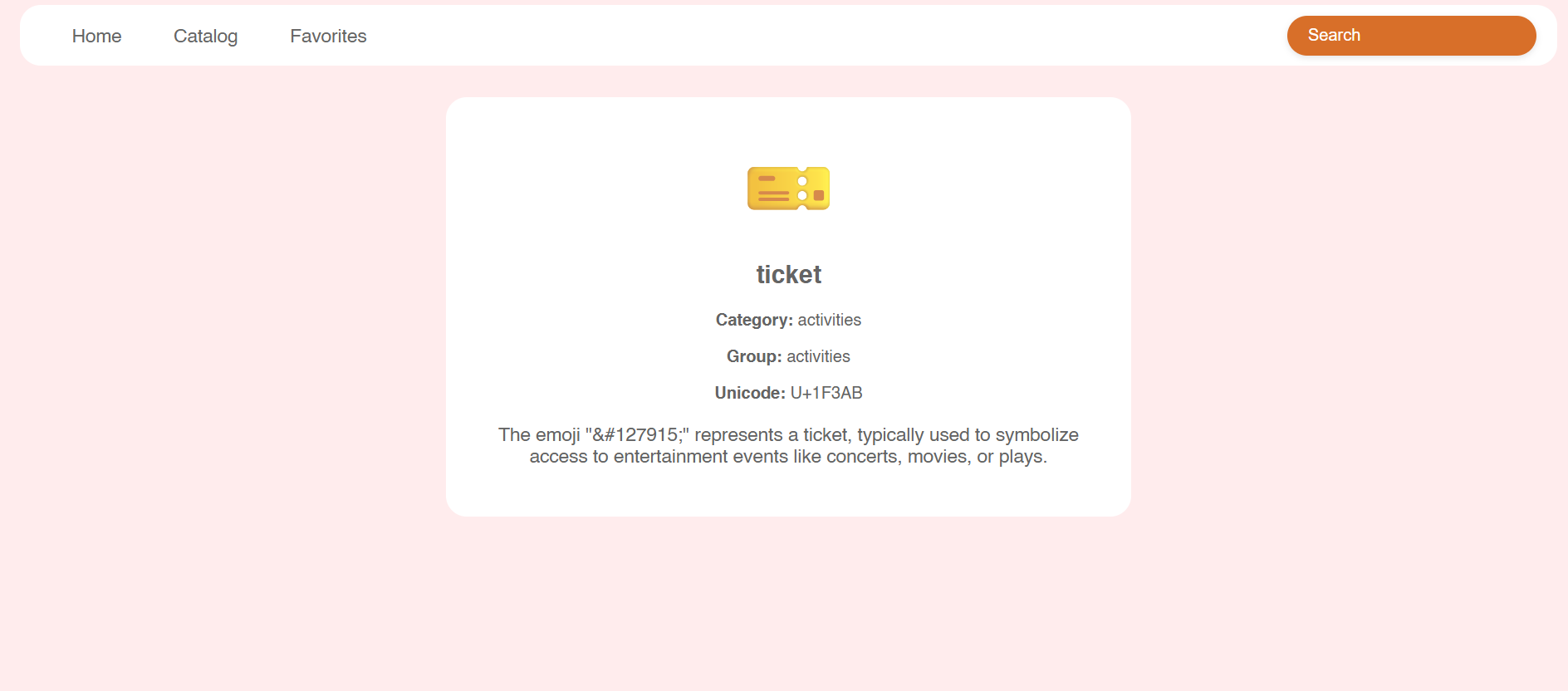
Detailed page
-
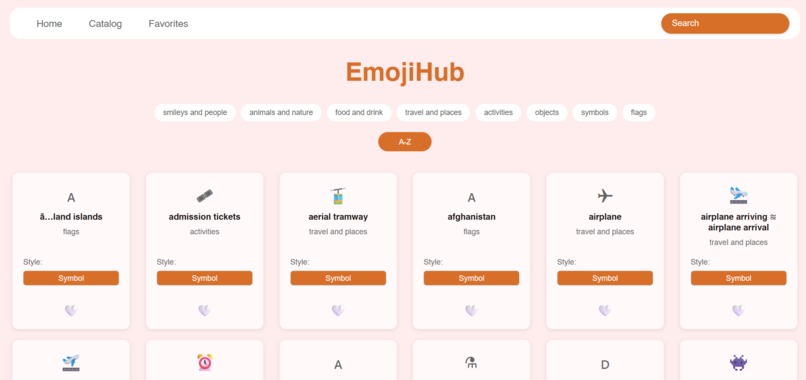
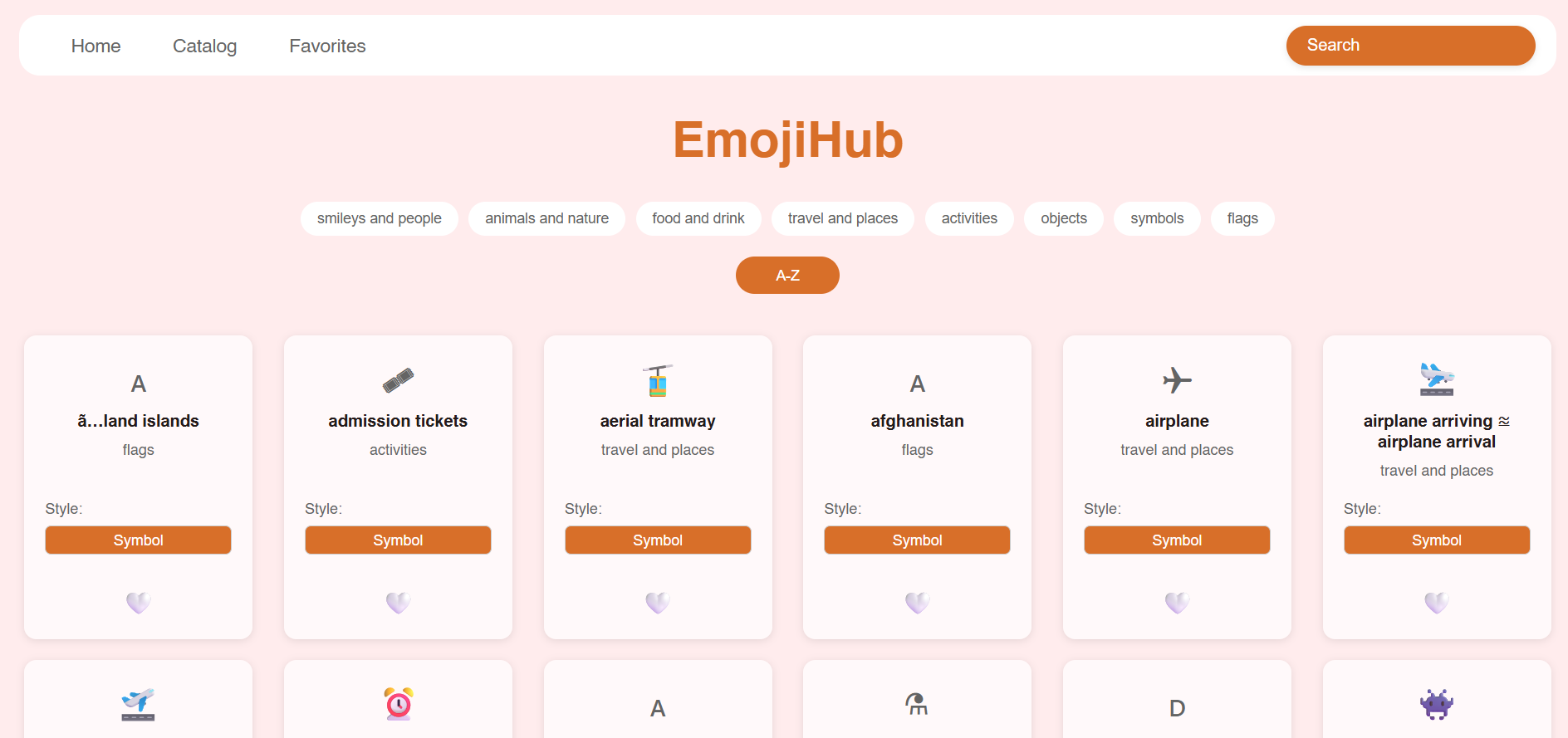
Emoji catalog
-
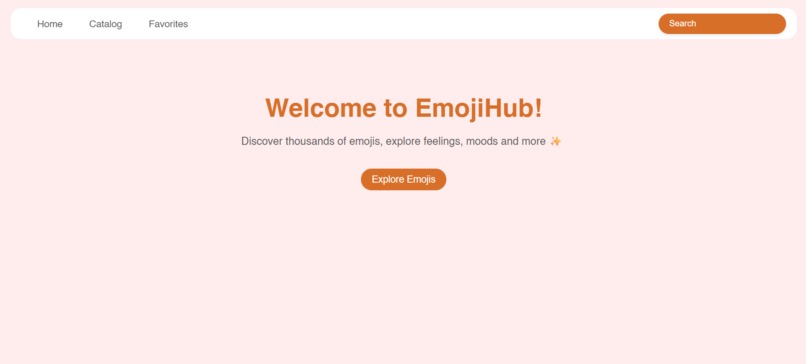
Main page
Inspiration
I use emojis all the time in everyday communication, and sometimes I struggle to describe certain ones or understand what someone else meant by them. That inspired me to build Emojihub, a tool that makes emoji meanings clearer, funnier, and more emotionally accurate.
What it does
Emojihub is a web app that displays a wide range of emojis with AI-generated descriptions that go beyond the standard Unicode labels. These descriptions aim to capture the true "vibe" or emotional context of each emoji in a more relatable way.
How I built it
I built the frontend using React and created a local dataset of emojis. To generate human-like descriptions, I used a language model with carefully designed prompts. When the original emoji API went down, I quickly adapted by hosting the data locally.
Challenges I ran into
The main challenge was making the AI generate nuanced and meaningful descriptions instead of bland or generic ones. I also had to solve a last-minute issue when the API I relied on stopped working, which forced me to change my data pipeline.
Accomplishments that I'm proud of
I'm proud that I created something personal, fun, and functional within a short time. It reflects both my creativity and problem-solving skills, especially in how I adapted quickly to changes and built a full working solution.
What I learned
I learned a lot about prompt design for LLMs, handling local datasets, and how AI still struggles with emotional or culturally ambiguous content. I also improved my ability to pivot quickly when unexpected issues came up.
What's next for Emojihub
Next, I want to add features like letting users submit their own emoji meanings, comparing AI vs. human interpretations, and even generating short emoji-based stories. I’d also love to add personalization features and a fun “emoji mood” generator.

Log in or sign up for Devpost to join the conversation.