-
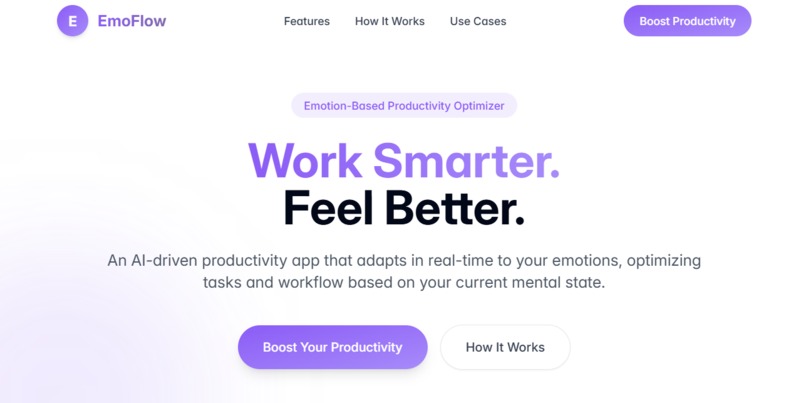
homepage
-
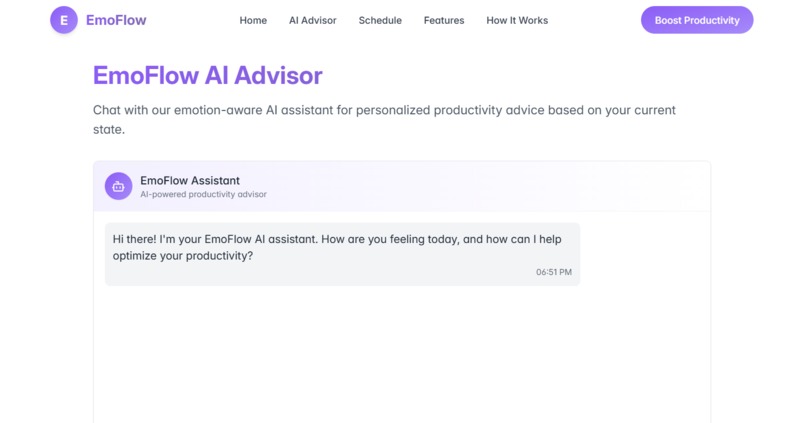
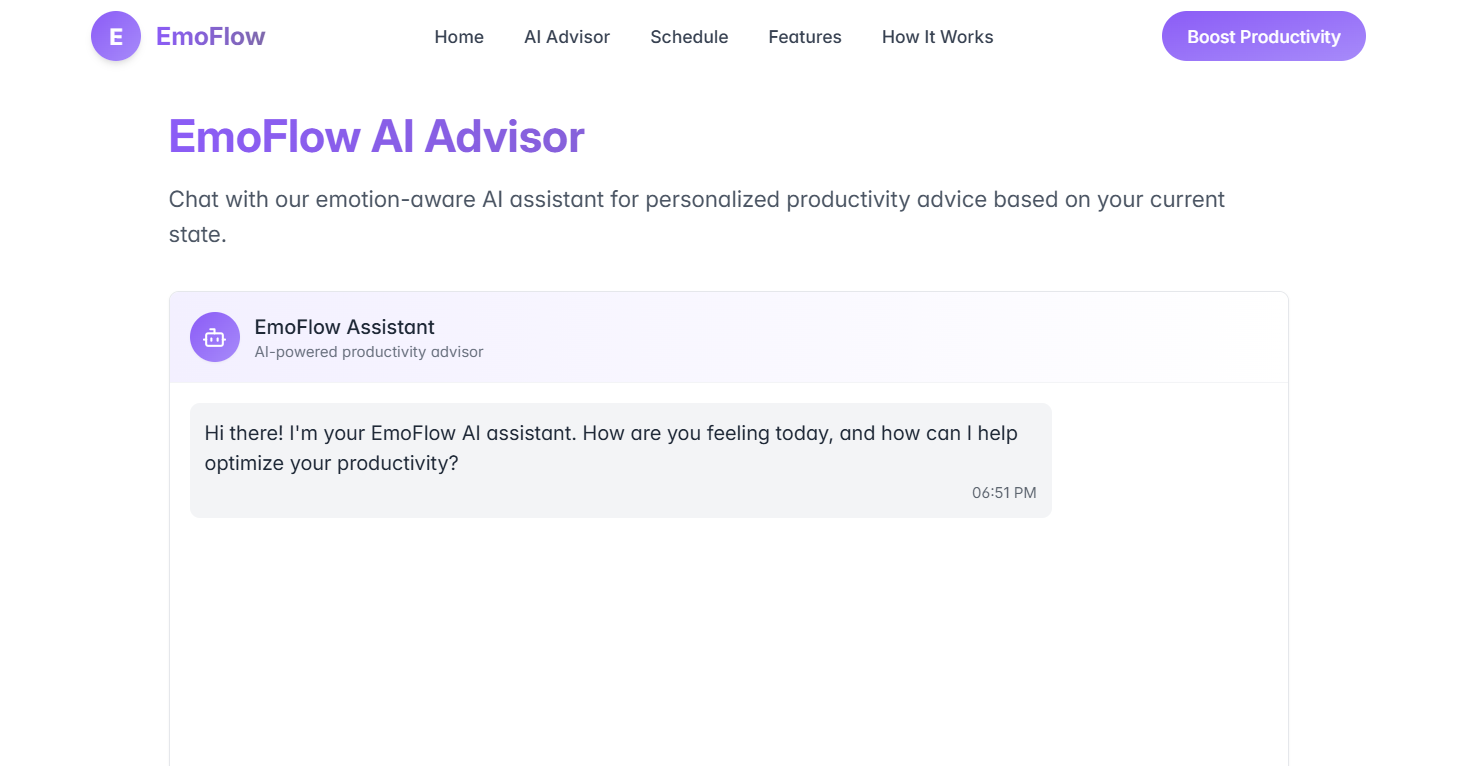
AI Advisor
-
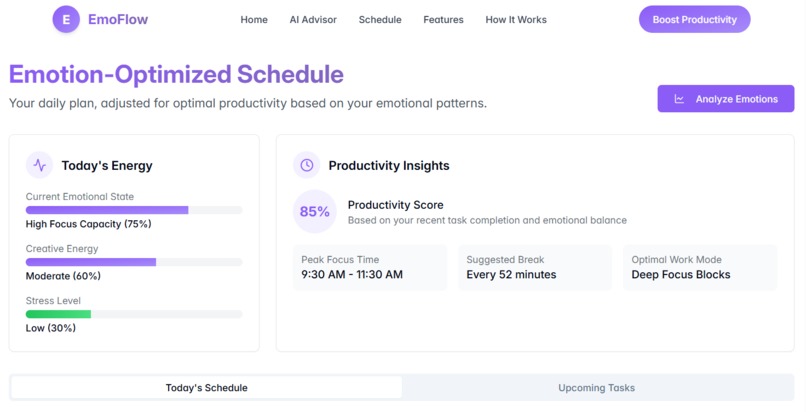
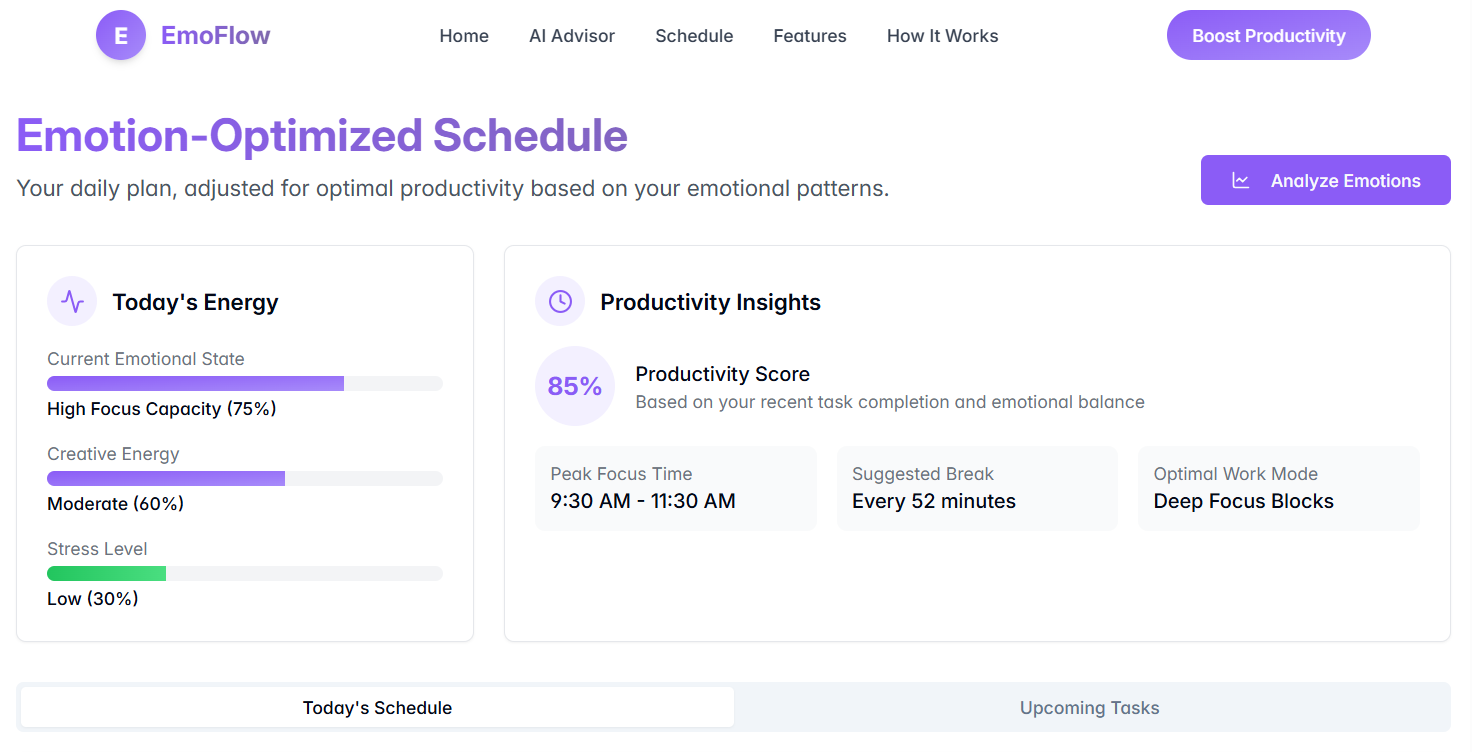
Schedule
-
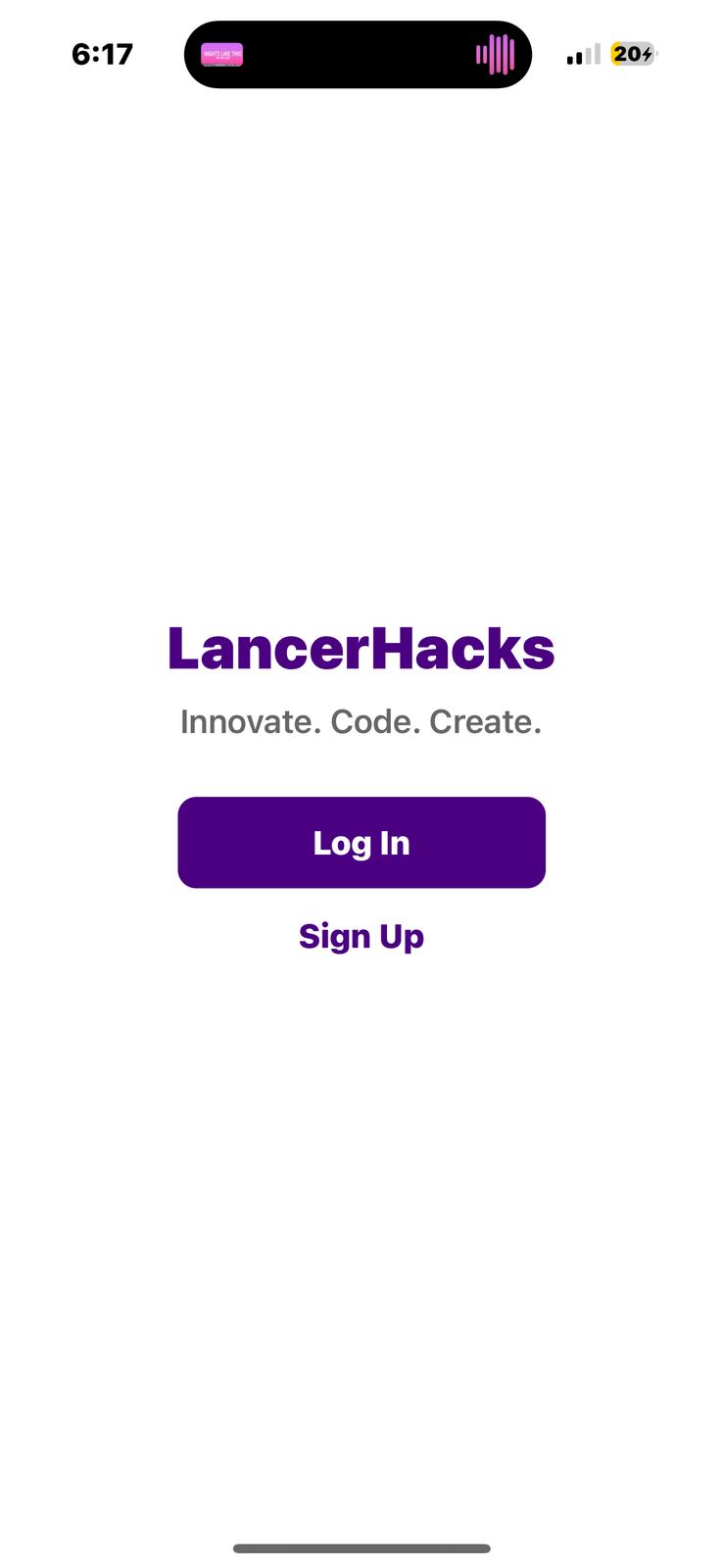
Mobile App Home Page
-
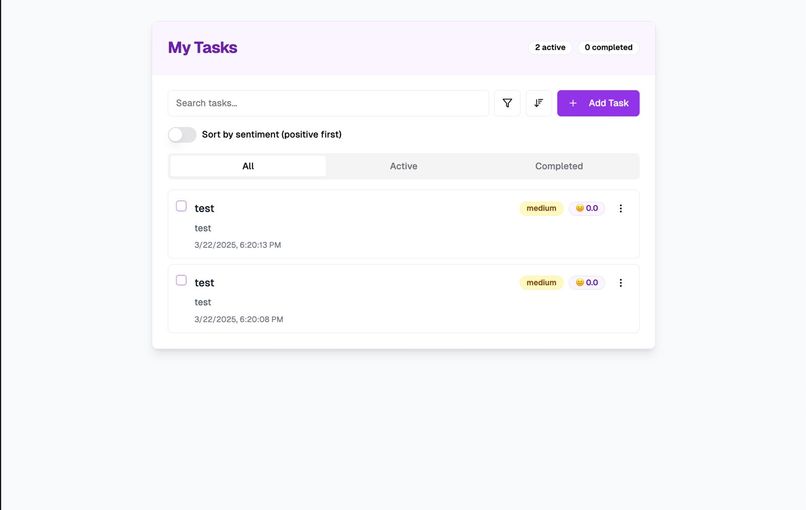
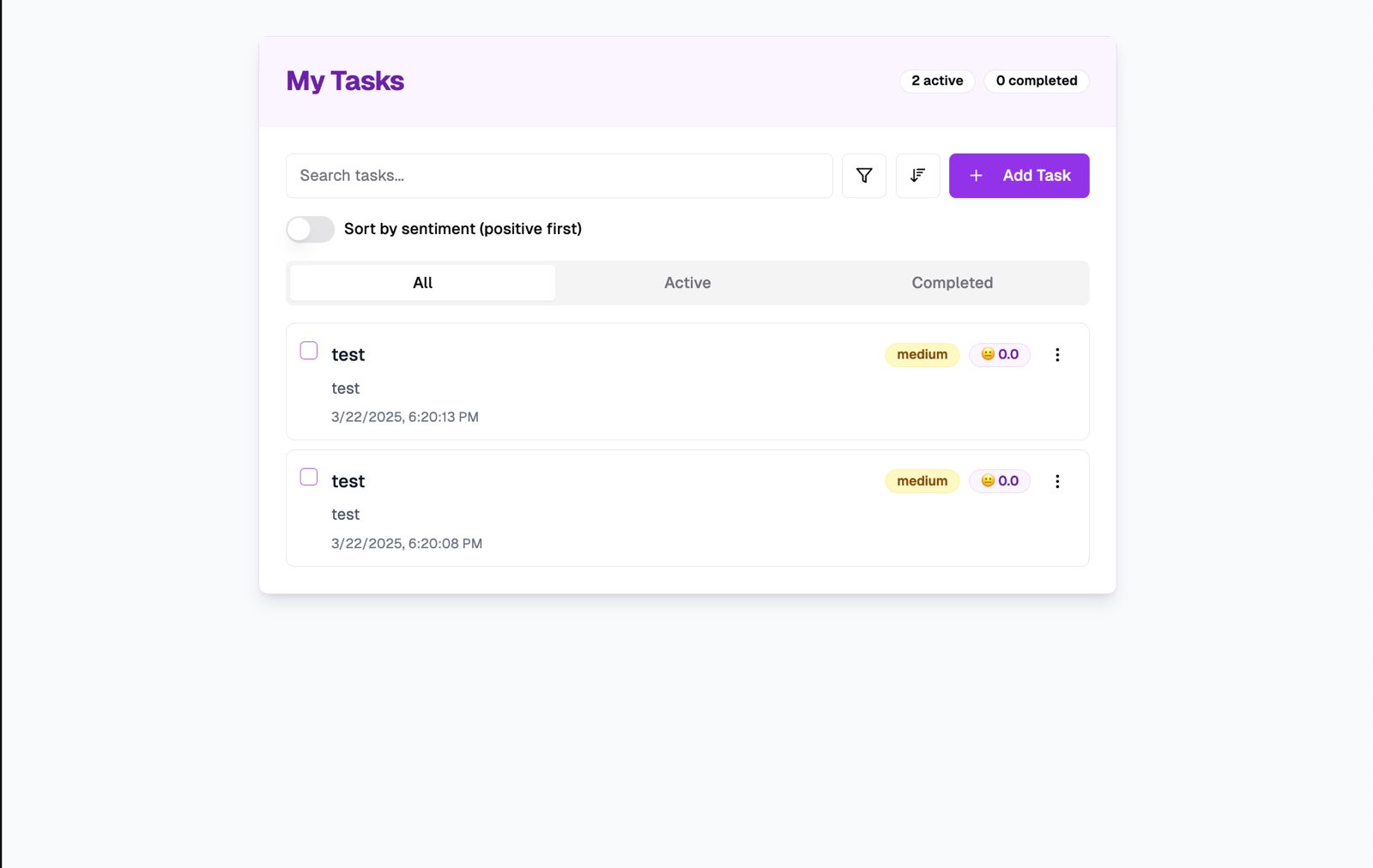
Tasks
-
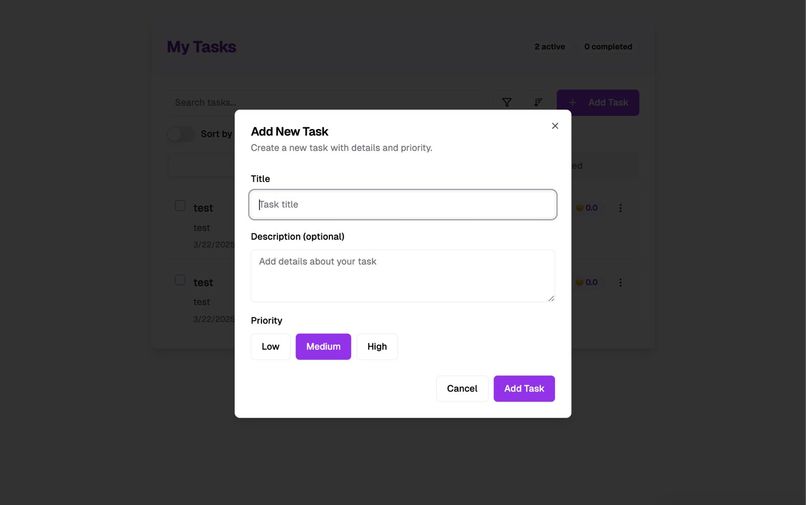
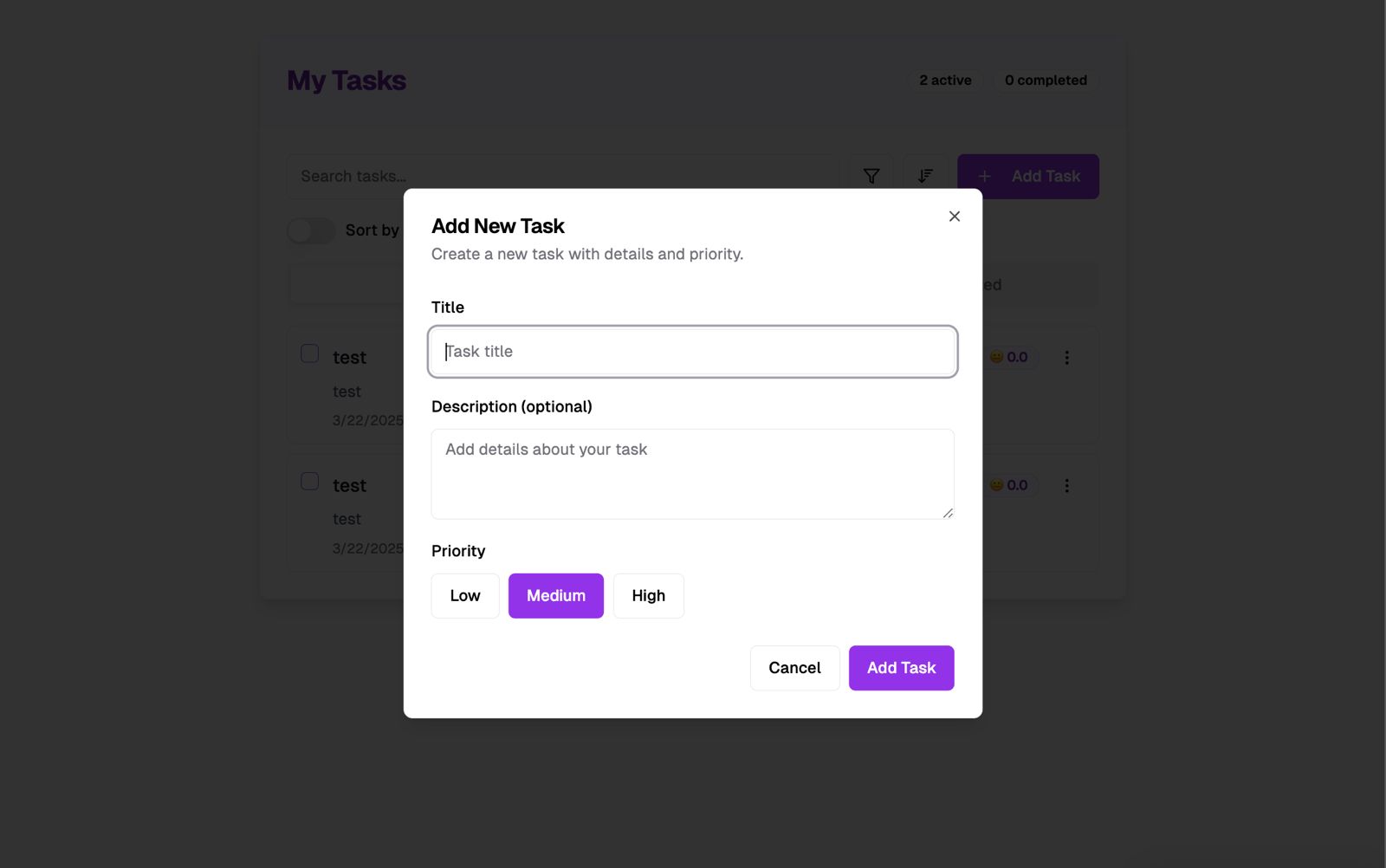
Add Task
-
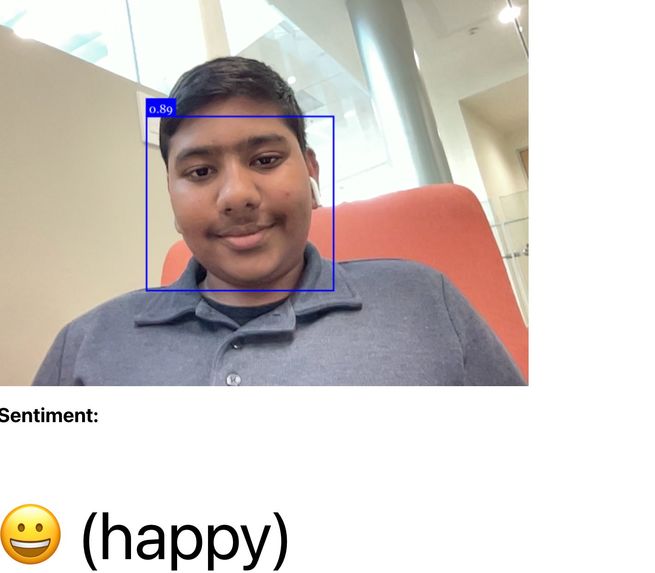
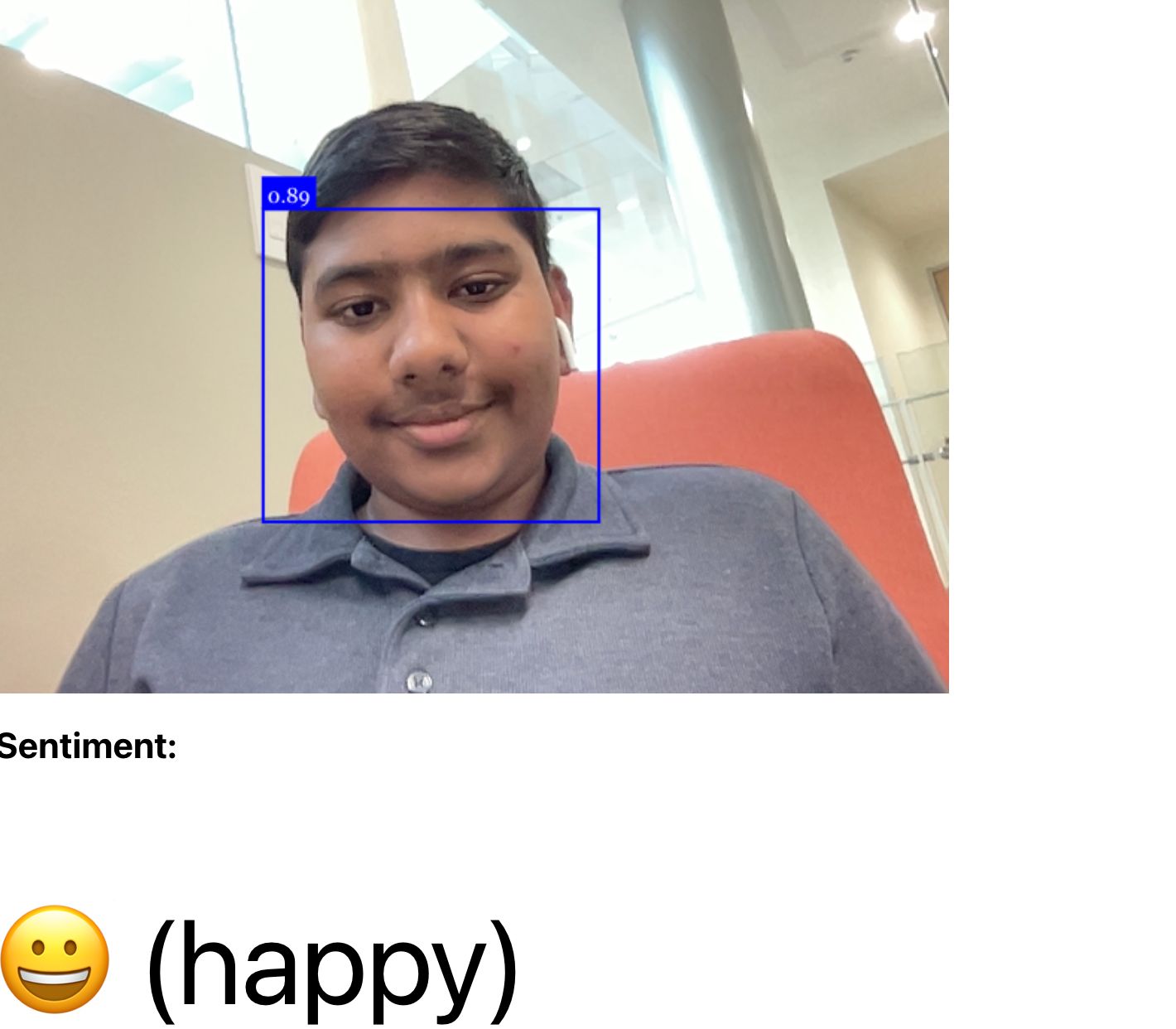
Emotional Analysis
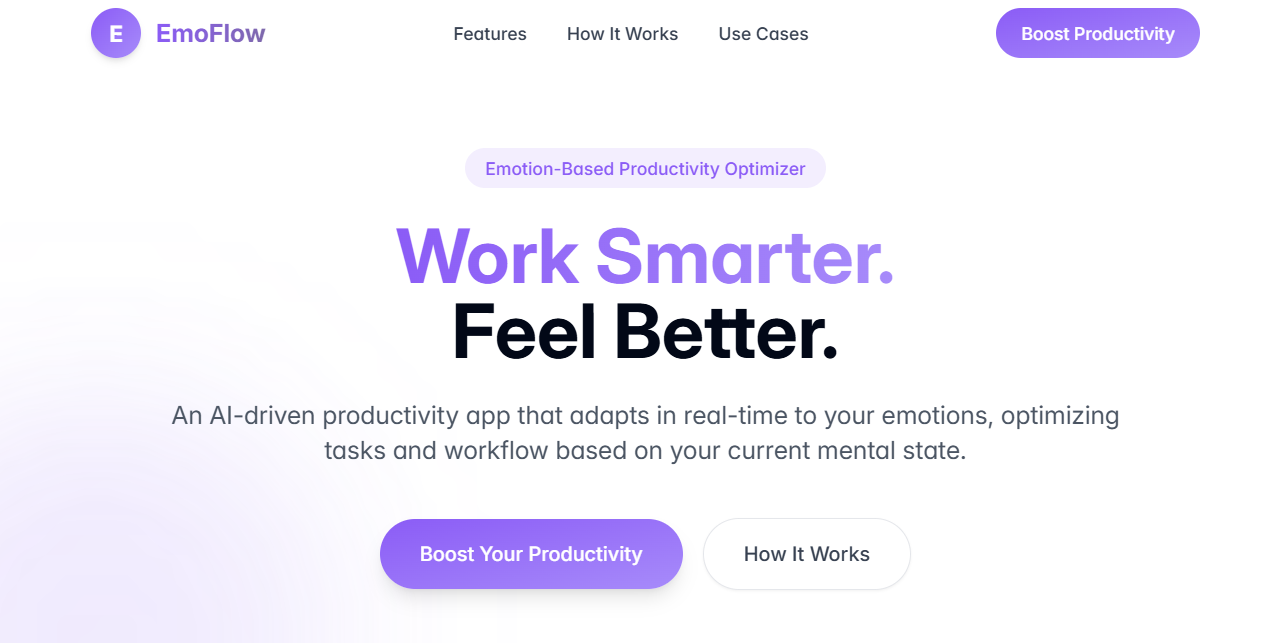
Inspiration
In today's fast-paced world, productivity tools often focus solely on efficiency without considering the emotional state of the user. We wanted to change that. EmoFlow was inspired by the idea that productivity and well-being go hand in hand. By integrating emotion-aware AI, we aimed to build a tool that doesn’t just organize tasks—it optimizes them based on real-time emotional feedback.
What We Learned
Throughout the development process, we explored machine learning for emotion detection, real-time UI adaptation, and behavior-driven task optimization. One of the most valuable lessons was understanding how emotions impact productivity and how AI can be leveraged to enhance focus, motivation, and mental wellness.
How We Built It
Emotion Detection: We integrated TensorFlow.js and face-api.js for facial expression recognition and IBM Watson Tone Analyzer for voice emotion analysis.
AI-Powered Task Optimization: Using FastAPI and NLP models, the backend processes emotional data to adjust workflows dynamically.
Data Storage & Personalization: We used Supabase to store user preferences, historical emotional states, and task performance data, allowing the system to learn and adapt over time.
Challenges We Faced
Real-Time Emotion Accuracy: Achieving precise emotion detection across different user environments was a challenge, requiring fine-tuning of AI models.
Balancing Productivity & Well-Being: Designing an app that enhances productivity while prioritizing mental health involved extensive UX research and testing.
Seamless UI Transitions: Creating a UI that smoothly adapts without feeling intrusive required leveraging React animations and state management efficiently.
Built With
- django
- expo.io
- google-speech
- nextjs
- opencv
- react
- react-native
- tailwind
- tensorflow

Log in or sign up for Devpost to join the conversation.