-
-
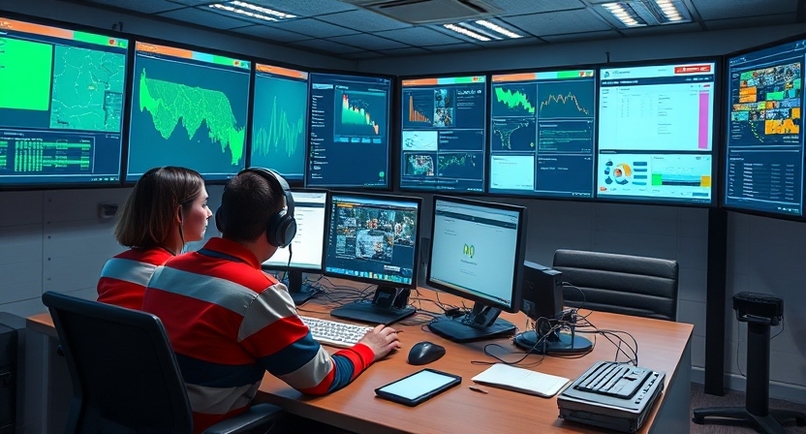
Emergency Dispatch Conversation with AI Feedback
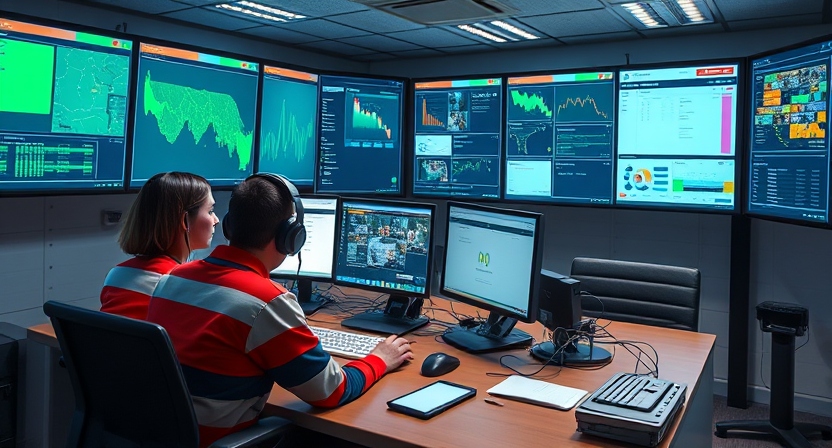
Emergency Dispatch Conversation with AI Feedback
Project Overview
Laerdal's mission of "helping save lives" inspired this project, which focuses on enhancing emergency dispatcher training through an AI-powered simulator. Dispatchers face immense pressure to make life-saving decisions during emergencies. This Conversational AI prototype acts as a simulator to rehearse critical scenarios and provide evidence-based feedback, helping improve their skills and preparedness.
Inspiration
The idea stemmed from the recognition of the pivotal role dispatchers play in emergency response. Unfortunately, many dispatchers lack up-to-date training or resources based on the latest evidence-based practices. By leveraging the power of AI, we aimed to create a tool that improves dispatcher preparedness while circumventing regulatory hurdles associated with real-time AI in emergency calls.
What We Learned
- The importance of designing user-friendly interfaces for critical tools used in high-stress scenarios.
- The challenges of ensuring the accuracy and reliability of AI systems in life-saving situations.
- How multilingual and audio playback features enhance accessibility and usability for diverse user groups.
How We Built the Project
Technologies Used:
- Gemini API: For powering the custom Large Language Model (LLM) functionalities.
- Streamlit: For creating a user-friendly deployment platform.
- Python & VS Code: For coding and development.
- Multilingual and Audio Playback: Integrated to support diverse users and enhance training experiences.
Key Features:
- Scenario Rehearsals: Simulate life-threatening emergency scenarios.
- Real-Time Feedback: Highlight evidence-based practices and areas for improvement.
- Conversation Transcription: Analyze and process dispatcher responses with high accuracy.
- Multilingual Support: Ensure inclusivity and accessibility.
- Audio Playback: Recreate real-life call scenarios for an immersive experience.
Deployment and Collaboration:
- The project was deployed using Streamlit, offering a sleek interface and seamless user experience.
- Codebase and project documentation were uploaded to GitHub, enabling collaboration and future enhancements.
Challenges Faced
- Accuracy and Safety: Ensuring the AI provides accurate and contextually appropriate advice in simulated scenarios was critical.
- Regulatory Compliance: Designing the system to serve as a training simulator rather than a real-time assistant helped avoid liability and regulatory concerns.
- Multilingual Implementation: Supporting multiple languages required careful handling of language models and audio playback features.
Conclusion
This project demonstrates the potential of AI in improving emergency response training. By simulating real-life scenarios, dispatchers can refine their skills, ultimately saving more lives. The integration of cutting-edge AI with an accessible, user-focused interface makes this tool a game-changer in dispatcher education and preparedness.
Tagline:
"Lifesaver Simulator: Train dispatchers with multilingual conversational AI, real-time feedback, and audio playback—powered by Gemini API and deployed via Streamlit."

Log in or sign up for Devpost to join the conversation.