-
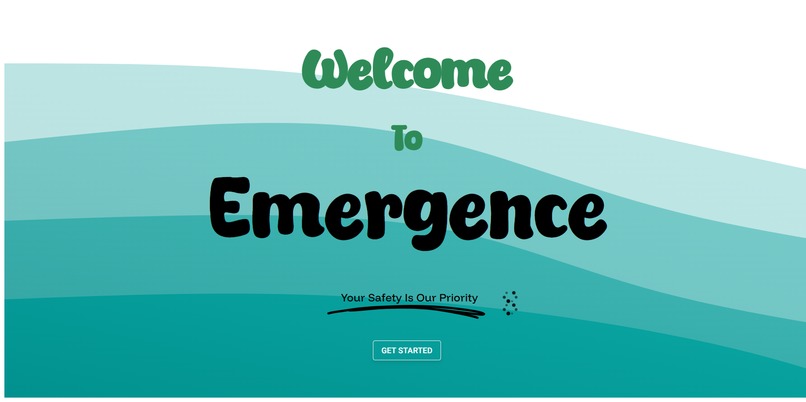
Home Page
-
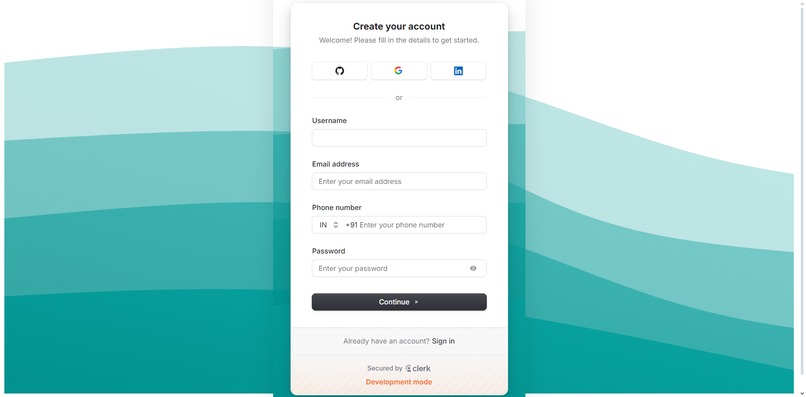
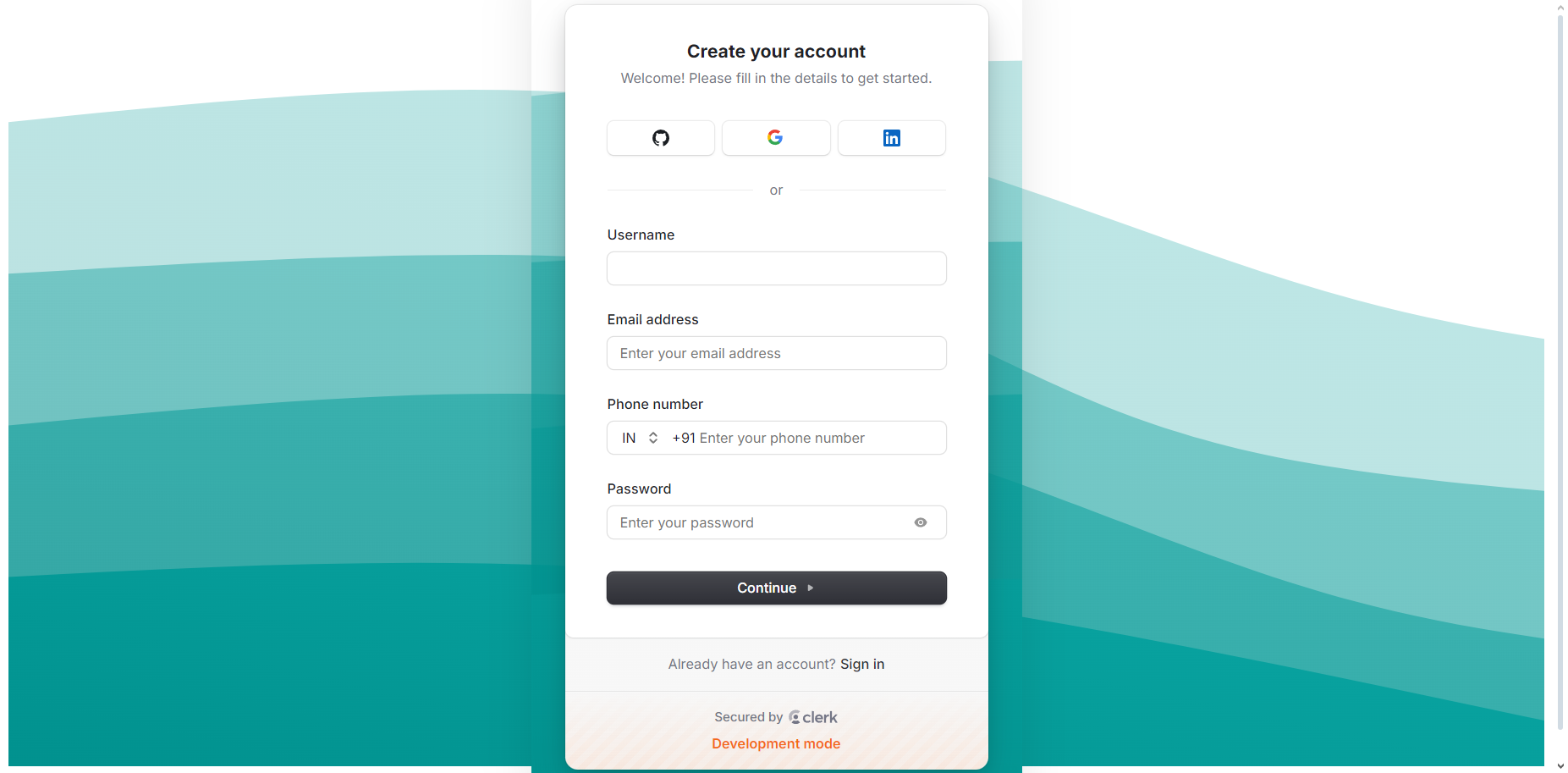
Authentication Page (SignIn/SignUp)
-
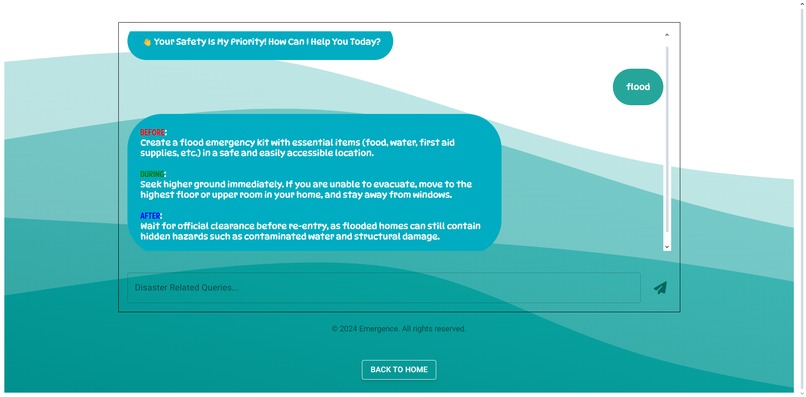
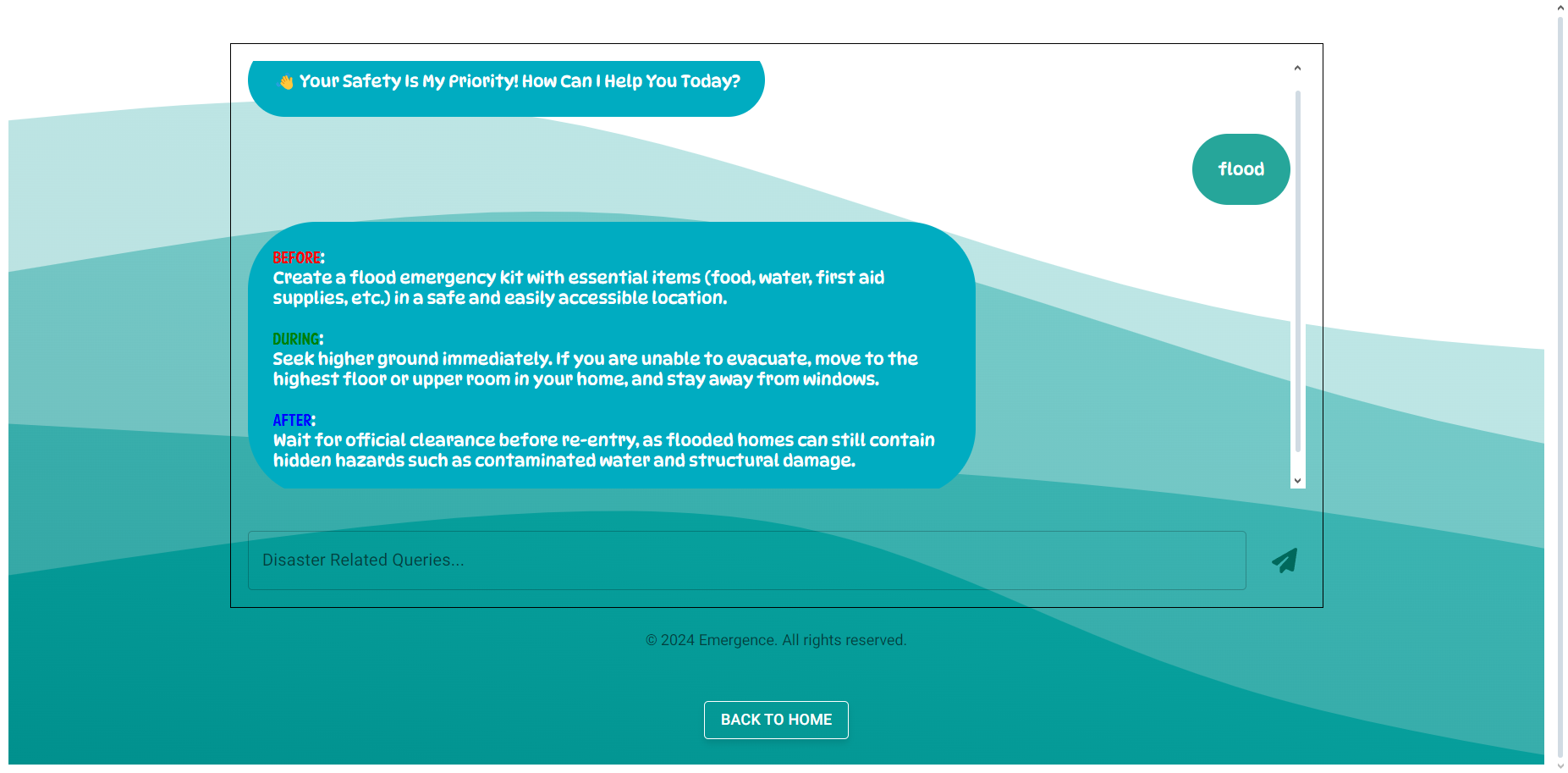
Chat Interface
Inspiration
The idea for Emergence AI was born from a deep desire to provide real-time, actionable disaster management advice. We envisioned a tool that empowers communities by delivering quick, clear, and reliable information during critical emergencies. By harnessing the power of AI, we aimed to help people make immediate decisions that can save lives and reduce harm when it matters most.
What It Does
Emergence AI is a specialized disaster management chatbot designed to offer crisis-specific recommendations. When users ask for disaster-related advice, the system responds with:
- Before: One key preparation step to help ensure readiness.
- During: One immediate safety action to follow in the midst of a disaster.
- After: One recovery tip to aid in post-disaster recovery.
For queries that fall outside the disaster-related scope, the AI courteously advises users to focus on disaster topics to maintain clarity and relevance.
How We Built It
Our development process combined modern web technologies with advanced AI integrations:
Frontend and UI
We built a responsive user interface with React and Material-UI components to deliver a smooth and engaging experience. To keep users informed during processing, we integrated animated loaders like DotStream, Helix, and Quantum—all registered dynamically on the client side.
Backend and AI Integrations
The backend is powered by Node.js with custom middleware to efficiently route user requests. We integrated AI models such as Cerebras and Llama, specifically tuning them to generate concise, disaster-related advice. Built-in keyword checks ensure that only relevant queries are processed.
Loader Registration
To enhance interactivity, the application dynamically registers various loading animations, making sure that real-time feedback keeps users informed during API calls.
Below is an example of how we integrate AI advice into our system:
return cerebras.chat.completions.create({
  messages: [{ role: "system", content: systemPrompt }, ...messages],
  model: "llama3.1-8b",
});
Challenges We Ran Into
Developing Emergence AI came with its fair share of obstacles:
- Context Filtering: Ensuring that the AI responds solely to disaster-related inquiries required us to implement extensive keyword checks and fine-tune context management.
- Server-Side Rendering Issues: Handling dynamic imports and client-side loader registrations in a server-rendered environment was challenging. We overcame this by carefully checking the browser environment before executing certain scripts.
- Seamless Integration: Combining multiple libraries—for loaders, chat interfaces, and theming—required meticulous planning. We had to balance integration across different systems to ensure smooth overall functionality.
Accomplishments That We're Proud Of
We take pride in several key achievements:
- Targeted Disaster Response: Successfully integrating an AI system that adheres to strict disaster response guidelines ensures that every piece of advice is actionable and relevant.
- Interactive and Engaging UI: The use of animated loaders and a modern, responsive design has resulted in an engaging user interface that enhances the overall experience.
- Robust Code Architecture: Implementing environmental checks to differentiate between server and client-side operations has led to a more streamlined and resilient architecture.
What We Learned
Throughout the development of Emergence AI, we learned the value of:
- Clear Context Management: A well-defined context is crucial when delivering disaster management advice.
- Dynamic Client-Side Features: Integrating real-time features in a server-rendered environment requires careful planning and execution.
- Best Practices for Integration: Combining third-party UI components with custom AI services lays the foundation for a robust and scalable codebase.
What's Next for Emergence AI
Looking forward, our roadmap includes exciting enhancements:
- Expanded Recommendations: Incorporating more nuanced disaster response strategies tailored to specific event types.
- User Feedback Integration: Leveraging real-time analytics and feedback loops to continuously refine the quality of our responses.
- Broader Language Support: Implementing multilingual capabilities to assist diverse communities globally during disasters.
- Continual AI Improvements: Ongoing fine-tuning of our AI models to reflect the latest advancements in disaster management and AI safety.
Emergence AI continues to evolve as a vital tool for communities at risk during disasters, and we are committed to making it even more efficient, intelligent, and user-friendly with every update.
Built With
- cerebras-sdk
- clerk
- font-awesome
- framer-motion
- javascript
- material-ui
- nextjs
- react
- vercel

Log in or sign up for Devpost to join the conversation.