-
-
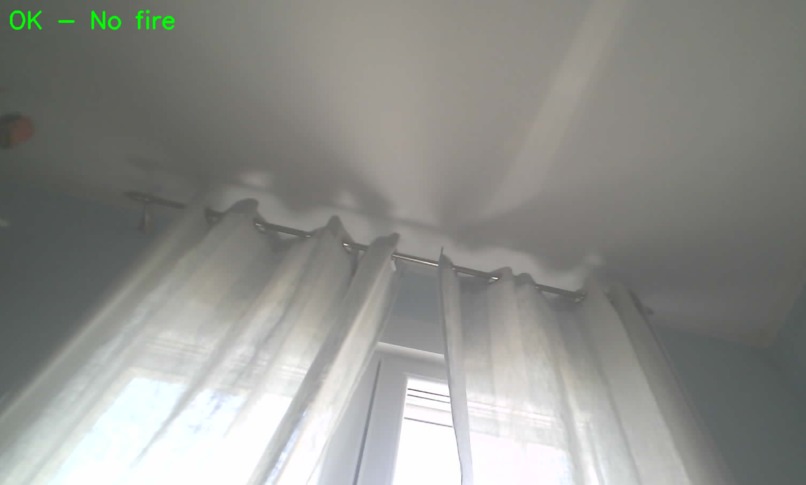
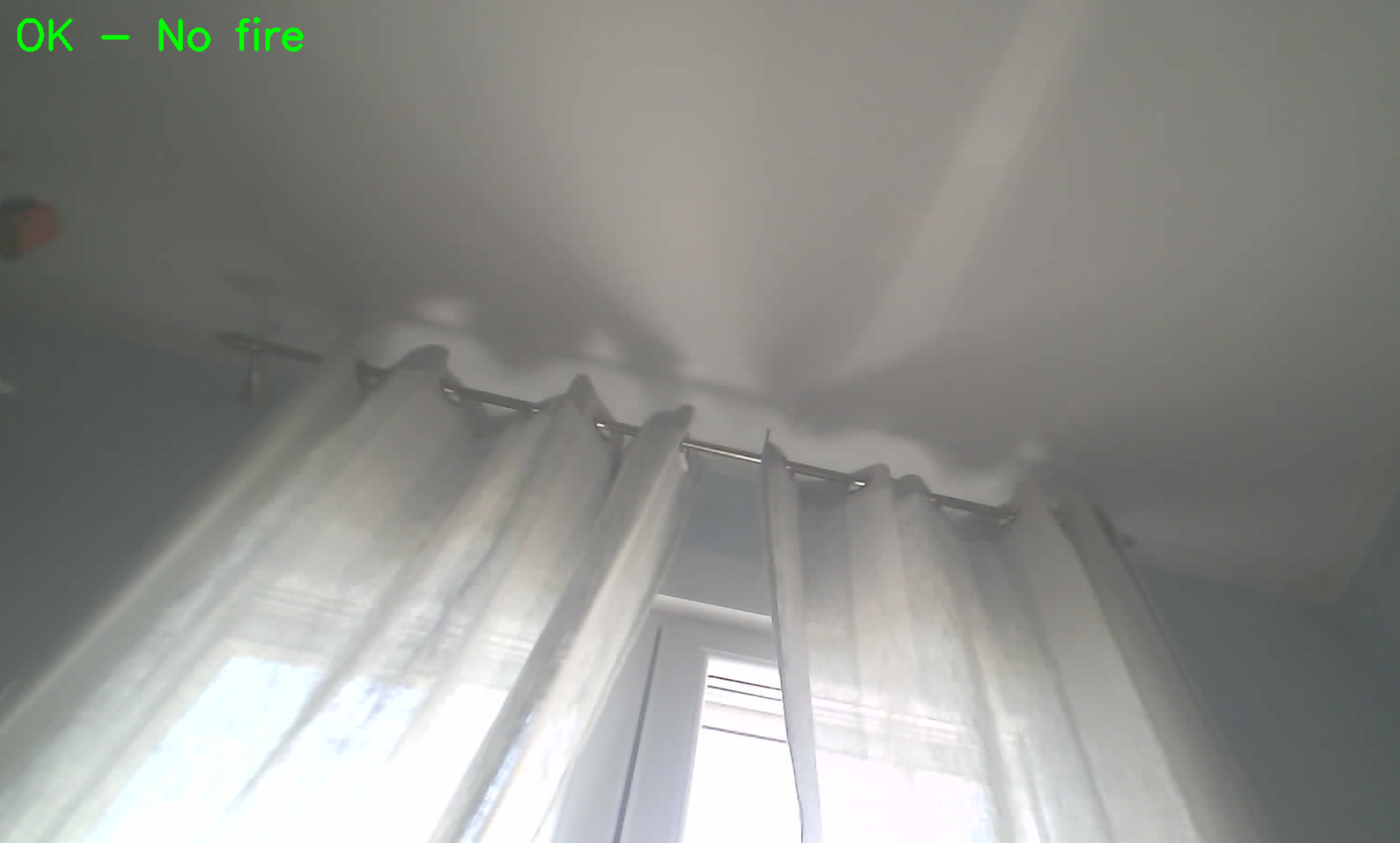
Normal State (No Fire Detected)
-
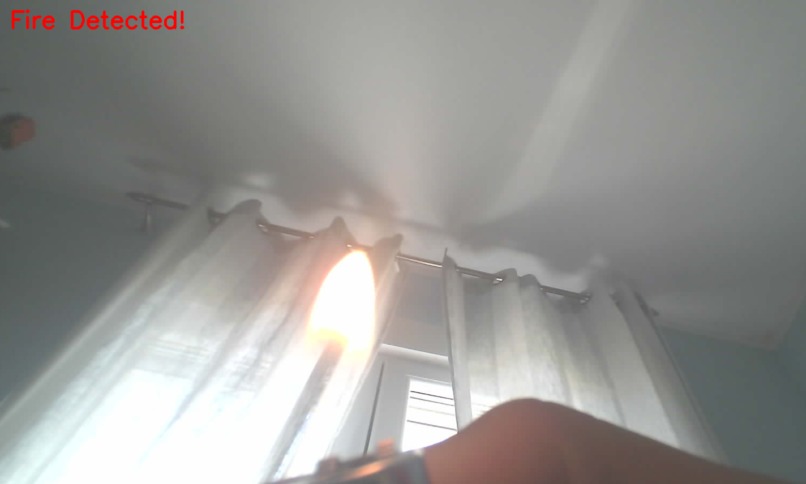
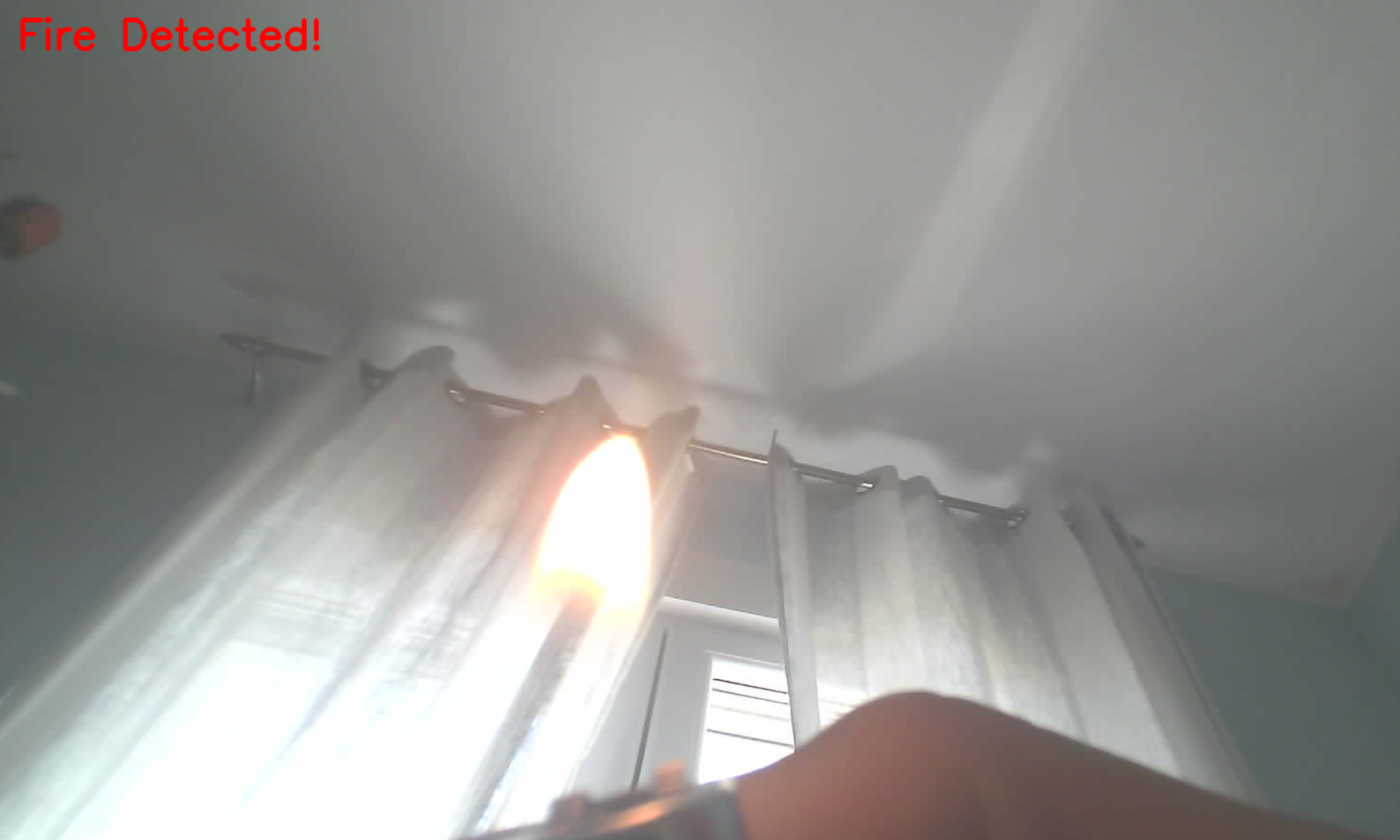
Threat State (Active Fire/Smoke Detected)
-
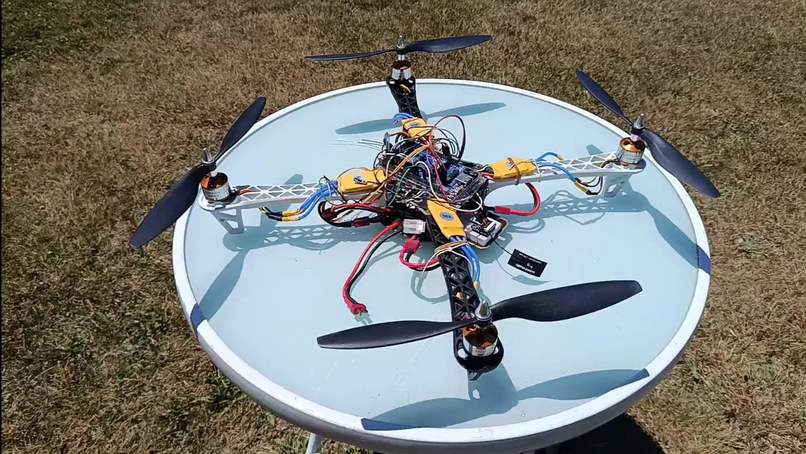
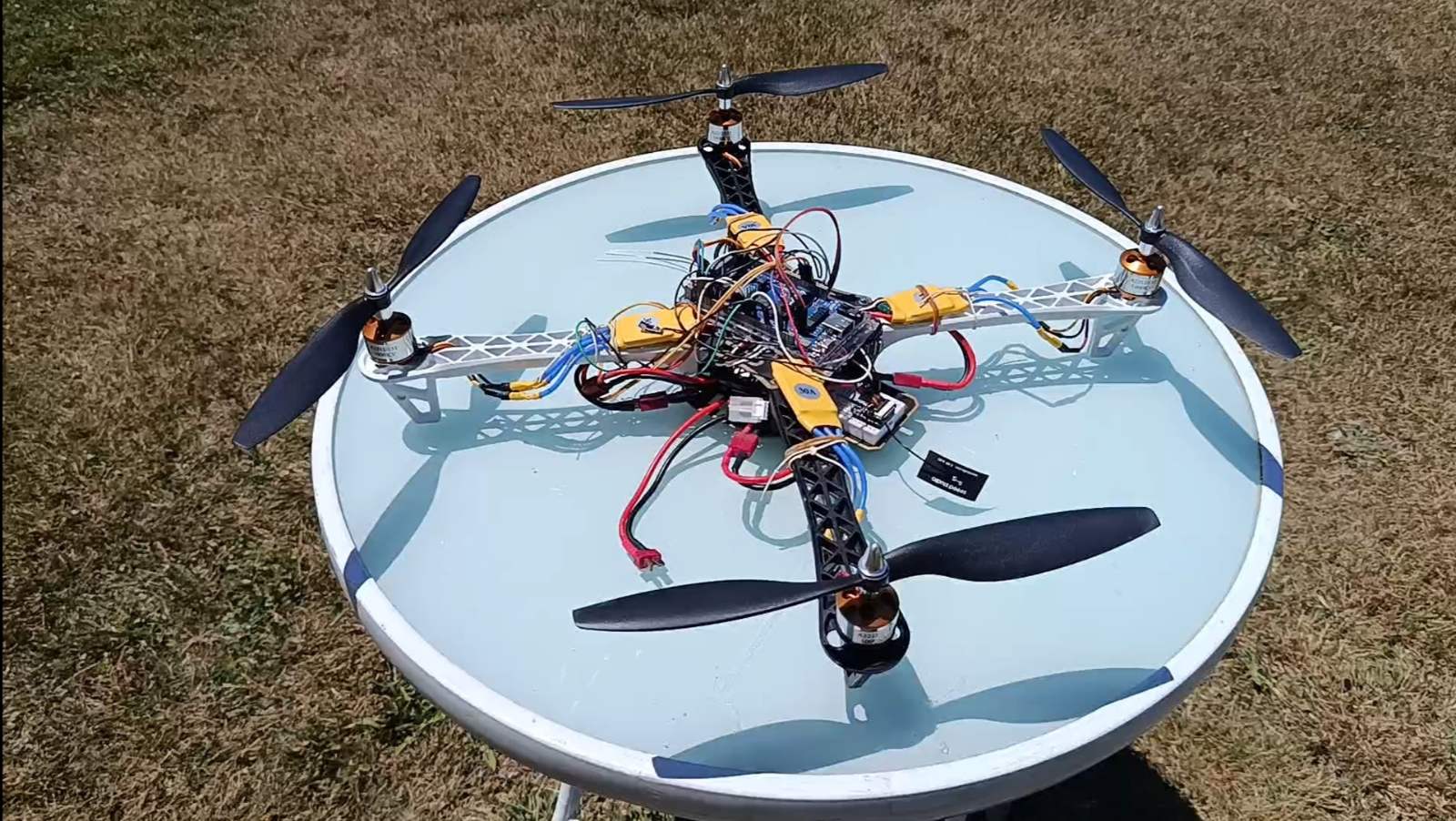
Autonomous Drone System
-
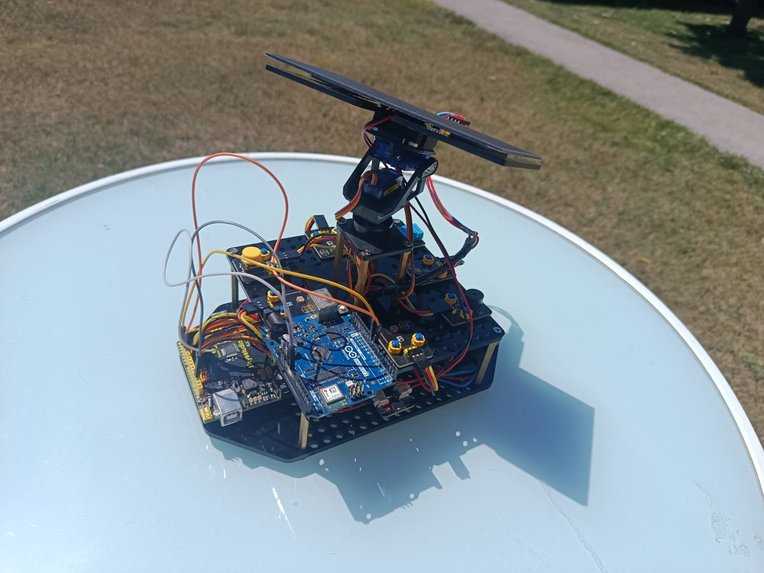
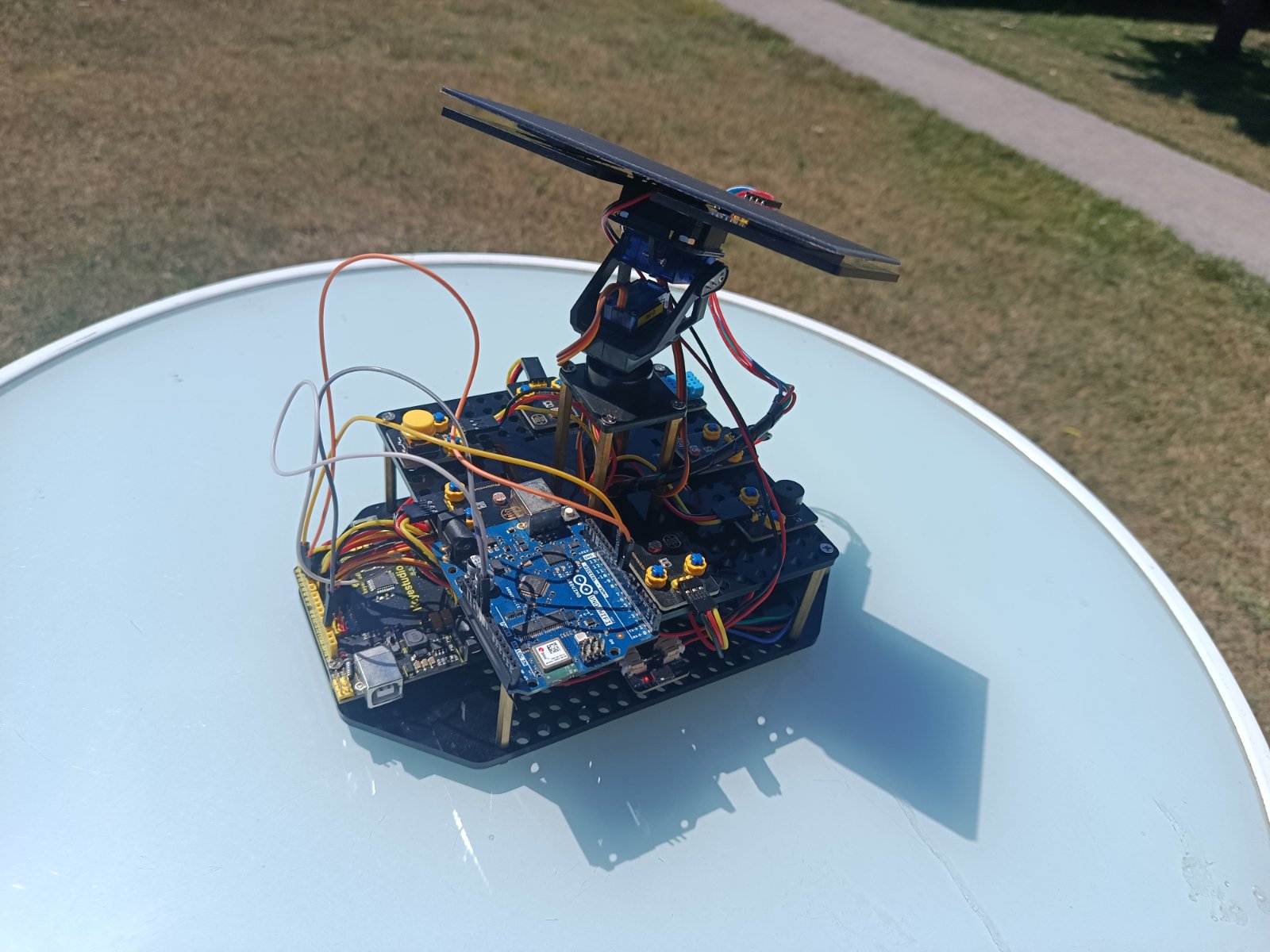
Solar-Powered Sensor Station
-
Inspiration
Every summer, Montenegro faces devastating wildfires, causing around 100 million euros in damages annually. Growing up in Zeta, near Podgorica, we witness these fires firsthand. Since 95% of these disasters are caused by human negligence, we realized that traditional firefighting isn't enough. We needed a solution that combines early technology-driven detection with local community and youth education. This inspired us to build Embero—a system that turns wildfire monitoring into a collaborative tool for local eco-clubs and schools.
What it does
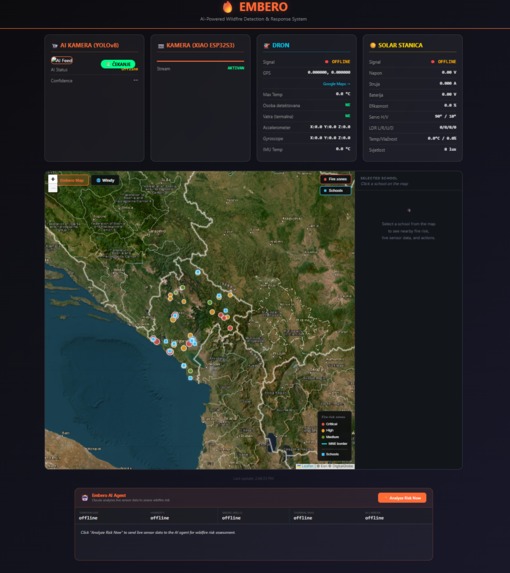
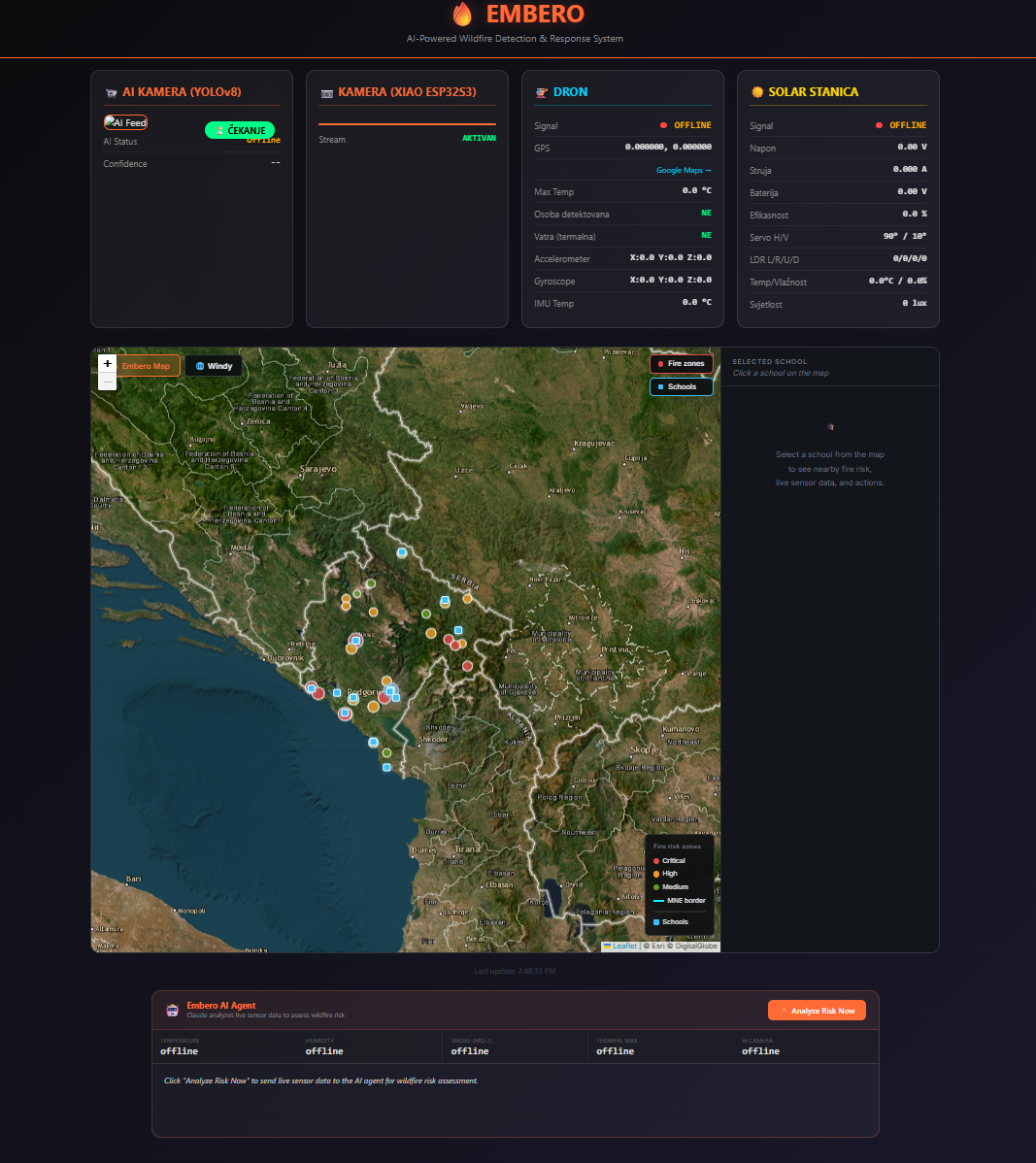
Embero is an end-to-end wildfire risk monitoring and education platform. It uses solar-powered ground sensor stations and autonomous drones to track environmental changes. If a threat is detected, the system doesn't just alert authorities; it updates an interactive Web Dashboard where students, teachers, and parents can track live fire risk indexes, wind patterns, and cloud movements. It transforms raw climate data into actionable safety steps, teaching young people how to prevent disasters.
How we built it
We built a multi-layered hardware and software architecture:
- Hardware & IoT: We designed solar-powered sensor stations using an Arduino Giga R1 and an ESP32-S3 CAM. The stations track $CO_2$ levels, smoke density, temperature, and humidity. Data is transmitted via LoRaWAN.
- Artificial Intelligence: We trained a custom YOLOv8 object detection model on edge devices (drones and cameras) to recognize smoke and fire shapes in real-time.
- Software Pipeline: A Python/OpenCV pipeline processes live video feeds. We implemented a custom multi-source cross-validation formula to calculate the local Fire Risk Index ($FRI$):
$$FRI = w_1 \cdot T + w_2 \cdot H_{inv} + w_3 \cdot CO_2 + w_4 \cdot AI_{conf}$$
- Frontend: The interactive community dashboard was built using modern web tools to display real-time sensor data, drone feeds, and localized safety recommendations. All schematics, firmware, and ML training scripts are open-sourced on our GitHub repository.
Challenges we ran into
One of our biggest hurdles was eliminating false positives (such as morning fog or dust being flagged as smoke by the AI). We solved this by implementing hardware-software cross-validation; the system only triggers a high-alert state if both the YOLOv8 vision model detects smoke and the physical gas sensors detect a sharp spike in $CO_2$ and particulate matter simultaneously.
Accomplishments that we're proud of
We are incredibly proud of building a fully working prototype that bridges low-power hardware with advanced edge AI. Successfully deploying the YOLOv8 model on a compact ESP32-S3 setup and getting clean, real-time data over our processing pipeline was a massive win for a two-person student team.
What we learned
This project taught us how to integrate hardware with cloud software seamlessly. We deeply expanded our knowledge of embedded systems, LoRaWAN communications, and training computer vision models for specific environmental conditions. Most importantly, we learned that technology is most effective when designed with a human-in-the-loop approach that empowers local communities.
What's next for Embero
We want to launch a pilot program deploying Embero stations across three wildfire-prone municipalities in Montenegro: Podgorica, Nikšić, and Bar. Our ultimate goal is to scale the network nationwide, making real-time environmental literacy a standard part of the curriculum in every Montenegrin school.

Log in or sign up for Devpost to join the conversation.