-
-
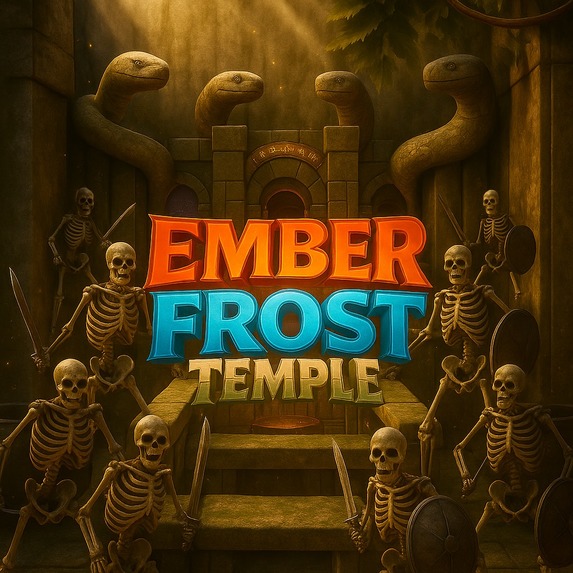
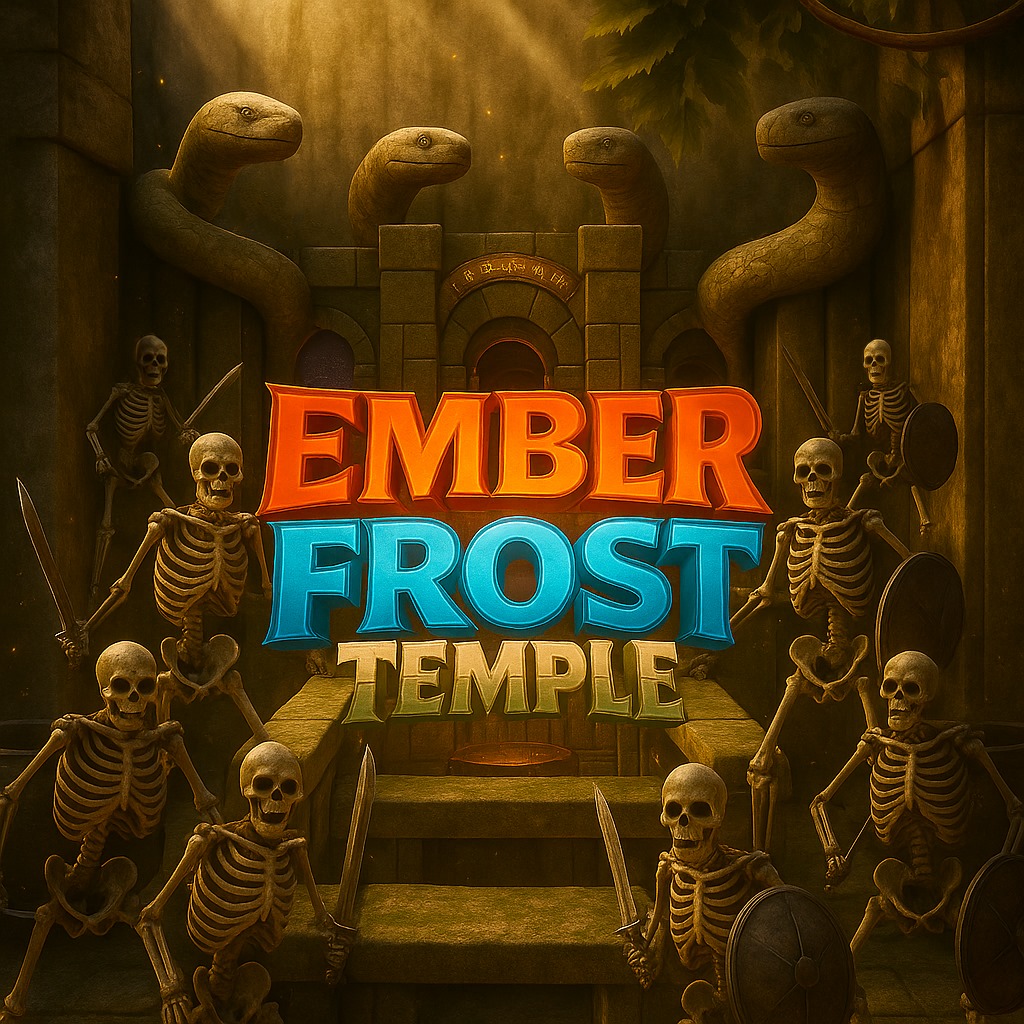
Title and Logo
-
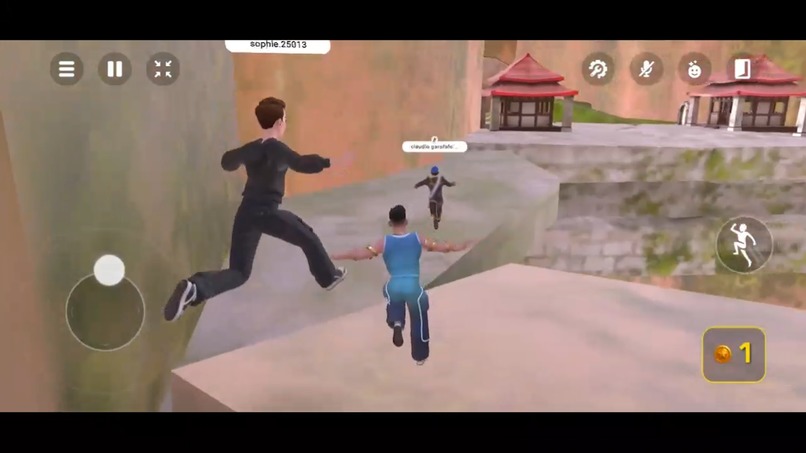
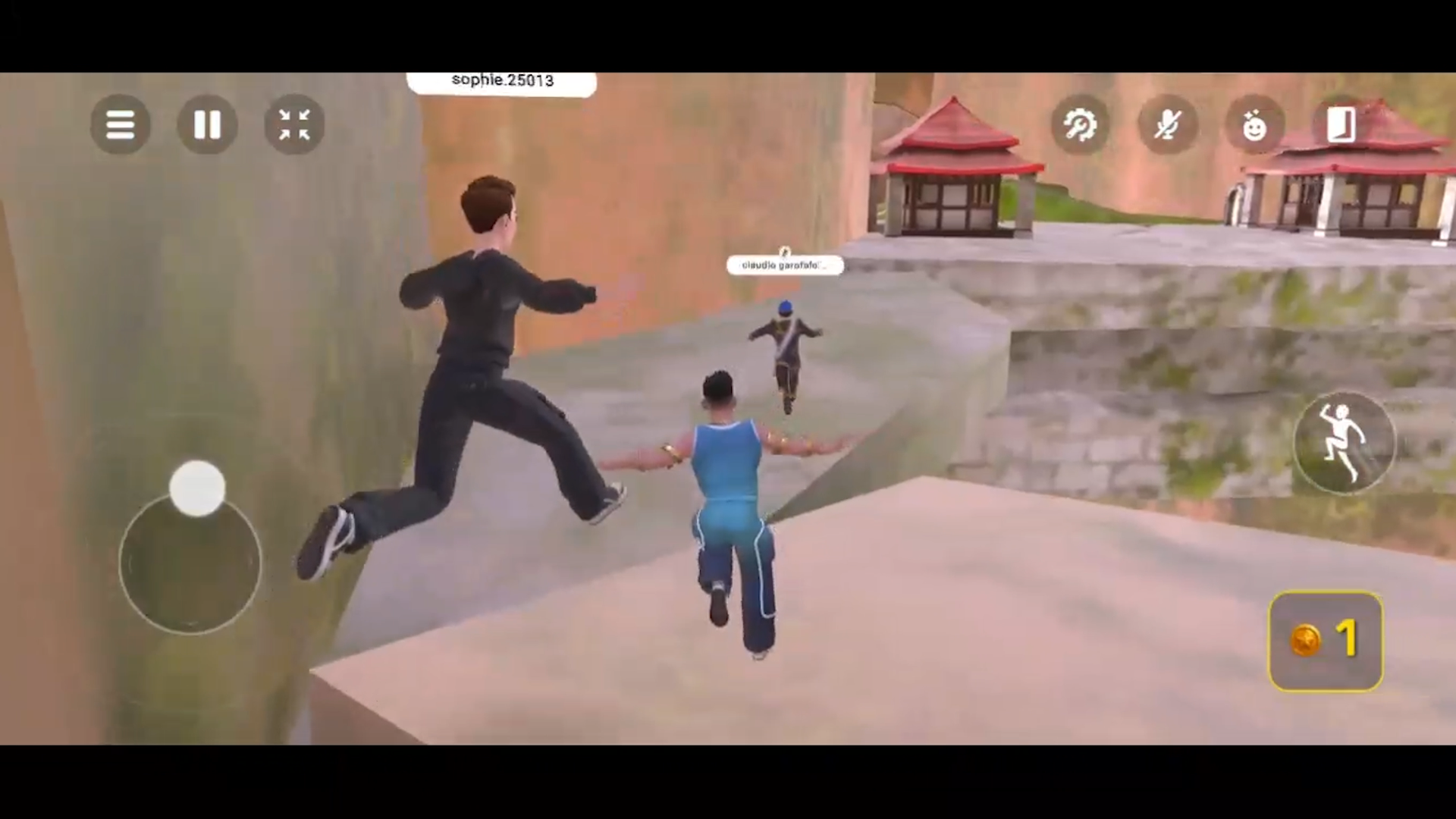
Jump in the World!
-
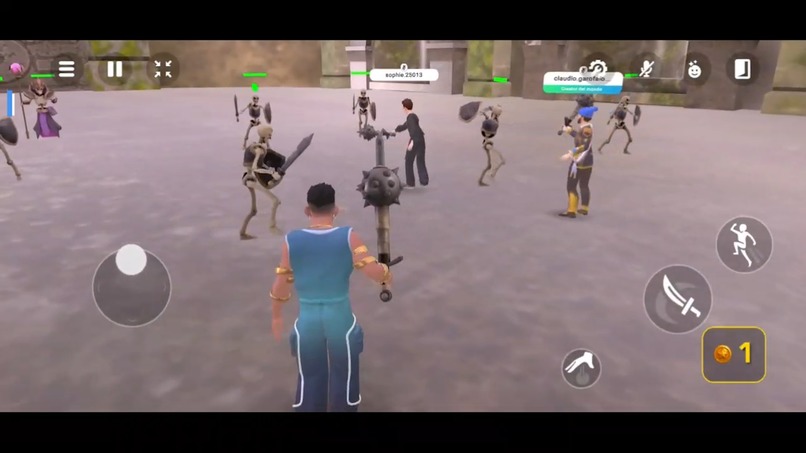
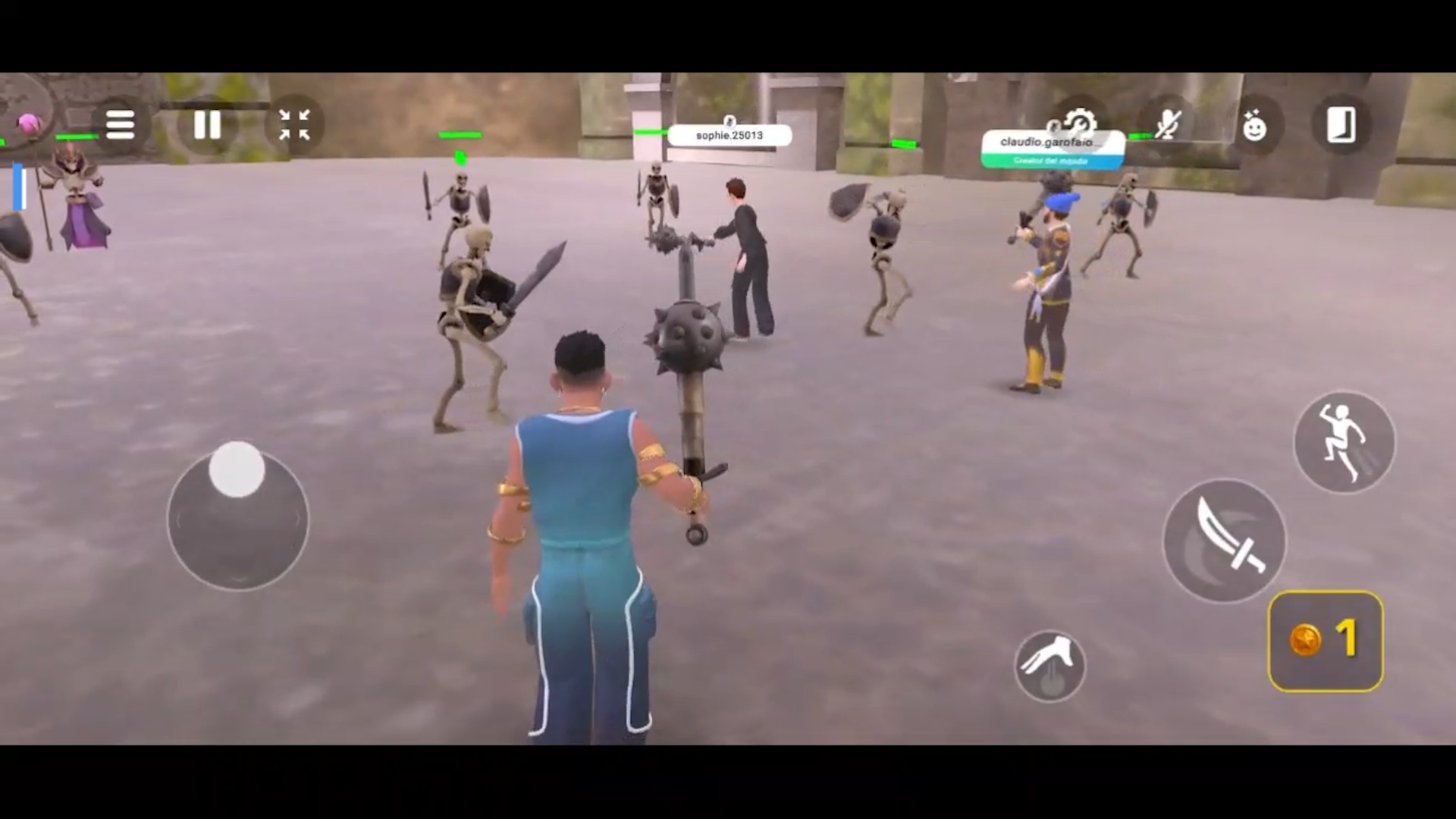
Skeletons Fight
-
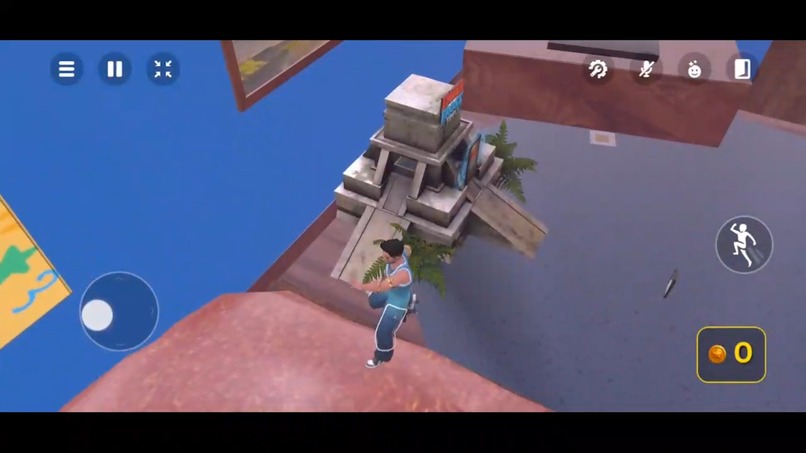
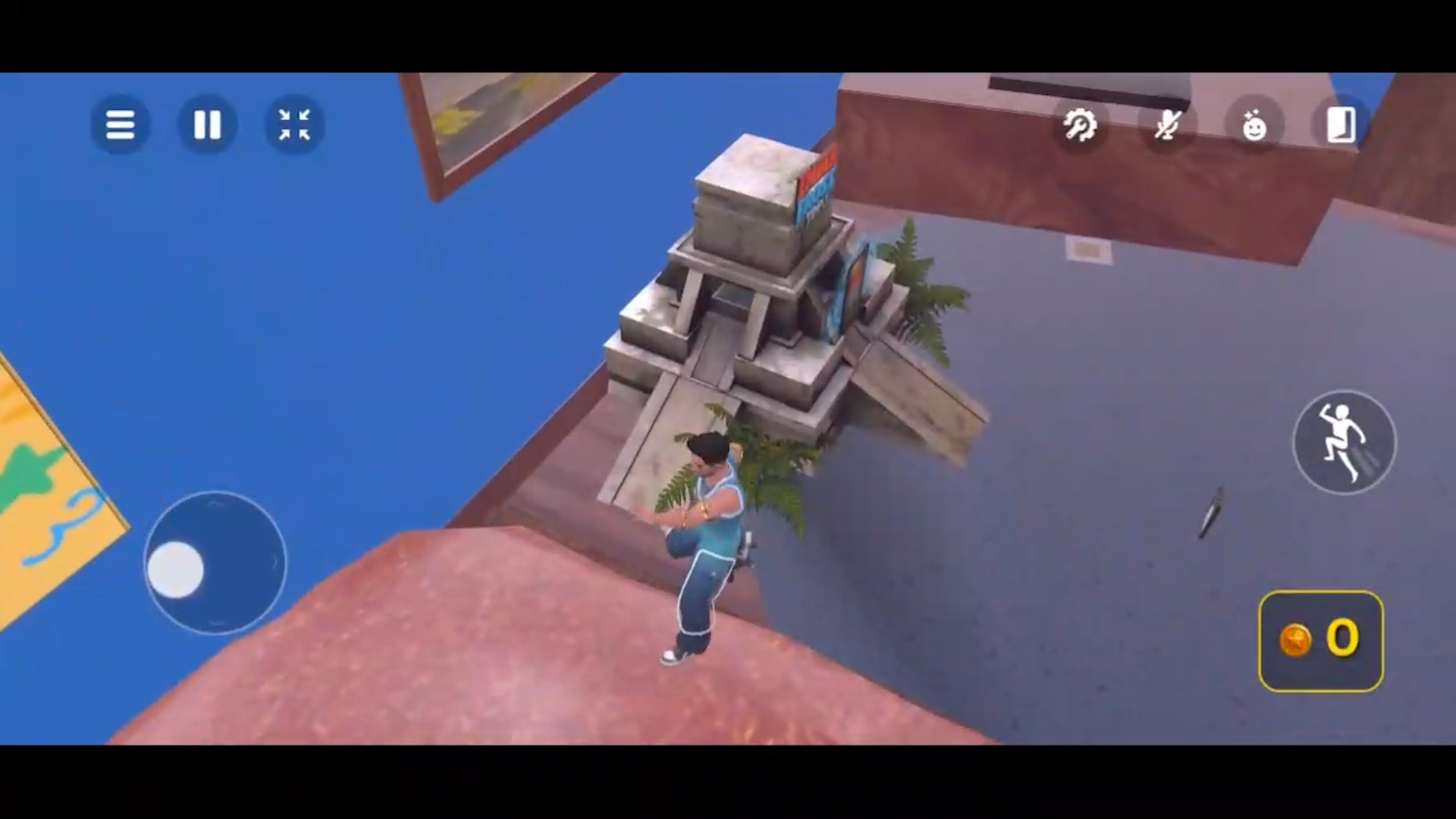
Bedroom Dream Fun
Project Story
Inspiration
During the development of EmberFrost Temple, our team effectively managed the programming of complex mechanics for both VR and mobile environments, adapting the gameplay to the specific requirements of each platform. I deepened my skills in using Meta Horizon Desktop and TypeScript, improving my ability to create dynamic UIs and immersive audio.
Together with the team, we learned to optimize platform resources and assets, finding creative solutions to maintain high-quality gameplay experience despite technical limitations. Collaboration with the 3D artist, an integral part of the team, was essential to seamlessly integrate visual and audio components with the programming.
How we built the project
Our team organized the work by clearly dividing tasks based on each member’s expertise. I handled programming and game mechanics, while the 3D artist took care of asset creation and environment modeling. Communication was maintained through regular meetings and messaging platforms to ensure smooth collaboration and quick problem solving.
We followed a structured development process typical for this kind of project, which included drafting a Game Design Document (GDD) to clearly define mechanics, environments, and game objectives. We then created initial prototypes to test core ideas, followed by continuous iterations with frequent testing and refinements based on feedback, allowing us to adapt the gameplay from a VR experience to one optimized for mobile devices.
For project management, we used standard tools such as task boards and version control systems, which were essential to track progress and coordinate work effectively despite the complexity of integrating multiple disciplines.
The integration of graphics, audio, and programming was close and ongoing, thanks to constant communication between me and the artist. This collaboration ensured that visual and audio assets were perfectly aligned with the game mechanics, creating a cohesive and engaging experience.
Challenges faced
One of the biggest challenges was adapting the game’s UI, cameras, and player dynamics scripts from a VR to a mobile experience. The change in style, camera angles, and gameplay difficulty required a complete overhaul.
We faced numerous difficulties in reimporting assets and repeatedly adjusting graphic quality to balance details, animations, audio, and additional mechanics, ensuring the game remained enjoyable for a younger audience as well.
Performance optimization was critical; we reduced particle effects and the number of enemies in certain areas to maintain smooth gameplay on mobile devices.
When multiple players joined, new mechanics such as enemy health bars caused simulation issues. To address this, we removed complex animations and replaced them with script-driven animations, reducing the platform load while maintaining fluidity.
Throughout development, technical challenges led to several changes in direction, requiring extensive hours and causing stress within the team. We overcame this by taking breaks, working in shifts, and making major decisions collectively. Constant communication through tools like Meet was essential for staying coordinated.
Initially, we underestimated the complexity of converting a VR experience to mobile, assuming it would be quick, but it proved to be a much larger undertaking.
Built With
- ai-tools-for-workflow-optimization
- audio
- blender-(3d-modeling)
- git-(version-control)
- google-meet
- meta-horizon-desktop
- typescript


Log in or sign up for Devpost to join the conversation.