-
-
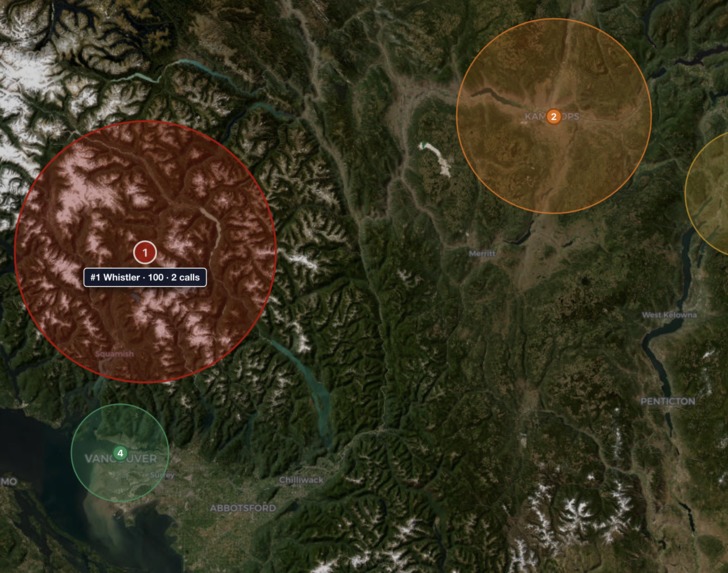
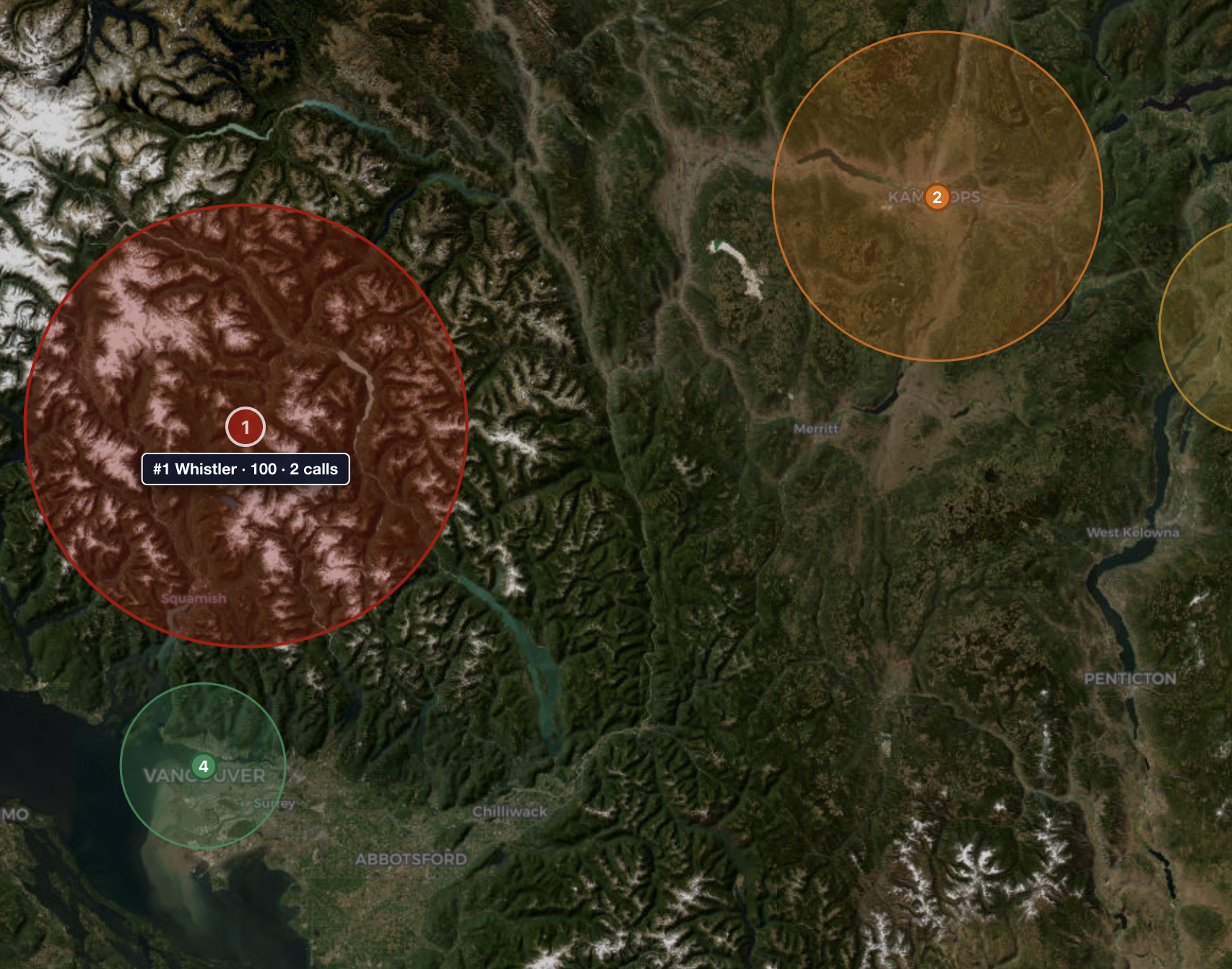
Map of EmberAlerts
-
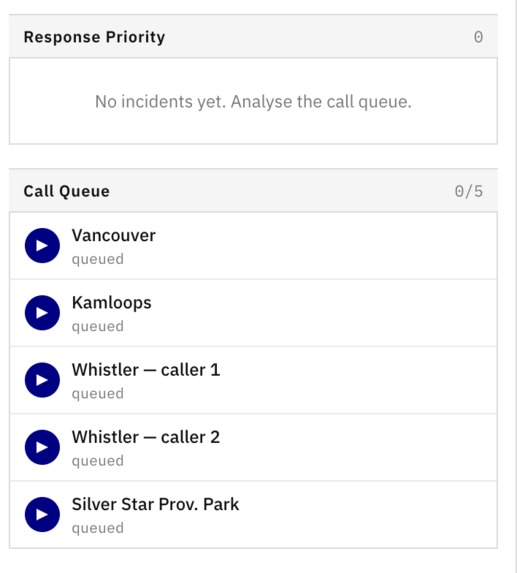
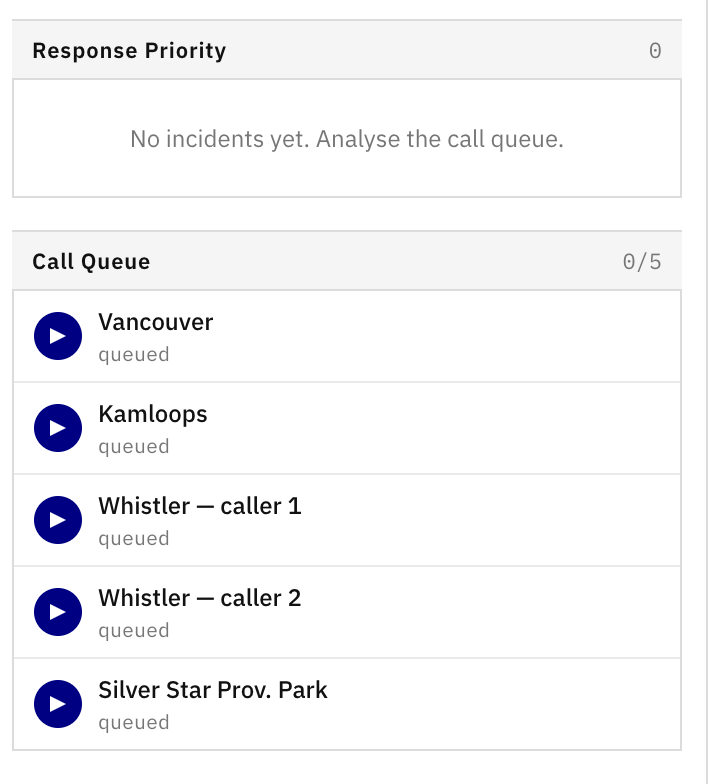
Call Queue
-
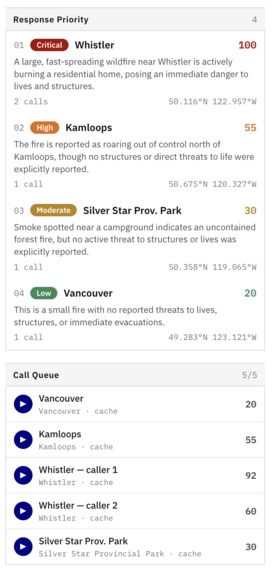
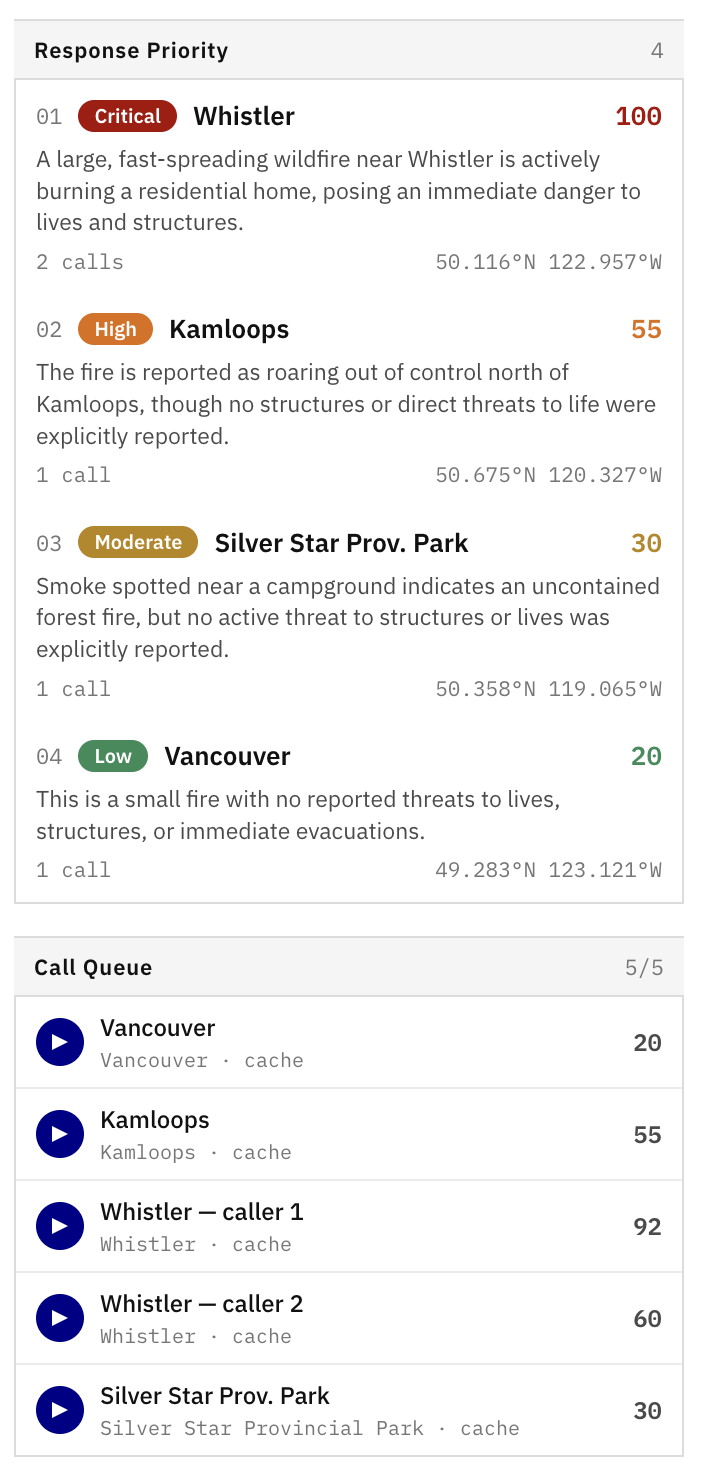
Priority Responses
-
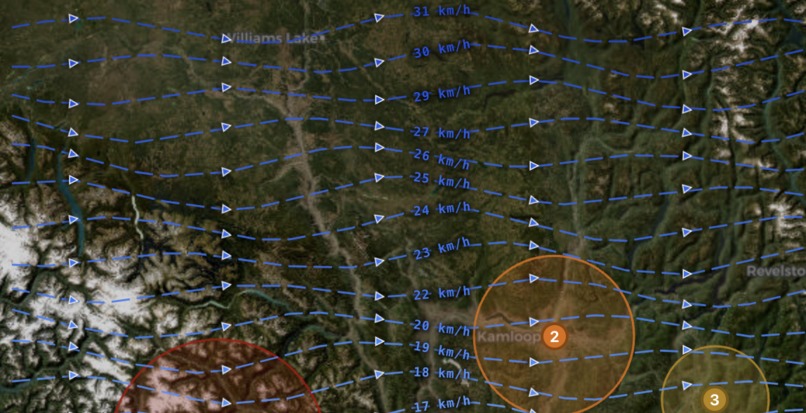
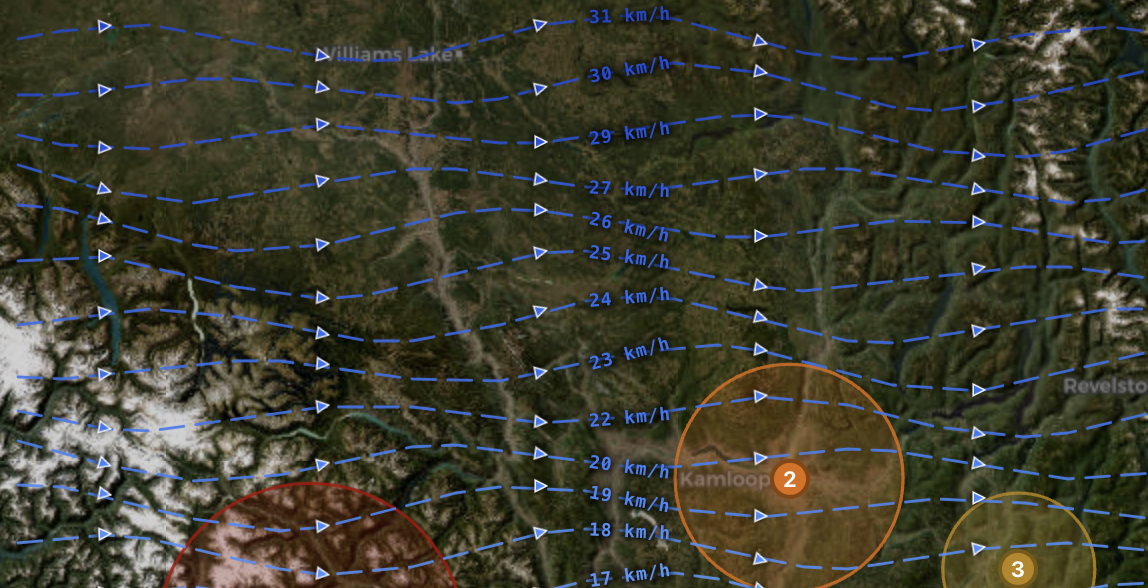
Wind Fronts
-


Inspiration
Given the recent wildfire incidents in North America, we were inspired to explore potential ways to help firefighting and/or rescue efforts. More specifically, we wanted to focus on improving the communication and organization between firefighters, leading us to create EmberAlert
What it does
EmberAlert uses the Gemini API to listen to calls and analyze them through tone, location, urgency, and volume of calls, and displays them on a map in real time. We then pair it with wind speed data from Open-Meteo Weather API to rank incidents based on severity and distance.
How we built it
Using Typescript, JS, and CSS, we built the frontend website that displays a map and other information about the fires. Then, using Python, we built the backend that communicates with Gemini to analyze the call audio and classify fire locations.
Challenges we ran into
For one group member, it was his first time at a hackathon, and for the rest of us, it was our first experience in a hackathon with a window this short. First and foremost, it was difficult finding unique ideas, especially given the time pressure. We had to spend the first few hours of the day discussing our project and figuring out everyone's agenda.
Accomplishments that we're proud of
Being able to use Gemini API, building a working website demonstration under time pressure.
What we learned
Working with Gemini API, front-end development, project management in a short time frame
What's next for EmberAlert
We're thinking of taking Gemini's capabilities to a new level by having it anticipate fire spread directions to help control the severity and prompting rapid evacuations, helping reduce the risk of fires.


Log in or sign up for Devpost to join the conversation.