-
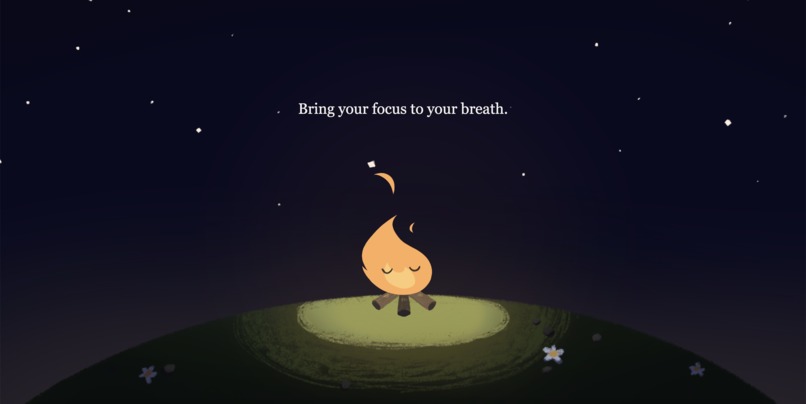
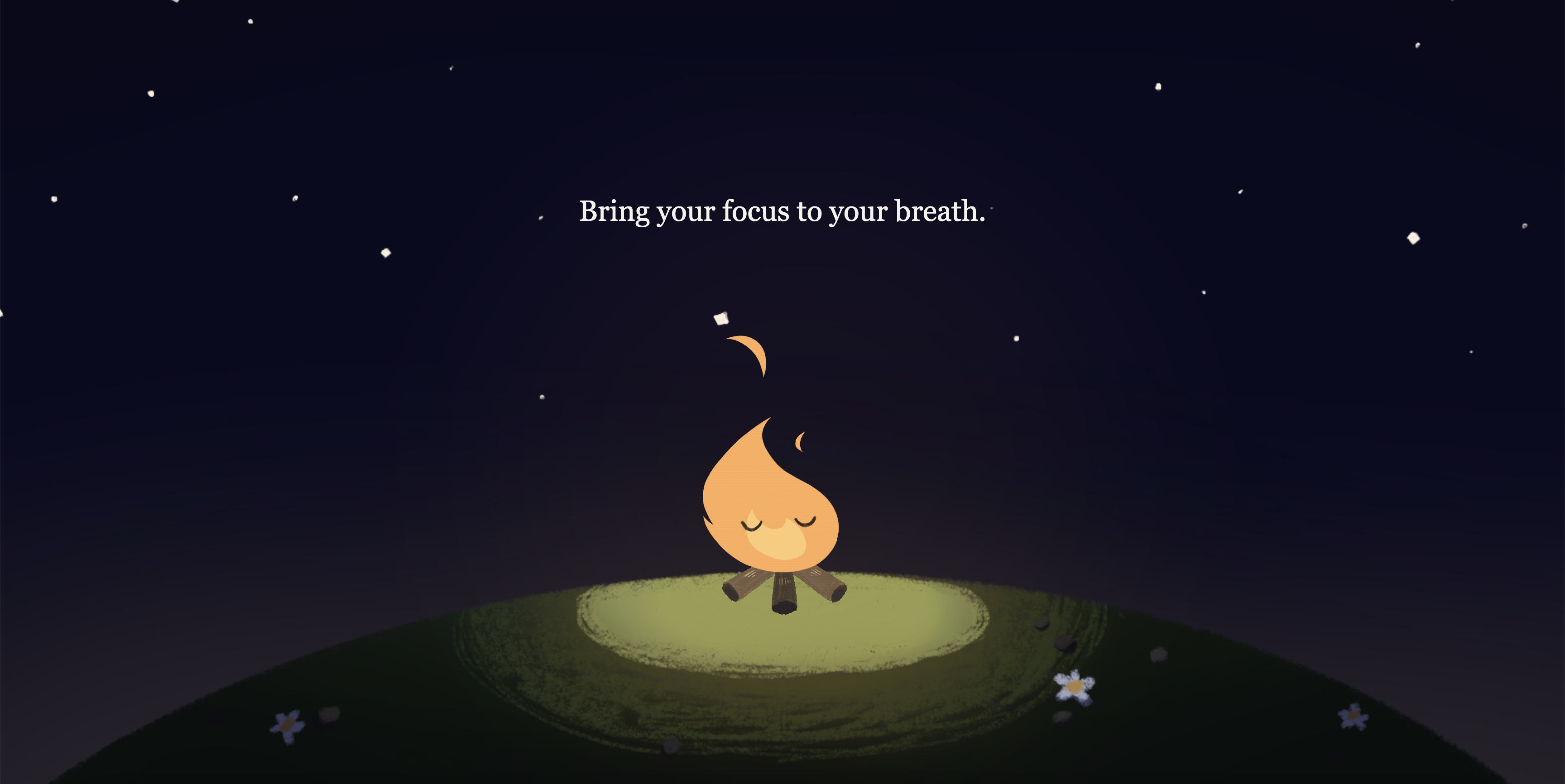
Home page
-
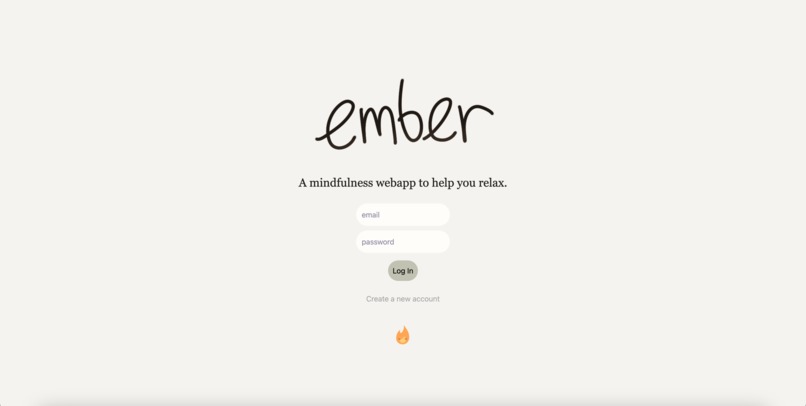
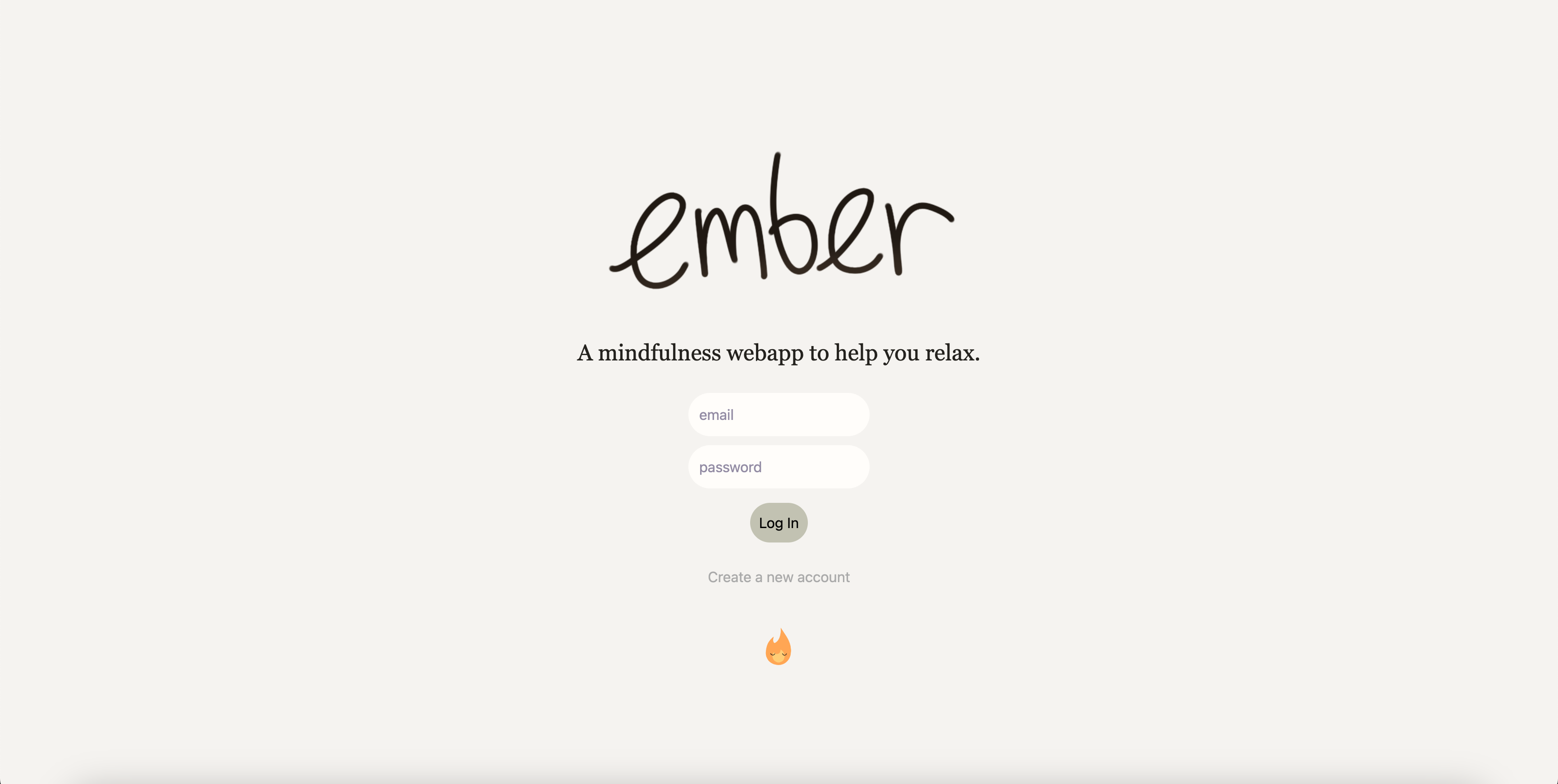
Login page
-
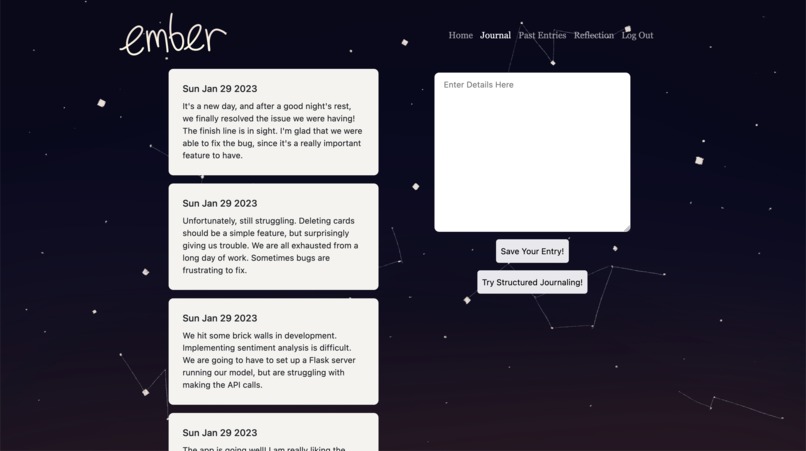
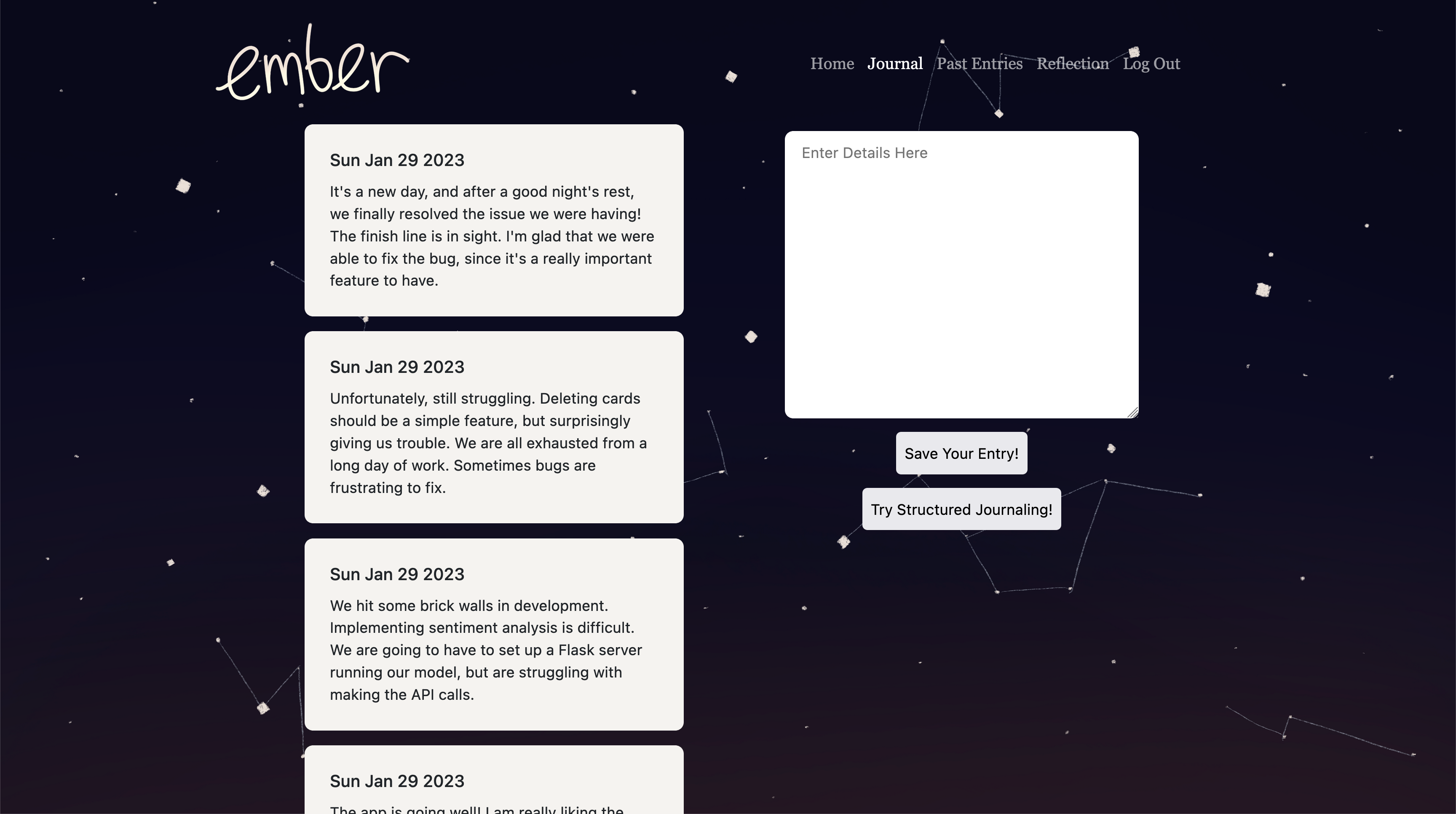
Journaling Page
-
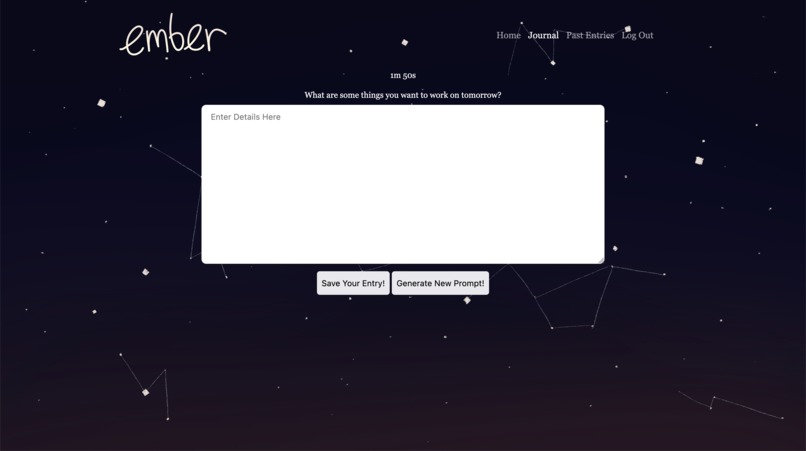
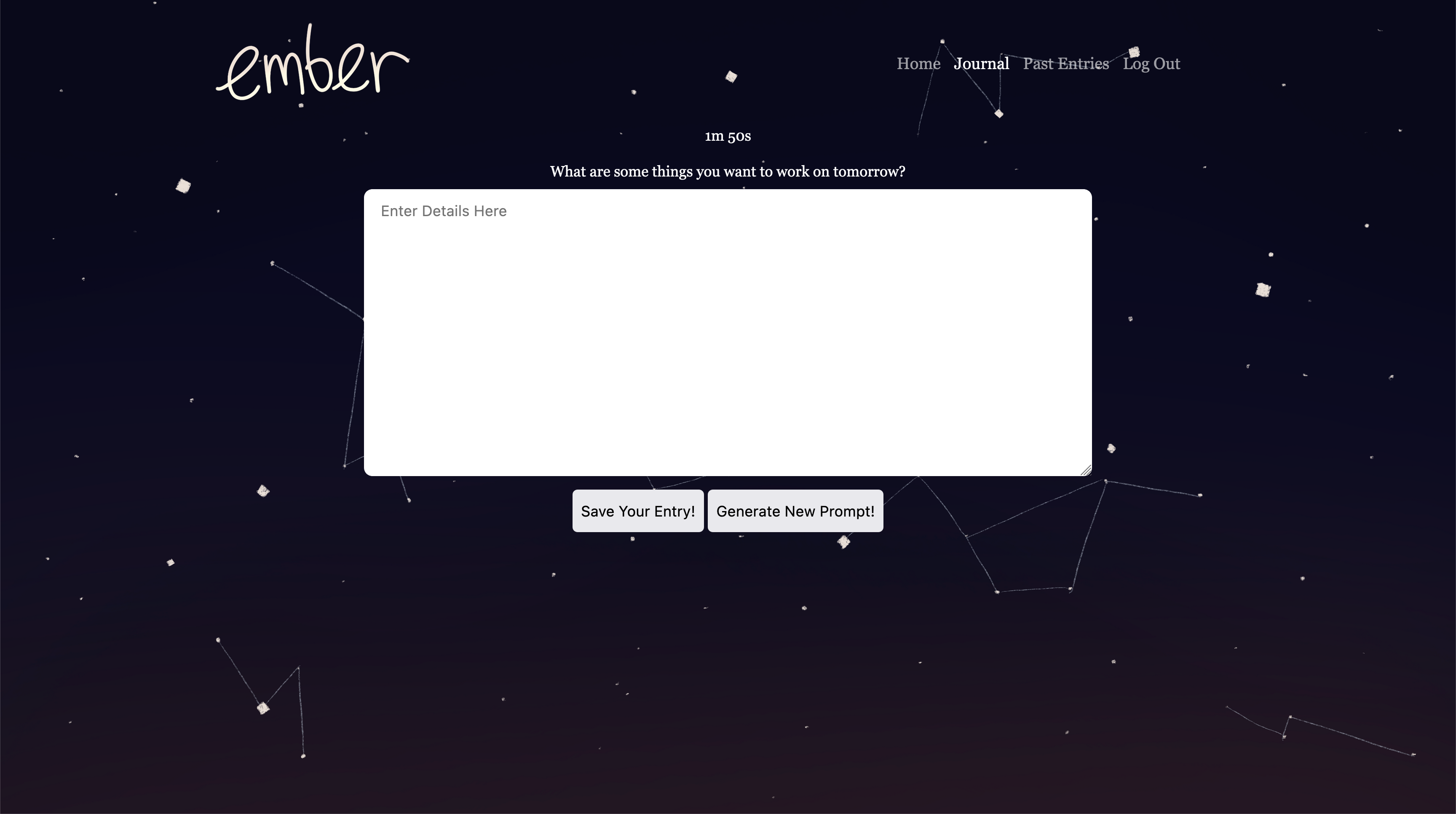
Structured Journaling Page
-
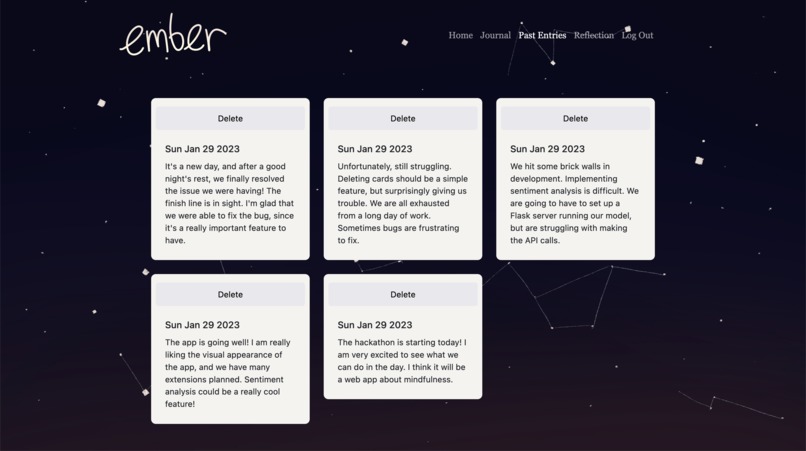
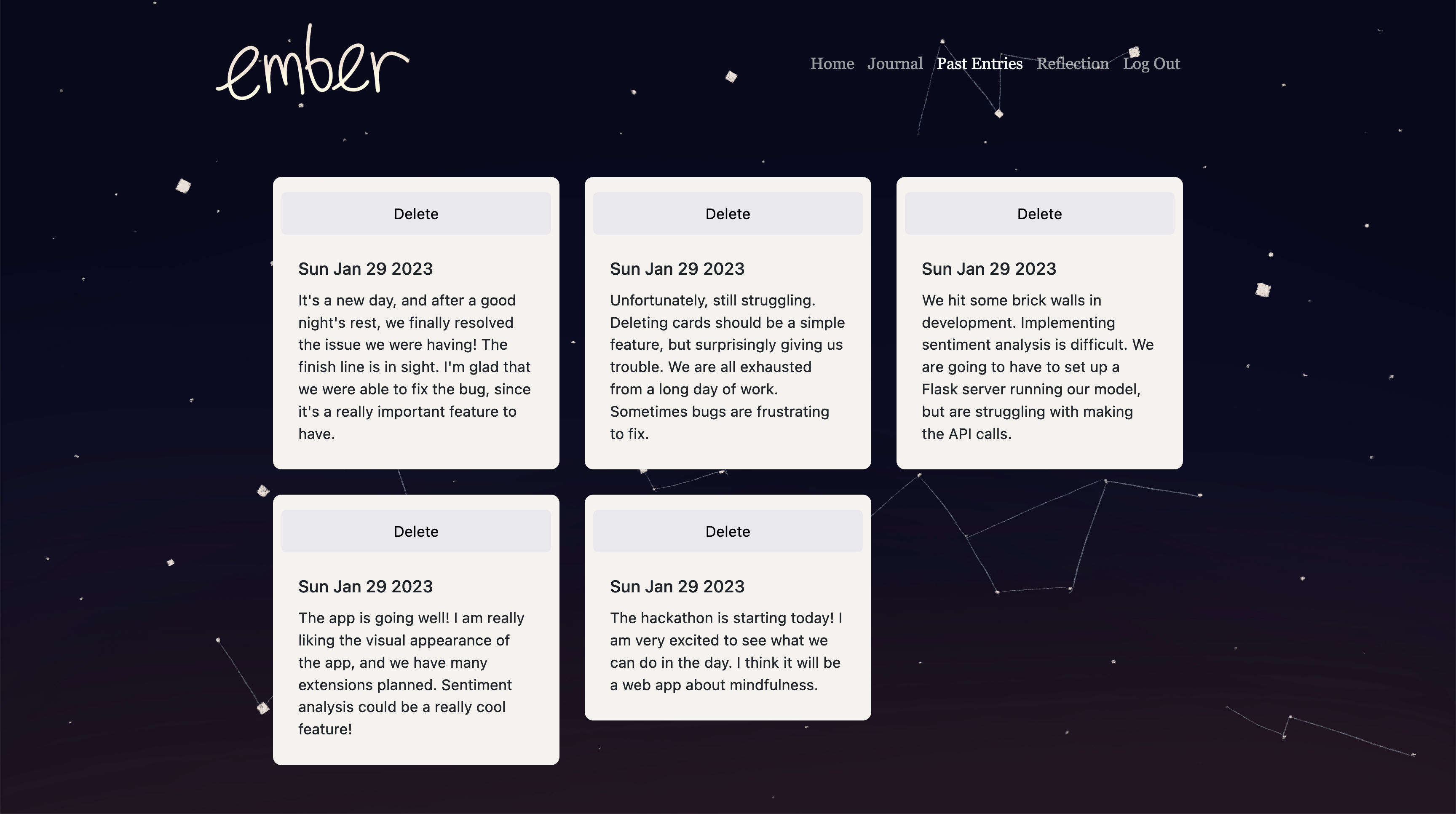
Past Journal Entries Page
-
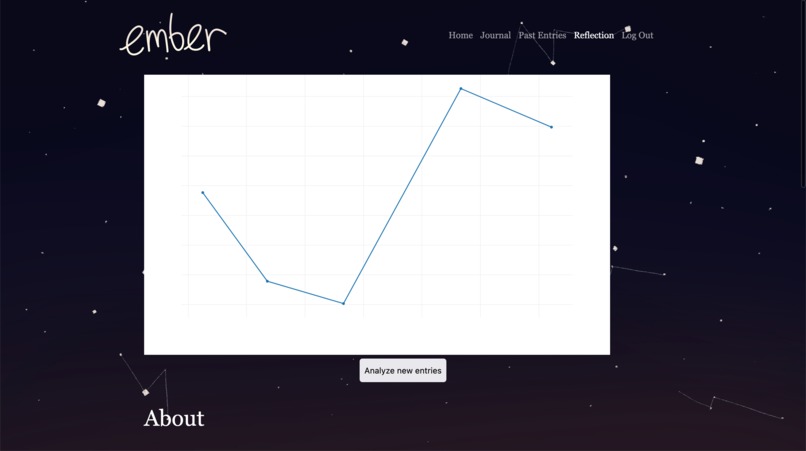
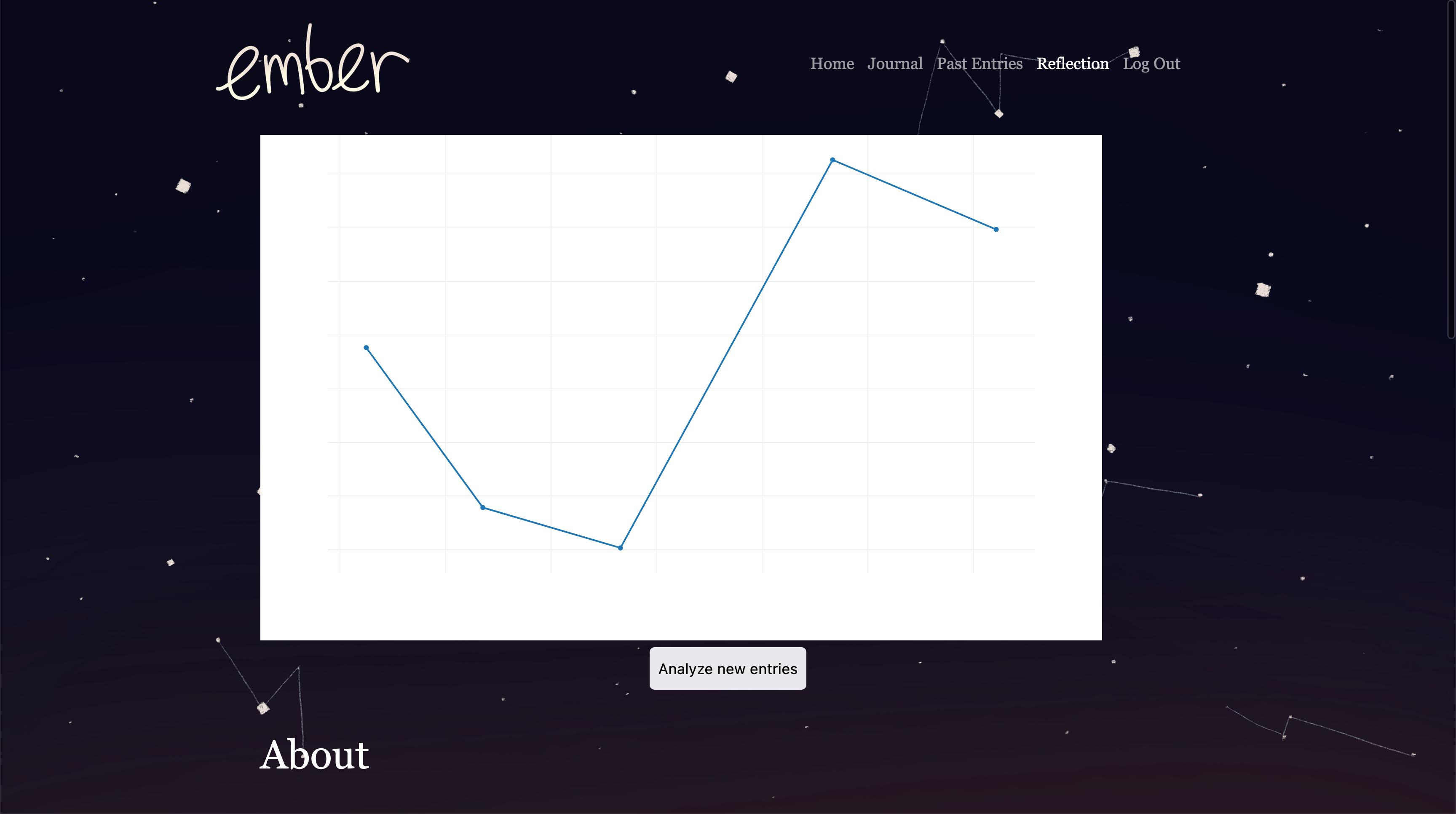
Reflections Page (Graph)
-
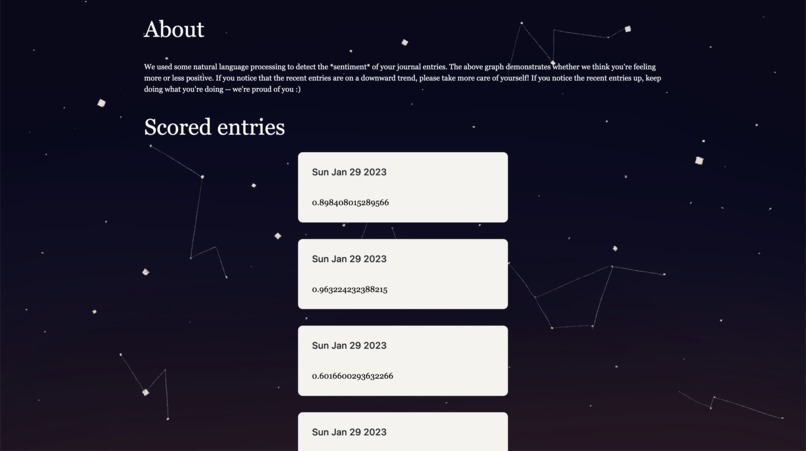
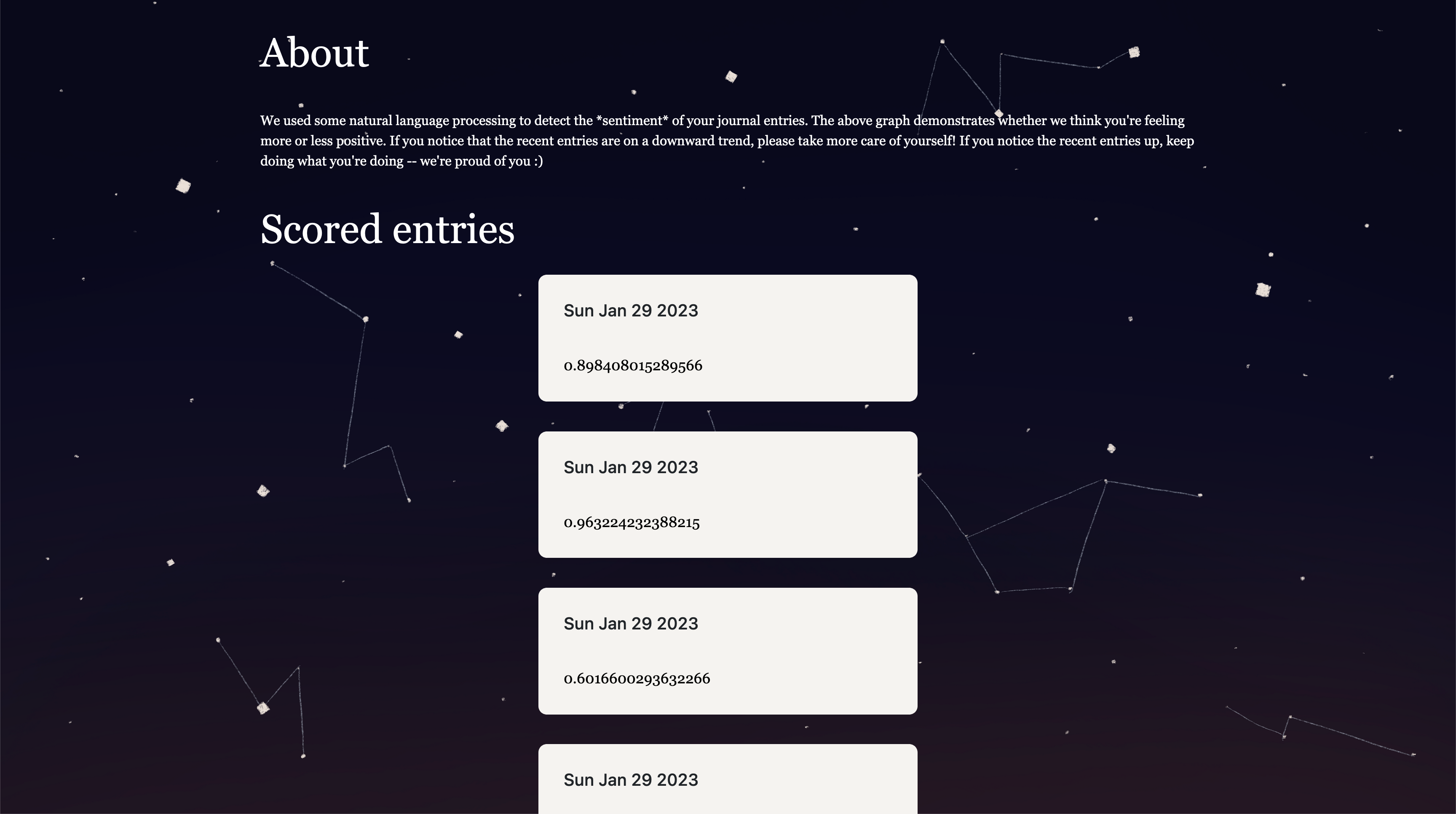
Reflections Page (Sentiment Scores)
-
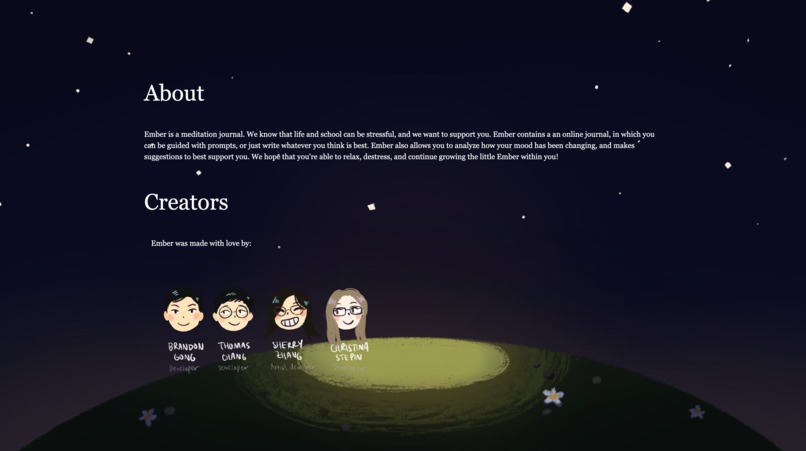
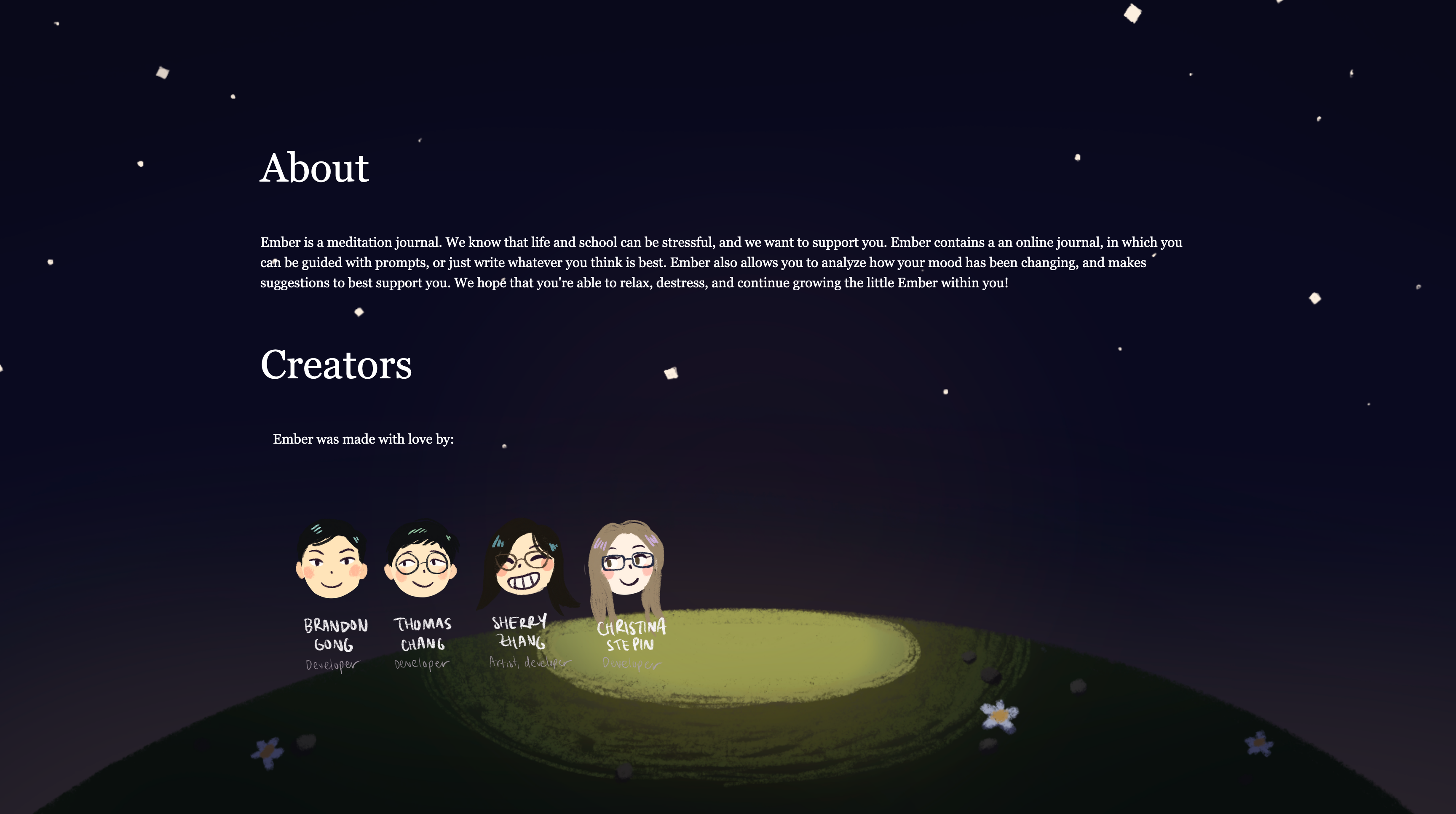
About Page
Welcome to Ember!
Inspiration
In an era of attention-grabbing apps, constant streams of content, stressors coming from every direction imaginable, and notifications popping up on your screen every two minutes, digital peace is hard to find. That's why we decided to make Ember, an uncluttered, peaceful meditation webapp!
What it does
Ember is a mindfulness webapp that helps you relax with a calming campfire animation and guided meditation prompts. There is a space for you to journal your thoughts, whether on your own or with structured journaling (includes a prompt and a 2-minute timer), and you can always look back on or delete previous journal entries. Notably, the website includes a section where you can reflect on your thoughts using sentiment analysis, which takes all your past entries and analyzes trends of your mood, emotions, and feelings.
How we built it
We built the website using HTML/CSS/JavaScript. User authentication and database management was done with Firebase. We also built a sentiment analysis model using sklearn, which we put on a Flask server and created an API endpoint to communicate with the web page. This model analyzes journal entries and provides users with visual feedback about their journal entries. Mockups and assets such as the campfire animation and background were hand-drawn in Procreate.
Challenges we ran into
We encountered a lot of bugs and issues with Flask, such as being unable to post data to Flask (a lot of "cross-origin request blocked!"). We reached out to mentors, took breaks, and talked through our code with each other to assist in debugging.
Accomplishments that we're proud of
Our team was really proud of a couple of things. First, we were able to include original drawings and animations throughout our app; we thought it was important for the user to feel like the app was very personal, so wanted to include original art that was soothing and calm. Second, we were very proud of the sentiment analysis we included -- we wanted to ensure that users could understand exactly how their moods were changing, and maybe realize what could be causing these changes in moods. We used an NLP model coded in Python, then exported to an API to do this sentiment analysis and build a graph off the relevant points. Third, we're proud of our project idea in general -- sharing about ourselves and our mental health was something important to all four of us, so we're glad we created a project where others could share as well.
What we learned
On the technology side, we learned a lot more about web development. Specifically, we learned how to include Python models into HTML/CSS/JS based websites — we experimented with Google Colab and creating APIs to do this. Besides this, we also learned a lot more about Firebase interactions. We had to figure out how to write in-line JS into our HTML code to interact with Firebase.
On a more personal side, we learned how to work well as a team. We realized that we all have different strengths and weaknesses, and would work on filling in for each other when needed. We also got more comfortable sharing about ourselves as a group, and learned about the importance of letting others around you know how you’re doing.
What's next for Ember
If we were given more time for Ember, we wanted to do a couple more things with our app. First, we think it would be important to ensure that people do daily journaling (if they were so inclined.) So, we would want to send them daily reminders through email or phone so that they would continuously remember to journal for that day. Second, we think that sharing with the people around you is very important! We would create the option of sharing certain entries, or your graph with friends. Either we'd allow certain entries or the graph to be exported, or just have an ability to connect with other users in app.
Thank you for reading! <3 Team No Pineapples

Log in or sign up for Devpost to join the conversation.