-
-
Logo
-
User workflow example part 1
-
User workflow example part 2
-
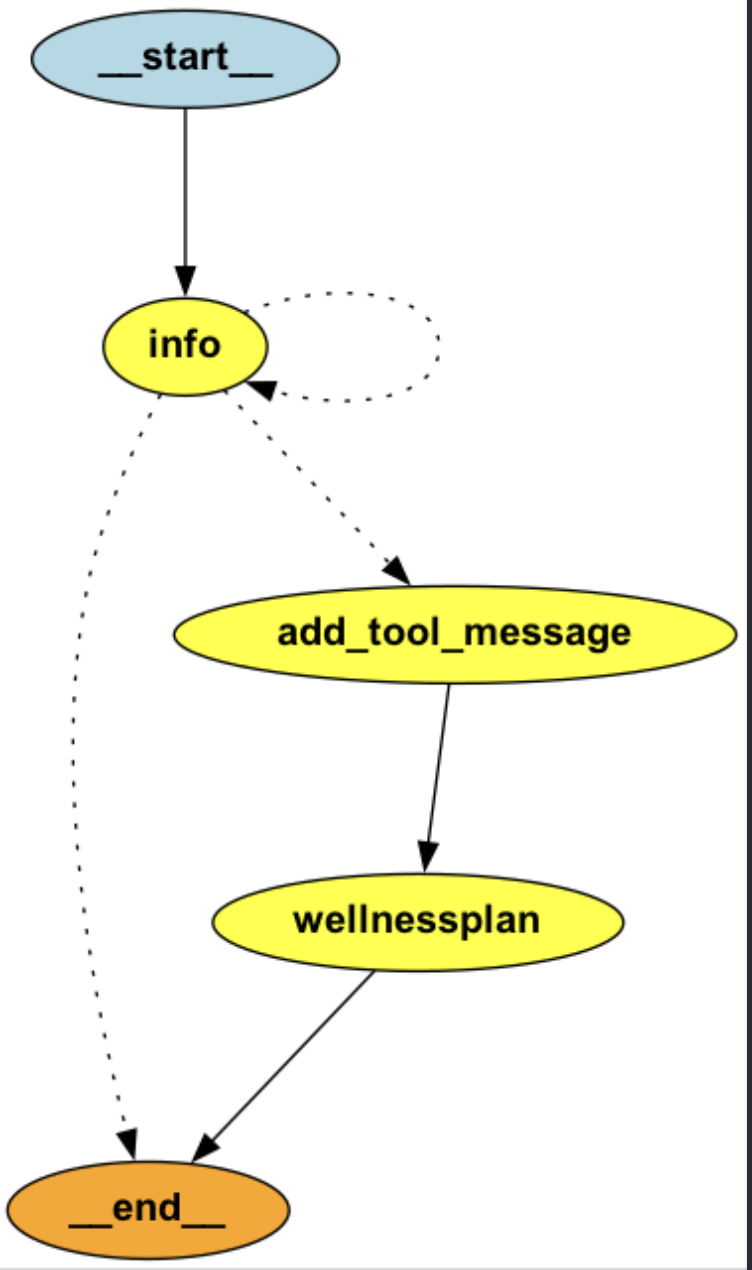
Researcher Agent
-
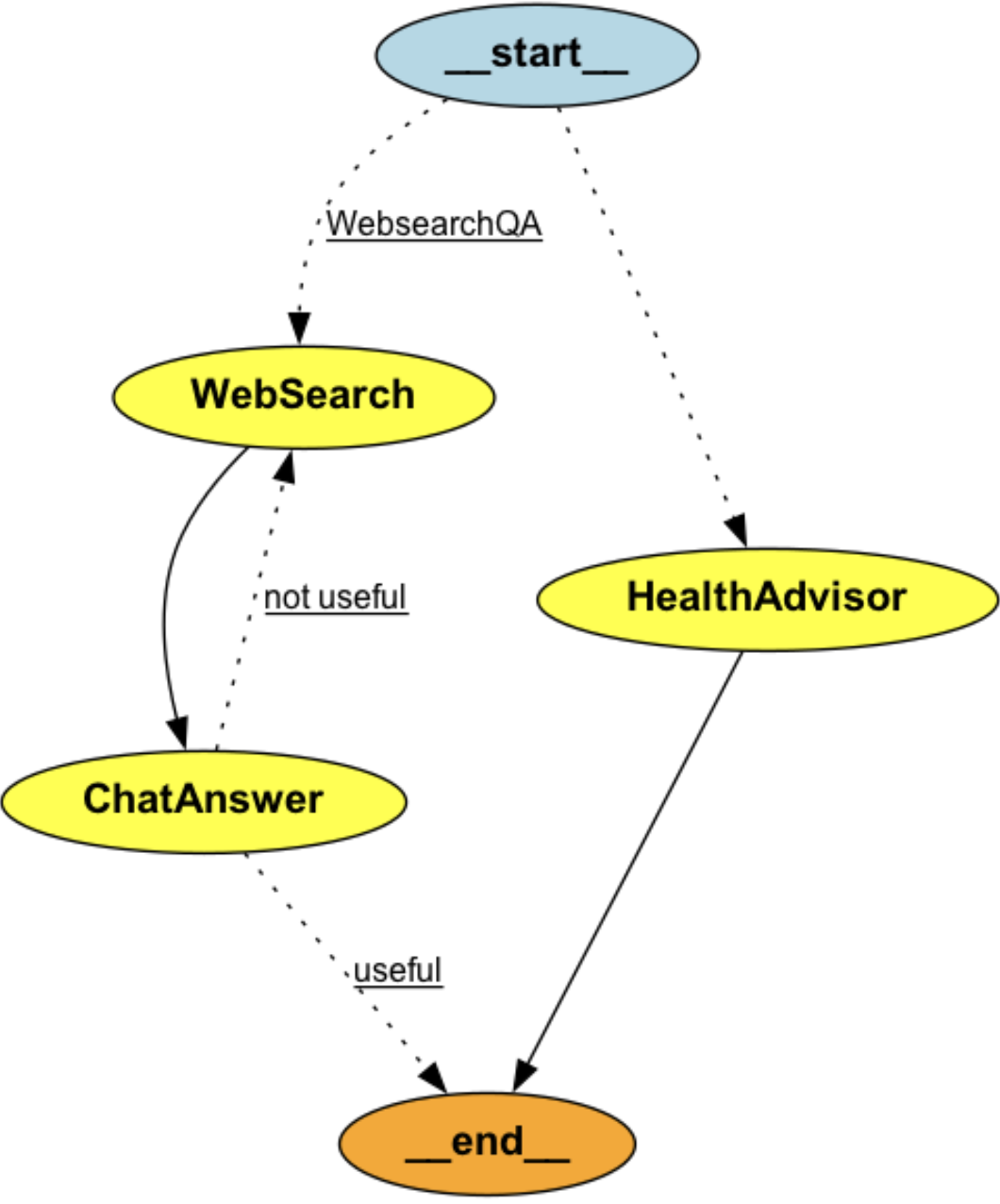
Health Coach Agent
Inspiration
The inspiration for Elysium came from repeated interactions with the medical system where behavioral practices were largely ignored and the focus was solely on treating symptoms but not optimizing one’s health. As a power user of many wearables, I often found that I was paralyzed by the sheer amount of data available combined with the opacity of the figures generated. With the advent of AI and its processing power on unstructured datasets, I believed that we could do better and provide people with the requisite resources to achieve their optimal health.
As a former athlete, I found that competition was a powerful force to promote health optimization to attain peak performance yet after structured competition it was very hard to find the motivation to expend the time and energy to continue doing so. Moreover, the state of the art technology was too expensive for the average health enthusiast, limited to only high net worth individuals and professional athletes. With AI, the information and personalization components are far easier to democratize and enable access to the best technologies for a fraction of the cost by reducing the reliance on human coaches.
The current medical system is centered around treating symptoms and diseases, yet little focus is paid to optimizing your health. Wearables sought to fill this void but are too siloed, focusing on one aspect of your overall health (sleep, nutrition, exercise) but cannot capture important correlations across these categories as a result–yet your body is a composition of all these factors and thus requires a holistic approach. Elysium seeks to fill this void, providing an AI-driven health optimization app that integrates with users' biometric data to generate a holistic view of their functional health and synthesizes these metrics into personalized, actionable protocols.
What it does
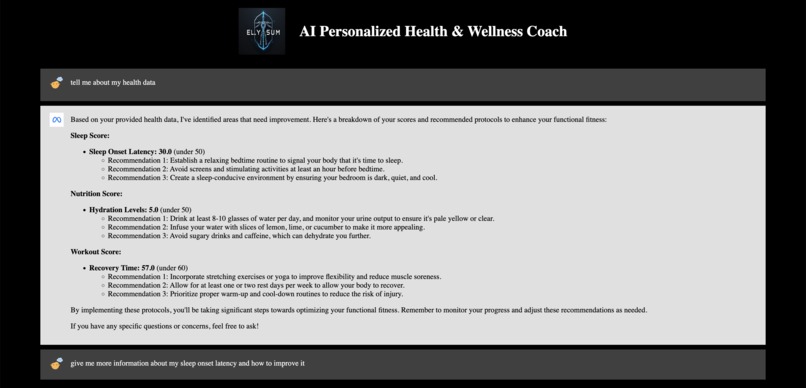
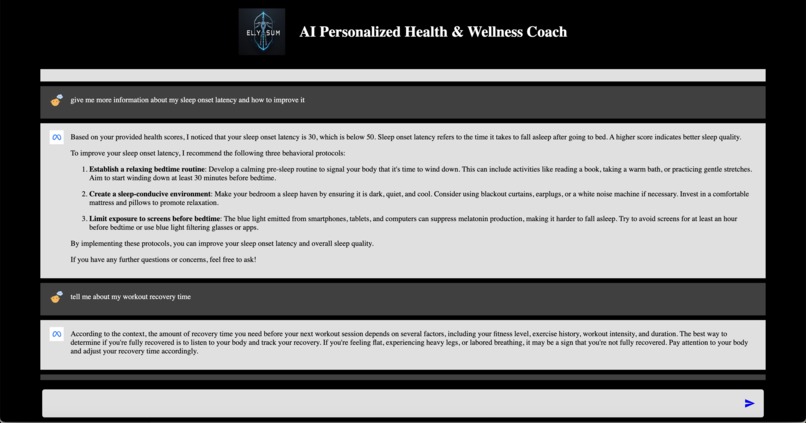
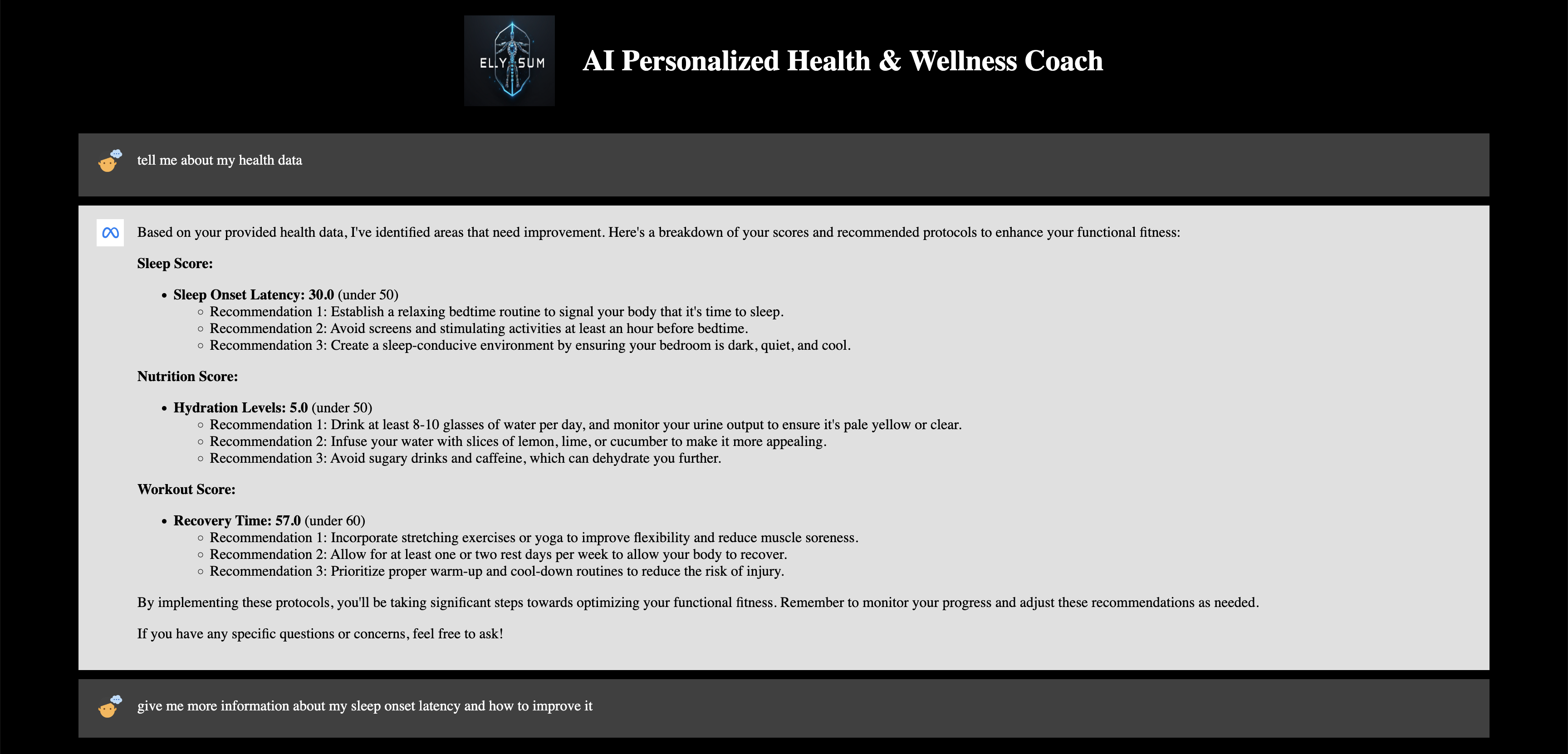
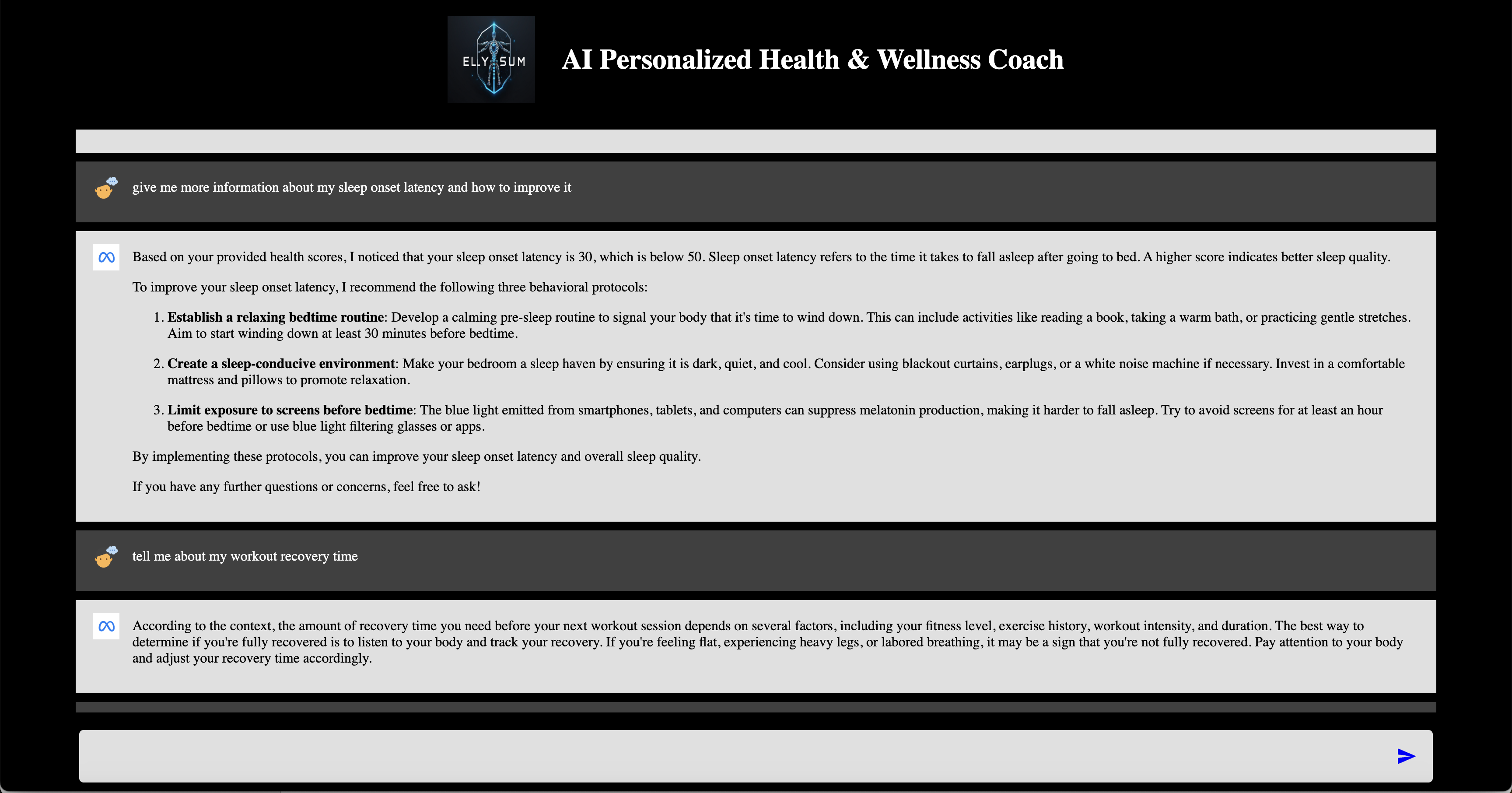
The primary features of our AI agent are that it plugs into all your disparate health data sources, analyzes the data looking for correlations, deficiencies, and irregularities, and finally synthesizes those insights into actionable protocols. The agent system is interactive and enables the user to drill down on specific details of the recommendations and ask follow up routines to mitigate any confusion and better understand its details.
Health enthusiasts who are keen on holistically improving their functional fitness can use our application to systematically analyze their biometric data, identify opportunities for improvement, and adopt new protocols into their routine. This solution would have applications across sports, fitness, chronic health patients, and more.
How we built it
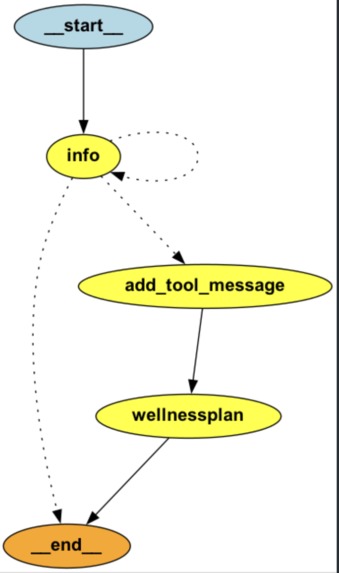
We built our frontend using React, JS, and Figma. For agent orchestration, we employed LangGraph and AgentOps.
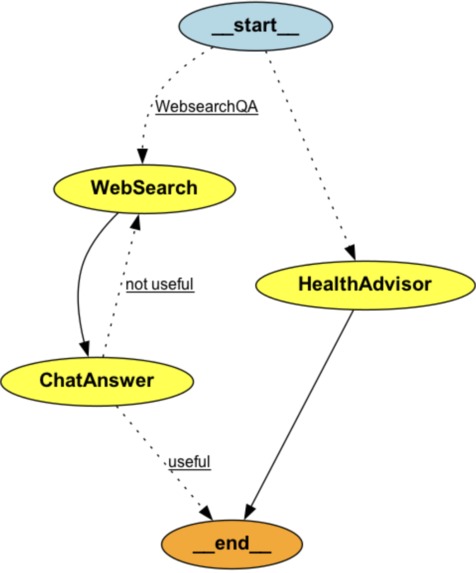
Our system architecture is a standard frontend that calls the AI agent-powered backend. The backend is composed of two agents, the researcher agent which analyzes the user’s health data and flags suboptimal areas of the user’s metrics. From there, it asks follow up questions to gather more information on deficient categories and then passes this information to the coach agent. The coach agent then synthesizes this input into actionable protocols to improve the deficient metrics as well as instructs the user on how to adopt the protocol into their routine.
We began by detailing the user journey end-to-end. Next, we developed a list of reasonable biometric data to begin our analysis with. Given the difficulty of acquiring real data, we elected to synthetically generate data with LLMs and arrived at a weighted average to develop a composite score for each category across nutrition, workouts, sleep, and genetics. From there we developed the AI orchestration component, experimenting with different prompt sequences and structures to successfully constrain the agent to useful and digestible protocol recommendations. Lastly, we designed a bare bones front end that we look to plug this into however we are tight on time to fully do so.
Challenges we ran into
The primary technical hurdle was designing effective prompt templates and orchestrating the agent workflows given the user’s health data as input with the goal of producing useful and actionable protocols. We overcame these by experimenting with many different prompting techniques and leveraging cookbook and research paper experiments.
Organizationally we worked together well as a team but unfortunately were not sharp on our design and frontend skills, thus resulting in a less visually polished product than we would have liked. However, we were able to accomplish our end to end workflow for the agent component which was the focus of our project for this hackathon.
Accomplishments that we're proud of
We’re proud to have a working prototype end-to-end for taking user health data as input and outputting actionable protocols. Future extensions of this work would include actually plugging into real health data sources, aggregating them, productionizing the agentic workflow with further constraints on recommendations, and polishing the user interface and experience. Overall we were proud of our progress for the scope of our hackathon as a proof of concept.
What we learned
We learned a lot about the end-to-end design process for agentic systems. We hope to continue building in the agent space and have learned some valuable insights that we will carry into future projects.
What's next for Elysium
We look to collect and plug in real health data to generate the insights, offer better delivery of the actionable protocols, as well as polish the user experience end to end.

Log in or sign up for Devpost to join the conversation.