-
-
Elsewhere
Inspiration
As a team, we were inspired by the film Inside Out — a story that shaped how we, as teens and early adults, learned to manage and live alongside our emotions. One of the biggest lessons it left us with is this: emotions aren’t good or bad — they just are. Suppressing them often leads to more harm than good. That insight became the emotional core of Elsewhere, our digital journaling interface.
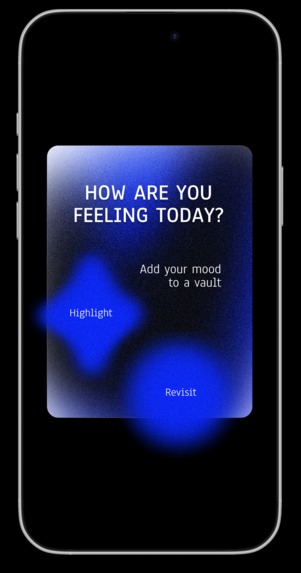
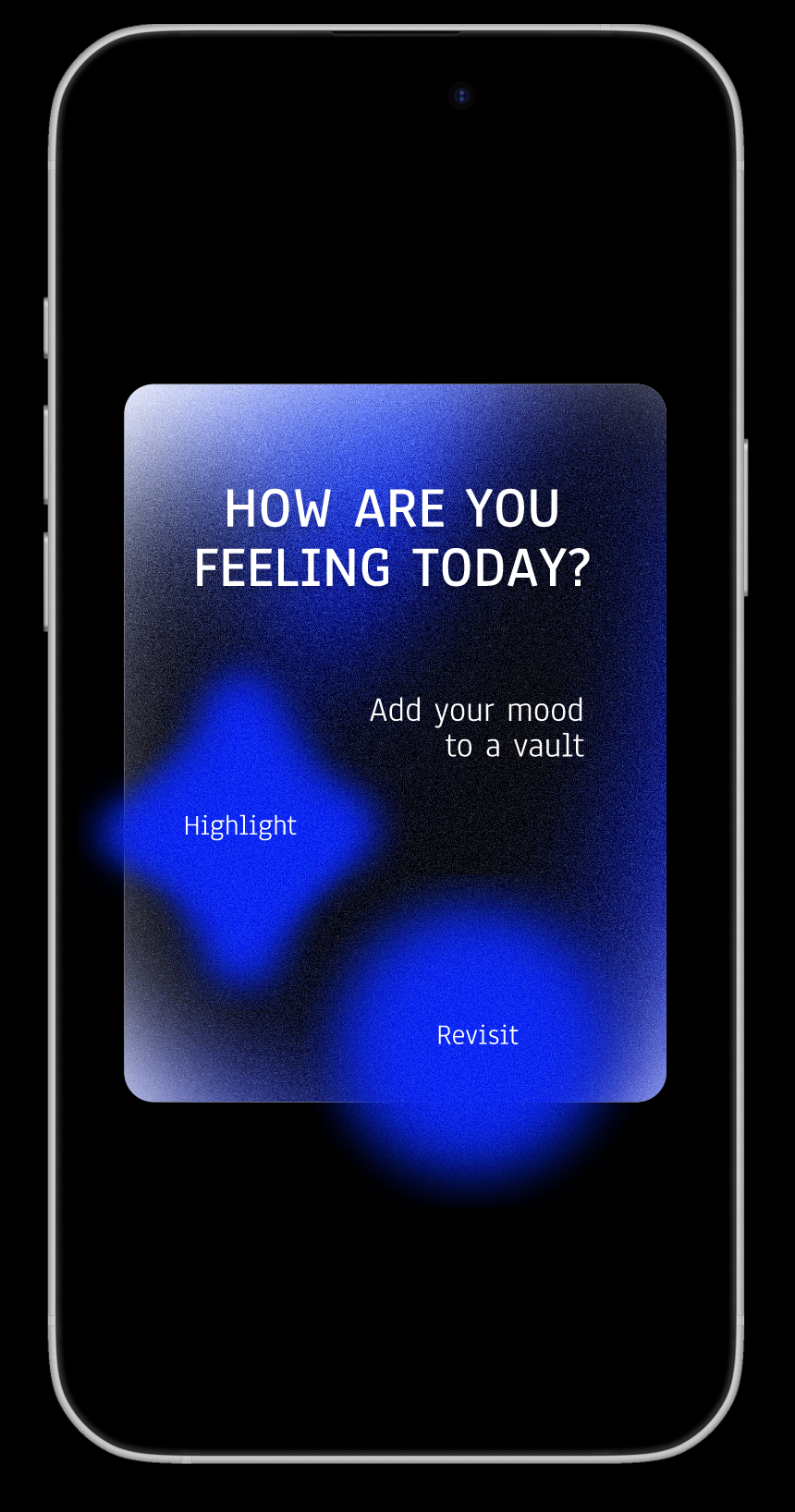
We wanted to create a space that feels like journaling, but also gently reminds you that it’s okay not to deal with everything all at once. Our app simulates the physical act of writing, while letting users either highlight emotions they want to celebrate (Treasury) or store the heavier thoughts for later (Vault). No prompts. No pressure. Just presence.
What it does
Elsewhere is a digital journaling app that recreates the emotional experience of writing in a diary while helping users manage their feelings without overwhelm. It allows users to reflect freely, highlight positive moments, and safely store heavy thoughts they aren’t ready to process through two key features: the Treasury, where uplifting entries are preserved, and the Vault, where difficult emotions can be temporarily set aside. Without prompts or pressure, Elsewhere offers a calm, intuitive space for emotional pacing, self-awareness, and ongoing reflection.
How we built it
We began brainstorming in ChatGPT to structure our emotional goals and interaction ideas. Once the core functions were clear, we moved into Figma to build out a flow that emphasized gentle pacing and agency. To make the interface visually distinct and emotionally resonant, we used Procreate to create original illustrations and UI elements that reflect the softness and safety we want users to feel inside the app.
Challenges we ran into
One of the biggest challenges we encountered was ensuring Elsewhere felt both usable and impactful for high schoolers. Many teens don’t naturally gravitate toward journaling or emotional reflection apps — so we asked ourselves:
How do we make this feel like a tool, not a task?
How can we reduce friction while still encouraging expression?
We focused on making the interactions feel intuitive, and the experience emotionally validating even for short entries. Encouraging vulnerability — without overwhelming the user — is a difficult balance, but one we felt was worth exploring deeply.
Accomplishments that we're proud of
What we learned
Throughout the process, we deepened our understanding of how microinteractions can shape emotional experience. We learned to translate abstract feelings into visual and tactile interactions — like dragging thoughts upward for safekeeping or downward for storage. Most importantly, we learned how to integrate real user research into our decisions. Our interviews with students helped us see how many teens feel overwhelmed by the expectation to process everything immediately. That insight drove many of our design decision
What's next for Elsewhere
What’s next for Elsewhere is centered on growth, usability, and impact. After building the foundation of our app, our next step is to conduct usability testing with high school students to refine interactions and better understand how they naturally engage with the Vault and Treasury features. We also aim to expand Elsewhere into educational and counseling settings, where it can support emotional literacy in a non-intrusive, reflective way. Additionally, we plan to explore optional personalization features such as mood-based tagging, glow summaries, and visual memory gardens that reinforce the idea that emotions can be returned to on one’s own terms. Ultimately, Elsewhere is not about prescribing emotional responses but creating a space that listens, encourages gentle reflection, and grows with the user.
Built With
- figma
- procreate

Log in or sign up for Devpost to join the conversation.