-
-
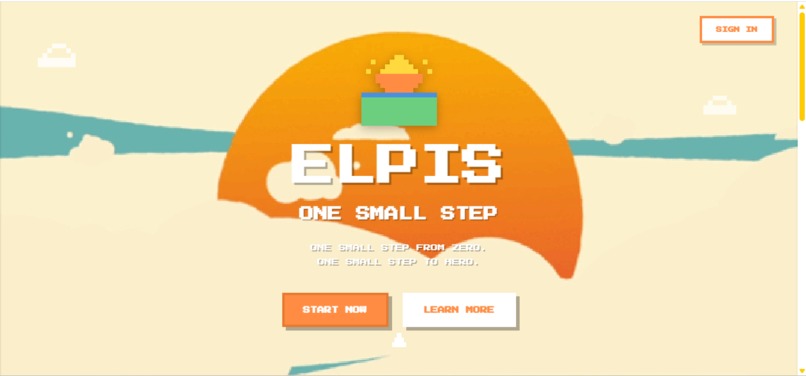
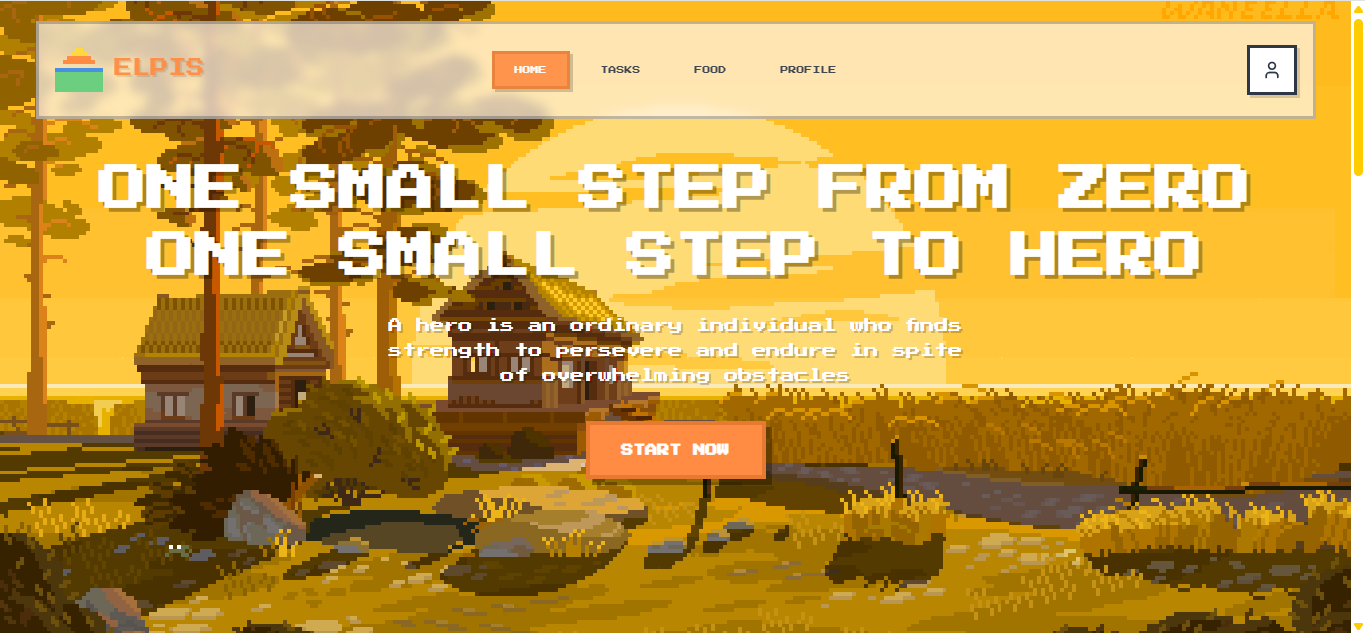
landing page
-
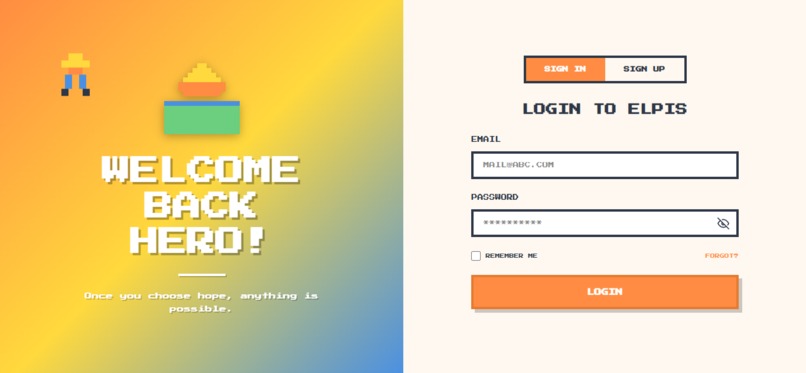
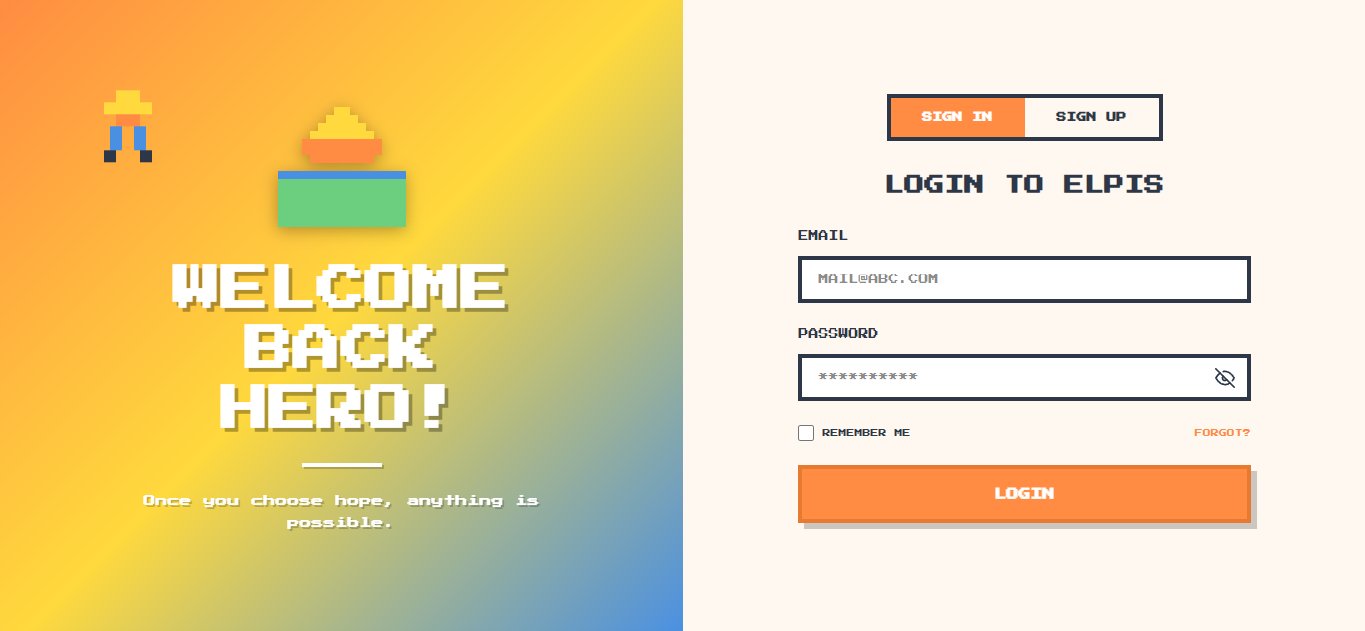
sign in
-
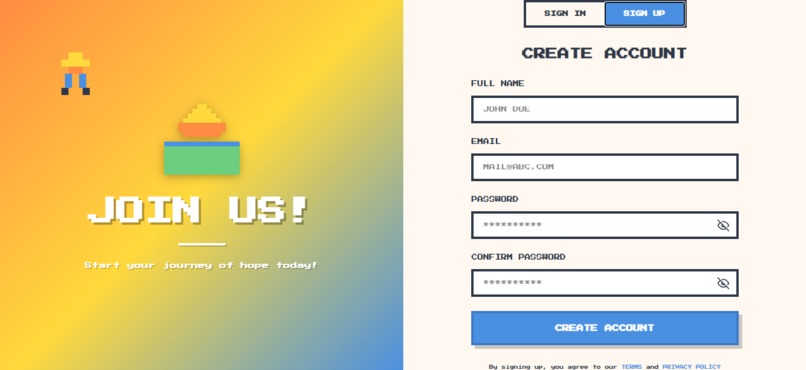
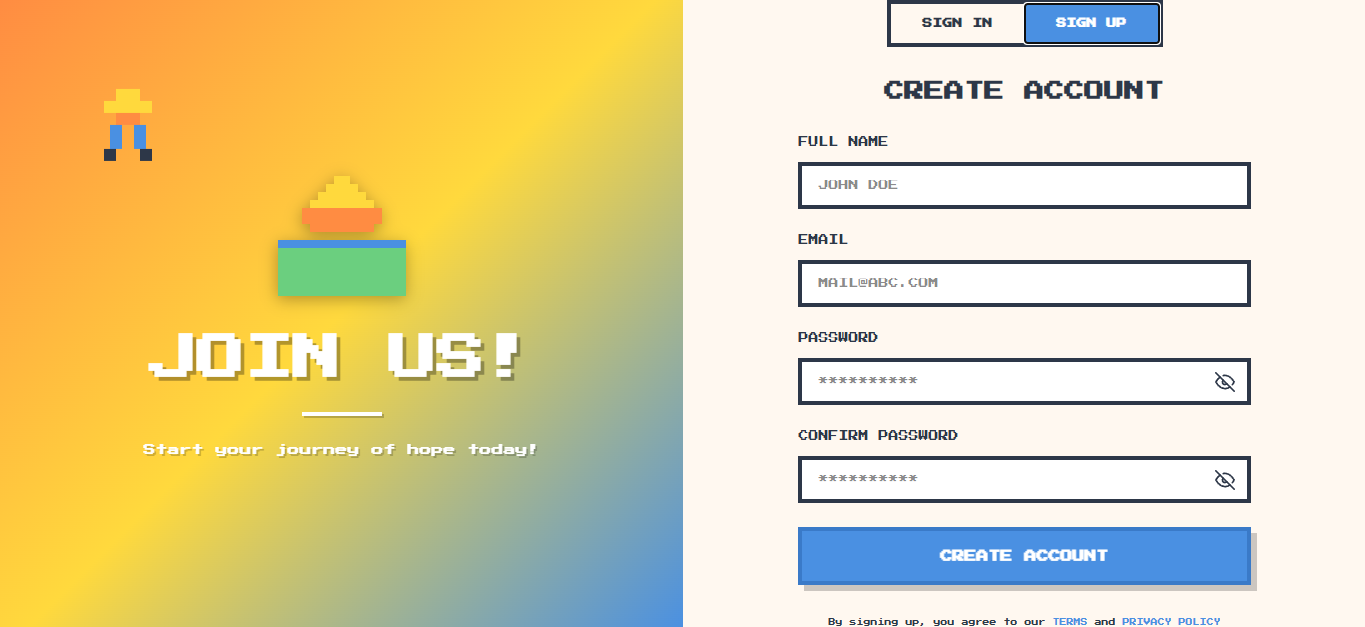
sign up
-
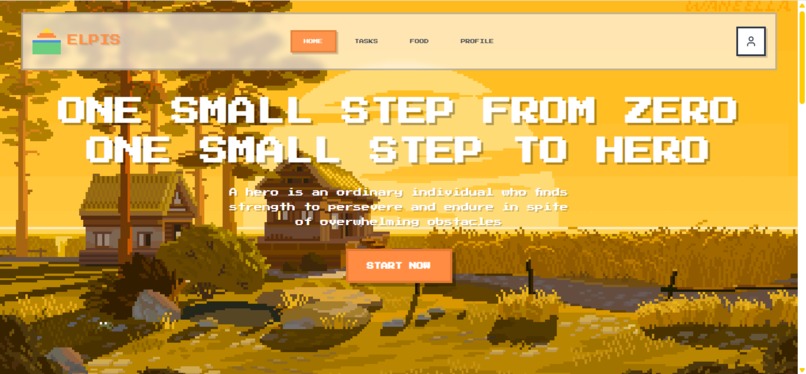
home
-
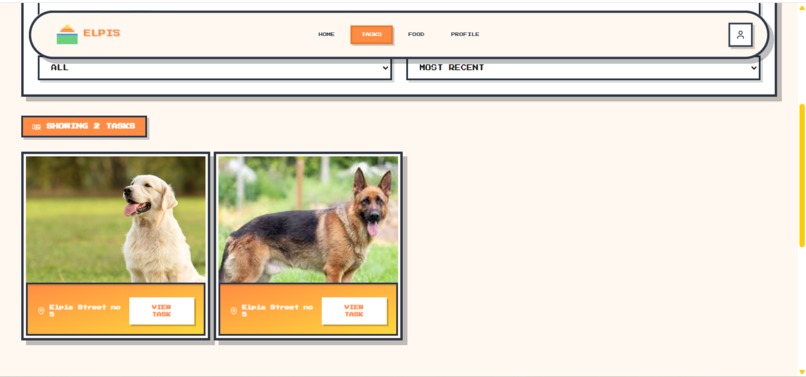
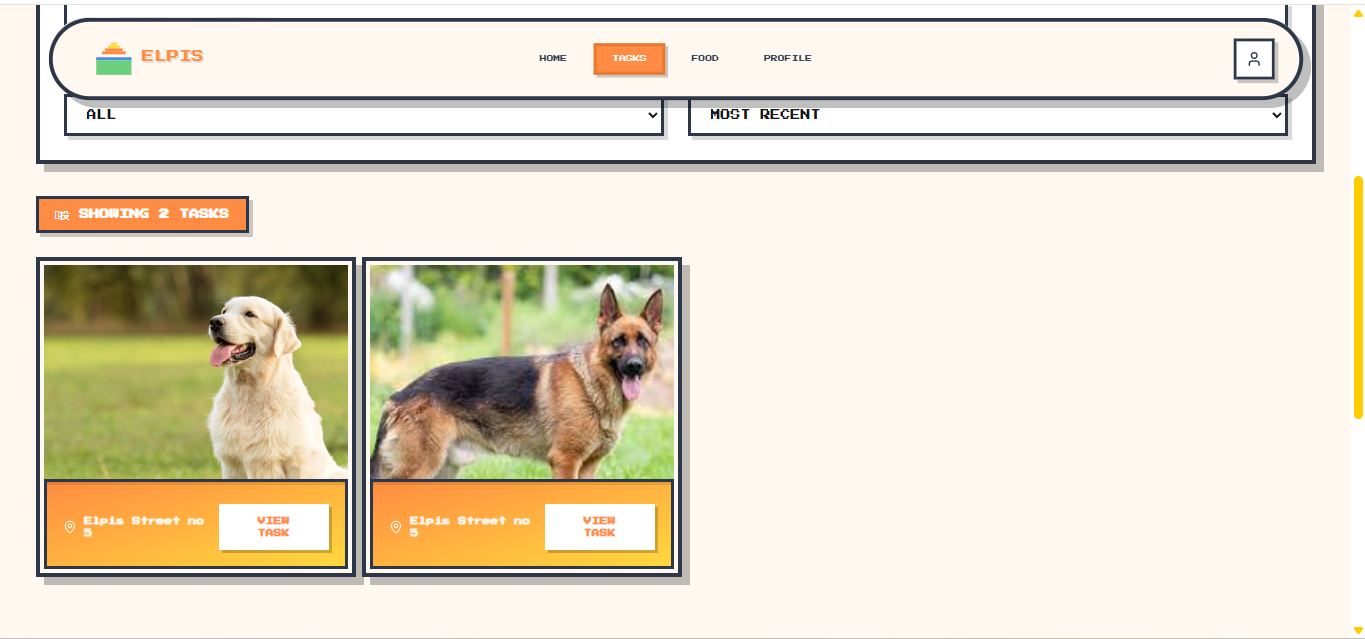
list task
-
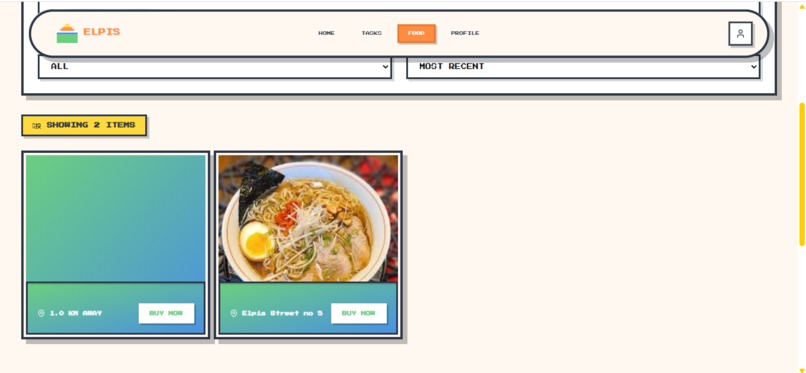
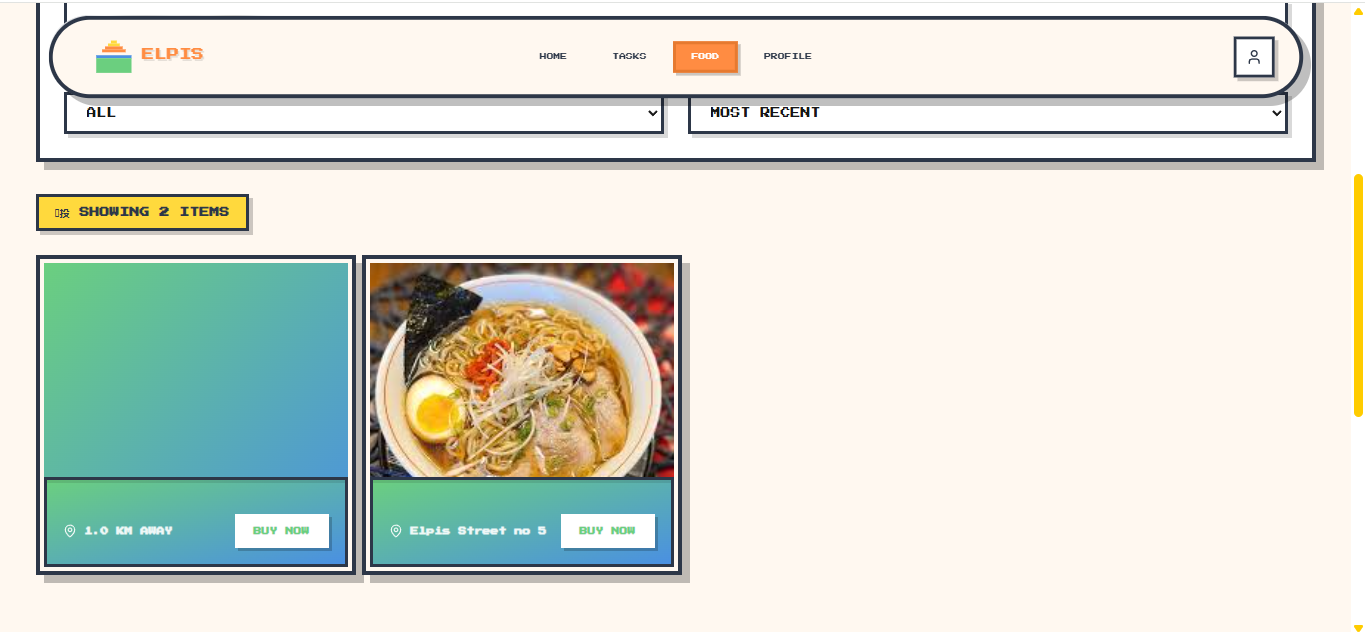
list food
-
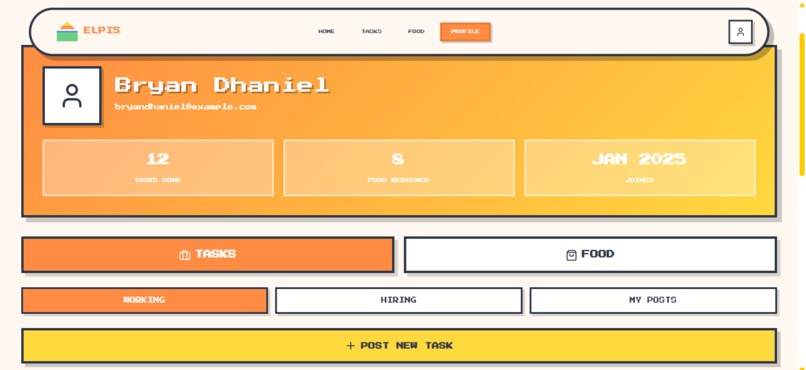
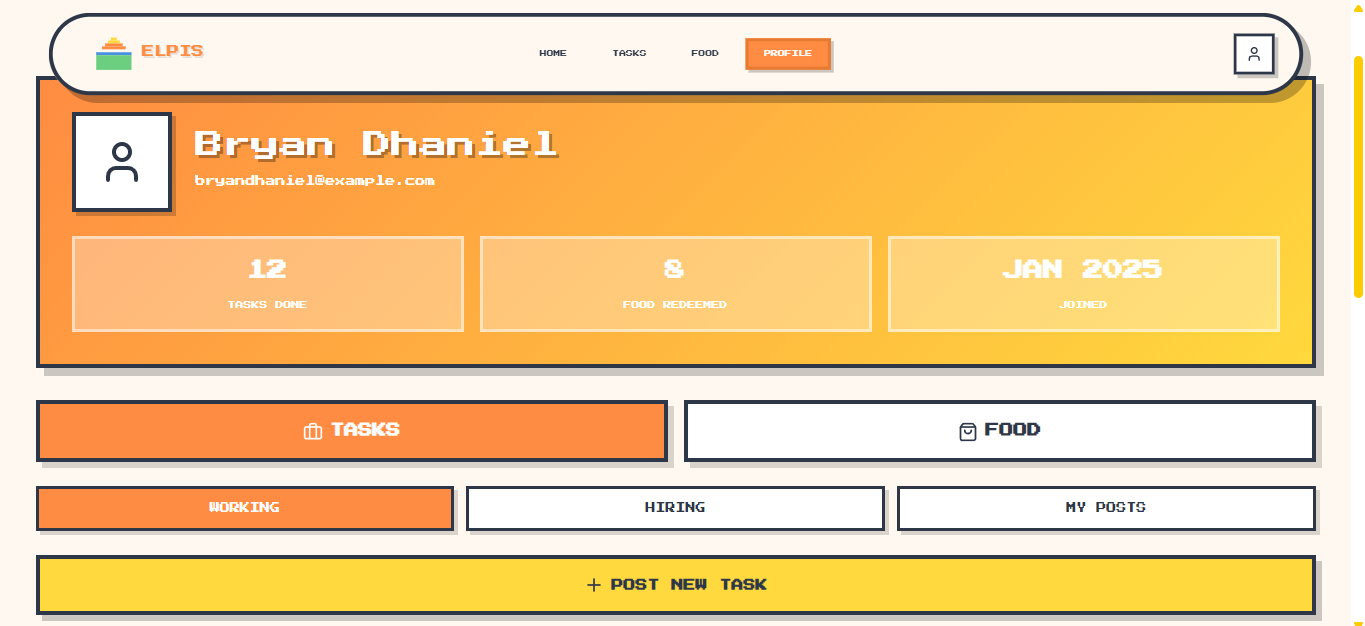
profile
-
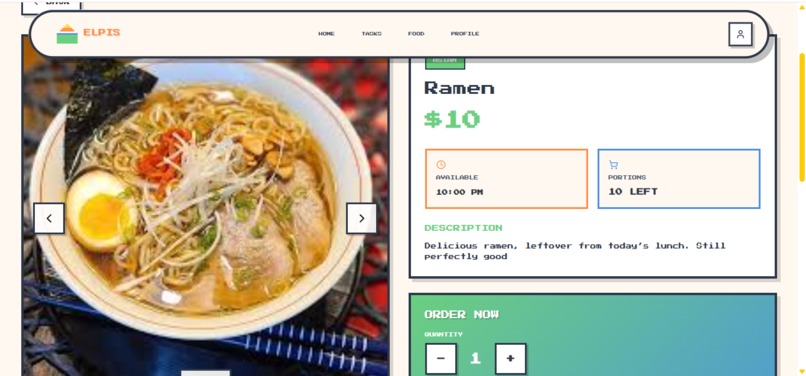
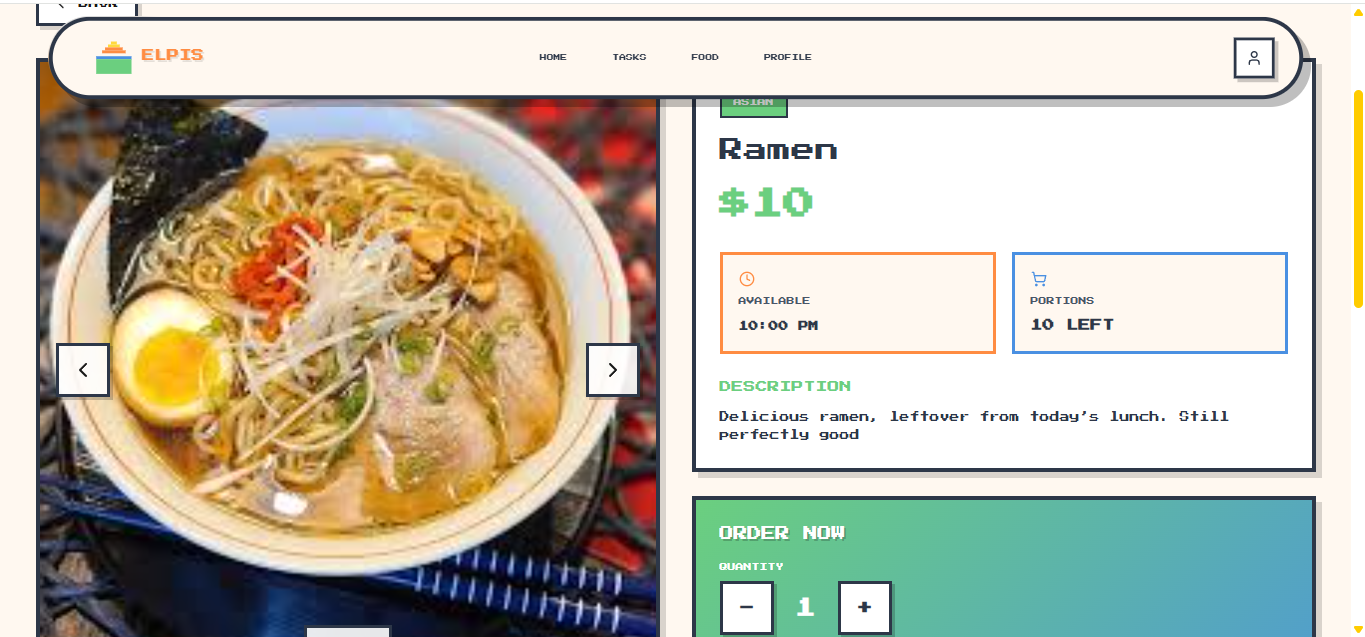
food detail
-
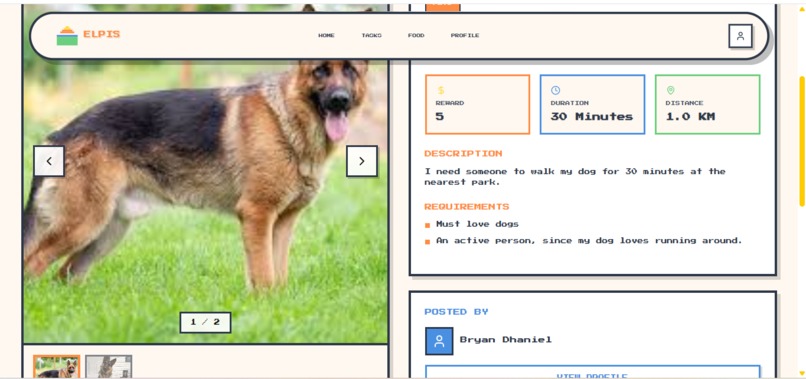
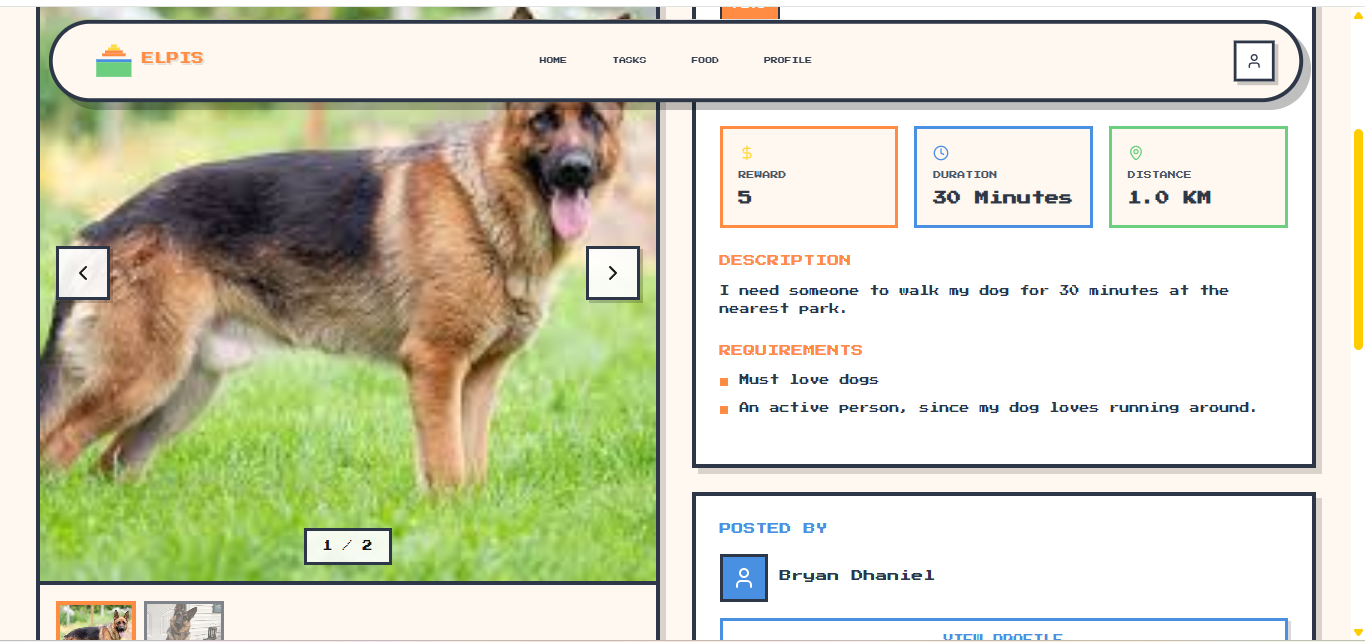
task detail

Inspiration
Every day, restaurants throw away tons of perfectly edible food, while many people still struggle to afford a proper meal. At the same time, small daily tasks like walking pets, helping with groceries, or delivering items often go undone because people lack time. Elpis was inspired by the idea of combining these two worlds — turning unused food and simple community tasks into opportunities for everyone
What it does
Elpis is a web platform that connects people and restaurants in a circular economy:
- Individuals can earn money by completing small local tasks.
- Restaurants can sell surplus meals at lower prices instead of wasting them.
- The platform helps reduce food waste, empower local communities, and create micro-jobs for people in need.
How we built it
Frontend: Next.js + Tailwind CSS for a responsive and accessible interface. Backend: Next.js API Routes for handling food listings, and user tasks. Database: MongoDB for food and task listings and Cloudinary for images.
Challenges we ran into
- Combining two marketplaces (food & task) into a single, intuitive experience.
- Handling real-time updates between restaurants and users.
- Designing a fair reward system that balances money and food credits.
- Managing limited development time and resources during the hackathon.
Accomplishments that we're proud of
- Building a functional MVP that connects restaurants and people effectively.
- Designing an interface that feels simple and community-driven.
- Creating a system that promotes sustainability and helps reduce food waste.
What we learned
- How to integrate social impact with technology and design thinking.
- How small incentives can drive large-scale behavioral change.
- The importance of balancing usability, scalability, and social good in one product.
What's next for Elpis
- Expand the AI matching system to better connect users and restaurants.
- Launch mobile and PWA versions for easier community access.
- Partner with local businesses, NGOs, and municipalities for real-world pilot programs.
- Implement gamification and reputation systems to encourage continued participation.
Built With
- cloudinary
- mongodb
- next.js
- node.js
- rest-api
- tailwindcss
- typescript
- vercel


Log in or sign up for Devpost to join the conversation.