-
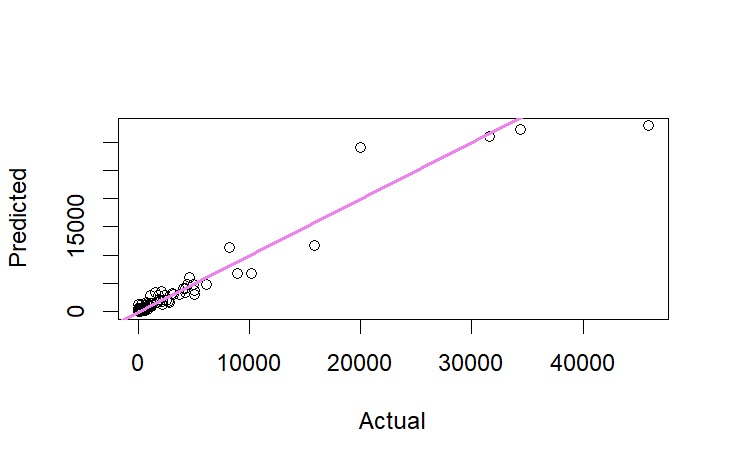
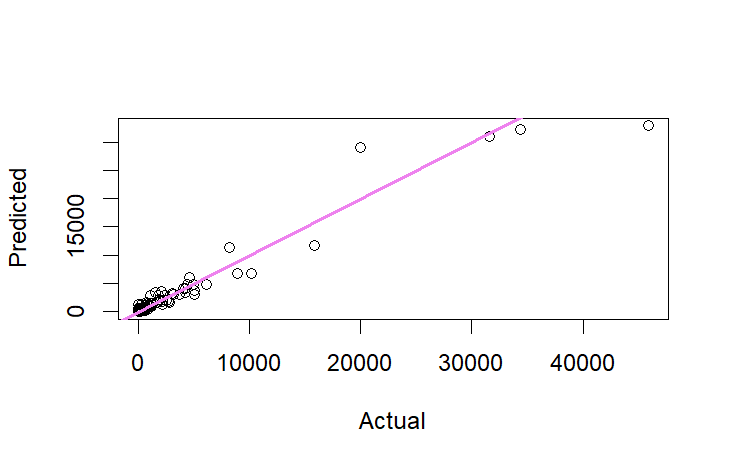
This is a plot of the model's predicted values against the actual values to check how well the second model is predicting. The line is y = x
-
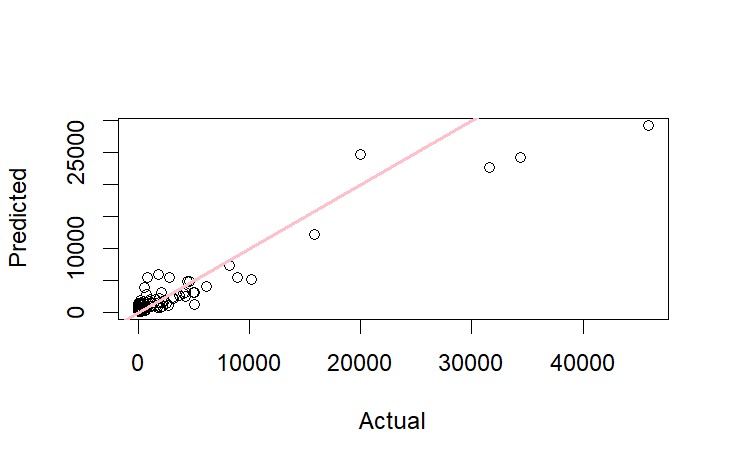
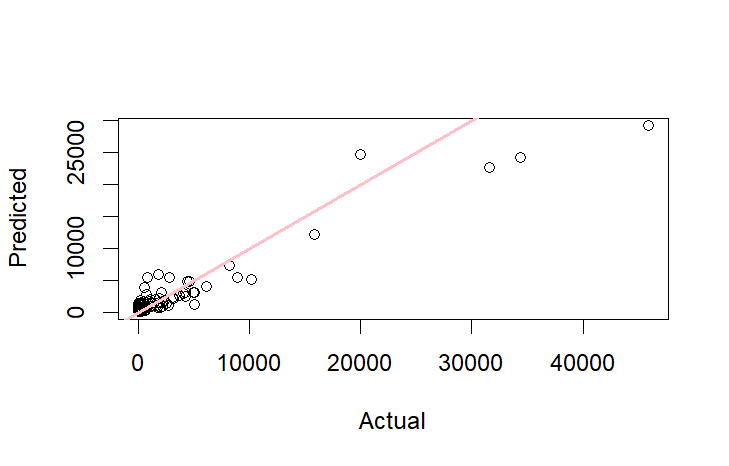
This is a plot of the model's predicted values against the actual values to check how well the first model is predicting. The line is y = x
Inspiration
Iconic African savannah elephants are increasingly vulnerable to our changing climate, specifically droughts and heatwaves. As such, understanding how climate factors impact elephant populations is key to enabling future population predictions, helping to inform future conservation efforts. We wanted to utilise the vast amount of weather data available, to uncover trends between previous weather patterns and recorded numbers of elephants.
What it does
This is a predictive modelling project focused on Zimbabwe's savannah elephants. Our random forest model was trained on historical data such as population size, area of land inhabited and annual precipitation and temperature levels. Using the data we had available, it learnt to map between certain weather conditions and the resulting size of the population. Once our model was trained, it can now take in future weather data and predict the size of the elephant population.
How we built it
A significant portion of the project involved cleaning the data, compiling data sets from many different sources such as “The elephant database” and “Africa datahub” to get a comprehensive overview of the factors that impact the size of the population. We conducted research into characteristics of these majestic creatures to gain a better background understanding of their lifestyle, aiding us in this project. Next we analysed key variables, establishing that precipitation and temperature had the most impact, and focused our model around that. Once we’d established the parameters that were key we trained our random forest model based on the historical data to achieve a good accuracy on our test data (see the graph). As a result, this model can be used with future climate data to predict the elephant population.
Challenges we ran into
Data surrounding the African Savannah elephants was very hard to come by. It was very fragmented and it took a lot of time to ensure consistency between our multiple sources of data. On the other hand, even though there is an abundancy of climate data, ensuring it matched up with our elephant data took time and made us evaluate how best to work with the data. For example, do we look at average precipitation, or the min and max, and how regularly should we include measurements.
Accomplishments that we're proud of
Our model has great accuracy and seems to uncover a relationship between weather patterns and elephant population. Its really nice to work on a project where we can easily see the impacts of our predictions and to work on something more “physical” that is actually applicable to real life. Also, as two maths students and a chemistry student, we are proud of how we pushed ourselves to try something new.
What we learned
Data is hard to clean! Even when there is a lot of data, it is very unlikely to be in the right format so we learnt a lot about perseverance and really diving into the data. We learnt the importance of background research to gain an overview of the subject to inform our decisions throughout the project. For example, had we not researched elephants and learnt that they need 300l of water a day, we might have put less emphasis on the importance of precipitation in our model. This additional research allowed us to choose the data that was relevant and contributed to our high accuracy
What's next for this project
This model can be paired with a climate prediction model to predict future population numbers based on future climate patterns. We’d like to see it scaled up to look at trends across different countries outside of Zimbabwe. If given more time we would also have liked to include more factors in our model, for example CO2 emissions and human population figures to uncover even more of the dynamics, to make our model even more adaptable. As the range of data increases, we could see more applications to conservation efforts, for example, seeing where new initiatives would have the most impact.


Log in or sign up for Devpost to join the conversation.