-
-
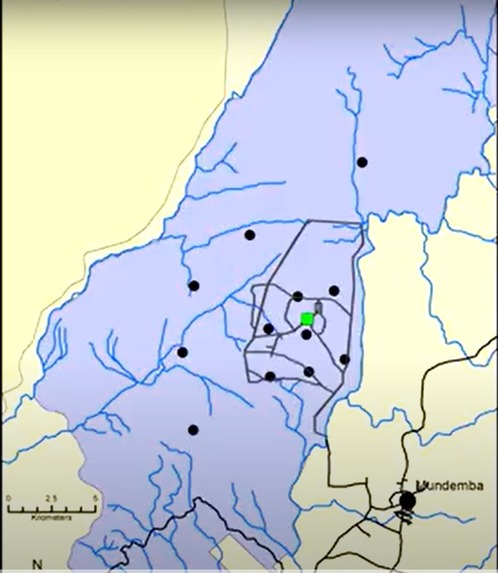
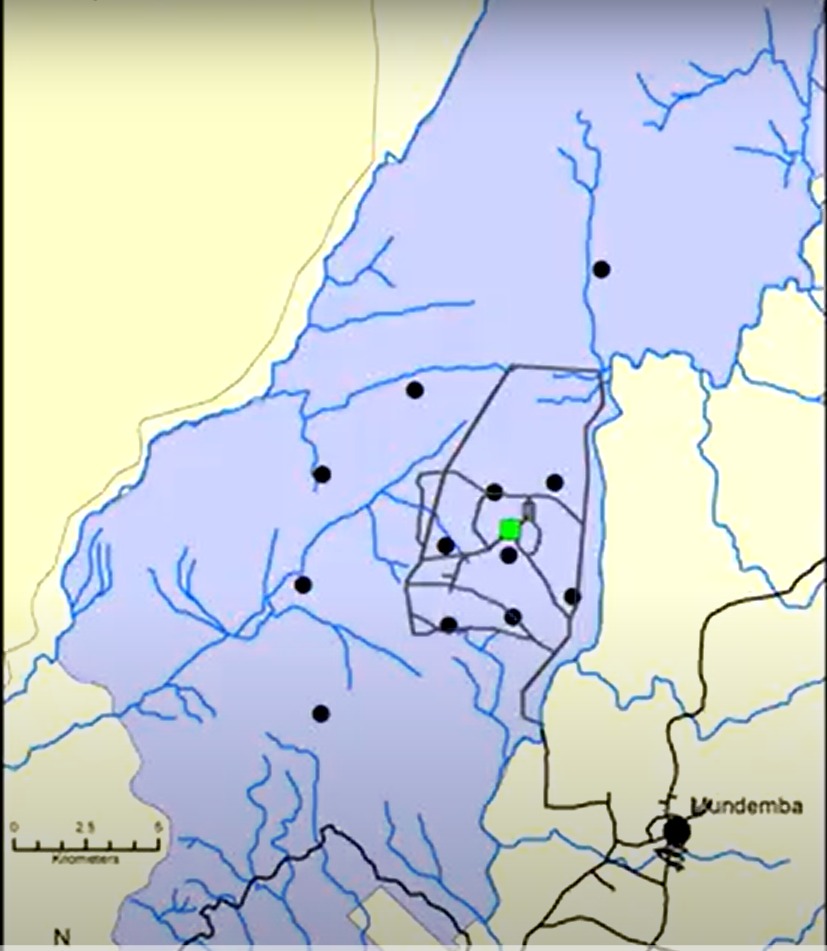
MARKERS OF ACOUSTIC RECORDERS
Inspiration
The inspiration for this project stemmed from the urgent need to address the increasing human-elephant conflicts and the rising threats of elephant poaching and hunting. Witnessing the detrimental impact of these issues on the elephant populations and their ecosystems fueled our dedication to develop an advanced solution that could detect and classify distress calls in real-time.
What it does
Our project utilizes Convolutional Neural Networks (CNNs) to accurately identify and differentiate elephant distress calls from other ambient sounds. By leveraging advanced audio analysis techniques, our system can promptly detect and raise alerts for potential conflict situations, enabling timely interventions to mitigate risks and ensure the safety of both elephants and local communities.
How we built it
The project was built through a comprehensive process that involved collecting and preprocessing extensive elephant distress call datasets. We then implemented a Convolutional Neural Network architecture, fine-tuned for audio signal processing, and trained it on the collected datasets. Transfer learning techniques were also employed to enhance the model's adaptability across various elephant habitats and populations.
Challenges we ran into
During the development process, we encountered challenges related to the complexity of the elephant distress call patterns and the presence of significant environmental noise. Ensuring the robustness of the CNN model and optimizing its performance across diverse geographical locations presented additional obstacles that required rigorous experimentation and fine-tuning.
Accomplishments that we're proud of
We are immensely proud to have successfully created a reliable and efficient system capable of accurately identifying elephant distress calls in real-time. Our model's high accuracy rates and its ability to differentiate distress calls from other ambient sounds represent a significant milestone in mitigating human-elephant conflicts and enhancing wildlife conservation efforts.
What we learned
Through this project, we gained profound insights into the intricate acoustic patterns of elephant distress calls and the technical intricacies of training CNN models for audio signal processing. Furthermore, we developed a deeper understanding of the importance of integrating technological advancements with conservation initiatives to address critical environmental challenges effectively.
What's next for Elephant distress call identification using CNN's
In the future, we aim to expand the project's scope by integrating advanced sensor technologies and IoT devices to enhance the system's real-time monitoring capabilities. Additionally, we plan to collaborate with wildlife conservation organizations and local communities to implement the solution in various elephant habitats, contributing to a more comprehensive and proactive approach to mitigating human-elephant conflicts and protecting endangered elephant populations.
Built With
- cnn
- geo-mapping
- tensorflow
- tensorflow-io

Log in or sign up for Devpost to join the conversation.