Inspiration The inspiration behind Elenii Shepherd came from a deeply personal place: witnessing the everyday struggles of visually impaired family members and friends in Nigeria. For example, James—a relative in Jos—despite his intelligence, faced constant barriers moving around safely and independently because affordable, relevant assistive technology simply didn't exist locally. Conversations with dozens of visually impaired Nigerians reinforced how little local tech met their true needs. Their stories of missed opportunities and daily challenges motivated us to create a solution that would restore both independence and dignity.
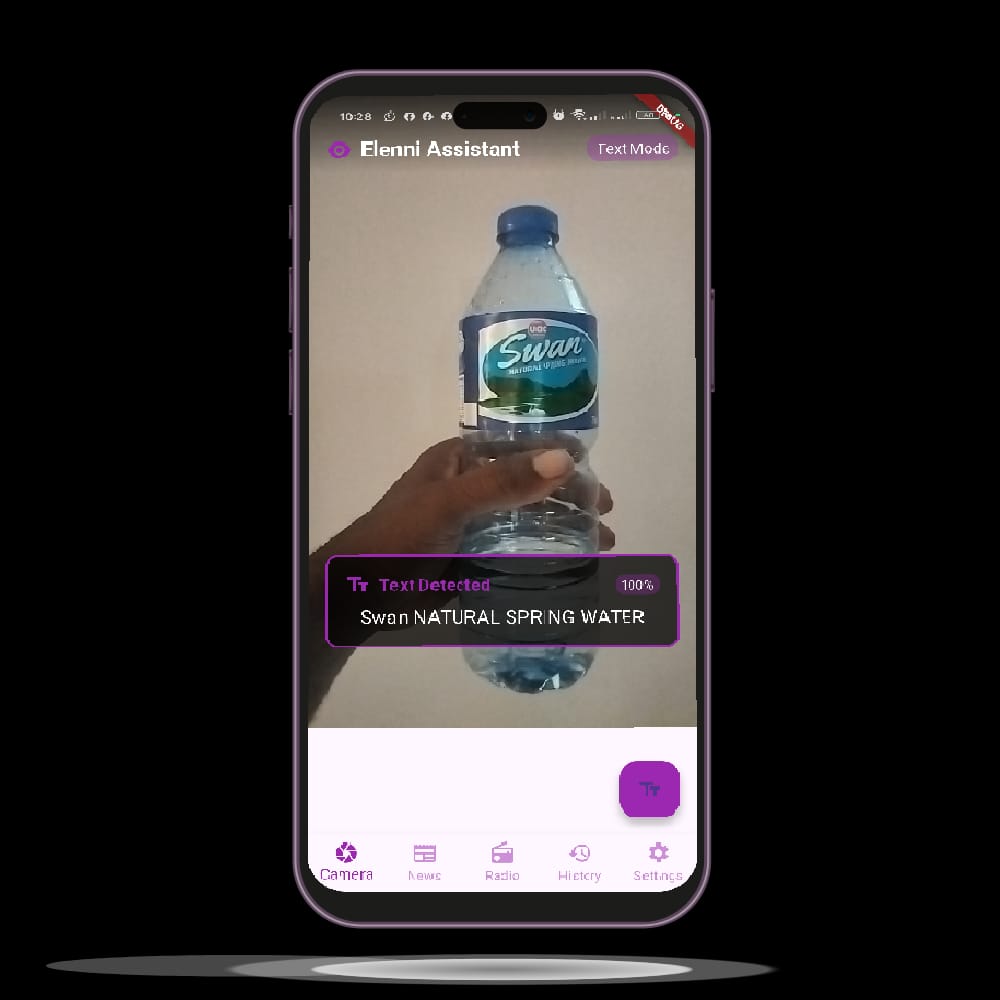
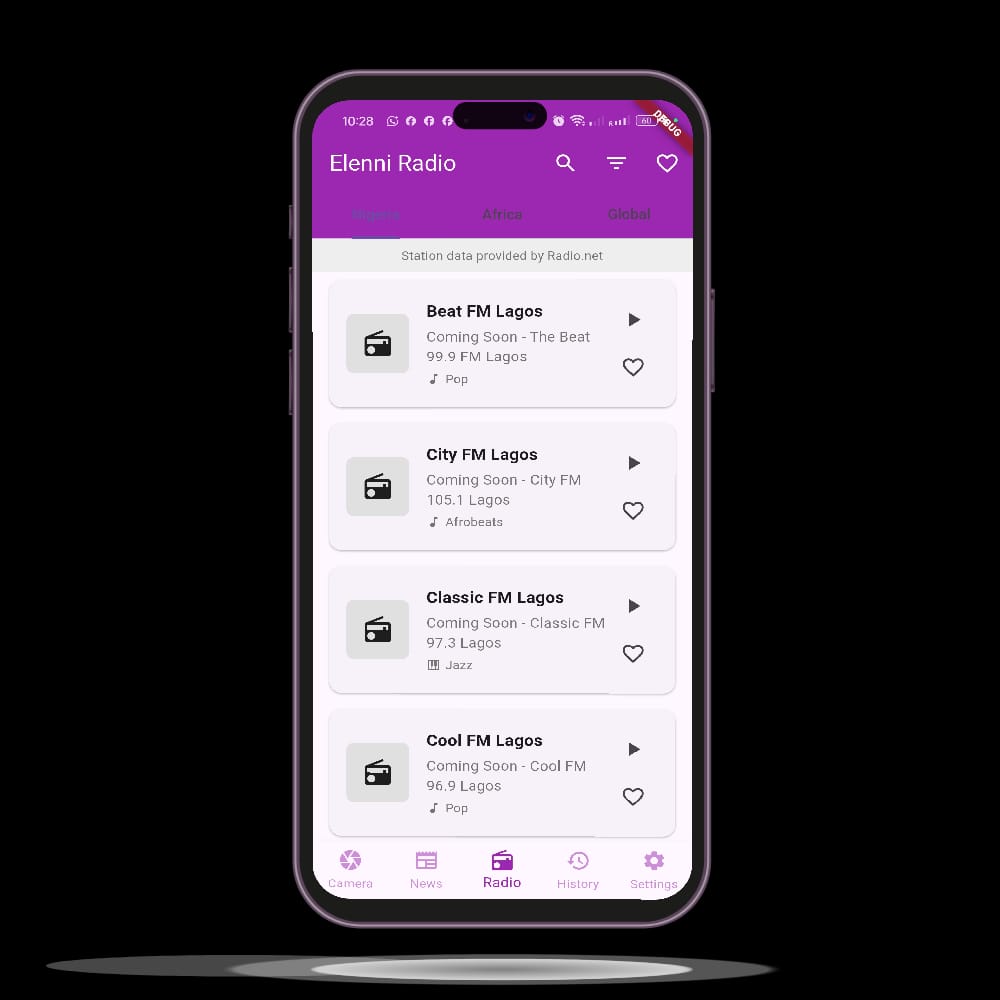
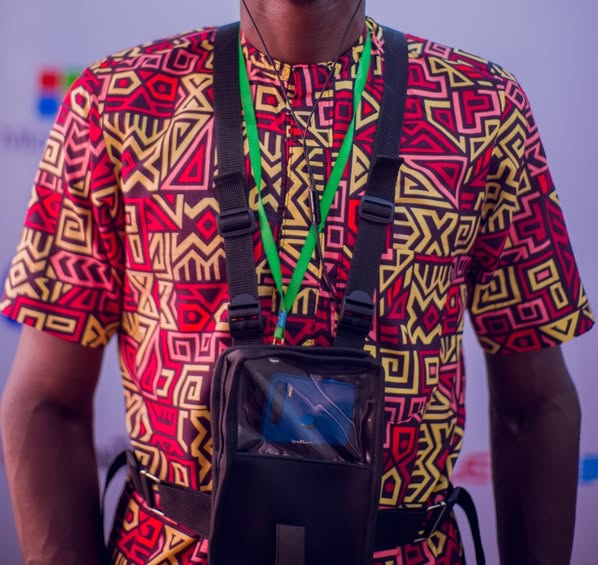
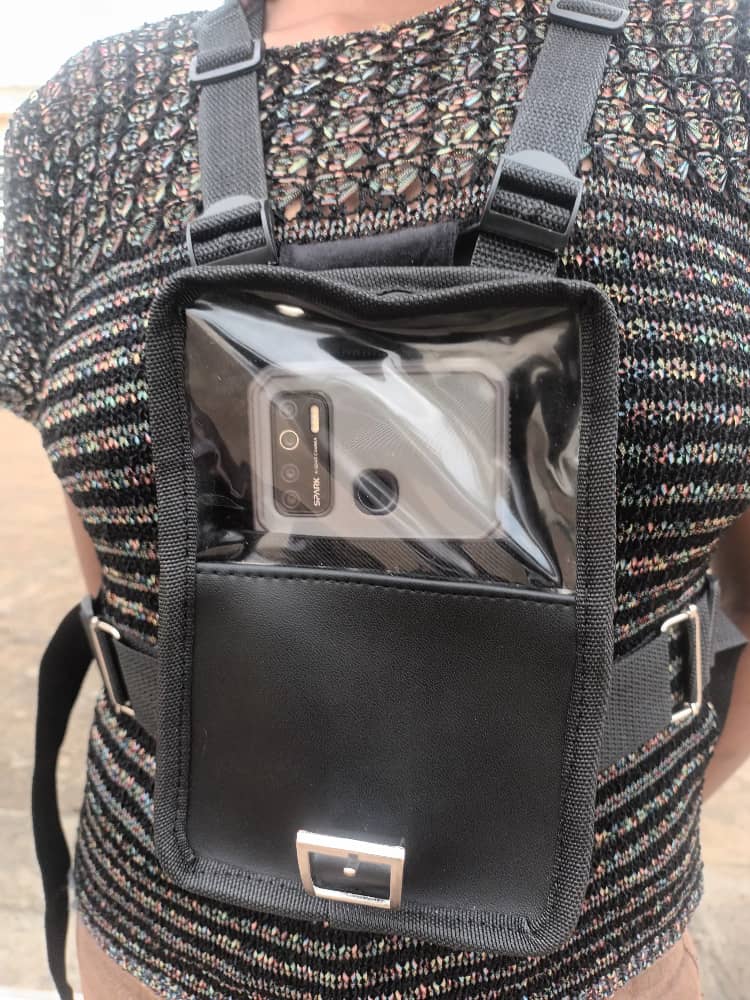
What it does Elenii Shepherd enables visually impaired Nigerians to navigate independently, read signs and documents, and stay informed—all offline and in local languages. The solution combines a hands-free chest strap that securely holds any Android smartphone with an AI-powered app that:
Detects obstacles and provides real-time navigation guidance
Reads printed documents, signs, and audio content in familiar Nigerian languages
Offers access to local news and radio without an internet connection
By leveraging devices many already own and removing barriers like expensive imported hardware and the need for constant internet, Elenii Shepherd makes modern assistive tech accessible for the first time to millions.
How we built it User Engagement: We began with outreach sessions at the University of Jos, engaging over 80 visually impaired individuals to understand their daily realities and technical preferences.
Prototyping and Validation: Built and refined physical prototypes—a harness designed to fit any Android phone, with a secure three-step locking system for safety.
AI & Software Development: Developed an offline, multilingual AI app that integrates computer vision for obstacle detection and text/speech for reading assistance.
Iterative Testing: Conducted real-world user testing, incorporated feedback, and improved accessibility features rapidly with our visually impaired team advisor.
Partnerships: Collaborated with NGOs, schools, and accessibility advocates to lay the groundwork for distribution and scale.
Challenges we ran into Hardware Adaptation: Creating a universal, affordable harness that could work with diverse phone sizes and remain comfortable for daily use required multiple design iterations.
Reliable Offline AI: Most navigation and reading solutions are internet-dependent; building robust AI models that function fully offline with limited compute resources was a significant challenge.
Funding Constraints: As a new, locally grown startup, accessing pre-seed capital for both manufacturing and software development was tough. We relied on small hardware sales, in-kind credits, and volunteer hours to keep going.
Distribution Logistics: Reaching visually impaired users outside major cities highlighted barriers in awareness, trust, and delivery—necessitating institution-driven distribution plans.
Definition of Success: Setting measurable milestones for user onboarding and partnership traction took several attempts, but was crucial for keeping the project focused and fundable.
Accomplishments that we're proud of Early Product Traction: Engaged 80+ visually impaired users in pilots, sold an initial batch of harnesses, and amassed a pre-launch waitlist of over 500.
Collaborative Team: Built a founding team mixing tech, operations, public health, and lived experience—including a visually impaired Microsoft Learn Ambassador guiding accessibility.
Recognition and Partnerships: Accepted into the Microsoft Founders Hub with $5,000 in credits and initiated collaborations with global NGOs and local institutions.
Local Impact Vision: Developed Nigeria’s first affordable, offline, AI-powered navigation tool tailored to local languages and contexts, not just adapted from abroad.
What we learned Listen First: The best solutions emerge directly from community insights. Early and continual engagement with visually impaired individuals shaped our design and ensured relevance.
Local Context Matters: Solutions imported from abroad miss critical factors—language, power reliability, trust in technology, and affordability—that define true usability in Nigeria.
Accessible Tech is Empowering: When technology is both affordable and tailored, it can genuinely transform lives, not just by solving technical problems, but by restoring independence and dignity.
Scale Requires Partnerships: Institutional channels (schools, NGOs, government) are essential for both credibility and rapid reach in markets like ours.
What's next for Elenii Shepherd MVP Launch: Prepare for our minimum viable product launch, incorporating user feedback from ongoing pilots.
Pilot Expansion: Roll out pilot programs in at least two new states, building institutional partnerships and measuring real-world impact.
Product Refinement: Enhance obstacle detection under all lighting conditions and expand local language support.
Sustainable Growth: Secure pre-seed investment, scale manufacturing, and reach our goal of onboarding 600 users in the first 12 months.
Broader Vision: Demonstrate that African-led solutions can set new standards in accessibility, and expand to serve millions of visually impaired people across Nigeria and West Africa.
Elenii Shepherd is on a mission to empower independence, restore dignity, and prove that assistive innovation can and should be built for local realities from the ground up.
