-
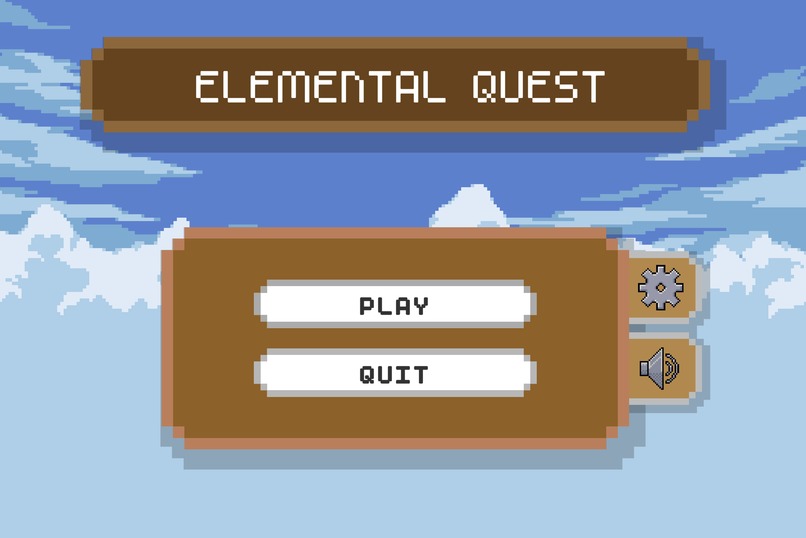
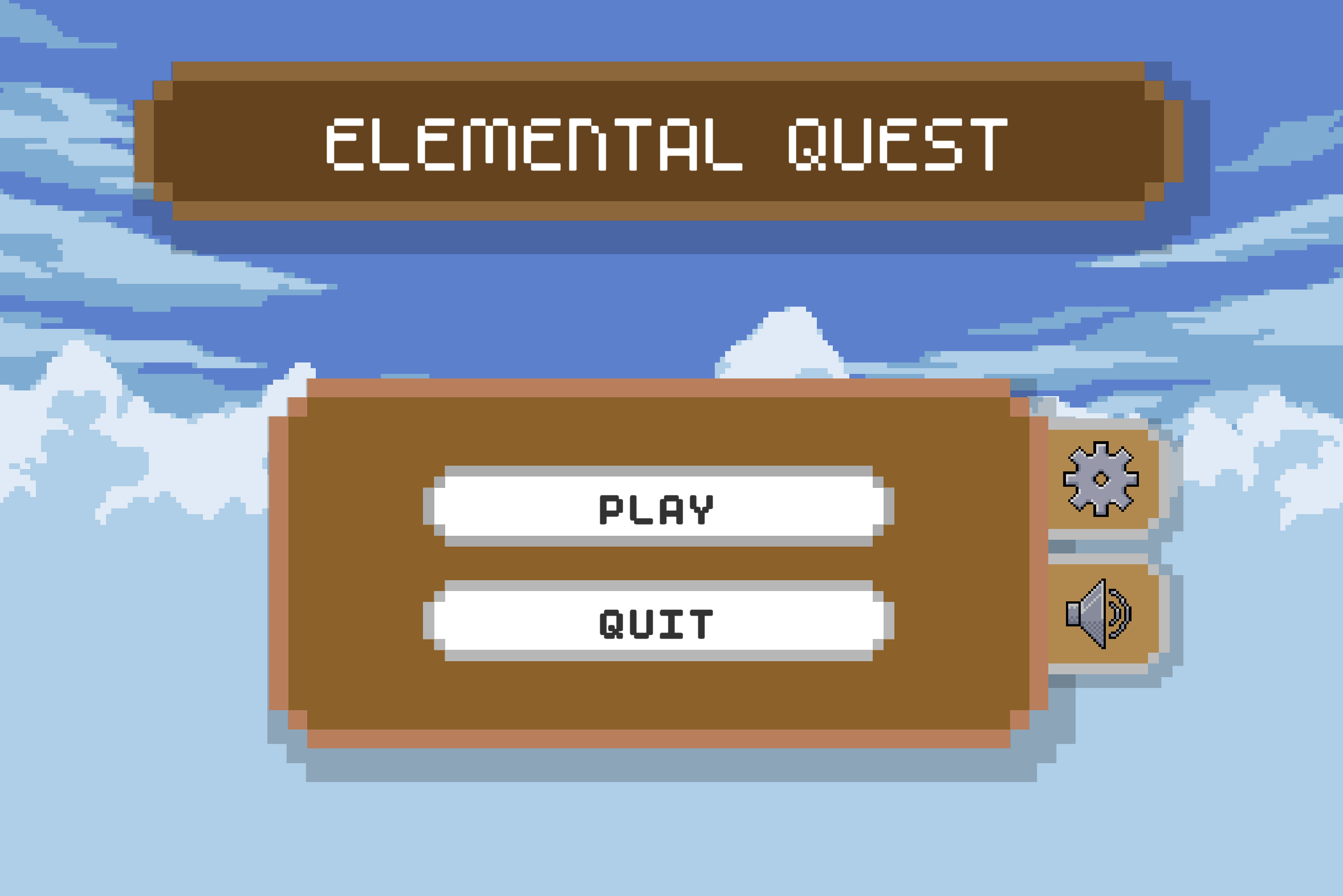
Main Menu
-
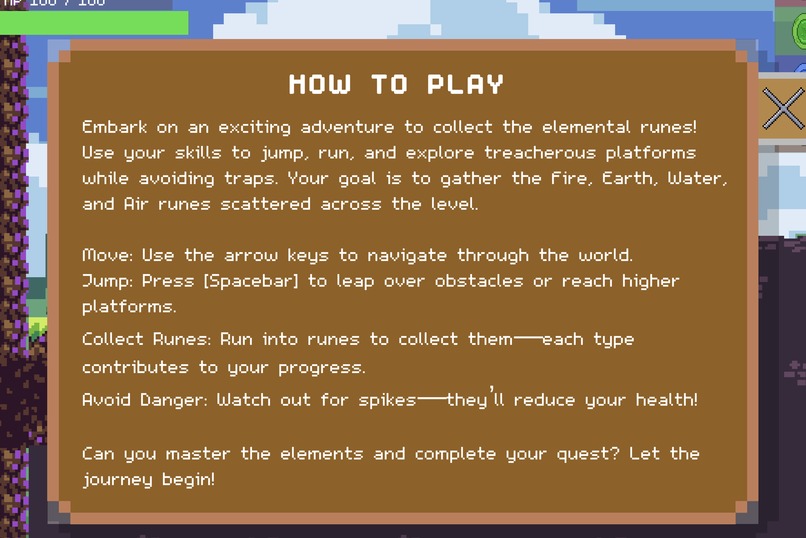
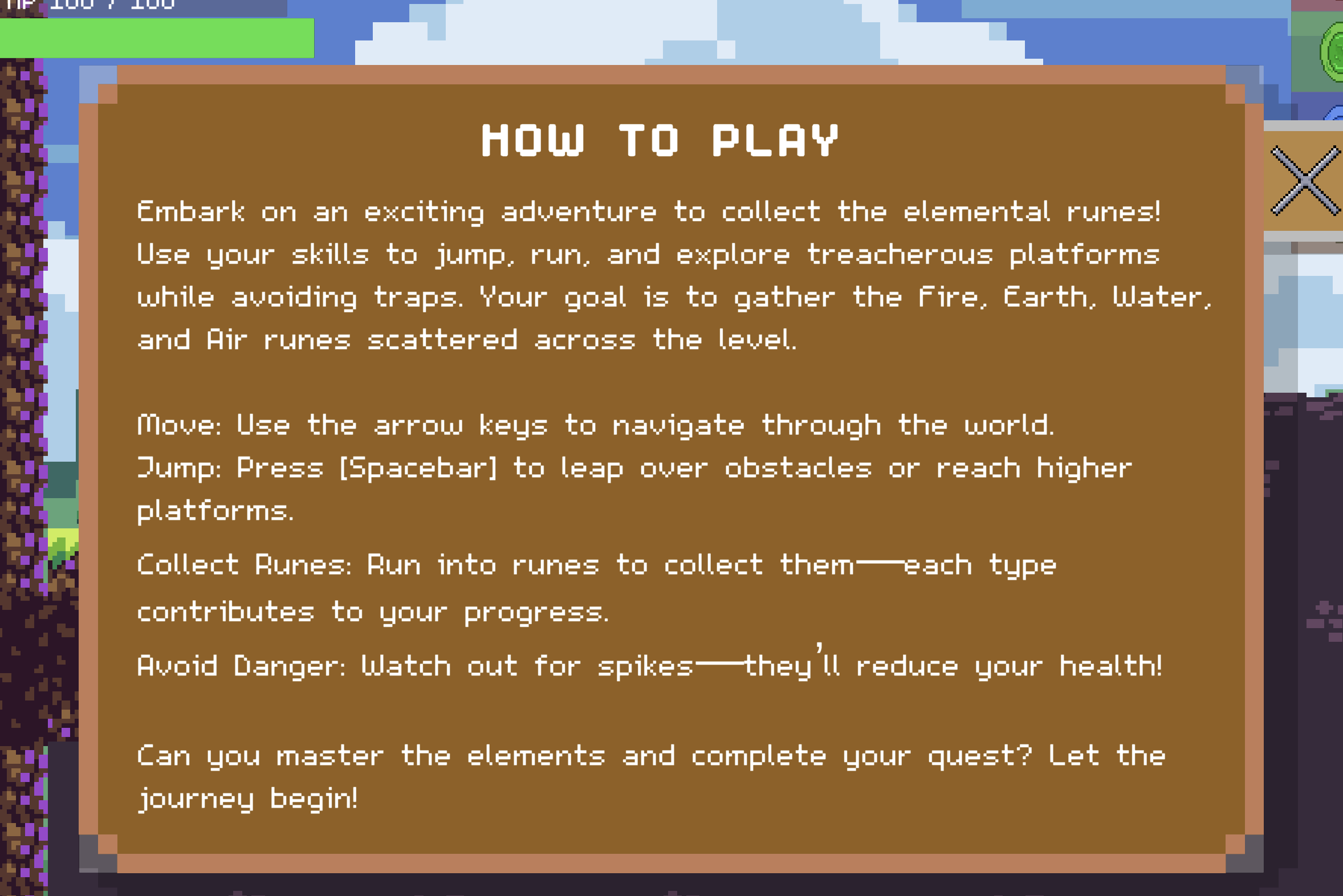
Instructions
-
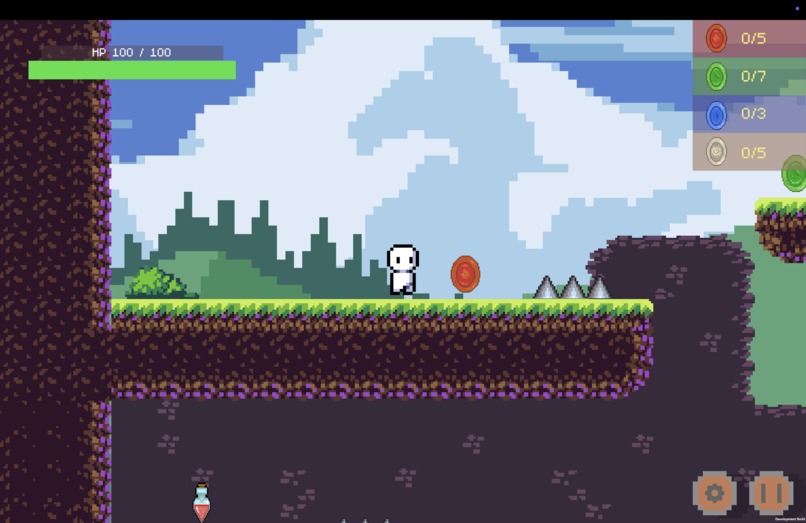
Start
-
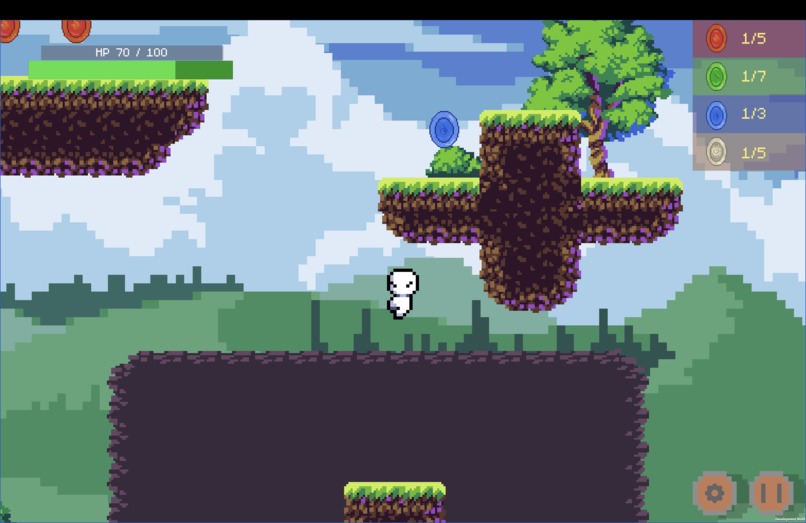
Gameplay
-
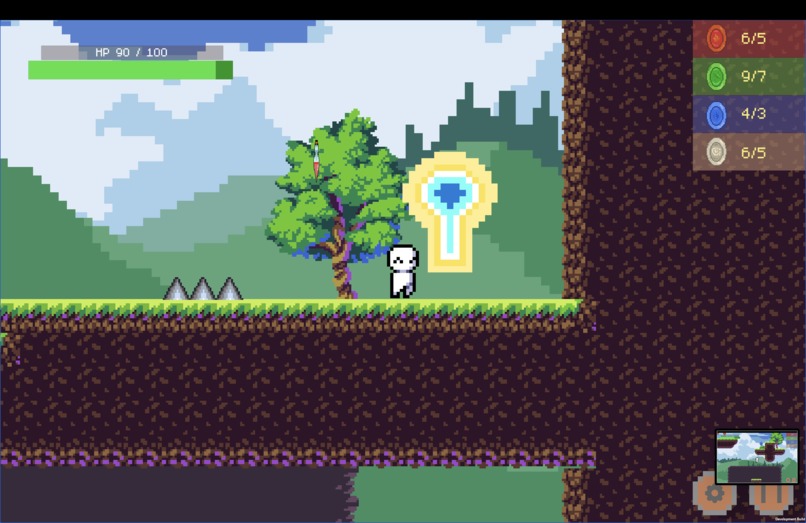
Win Animation
-
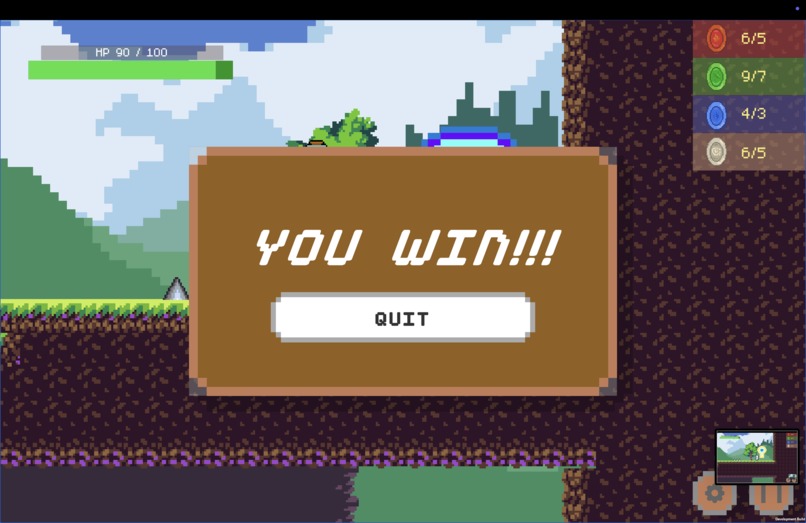
End
Inspiration
Ever since I got into gaming, the idea of creating something where players could harness the power of the elements has always fascinated me. As a big fan of Avatar: The Last Airbender, it was also right. For my first real game, I wanted something simple yet engaging—where players explore and collect runes but overcome obstacles and challenges in a world full of elemental magic. Combining my love for games with a more profound storytelling element was really motivating. Elemental Quest is my first solo game development project, and I couldn’t be more excited to share it! Before this, my experience with Unity was limited to 3D simulations, so diving into a complete 2D platformer was a completely new challenge. And what better way to start than with a personal passion—creating a game inspired by the four elements: Fire, Earth, Water, and Air.
What it does
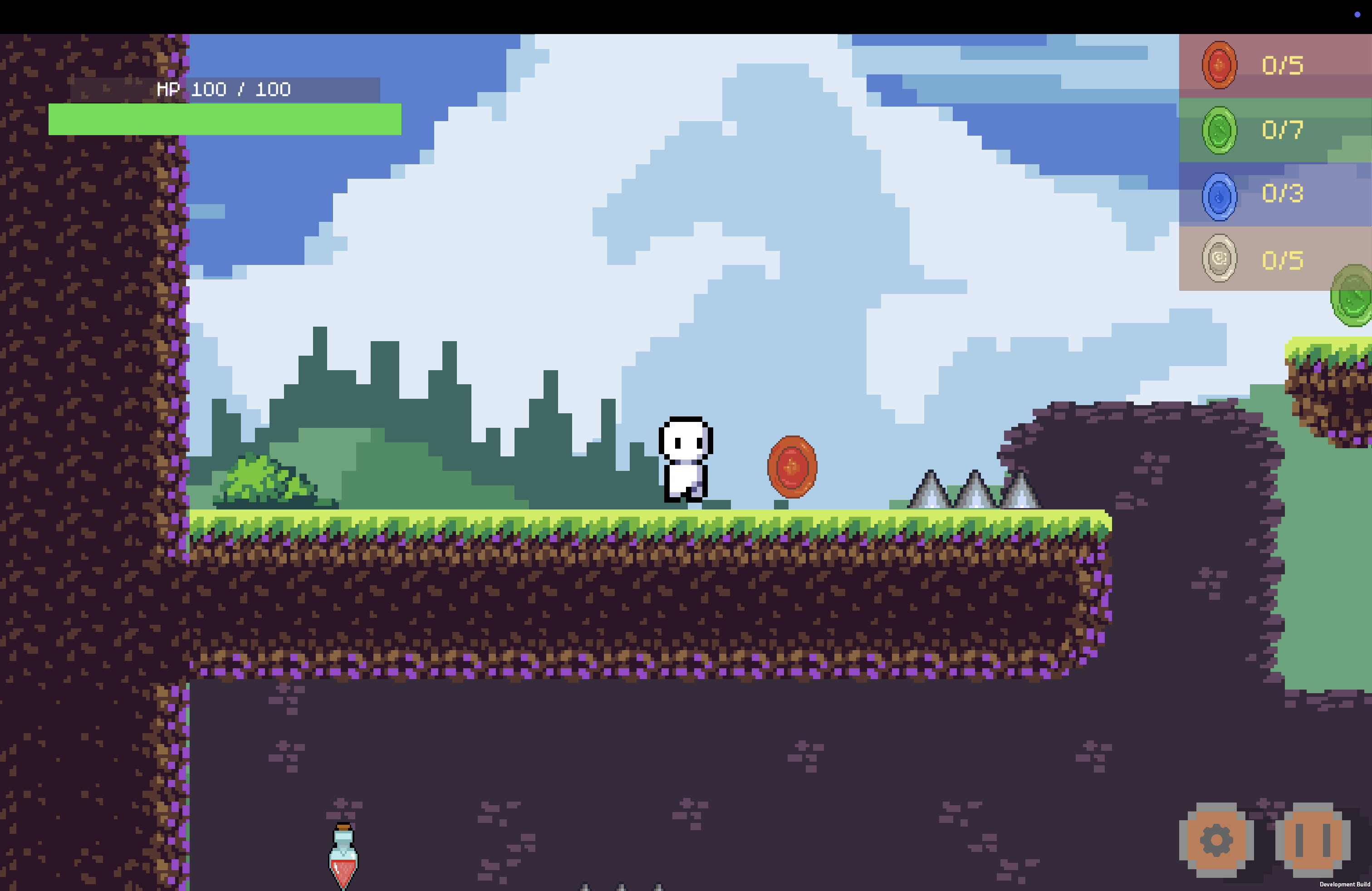
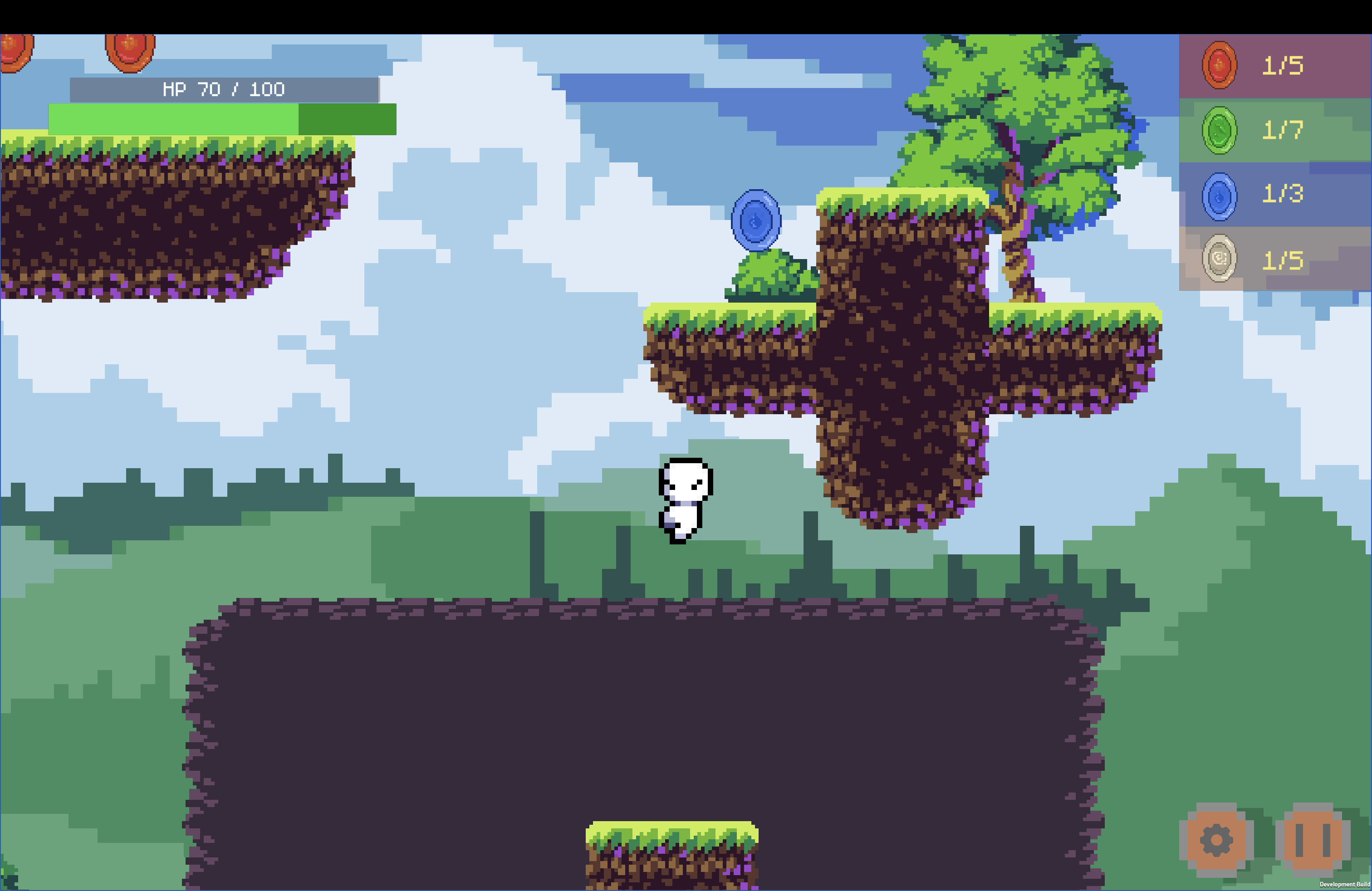
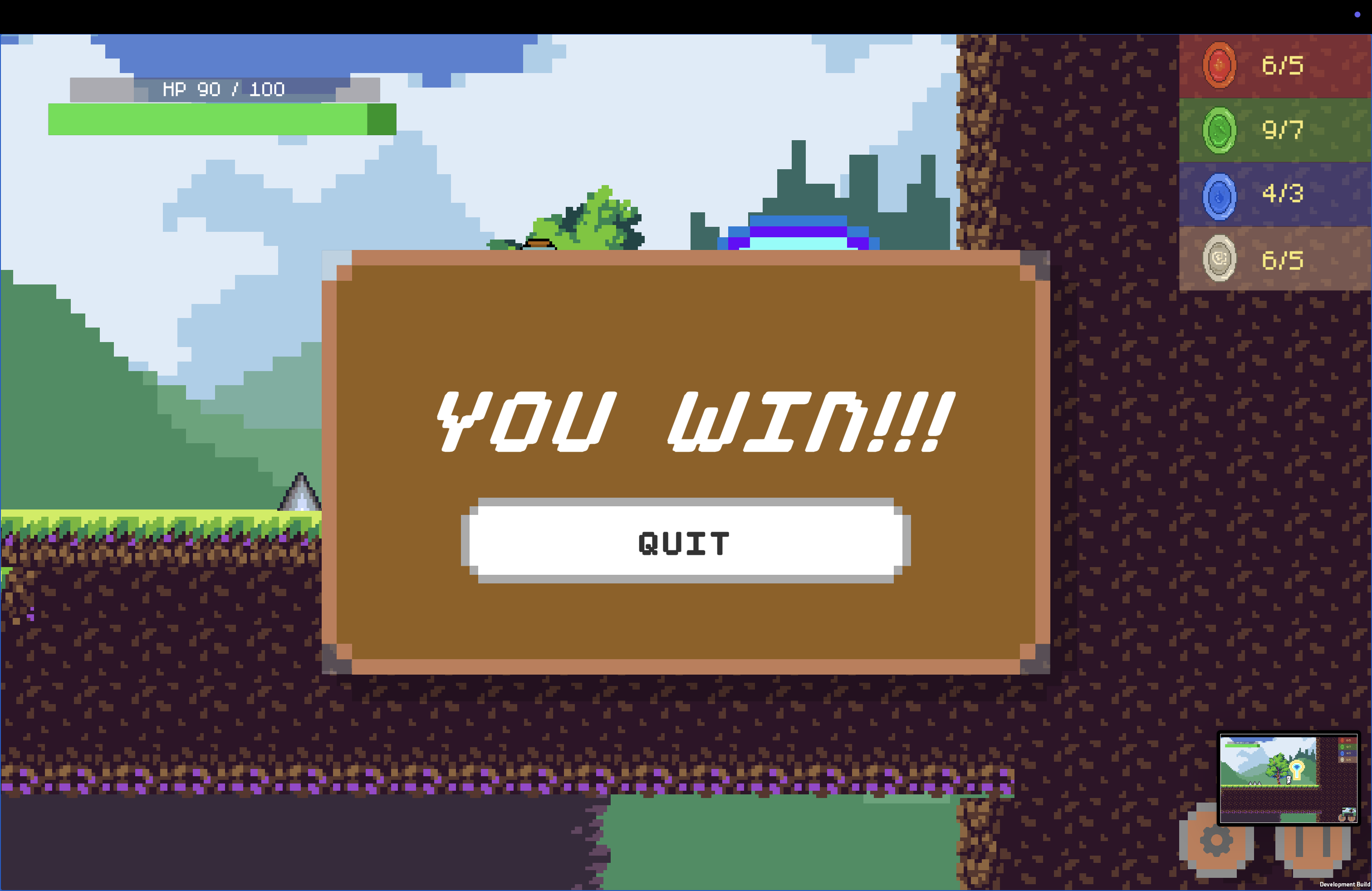
Elemental Quest is a 2D platformer game where players adventure to collect elemental runes—Fire, Earth, Water, and Air. The goal is to gather the required number of runes to unlock doors and progress through different levels filled with challenges and obstacles. Along the way, players face traps, interact with environmental elements, and complete various objectives to achieve victory. With a simple yet engaging gameplay, Elemental Quest blends exploration, strategy, and elemental magic, all set within a beautifully crafted 2D world.
How I built it
I built the game using Unity, designed Piskel sprites, imported community assets from itch.io, implemented gameplay mechanics, and developed an intuitive user interface.
Unity provided a solid foundation for bringing my ideas to life throughout the development process. However, I faced several challenges, especially deploying the game for WebGL. This is where Amazon Q became an essential guide. Their support helped me navigate the complexities of configuring build settings, optimizing performance, and ensuring device compatibility.
Whenever Amazon Q suggested a solution or a different approach, I would research and learn about it. This not only helped me solve immediate issues but also deepened my understanding of game programming concepts. Every step contributed to my growth as a developer, from handling assets efficiently to improving user interactions. Thanks to Unity and Amazon Q, Elemental Quest transformed from an idea into a polished, enjoyable game.
Challenges we ran into
As an amateur learning to create a game from scratch, I faced various challenges, especially with the UI and gameplay mechanics. Initially, I wanted to experiment extensively with UI design, incorporating multiple elements to create an immersive experience. However, I quickly realized how complex managing anchors, layouts, and panel interactions could be. Overlooking even the smallest detail would disrupt the entire design, making it a challenging but rewarding learning process.
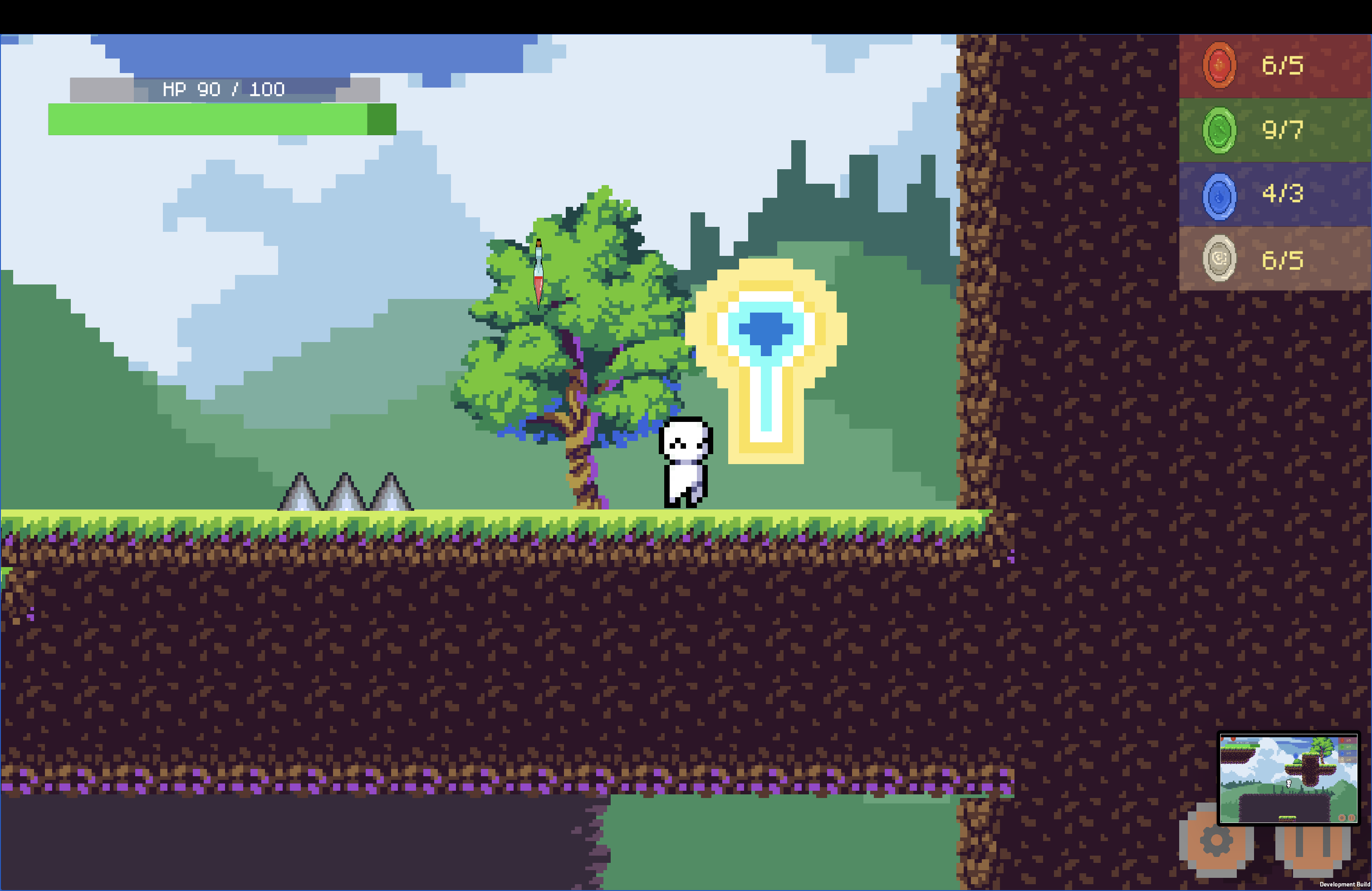
Additionally, setting up the portal door for level transitions was another hurdle. Ensuring players would only pass through when the correct number of runes was collected required intricate coding and precise interactions between game objects. The solution required careful handling of player collisions, animations, and UI transitions to provide a smooth experience.
Throughout the process, Amazon Q proved invaluable. Whenever I struggled with the order of events or the logic behind specific mechanics, Q’s guidance helped me navigate through these complexities. It saved me a ton of time by providing insights and solutions I might have otherwise missed, helping me refine the game’s flow, and ensuring everything worked as intended.
Accomplishments that we're proud of
I do not think I have ever been so proud of something. Every aspect, every pixel, every animation—the amount of work, dedication, and even the challenges faced—are experiences that I will always cherish. From creating sprites for runes using Piskel Editor to implementing complex game mechanics and ensuring seamless UI functionality, every detail reflects my growth and learning throughout this journey. Completing this project has been an incredible milestone, and I'm immensely proud of my achievements.
Developing a game is no longer just something on my bucket list; it's a reality, and I am incredibly grateful for this hackathon's push. This experience has been transformative, allowing me to grow as a developer, creative thinker, and problem-solver. The challenges I faced, the lessons I learned, and the satisfaction of bringing my vision to life have made this journey truly memorable.
What we learned
Throughout this journey, I’ve grown tremendously—in terms of technical skills and understanding of what goes into creating a cohesive, immersive game. Elemental Quest is my first hackathon project, and it taught me the value of perseverance and creativity. I'm genuinely proud of seeing my ideas transform into a fully functional game, and I can’t wait to continue building on this foundation for future projects.
What's next for Elemental Quest
So much! There is so much! Currently, the game has only one level, but I plan to have multiple levels running across an area representing one of the runes: a desert, a volcanic region, or an ice scene. We have started with Earth, but we will grow. Now that I want to further this project, I want to learn how to create more immersive gameplay and fiddle around with making more sprites and animations.


Log in or sign up for Devpost to join the conversation.