Inspiration:
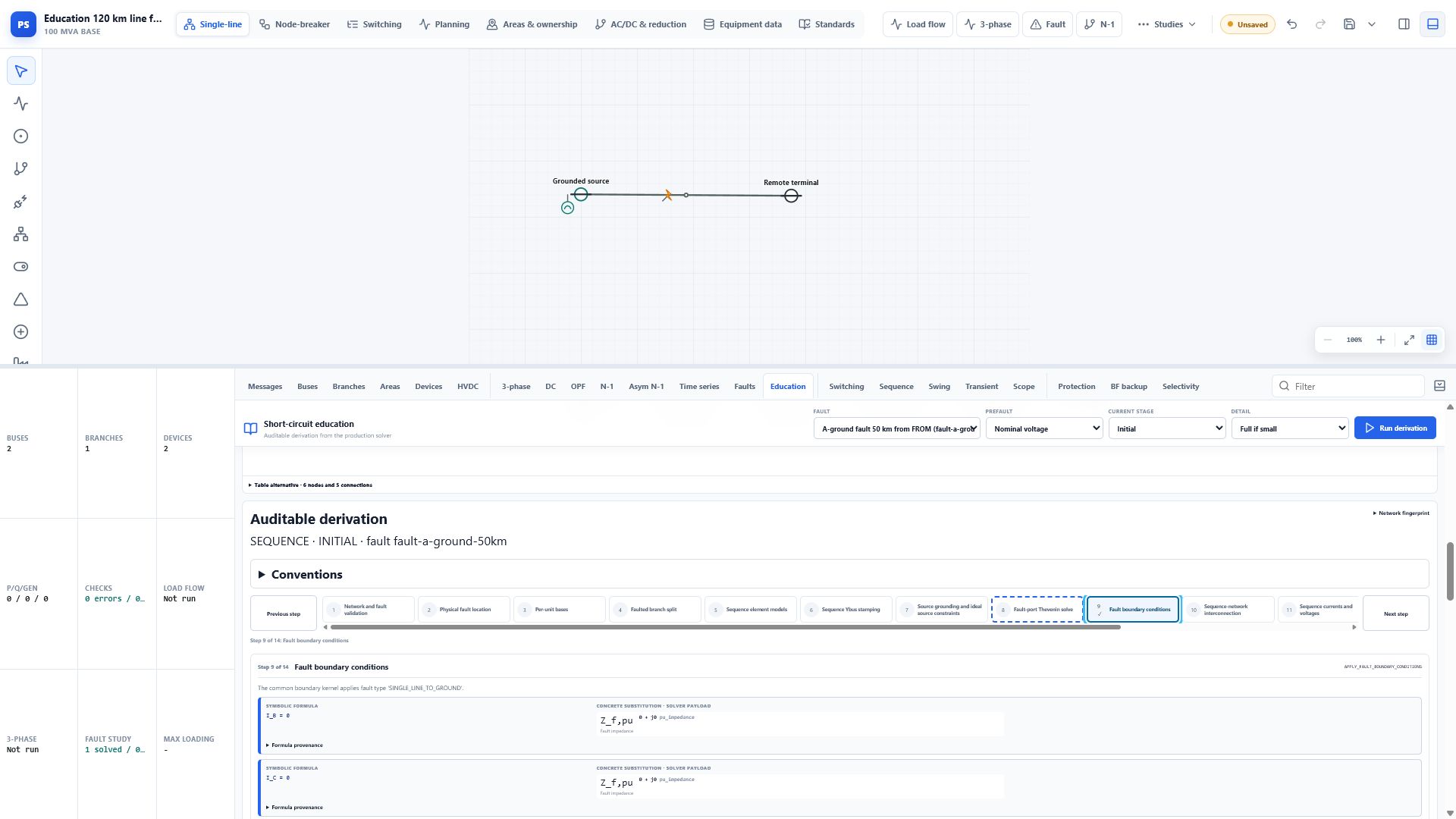
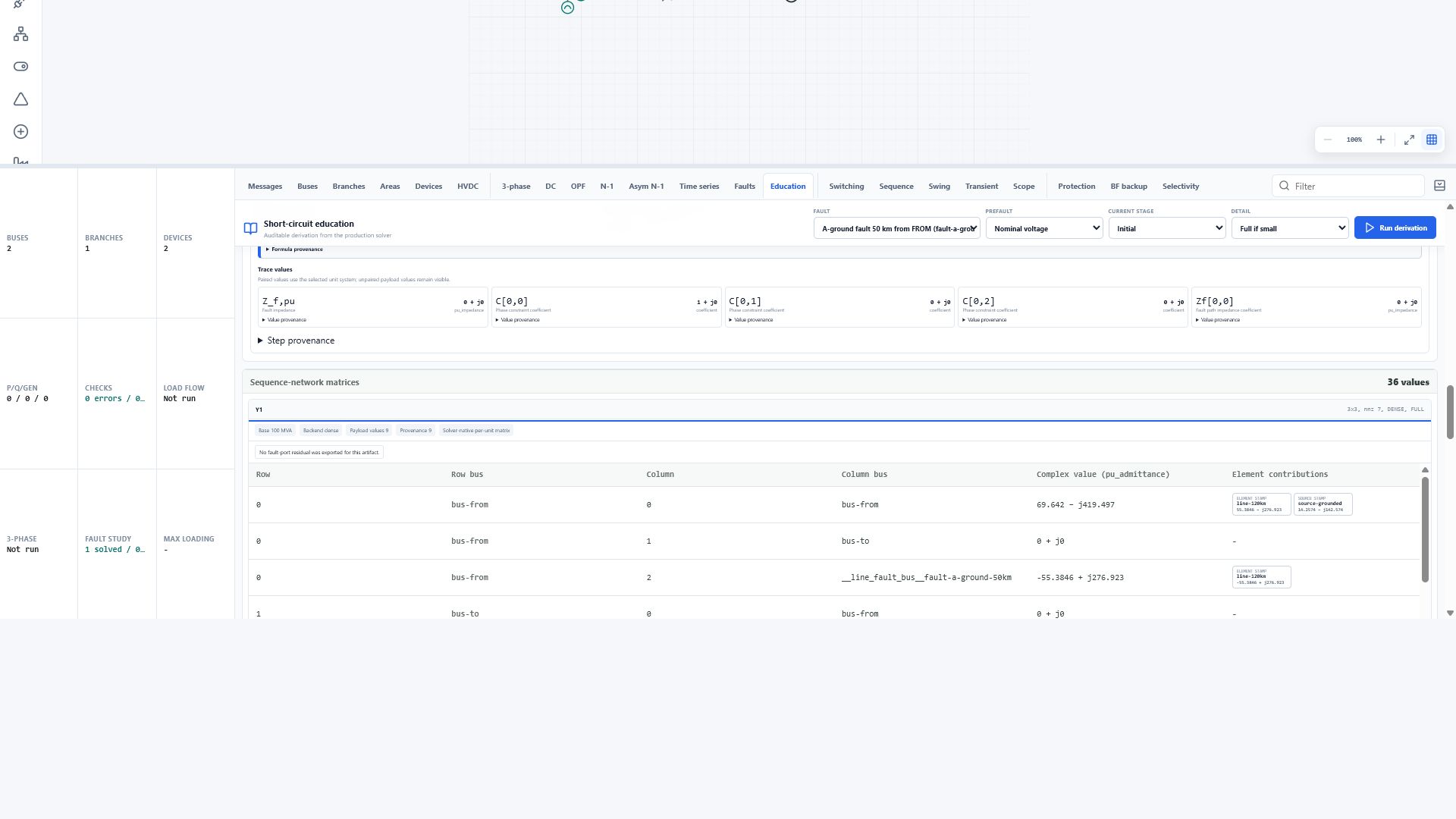
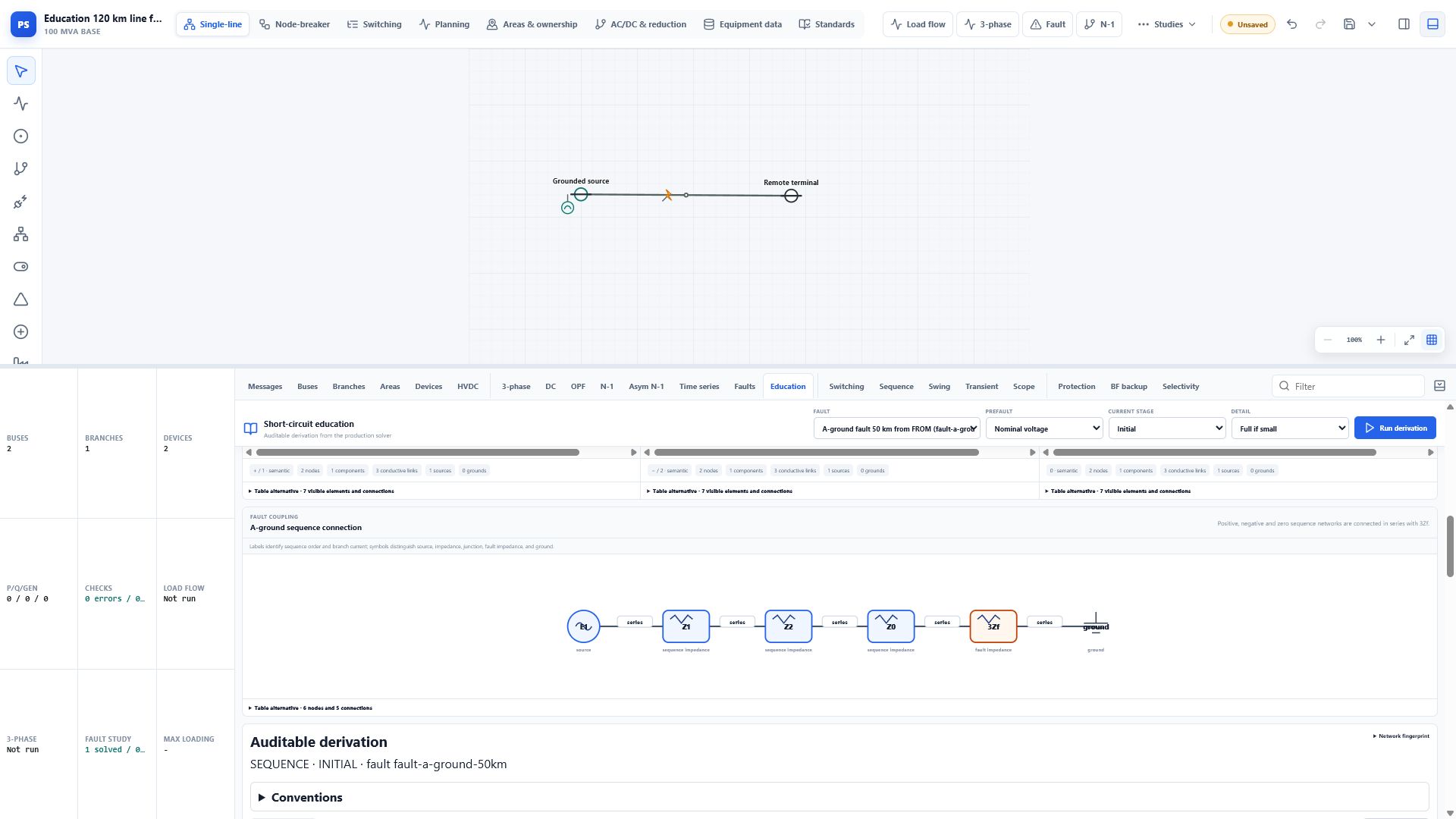
One of the major topics at university was the calculation of short‑circuit currents, and loadflow analysis and it was quite difficult to find practice problems that were solved flawlessly, which would have made studying much easier. The goal of this program is to let students verify their calculations on an arbitrarily configured network. By now the software is starting to grow beyond this single function, but that original idea was that.
What it does:
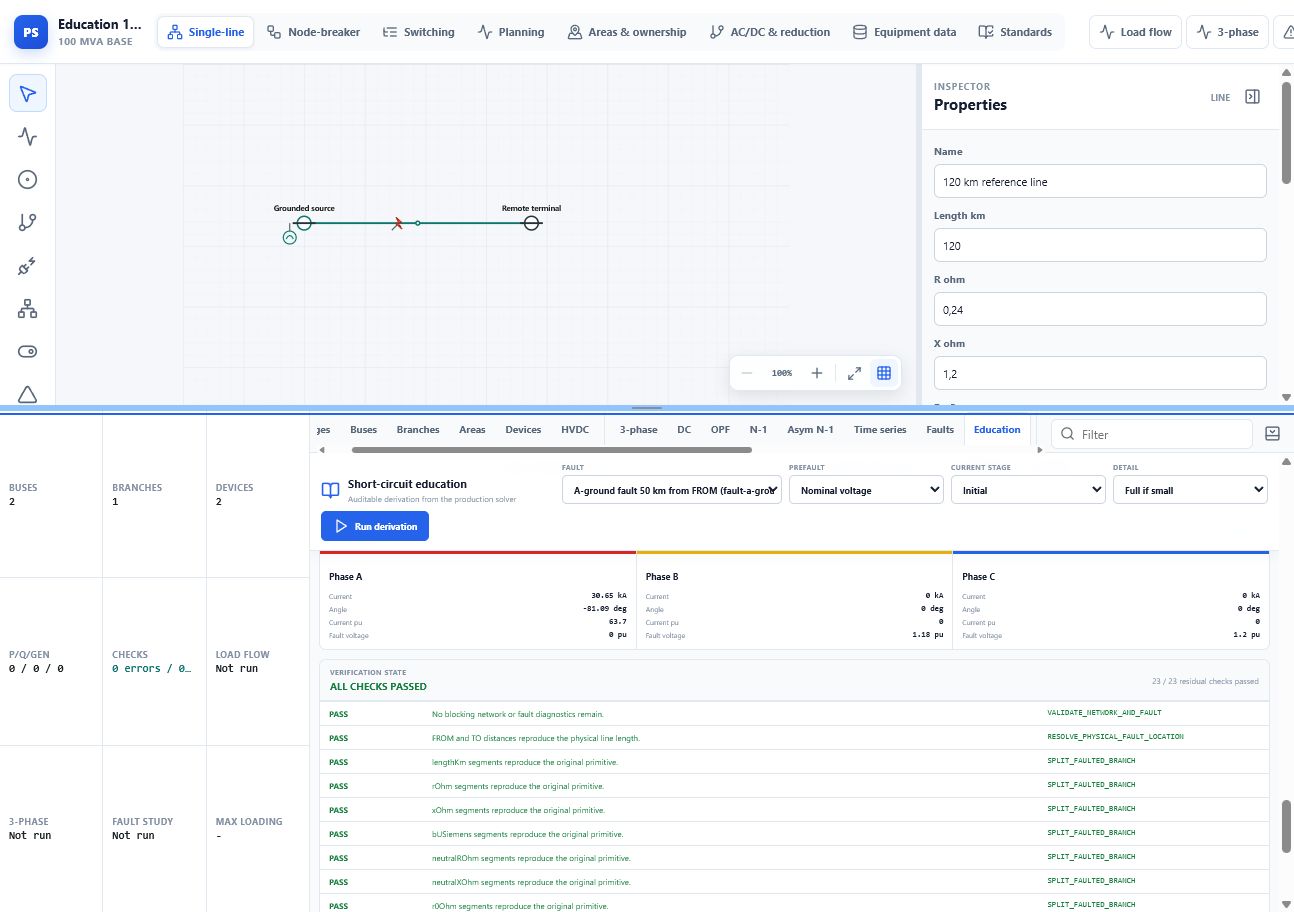
An electrical network analysis and simulation software that will be capable of fully modeling the losses, oscillations, faults and the effects of any changes within a more complex electrical network. Right now it performs load flow analysis, fault calculations, and several other power system studies.
How we built it:
I built the first prototype with GPT‑5.5 about a month ago, but that was really just a bare‑bones scaffold, not even worth mentioning yet: essentially a menu UI listing the elements, without any meaningful functionality. Since the core parts of the project felt important, I decided to wait for the release of GPT‑5.6, and only then started to seriously continue development.
Challenges we ran into:
This has been one of the most complex tasks I’ve worked on so far, with several challenges along the way, but for the most part I’ve been learning how to use Codex effectively: when to start a new thread, and how to break the work down into smaller subtasks.
Accomplishments that we're proud of:
I’m proud of the program that’s starting to take shape as a whole. It will provide an extremely useful interface for students, and potentially even for industry use as well, since its features are coming together nicely and often even I have to refresh my own knowledge of what I learned during the development process.
What we learned
What I’ve essentially learned is how to use artificial intelligence itself. At a personal level I can only program in C and Python (Basic), but right now I feel more like a tester who tries out the results of what Codex has produced.
The project helps me refresh what I learned at school but had started to forget.
What's next for Electric System Analyzator and Simulator
I’d like to add a proper licensing option to the software and reinforce the safe use of the existing features by backing them up with additional hand calculations and detailed analyses.
I plan to collect real-world equipment data (transformers, generators, etc...) to make the tool more suitable for realistic power system simulations.
In addition, I aim to develop a user‑friendly and education‑focused UI so that students and engineers can more easily explore and understand power system simulations.
Built With
- codex
- gpt5.6
- python
- react
- typescript

Log in or sign up for Devpost to join the conversation.