-
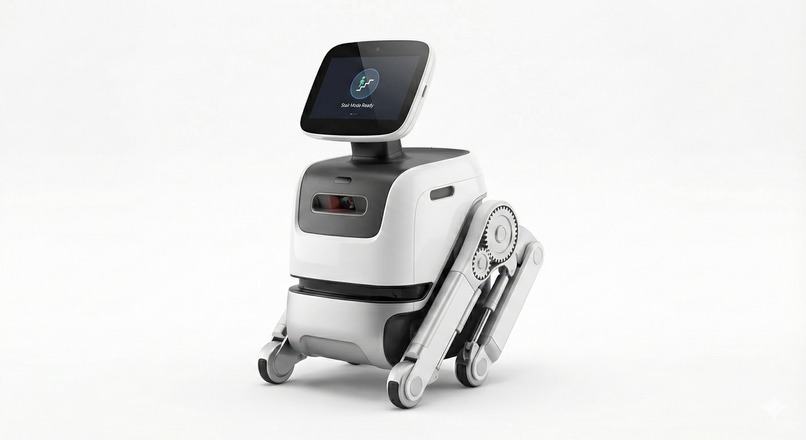
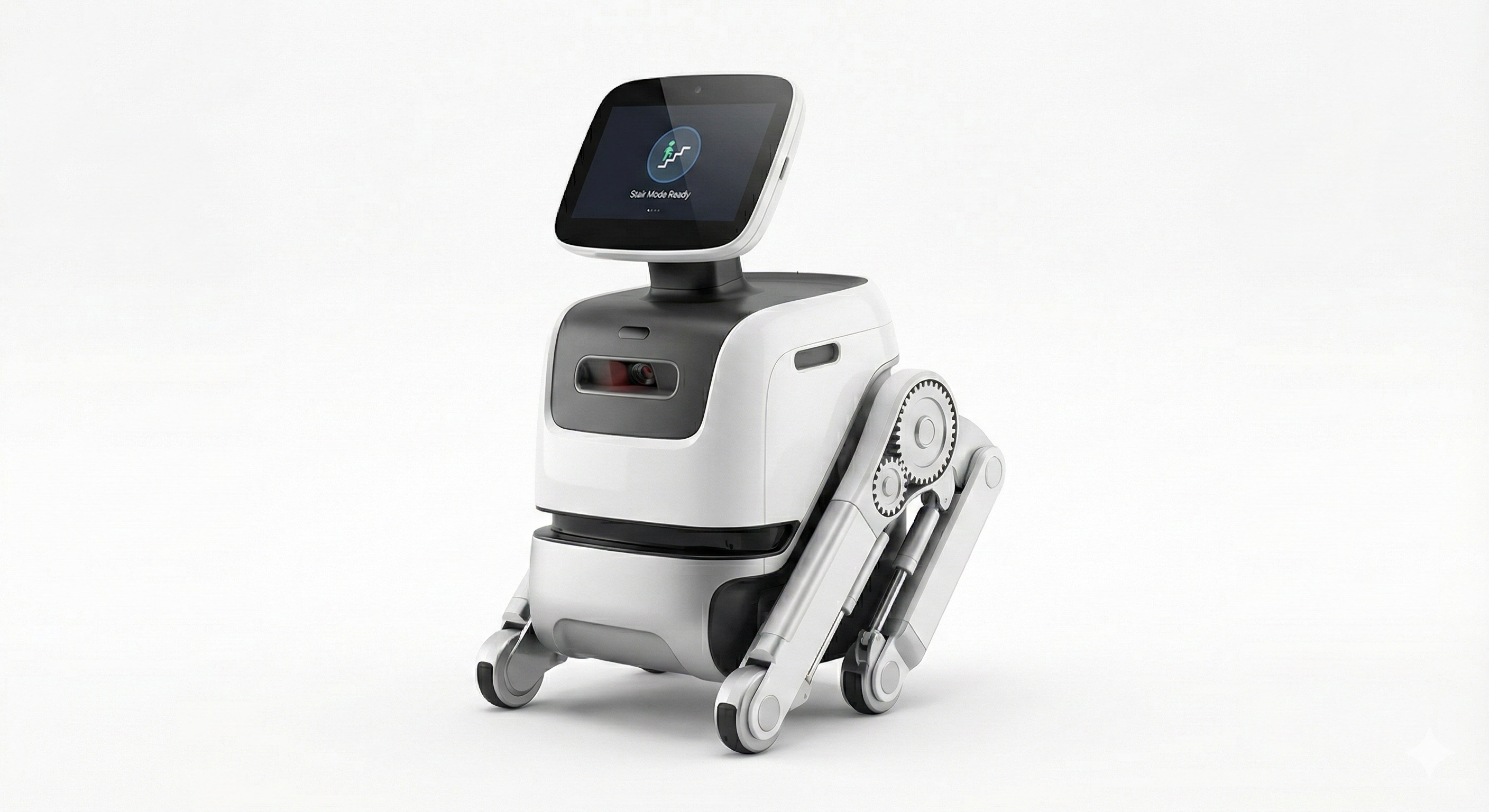
Elderpal Robot
Inspiration
We were driven by the reality of the "Silver Tsunami" hitting Singapore. By 2030, nearly a quarter of our population will be over 65. While reviewing the statistics, we were alarmed to find that over 87,000 seniors live independently without daily supervision.
We built this for people like "Mdm Tan," a 70+ year old widow managing diabetes and high blood pressure alone, and for the "Sandwich Generation" caregivers like "Daniel," who face constant burnout trying to balance work and their parents' safety. We realized there was a massive gap between formal healthcare and daily family caregiving, a gap that leads to missed medications, social isolation, and delayed emergency responses.
What it does
Elderpal is an autonomous, mobile companion robot designed specifically for the Singaporean elderly context. Unlike stationary smart speakers, Elderpal moves with the senior, ensuring they are never truly alone.
- Autonomous Companionship: It navigates freely around the home to be where the senior is.
- Hyper-Local "Singlish" AI: It communicates in local dialects (Hokkien, Cantonese etc.) and Singlish, bridging the tech gap for seniors who aren't comfortable with standard English.
- Medication Management: It provides reminders and tracking to prevent missed doses, reducing hospitalisation risks.
- Safety & Fall Prediction: It uses sensors not just to detect falls, but to monitor mobility trends to predict risks before they happen.
- Family Connection: The companion app allows family members to "drop in" via video call, check vitals, and receive peace-of-mind alerts without being intrusive.
How we built it
We approached the development with a "Family-in-the-Loop" architecture:
- The Hardware: We designed a mobile robot base capable of navigating HDB flat layouts, equipped with a privacy-first physical camera shutter and self-charging capabilities.
- The AI Core: We integrated conversational AI capabilities tailored for local linguistic nuances to ensure emotional trust and handle non-clinical inquiries.
- The App: The caregiver mobile application serves as the coordination layer for family members to monitor vitals and alerts.
- The Ecosystem: We designed the system to integrate with smart home sensors (like window grills, smoke detectors, and toilet door sensors) to create a holistic safety net .
Challenges we ran into
- Balancing Privacy and Safety: Seniors often reject robots that feel like "spy cameras." We addressed this by designing physical privacy shutters and ensuring the family connection is non-intrusive.
- Hardware Support Burden: We had to consider the logistics of maintaining physical robots, which fail more often than software.
Accomplishments that we're proud of
- Healthier SG Alignment: We successfully mapped our features to Singapore's Ministry of Health goals (preventative monitoring), making the product viable for future government partnerships.
- Dialect Integration: We differentiated Elderpal from global competitors like ElliQ and Temi by prioritizing local dialect support, which is crucial for adoption in Singapore.
- Comprehensive Safety Net: Integrating "Fall Prediction" and smart home sensor add-ons to cover safety gaps that standard wearables miss .
What we learned
We learned that the "Silver Tsunami" isn't just a healthcare statistic, but it is a personal struggle for thousands of families. We discovered that technology for seniors cannot just be functional, instead it must be emotional. A robot that speaks perfect English is a tool, but a robot that speaks local dialect is a companion. We also deepened our understanding of the "Sandwich Generation's" pain points. Other than safety aspects, they would want a point of connection with their parents without being intrusive.
What's next for Elderpal
- Polyclinic Partnerships: We plan to pilot Elderpal with 2-3 polyclinics in the first year to integrate with family doctors under Healthier SG.
- Subsidy Accessibility: We aim to qualify Elderpal for government subsidy programs (like the Seniors’ Mobility & Enabling Fund) to make it accessible for lower-income families.
- B2B "Virtual Ward" Expansion: We are exploring leasing models for hospitals to use Elderpal for "Mobile Inpatient Care @ Home" (MIC@H), serving as a 24/7 virtual nurse.
Built With
- figma