-
-
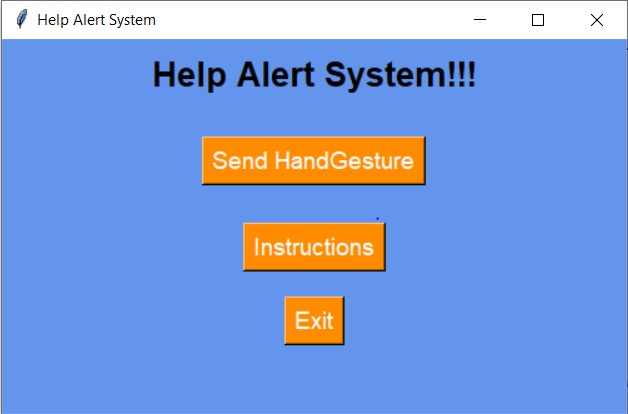
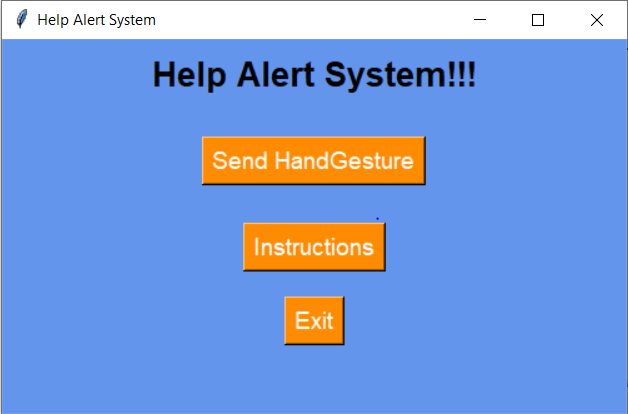
Home Page
-
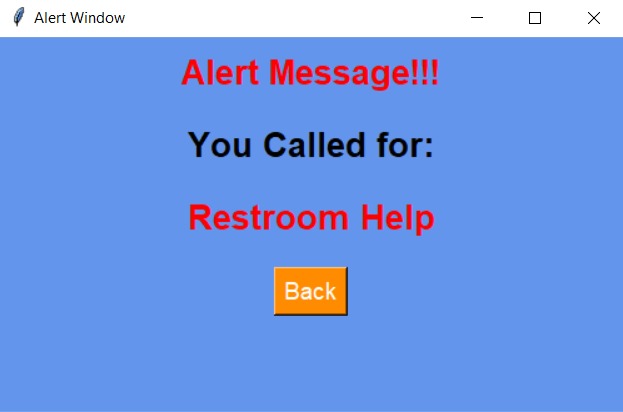
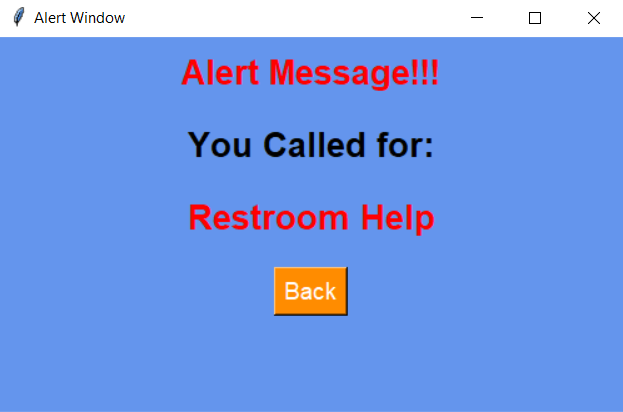
Alert Window
-
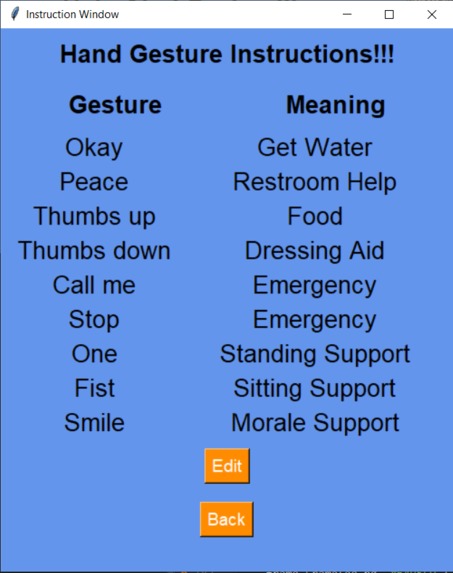
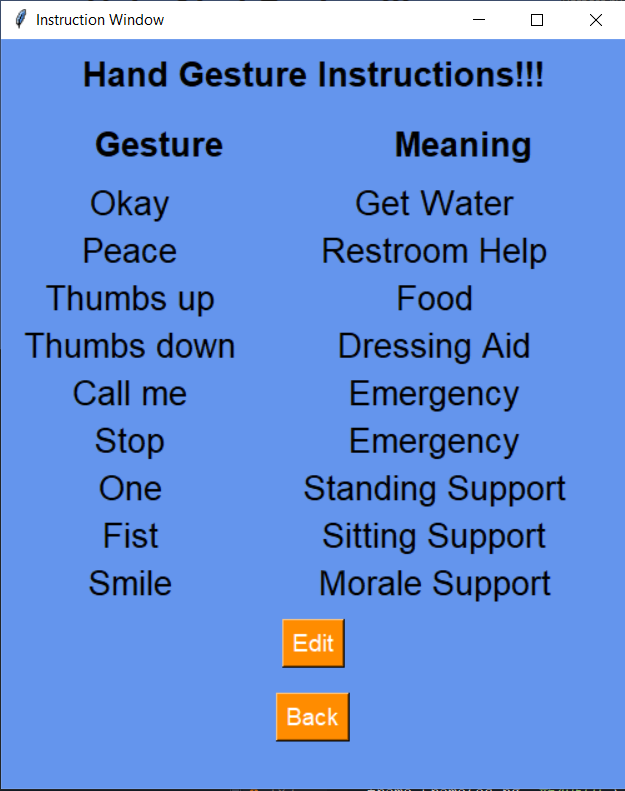
Instruction Page
-
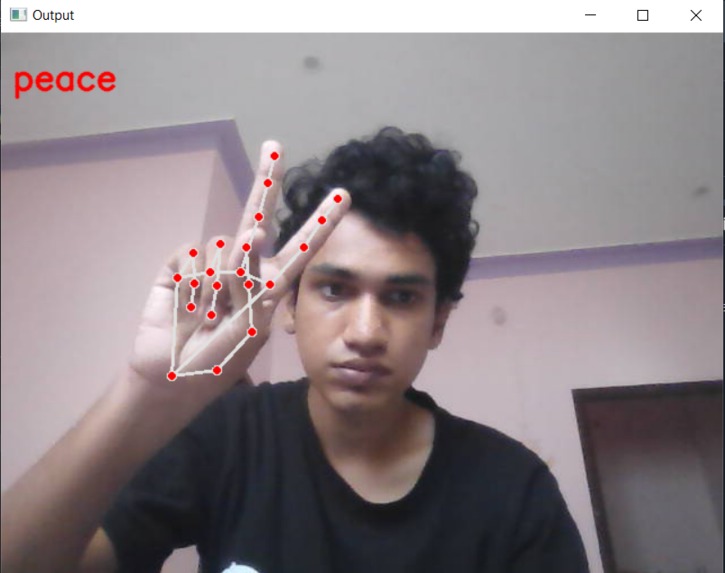
Constantly running monitoring interface

Inspiration:
The idea for this project was inspired by the desire to help elderly individuals maintain their independence while ensuring their safety. Many older adults face challenges with mobility and communication, which often leads to the need for constant supervision. I aimed to create a solution that uses intuitive hand gesture detection, allowing elderly users to communicate distress signals or control devices easily, thereby enhancing their safety without compromising their independence.
What We Learned:
I learned the intricacies of designing gesture recognition systems specifically tailored for elderly users. My primary focus was on developing AI models capable of accurately detecting and interpreting simple hand gestures, even in varied lighting conditions and different hand positions. I also gained insight into the importance of designing interfaces that are straightforward and accessible for non-tech-savvy users. Testing with real-world scenarios taught me a lot about the need for adaptive algorithms that can handle the diverse ways gestures are performed.
How We Built It:
I started by selecting a combination of cameras and depth sensors to capture hand movements accurately. Using computer vision and deep learning techniques, I trained my models to recognize specific gestures, such as raising a hand for help or pointing in a particular direction. The data from these sensors(camera) are processed in real-time, allowing the system to send immediate alerts to caregivers through a mobile app. I focused on making the system responsive, with minimal lag, to ensure that alerts are timely and actionable.
Challenges Faced:
The biggest challenge was achieving high accuracy in gesture detection, particularly when the user's hand movements were slow or not entirely within the sensor's view. Balancing sensitivity to avoid false positives was another critical hurdle, as we wanted to ensure that alerts are reliable without overwhelming caregivers with unnecessary notifications. Ensuring the system works smoothly in different environments—such as low light or cluttered backgrounds—required significant refinement of my algorithms and additional training data.
Future Works:
Looking ahead, I plan to expand the system’s capabilities by integrating eye blink detection and voice recognition, further enhancing the ways elderly users can interact with the monitoring system. These additions will provide a more holistic safety net, allowing for multiple modes of communication and control, tailored to each user's comfort and needs.
This project has been a rewarding journey, combining technology and empathy to address a real-world problem that impacts millions of elderly individuals and their families.


Log in or sign up for Devpost to join the conversation.