-
-
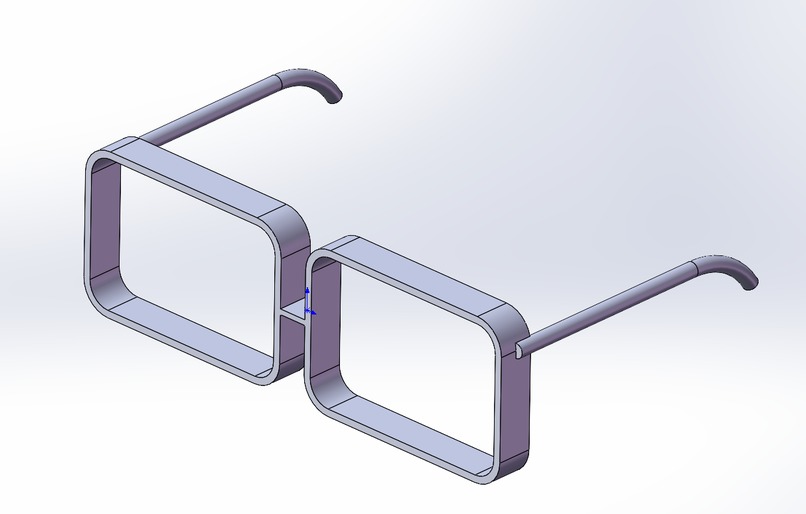
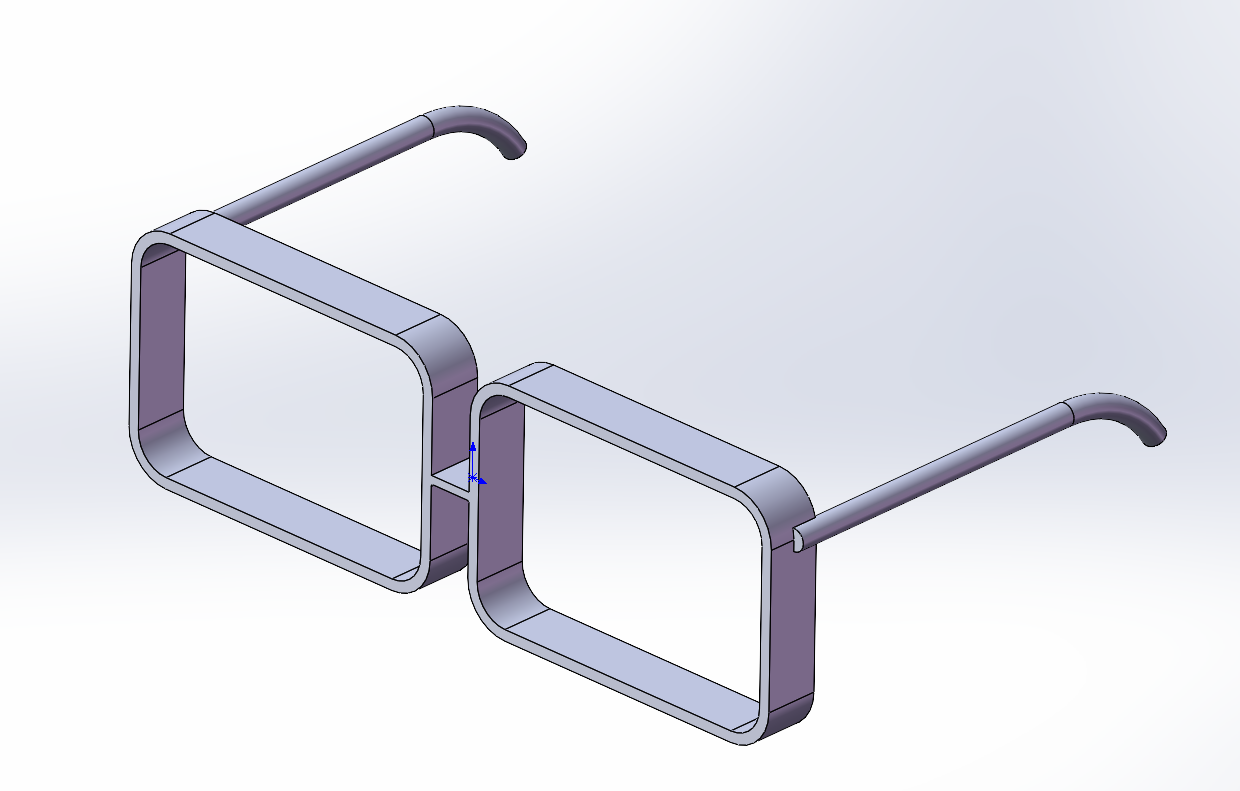
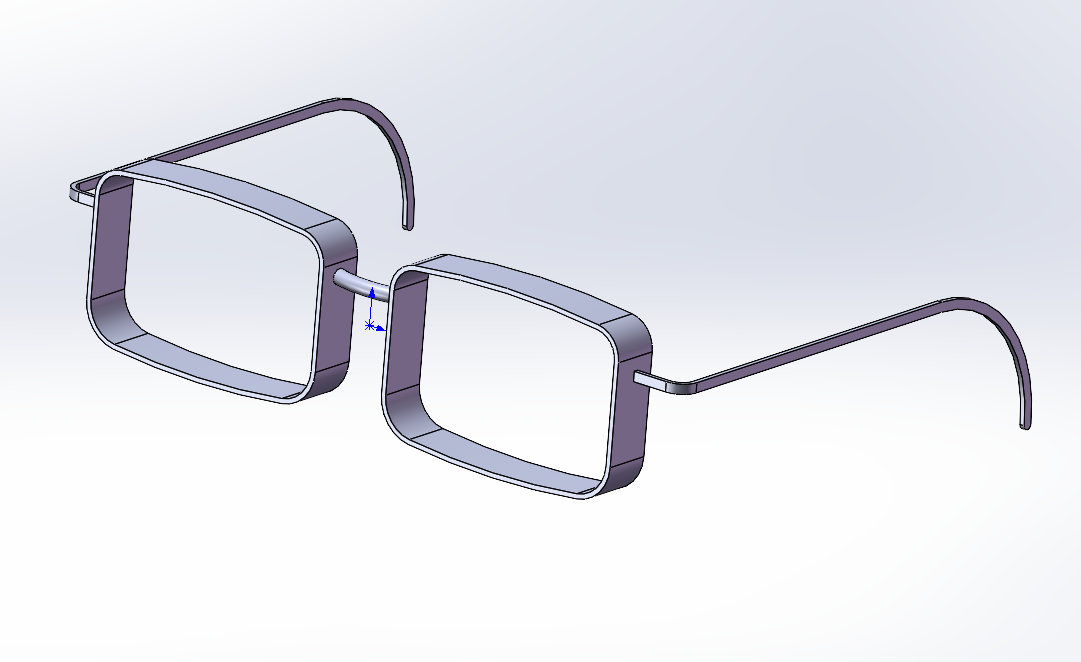
V1- Basic design overview
-
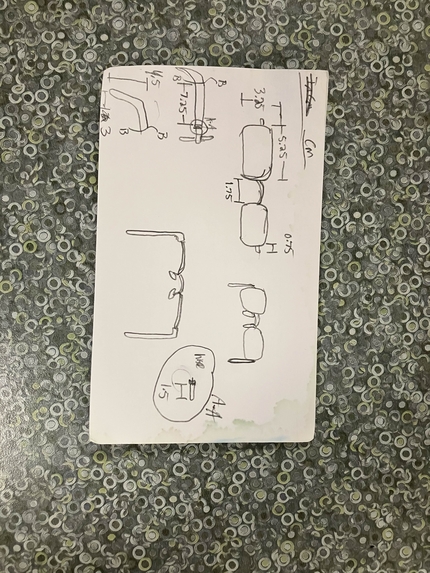
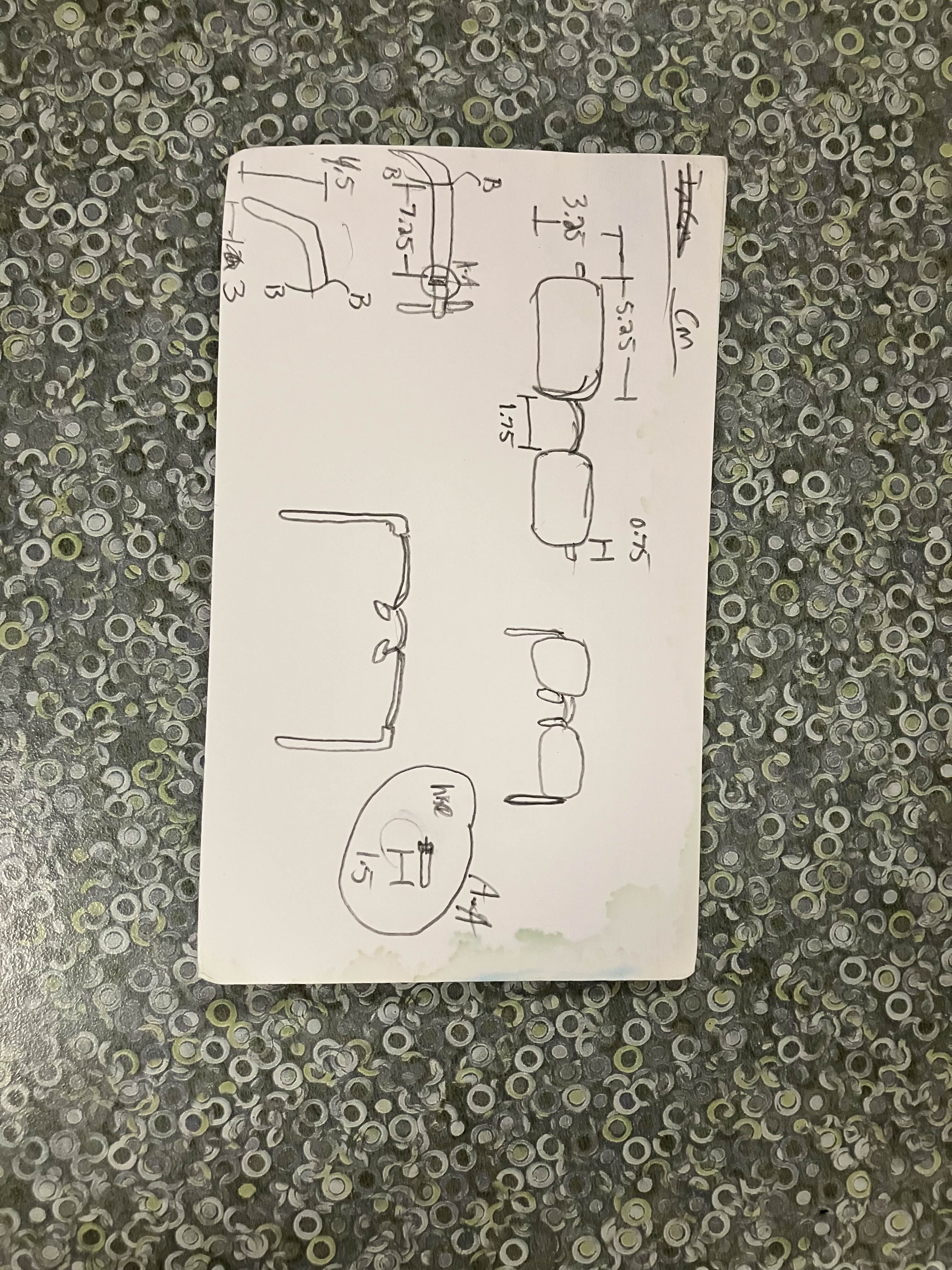
Measured out model glasses schematic
-
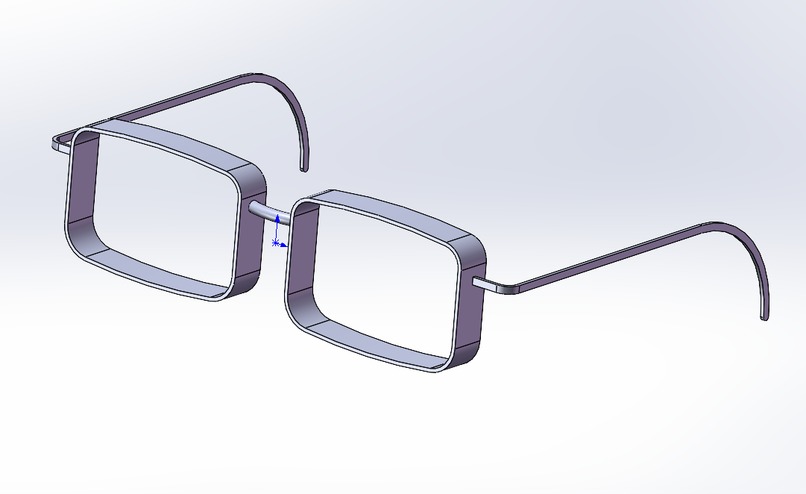
V2- More refined and realistic
-
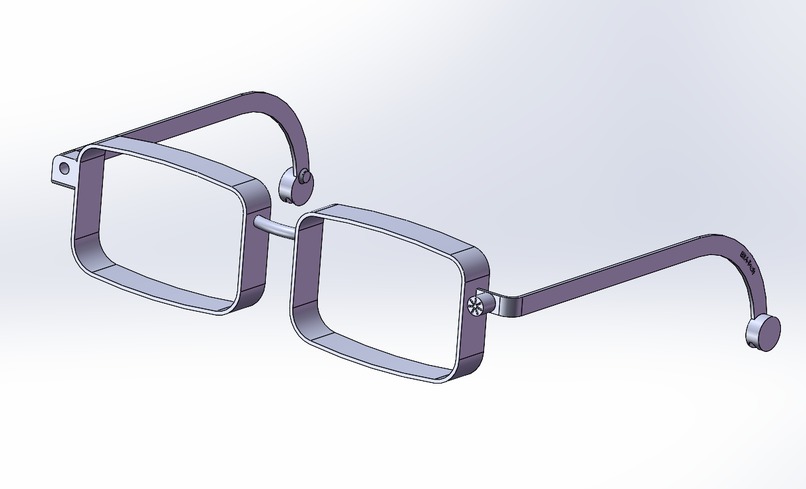
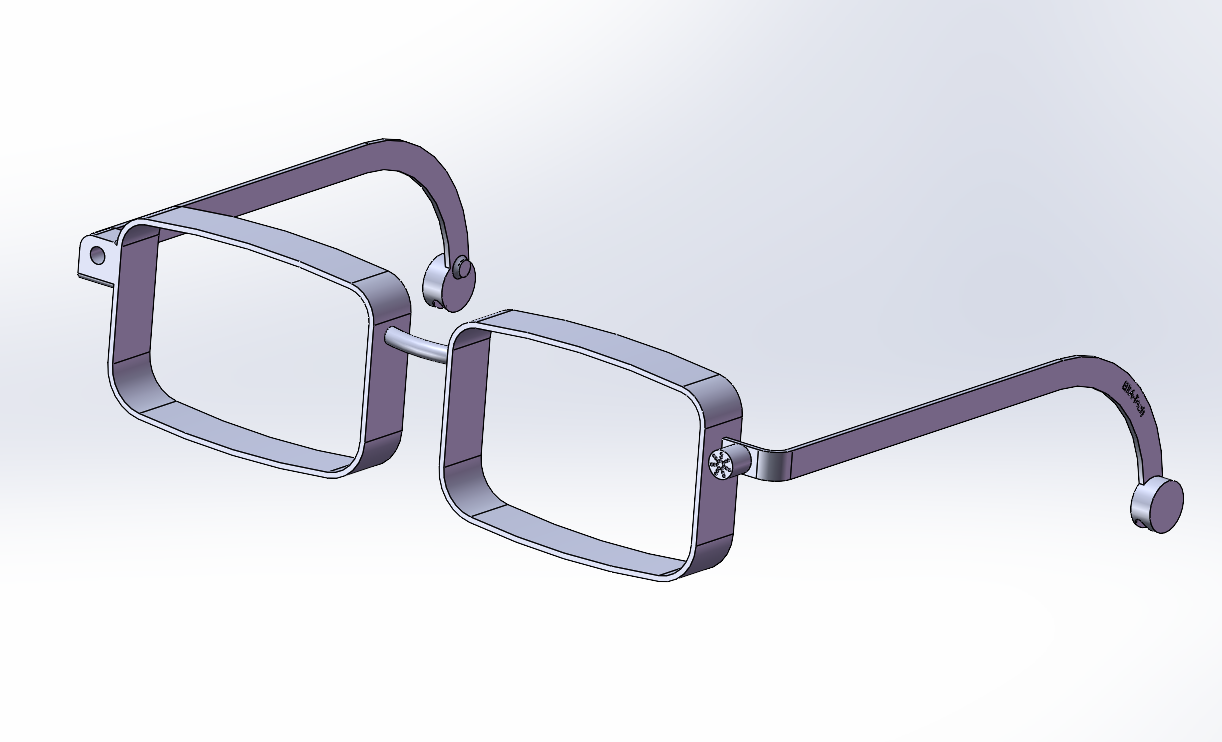
V3- Includes hardware integration
-
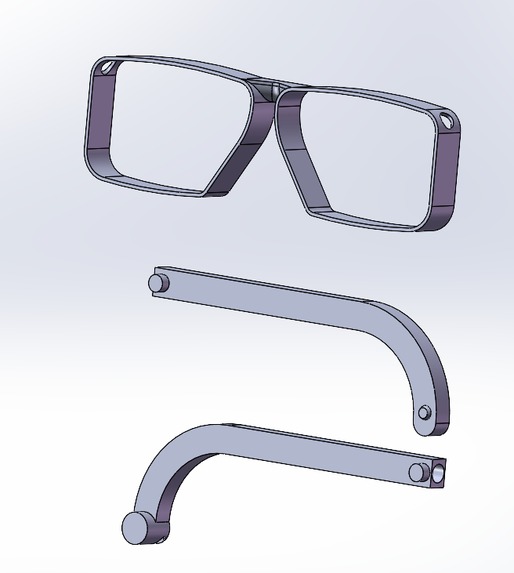
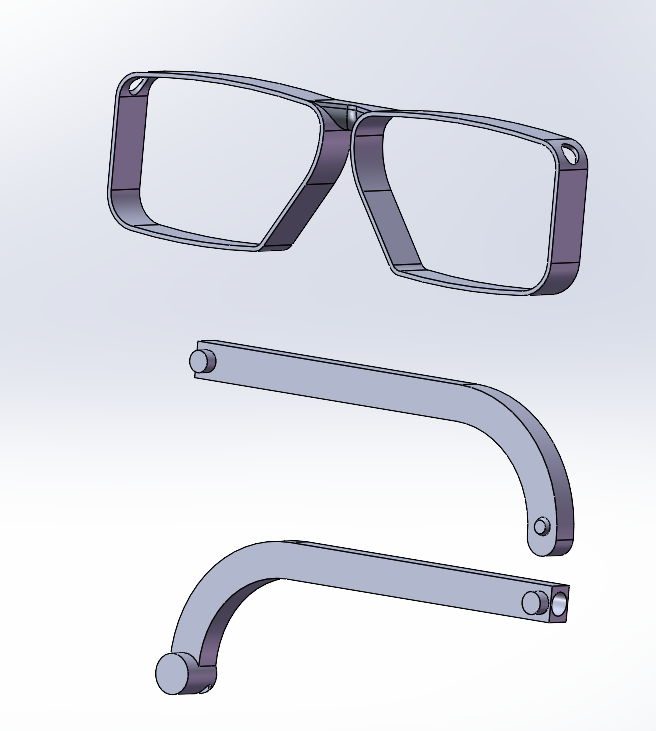
V4- Sleeker, more aesthetic design to be 3d-printed
-
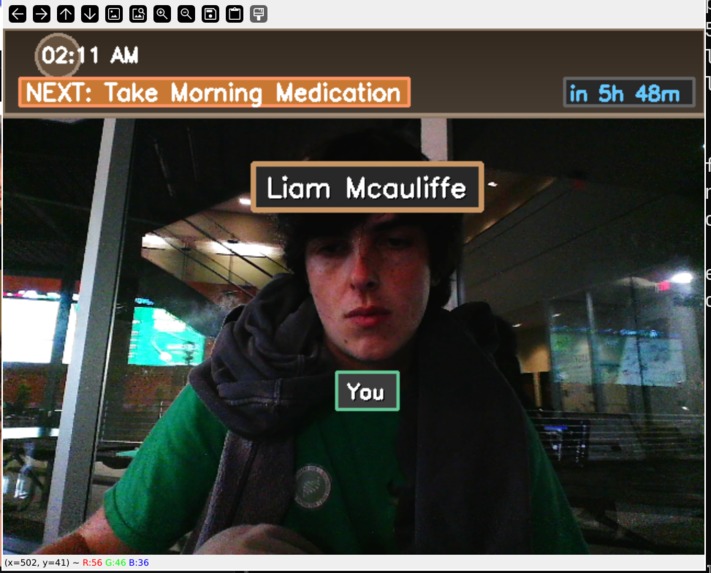
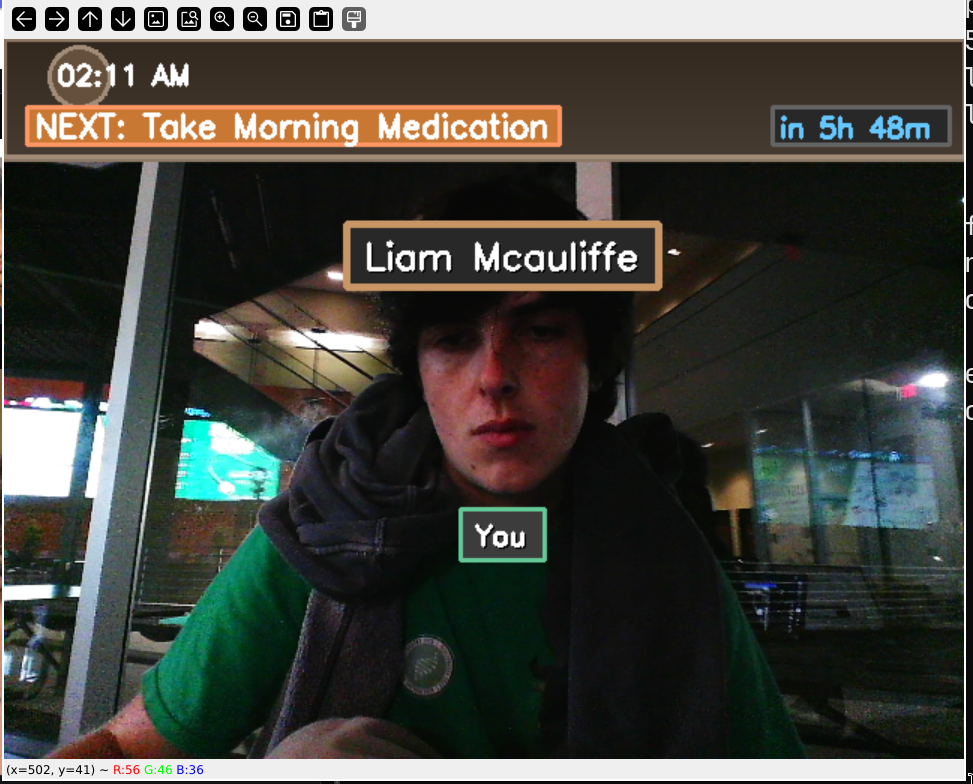
AR-overlay through webcam
-
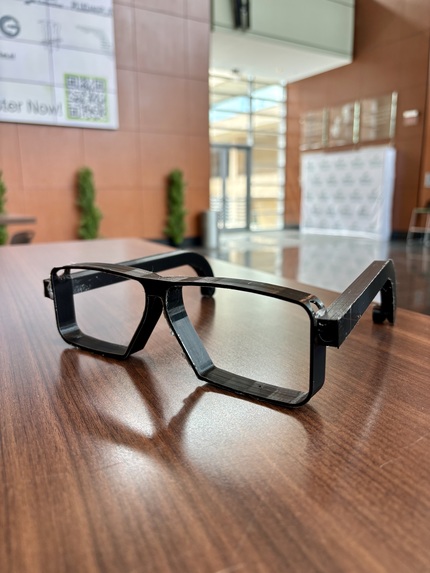
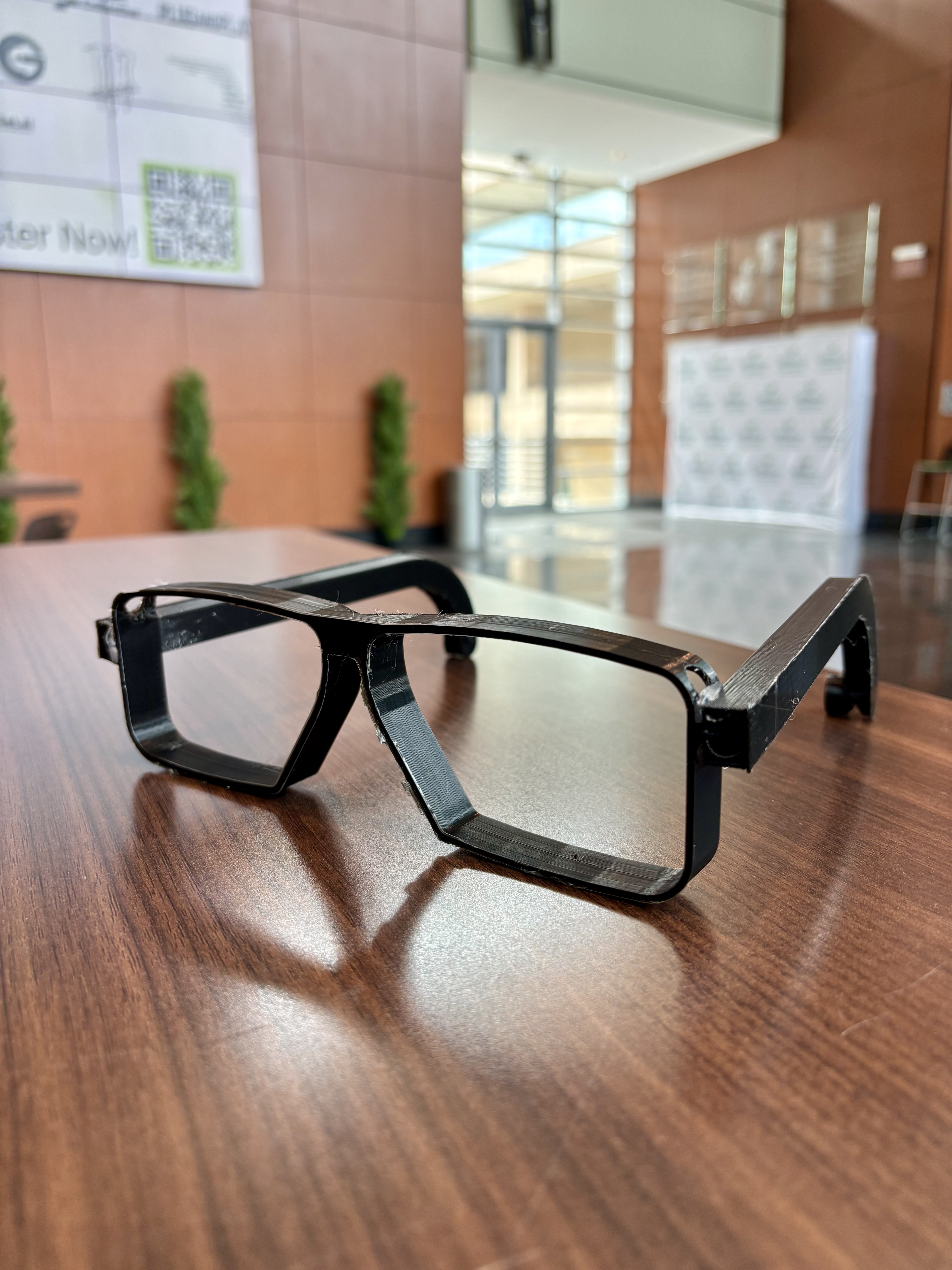
Final 3D printed product
Inspiration
Our inspiration came from one of our team members watching a movie called Saiyaara, a film that portrayed the emotional journey of a person slowly losing their memories to Alzheimer's disease and the profound pain it caused on their loved ones. This inspired him to work with the rest of the team to develop an innovative solution working to suppress Alzheimer's disease in the future. We wanted to explore an alternative treatment plan for Alzheimer's rather than the traditional medications or non pharmacological interventions to serve as a supplement to these working treatments. We also drew inspiration from Meta's AI Display Glasses, which use real-time visual and auditory processing to assist users, as we reimagined this technology to be something more helpful, capable of providing constant reassurance and helping Alzheimer's patients stay connected to their identity and memories.
What it does
The idea of Eira is Augmented Reality glasses integrated with facial recognition software to recognize and identify loved ones of Alzheimer’s patients. The accompanying web interface allows direct communication with a healthcare provider as well as an overview of a daily schedule. Reminders can be set for tasks that need to be completed to keep the patient active and autonomous.
How we built it
This project was built as a face recognition and task management system for the Eira AR-glasses
Tech Stack & Utilities:
- Backend Framework: Python 3.13 with Flask
- Language: Python (with JavaScript for frontend)
- Database: Supabase (PostgreSQL + Cloud storage)
- Frontend: Pure HTML/CSS/JavaScript
- State Management: Direct API calls with DOM manipulation
- SolidWorks CAD Models: Designed detailed 3d models of the Eira-AR glasses, based on real measurements of standard eyewear
- Multiple Iterations: Created several designs to optimize comfort, hardware placement, and sensor integrations
- 3D-Printed Prototypes: Produced two physical prototypes- one life sized for testing fit and function, and one enlarged for showcasing internal hardware layout ### Core Features:
- Real-time face recognition
- Face encoding caching for performance optimization
- Cloud-based photo storage
- RESTful API
- Web-based management interface
- Detection logging
Challenges
We faced challenges in creating a large and reliable database of recognized faces and individuals. Hardware limitations, including the lack of cameras and speakers, prevented us from fully integrating all system components into a working model. Additionally, because this is an emerging medical concept, there was limited verified research on Alzheimer’s treatments that focus on supporting patient autonomy.
Accomplishments
We are incredibly proud of developing a prototype that could represent the first generation of intelligent assistive technology designed specifically for Alzheimer’s patients. This concept lays the foundation for future innovation that could one day transform how memory loss is managed and how patients connect with their loved ones. While much more research and medical validation are needed, we’re proud to have taken the first step toward a future where technology and compassion work hand in hand to restore memory and dignity.
What we learned
We learned a lot about working together as a team, especially when things didn’t go as planned and we had to adapt on the fly. This being our first hackathon, we faced challenges like hardware limitations and tight timelines, but we figured out how to communicate, divide tasks, and keep moving forward. Now we feel more confident and prepared, knowing what to expect and how to tackle similar challenges in future competitions.
What's next for Eira
The next steps for Eira include further development of the system, creating a more active and intuitive interface, and integrating the necessary hardware and sensors for full functionality. Once these components are in place, we hope to launch the prototype, offering a first glimpse of what the future of Alzheimer’s treatment could look like.


Log in or sign up for Devpost to join the conversation.