-
-
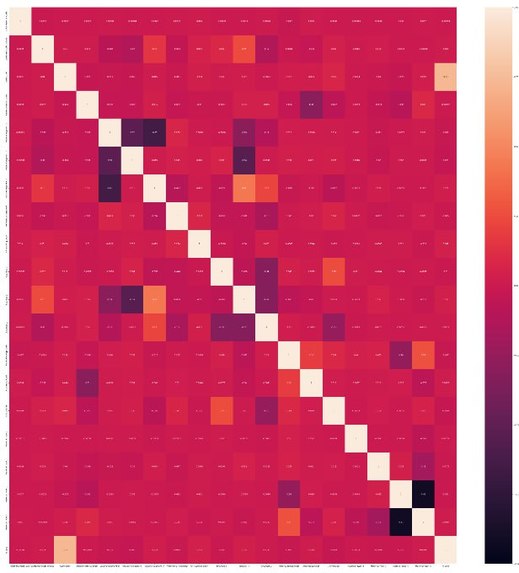
COrreation matrix plot
-
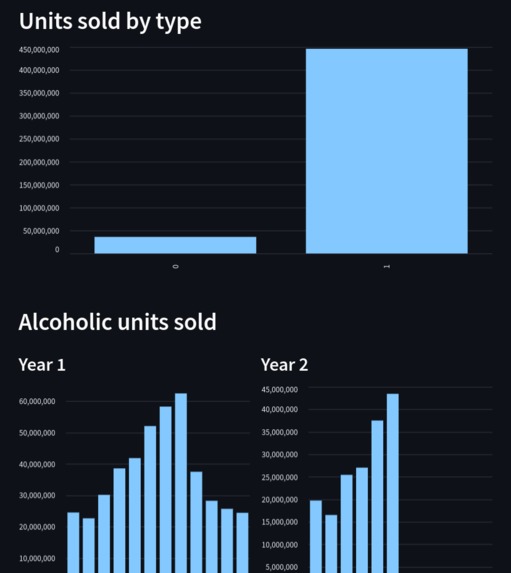
Plot 2
-
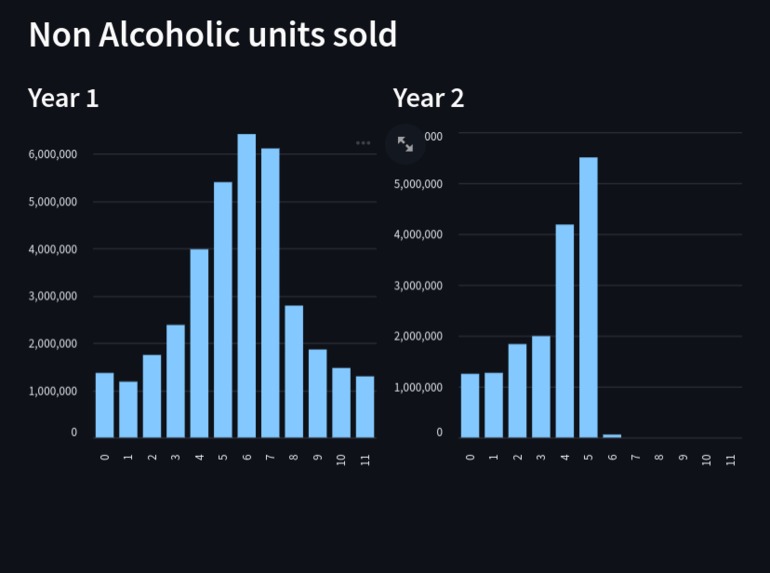
Plot 3
-
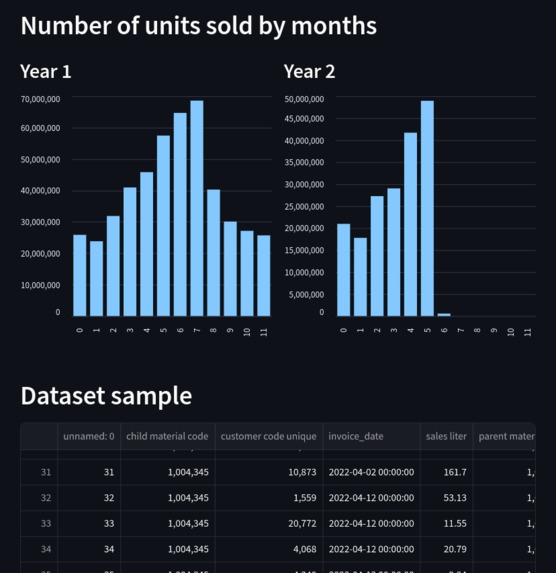
PLot 1


Inspiration
What it does
It predicts the number of units (nr of bottles) given a set of parameters such as date, time, childmaterialcode, unit volume, and others.
How we built it
We converted the documents in the same format and merged them using a merge function. The next step was data preprocessing. We worked with categorical data and applied a binary encoder. Dealing with outliers we applied isolation forest. We reduced the dimensionality of the dataset using PCA. In data processing, we trained the dataset on several models such as RandomForestRegressor, MLPRegressor, LinearRegression, and KNeighboursegressor. Then we measured the accuracy of the model.
Challenges we ran into
Beacause of the big dataset 16gb of RAM was not enough and compilation times were longer. Bringing data to a common format that can be used by everyone in the team easily can be challenging, but solvable with careful planning
Accomplishments that we're proud of
Better understanding of working with BIG DATA. Teamwork distributions


Log in or sign up for Devpost to join the conversation.