-
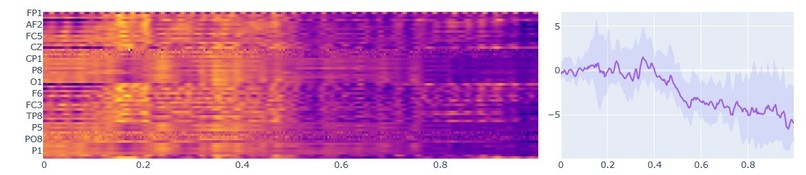
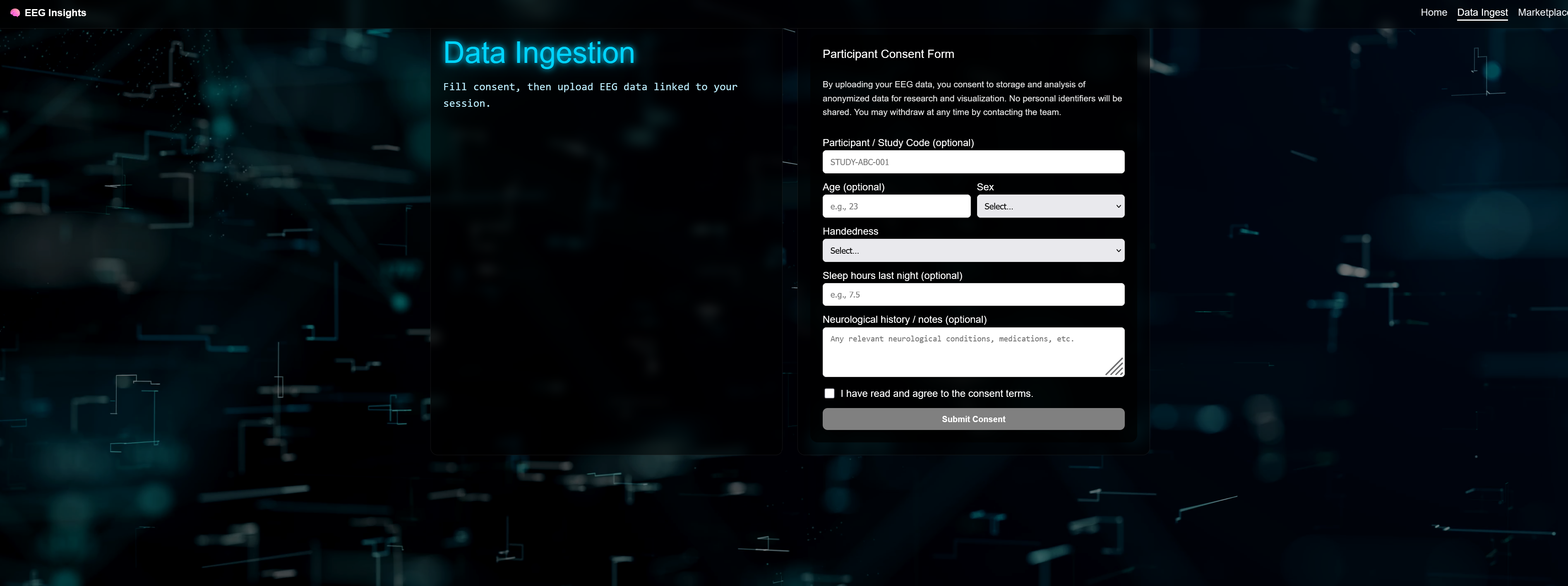
EEG Heatmap Python Demo (See web for clean result)
-
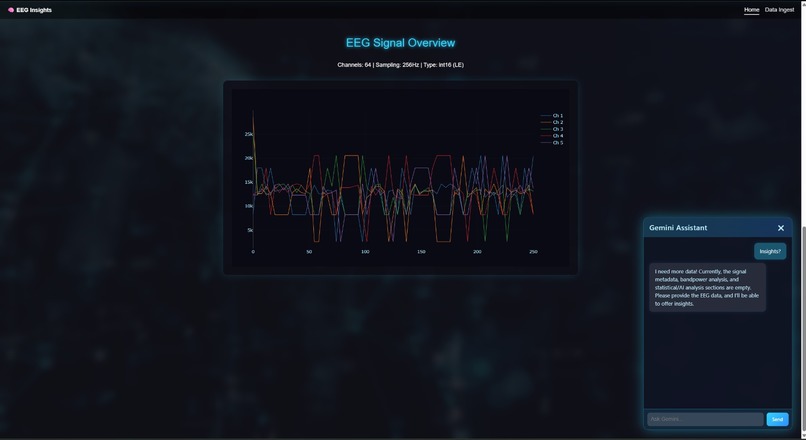
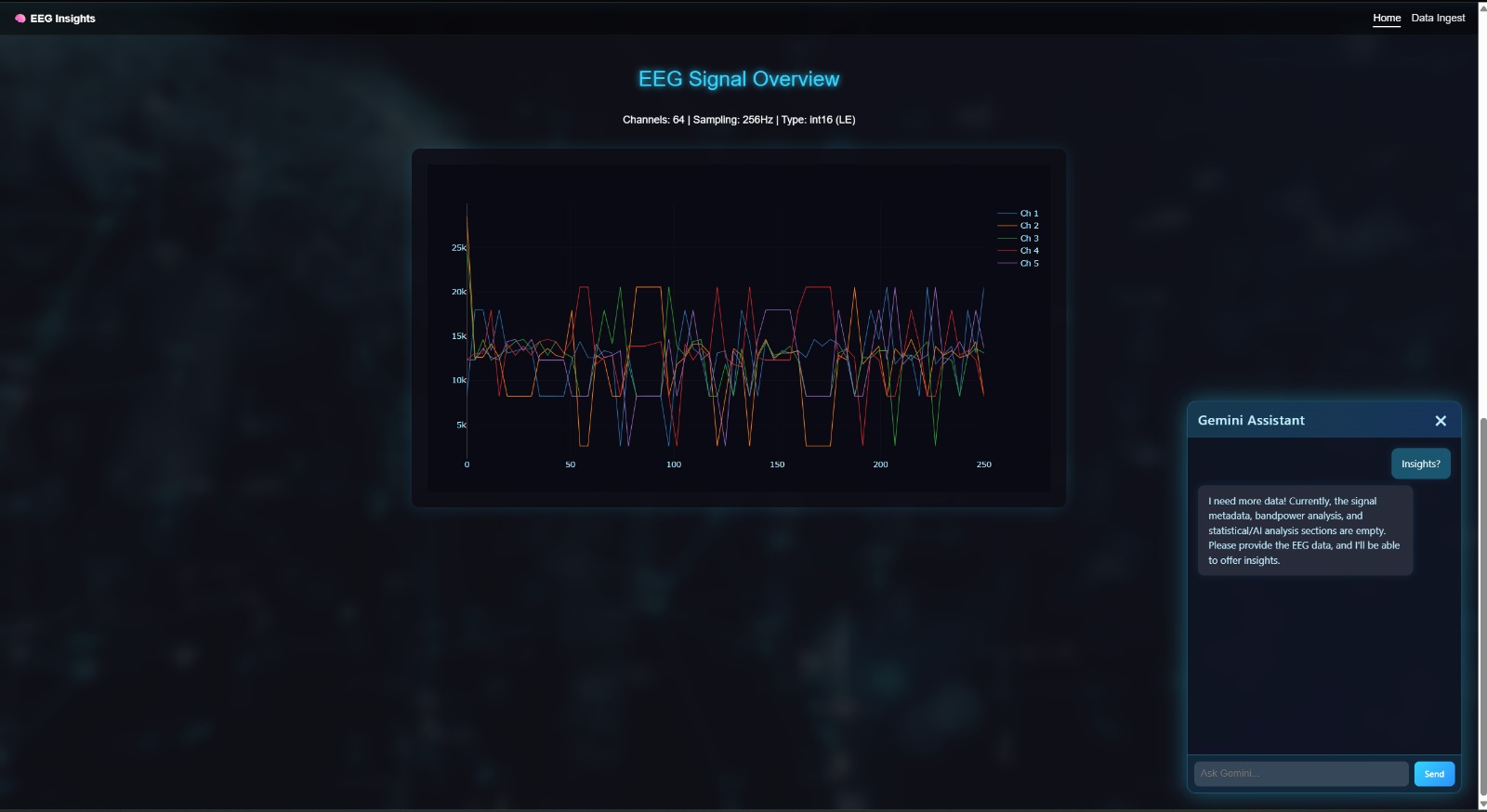
Gemini Analysis of Data: Requires more data from researcher (Specific)
-
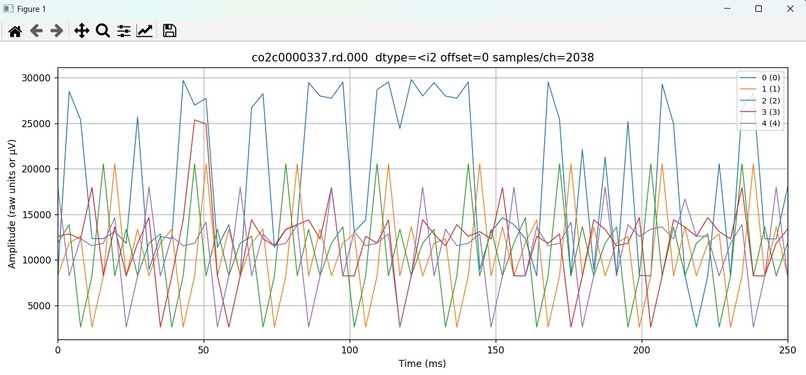
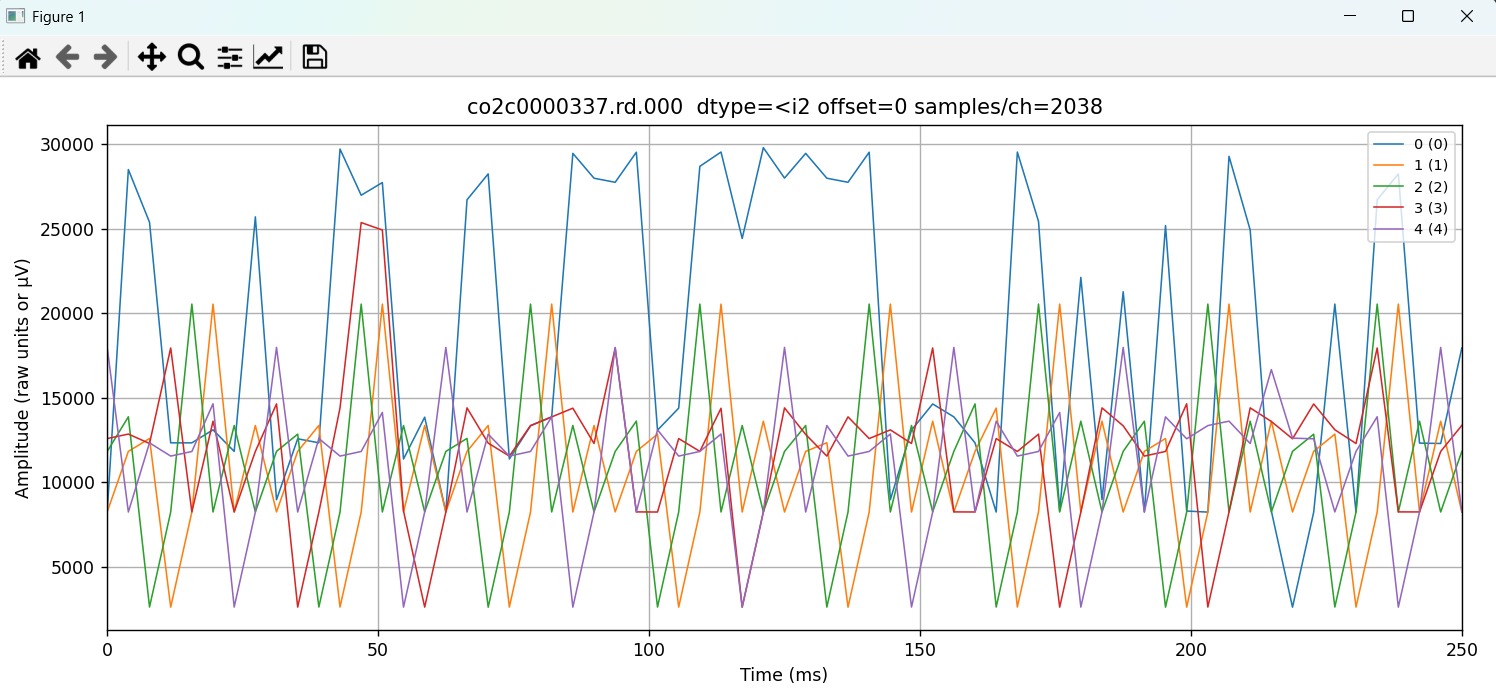
EEG Python Demo (See web for clean result)
-
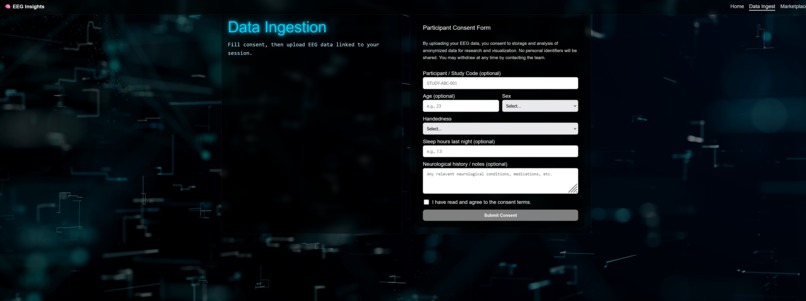

Inspiration
With research laboratory experience, even professors are not commonly equipped with the right tools to perform proper coding practices, or even for the main project itself. This meant that a lot of the coding hard work was put onto us, in spite of it being a Neuroscience laboratory, as well as the analysis and overall debugging. You could observe the rest of the members debating on whether or not they should add one or another sound, and it would even take them weeks to decide. So, we thought, what if we could streamline a solution so that more neuroscientists could be facilitated with this kind of work?
What it does
We have a solution that takes real time EEG data (single participant recording) and collects it into different groups as set by the experimenter (a control group and conditions depending on the experiment).
How we built it
We built the solution using Python and specialized libraries for EEG data acquisition and analysis. The system integrates real-time signal processing, automated artifact detection, and dynamic grouping based on experimental conditions. A user-friendly interface was created to allow neuroscientists to configure experiments without needing coding expertise. Additionally, we implemented robust logging and debugging tools to ensure reproducibility and accuracy in every recording session.
Challenges we ran into
We faced challenges with real-time data handling, especially ensuring low-latency processing without data loss. Another major challenge was handling noise and artifacts in EEG signals, which required designing an automated filtering pipeline. Integrating a flexible yet intuitive interface that neuroscientists could easily use also took considerable iteration.
Accomplishments that we're proud of
We successfully built a tool that allows neuroscientists to focus on experiment design rather than coding or data wrangling. The solution reliably groups EEG data in real time and handles multiple experimental conditions seamlessly. We also developed a platform that reduces setup time from weeks to minutes, improving overall productivity in the lab.
What we learned
We learned the importance of balancing technical rigor with usability. Real-time data processing at scale requires careful optimization, and iterative user feedback is critical for building tools for domain experts. We also gained experience in bridging neuroscience research with software engineering best practices.
What's next for EEG Analysis Solution for Neuroscientists
We plan to extend the system to handle multi-participant EEG recordings and integrate advanced analysis features such as machine learning-based pattern detection. Improving visualization tools and expanding compatibility with different EEG hardware are also priorities. Ultimately, the goal is to make EEG analysis accessible, efficient, and reliable for neuroscientists worldwide.
Built With
- chatgpt
- gemini
- javascript
- python
- react
- supabase
- typescript
- vite


Log in or sign up for Devpost to join the conversation.