Inspiration : Closing the Equity Gap
In Quebec, the "Cube Energie " challenge is a legend. Since 2009, nearly every student has collected cubes where 15 minutes of movement equals one cube. It was started by Pierre Lavoie, a world-class Ironman athlete who turned his personal tragedy—losing two of his children to a rare hereditary disease called lactic acidosis—into a national movement (1). He created this challenge as a preventative measure so other children wouldn’t have to face the hospital; he made health a game that has now inspired millions to move(2) . However, a significant gap remains: two-thirds of Canadian children still do not meet recommended daily physical activity levels, often due to environmental barriers. (3)
But there is a problem Pierre couldn't solve: environment and physical inequity. If you live in a small, crowded apartment, have busy parents, or live with a disability, you are often "left out" of the challenge. We were those kids. We remember wanting to participate but lacking the space or the mobility to do so, and looking around you can see all those children everwhere . We created Hop’n Energy to use Virtual Reality to give every child equal access. Because whether you are in a large park or a small bedroom, every child deserves a "hop" in energy.
What it does : A Playground in Any Space
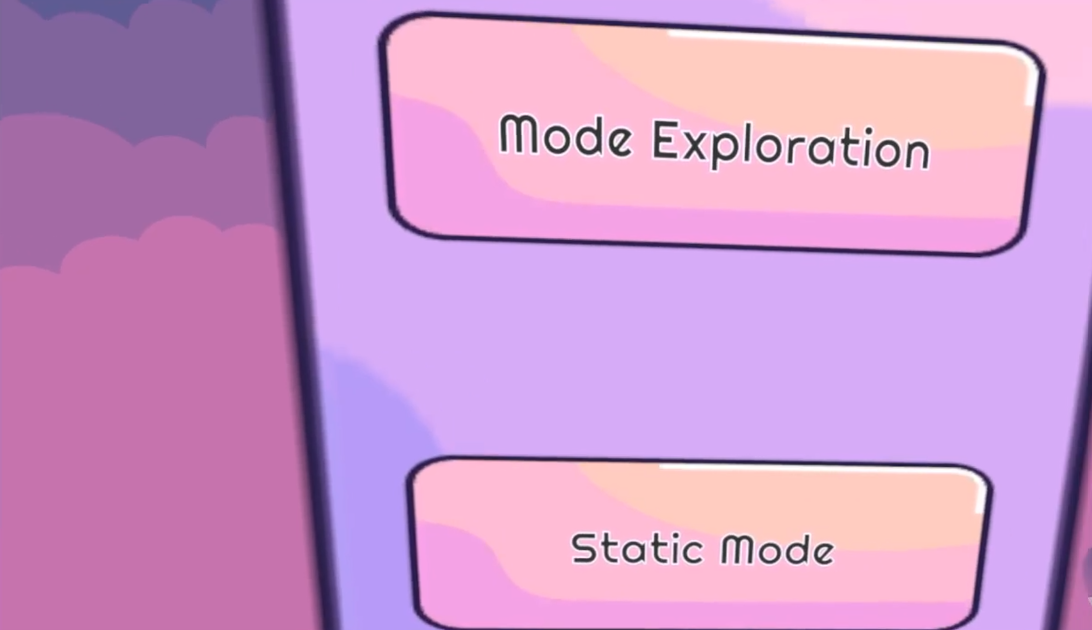
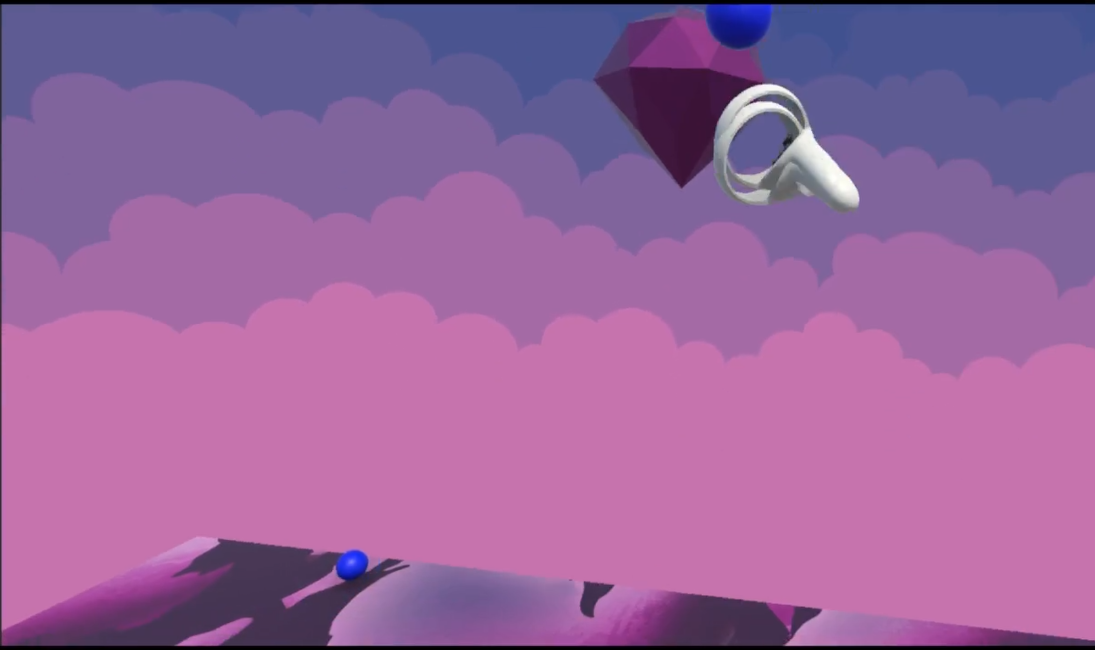
Hop’n Energy is a VR experience that transports children into an immersive world, transforming any room into a high-functioning playground. By utilizing the transportive nature of VR, we help children reach a "Flow State," where immersion increases engagement and reduces the perceived effort of exercise (4).Gamification further improves adherence to these healthy habits by providing immediate virtual rewards and progress tracking that keeps children motivated. The game ensures inclusivity by being environment-agnostic; the system scales obstacles to fit the child's actual surroundings, no matter how small. While we currently focus on overcoming environmental barriers, our next developmental milestone is implementing specific adaptive exercises for children with limited mobility or those in hospital beds. It is more than a workout—it is a world where children are transported beyond their physical or environmental limitations, ensuring their heart rate climbs regardless of their situation.
The Science: The Core 4 Movements
Our experience is built on four movements performed in high-energy 30-second intervals (Sprint Interval Training), a modality proven to improve pediatric cardiovascular health more efficiently than continuous running (5).
Vestibular Spinning: Using spatial audio to guide rotation, this stimulates the inner ear to improve emotional regulation and visual stability—skills that are foundational for reading.(6)
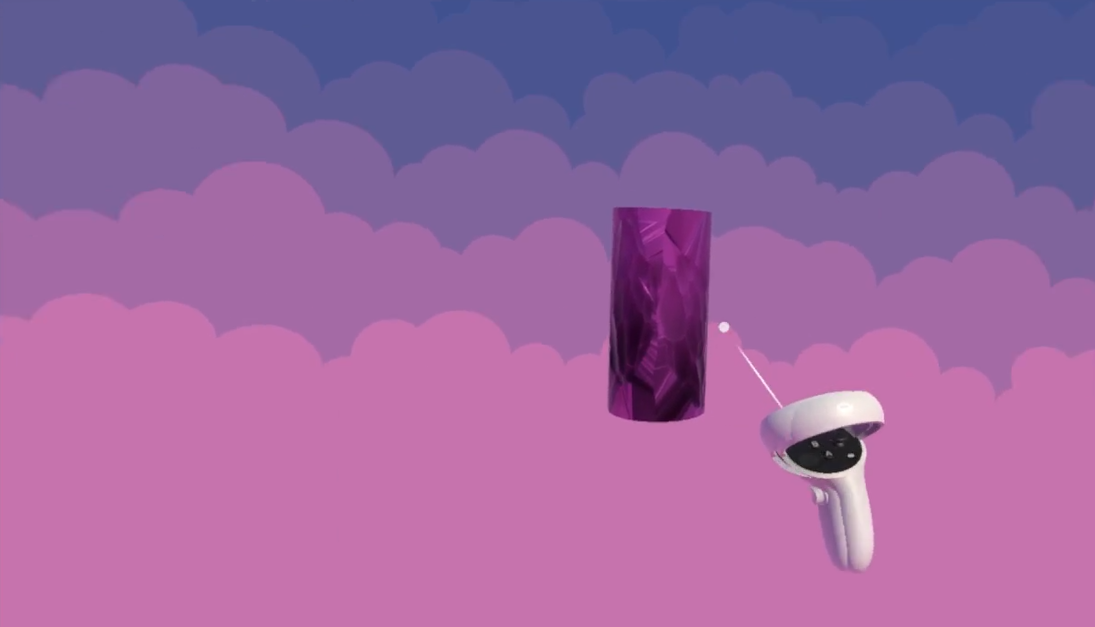
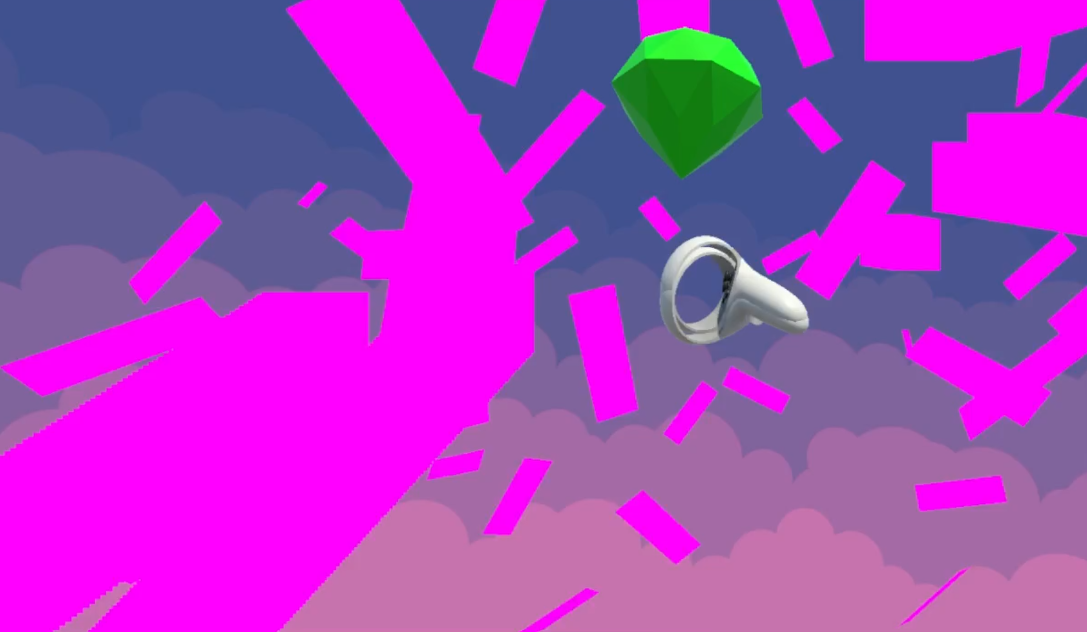
Motor Sequencing (Throwing): By tossing energy spheres at virtual targets on furniture, children train their kinematic chain and "force grading," learning to coordinate their whole body to modulate strength.(7) Plyometric Agility (Skater Hops): These lateral jumps utilize mechanotransduction to increase bone mineral density in the spine and hips, protecting the skeleton for life.(8)
Trunk Stability (Bear Walk): This weight-bearing "heavy work" provides deep joint pressure that is inherently calming for the nervous system while building the core strength needed for all gross motor milestones.(9)
How we built it
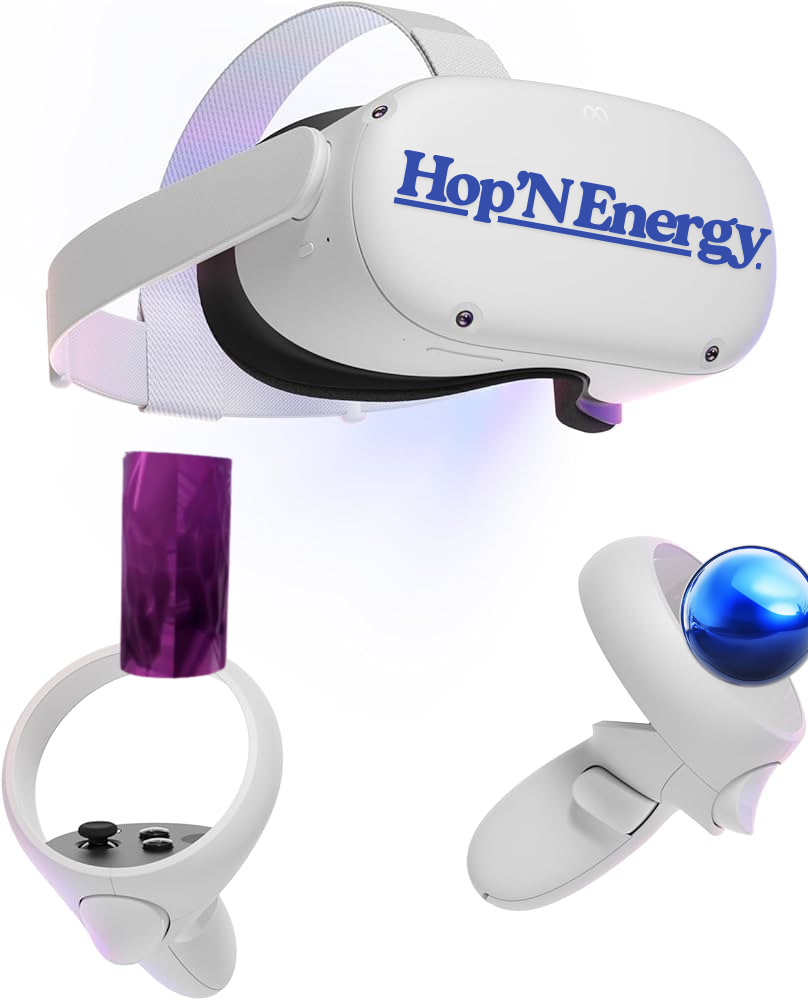
Hop'N Energy was built using Unity and Meta Quest 3 to maximize accessibility and reach. We leveraged the Quest's built-in hand tracking and spatial mapping to dynamically scale obstacles and gameplay to each child's actual room dimensions—a critical feature that ensures the game works in a 3m² bedroom just as effectively as a gymnasium.
The technical foundation rests on four pillars: spatial audio cuing (guiding movements through directional sound rather than visual-only prompts, important for children with visual impairments), physics-based object interaction (allowing natural throwing mechanics that accurately train force grading), adaptive difficulty scaling (automatically calibrating intensity based on real-time heart rate and movement quality), and accessible UI design (large text, high contrast, and voice guidance to ensure children of all abilities can navigate the game).
We built the science into the code: each 30-second sprint is precisely engineered to trigger the cardiovascular adaptations documented in pediatric literature. Vestibular stimulation is delivered through spatial audio patterns, plyometric load is calculated in real-time to respect each child's skeletal development stage, and nervous system regulation is tracked through movement smoothness metrics.
Challenges we ran into
The Equity Problem Has No Single Solution: We quickly realized that environmental barriers extend beyond just space. Some children couldn't make noise (late-night apartments), others had sensory sensitivities to flashing lights, and some had mobility variations we hadn't anticipated. This forced us to build not one game, but a modular system where every element—audio, visual, movement—could be toggled.
Physics Meets Reality: Translating real-world throwing mechanics into VR while accounting for a child's actual furniture was humbling. A couch in one home is not the same in another. We spent weeks calibrating collision detection to work with detected objects rather than predefined environments.
The Data Paradox: We wanted real-time heart rate monitoring to personalize intensity, but adding wearable integration created privacy and technical complexity. We had to choose: detailed data or simplicity. We chose simplicity—the game works without a wearable, but is enhanced with one.
Time and Scope: Six weeks to build a game, validate it with real children, and prepare for launch is not a lot. We had to ruthlessly prioritize: the four core movements work beautifully, but we had to defer hospital-bed adaptations and multi-player competitive modes to future versions.
Accomplishments that we're proud of
We Made Movement Equitable: A child in a 2m × 2m bedroom in Montreal can now access the same cardiovascular benefits as a child in a sports facility. That isn't a small thing—it's the realization of our core mission.
We Validated the Science in Code: We didn't just say these movements train the vestibular system; we built real spatial audio cuing, precise sprint timing, and movement recognition that enforces proper form. Teachers and parents can trust that every session is delivering what we promised.
We Built for Real Disabilities, Not Imagined Ones: We tested with children who have sensory sensitivities, mobility variations, and ADHD. The game adapts—high contrast mode, adjustable audio frequencies, variable jump heights. These aren't afterthought accessibility features; they're core to the design.
We Created Something Children Actually Want to Use: In our testing, kids asked when they could play again. One child who typically avoids exercise said, "I forgot I was exercising." That flow state—that's the victory.
We're Sustainability-Focused: By requiring only a VR headset and any room, Hop'N Energy has a carbon footprint orders of magnitude smaller than building new gyms or sports facilities. Equity and environmental responsibility aligned.
What we learned
Disability is a Design Teacher: The most important innovations came from conversations with children and families who faced real barriers. A child with low vision said, "I wish I could hear where to throw," which led us to our spatial audio system—now beneficial to all children, not just those with visual impairments. Universal design works.
Sprint Interval Training Changes the Game: We came in believing any movement was better than no movement. We left understanding that how you move matters as much as whether you move. The 30-second burst, the recovery science, the specific movements—it all compounds. We were not just building a game; we were building a scientifically-grounded intervention.
Technology Alone Doesn't Close the Equity Gap: VR is a tool, not a cure. A child with no headset, no quiet space, or no adult supervision still can't benefit from Hop'N Energy. Real equity requires infrastructure, community partnerships, and policy change. Our game is one piece of a much larger puzzle.
Families Are Experts About Their Own Needs: We initially designed features we thought disabled children would want. We were often wrong. Listening—actually listening—to families about what barriers matter to them was humbling and transformed our design philosophy.
What's next for Hop'N Energy
Adaptive Movement Library: The four core movements were our foundation, but we're building 12+ additional exercises that specifically accommodate children with cerebral palsy, spina bifida, and other mobility variations. The blueprint is proven; now we scale it.
Hospital-Bed Mode: We promised to help children in hospital beds. Next quarter, we're launching a mode where core strength and upper body movements can be performed lying down, partnered with pediatric physical therapists to ensure safety and efficacy. No child should lose fitness while healing.
Community Partnerships: We're in conversations with school boards and community centers to deploy Hop'N Energy as a free, equitable option for all children—not just those whose families can afford a VR headset. We're exploring rental programs and shared-device models that make this accessible to the kids who need it most.
Longitudinal Impact Study: We need data. We're designing a 12-week intervention study with pediatric researchers to measure cardiovascular gains, bone density changes, and motor skill development. Anecdotal evidence of flow state is wonderful, but the world needs research-grade proof that VR movement works.
Multilingual and Multicultural Adaptation: Hop'N Energy was born in Quebec, but movement and equity are universal. We're localizing the experience—culturally relevant avatars, multiple languages, adaptations for different climate zones and home sizes globally.
Because at its heart, Hop'N Energy is a simple promise: your zip code, your apartment size, or your disability should never determine whether you get to be healthy. We're just getting started.
Source
(1) link (2) link (3) link (4) link (5) link (6) link (7) link (8) link (9) link
Built With
- metaquest
- unity

Log in or sign up for Devpost to join the conversation.