-
-
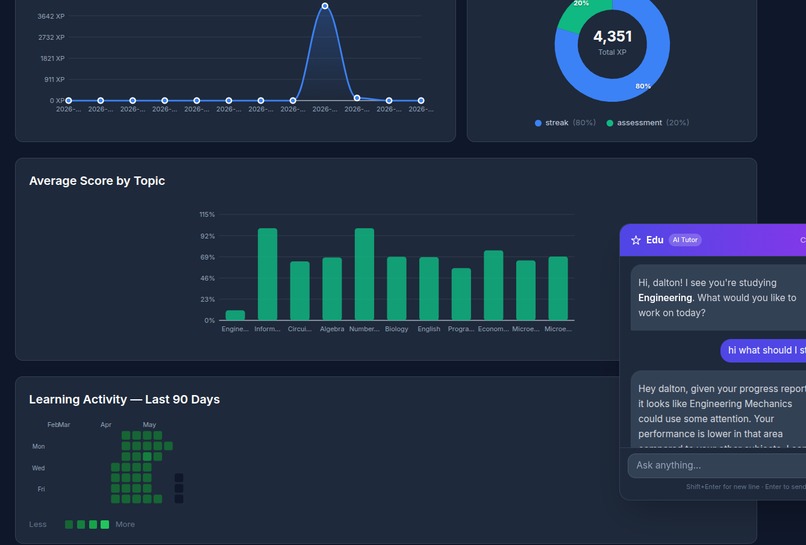
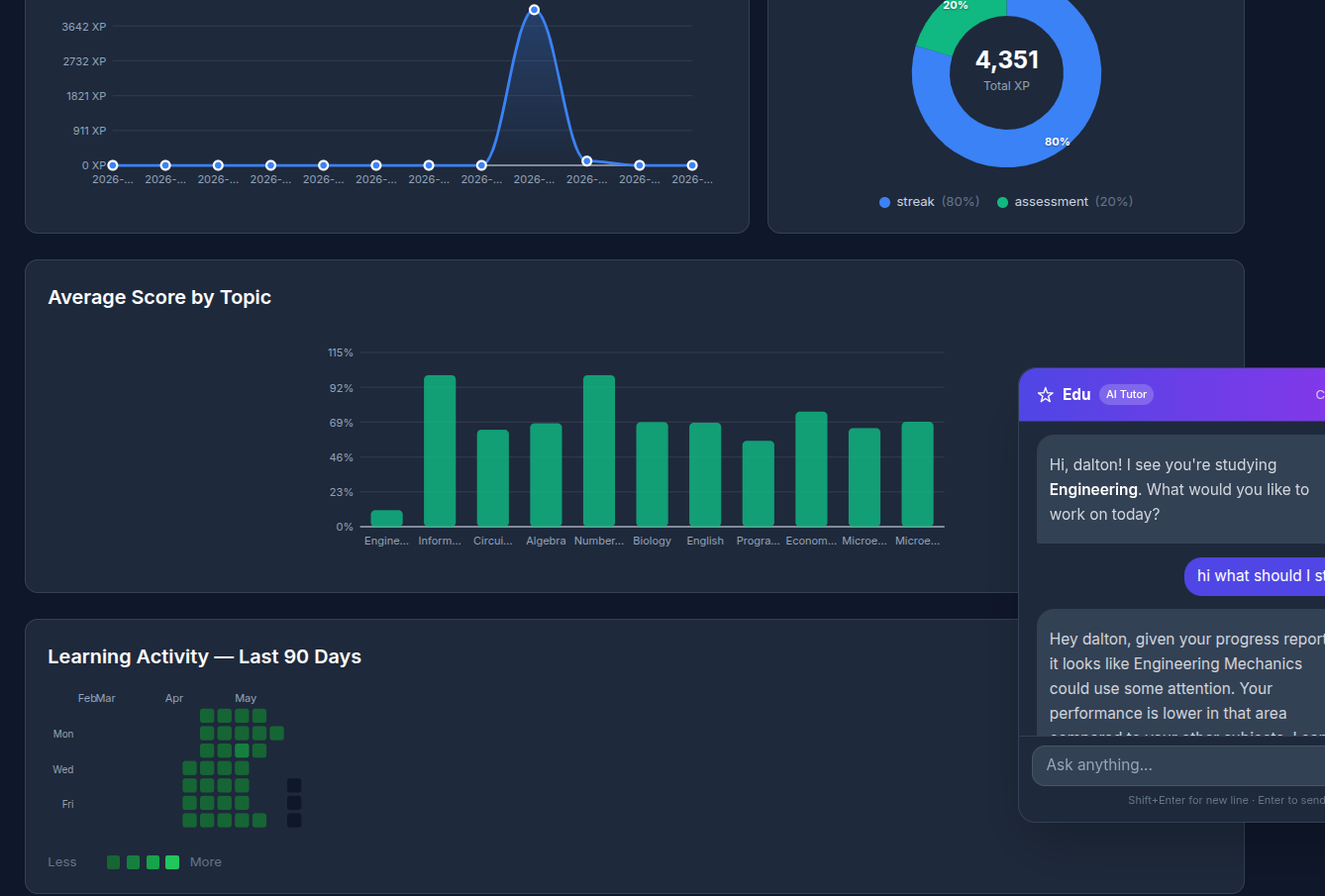
analytics page
-
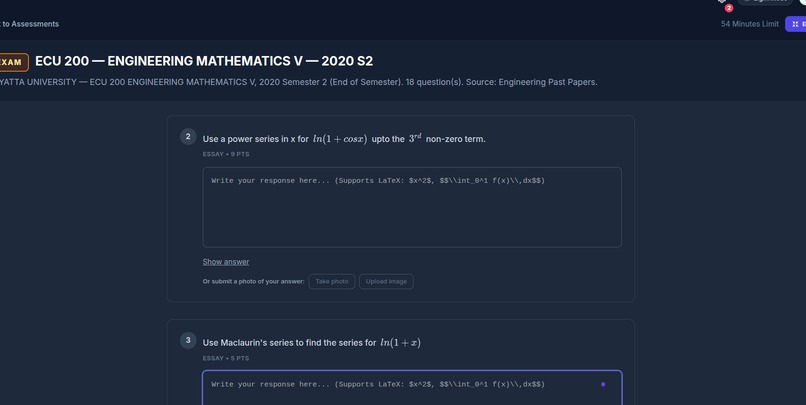
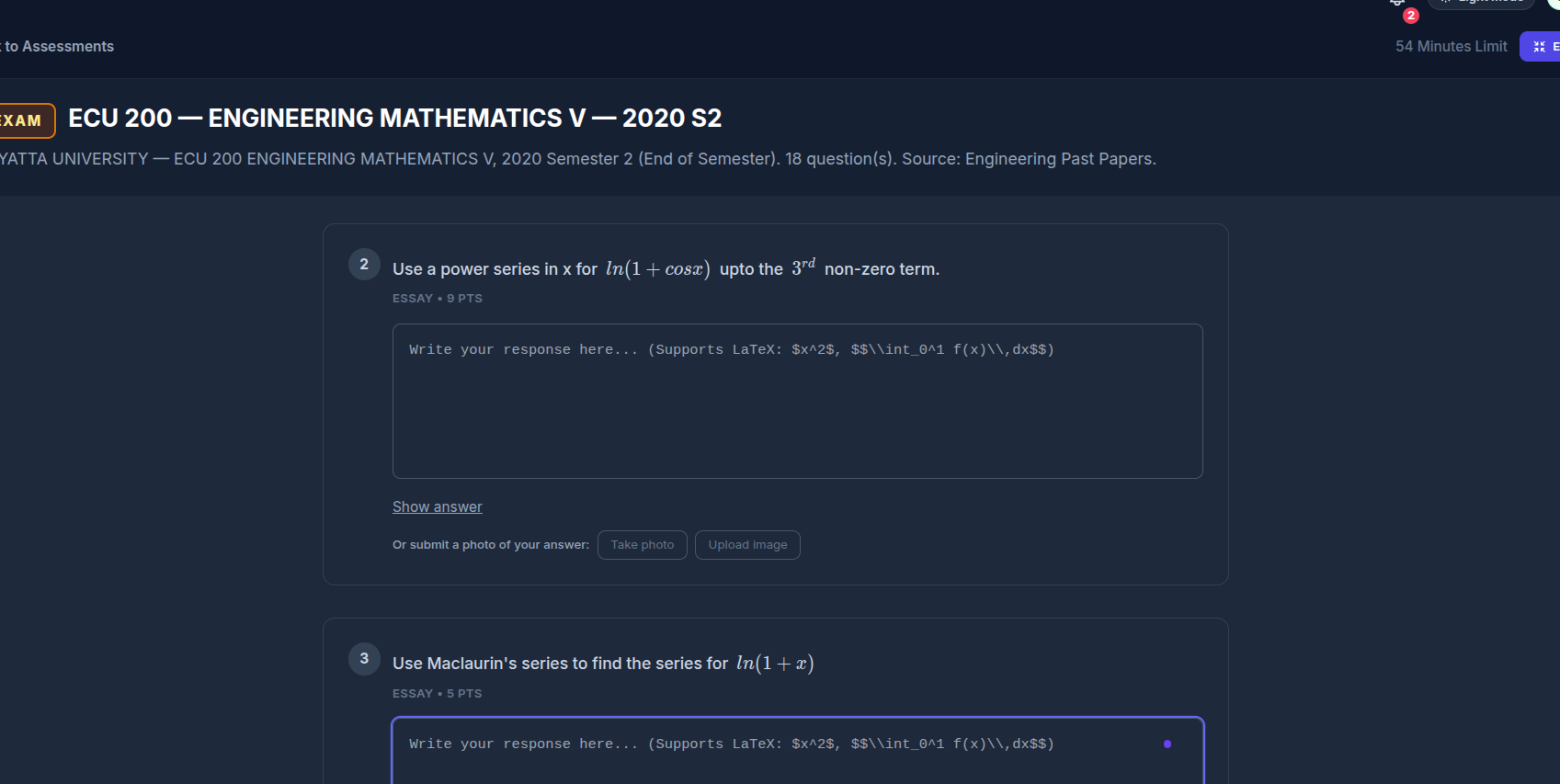
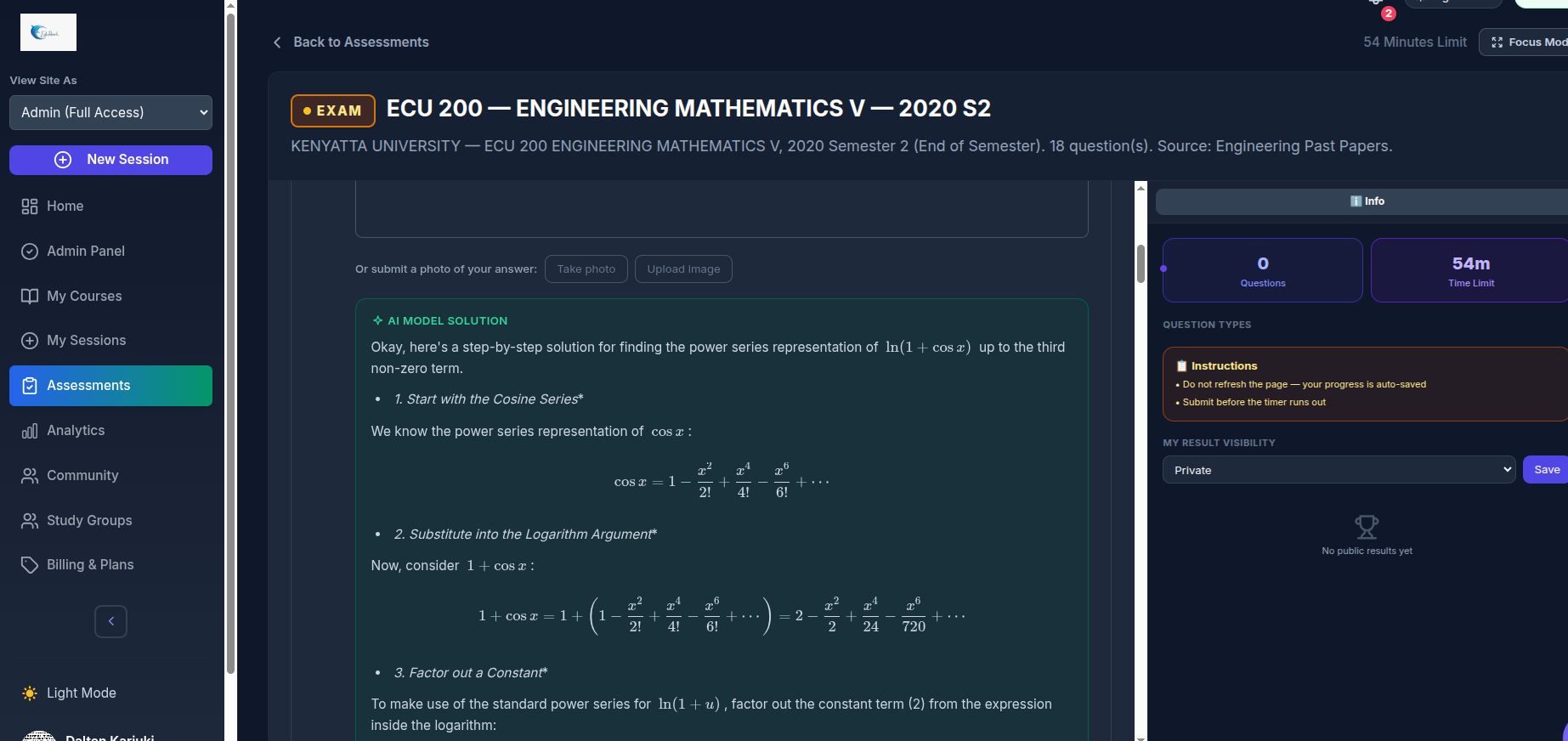
taking and exam
-
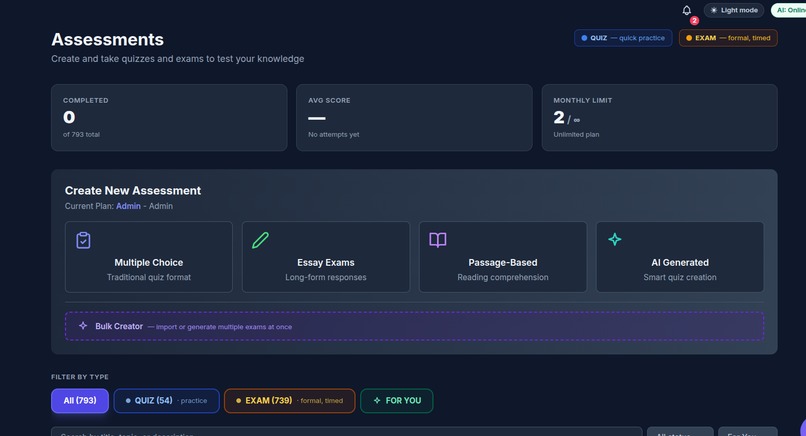
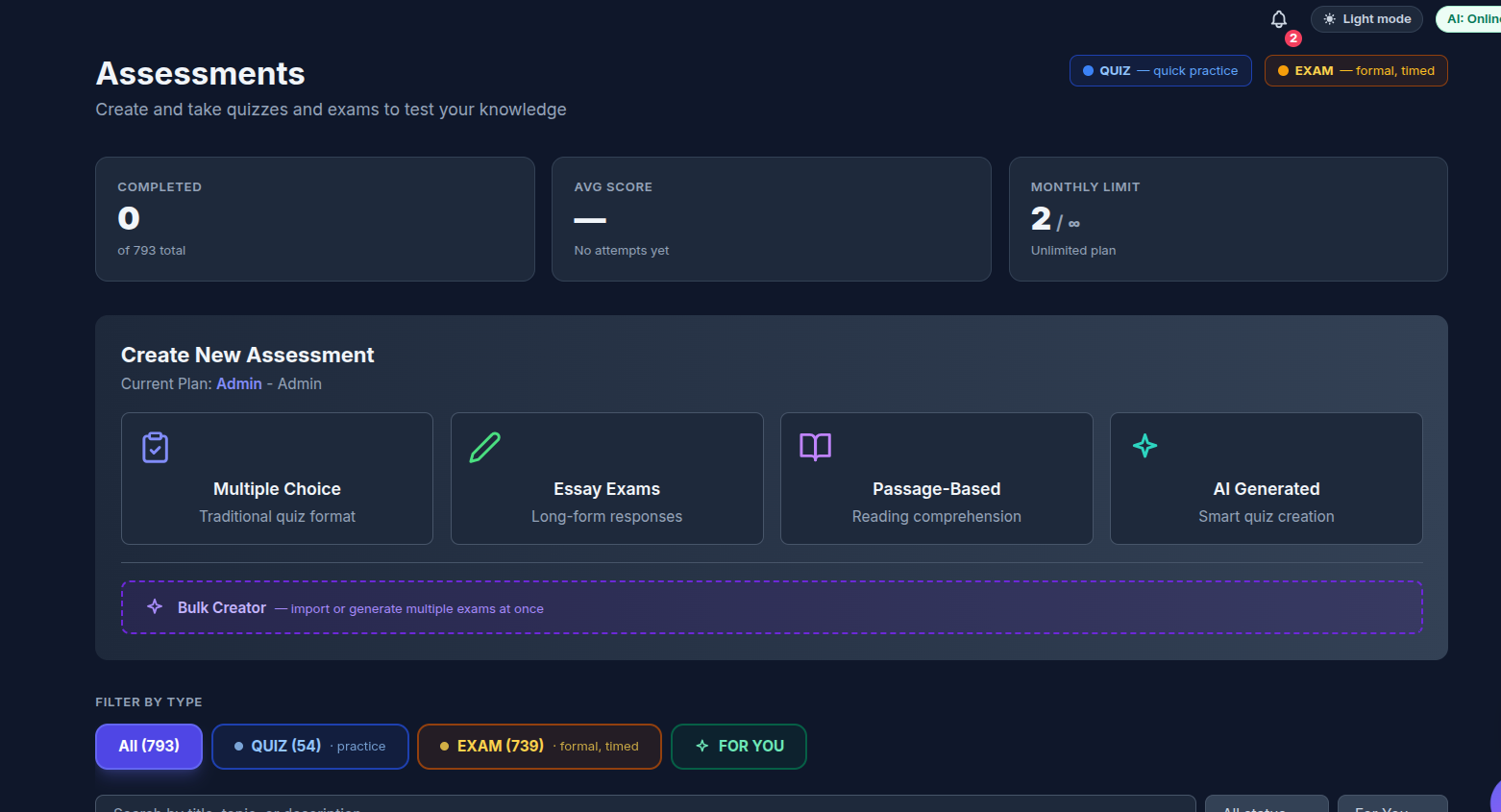
assessments page
-
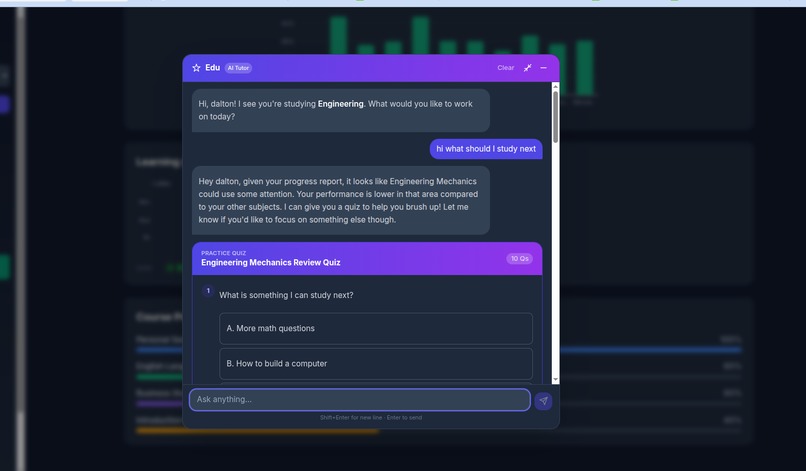
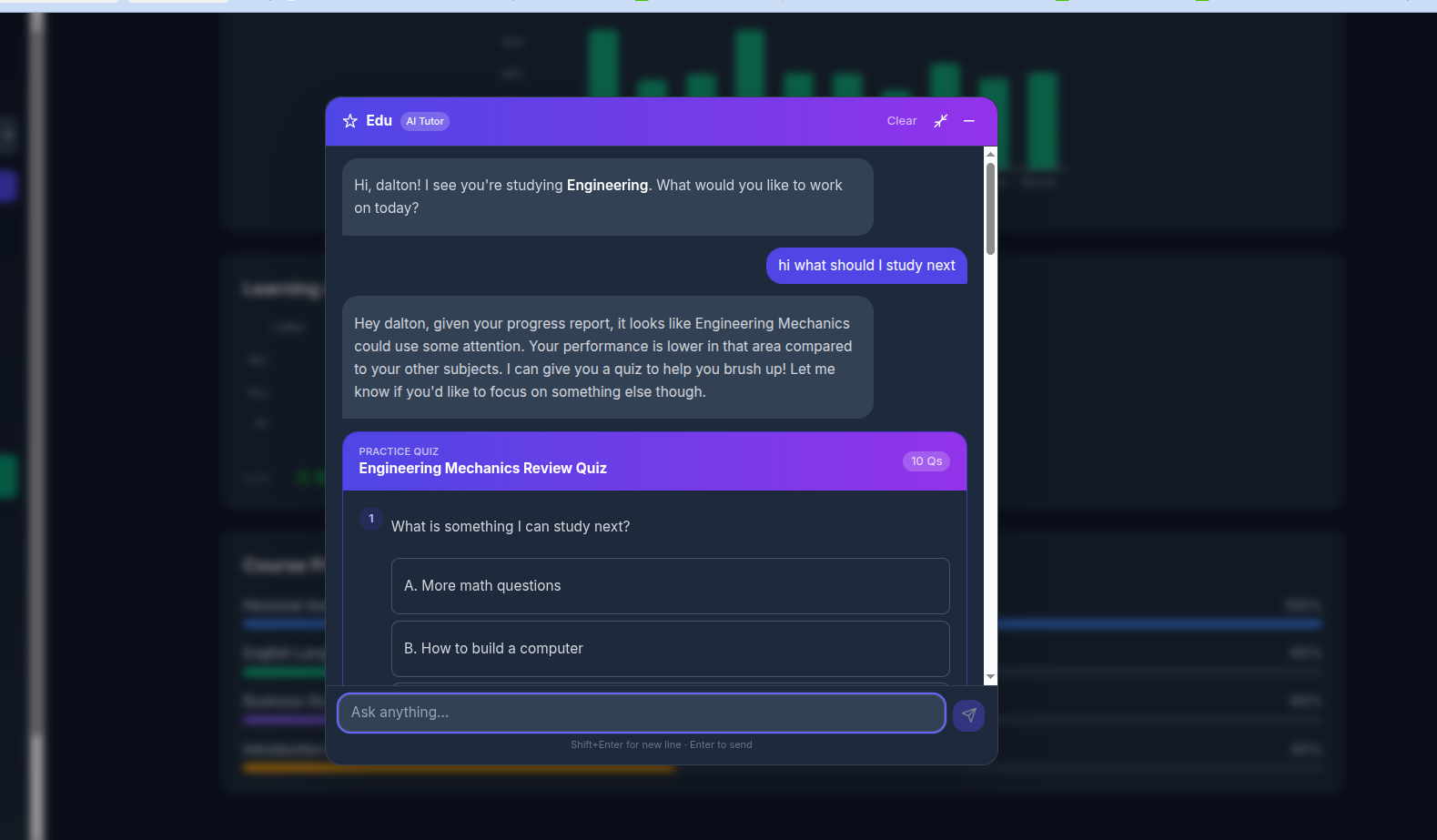
ai chatbot
-
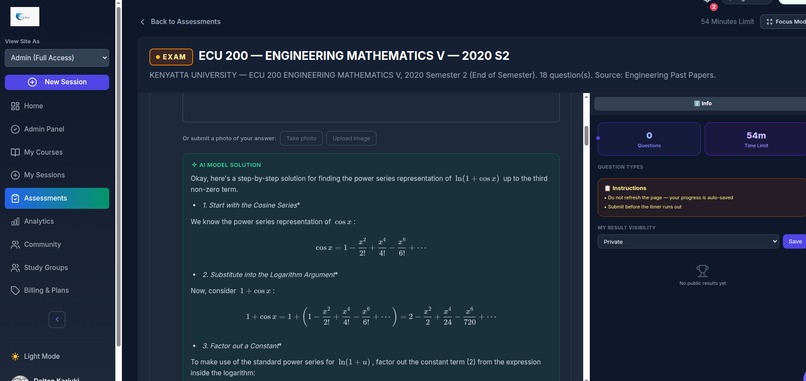
assessment
-
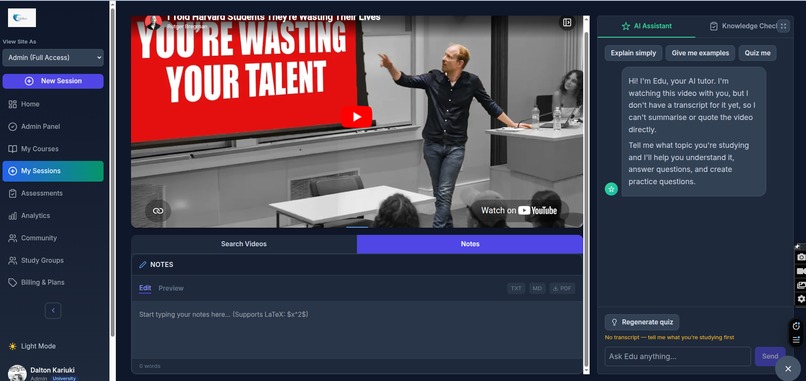
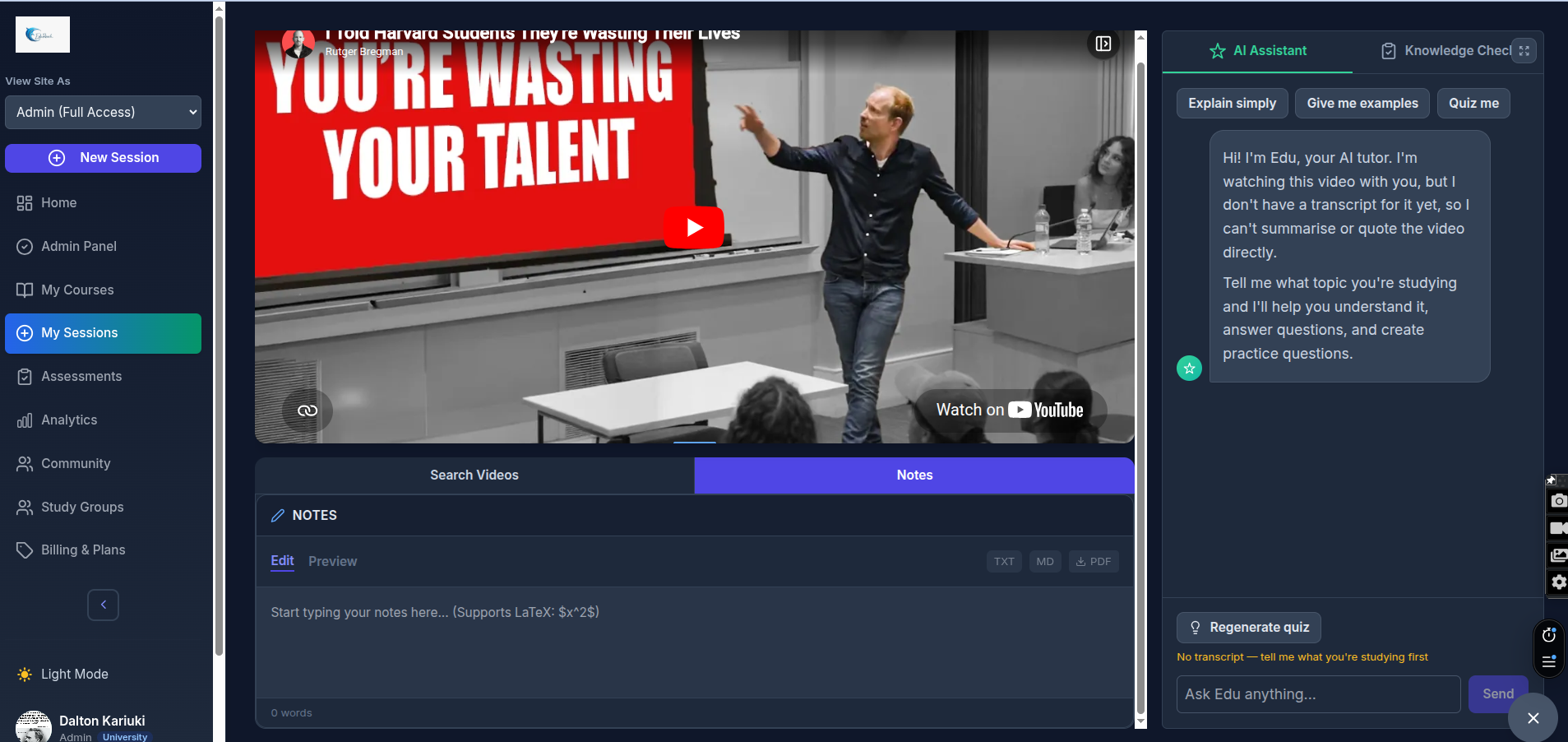
learning session
The Story Behind EduReach
Where it started
I'm an alumni of the Kenyan team to the International Mathematical Olympiad. When I was training, we had almost nothing. Resources were scattered across obscure PDFs, old competition archives, and whatever we could scavenge from the internet. There was no platform to train on. Finding a qualified trainer in a developing country is hard - most students are on their own, trying to self-teach from fragments.
I'm now a trainer at the Kenya Mathematical Olympiad. The problem is the same. Nothing has changed.
The university problem
University students face a different but equally broken situation. They scramble for past papers. They piece together their education from random YouTube videos, snippets from ChatGPT, scattered PDFs - no structure, no continuity, no one to tell them what matters or whether they actually understand it.
The feedback loop that makes education work - test, mark, feedback, repeat - is almost entirely missing. Most of what passes for studying is rote learning with no real assessment. And when students try to find help, nothing is personalised to how they think, what they already know, or where they're actually struggling.
The deeper problem: attention machines
There's something else nobody wants to say. The devices students study on are not built for learning. They are built by billionaires to capture attention, maximise engagement, and keep you scrolling. You cannot study seriously on a phone anymore - the architecture of the device works against you.
Countries are genuinely confused about whether to allow phones in schools. They should be confused. Phones are entertainment devices dressed up as productivity tools.
What EduReach is trying to do
EduReach is my attempt to build the infrastructure I wish existed when I was training for the IMO - and that every university student in Kenya deserves access to today.
A Gemini-powered AI tutor that actually knows what you are studying, remembers your conversation, and explains things until you understand Thousands of real past exam questions from Kenyan universities and competitions - not generic content Assessments with feedback, not just scores - because testing without reflection is just stress Study groups and leaderboards that use competition and community the way they should be used: to make you better, not just distracted We price it so a student in Nairobi can actually afford it: from KES 0 to KES 799/month (~$6 USD at the top tier).
Where this is going
Once the software ecosystem is strong, we move to hardware. Dedicated learning tablets — cheaper than smartphones, built for slow, focused work, with none of the attention-trap architecture. Countries that are debating banning phones in schools need an alternative. We want to build that alternative.
We are starting with software. The hardware comes next

Log in or sign up for Devpost to join the conversation.