Inspiration
Working in the educational consulting space, we kept seeing the same frustrating pattern: centers pour money into marketing, get flooded with vague inquiries, and then burn through staff hours trying to figure out who's actually serious. It's an expensive guessing game.
At the same time, students and families arrive skeptical — and honestly, for good reason. Inflated scholarship promises, surprise fees, and overly rosy roadmaps have made people wary of consulting centers in general. We wanted to fix both sides of that equation. EduPath started as a simple question: what if an AI could be the first point of contact that students actually trust, and that centers actually find useful?
What it does
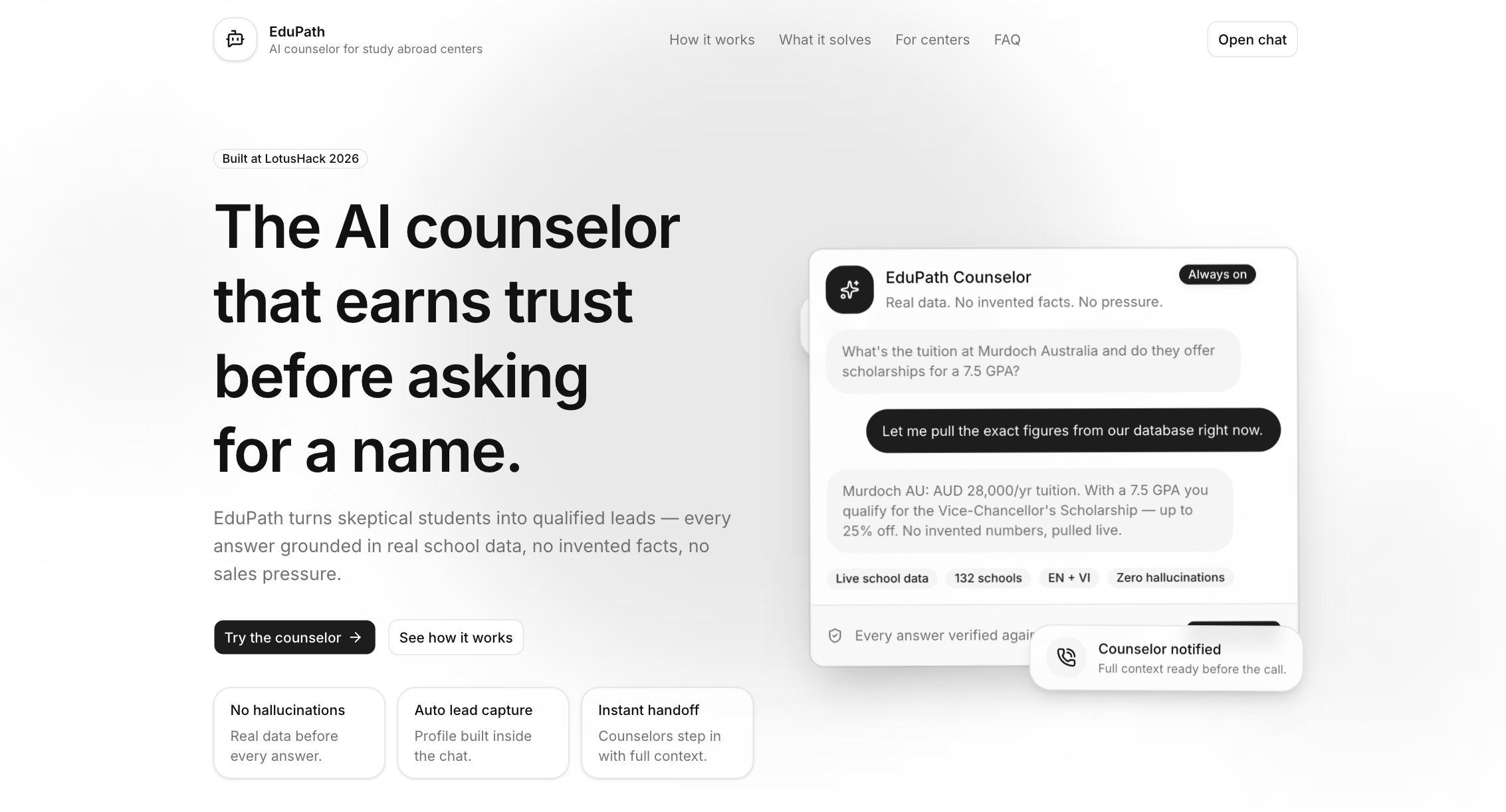
EduPath acts as a round-the-clock counselor that's transparent by design.
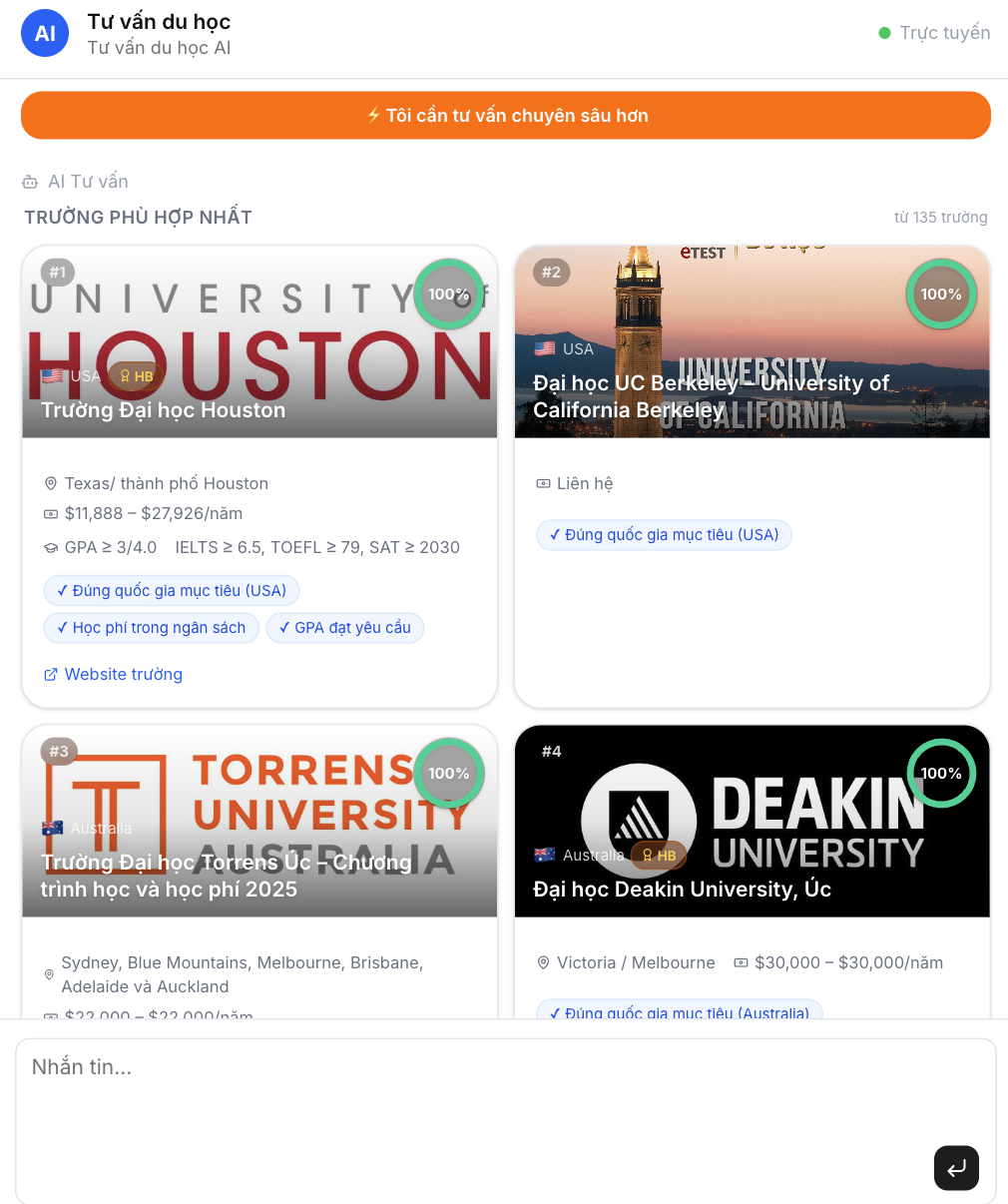
For students and parents: Every answer is grounded in real data pulled directly from the center's database — exact tuition figures, visa requirements, course breakdowns. No guessing, no fluff. The kind of specificity that turns skeptics into believers.
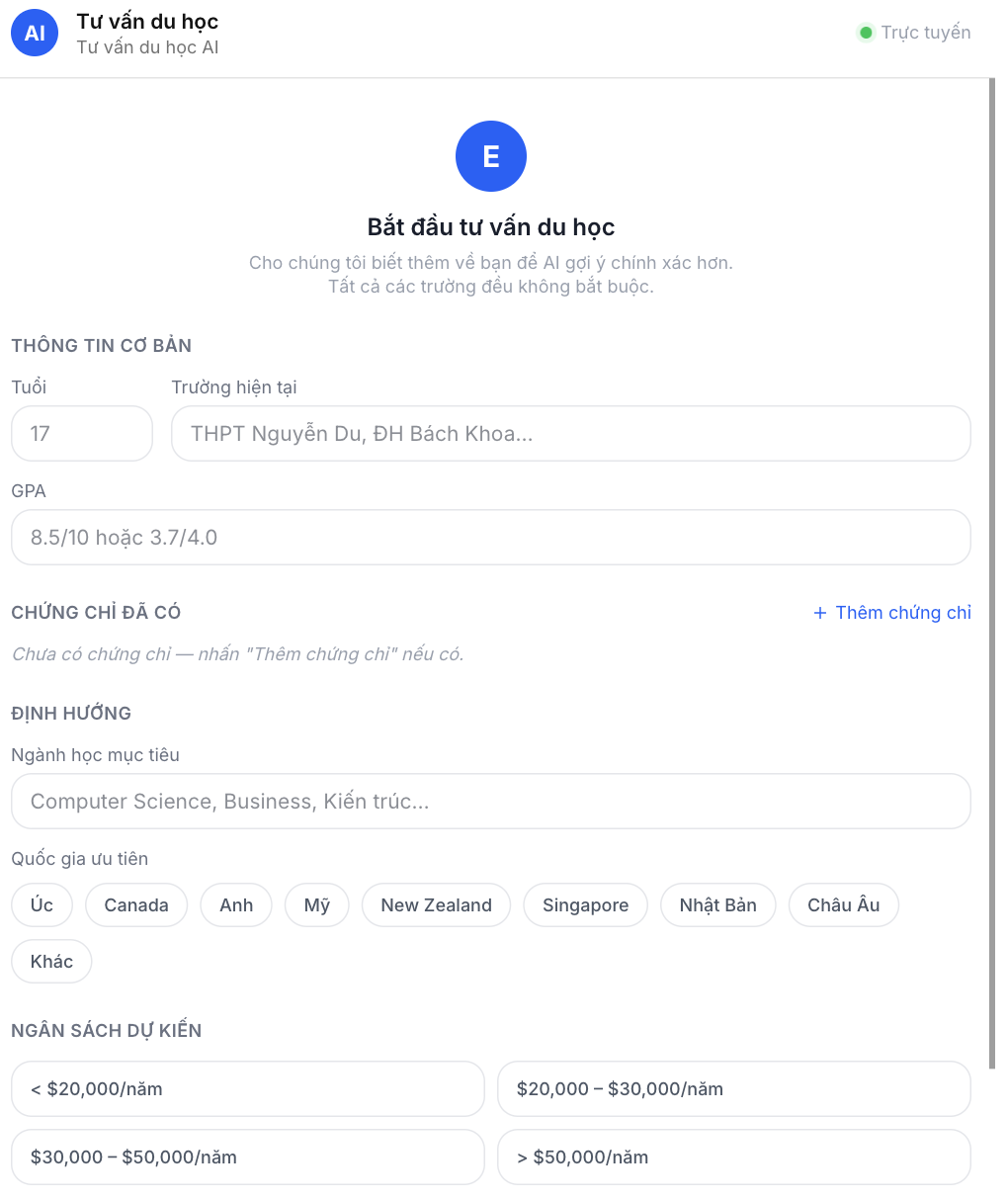
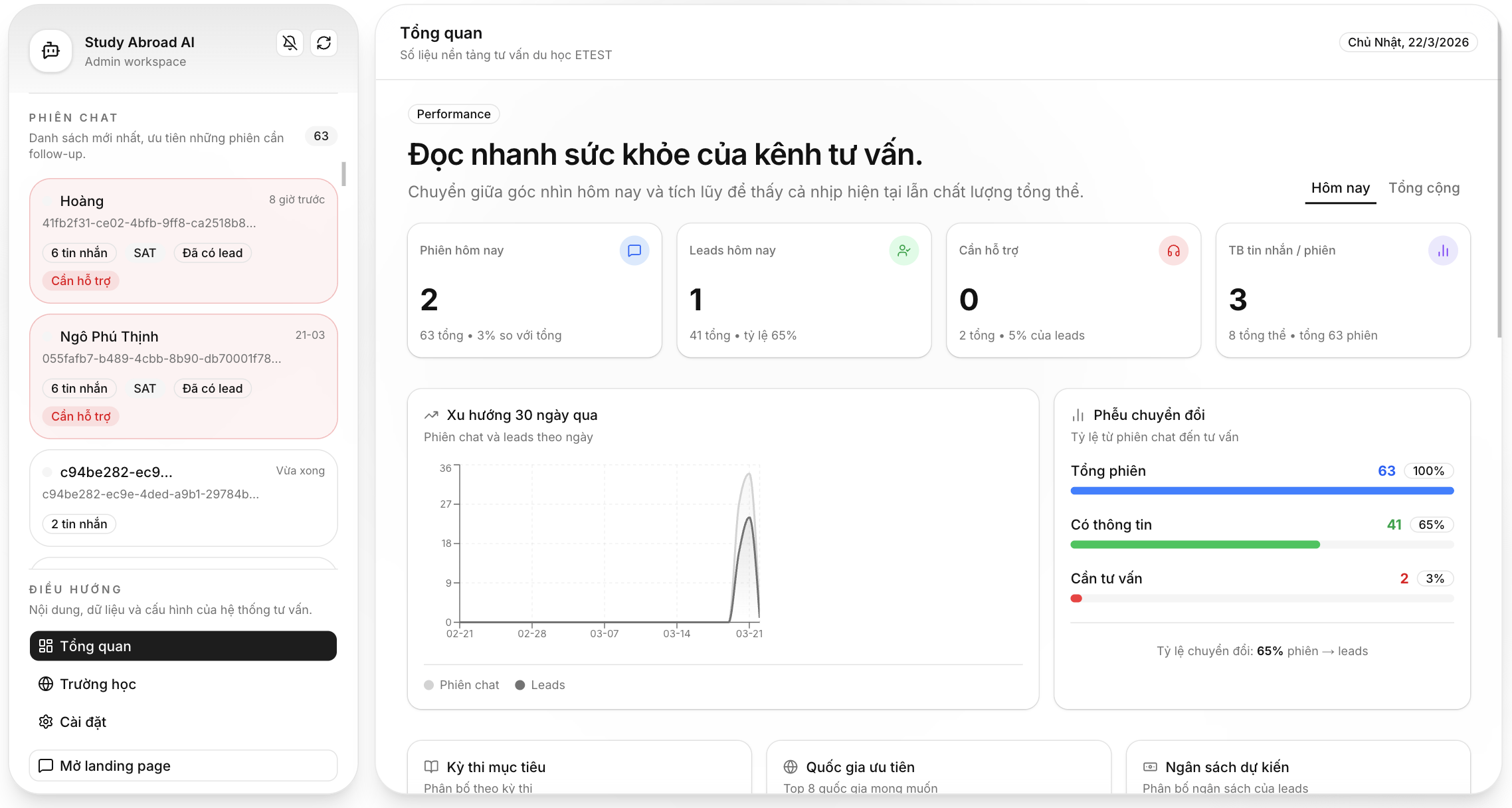
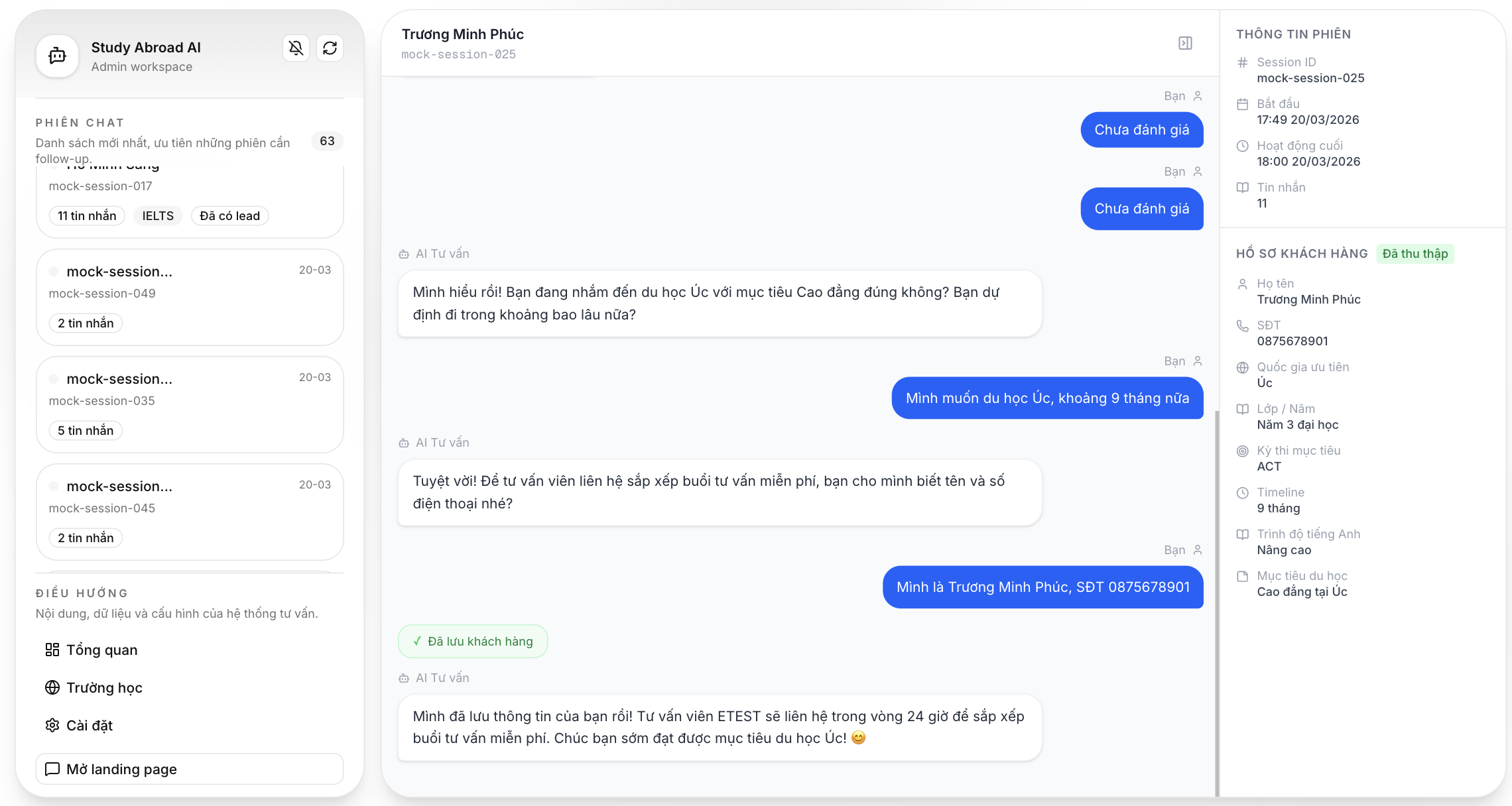
For consulting centers: EduPath handles the early-stage conversation automatically. It chats naturally with prospective students, understands their situation, and collects the key details centers need — name, phone, GPA, budget, English level — without feeling like an interrogation.
Interactive UI: Rather than dumping walls of text, the AI surfaces interactive components like selection forms directly in the chat, making the whole experience feel smooth and intentional.
How we built it
We put together a modern stack that let us move fast without cutting corners:
- Framework: Next.js 16 (App Router) and React 19 for a fast, server-rendered frontend, styled with Tailwind CSS v4 and Shadcn UI
- AI Orchestration: Vercel AI SDK (v6) for real-time text streaming and tool-calling — remarkably clean to work with
- The brain: OpenRouter powering sub-second, context-aware responses in both English and Vietnamese
- Backend & database: Supabase (PostgreSQL) as our single source of truth — we built two core server-side tools,
search_schoolsandsave_lead, so the AI can query live school data and log qualified leads directly into the database mid-conversation - Type safety: TypeScript and Zod for end-to-end validation
Challenges we ran into
The hardest problem was hallucination. An AI confidently inventing a "$50,000 scholarship" would be catastrophic in this context, so we engineered around it strictly — the model is only allowed to answer school-related questions after fetching real context through the search_schools tool. No tool call, no answer.
Getting the AI to trigger actual React components (like selection modals) instead of just typing out options in plain text was surprisingly tricky. It required careful message parsing and tight coordination between server and client state.
Prompt engineering turned out to be more art than science. Getting the AI to feel like a helpful counselor — someone who earns trust before asking for contact details — took a lot of iteration. Finding the right system prompt was genuinely one of the more painful parts of the weekend.
We also ran out of time before we could build everything we had in mind, and sourcing complete, accurate data for each school was a real bottleneck (though that's something a real client could fill in themselves).
Accomplishments that we're proud of
Getting the hallucination problem actually solved feels like the real win. The AI consistently pulls accurate data and doesn't improvise when it shouldn't. Watching it extract a full lead profile — certifications, timeline, budget — naturally over the course of a conversation and have it land cleanly in Supabase was genuinely satisfying. We shipped a working MVP with the full intended flow intact — given the time constraints, we're happy with that.
What we learned
Function calling fundamentally changes what an LLM can do. It stops being a text generator and starts being something that can actually take actions in the world — querying databases, writing records, triggering UI. That shift in mental model was probably the biggest takeaway.
We also built a much better intuition for how to structure a relational database so an AI can query it sensibly, and how much the tone of a system prompt matters when trust is the whole point of the product.
What's next
- CRM integrations: Push qualified leads directly into tools like Salesforce or HubSpot so centers can slot EduPath into their existing workflows
- Voice support: Let students talk to EduPath out loud — voice-to-text to make consulting feel even more like a real conversation
- A polished, production-ready product built on everything this MVP taught us
Built With
- ai
- css
- next.js
- openrouter
- postgresql
- react
- sdk
- shadcn
- supabase
- tailwind
- typescript
- ui
- vercel
- zod


Log in or sign up for Devpost to join the conversation.