-
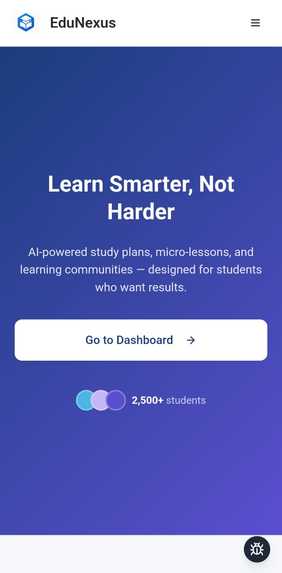
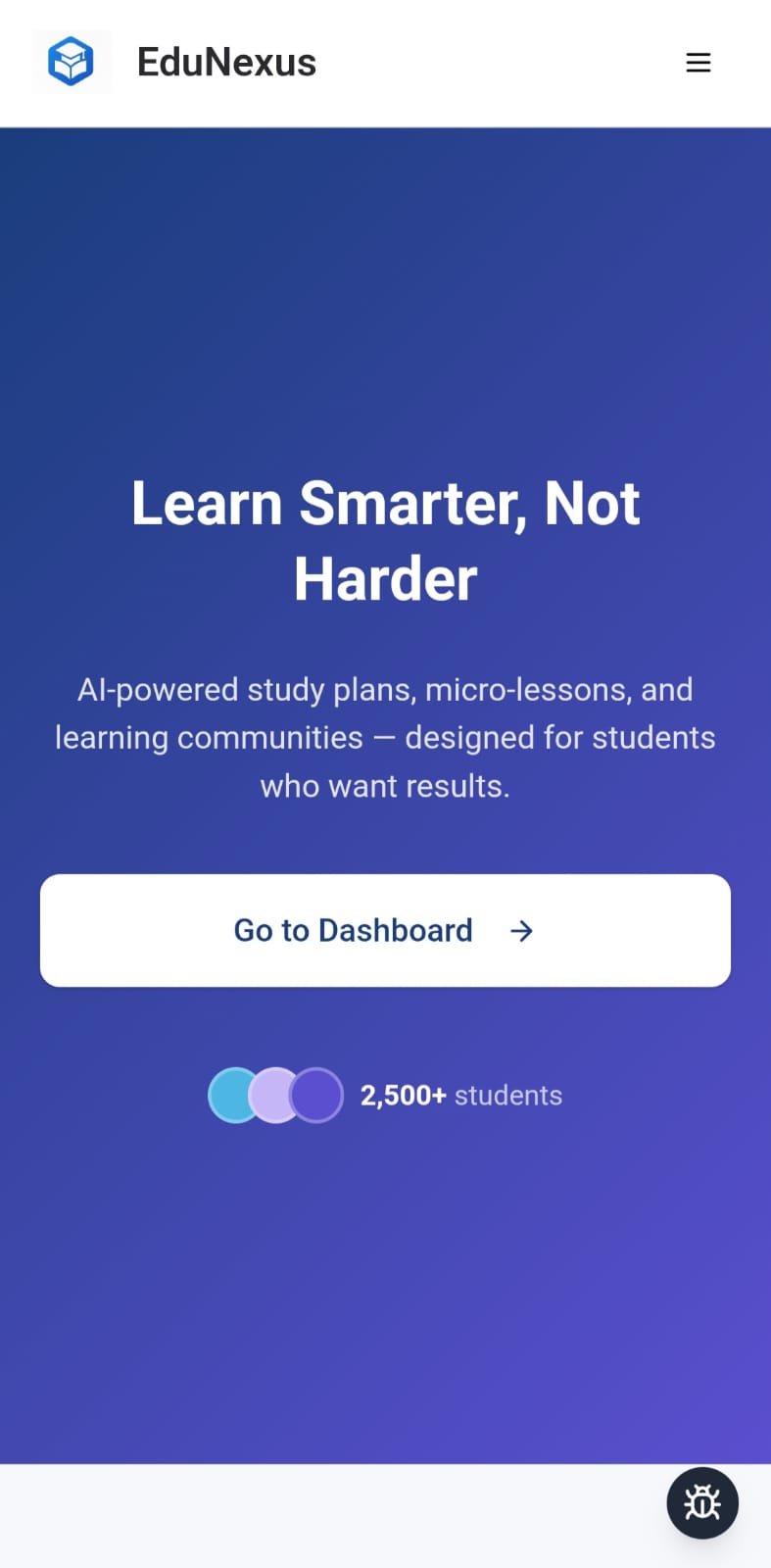
Landing Page
-
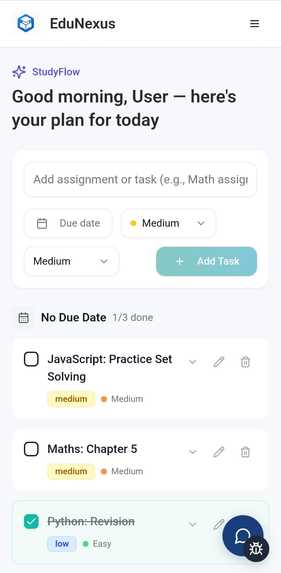
Dashboard
-
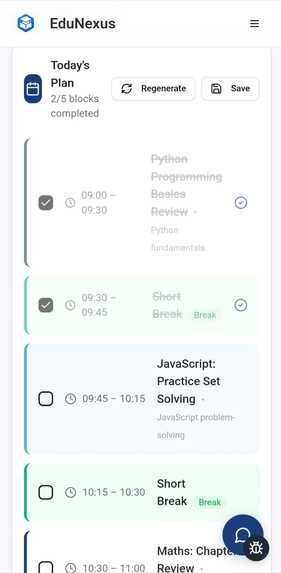
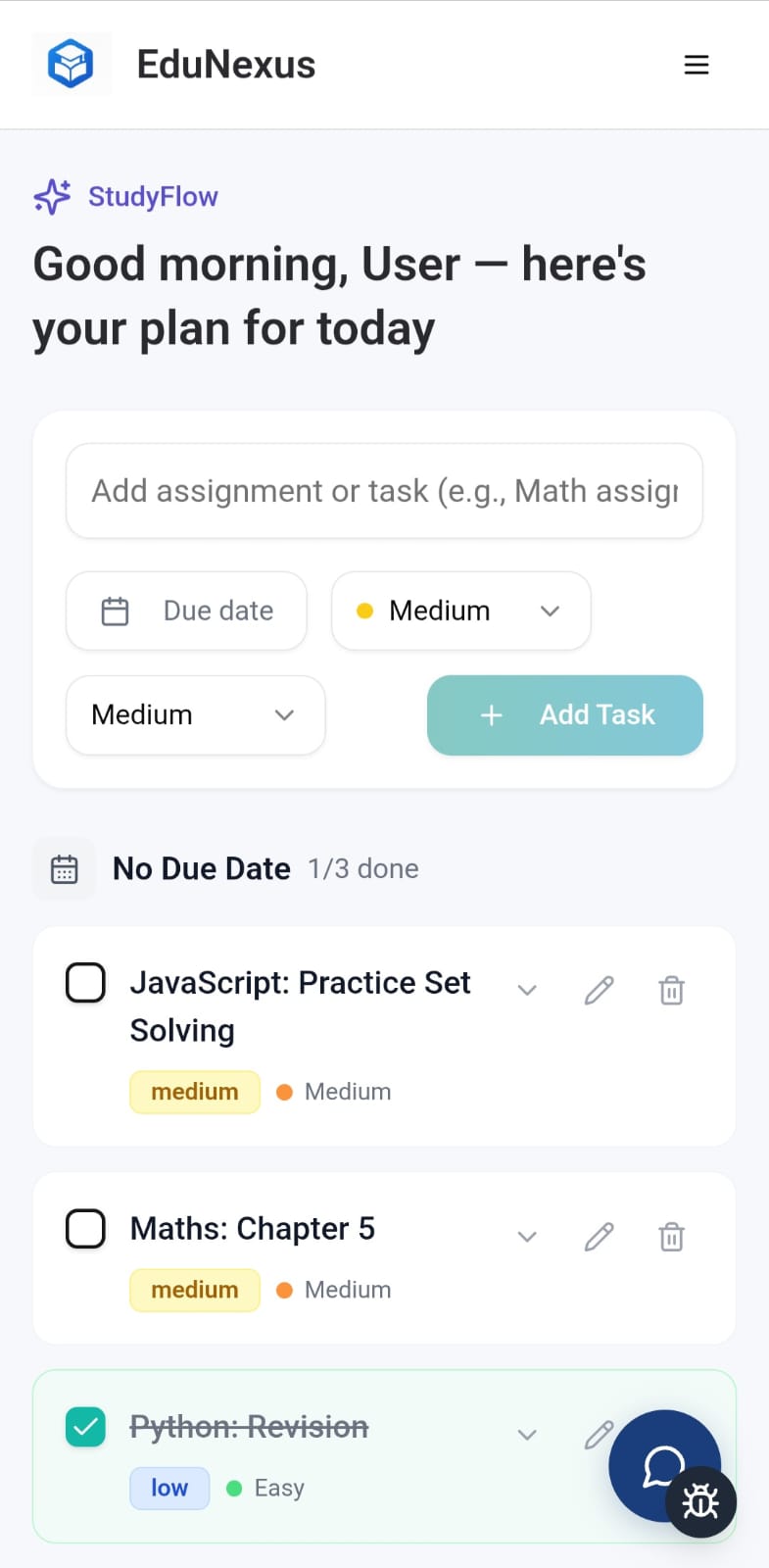
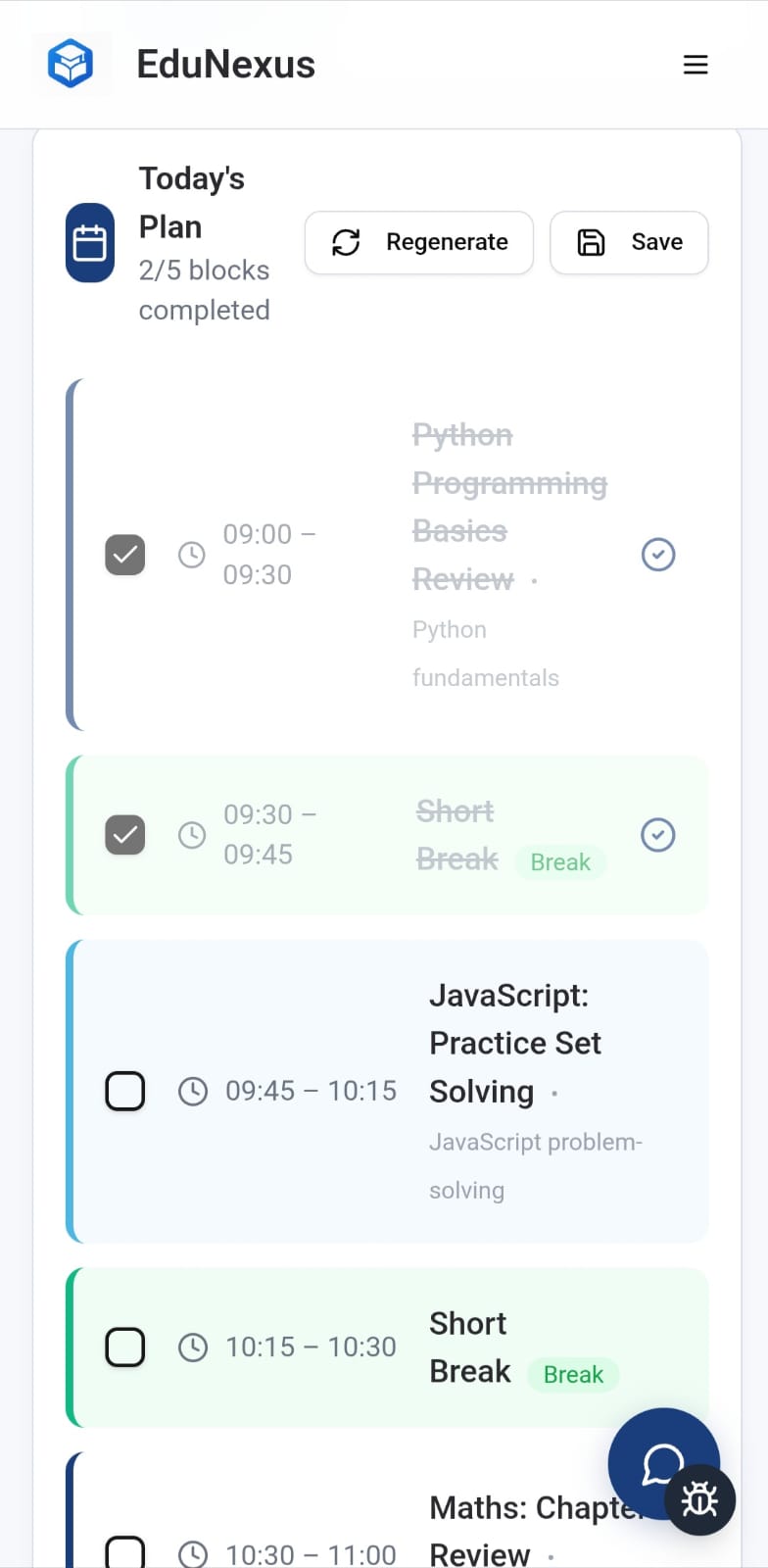
Task Manager
-
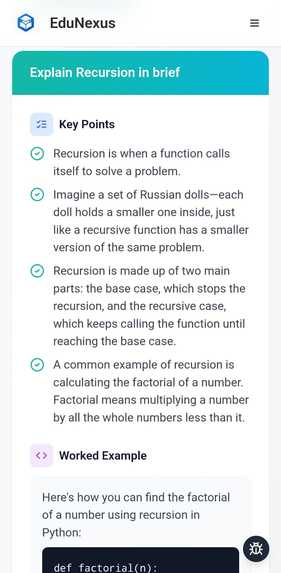
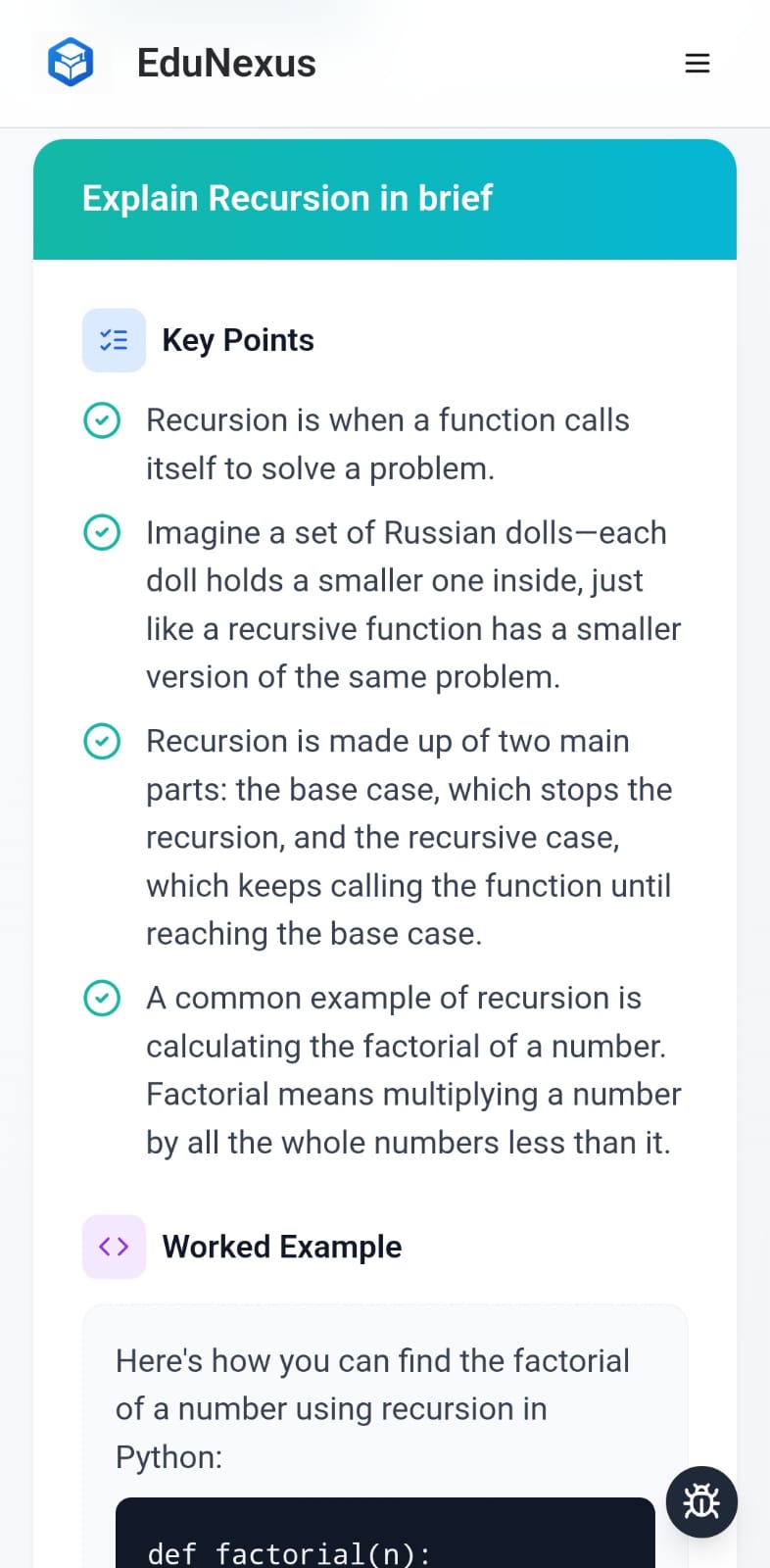
MicroTutor
-
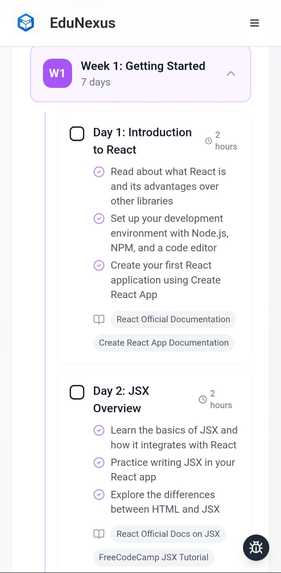
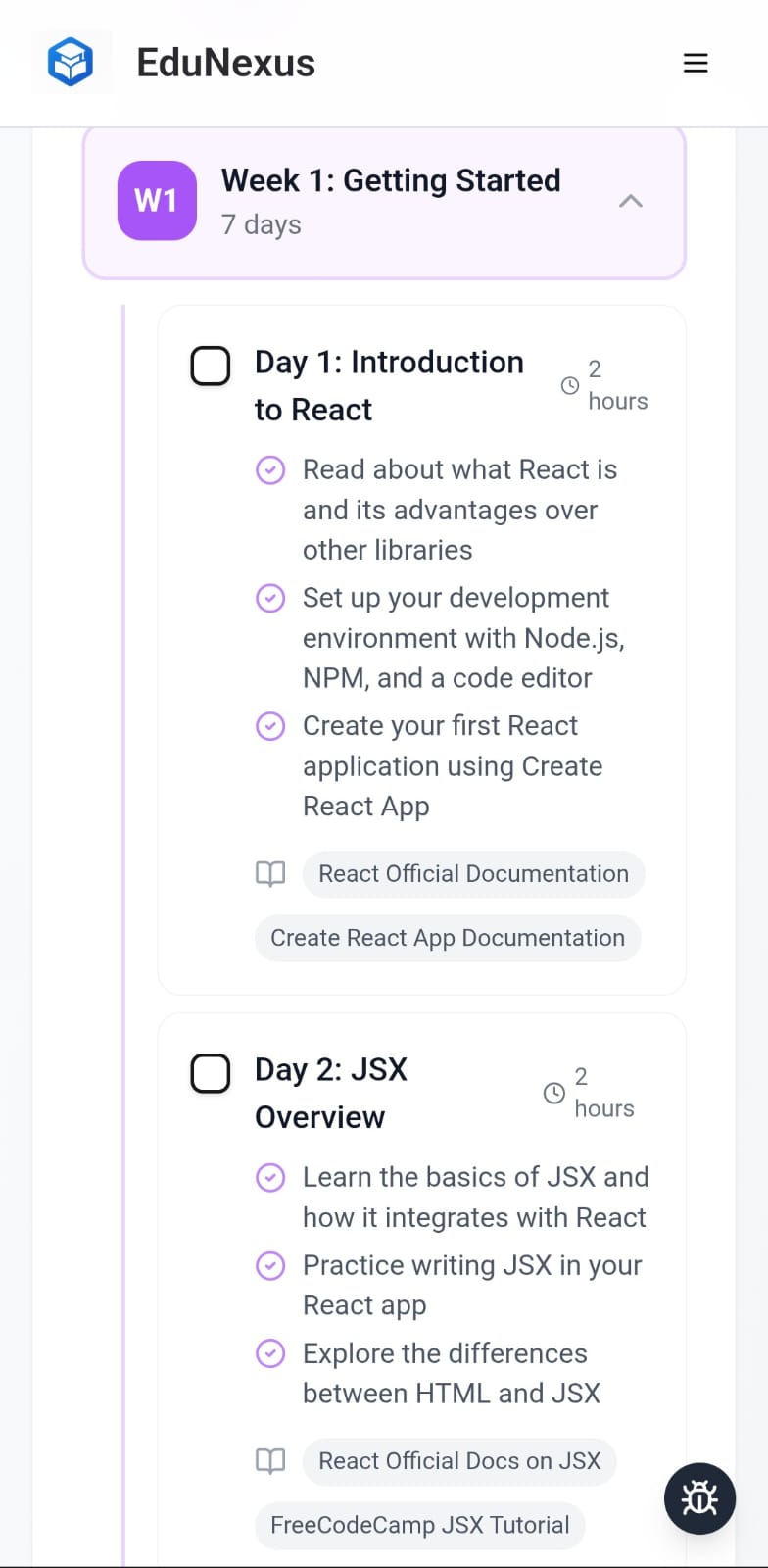
Roadmap Generator
-
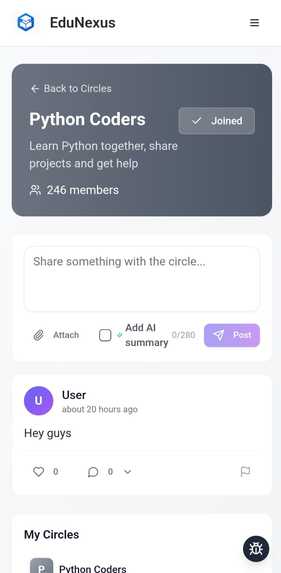
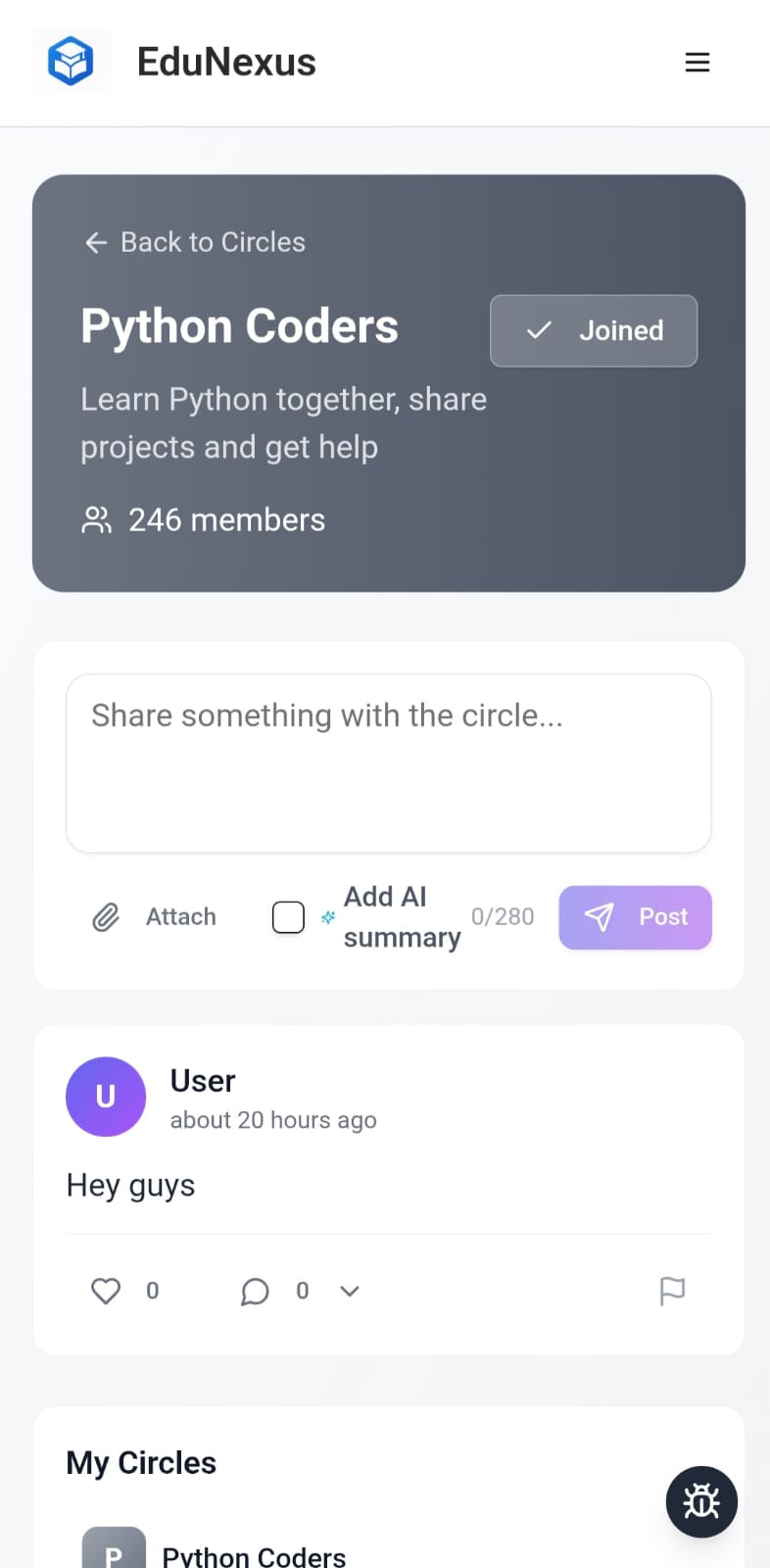
Community Circle
Inspiration
This app was inspired by the everyday struggles students face—too many platforms, too little time. We wanted something that actually understands what a learner needs in the moment. A space that feels simple, supportive, and genuinely helpful. It comes from the idea that education should feel empowering, not overwhelming. So we built a tool that brings everything together, right when you need it.
What it does
EduNexus is designed to bring your entire learning journey into one seamless platform. You can organize your notes, track your progress, plan your tasks, and get instant AI help whenever you need clarity or guidance. It also recommends study resources, summarizes content, and helps you revise smarter with interactive tools. Instead of switching between multiple apps, EduNexus gives you a clean, unified space to learn, manage, and stay ahead.
How we built it
We built EduNexus by combining a clean frontend, an AI-powered backend, and a simple, scalable architecture. The UI was designed in Base44 to ensure fast iteration, consistent branding, and a mobile-first experience. For the backend logic and AI assistance, we integrated LLM APIs to handle explanations, summaries, recommendations, and personalized study support. User authentication, dashboards, and data management were implemented using lightweight frameworks and modular components so that features could be expanded quickly. We focused on speed, usability, and clarity—building a prototype that feels polished, responsive, and ready to scale into a full product.
Challenges we ran into
Authentication flow broke due to onboarding screens interrupting redirects. Login state didn’t persist, causing logged-in users to still see the login button. AI assistant responses were slow, requiring prompt optimization and UI adjustments. Responsive issues caused certain elements (like the logo and dashboard cards) to scale incorrectly. Layout conflicts in Base44 led to spacing/shifting problems on different device sizes. Email automation errors occurred when sending monthly reports without duplicating messages. Brand theme inconsistencies happened when custom styles clashed with Base44’s default components.
Accomplishments that we're proud of
Built a fully functional, mobile-optimized EduNexus platform within the hackathon timeframe. Successfully integrated an AI-powered learning assistant that gives contextual, student-friendly help. Created separate dashboards for students, parents, and teachers—with live progress tracking. Implemented automated monthly performance reports sent directly to parent and teacher emails. Designed a premium, cohesive brand identity including a custom logo, color palette, and UI theme. Solved major authentication and routing issues to deliver a smooth login/sign-in experience. Made the app responsive across all devices, ensuring the UI scales cleanly on phones, tablets, and desktops. Streamlined the UX by removing unnecessary screens, making the flow intuitive and faster.
What we learned
How to design a product around real user needs instead of just adding flashy features. A deeper understanding of authentication flows, state management, and handling UI routing issues. How to integrate and optimize an AI assistant, including prompt tuning and improving response quality. The importance of responsive design, testing layouts across multiple screen sizes, and fixing scaling issues. How to maintain consistent branding—colors, typography, and components—throughout an entire app. Working with automated email workflows and ensuring data validation, delivery accuracy, and timing. Collaborating efficiently under time pressure, dividing tasks clearly, and solving problems quickly.
What's next for EduNexus
Expand the AI assistant to offer personalized study plans, doubt-solving, and deeper subject tutoring. Add real-time classroom analytics so teachers can track engagement, attendance, and assignment progress live. Introduce gamification features like badges, streaks, and level-ups to keep students motivated. Enable collaborative study spaces where students can form groups, share notes, and work together. Integrate third-party learning resources (videos, quizzes, textbooks) for a richer learning ecosystem. Support multi-language accessibility to reach students across different regions. Add offline learning capabilities so students can access notes and progress data without internet. Partner with schools and coaching institutes to scale EduNexus into real classroom environments.
Built With
- base44
- fetch
- react.js
- tailwind

Log in or sign up for Devpost to join the conversation.