-
-
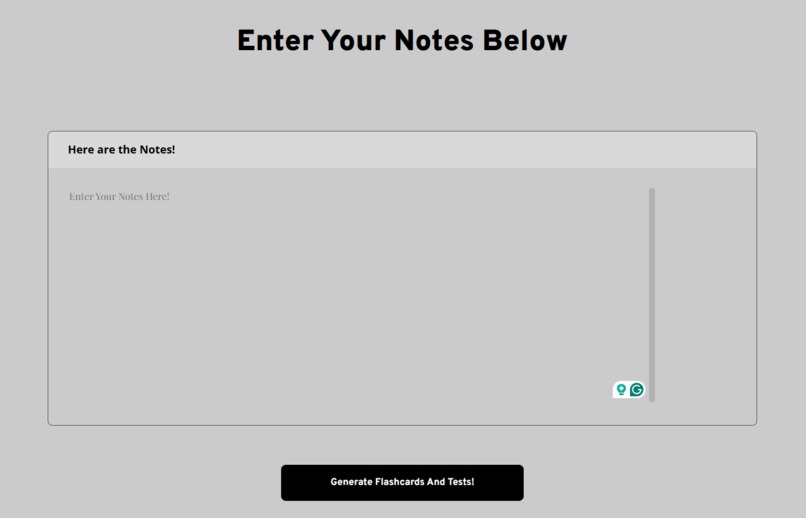
AI Tools Page
-
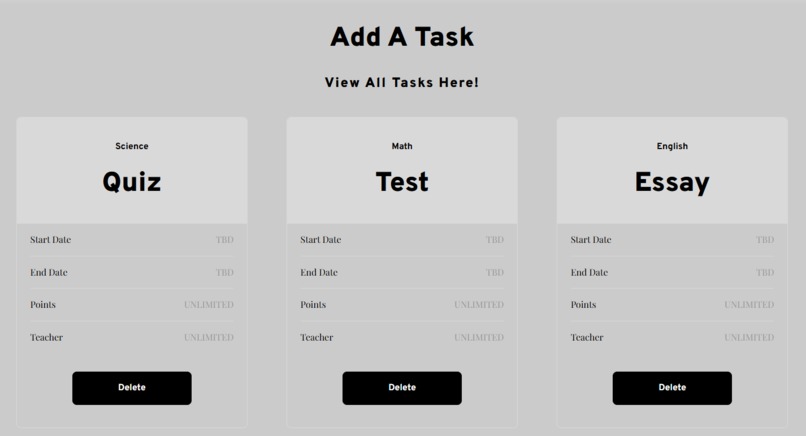
Planner Page
-
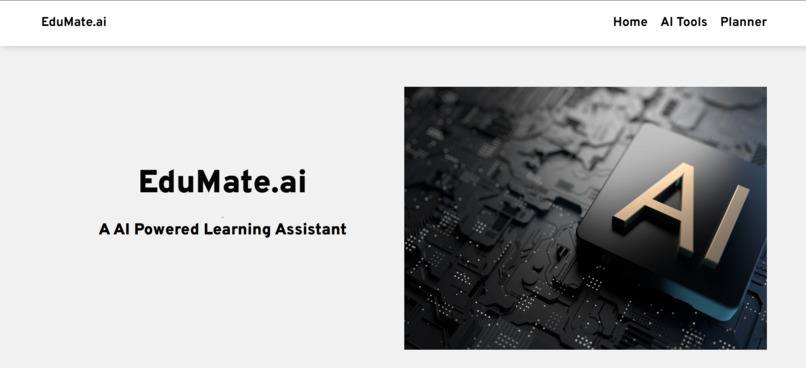
Home Page
Inspiration
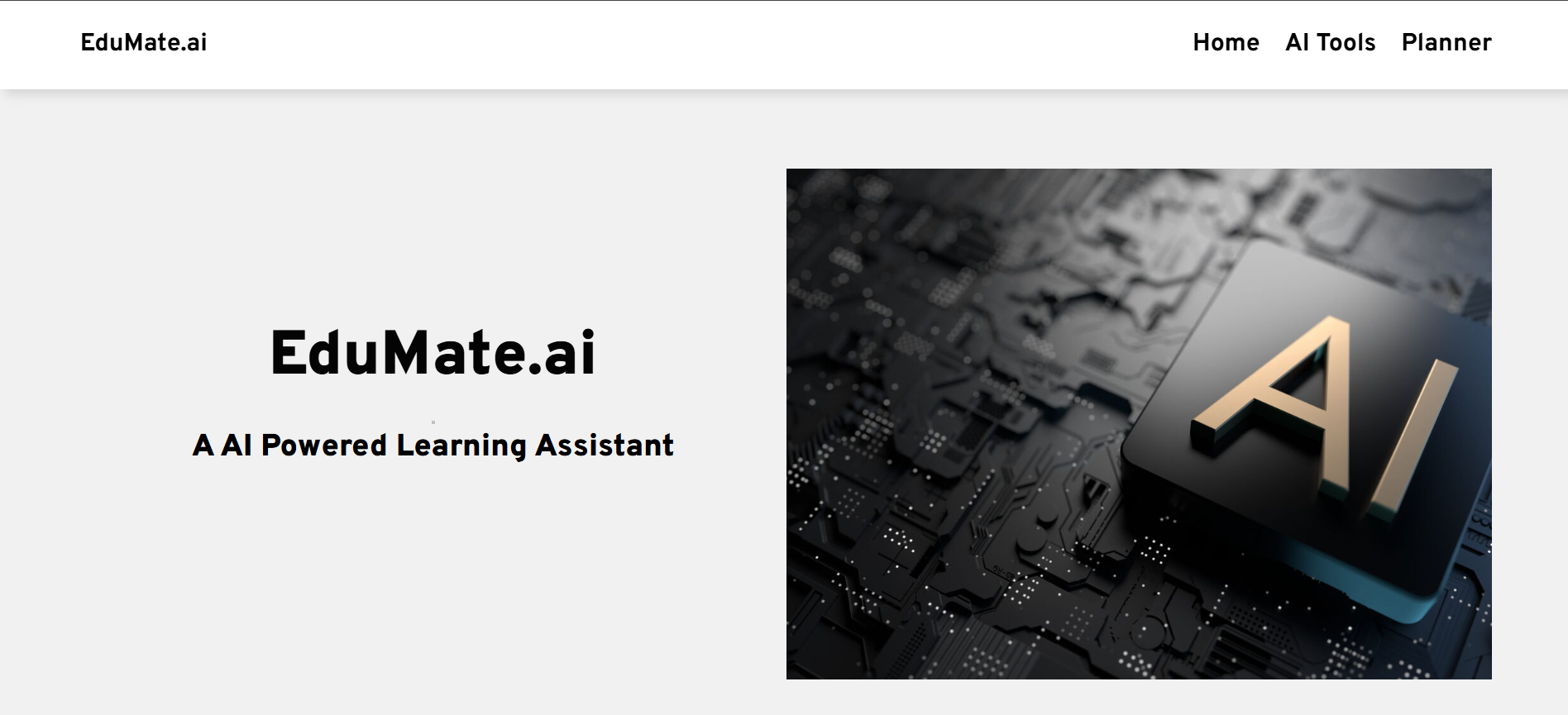
As a high school student juggling multiple subjects and extracurriculars, I often found myself overwhelmed with managing assignments and creating study materials. I realized that students—especially those studying complex fields like astrophysics or astronomy—need a smart, time-saving tool that helps them stay organized and study more effectively. This inspired me to build Edumate.ai, an AI-powered education assistant designed to make learning more efficient and personalized.
What it does
Edumate.ai is a personalized education assistant that offers two main features: a Smart Planner and a suite of AI Tools.
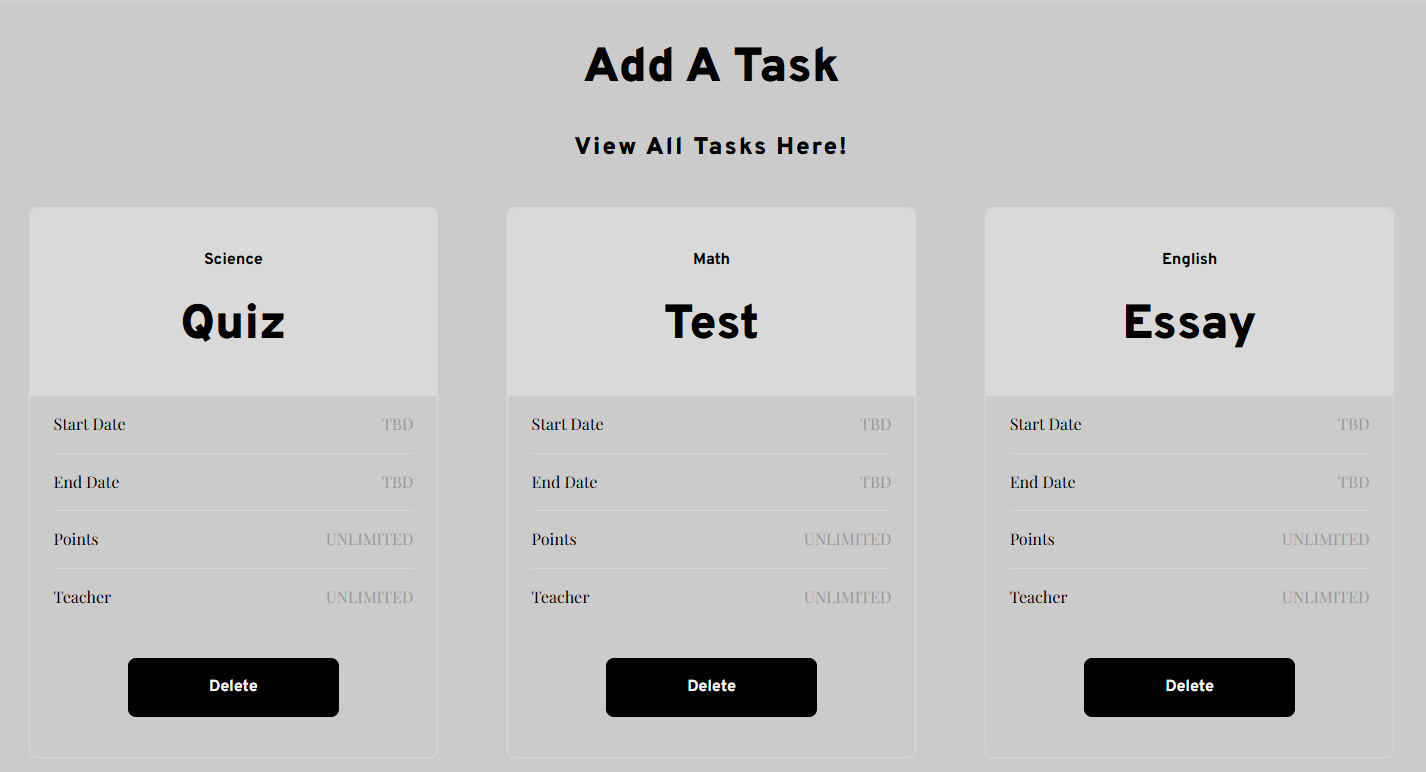
The Smart Planner helps students manage their time, break down large assignments, set deadlines, and reduce academic stress through structured task management.
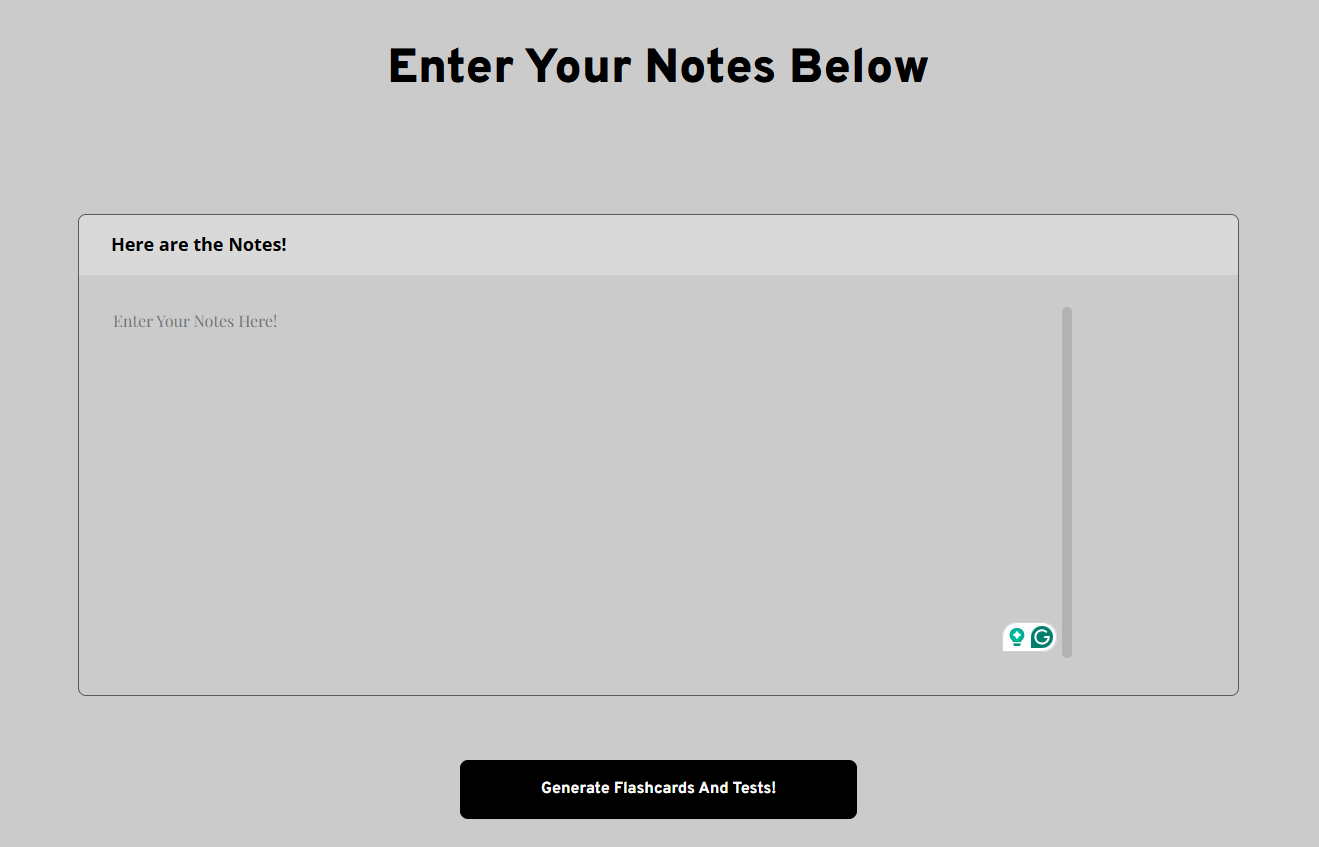
The AI Tools include a flashcard and quiz generator that instantly converts notes into interactive study materials, saving hours of manual work. These tools are valuable for both students and teachers, making study sessions and lesson reviews more efficient.
Unlike existing platforms, Edumate.ai utilizes AI tools to create flashcards and quizzes (something popular platforms like Blooket, Quizlet, Gimkit, Kahoot, Quizzes, etc. don't offer).
How I built it
I built the front end using React to ensure a clean, responsive, and user-friendly interface. The backend uses Python and machine learning models tailored for natural language processing of academic content. These models analyze student notes, identify key concepts, and generate structured flashcards and quizzes. I designed the application with scalability and performance in mind to support a smooth experience for both students and educators.
Challenges I ran into
One of the biggest challenges I faced was designing an AI system that could accurately process and understand academic language, especially in technical subjects like physics and astronomy. Balancing the user interface to be both simple and powerful also required significant iteration. Additionally, integrating the AI tools in a way that feels seamless—without overwhelming users with too many options—took careful thought and planning.
Accomplishments that I'm proud of
I’m proud to have created a working prototype that demonstrates the core value of Edumate.ai. The flashcard and quiz generator performs well with a variety of note formats, and the planner has a functional task and deadline system. I’m especially proud that this tool has the potential to support not just general learners, but also students in specialized fields like space science, aligning with broader educational missions like Stellar Gateway.
What I learned
I learned how to use tools like TeleportHQ, which was a new experience for me. This project also marked my first time incorporating Node.js into the backend, as I had previously worked mostly with Python and Flask. Exploring these technologies expanded my understanding of full-stack development and helped me think more deeply about how to connect design with functionality.
What's next for EduMate.ai
What’s next for Edumate.ai is turning it into a fully personalized, AI-powered academic assistant that adapts to each student’s learning style, schedule, and performance. The next iteration of the Smart Planner will include intelligent scheduling that automatically balances tasks based on urgency, subject difficulty, and available time. I plan to add external calendar syncing and automated reminders to help students stay on track without micromanaging their day.
For the AI Tools, I plan to build a more adaptive flashcard and quiz system that adjusts in real time to how well a student is grasping a topic. These will include multiple quiz types—like fill-in-the-blank, multiple choice, and concept matching—with optional difficulty settings. I also aim to integrate a natural language Q&A chatbot and a note summarizer, allowing students to upload lectures, ask follow-up questions, and receive structured explanations instantly.
On the teaching side, I want to build a Teacher Mode where educators can upload lesson content and generate study materials, track student progress, and even create AI-assisted assignments. Features like class leaderboards and collaborative tools will help foster engagement and peer learning.
To improve accessibility, I also plan to develop mobile apps with offline functionality, voice-to-text input for note-taking, and accessibility features such as dyslexia-friendly fonts and dark mode. Ultimately, I see EduMate.ai not just as a study tool but as an all-in-one academic partner that evolves with the needs of each learner.
These updates will transform Edumate.ai into a truly intelligent learning companion—one that supports academic success through smart organization, adaptive learning, and accessible design.
Built With
- css3
- html5
- javascript
- node.js
- teleporthq

Log in or sign up for Devpost to join the conversation.