-
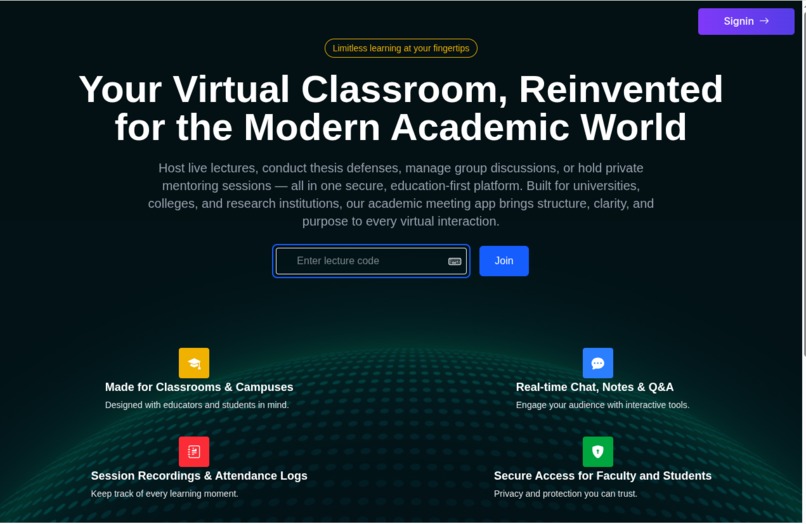
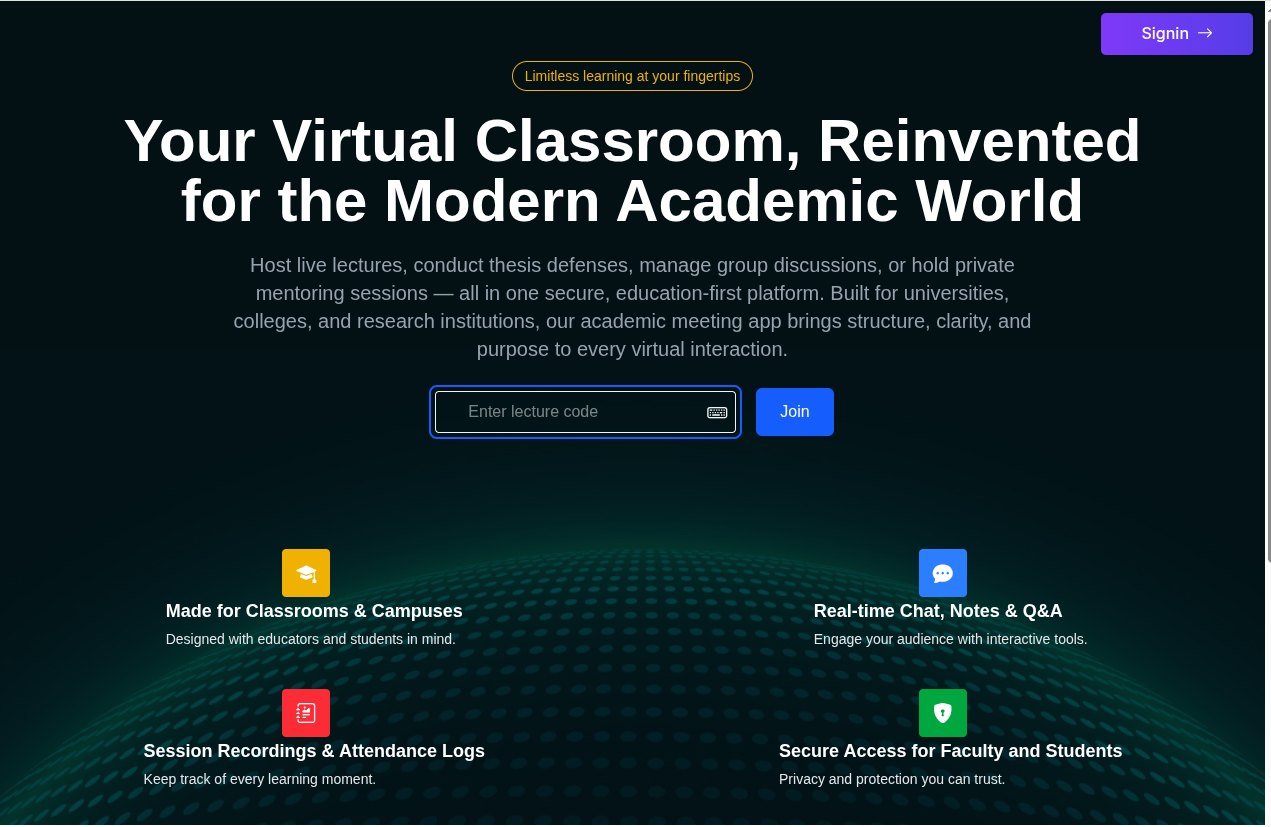
landing page
-
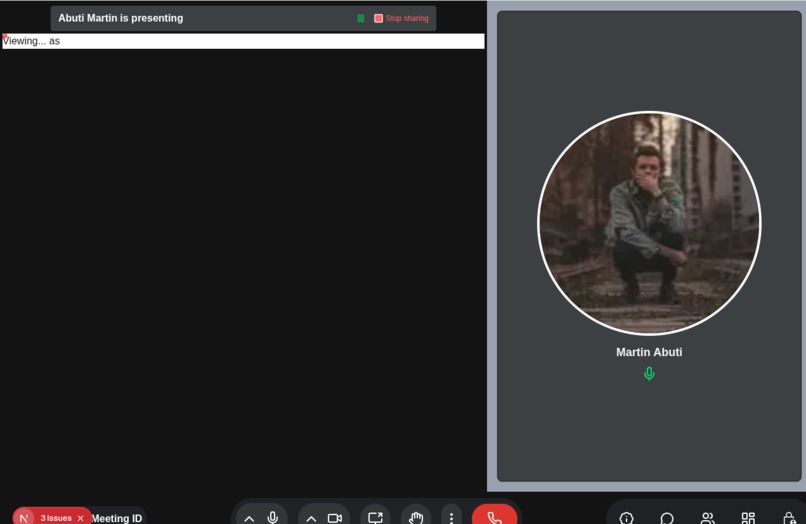
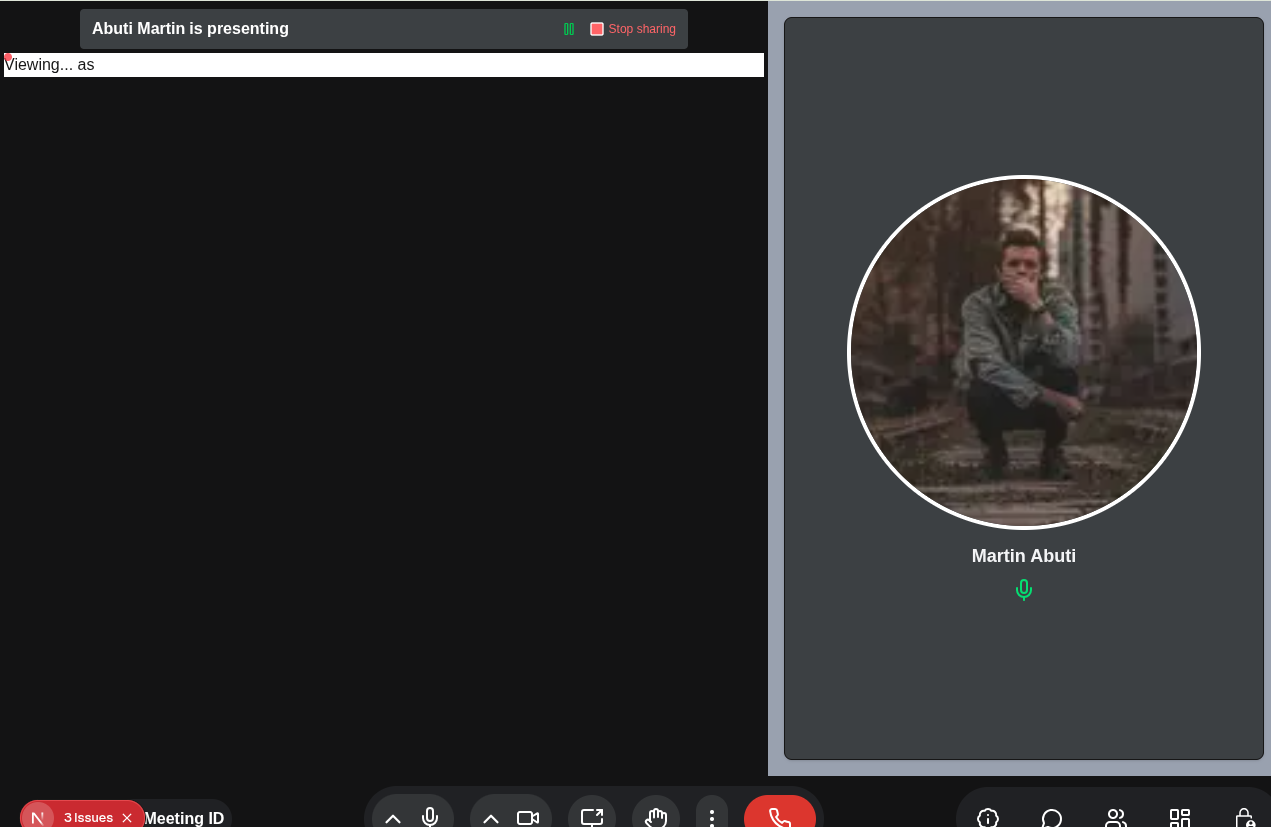
presentaion screen
Inspiration
While observing how online classes are conducted through platforms like Zoom, Google Meet, and Microsoft Teams, I realized that these tools are designed for general meetings, not academic environments. Most lecturers simply share live video streams through screen share. Yet, these platforms consume significant data and often introduce latency.
This inspired me to create EduLink Meet — a platform tailored exclusively for education. A tool that focuses on learning efficiency, low data consumption, and seamless interaction between lecturers and students.
What it does
EduLink Meet allows instructors and students to:
- Share documents or images instead of full video streams.
- Communicate through real-time voice with low latency.
- Transmit mouse coordinates and scroll positions to follow lectures naturally.
- Automatically mark attendance using verified school emails.
- Detect inactivity and send random prompts to ensure participation.
It brings structure, interactivity, and purpose to every academic meeting — all while conserving bandwidth.
How we built it
The platform was built with an emphasis on lightweight real-time communication. We implemented a data transmission model that focuses on synchronizing state changes (like scrolls and mouse moves) rather than continuous video streaming. Voice data is handled efficiently using WebRTC, and the UI integrates academic session management tools such as:
- Attendance tracking and engagement monitoring.
- Session management dashboards for lecturers.
- Student email authentication for identity verification.
EduLink Meet drastically reduces bandwidth requirements while maintaining interactivity.
Challenges we ran into
- Balancing real-time synchronization with network stability.
- Ensuring accurate attendance tracking without manual verification.
- Building a scalable backend for multiple simultaneous academic sessions.
- Handling browser compatibility for data and voice streaming.
Each challenge taught valuable lessons about optimizing performance and user experience.
Accomplishments that we're proud of
- Achieved smooth real-time collaboration with minimal data usage.
- Implemented automated attendance tracking based on engagement.
- Created an interface optimized for academic workflows — lectures, group discussions, and thesis defenses.
- Built a platform that promotes active student participation rather than passive attendance.
What we learned
Throughout development, we learned how to:
- Optimize WebRTC for non-video streaming applications.
- Balance performance, usability, and security in real-time apps.
- Design systems with purpose-driven architecture — building only what’s necessary for academic interaction.
- Understand the power of minimalism: focusing on teaching efficiency instead of unnecessary features. ## What's next for EduLink Meet
Moving forward, we plan to:
- Integrate AI-driven engagement analytics to measure student focus.
- Add whiteboard collaboration and note synchronization.
- Introduce institution-wide dashboards for attendance reports and session insights.
- Expand support for offline lecture summaries and resource sharing.
EduLink Meet aims to redefine how universities, colleges, and research institutions experience virtual learning — limitless learning at your fingertips.
Built With
- amazon-web-services
- express.js
- lightsail
- mongodb
- next.js
- node.js
- typescript
- vercel
- websocket

Log in or sign up for Devpost to join the conversation.