-
-
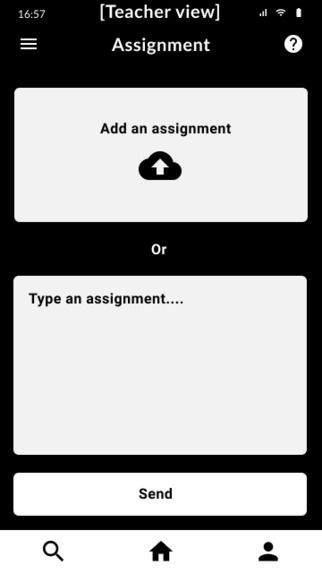
[Teacher side of the app] Assignment Upload
-
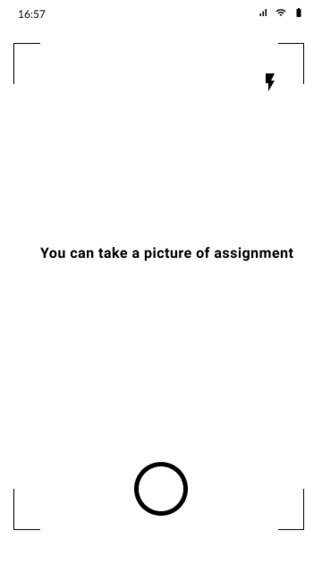
[Teacher side of the app] Take a picture of an assignment
-
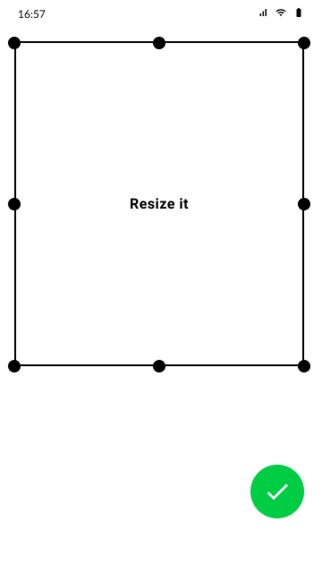
[Teacher side of the app] Resize the picture
-
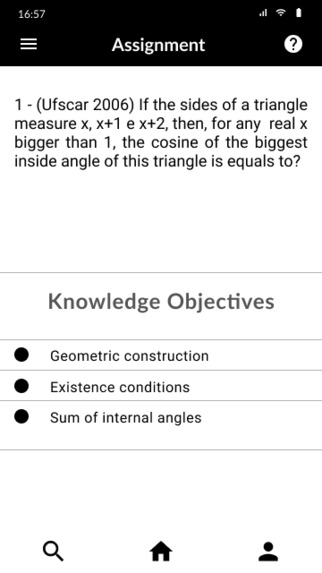
[Teacher side of the app] Confirm if the assignment is correct and insert the knowledge objectives
-
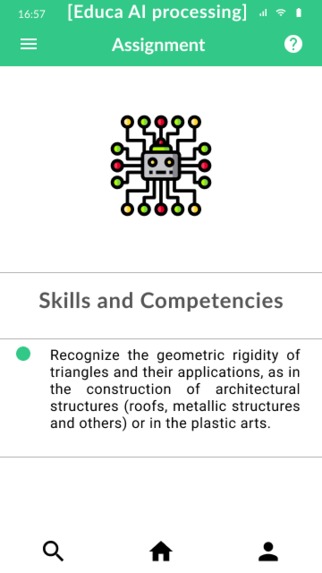
[Educa AI processing] Here we map the Skills and Competences in our server
-
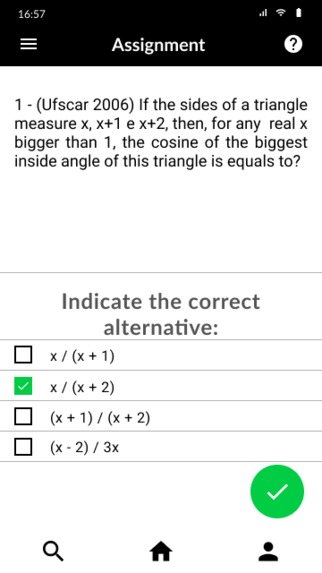
[Teacher side of the app] Finally, the professor indicate the correct alternative (for our later validation of the assignment)
-
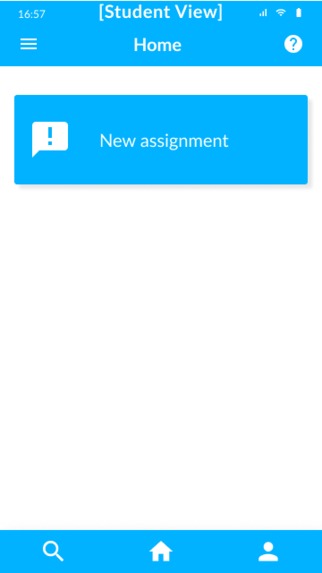
[Student side of the app] Here comes a notification of a new assignment submitted by a teacher
-
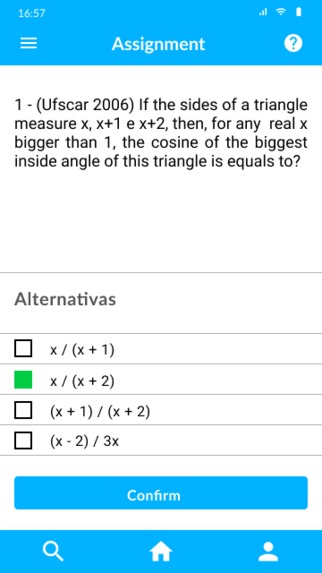
[Student side of the app] The student selects the alternative that looks correct
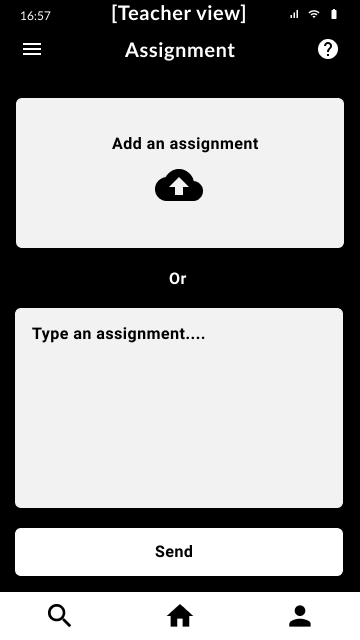
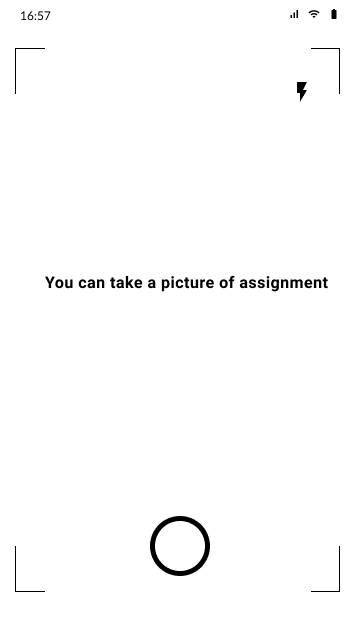
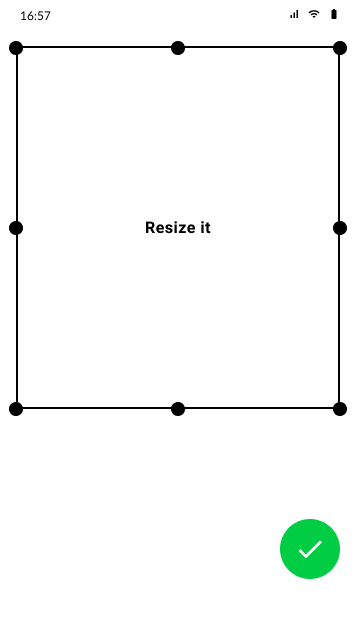
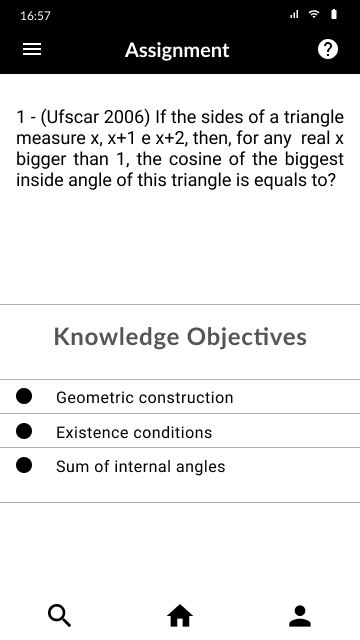
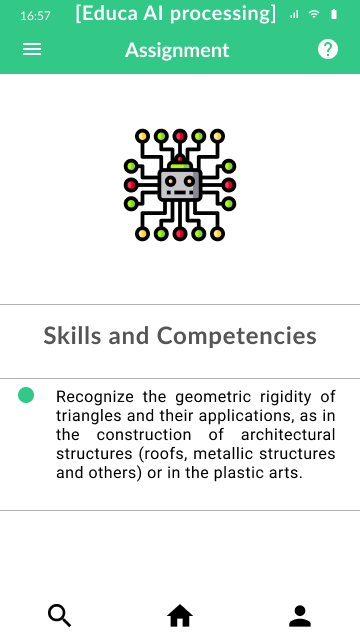
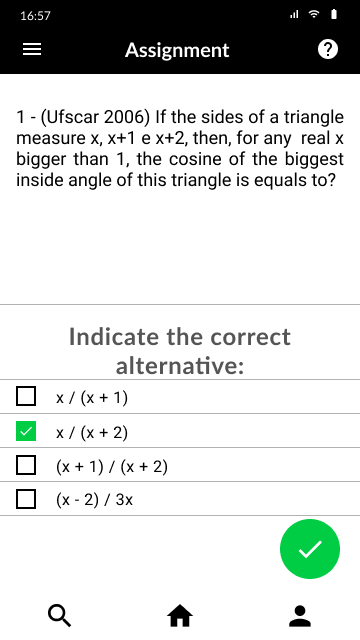
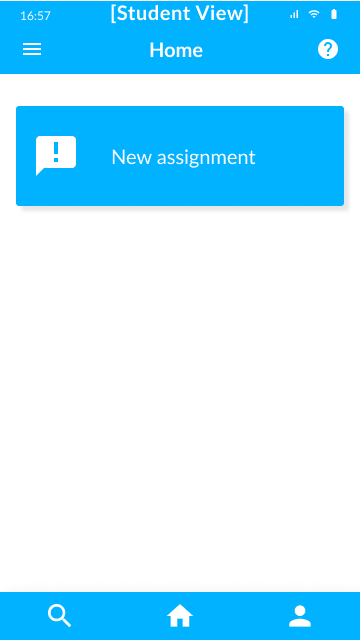
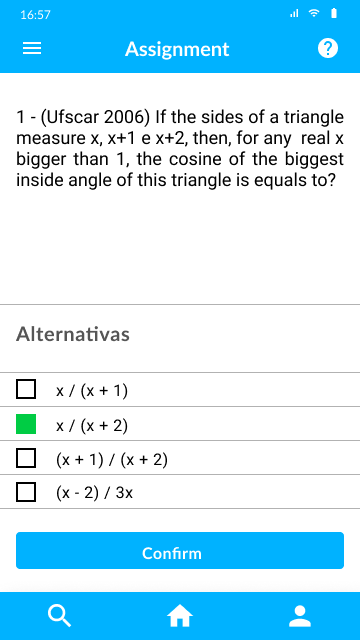
(First of all, sorry for the video quality we did what was possible in our conditions...)
The video is running a simulation in our prototype visualizing the whole process of the application.
Check the pictures for more details!
Inspiration
Bearing in mind that currently one of the biggest challenges for basic education teachers is the development of school curricula (especially here in Brazil) that can work with different skills and competencies in the students in a personalized way. And that this new scenario results from international organizations movements that modify the way of evaluating and teaching students, so that can be other skills to be worked besides content repetition.
Motivation
One of the major problems presented today, especially in the days of COVID, is the learning gap. The concept can be defined as content that is not well assimilated when a student is unable to perform a certain assignment (which may include one or more competencies and skills), emphasizing that a score in a traditional evaluation does not represent compliance or not in a certain skill. However, it is not trivial for educators to identify these gaps and to be able to act efficiently by recommending content or experiences that can fulfill the learning gaps that naturally occur during the educational process.
What it does
Our algorithm maps abilities and competences in students, using the data from assignments submitted in a platform that uses AI and data analysis in order to provide info for personalized learning tracks, that may include different activities, experiences, and contents.
How we built it
We are building it using python (for the Natural Language Processing - NLP -) and javascript (for the mobile interface and database connections) following some of the best practices of software engineering and development. Also, we aim to follow a TDD approach.
Challenges we ran into
We had a really hard time trying to contact schools and professors in order to validate our idea once we had little to no knowledge of pedagogy. Also, the gap between our technical speech and the school speech was really big, so we had a really big challenge trying do adjust the speech to get in touch with people that could validate our idea. In computational terms, we had to structure the algorithm so that it could be embedded in the devices since Internet access does not always exist (so that the application could interact with a server that would do all the processing), that way it's always possible to run the diagnosis.
Accomplishments that we're proud of
We are in the Residence Program in the Habits Incubator inside the University of São Paulo and we have participated in the Pre-acceleration program inside the University of São Paulo innovation program.
What we learned
We learned that there are a lot of challenges to be solved in education, especially in the Brazillian context that is facing several governmental changes including education politics. Also, we are seeing that personalized learning tracks should be part of the near future and we could be leading this movement.
What's next for Educa AI
We want to validate if our solution fits globally. Also, we would like to turn this MVP into a product for our possible startup. So the next step would be to deliver an application that works for both Android and iOS including a recommendation system that will use artificial neural networks, which will be the result of our course completion work.


Log in or sign up for Devpost to join the conversation.