Inspiration
We built Nature’s Wisdom because many Ghanaians and Africans—around 60%–70%—rely on herbal medicine and community healers as their main source of healthcare (see Section 3.1 "Reduce the national health burden"). This isn’t just a temporary solution; it’s a whole system of knowledge and practices that meets everyday health needs, especially where hospitals are far or formal care doesn’t fit culturally. We wanted to preserve this knowledge, make it safer and easier to access, and give communities control over how their wisdom is shared.
What it does
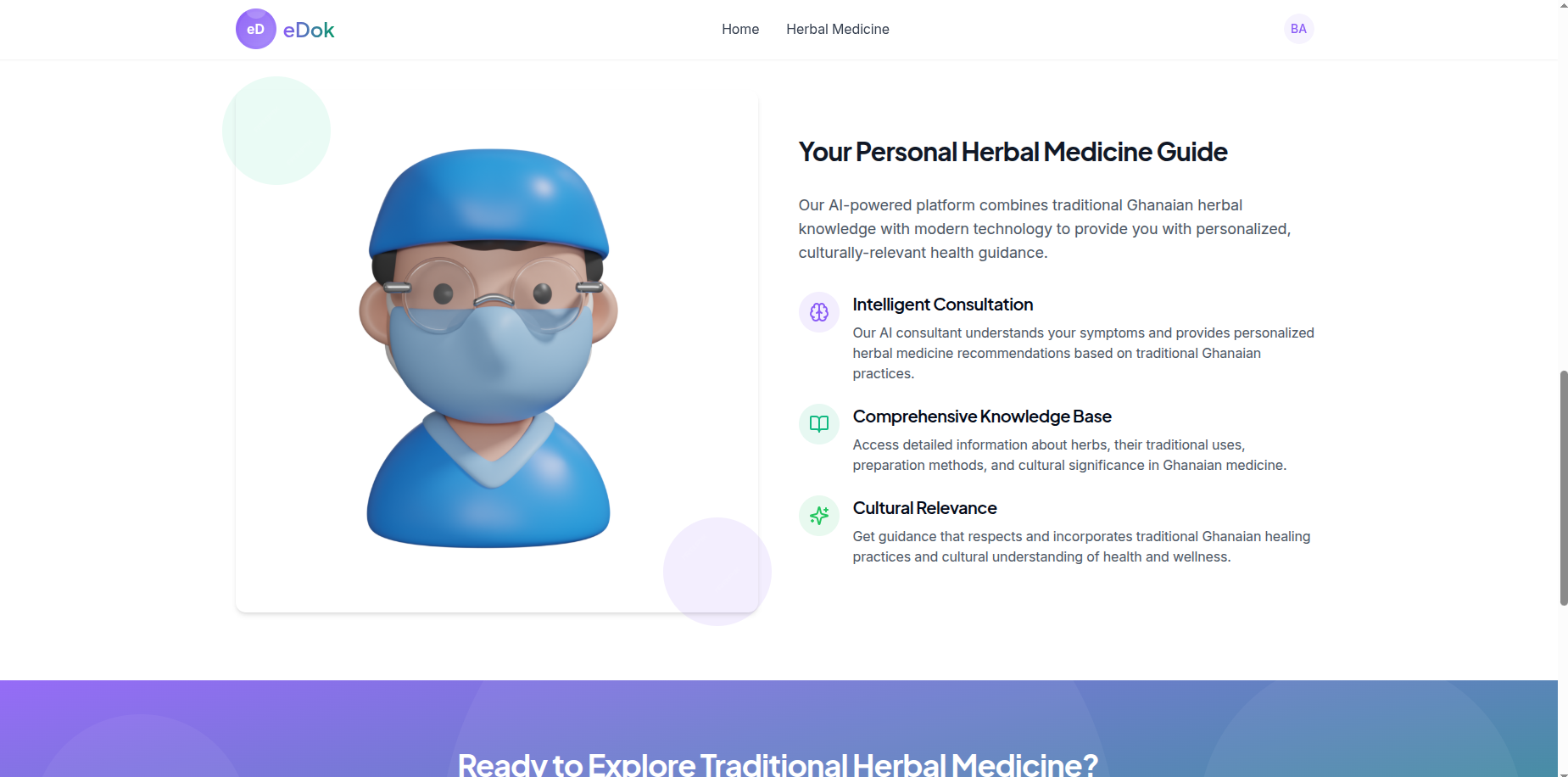
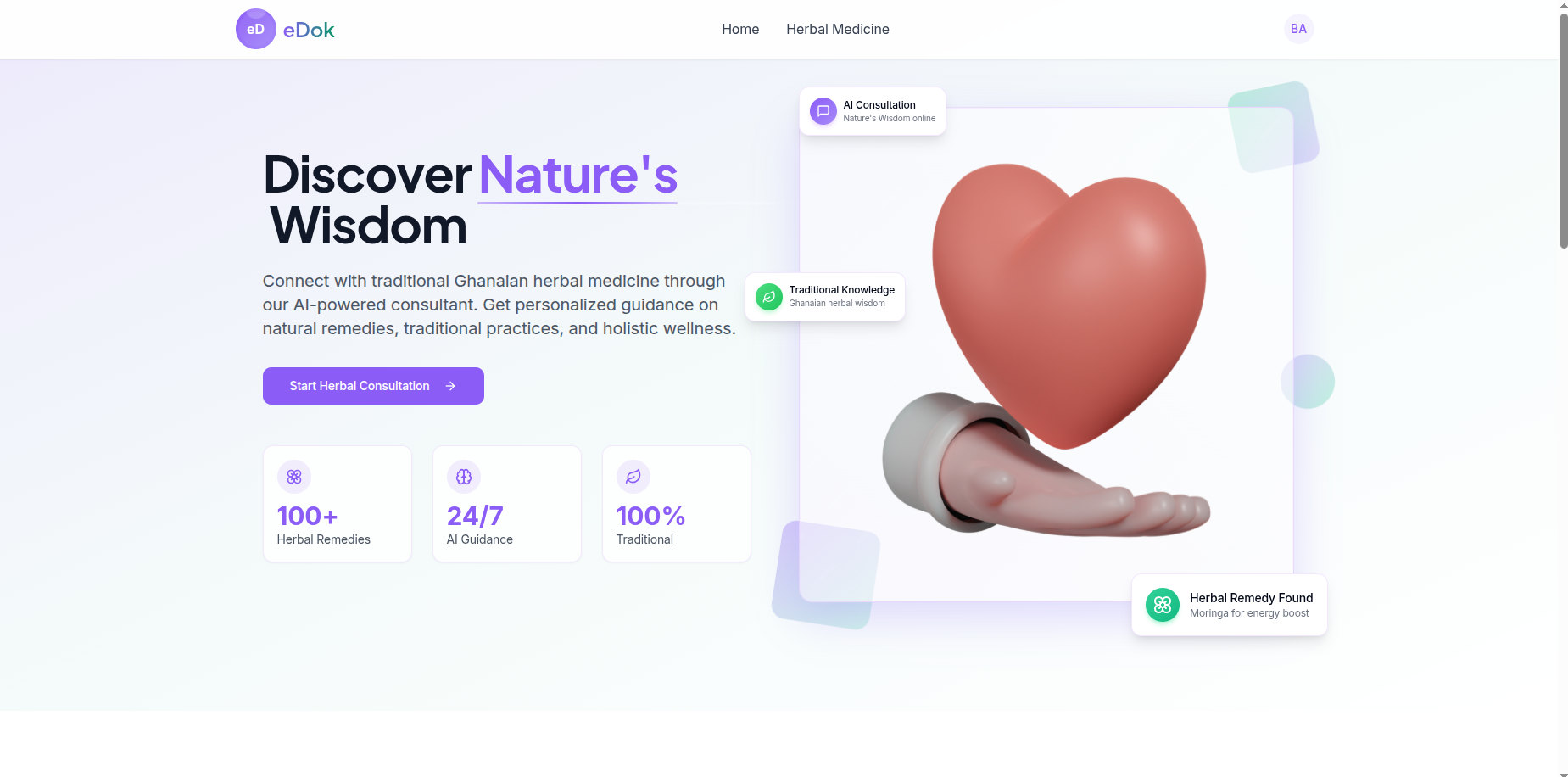
Nature’s Wisdom collects and organizes African herbal knowledge into one reliable resource. It shows how to prepare local remedies, identifies the plants needed, highlights safety risks, and suggests local trusted herbal practitioners based on the user’s location.
How we built it
Most of our knowledge came from oral traditions, so we consulted herbal practitioners, recorded their practices, and transcribed them using OpenAI’s Whisper model. We combined this with literature and ethnobotanical notes, verified all entries with academic experts at the Kwame Nkrumah University of Science and Technology’s Herbal Medicine Department, and structured the data into a Pinecone knowledge base that the chatbot could query. The system delivers clear, actionable guidance, step-by-step instructions, and safety warnings.
Challenges we ran into
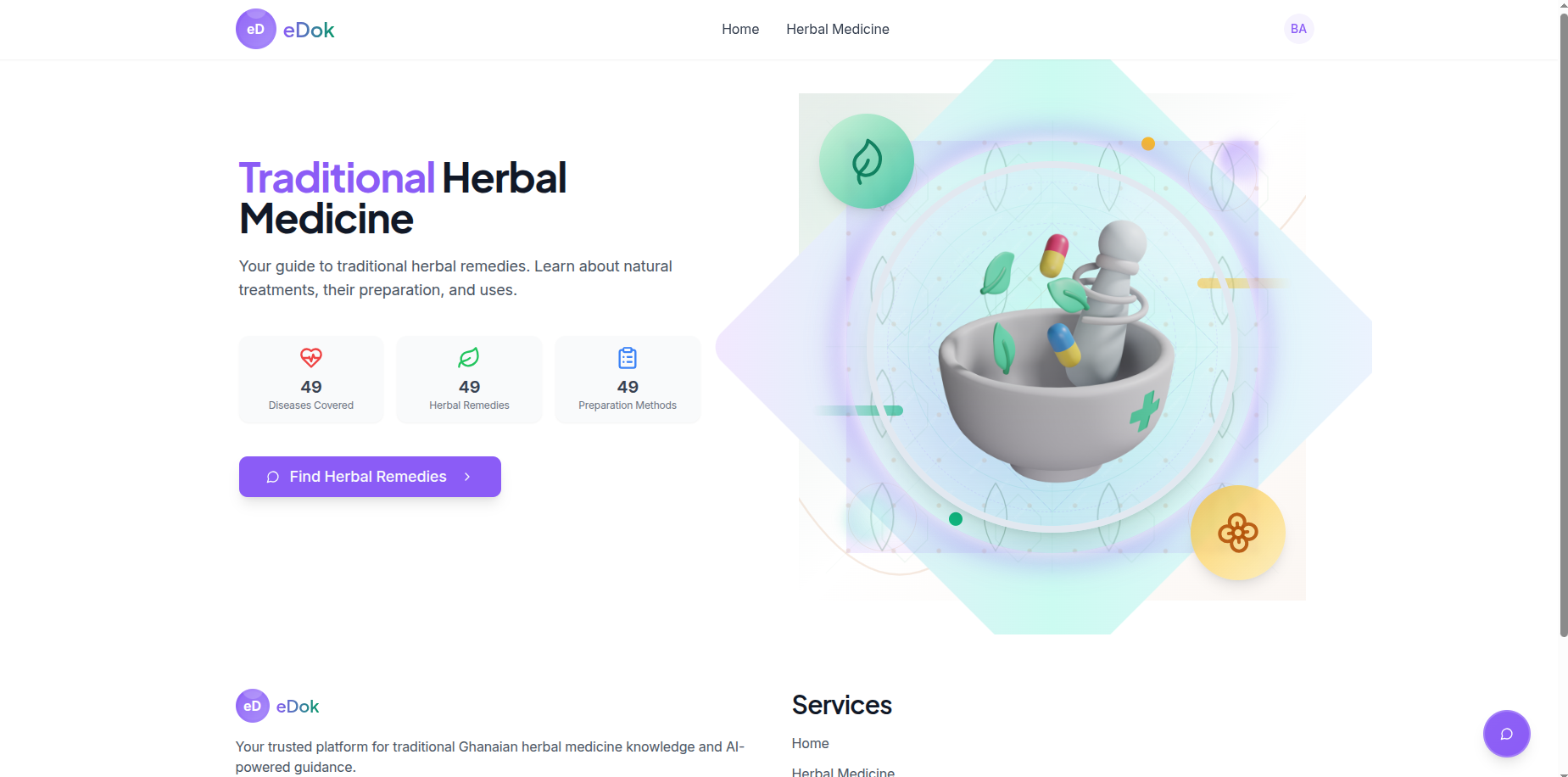
Standardizing oral knowledge was challenging due to inconsistent plant names and preparation methods across communities. Different diseases often had different remedies depending on the community. We had to standardize the remedies by carefully selecting the most effective approach after thorough verification and consultation with experts. Ethically, we ensured informed consent, proper attribution, and fair benefit-sharing with contributors. Out of the 100 diseases we gathered, experts recommended removing 51 due to inconsistencies, leaving 49 verified entries.
Accomplishments that we're proud of
- Successfully recorded and verified 49 herbal remedies and treatments.
- Built a system that combines oral knowledge, literature, and expert validation.
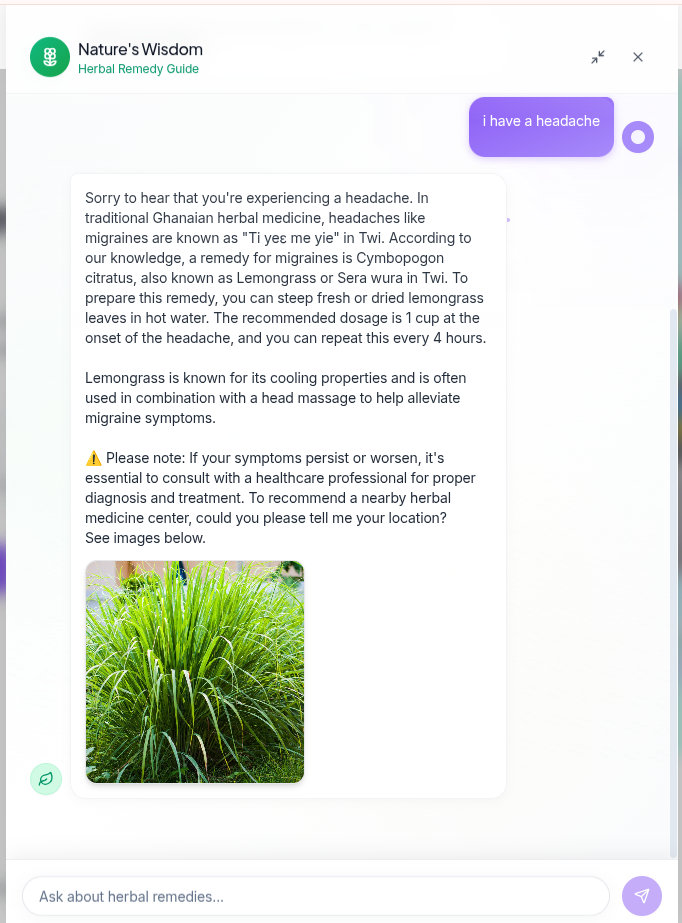
- Created a chatbot interface that delivers clear instructions, visuals, and safety tips for everyday users.
- Engaged local communities to preserve and share their traditional knowledge responsibly.
What we learned
We learned that trust and verification are essential—people only follow guidance they respect culturally and trust academically. Oral knowledge needs structure: correct plant names, sources, and context are critical. We also realized that designing for low internet access and low literacy isn’t optional—it’s key to adoption.
What's next for Edok
We plan to expand the database to include more remedies and practitioners across Africa, introduce interactive tutorials for safe preparation, and integrate community feedback so knowledge grows responsibly. We also want to create partnerships with health organizations to improve visibility and accessibility while keeping community ownership at the center.
Built With
- fastapi
- fireworks-ai
- pinecone
- react
- shadcn
- supabase

Log in or sign up for Devpost to join the conversation.