-
-
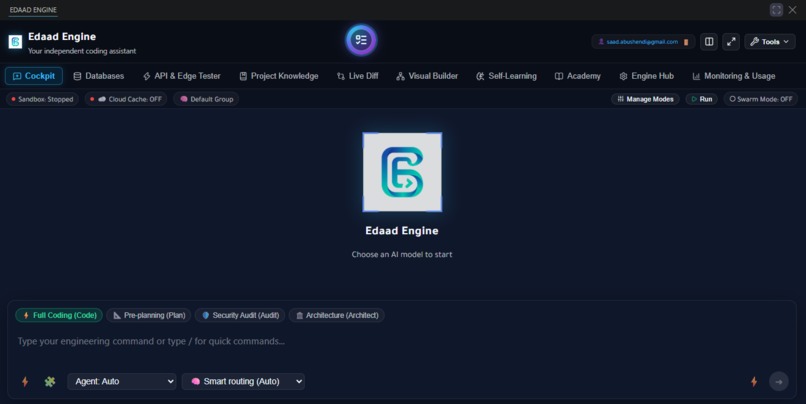
Edaad Engine
-
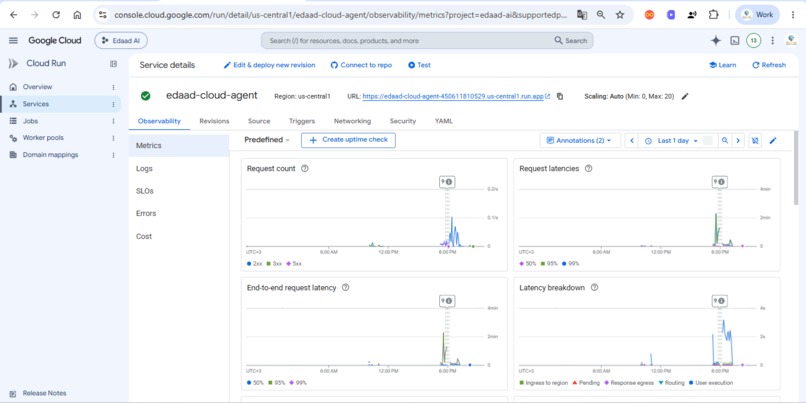
Cloud Run
-
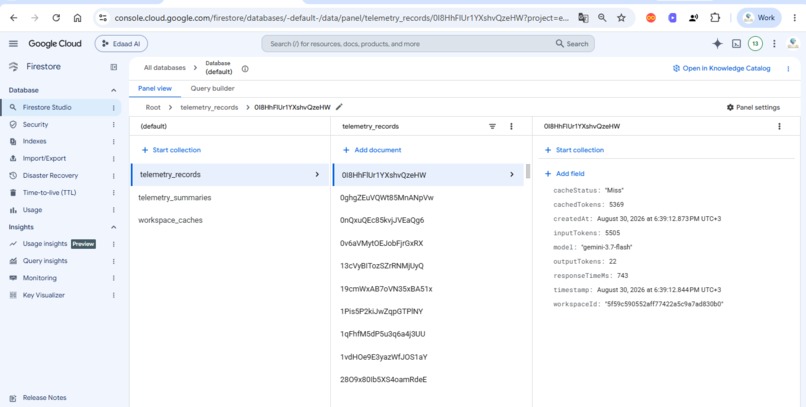
Firestore
-
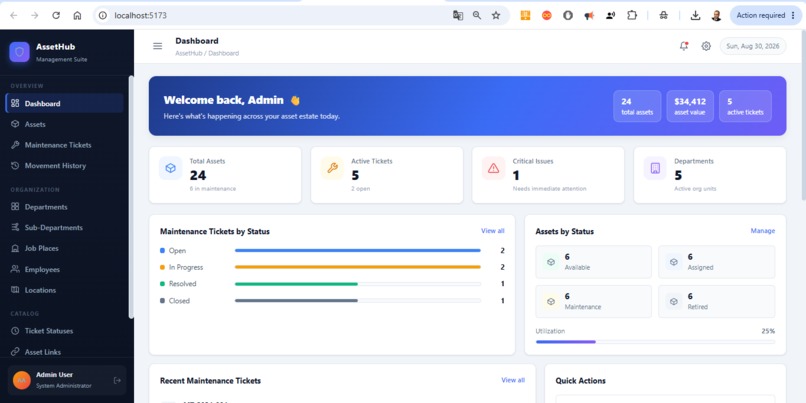
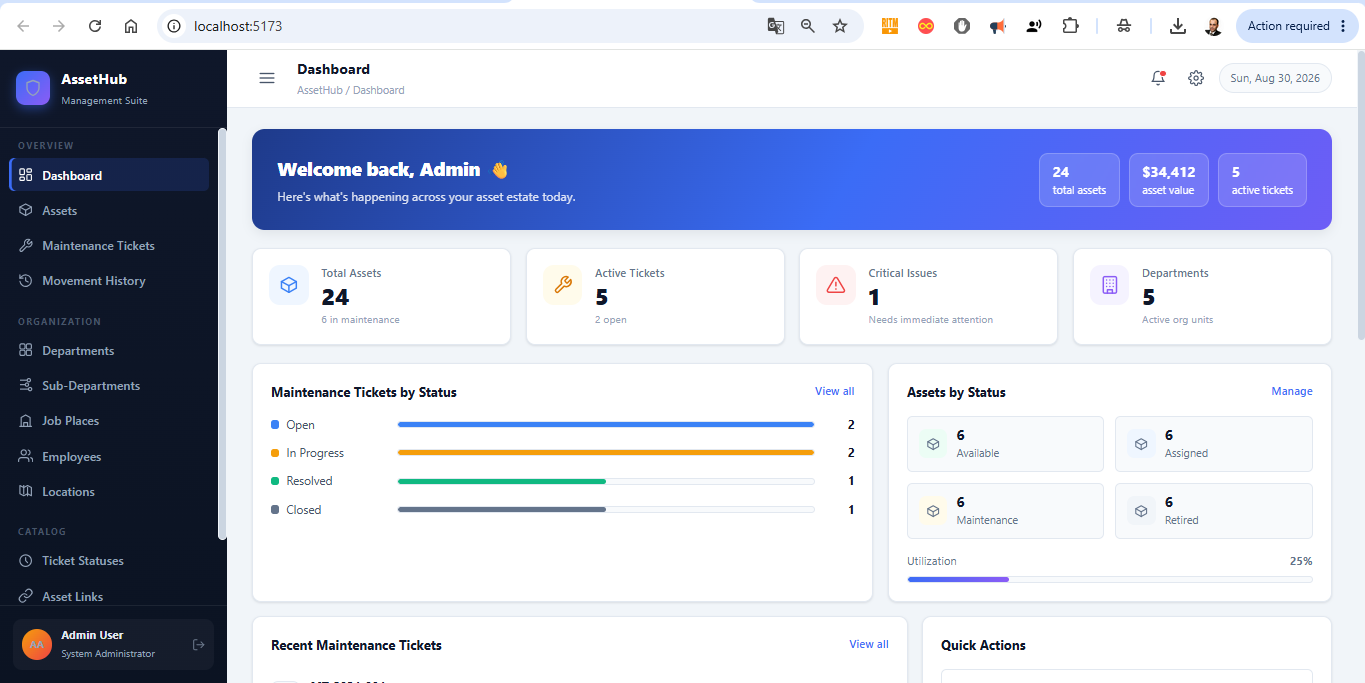
Final Website
-
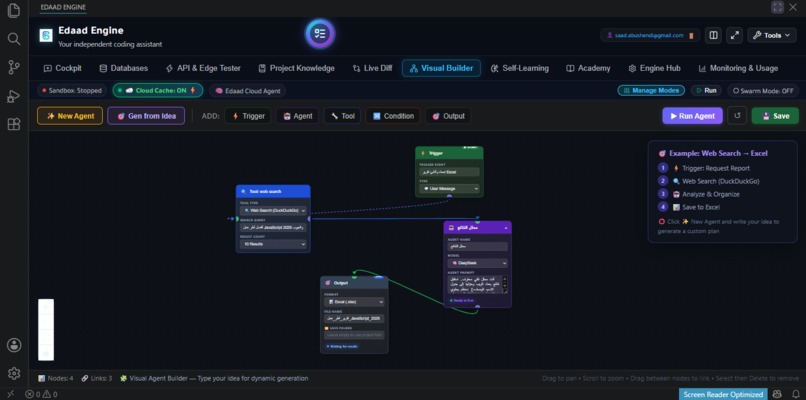
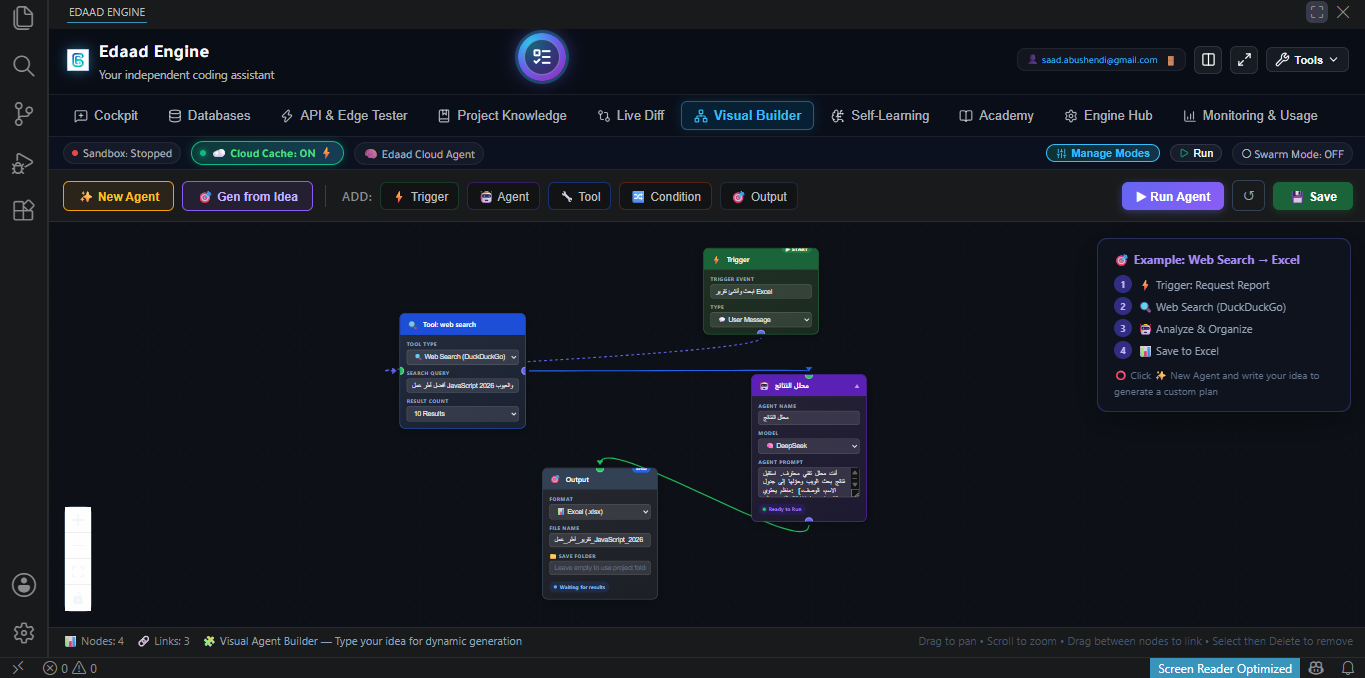
Visual Agent Builder
-
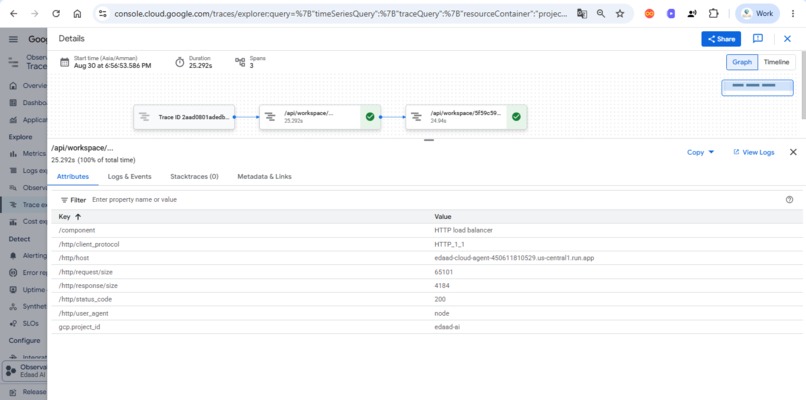
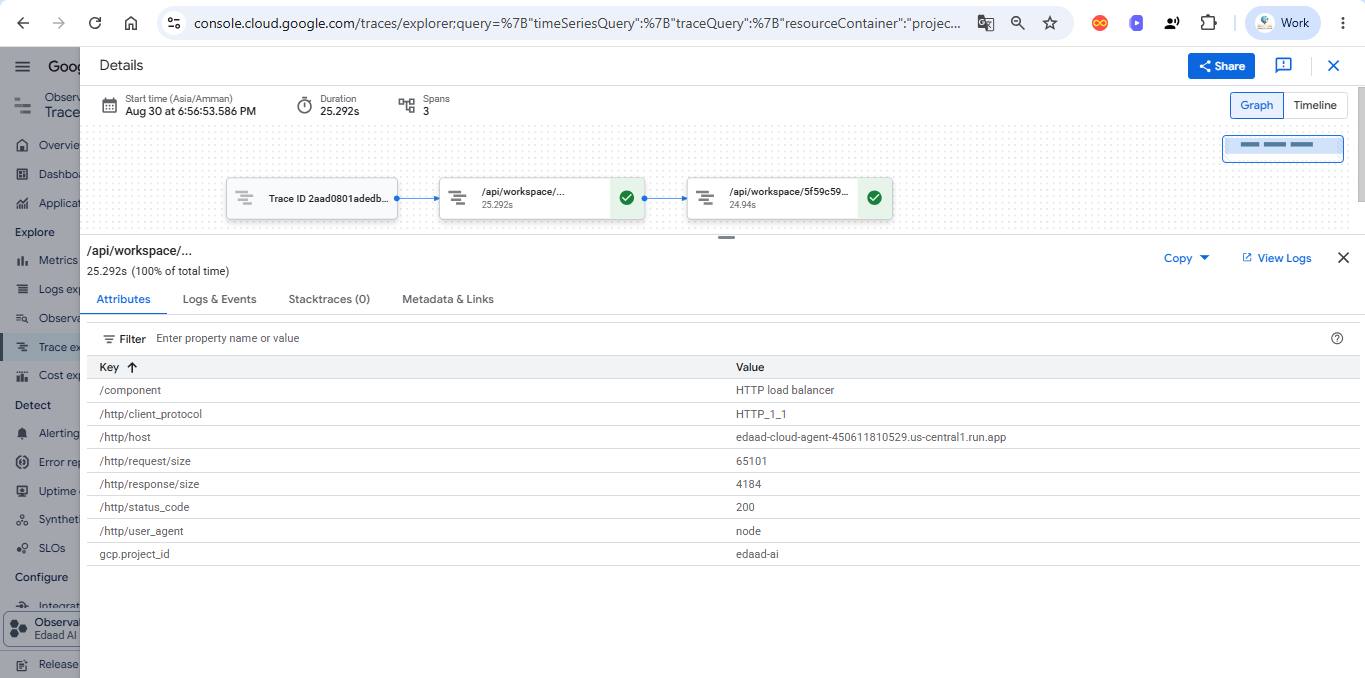
Cloud Trace
-
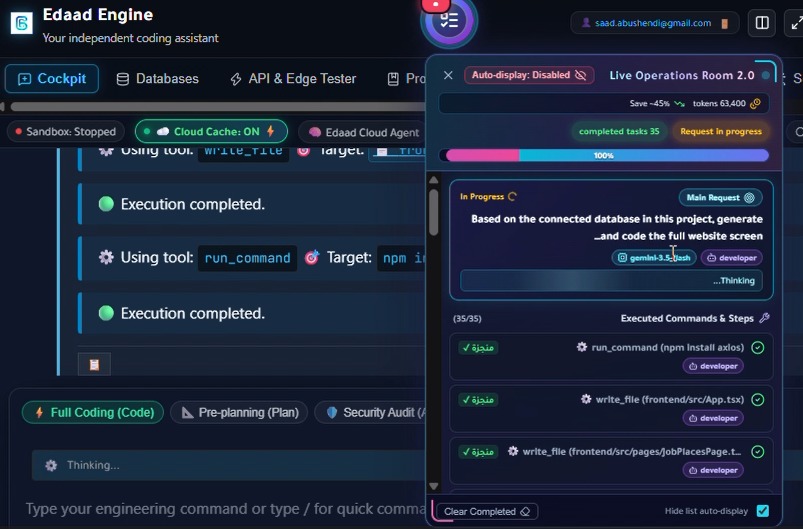
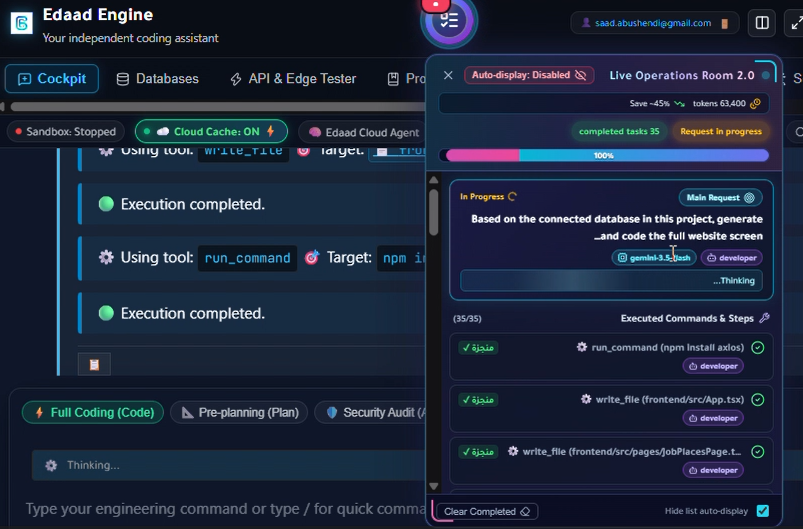
Live Operations Room 2.0
-
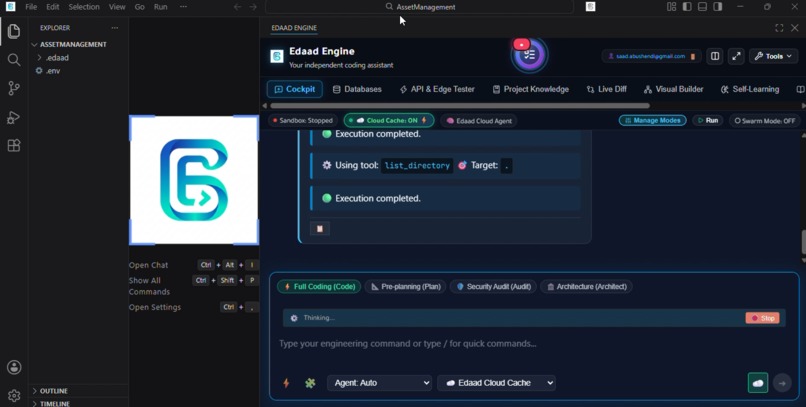
Agents Started
-
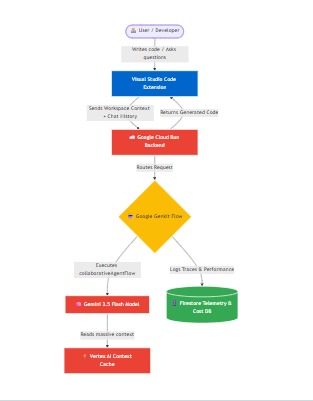
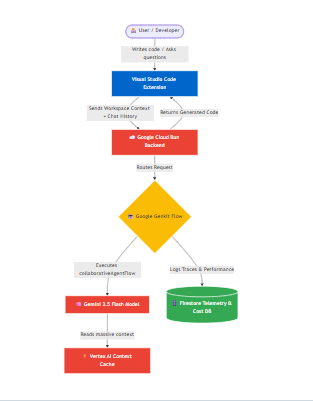
Architecture diagram
💡 Inspiration
Developers today are spending far too much time managing basic, repetitive tasks—setting up boilerplates, writing redundant logic, and wrestling with terminal errors. While chat-based AI tools are helpful, they require constant "hand-holding" and copy-pasting. We asked ourselves: What if we could build a true "Collaborative Partner"? An autonomous AI engine that lives natively inside the IDE, understands the entire workspace, connects directly to databases, and executes massive workflows from start to finish without human intervention. This vision inspired the Edaad Engine.
⚙️ What it does
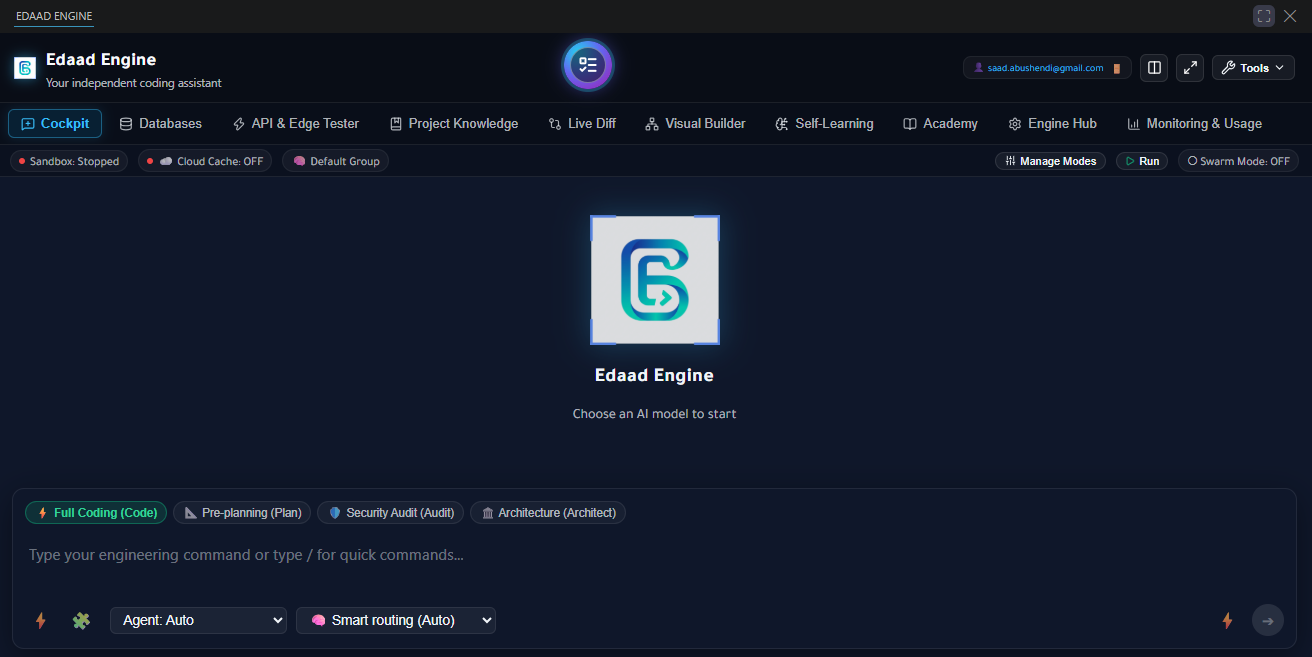
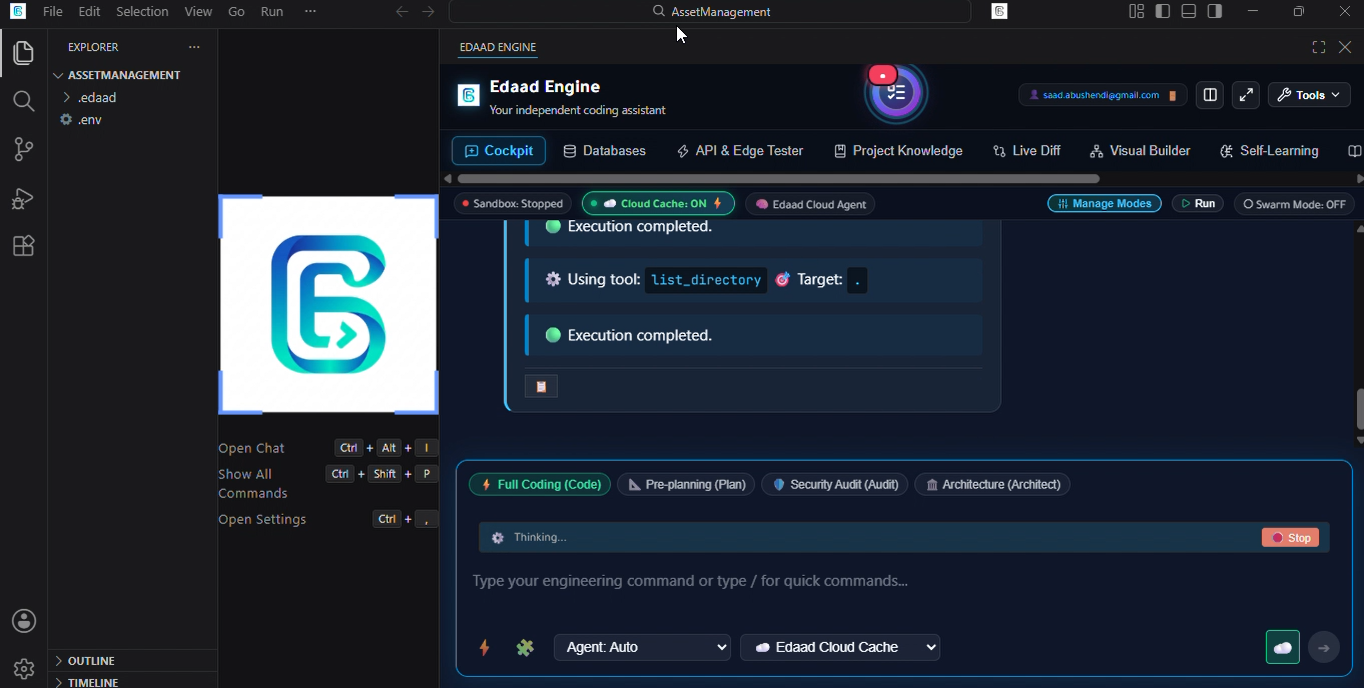
Edaad Engine is an autonomous, Multi-Model AI coding assistant deeply integrated into VS Code. It doesn't just chat; it acts. You give it a complex, high-level task like: "Based on the connected database, code the entire React frontend, run the local server, and fix any terminal errors."
Edaad’s Swarm of specialized agents takes over. They analyze the database schema, write the actual files into your workspace, execute terminal commands, track logs for runtime errors, and autonomously fix them until the project runs flawlessly. Key features include:
- Live Operations Room 2.0: A real-time dashboard to monitor the agent swarm's thought process and task queues.
- Smart Routing: Dynamically routes logic-heavy tasks to Gemini 3.5/3.7 and UI polishing tasks to specialized models.
- Visual Agent Builder: Allows users to design custom AI workflows dynamically.
🛠 How we built it (The Google Stack)
To achieve true autonomy and massive context windows, we heavily utilized Google's ecosystem:
- Google Genkit: The core orchestrator. We used Genkit to define our collaborativeAgentFlow, managing agent memory, routing, and tool execution.
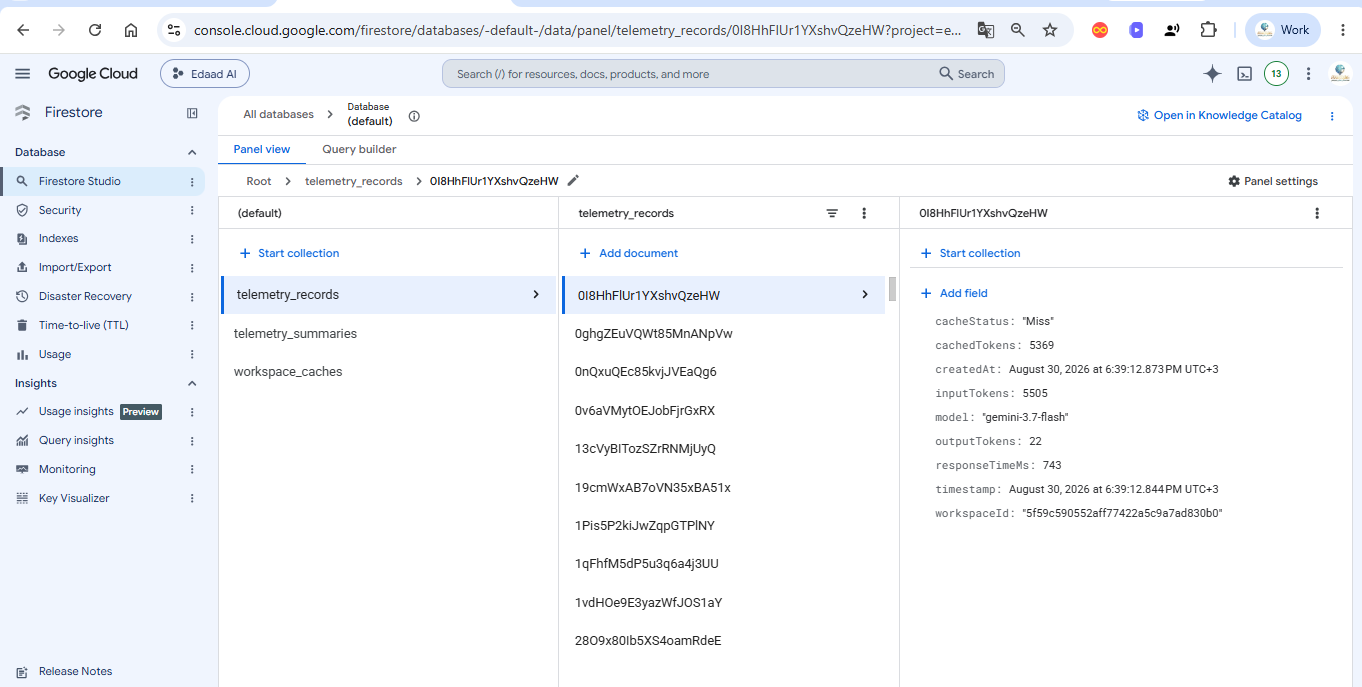
- Gemini 3.5 Flash (via Vertex AI): Powering the logic. We wrapped the native @google-cloud/vertexai SDK inside Genkit to maintain granular control over Vertex AI Prompt Caching. This architectural decision slashes token costs by up to 95% on massive workspace payloads.
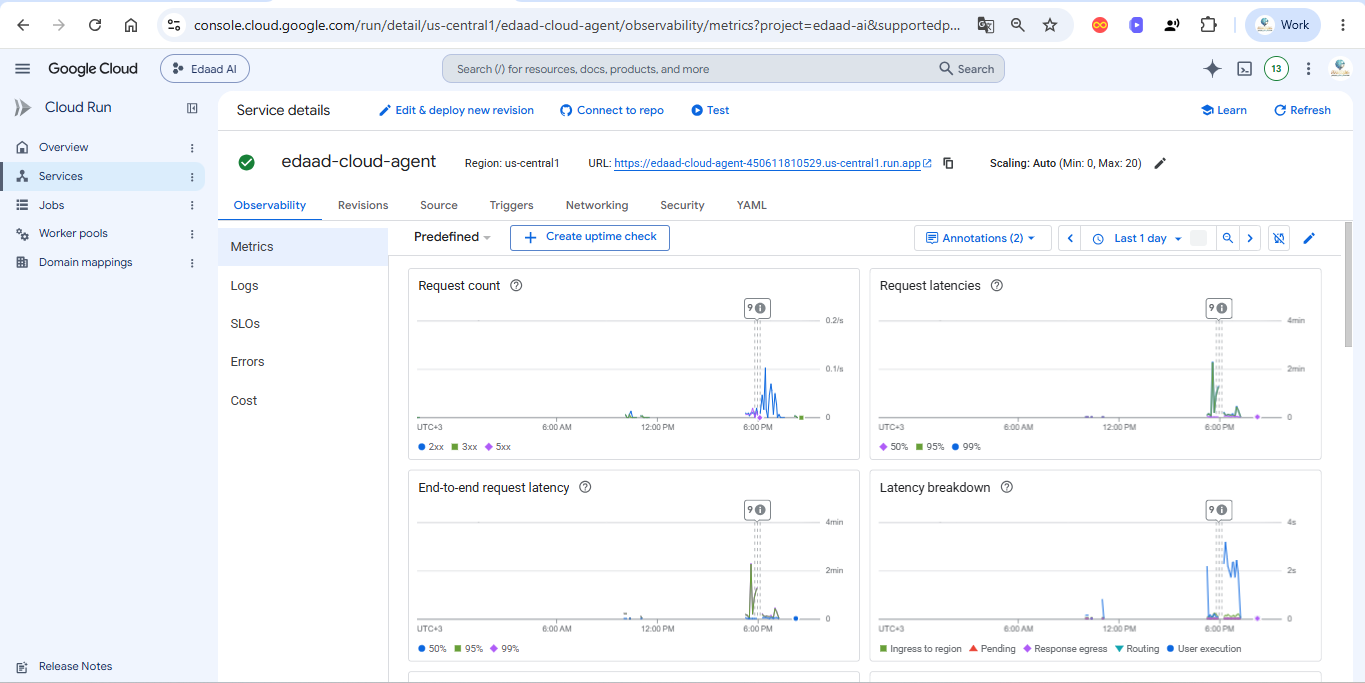
- Google Cloud Run: Our highly scalable, serverless backend hosting the Genkit swarm.
- Google Cloud Trace: Enabled via @genkit-ai/google-cloud to export real-time agent execution telemetry directly to the GCP console for perfect observability.
- Firestore: Used for persistent telemetry storage and precision cost calculation.
🚧 Challenges we ran into
Our biggest challenge was LLM Tool Mapping & Payload constraints. Initially, we struggled with API format mismatches (error 400s) when passing complex IDE tool functions (like File Editing and Terminal Execution) to Gemini. We solved this by building a custom Cache Service layer that perfectly maps OpenAI-style tool arrays into Gemini's functionDeclarations.
Additionally, managing massive context windows (reading entire database schemas and codebases) was cost-prohibitive. We solved this by implementing Vertex AI Context Caching, fundamentally changing our unit economics. (Note: We also successfully designed and tested the system on Gemini 3.7 Flash, which showed incredible precision, but reverted to 3.5 Flash for the live deployment to ensure absolute stability during the hackathon judging period).
🏆 Accomplishments that we're proud of
- Achieving a zero-touch workflow: Watching the agent write the code, hit a terminal error, analyze the logs, and fix its own bug without any human input was a magical milestone.
- Successfully decoupling the "Brain" (the local IDE Edaad Engine) from the "Infrastructure" (Cloud Run + Genkit Telemetry), resulting in a highly observable and scalable Enterprise-grade architecture.
🧠 What we learned
Building Edaad Engine proved that the future of coding isn't about better autocomplete; it's about autonomous orchestration. We learned how to effectively use Google Genkit not just as an LLM wrapper, but as a powerful observability and tracing tool (Cloud Trace) that is essential when debugging multi-agent swarms.
🚀 What's next for Edaad Engine
We plan to expand our "Fortified Enterprise Fleet" capabilities, allowing teams to share custom agents securely across an organization. We will also integrate more native Google models (like Gemma for local fallback) and expand the Edaad Academy—our built-in learning module where junior developers can practice coding interactively alongside the Agentic Swarm.
Built With
- autonomous-agents
- firestore
- gemini
- genkit
- google-cloud
- google-cloud-run
- google-cloud-trace
- multi-agent-system
- node.js
- prompt-caching
- react
- typescript
- vertex-ai
- vs-code-extension

Log in or sign up for Devpost to join the conversation.