-
-
-
-
-
-
-
This image is currently processing. Please be patient...

Inspiration
Living in a busy, fast-paced environment, in times where economic growth is king, we forget to learn about how to take care of things around us. We rent more, own less ourselves, consume fast and buy new, instead of trying to prolong the life-cycle and repair the things we already have.
We analyzed the concept of maintenance across many different domains and found that people do generally perform maintenance in their life. For instance, we ensure that we have enough food in the fridge, we keep our health and personal finances in order or maintain our social life. However, we either act by a known mechanism or learn how to take care of those, as we have personal incentives for it.
In contrast, the maintenance process of appliances and devices is often seen as complicated and taking too much of our precious time. We often do not have the knowledge about how, when and why we could and should prevent our goods from malfunctioning. Usually, though, small, habitual acts or change in our way of using the device can prolong its life drastically. We think that the lessons from maintaining other aspects of life could be applied to the consumer goods, too.
What it does
We propose a central platform which incorporates already-available monitoring data from appliances and provides users with incentives to perform maintenance when appropriate.
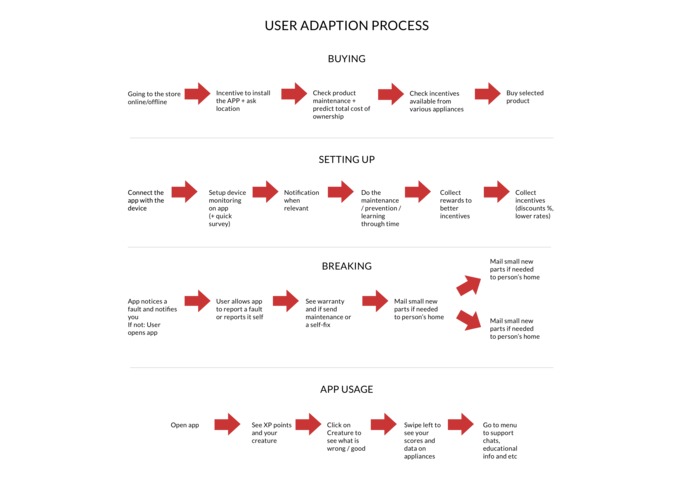
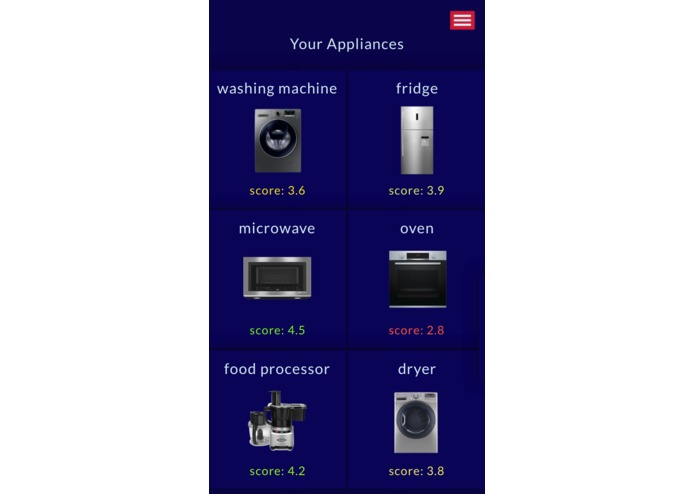
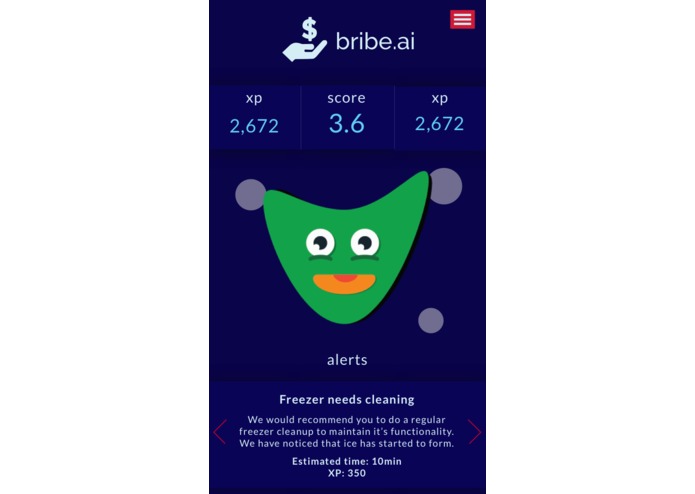
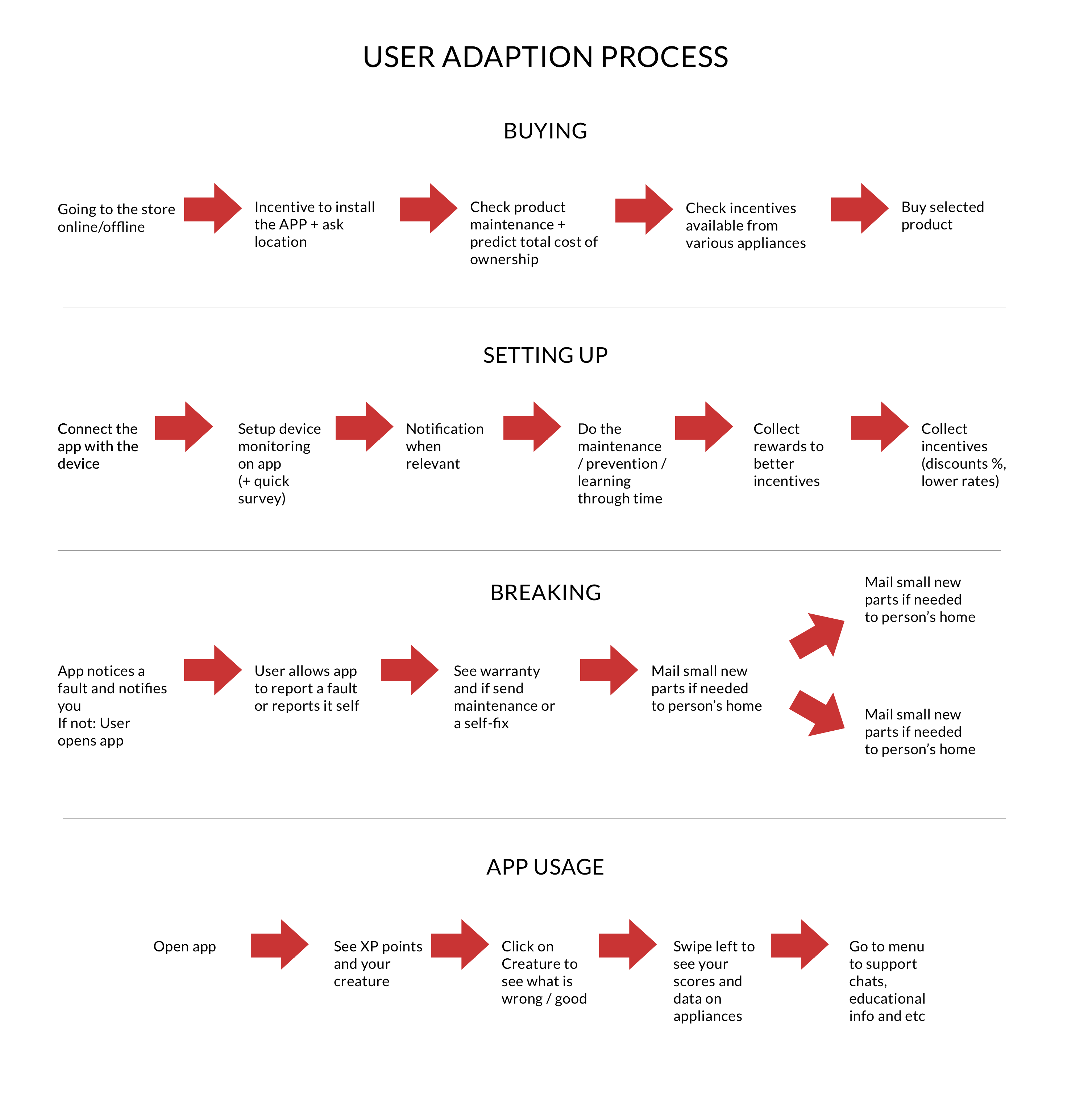
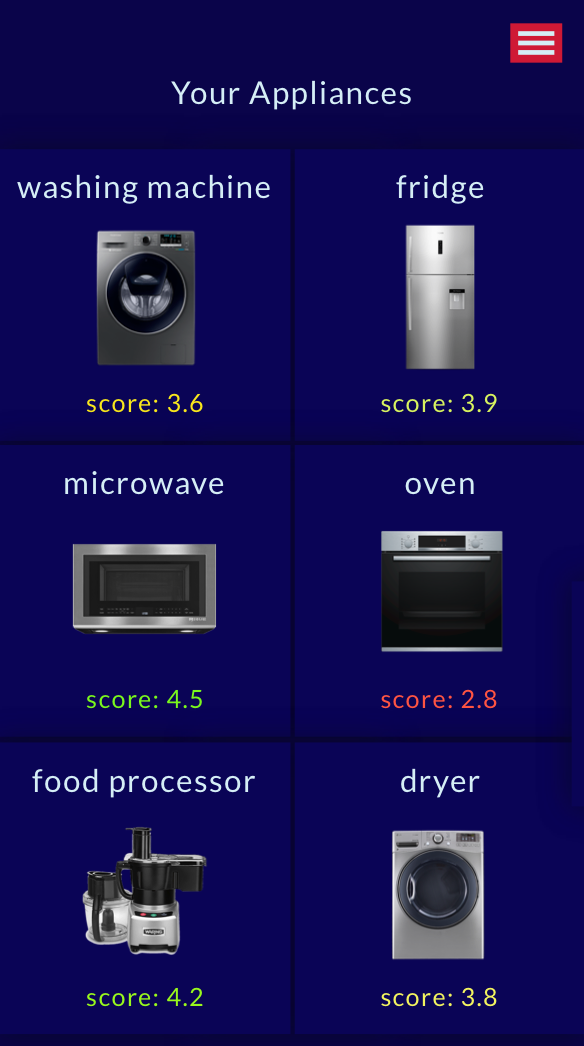
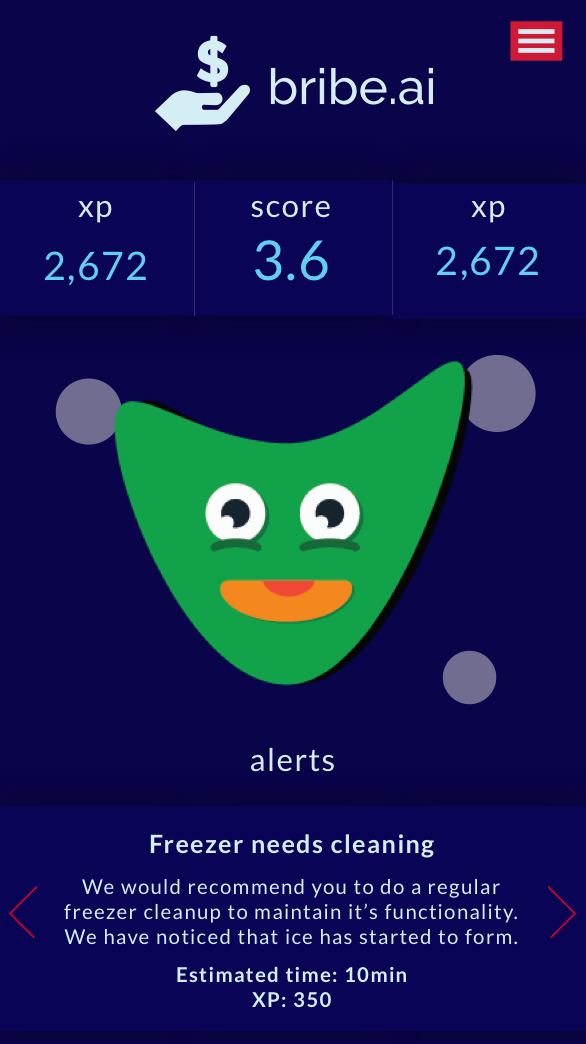
The user story starts while adding the appliance to bribe.ai application. It can be done by scanning a QR code placed on the device. If the sensors in the device to detect incorrect usage of the appliance or conditions that require maintenance to prevent later problems, the app sends notifications to the user.
We provide two key incentives which we believe will motivate users to act.
Intrinsic Effects: First, we show the extent to which the conditions leading to the predicted problem have been an issue for some time. For instance, if a user repeatedly puts too much detergent into the washing-machine or fails to clean the lint filters. Second, we show the predicted outcome if the maintenance is not performed (for instance, reduced appliance lifespan, downtime due to partial failure of the appliance, estimated future repair costs) and the predicted outcome if the maintenance is performed.
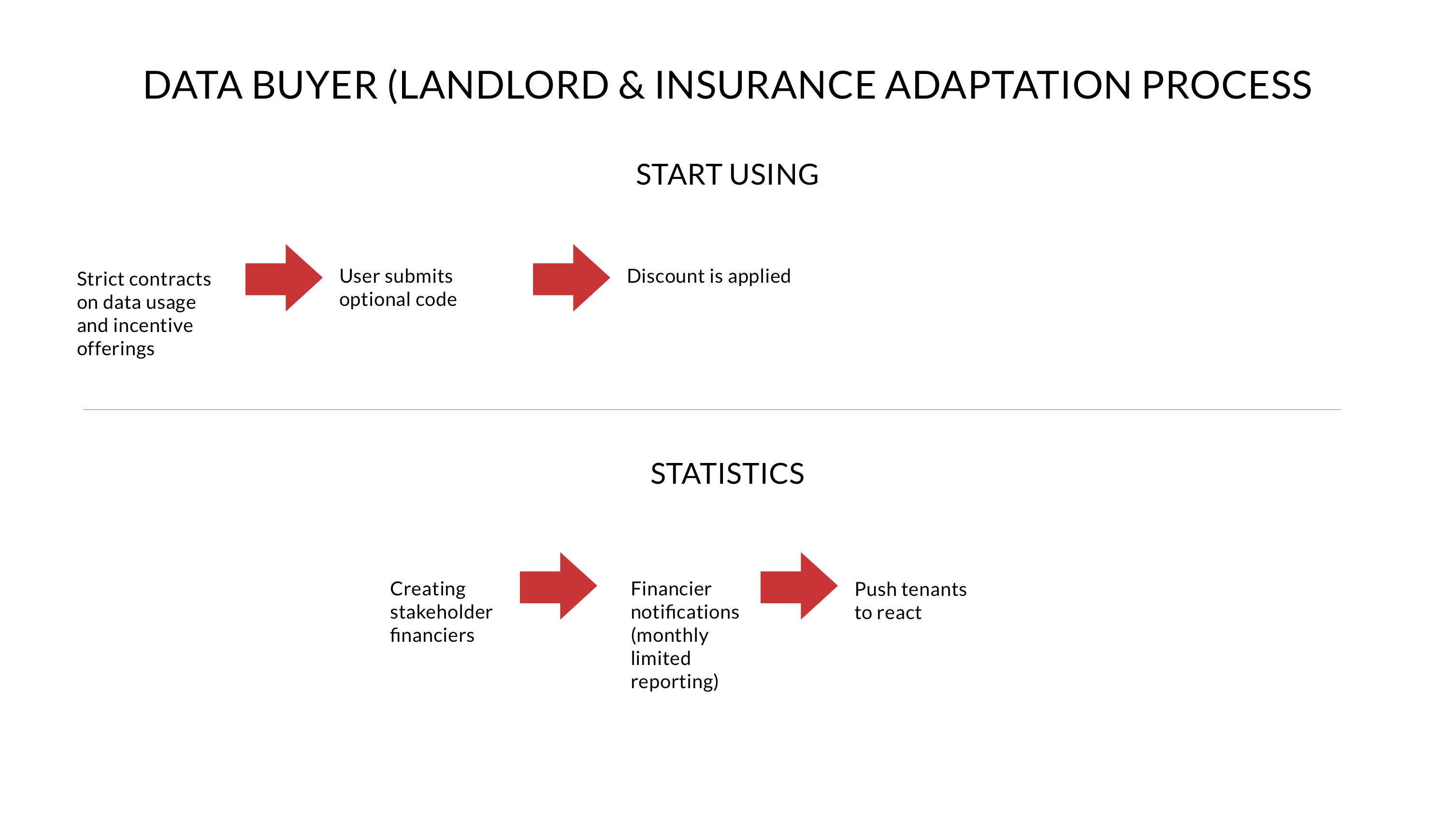
Extrinsic Effects: Second, we allow the user to integrate their device maintenance choices and usage habits with external services and that might want to provide an incentive for them to make lifespan-prolonging choices. An obvious example of this is a home and contents insurance policy, which may offer you a reduced premium if you can demonstrate that you are a lower risk because you maintain and use your appliances properly (see KnowYourDrive / Quindell). We also propose that comparisons be shown as to the maintenance and usage habits of the user compared to that of their peers. Outperforming a benchmark or one’s peers results in rewards being given, thus “gamifiying” the experience.
Continuously Learning: The platform that collects sensor data also collects fault reports from users and from the devices themselves. It learns continuously from the collected sensor data what kind of conditions and usage are likely to be indicative of faults or maintenance in the future, so that other users with the same appliance can receive even better predictions of when their behaviour needs to change or their devices need maintenance.
How we reached the idea
We thought about other areas of our life that require maintenance, such as our relationships, health, finances and education.After looking the problems from different angles and what causes those problems we grouped their common aspects and justifications.. For instance, we looked at where it was possible to do maintenance on your health, how you would do it and why you do it. With a help of new technology, support and knowledge from manufacturers and new way of thinking we wanted to create an easy and sustainable solution which benefits all the participants.
How we built it - or rather what steps are needed to build it
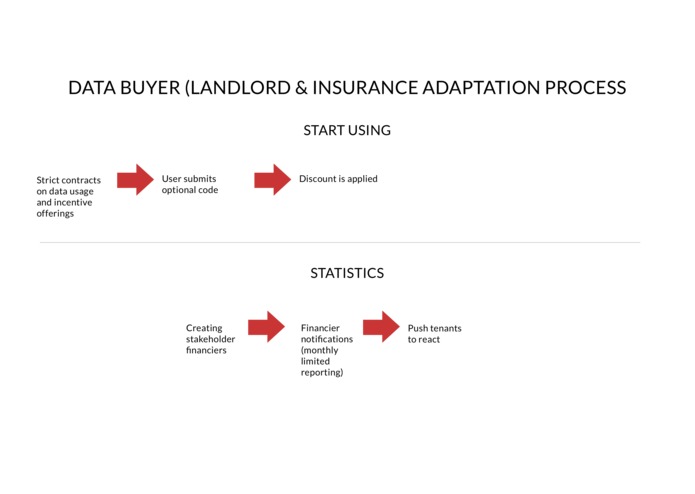
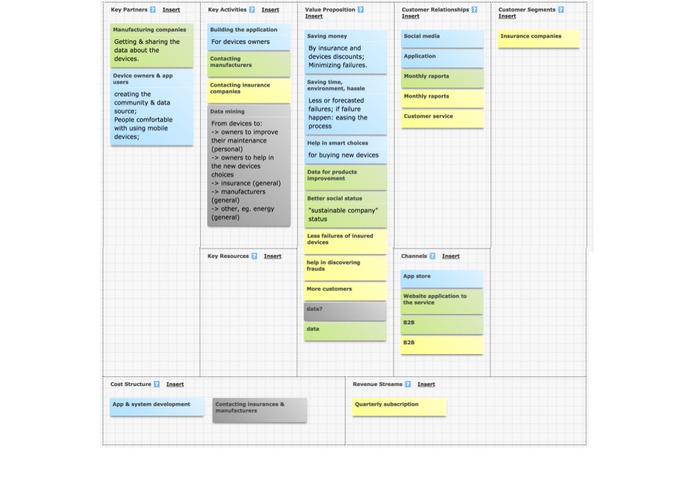
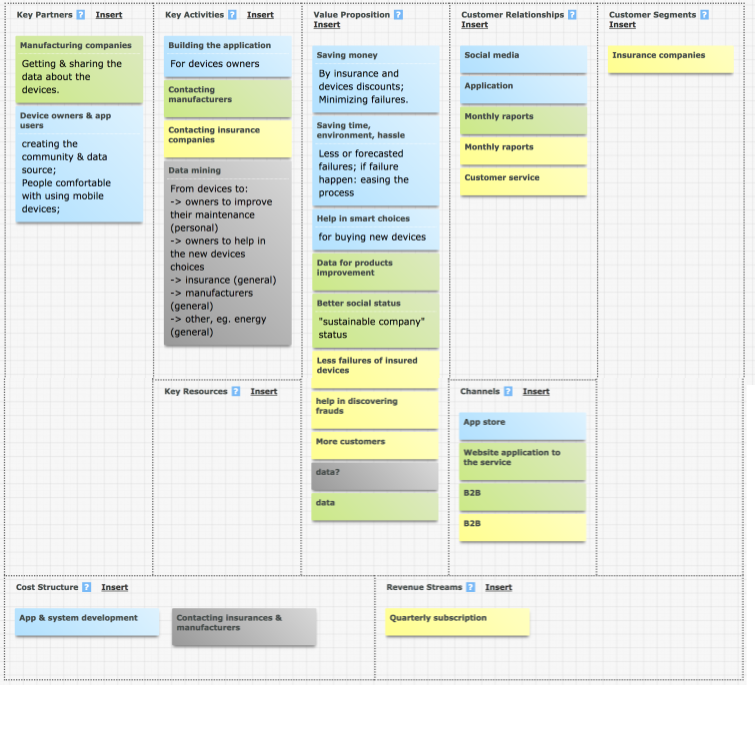
Business: Our business model assumes in the long-term that we would be funded by a consortium of insurance companies / financiers looking to reduce their risk liability due to appliance failure. However, to start out with, we would need to build out both the infrastructure, relationships with manufacturers and a user base as customers for insurers to acquire in time. To start out with, we would appeal to a sense of environmental responsibility amongst customers and market the maintenance reminders as a value-add on the appliance, or partner with the state to provide subsidies (for instance, ROT in Sweden).
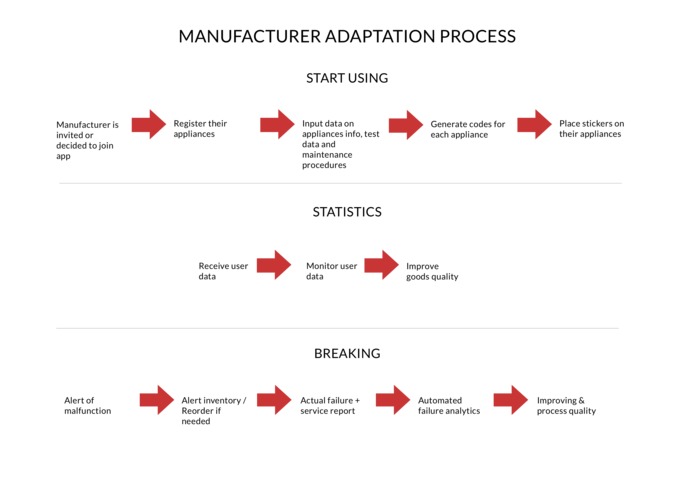
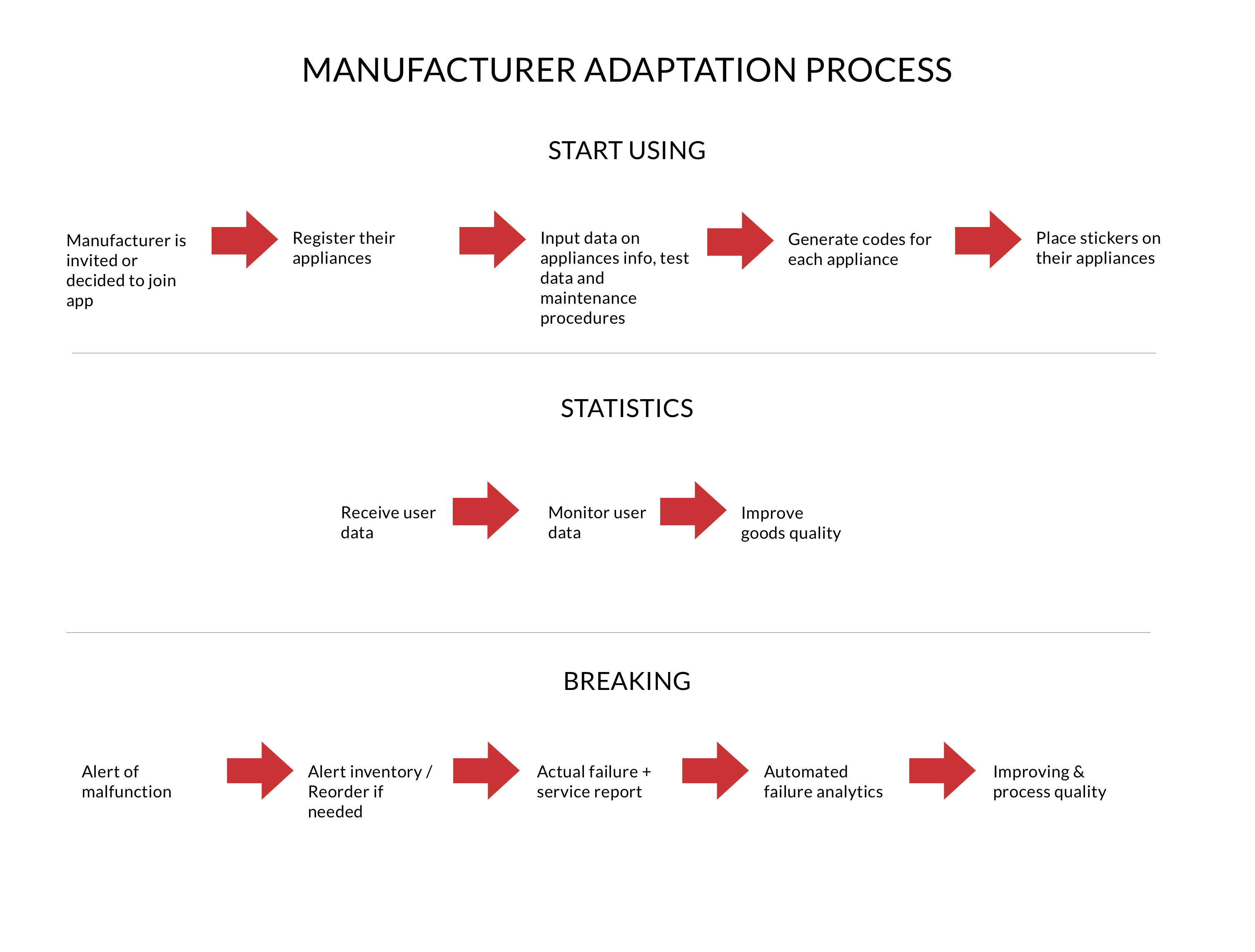
Implementation: The service itself would be deployed as a web service with a central API for collecting sensor data. Manufacturers would integrate their existing smart sensors in their appliances with the API such that when an appliance is “activated” by a user, usage and monitoring data would be sent back to the manufacturer. The manufacturer also seeds the system with expected usage habits and known tolerances for various conditions.
From here, the manufacturer keeps track of failure reports and the system learns what kind of sensor data and/or usage patterns are indicative of upcoming appliance failure.
Users interact with the service through a smartphone application and web service that they can register with. Upon acquiring an appliance, the user pairs the appliance with their account.
If conditions indicative of failure are detected in a user’s appliance, the user will be notified via the smartphone application or e-mail, where they are sent instructions from the manufacturer as to how to perform the maintenance, how much time it will take and where and how they can acquire the tools to do so
Challenges we ran into
Manufacturer Motivation: We spent a lot of time thinking about how we could motivate manufacturers to participate in such a programme, especially when there is an incentive for them to produce cheap goods that have high replacement rates. In the end, we decided to assume that there would be manufacturers that would want to opt-in to this programme, either because they will eventually be required to absorb the negative environmental externalities by regulation or due to customer demand.
Monetization: We also spent a lot of time thinking about monetization, particularly because we don’t think that the end user would be willing to pay for a service that basically nags them to do something that they aren’t initially motivated to do anyway. In the end, we came up with a solution that depends on funding by organizations that see a longer term benefit (for instance: insurers, financiers, etc).
Accomplishments that we're proud of
We were able to take a holistic view of maintenance in general and apply solutions that work in other areas of your life to the maintenance of your appliances.
We were able to come up with a real product prototype and apply it to an actual industry vertical.
Overall, we believe that the result of the design process provides a substantial benefit to all stakeholders. Users are incentivised to take small steps to avoid large problems with their appliances later down the line that cost the user time, financial underwriters (hirers, landlords, insurers) a lot of money and the natural environment its overall health due to unnecessary disposal of appliances.
What we learned
During the process of reaching the final concept, we learned a few interesting things. First of all, we realized how useful it might be to stay very broad at the beginning of the design process. Instead of focusing on electronic devices itself, we took inspiration from other parts of our life that we are maintaining. Answering simple questions “What, Where, Who, How, Why and Why not” allowed us to understand the maintenance topic better. In the team, we also realised how good is to have multidisciplinary backgrounds. All together we made up our knowledge and skills needed to accomplish the task. What is even more important, it allowed discussing over the idea from many different perspectives, to make sure that we won’t miss anything needed.
What's next for eCraft -Incentified Preventive Home-Goods Maintenance
What’s next is to gauge interest from potential stakeholders of such a system. We need to do some more research to see exactly how much this would save insurers and other financial underwriters since our estimates are drawn on very rough calculations based on a single vertical (washing machines sold and disposed of early in their lifecycle in the UK). Moreover, we should contact a few insurance companies as well as manufacturers to understand their possible interest in it.
If such a system is possible, we could move forward with making this project a reality on a test basis with a single insurer and select group of participating manufacturers.

Log in or sign up for Devpost to join the conversation.