
Inspiration
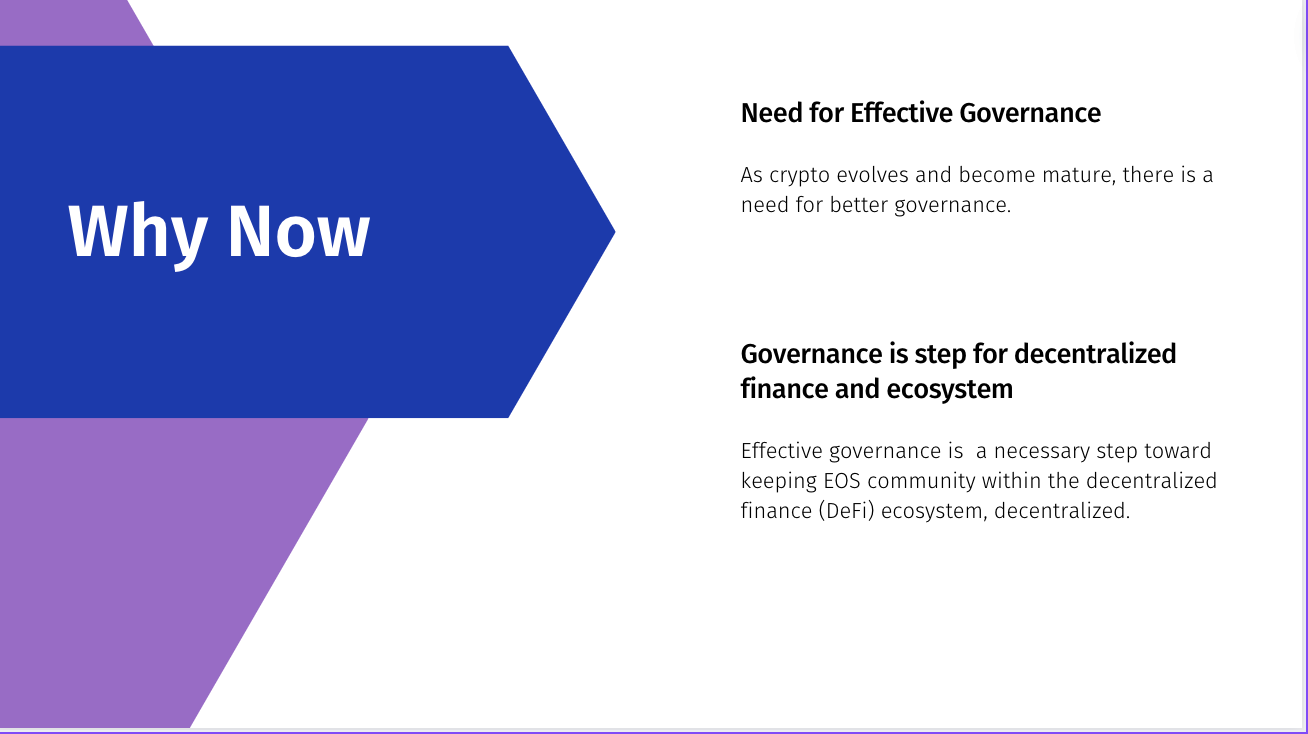
As crypto evolves and becomes mature, there is a need for better governance. Further, Effective governance is a necessary step toward keeping EOS community within the decentralized finance (DeFi) ecosystem, decentralized.
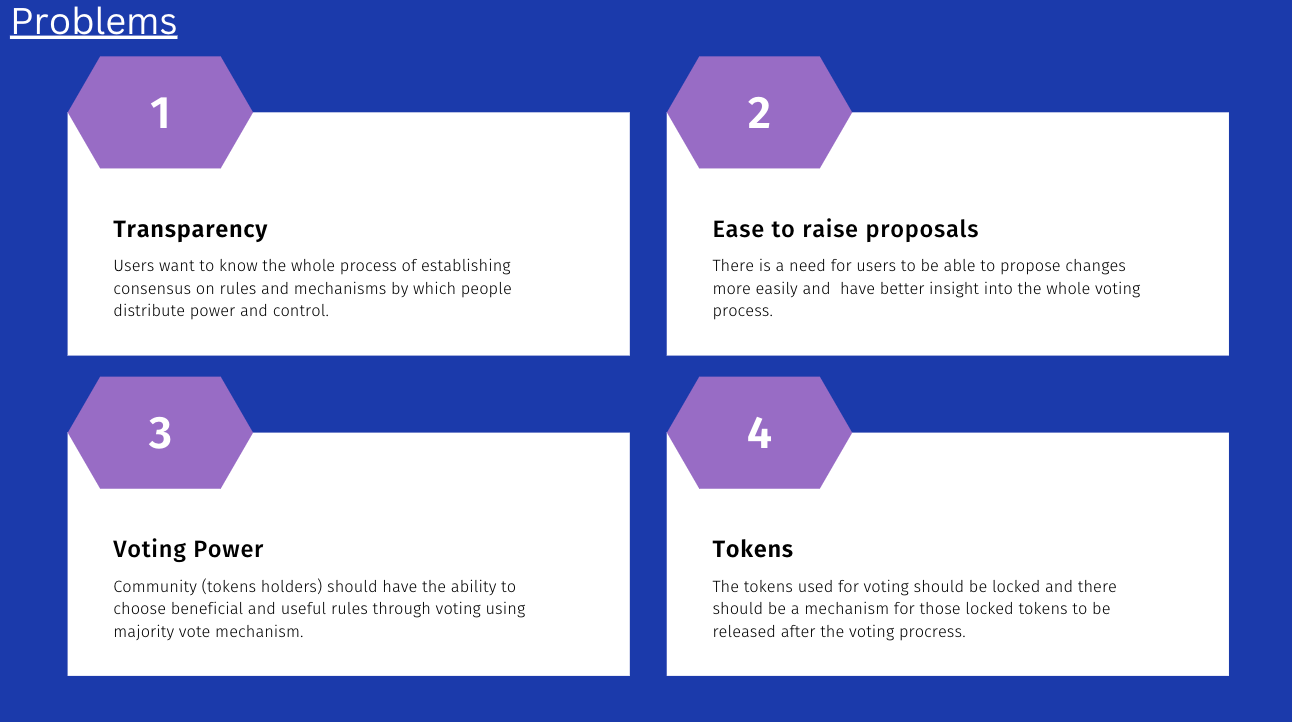
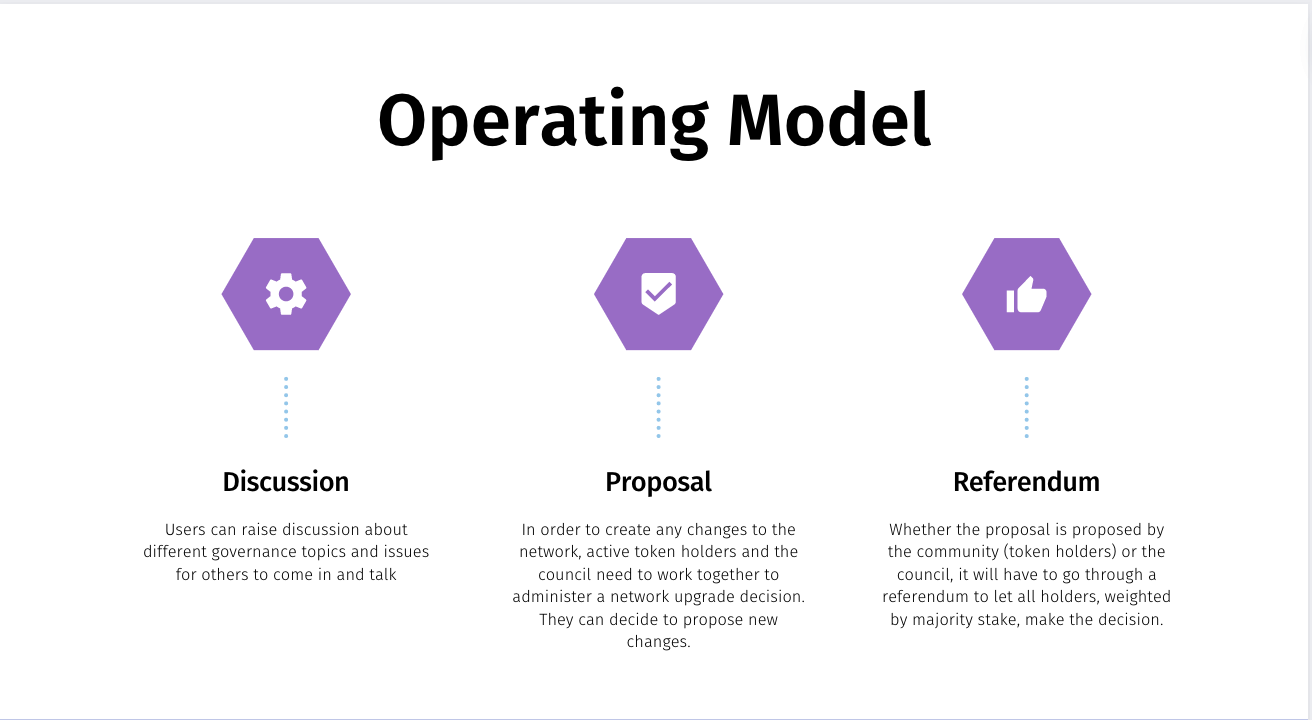
There are several problems such as: First, users want to know the whole process of establishing consensus on rules and mechanisms by which people distribute power and control. There is also a need for users to be able to propose changes more easily and have better insight into the whole voting process. Further, Community (tokens holders) should have the ability to choose beneficial and useful rules through voting using majority vote mechanism. The tokens used for voting should be locked and there should be a mechanism for those locked tokens to be released after the voting process.
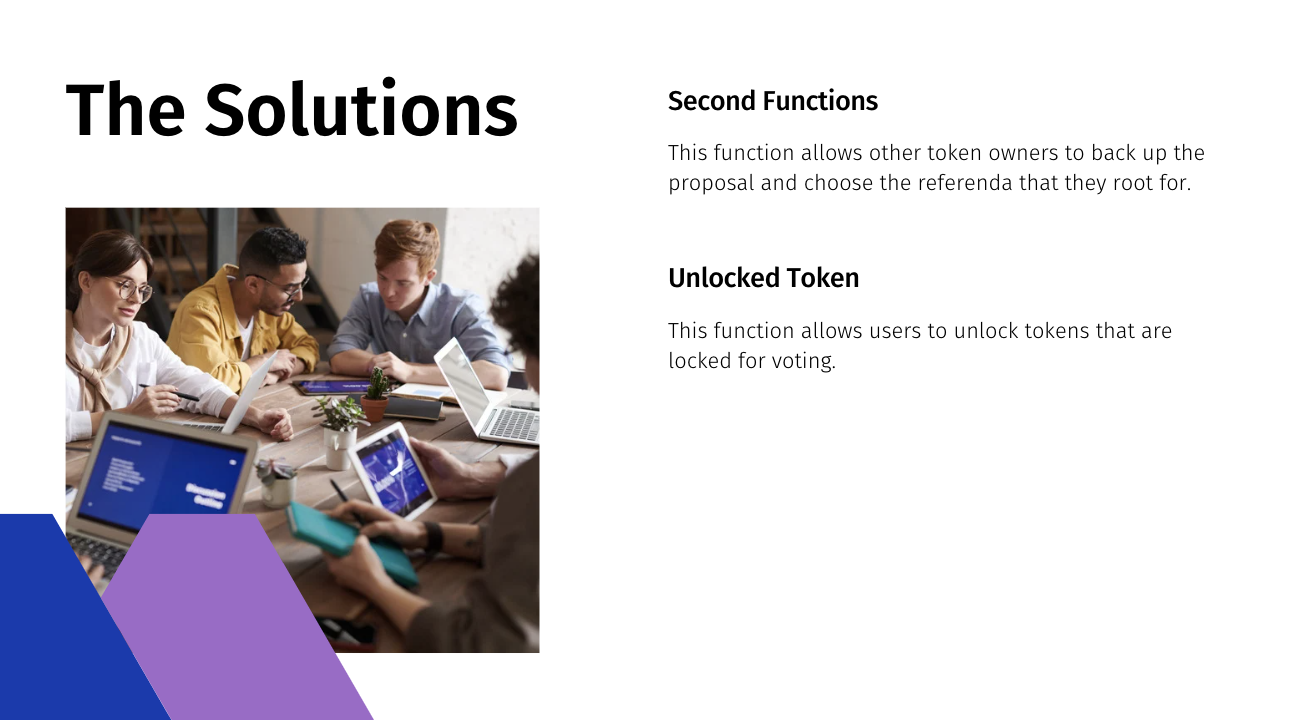
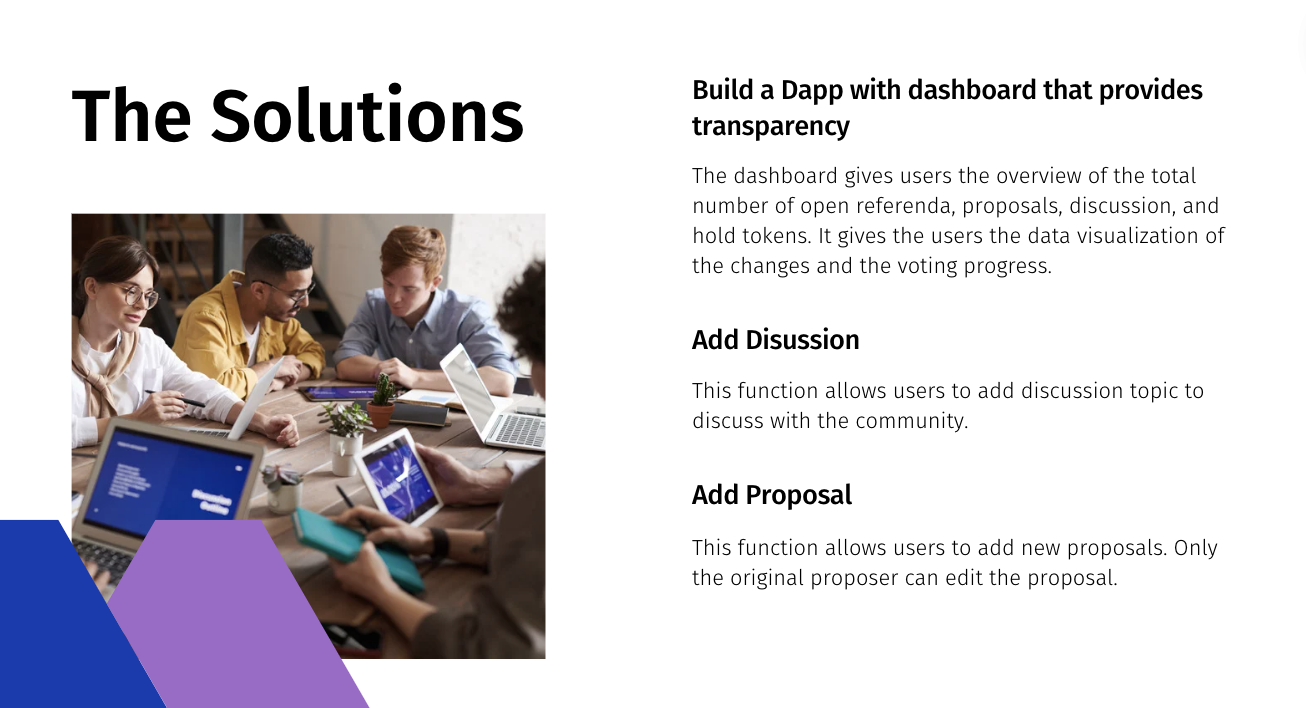
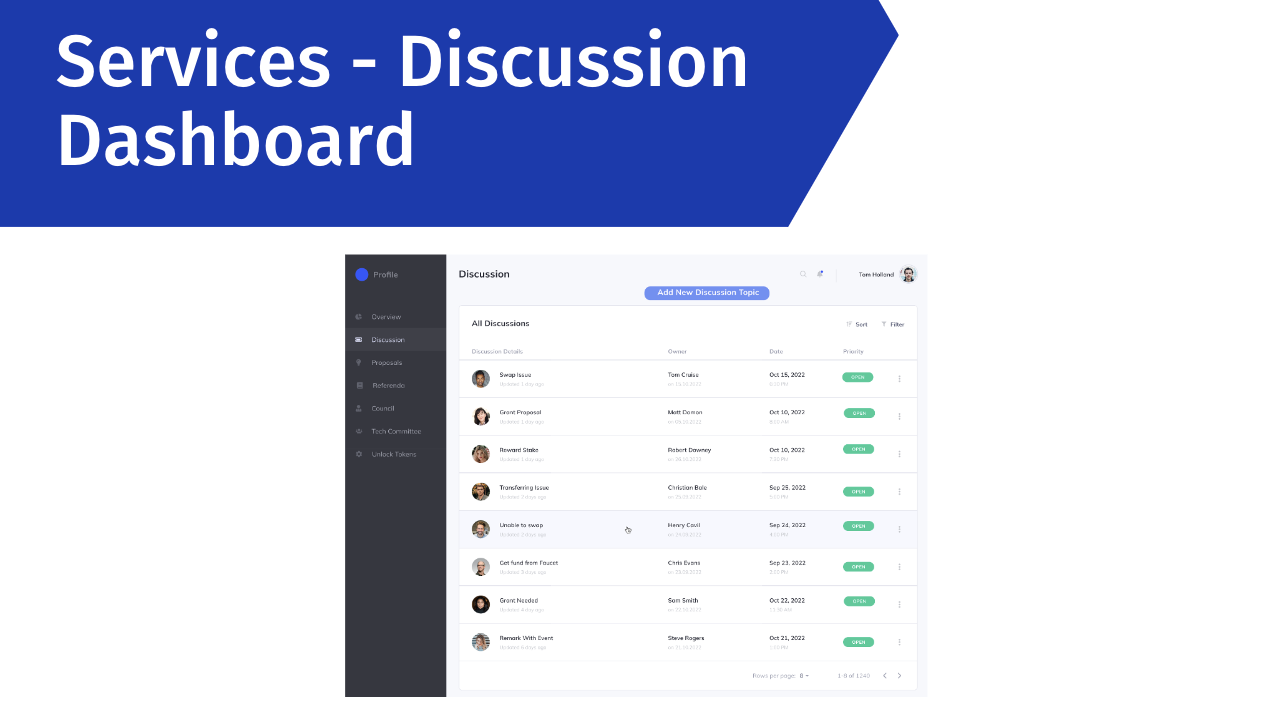
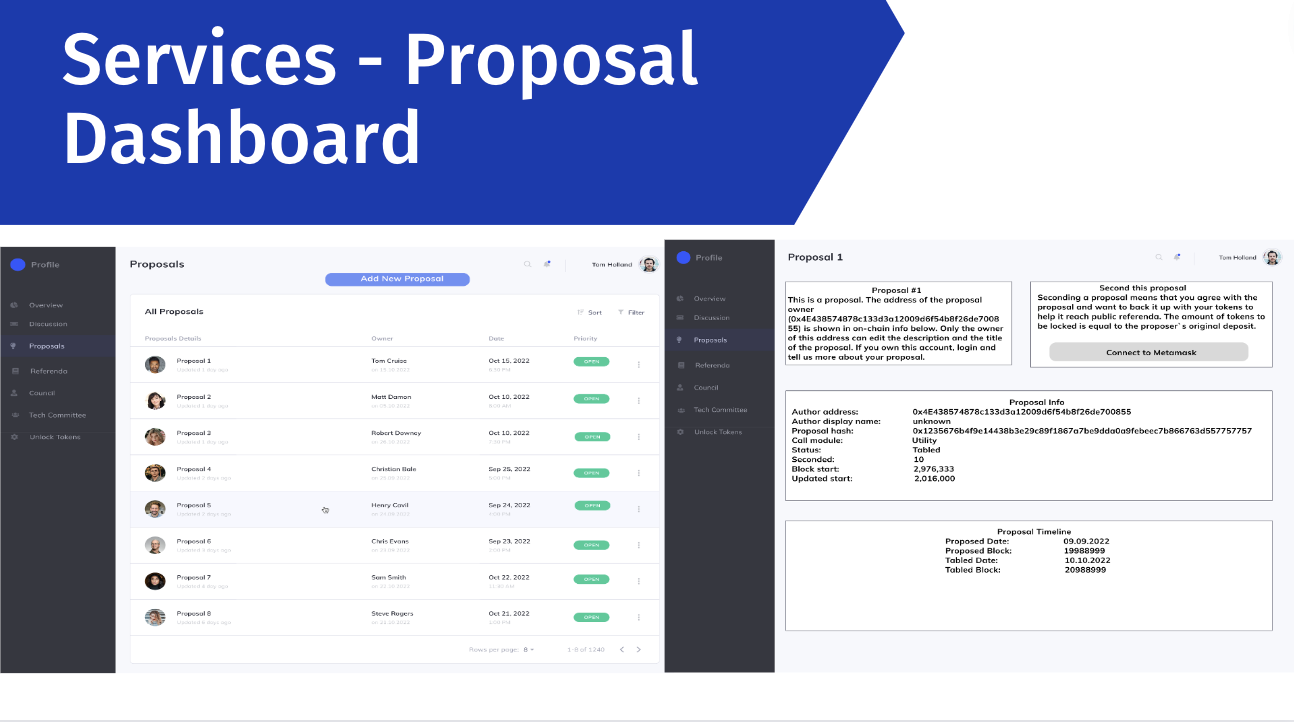
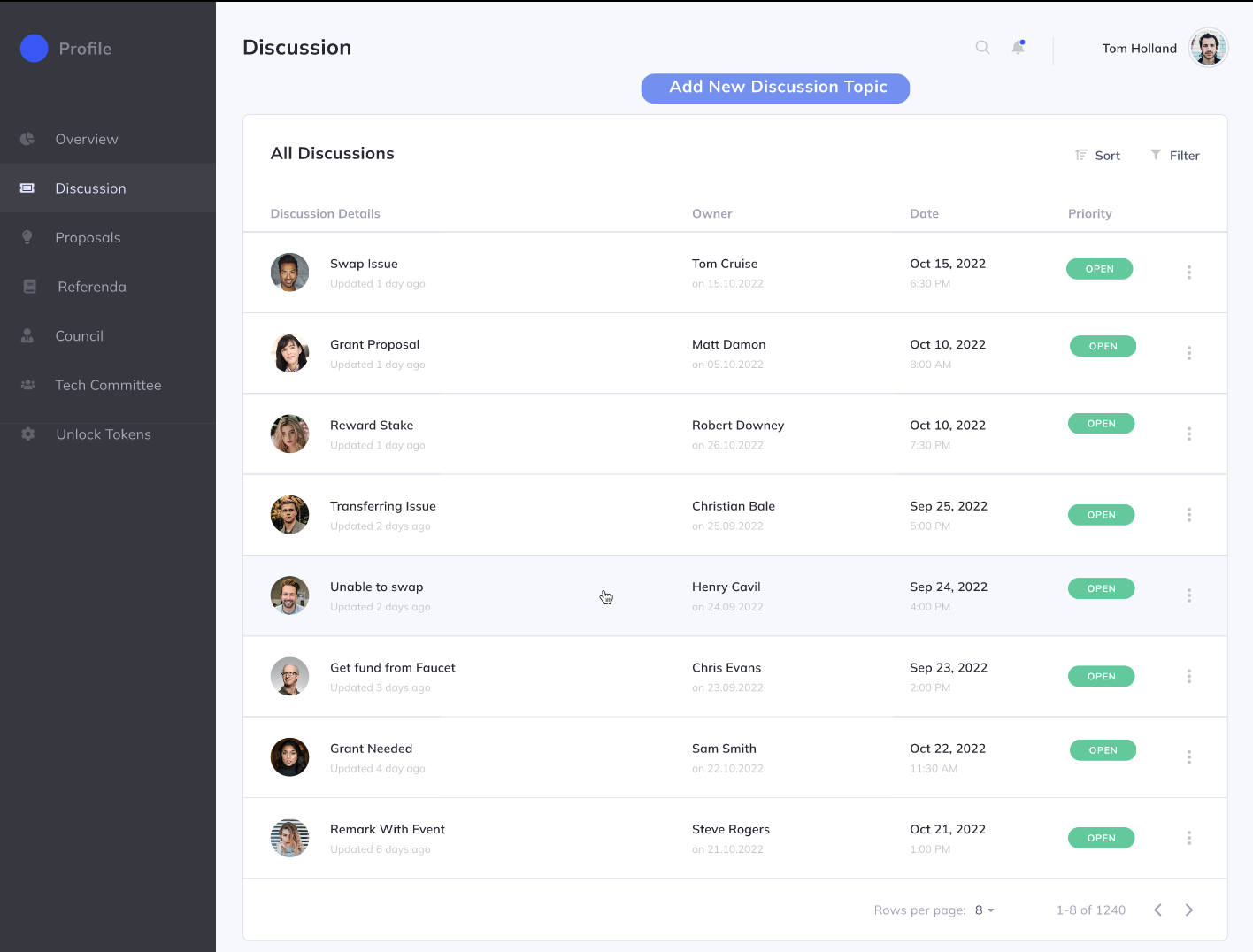
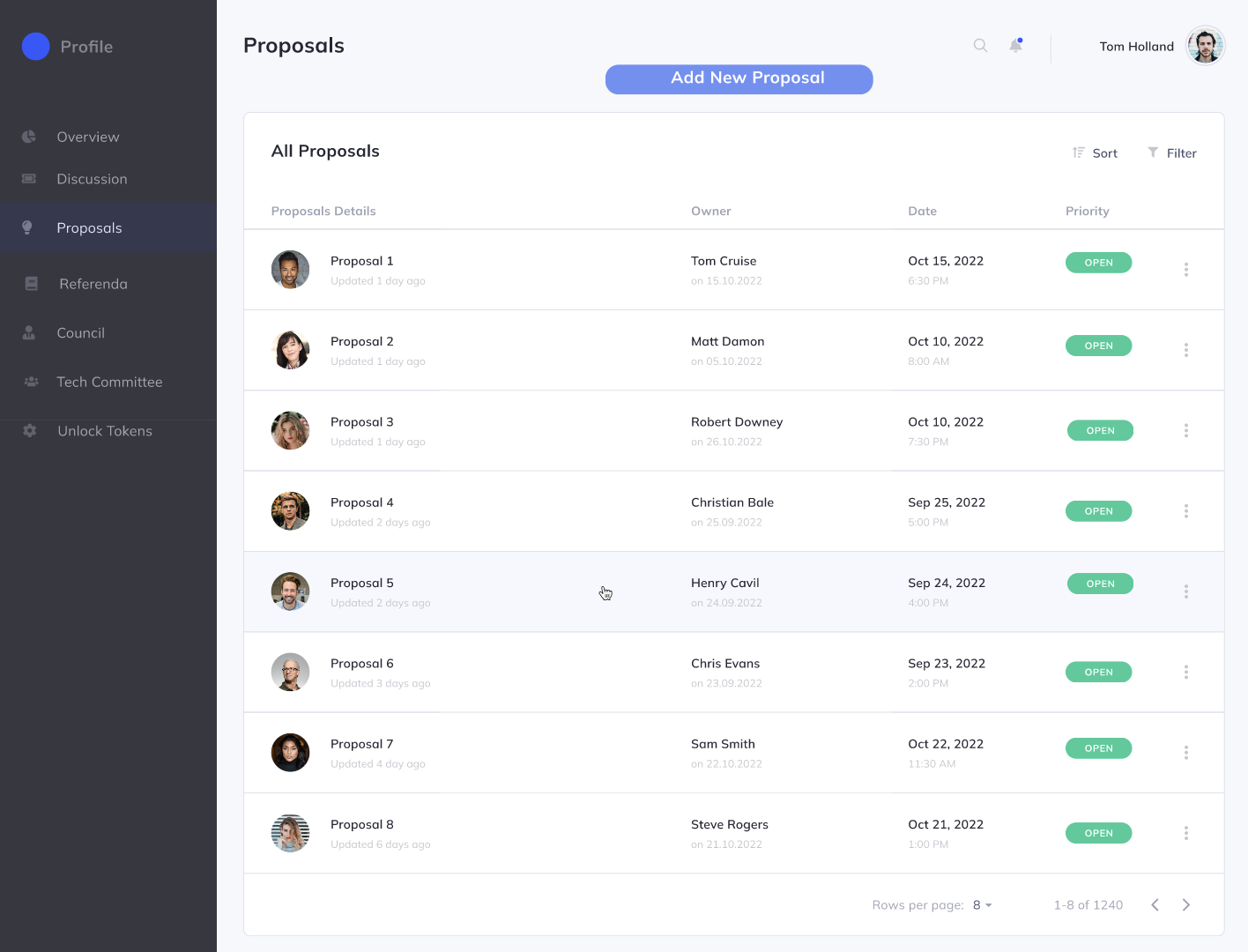
Here are the solutions for the issues. We build a Dapp with a dashboard that provides transparency. There is "add discussion" function which allows users to add discussion topics to discuss with the community. The "add proposal" function allows users to add new proposals. Only the original proposer can edit the proposal. The "second function" allows other token owners to back up the proposal and choose the referenda that they root for. Finally, the "unlock token" function allows users to unlock tokens that are locked for voting.
What it does
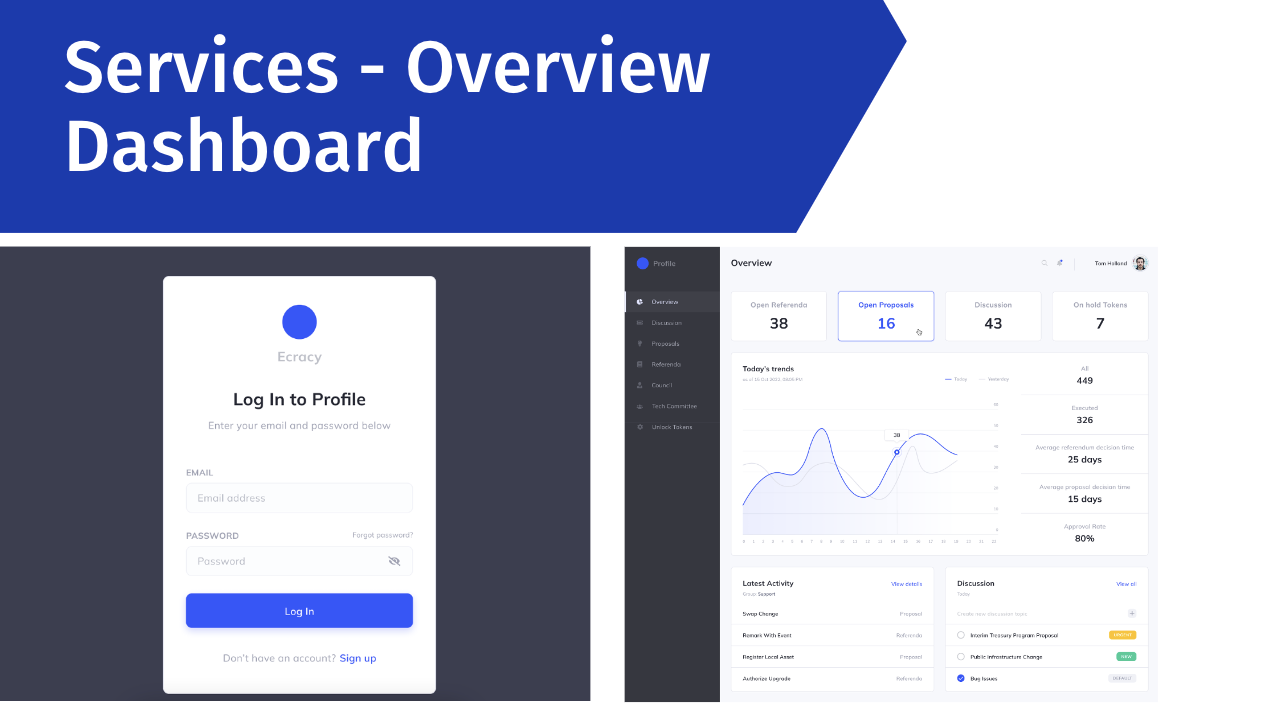
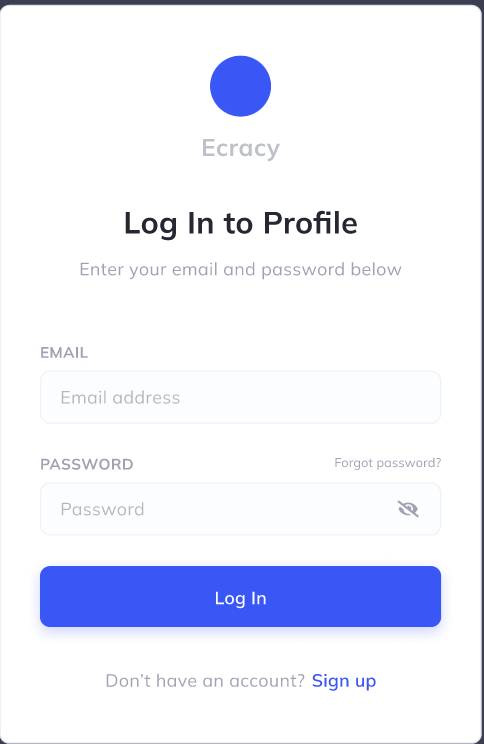
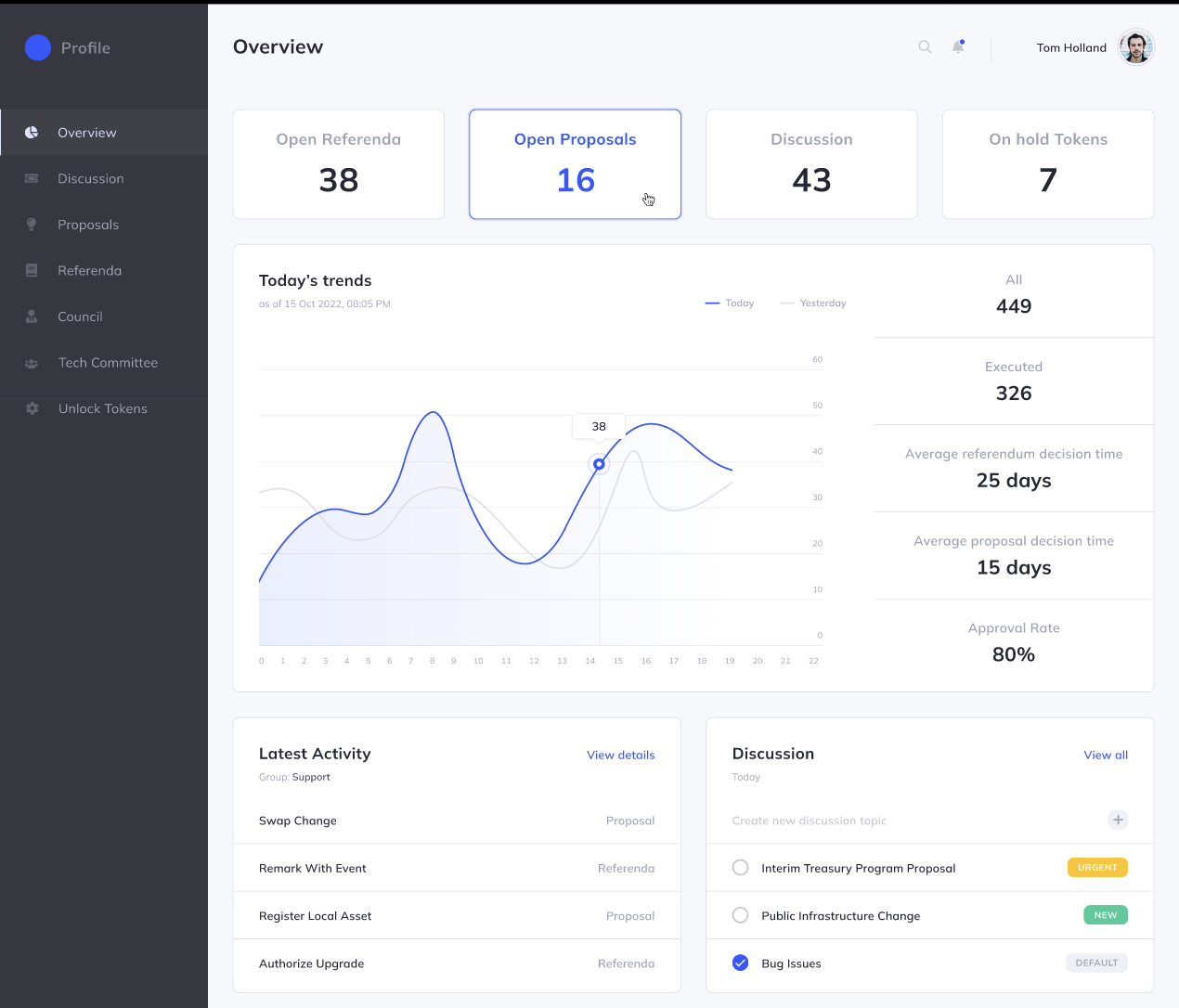
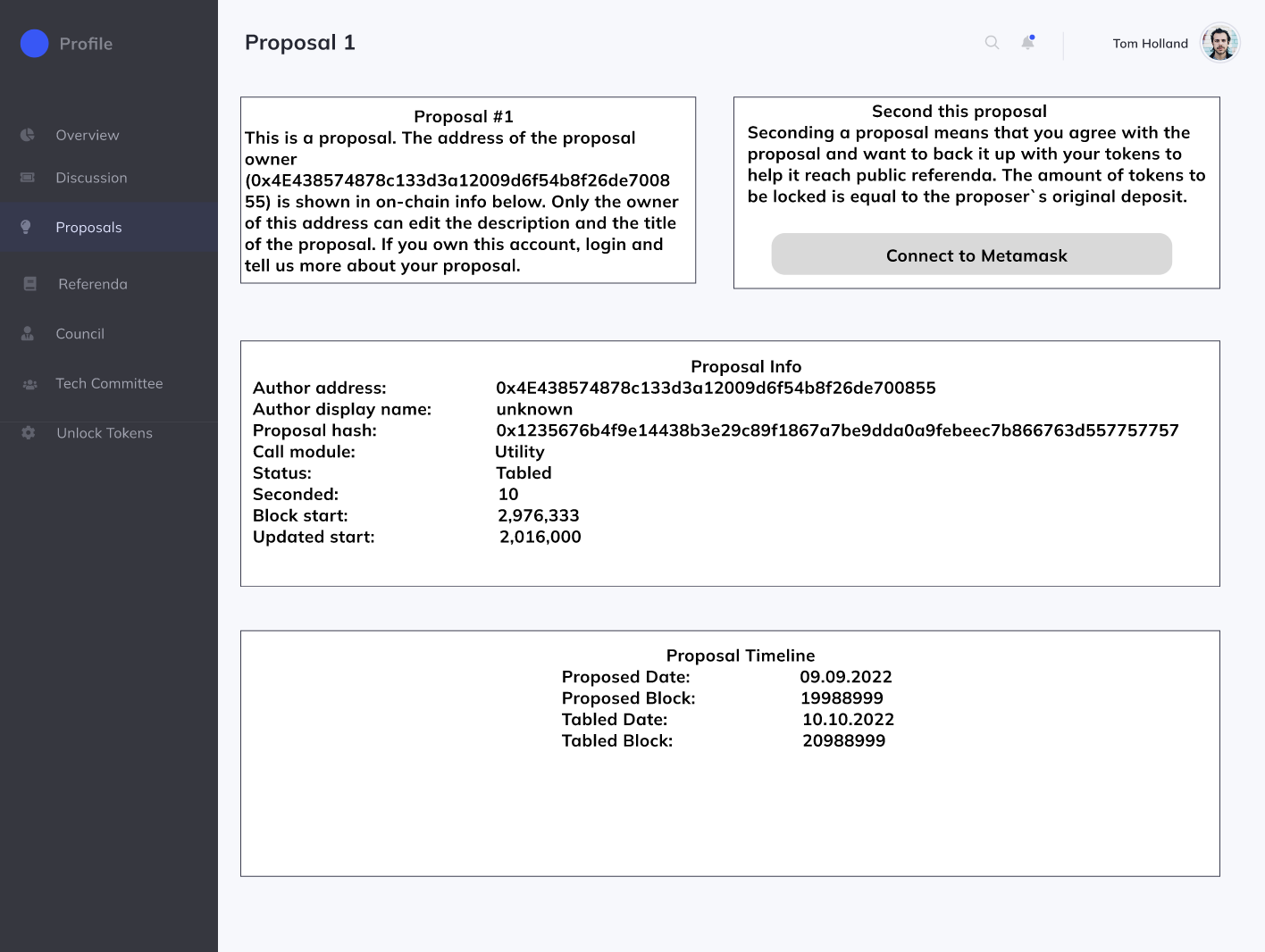
- First, users need to log in to the dashboard. After logging in, users can see the overview of the total number of open referenda, proposals, discussion, and hold tokens. The dashboard gives the users the data visualization of the changes and how the proposals or referenda voting progress is. After clicking the discussion button, users can see the discussion dashboard. It gives users an overall view of how many discussion topics are there and enter the discussion chat for further insights and talk. To see the proposal dashboard, users click the proposal button. The proposal view gives users the sense of the total numbers of open proposals. Users can create the proposals. User can click “Open” button to see more info about each proposal. The address of the proposal owner is shown in on-chain info. Only the owner of the shown wallet address can edit the description and the title of the proposal. Further, users can second the proposal that they want to back up. Seconding a proposal means that you agree with the proposal and want to back it up with your tokens to help it reach public referenda. The token amount will be locked and is equal to the proposer`s original deposit.
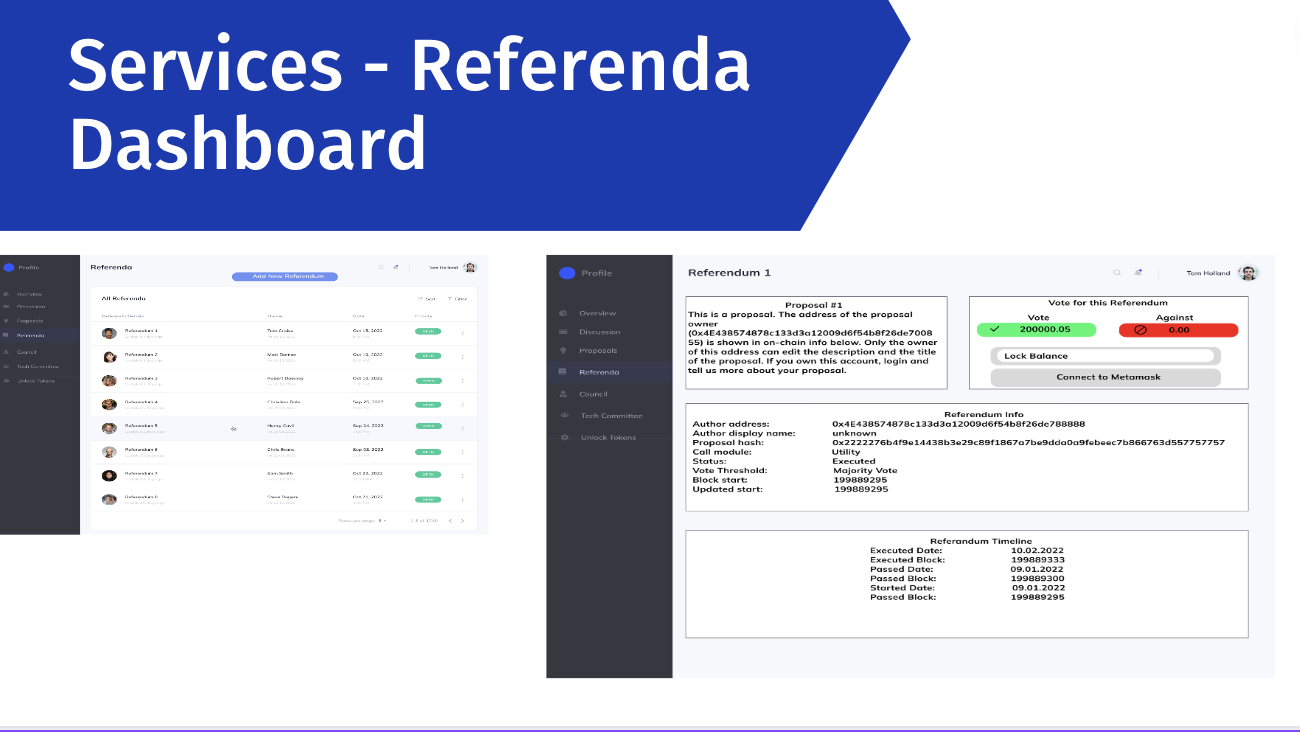
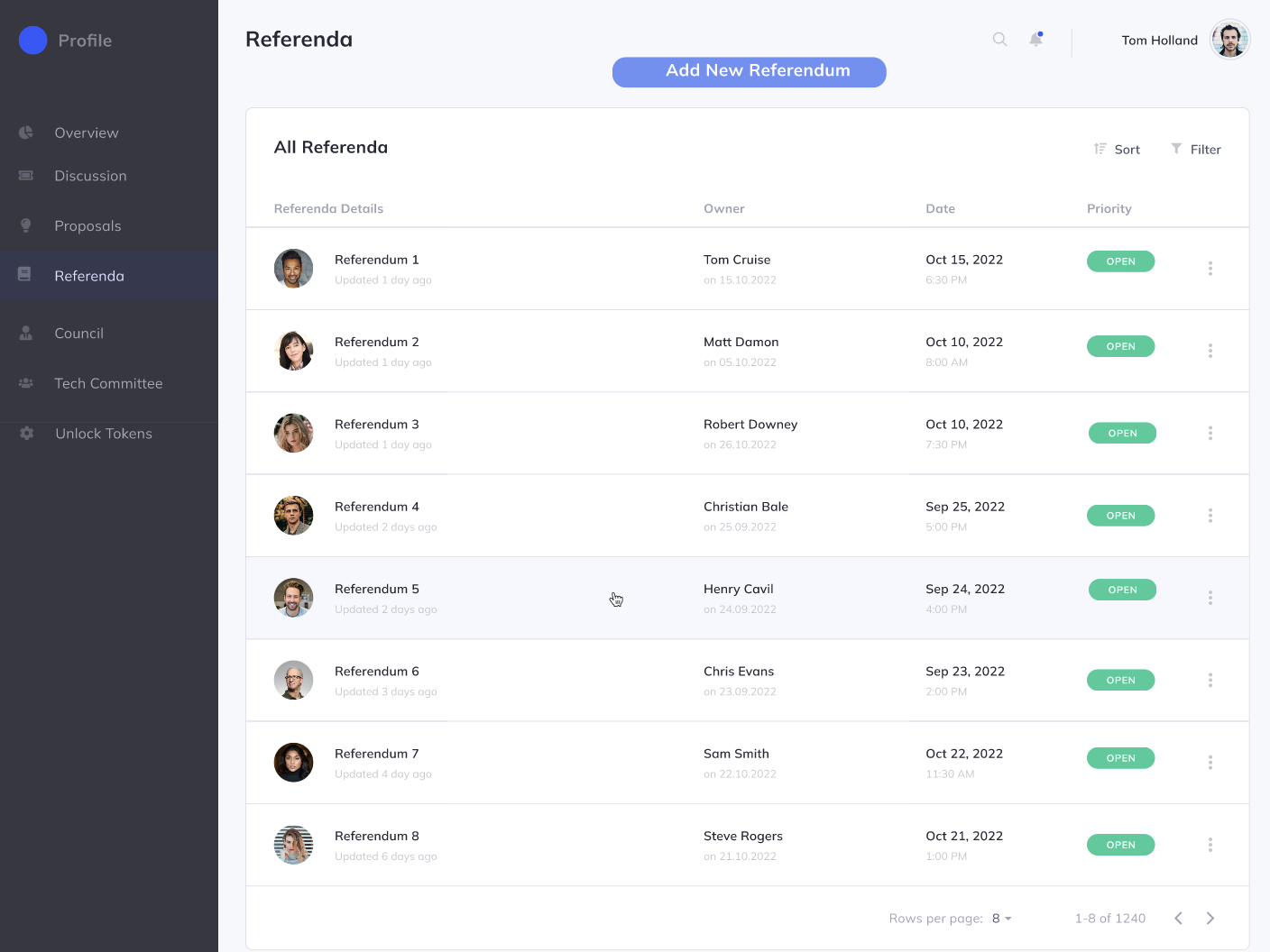
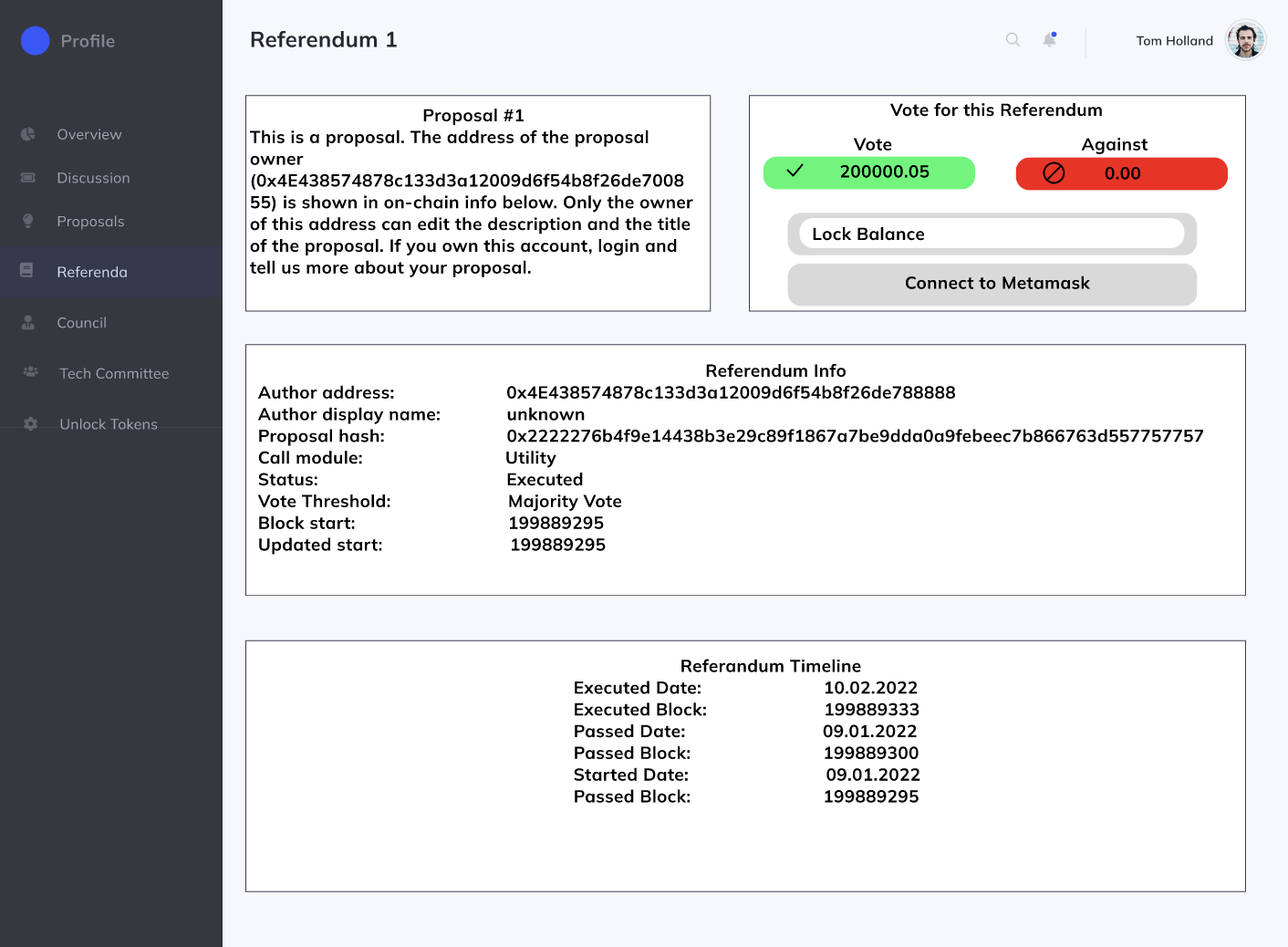
- The referenda view gives users the overview of all referenda. Users can vote Yes or No for a proposal. When they vote, their tokens will be locked for the same amount as the proposer`s original deposit.
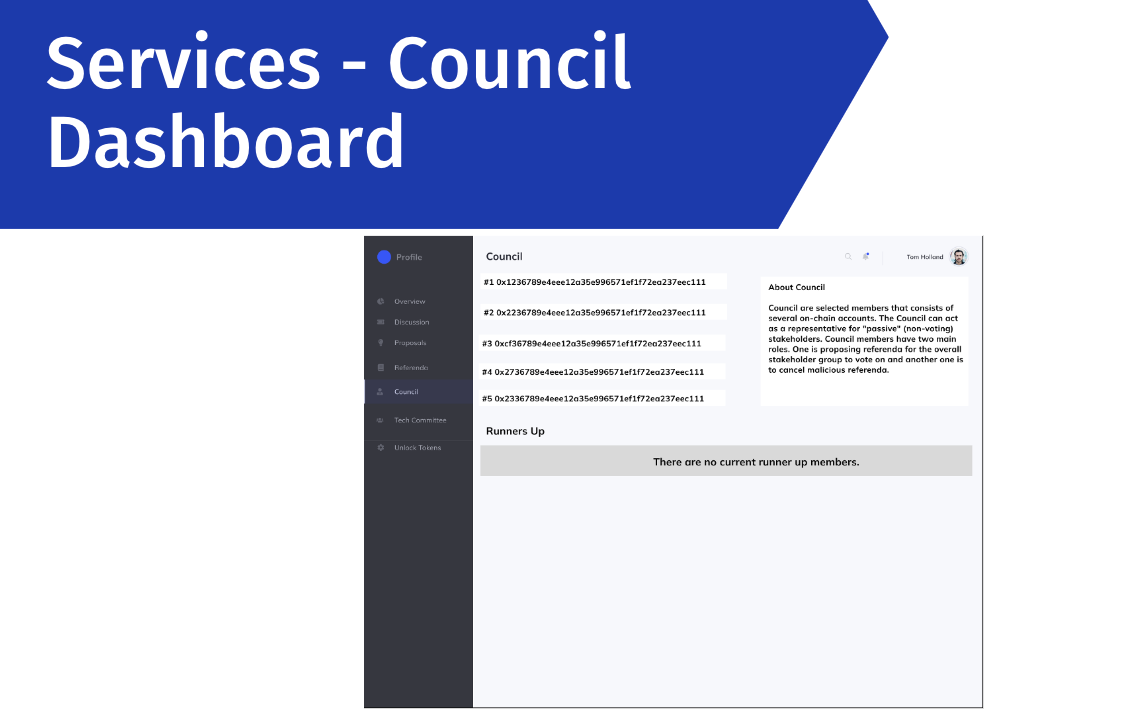
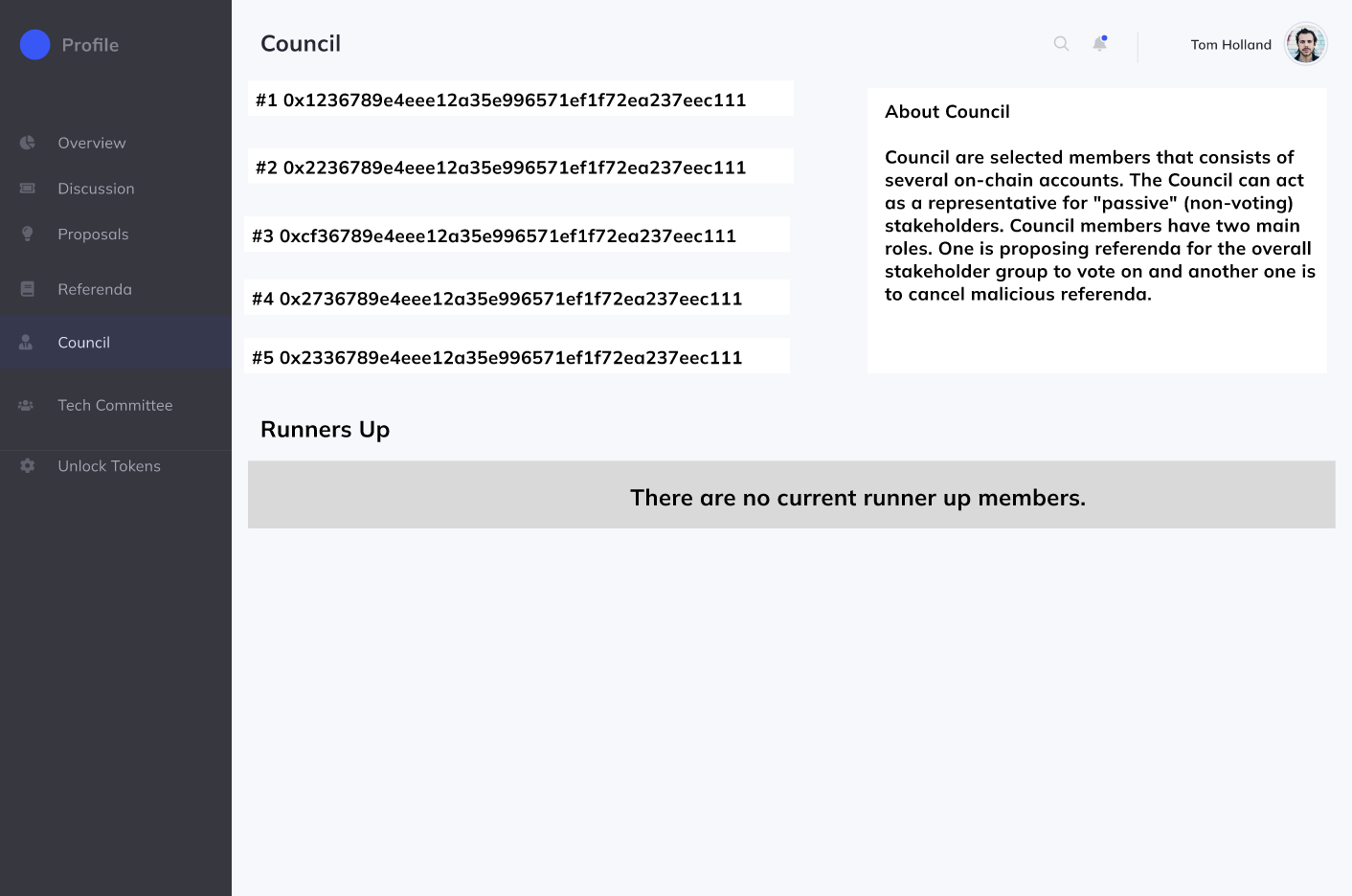
- The council view shows the current council members and any runners up. Council are selected members that consists of several on-chain accounts. The Council can act as a representative for "passive" (non-voting) stakeholders. Council members have two main roles. One is proposing referenda for the overall stakeholder group to vote on and another one is to cancel malicious referenda.
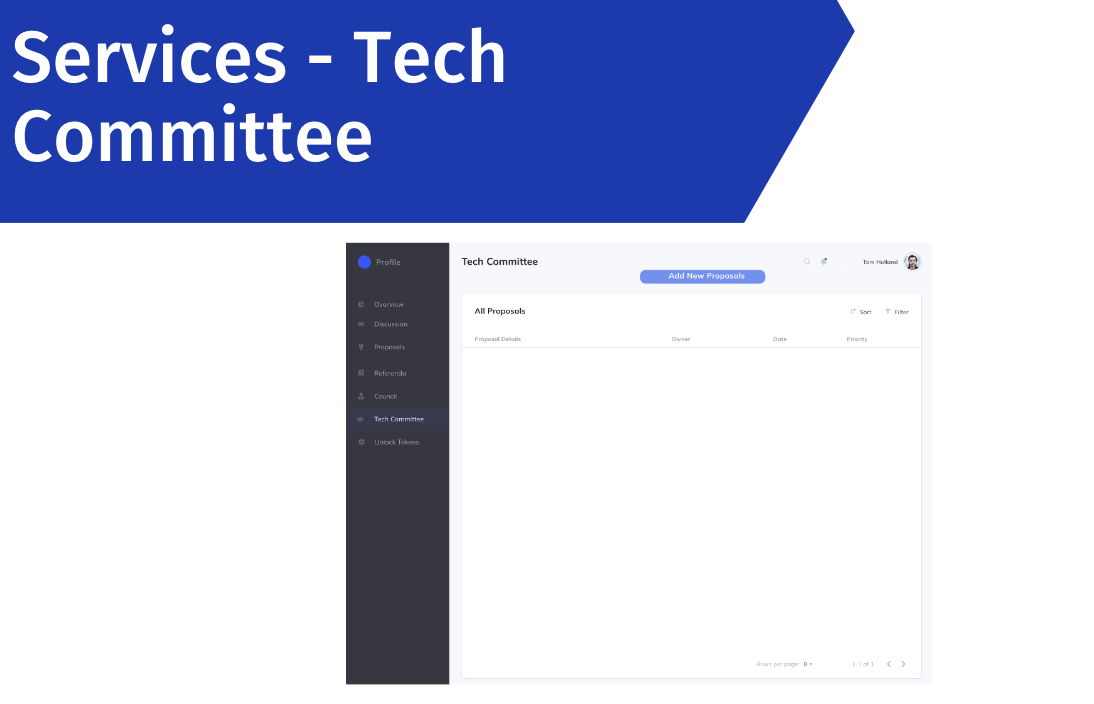
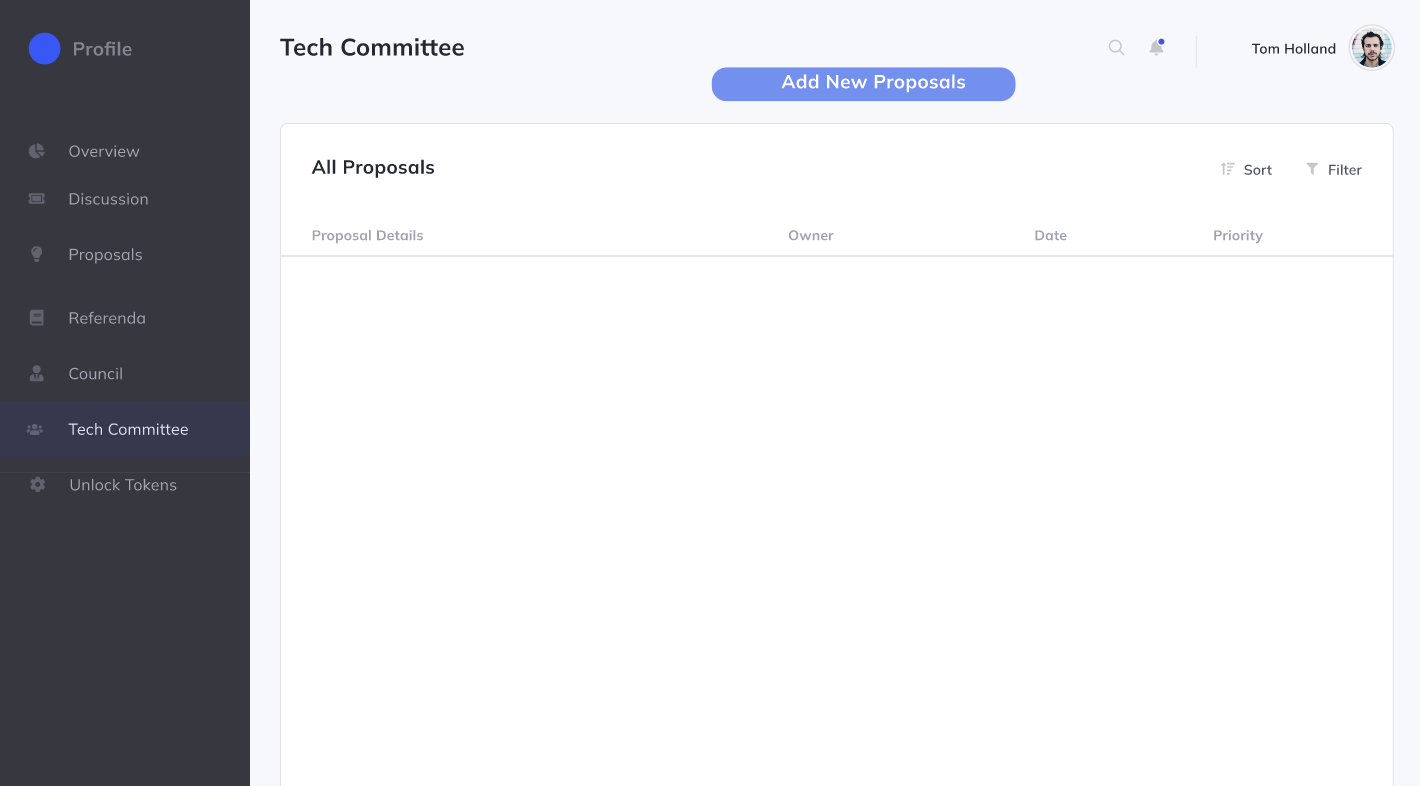
- The tech committee view shows any emergency proposals that are submitted by the Technical Committee and are approved by the Council. Currently, the view shows that there are no proposals since there are no governance technical issues that need to be fixed.
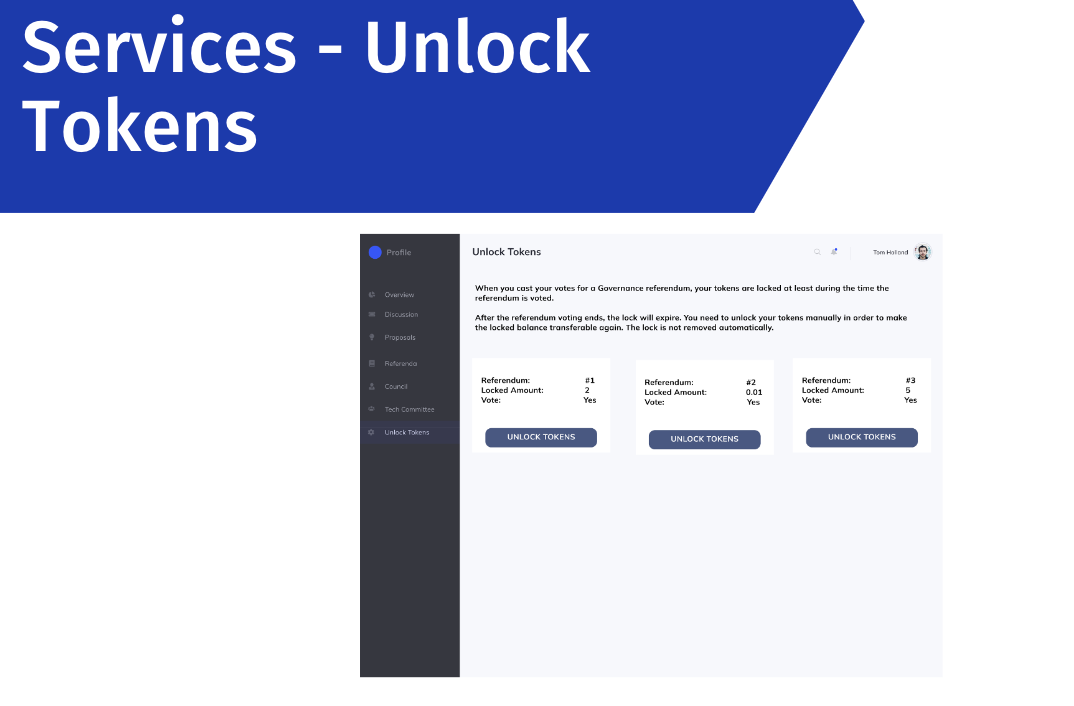
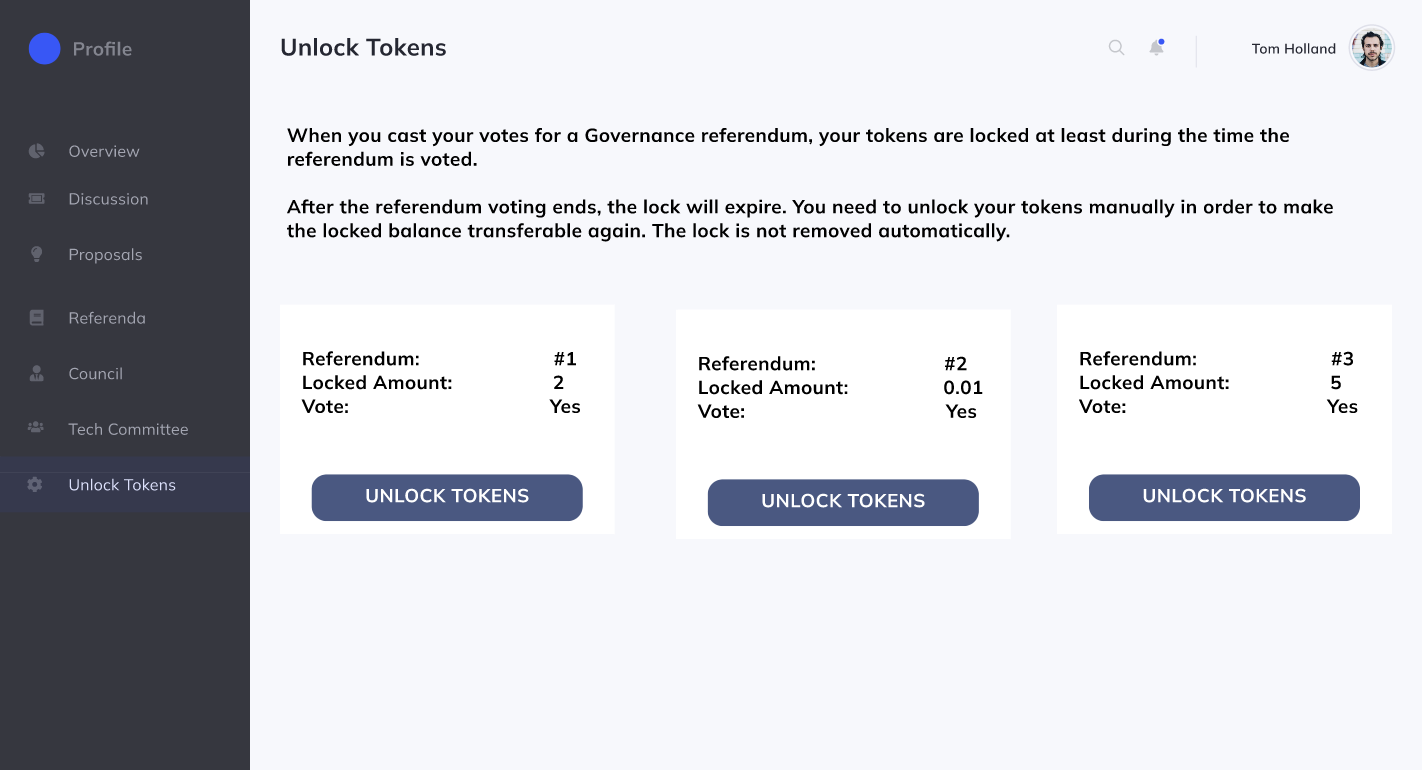
- When you cast your votes for a Governance referendum, your tokens are locked at least during the time the referendum is voted. After the referendum voting ends, the lock will expire. You need to unlock your tokens manually in order to make the locked balance transferable again. The lock is not removed automatically.
How we built it
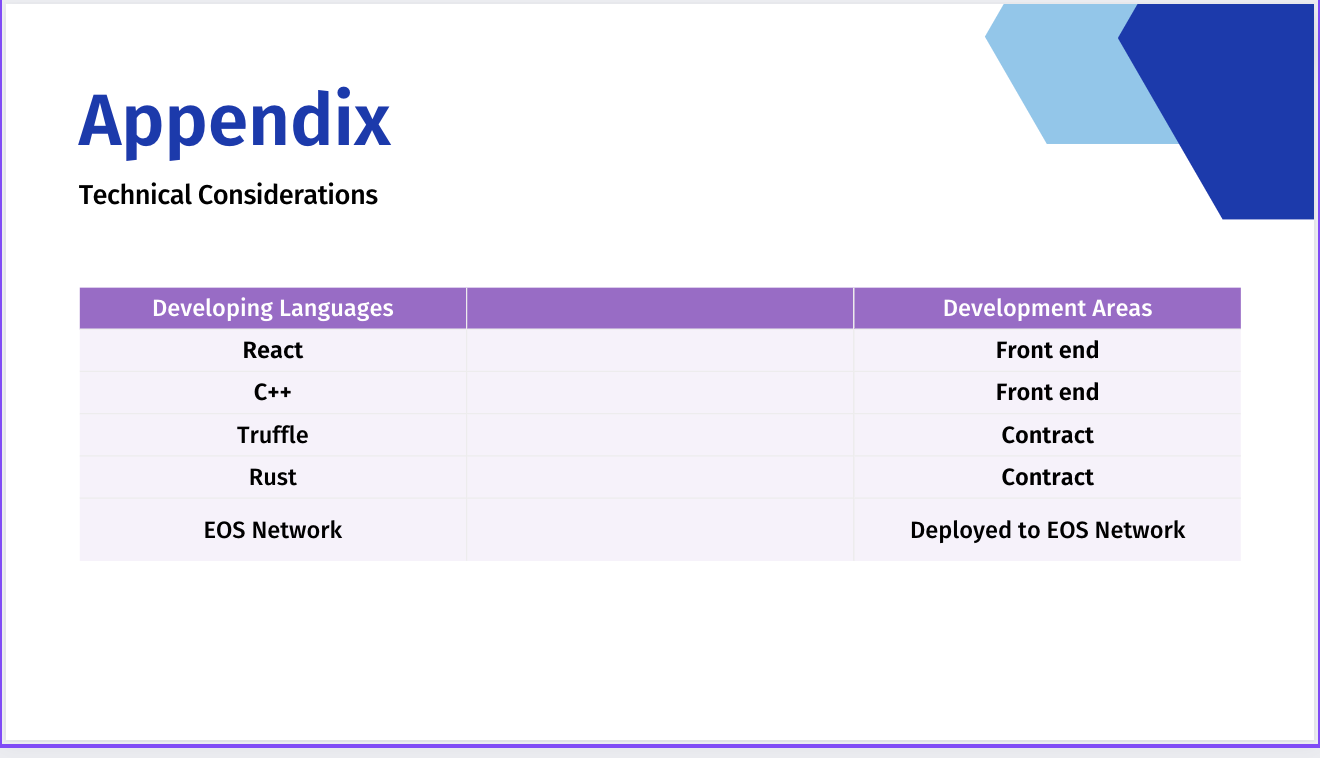
We built the prototype using Figma.
Challenges we ran into
We had challenges to design out all the design and functions.
Accomplishments that we're proud of
We were able to design our prototype in figma and wrote the concept.
What we learned
We learnt more about governance process.
What's next for Ecracy
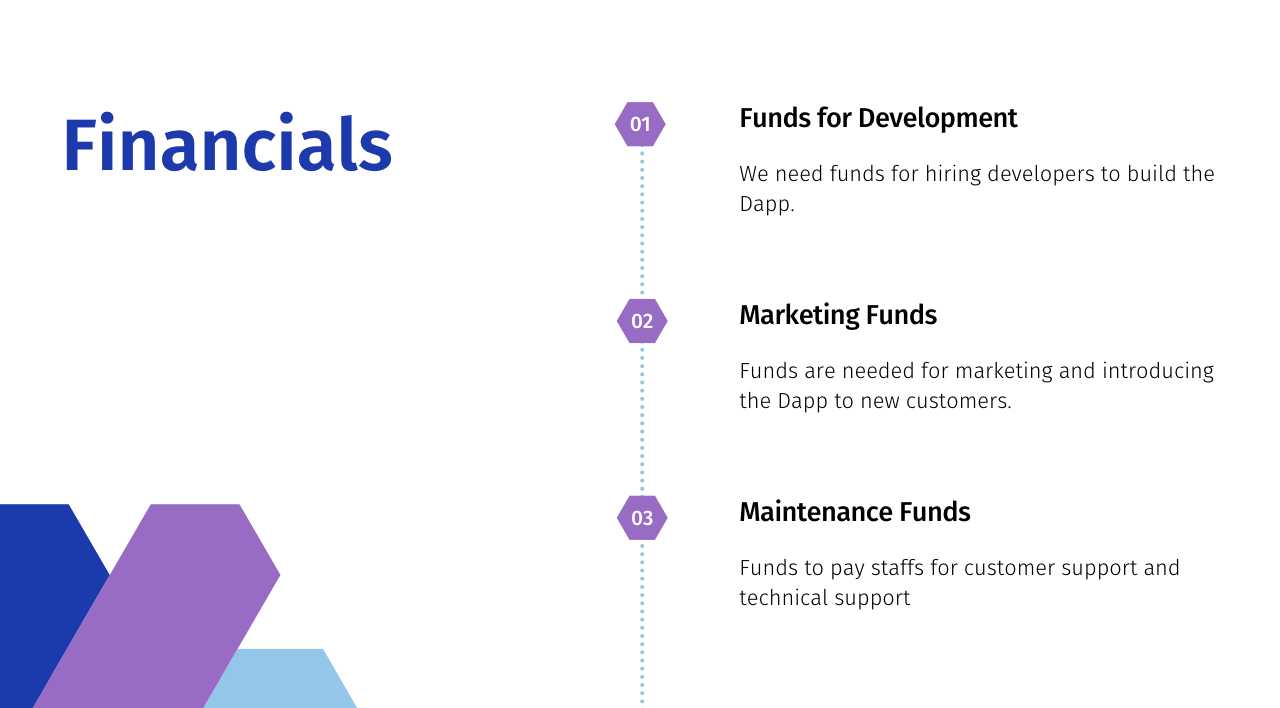
We want to build the Dapp with all designed functions.
Built With
- figma

Log in or sign up for Devpost to join the conversation.