-
-
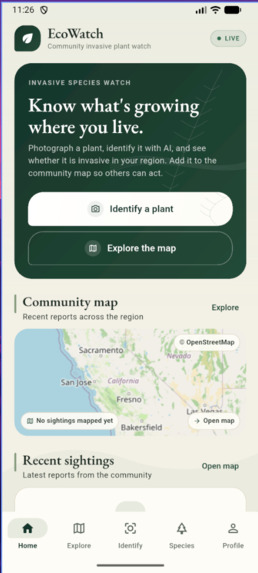
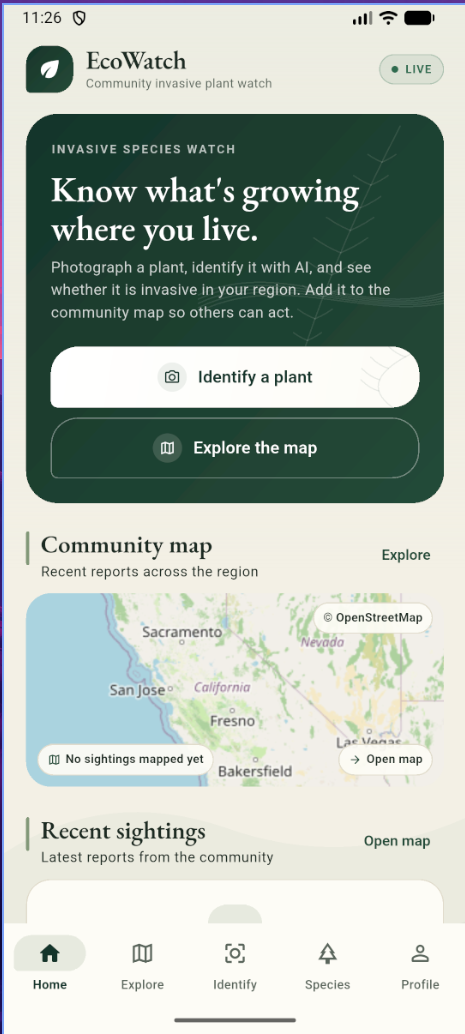
Home
-
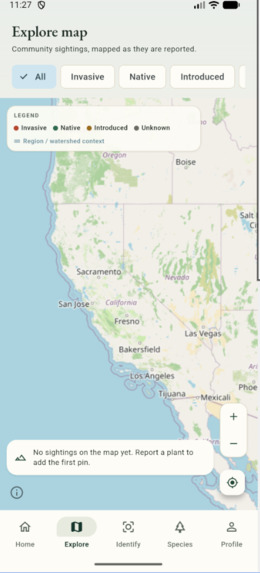
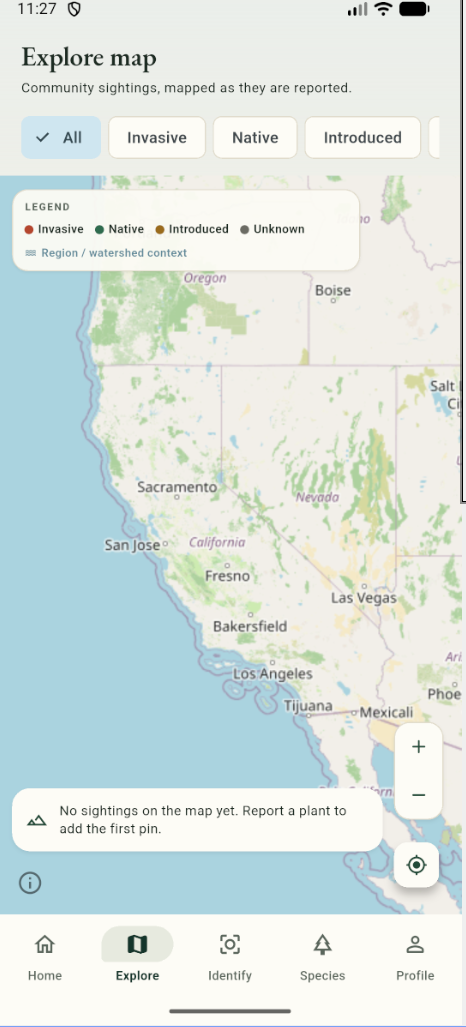
Map
-
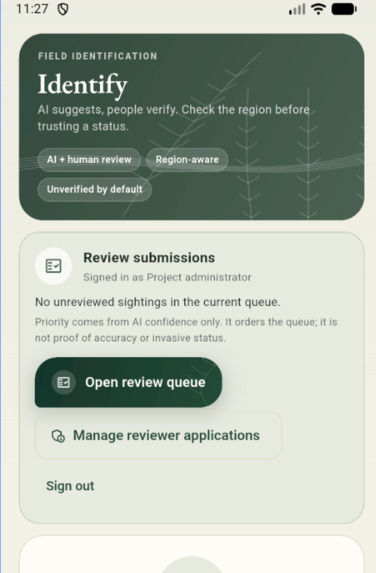
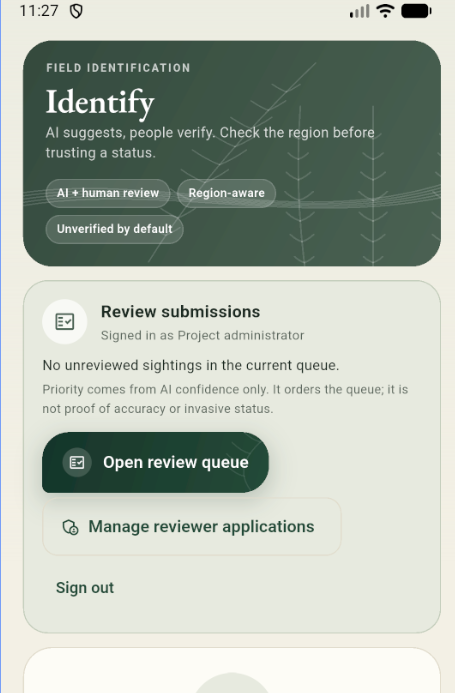
Review Submissions
-
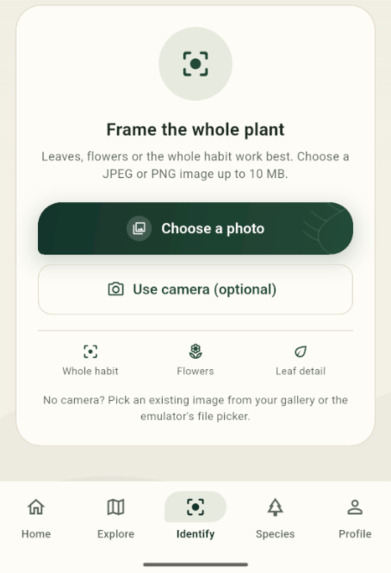
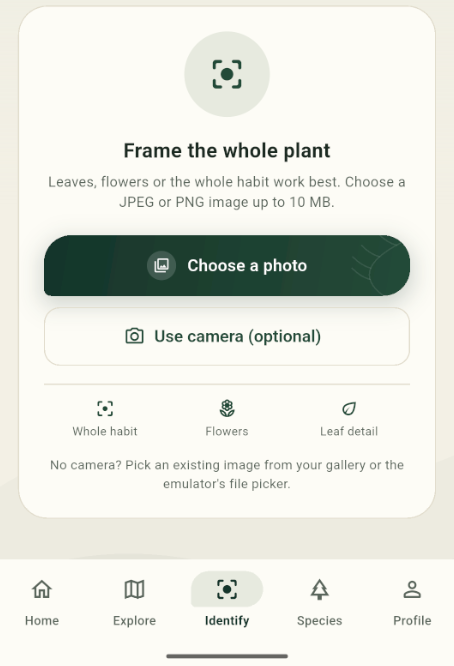
Take pictures of plants
-
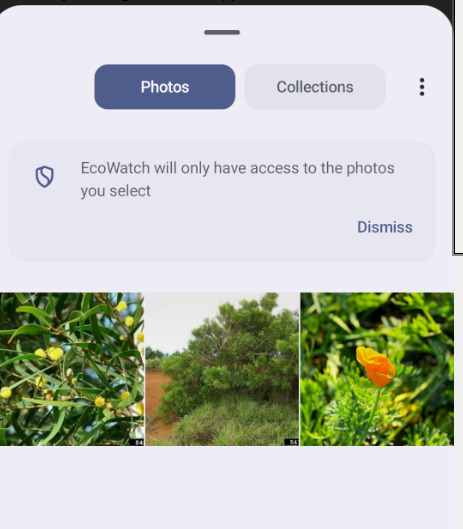
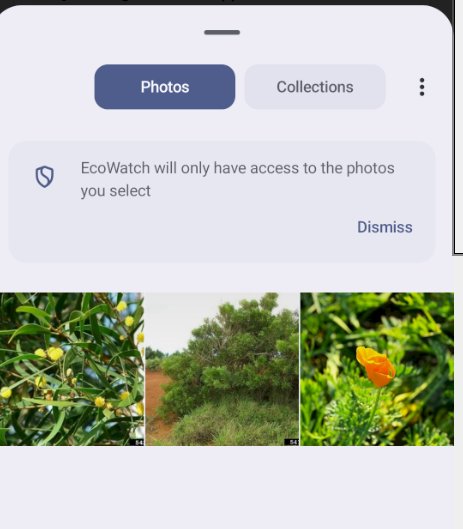
Photo adder
-
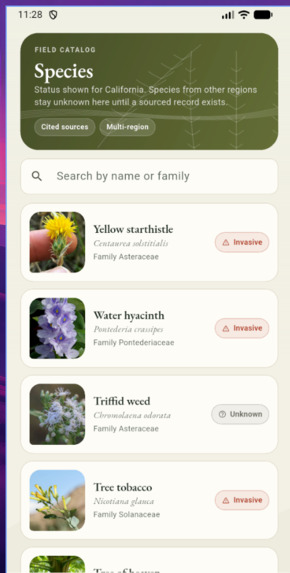
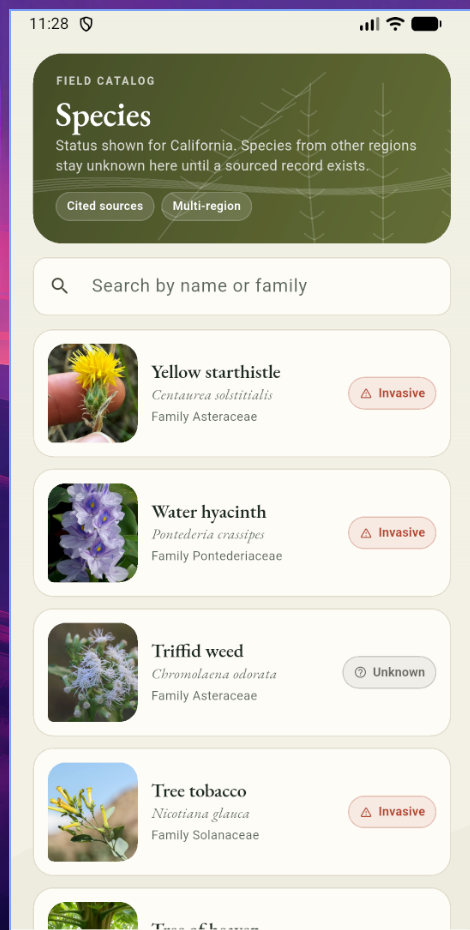
Field Catalog for Species
-
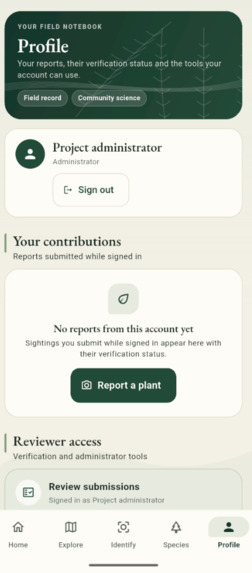
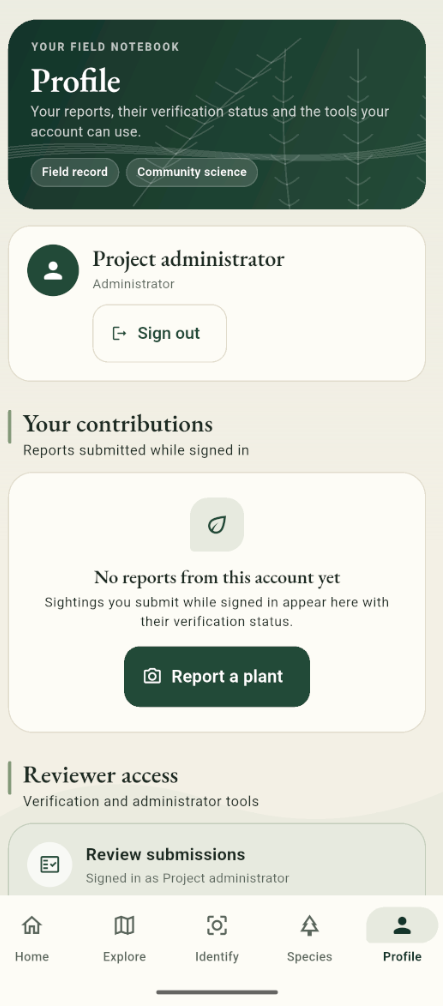
Profile Page
-
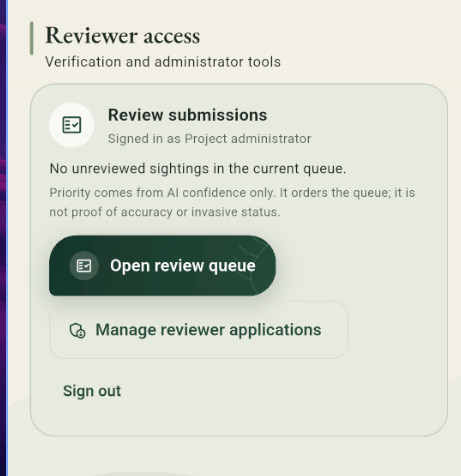
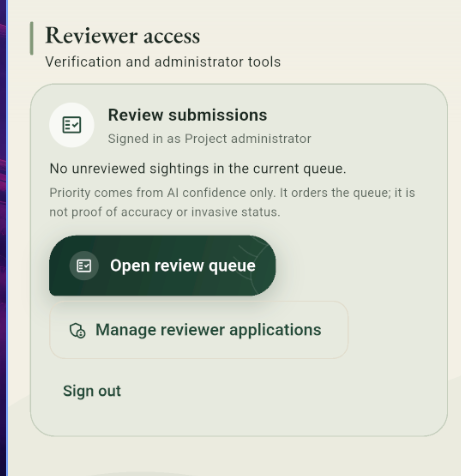
Reviewer Access Also on Profile Page
Inspiration
We wanted to make environmental conservation more accessible. Invasive species threaten California’s ecosystems, but identifying and tracking them shouldn't be limited to researchers. We were inspired by the idea that everyday people can make a meaningful difference through small observations.
What it does
EcoWatch is a community-powered platform that helps people identify and report invasive species. Users can submit photos, receive AI-assisted species identifications, and contribute sightings to a shared map. Human review helps improve the reliability of reports, turning community observations into useful environmental data for researchers and conservation efforts.
How we built it
We built EcoWatch using Flutter for the mobile application and Supabase for authentication, database management, and backend services. We integrated the Pl@ntNet API for AI-assisted plant identification and developed a sighting submission and human review system to support more reliable community reporting.
Challenges we ran into
One of our biggest challenges was integrating multiple services while keeping the application reliable and secure. We also had to think carefully about data accuracy: an AI identification is not the same as a verified species report, and a user's current GPS location may not always be where a plant was observed. Designing around these distinctions was important for making EcoWatch useful as a scientific resource.
Accomplishments that we're proud of
We're proud to have built a working platform that connects community participation with environmental conservation. We successfully integrated AI-assisted plant identification, photo-based sighting submissions, backend data management, and a human review workflow. Most importantly, we created something that gives everyday people a way to contribute to protecting the ecosystems around them.
What we learned
We learned how to integrate third-party APIs, build a full-stack application, manage a cloud database, and develop secure backend functionality. We also learned that building a conservation tool requires more than technology: scientific accuracy, trustworthy data, and accessibility are just as important.
What's next for EcoWatch
Our next step is integrating watershed data to show how water moves through connected ecosystems and how seasonal changes, including El Niño-driven rainfall, may influence them. By combining watershed boundaries, environmental data, and invasive species sightings, we hope to help researchers investigate how flooding, increased water flow, and changing moisture conditions could affect plant growth and the potential spread of invasive species. Our goal is to turn community observations into a bigger picture of how environmental changes affect ecosystems.
Built With
- ai
- api
- authentication
- biodiversity
- citizen-science
- climate-data
- cloud-functions
- conservation
- dart
- database
- ecology
- enviromental-science
- flutter
- geospatial-data
- gis
- interactive-maps
- machine-learning
- mobile-dev
- open-data
- pl@ntnetapi
- postgresql
- rest
- restapi
- supabase
- watersheds
