-
-
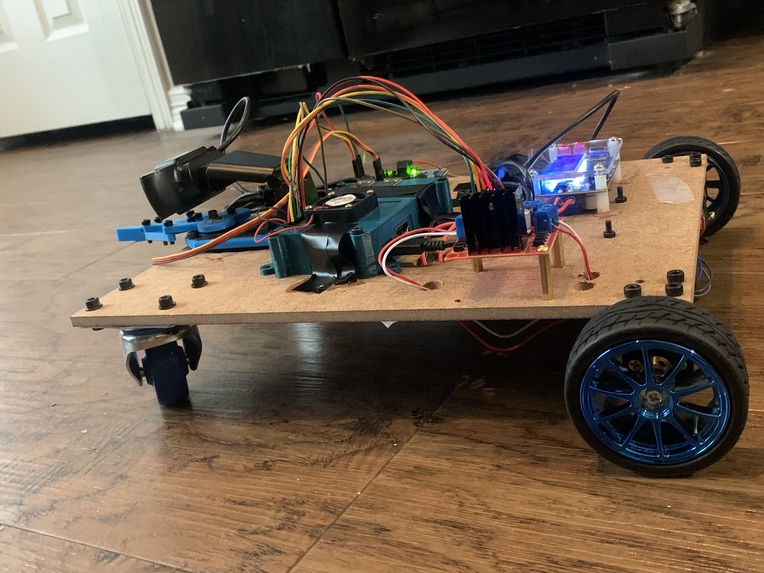
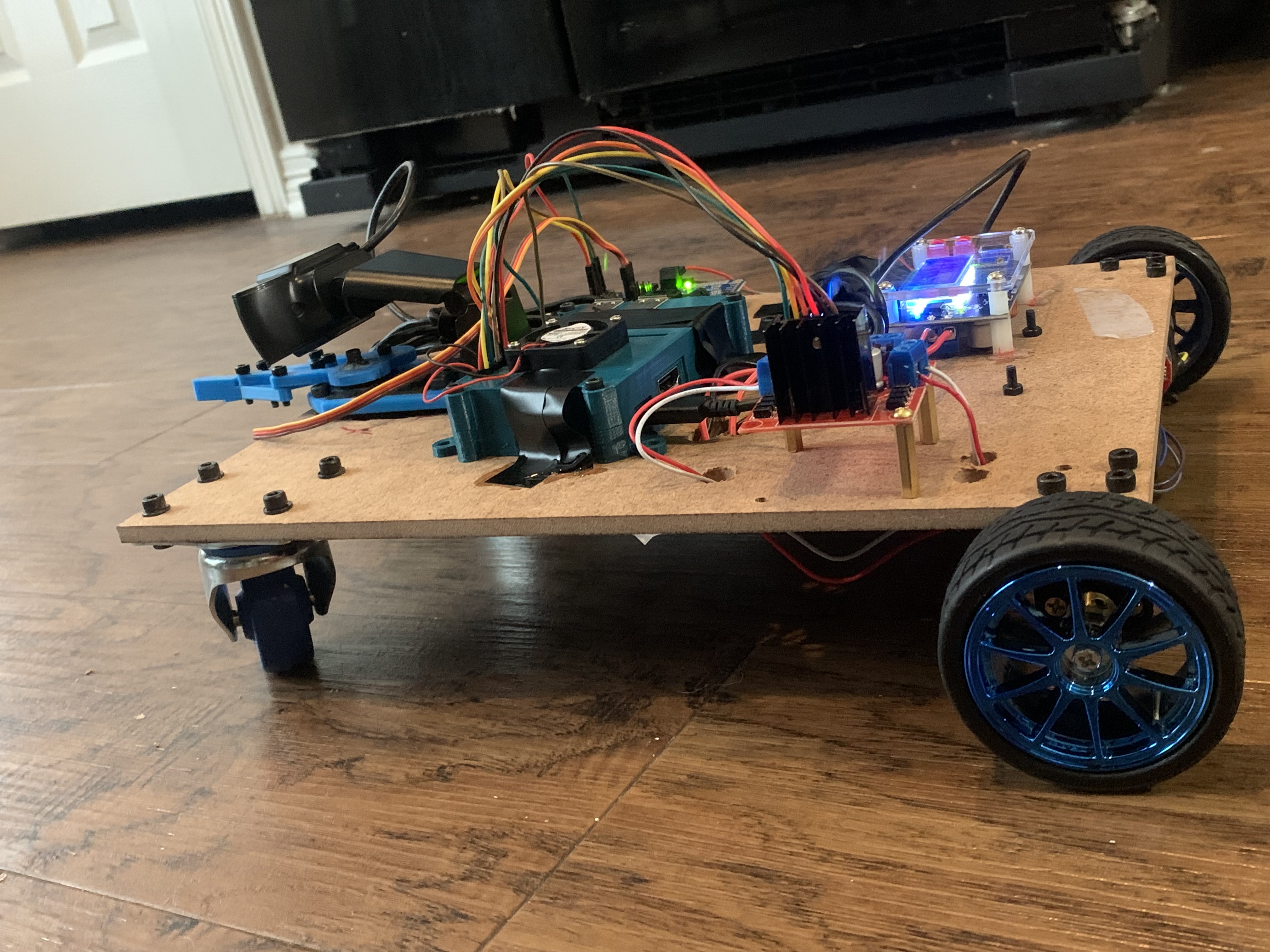
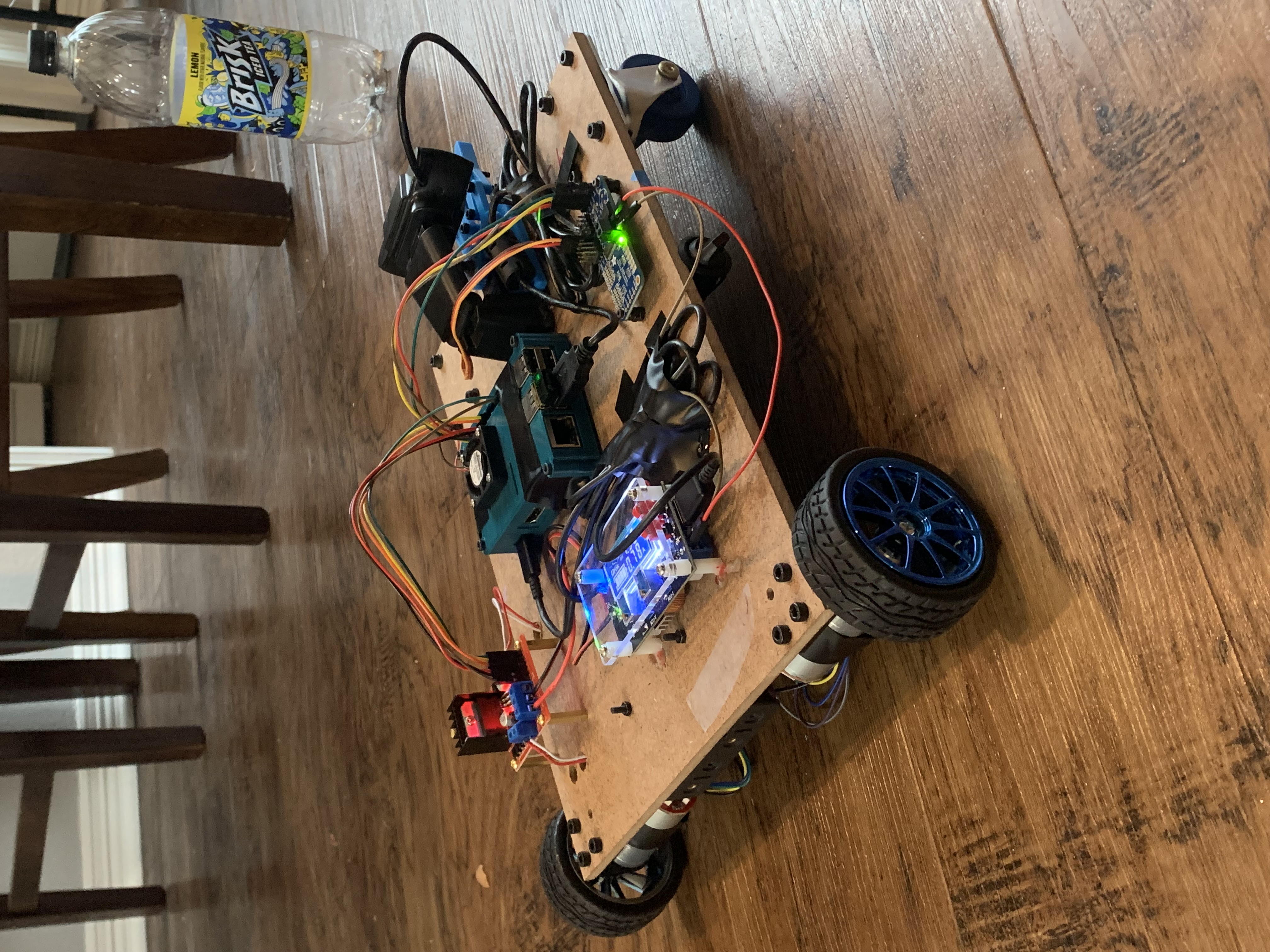
Side view of EcoVision
-
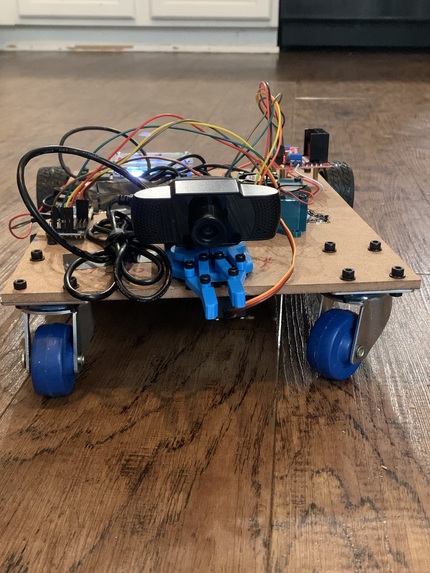
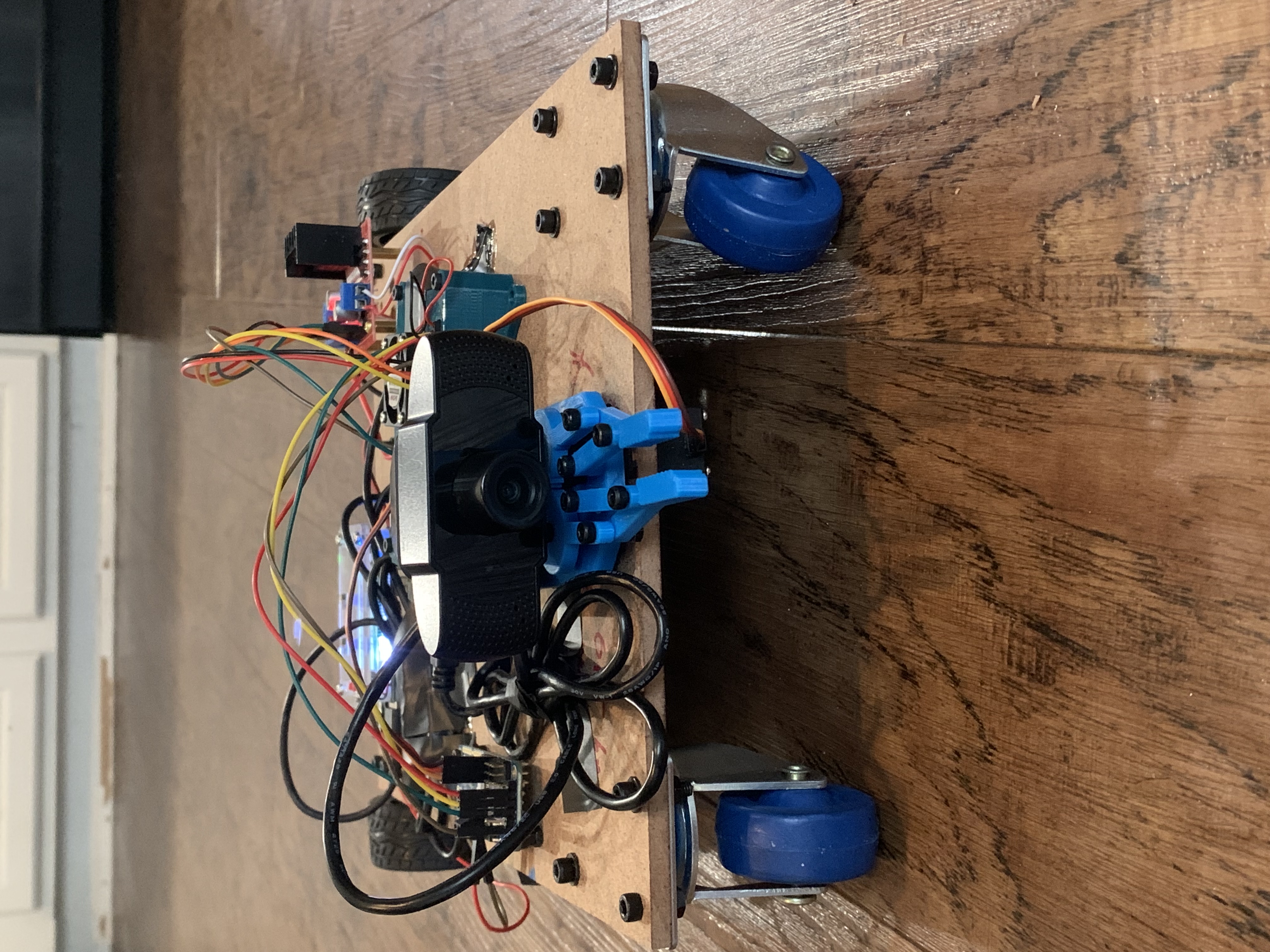
Front View of EcoVision
-
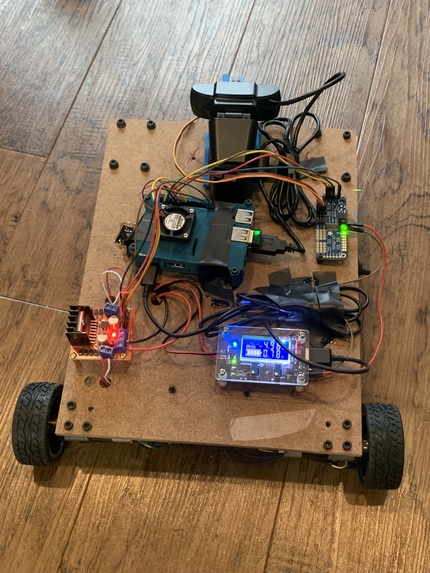
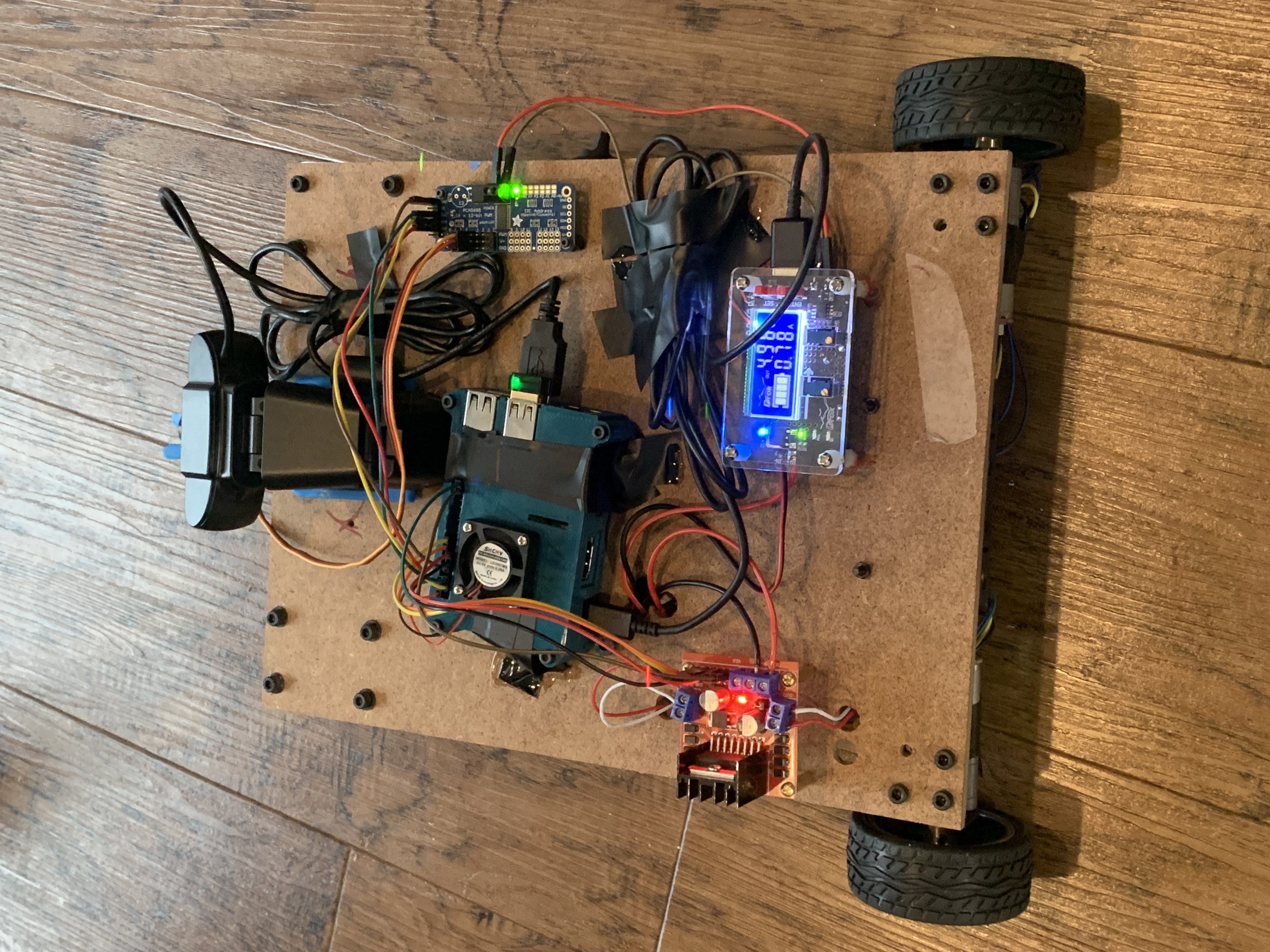
Top View of EcoVision
-
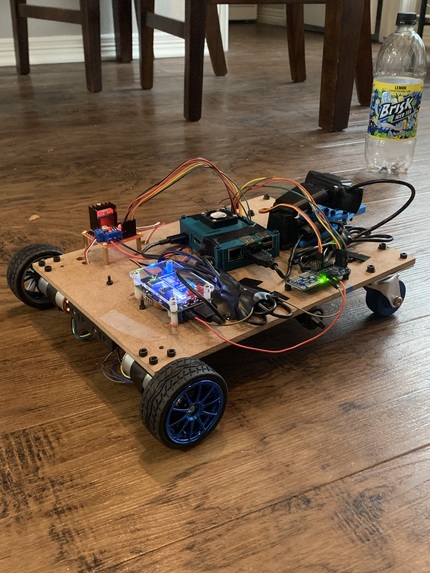
EcoVision
-
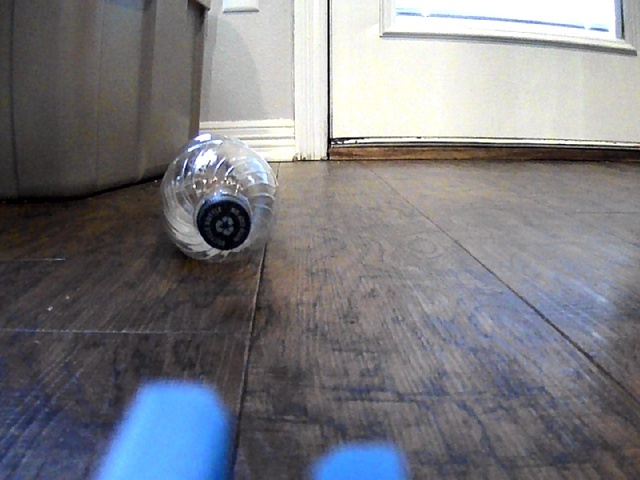
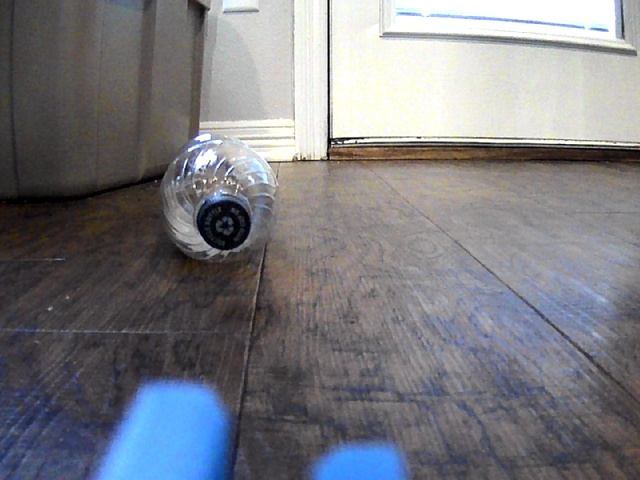
EcoVision Camera View
-
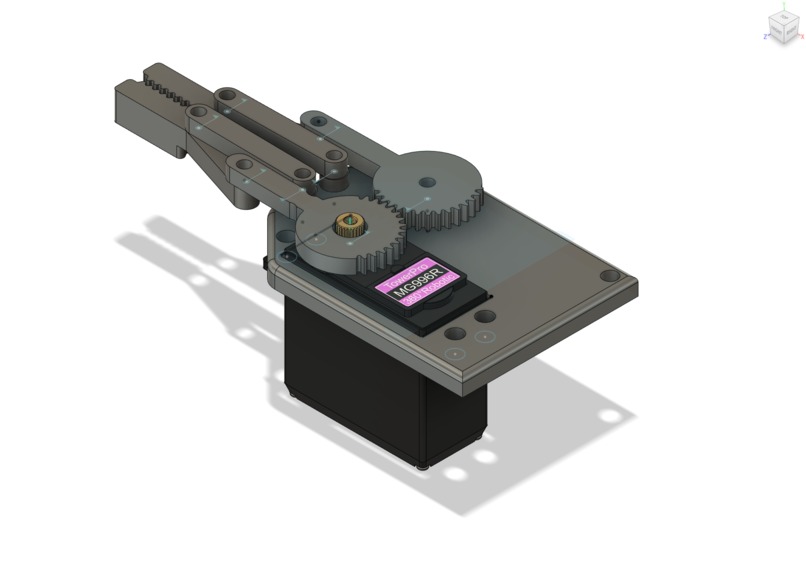
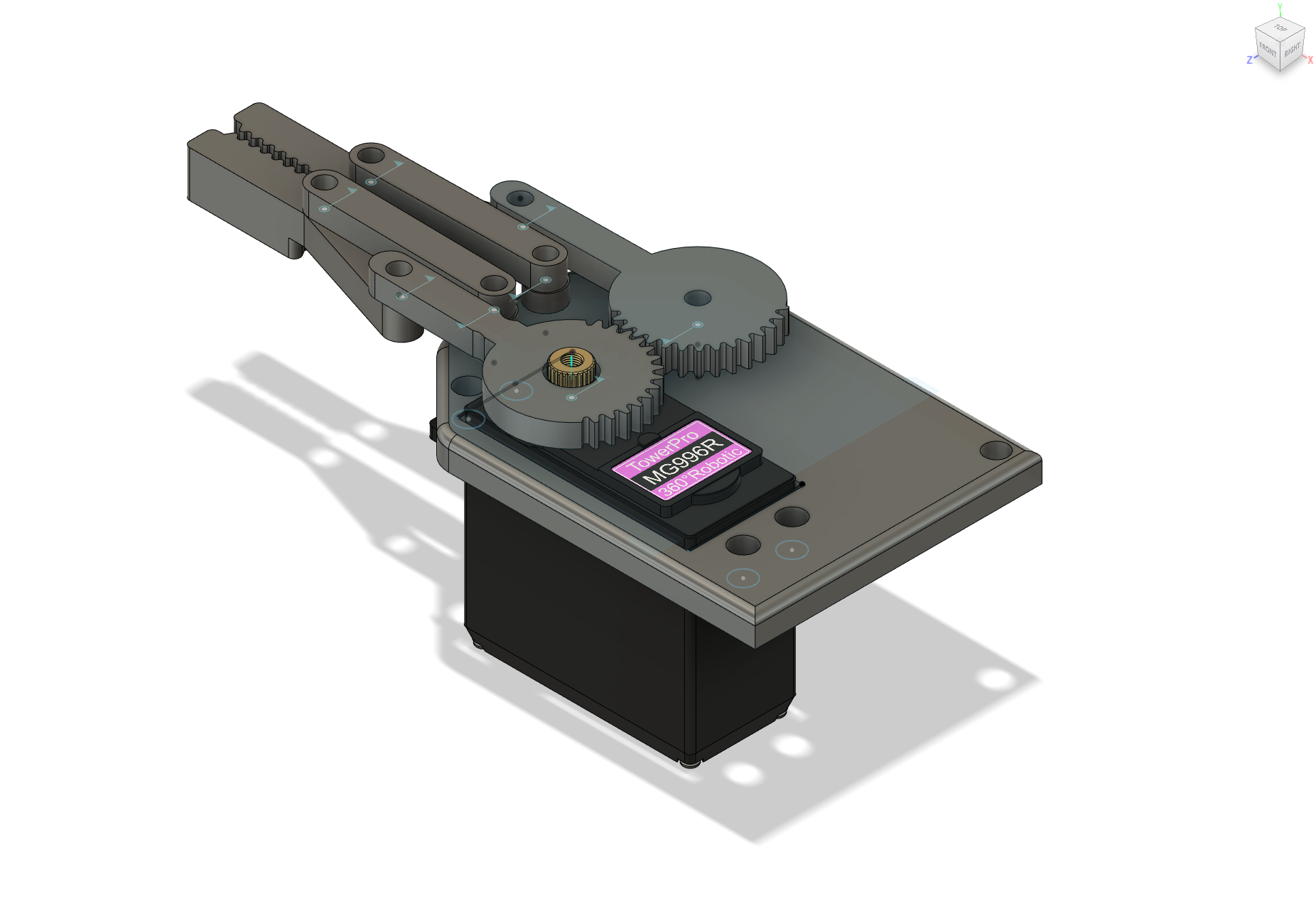
Servo Arm AutoCAD Model
Inspiration
The inspiration for our hardware hack came from trying to find a solution to help improve reliability of identifying recyclable materials. Since the push of finding different ways to reduce our carbon emissions and become more eco-friendly, our team here at EcoVision decided to tackle the issue of recycling contamination.
What it does
EcoVision is an autonomous robot that uses the Google Vision Cloud API to identify objects and sort which items are recyclable or not. Once it finishes determining what objects can and cannot be recycled, it will then go and on its own grab the recyclable materials and bring it back to the waypoint. It will also record the items it has detected and send it to our database, where the information is then displayed onto our website. It also sends a photo capture of what the EcoVision is currently seeing.
How we built it
For the hardware, we used a combination of servo motors, 12V DC motors, a RasberryPi, and a generic USB webcam to create the EcoVision. The servo motor serves as the main mechanism to grab items and move them back to the waypoint, while the camera takes a screenshot of what it’s seeing and identifies the objects it sees. The backend of our product included sending data that the EcoVision obtained via its webcam to be used for the front end dashboard we decided to implement using Velo by Wix. The software was divided into two parts, the frontend and backend. The backend is where all the fun stuff occurs, where we used a combination of Velo and Filestore to help portray the data we send from our database to our website.
Challenges we ran into
There were a couple of challenges we faced when developing this project. Originally, we wanted to go ahead and showcase a live feed of what the EcoVision was seeing, however, due to YouTube requiring us to go ahead and wait 24 hours before we could livestream, we had to scrap the idea. For our database, we originally tried to design it using MongoDB, but unfortunately the Wix Velo browser did not support importing an external database from MongoDB, and thus we had to switch to using Filestore, as it is a much easier integration of our data.
Accomplishments that we're proud of
We are extremely proud of what we accomplished in the 24 hours we had to do this project. We were able to create a front end and back end for EcoVision, its own database to store values, and implement the automation process and the self sorting process of the EcoVision all on its own. It clearly was a tough and ambitious project, so learning and troubleshooting everything within the 24 hours was tough, especially when it came to debugging.
What we learned
We learned a lot from this project, especially about how the databases work with Wix. Through trial and error, we learned that Wix only could support a handful of different databases like Filestore for data integration. This in particular gave us the most issue, since we ran into countless bugs on figuring out how to be able to successfully upload the data obtained by the camera to the database to be retrieved by our backend software. However, this was a great learning experience to how important and troubling databases can be, and just how valuable data is.
What's next for EcoVision
EcoVision is only a small part of something bigger that can be made. Being able to decrease the percentage of recyclable contamination that occurs will not only yield a smaller carbon footprint and less landfill, but increase the amount of successful recycled material and be one step closer to helping preserve our home for generations to come. With EcoVision, we not only wanted to build an eco-friendly companion, but inspire others to create eco-friendly solutions to help preserve our home, one bottle at a time.
Built With
- autocad
- filestore
- html5
- javascript
- python
- raspberry-pi
- velo
- wix

Log in or sign up for Devpost to join the conversation.