
Inspiration
Our inspiration for this project came from the growing need to make corporate buildings more sustainable. As the world continues to shift toward greener practices, energy and water efficiency in office spaces are major challenges. We were motivated by the opportunity to reduce costs, increase operational efficiency, and lower the carbon footprint of buildings. After talking to industry experts and digging into current sustainability issues, we realized that technology, specifically VR, could play a huge role in solving this problem. By combining innovation with sustainability, we saw a chance to create a solution that not only helps businesses cut costs but also supports global efforts to reduce environmental impact.
What It Does
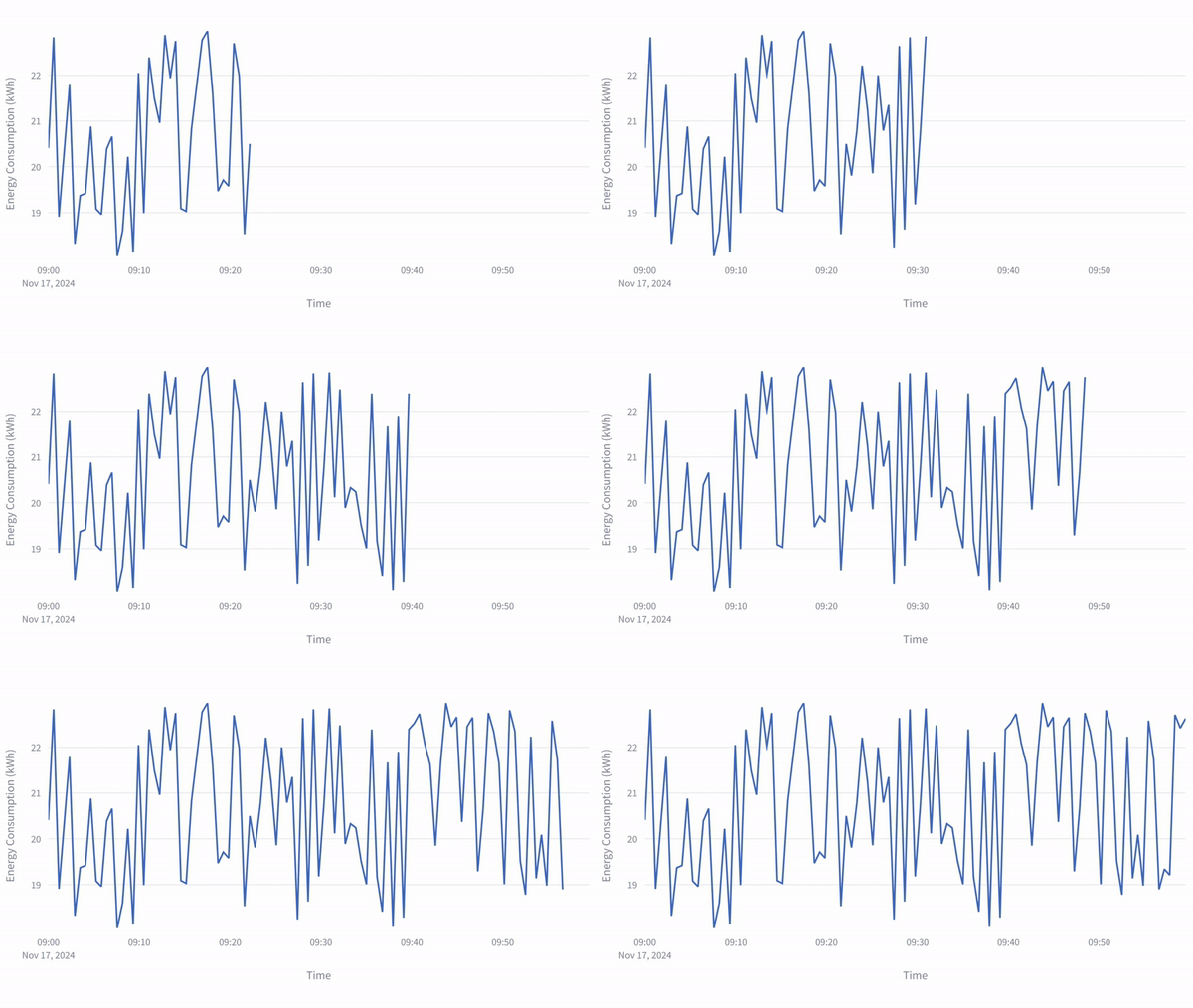
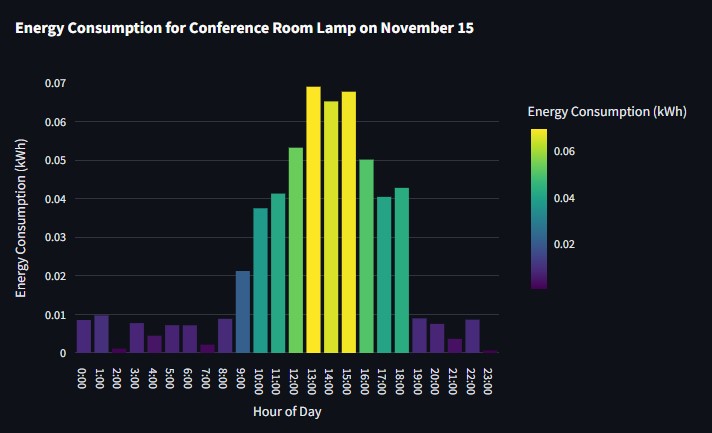
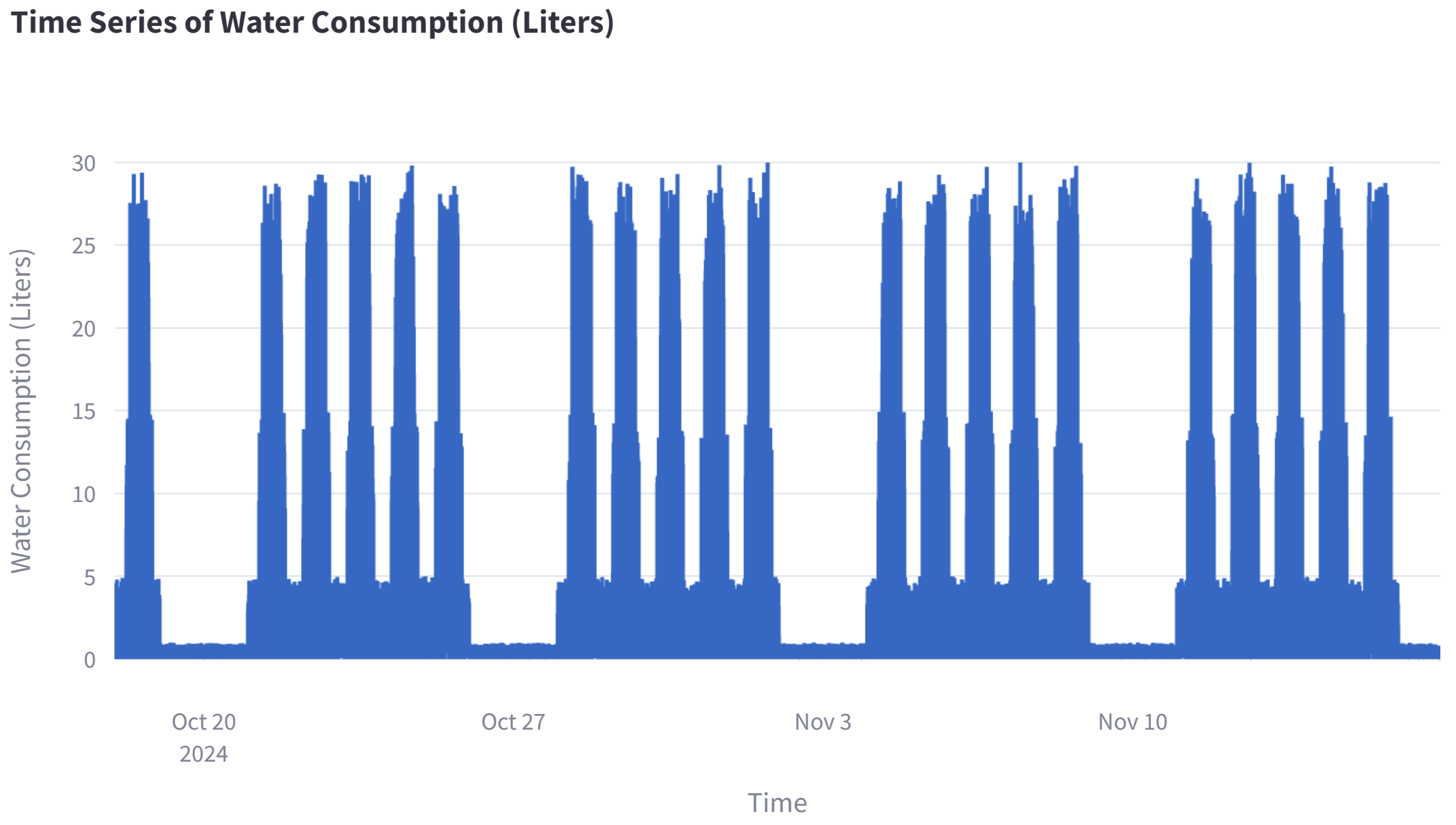
Our project reimagines property management through an immersive VR platform that uses real-time data and advanced technology to drive sustainability. Property managers can step into detailed virtual replicas of their office spaces, interact with an AI assistant, and monitor key metrics like energy and water usage. They can view both static and dynamic graphs making it easier to track trends and spot inefficiencies. The system also generates AI-powered recommendations based on current performance, helping managers make data-driven decisions that improve sustainability. But we didn’t stop there. The platform fosters collaboration by enabling property managers to invite remote technicians into the virtual space for real-time troubleshooting. And with the addition of haptic feedback through thermo-tactile gloves (via the bHaptics SDK), managers can physically feel the impact of energy inefficiencies or system adjustments. Imagine being able to feel when a building’s energy use spikes or when a water-saving adjustment is made, making it easier to understand the real-world implications of each action. This immersive, multi-sensory experience empowers property managers to take proactive steps toward more sustainable and efficient operations.
How We Built It
We used Unity as our core platform to create the VR experience. For the AI assistant, we integrated SambaNova’s API and Llama, enabling it to offer smart, context-aware interactions. To generate realistic datasets for energy and water usage, we used the Faker API, and Streamlit helped us analyze and visualize this data in real-time. We built the virtual environment and AI assets with Blender and ReadyPlayerMe. The integration of bHaptics thermo-tactile gloves added a physical layer to the experience, allowing property managers to feel changes in energy consumption and building system performance, which enhances the overall immersion and interactivity.
Challenges We Ran Into
As with any project, we faced a few technical challenges along the way:
Photon Integration: Implementing Photon for multiplayer interactions posed significant challenges, mainly with network synchronization. Ensuring smooth, real-time collaboration between managers and technicians without lag or inconsistencies was tricky, especially given the complexity of the VR environment.
Avatar LipSync: Integrating LipSync for the AI avatar was another challenge. We needed to sync the avatar’s speech with its mouth movements, which required precise timing to make the interactions feel natural and believable.
Data Stream to Unity: Sending data from Streamlit to Unity via sockets was a technical challenge, particularly as it was our first time implementing sockets. Ensuring smooth, real-time data flow and dealing with the complexities of socket programming added an extra layer of difficulty.
Hardware Integration: Finally, integrating the bHaptics SDK into the VR scene wasn’t easy, especially when it came to ensuring that the haptic feedback functioned seamlessly to provide meaningful feedback during the immersive experience.
Accomplishments We’re Proud Of
We’re incredibly proud of what we’ve achieved with this project. One of the biggest wins is creating an immersive, collaborative platform where property managers and technicians can work together in the same virtual space, regardless of location. Building an intuitive VR experience that allows users to interact with an AI assistant and see real-time data was no small feat. Plus, integrating haptic feedback i.e. using bHaptics thermotactile gloves to allow managers to feel the impact of energy inefficiencies or system changes is a major milestone. This adds an entirely new layer of interaction, making sustainability management not just more efficient, but also more tangible and engaging. We’re also proud of how we’ve combined multiple technologies—VR, AI, real-time data analytics, and haptics—into a single cohesive system that’s both practical and effective.
What We Learned
Through this project, we’ve learned a lot about integrating real-time data into VR and how to make that data actionable for users. We gained a deeper understanding of AI interactions, how to use Unity to build immersive experiences, and how to synchronize different technologies for a seamless user experience. The biggest takeaway was realizing just how powerful VR and haptics can be in changing the way property managers think about sustainability. It’s one thing to see energy data on a screen; it’s another to feel its impact in real time. We also learned the importance of collaboration—not just within our team, but with industry experts who helped us understand the real-world challenges property managers face in improving sustainability.
What’s Next for EcoVerse
Looking ahead, we’re excited about taking EcoVerse to the next level. We plan to expand the platform by allowing remote technicians to join virtual spaces and collaborate in real-time, making troubleshooting and maintenance even more efficient. We’re also exploring IoT integration to provide even smarter, automated building management. By connecting real-time sensor data with our platform, managers will be able to automate systems that respond instantly to changing conditions. Additionally, we’re looking to incorporate AR features to give property managers even more intuitive ways to interact with building systems and analyze performance data. With these updates, we hope to continue evolving the platform to create a future where property management is smarter, more sustainable, and more efficient for everyone involved.

Log in or sign up for Devpost to join the conversation.