-
-

Logo Page, splash screen
-
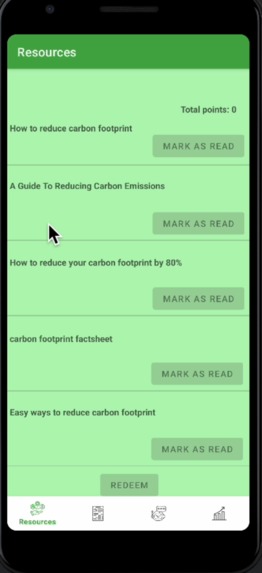
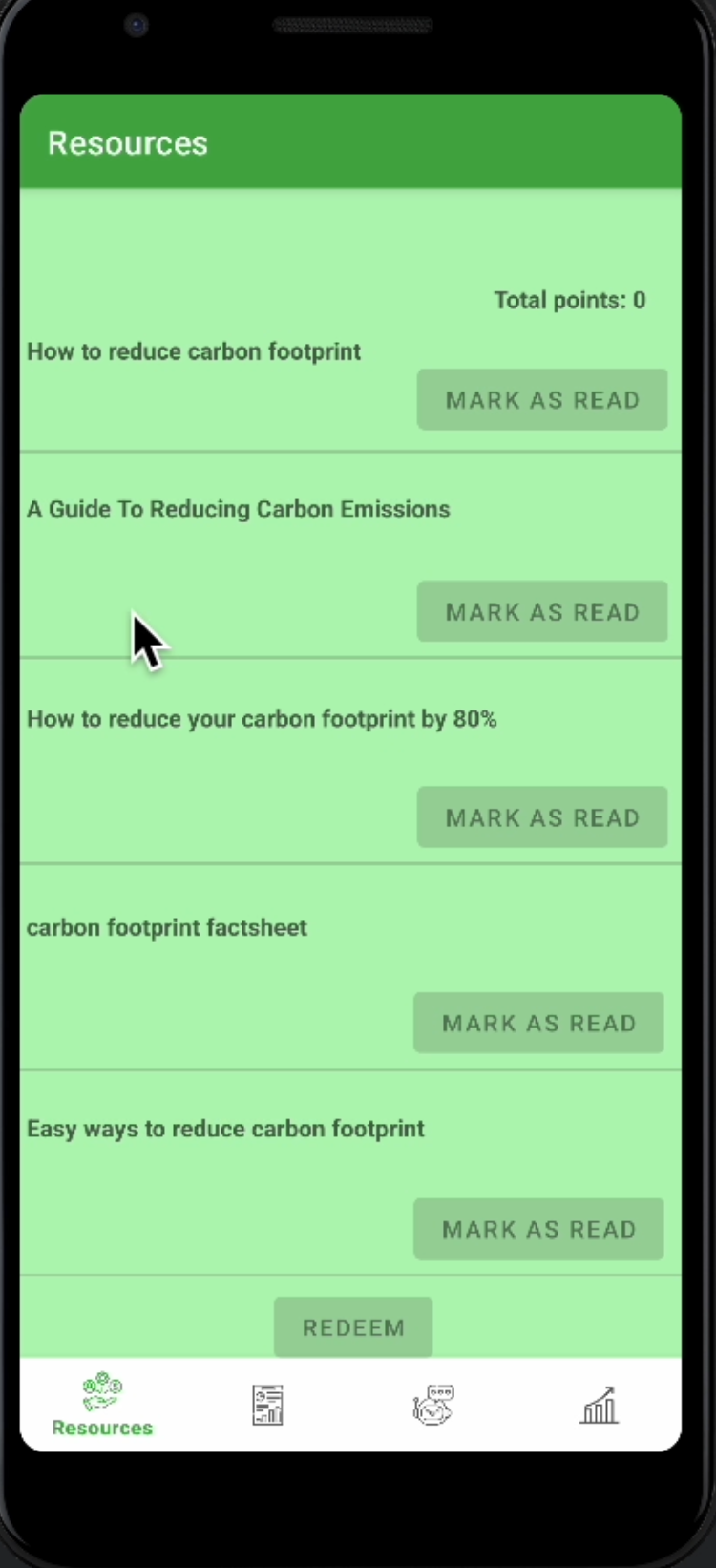
Resource Page
-
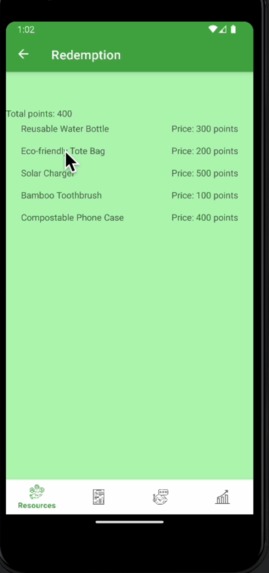
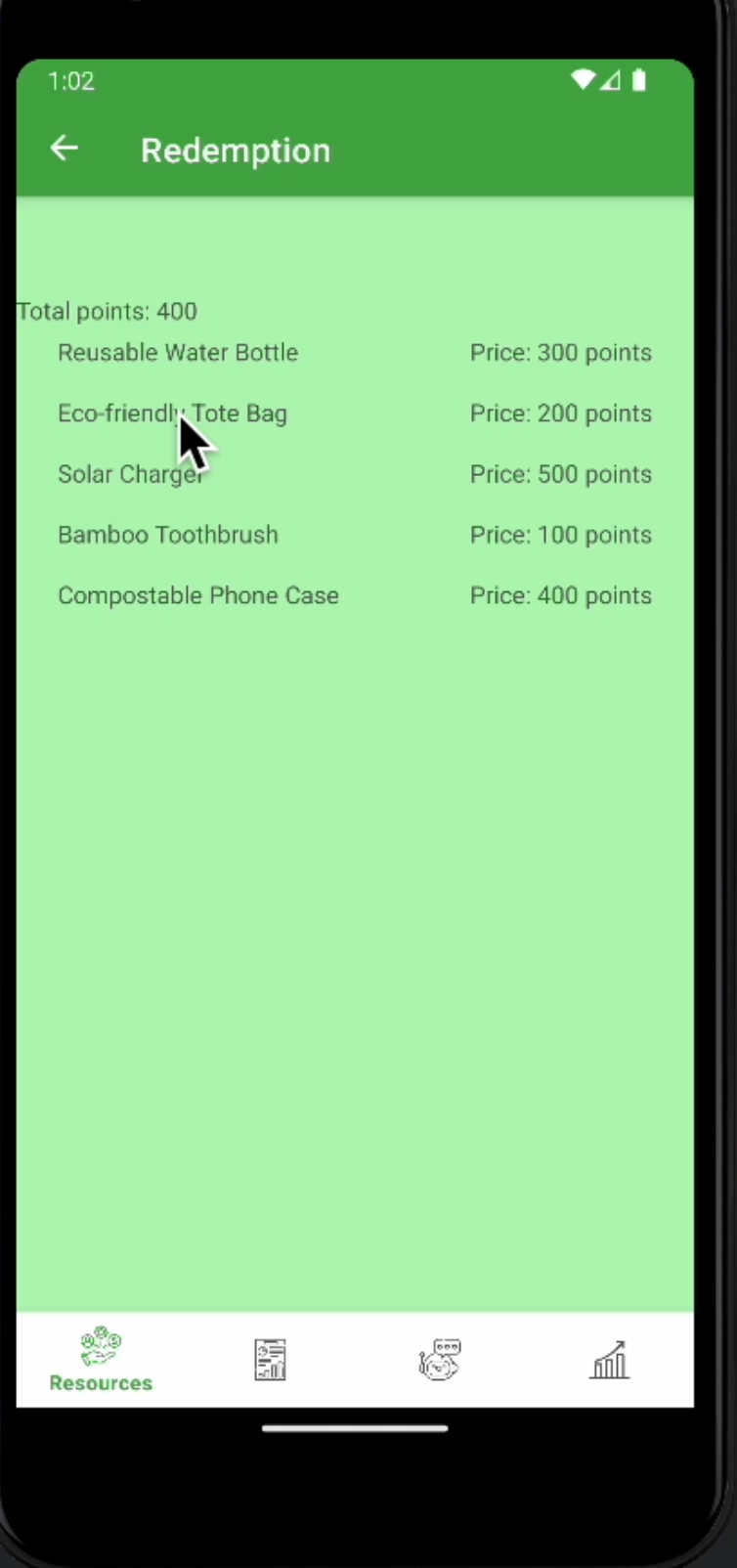
Points Redemption
-
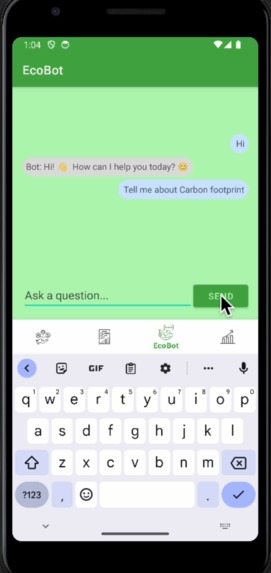
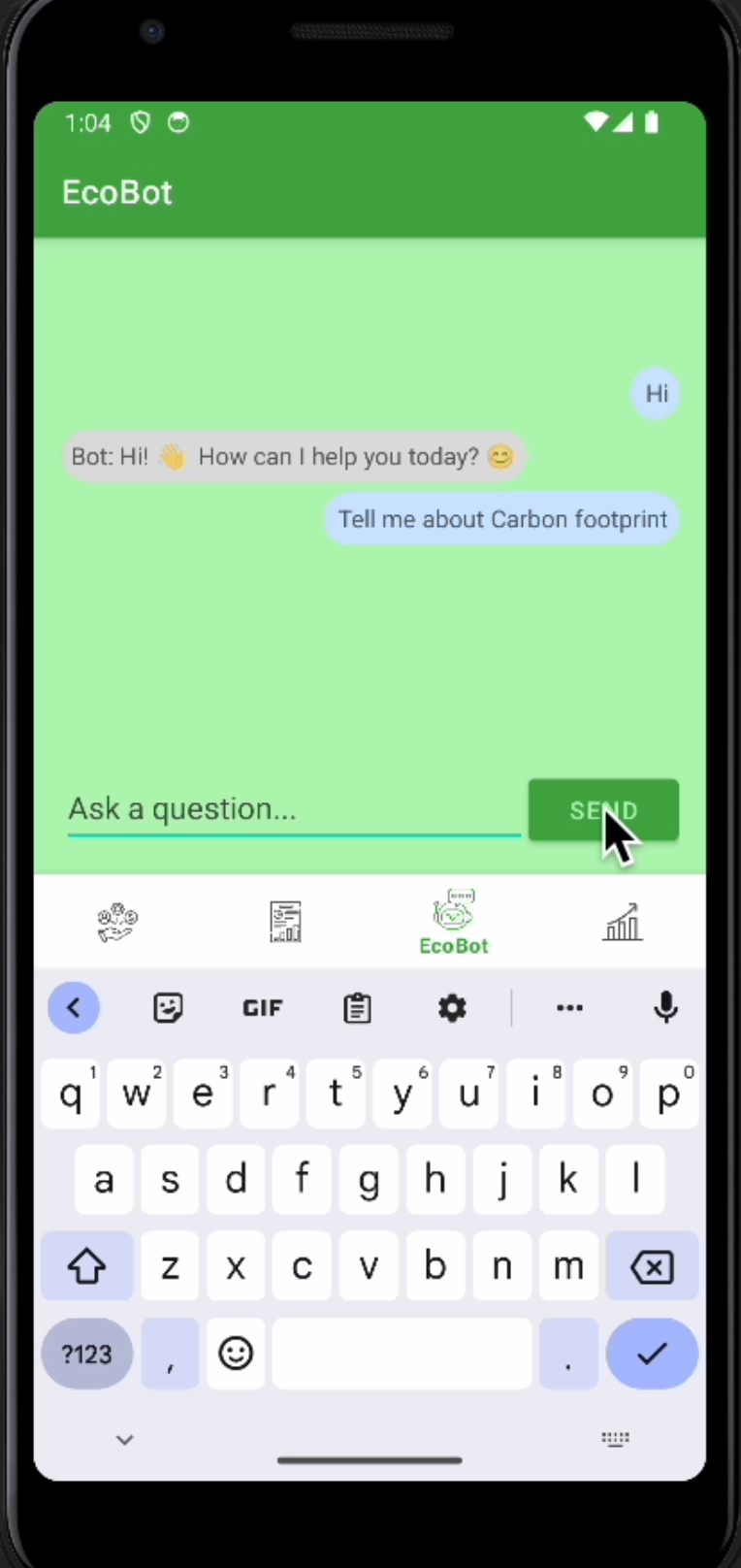
Ecobot: Friendly bot to ask anything related to Sustainability
-
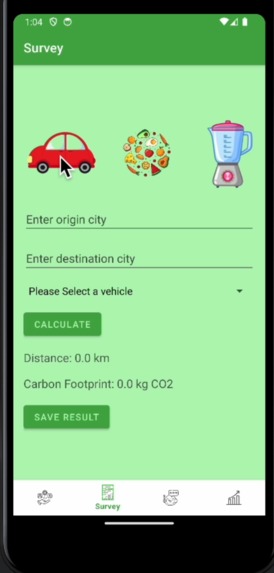
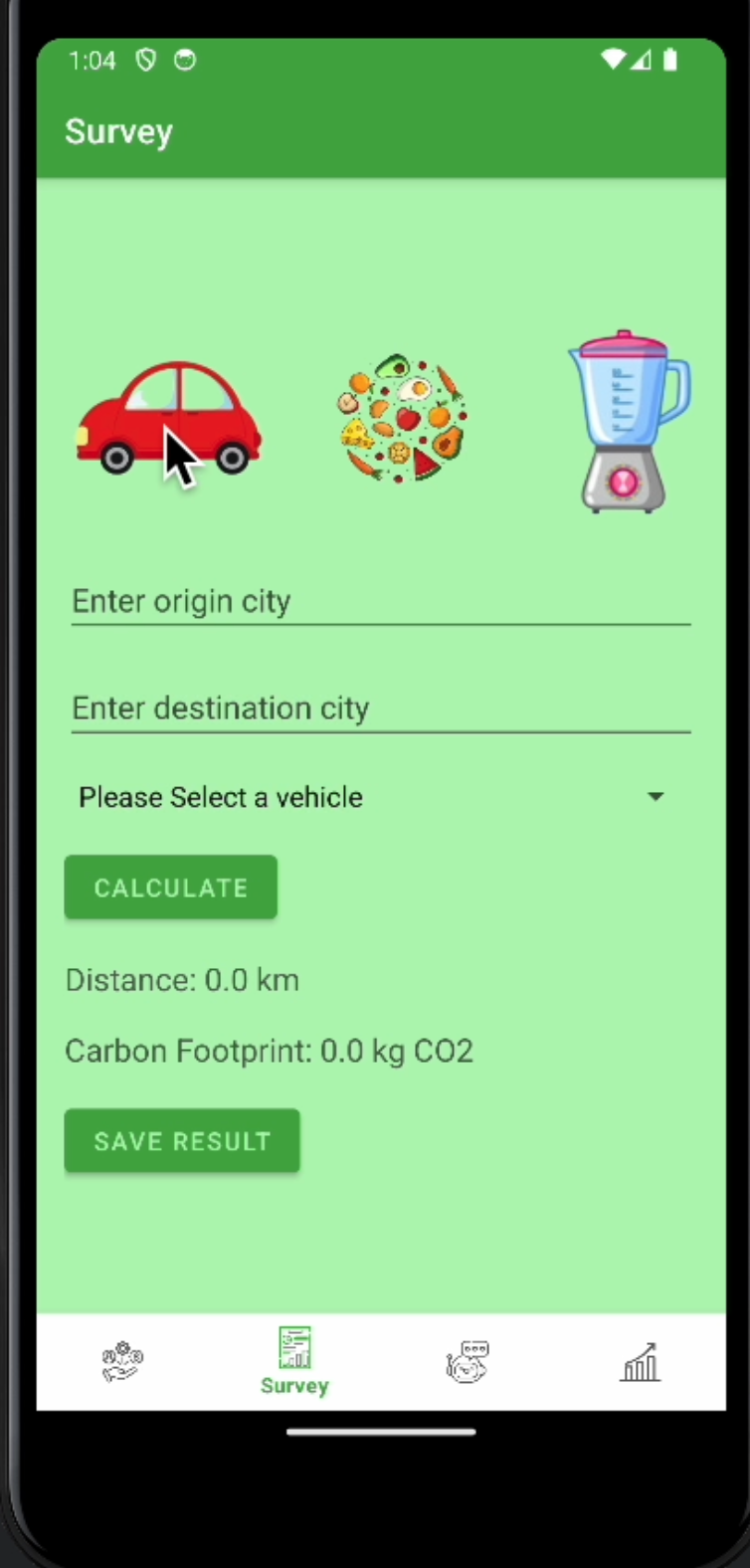
Survey Taking
-
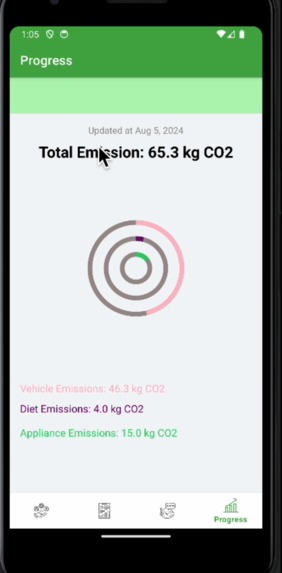
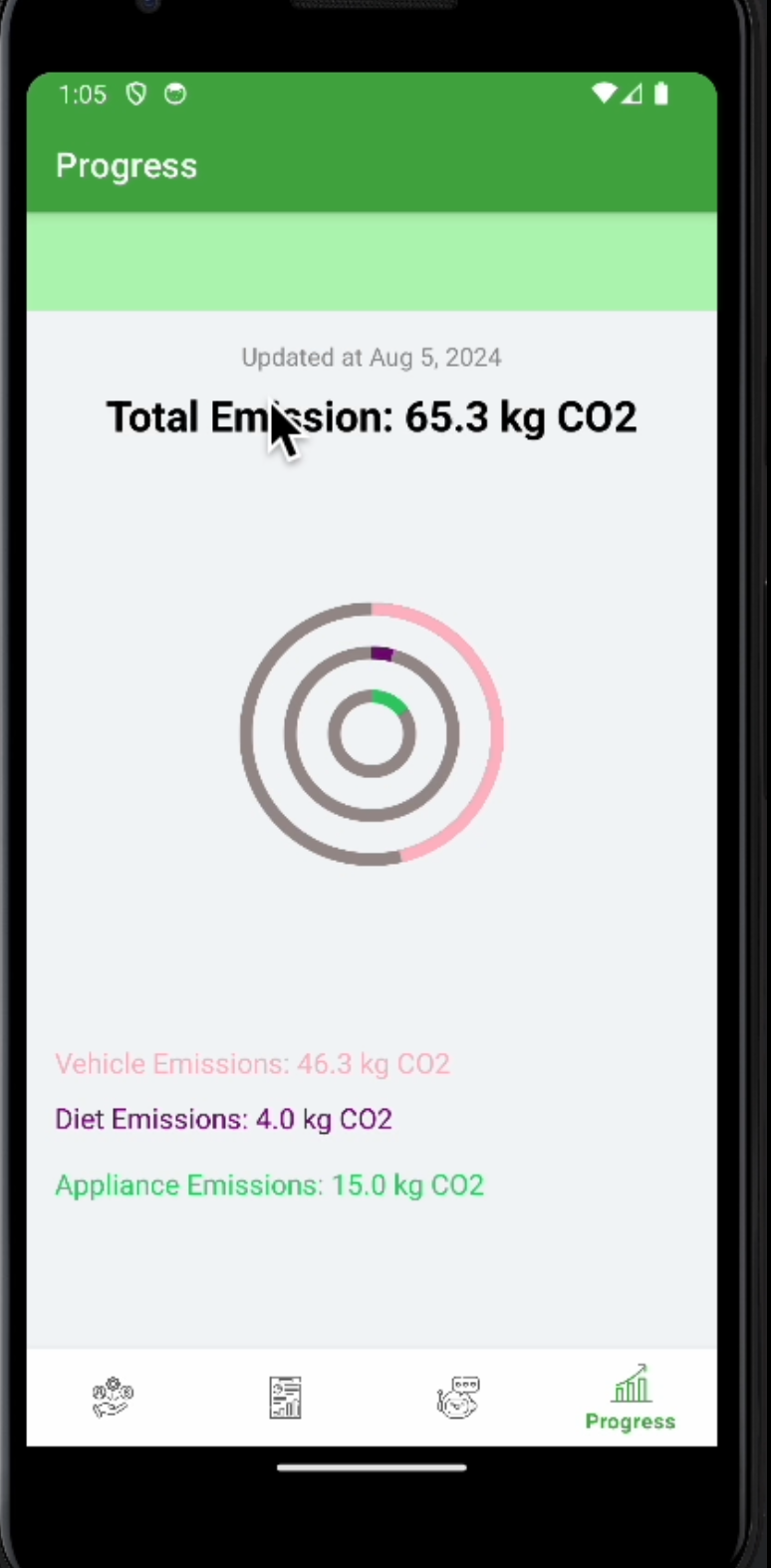
Progress Tracking of CO2 emission

Our EcoTrack project was inspired by the urgent need to reduce carbon emissions, particularly in the energy sector, a major contributor to global warming. While transportation is often highlighted as a primary source of carbon emissions, we realized that other areas, such as food production and household appliances, also play significant roles.
EcoTrack calculates users' carbon footprints based on their transportation usage, dietary choices, and appliance use. It includes a progress tracker to help users monitor their improvements over time and integrates an AI-driven interactive chatbot powered by Vertex AI and Google Cloud to provide information and guidance on sustainability topics. Additionally, the app features educational modules on sustainability, where users can earn points that can be redeemed for eco-friendly products.
We developed EcoTrack using Android Studio to leverage its robust features for Android app development. The app includes modules for carbon footprint calculation, a progress tracking system, and a chatbot interface. We integrated Vertex AI and Google Cloud to power the AI-driven chatbot, which required overcoming challenges related to merging this functionality with our Java-built app and SQlite for Database.
One of the main challenges was integrating the AI-driven chatbot with our Java-built app, given the complexity of combining Vertex AI and Google Cloud services. Additionally, ensuring accurate carbon footprint calculations for diverse user inputs and managing the app’s various features while keeping the database updated posed significant technical challenges.
We successfully integrated an AI-driven interactive chatbot into the app, providing users with real-time sustainability guidance. The educational modules and rewards system have been well received, encouraging user engagement and promoting eco-friendly behaviorus. The progress tracker has also been instrumental in helping users see their improvements over time.
We learned about the complexities of integrating AI services with Java applications and the importance of user-centered design in encouraging sustainable behaviors. The project also highlighted the value of combining educational content with practical tools to drive meaningful change.
Moving forward, we plan to enhance the AI chatbot's capabilities, expand the educational modules, and explore additional features that can further assist users in making sustainable choices. We also aim to collaborate with companies to offer real-life eco-friendly product discount coupons, encouraging people to use our app for a more sustainable future.


Log in or sign up for Devpost to join the conversation.